



Styx: Blades of Greed Review – Vertical Stealth, Quartz Powers and Goblin Mischief
I spent hours sneaking, climbing and occasionally face-planting through Styx’s newest adventure. Blades of Greed nails level design and atmosphere, but UE5 jank, difficulty shifts and some removed systems leave a mixed taste.
I came into Styx: Blades of Greed as a longtime fan and left with my pockets lighter and my grin wider — mostly. Cyanide Studio pushed Styx into bigger, more vertical open zones, leaned hard on Quartz powers and packed in a lot of new toys. That ambition pays off in level design and moments of pure sneaky joy: climbing gargantuan walls, gliding across courtyards and pulling off a takedown from the worst possible angle feels great. But ambition cuts both ways — performance hiccups, UX changes and some design decisions (I’m looking at you, lost insignias) make the trip bumpy. If you like creative infiltration and don’t mind a bit of jank, this is easily worth trying.
Vertical Heists and Goblin Parkour
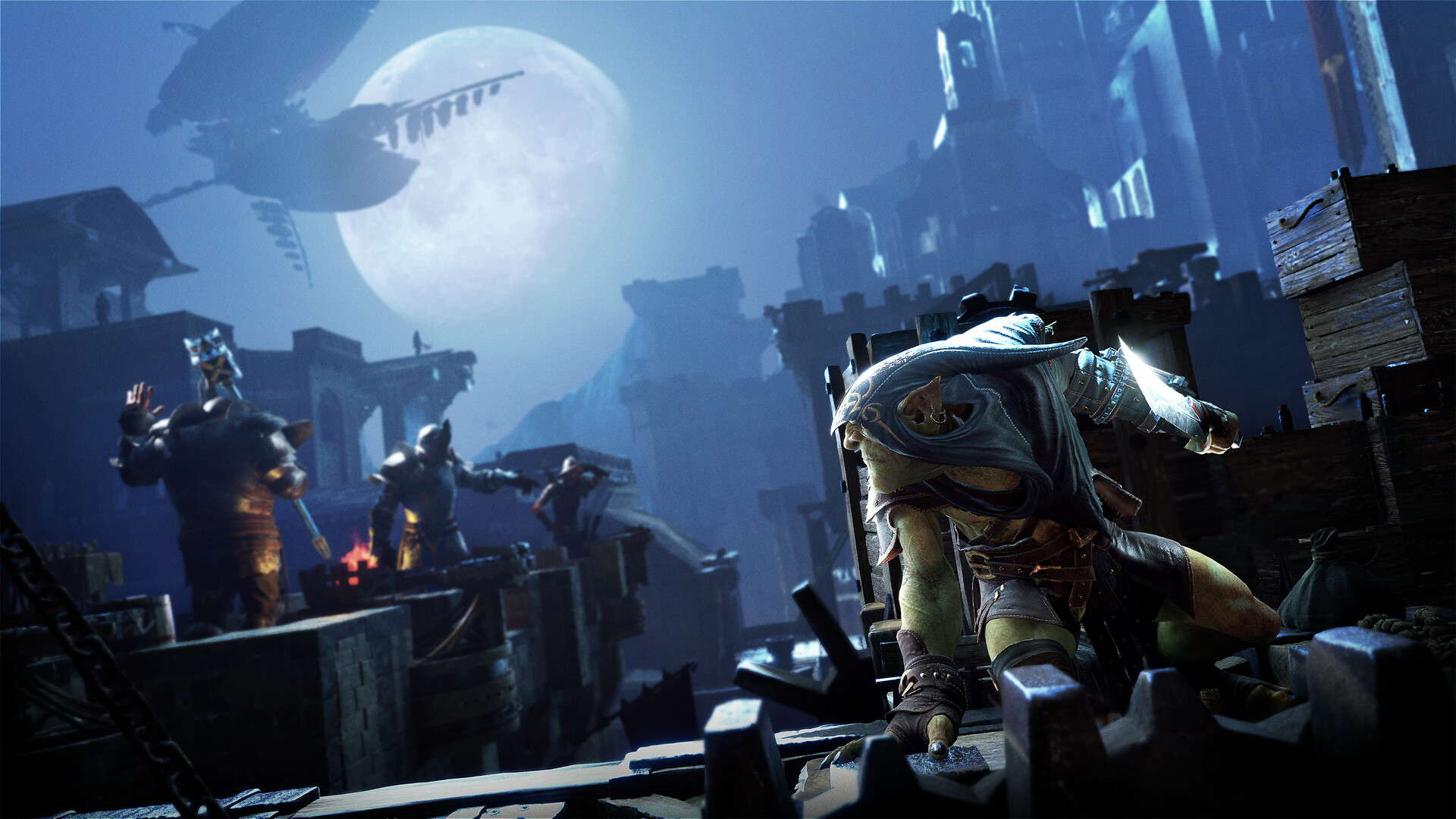
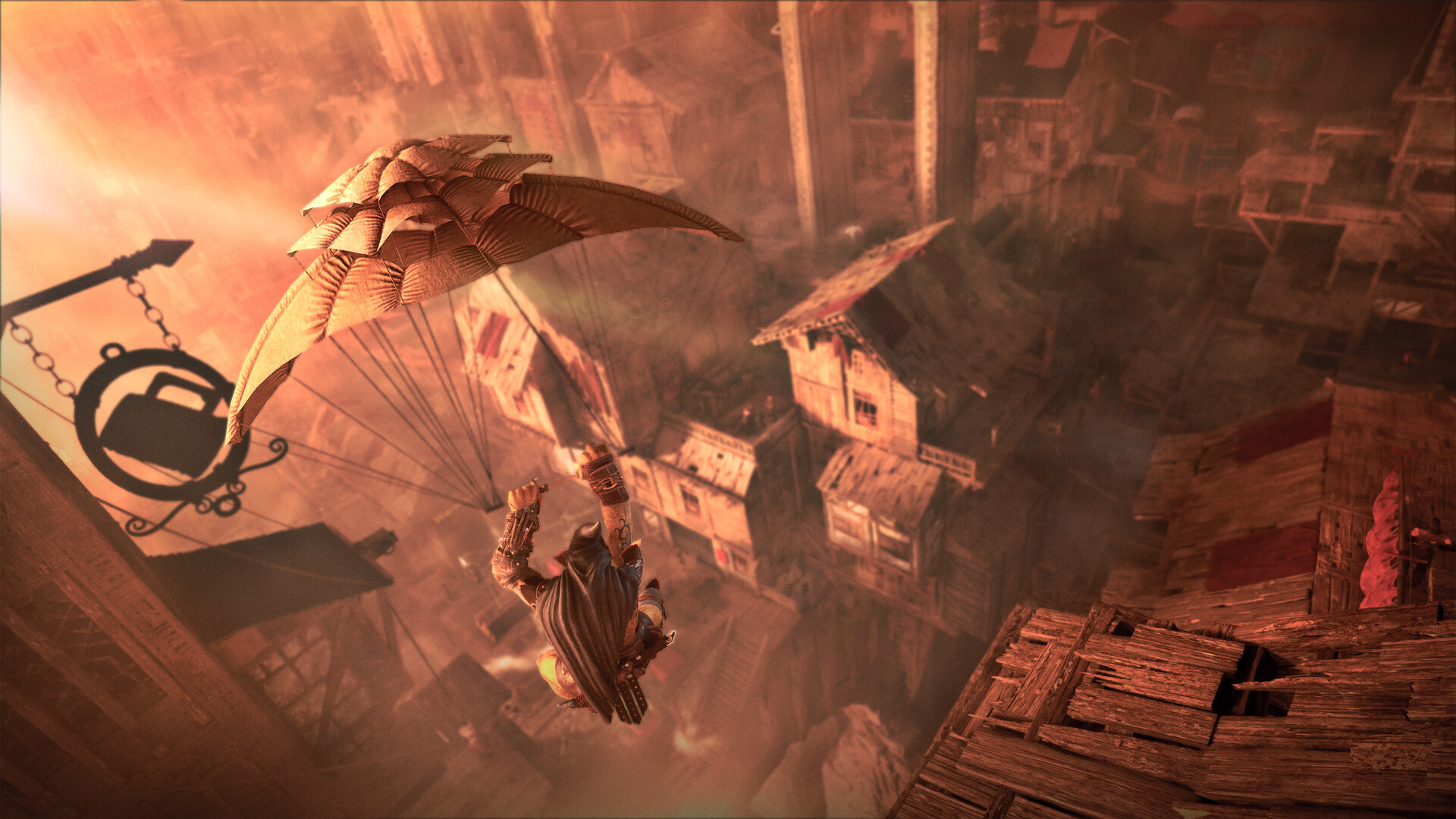
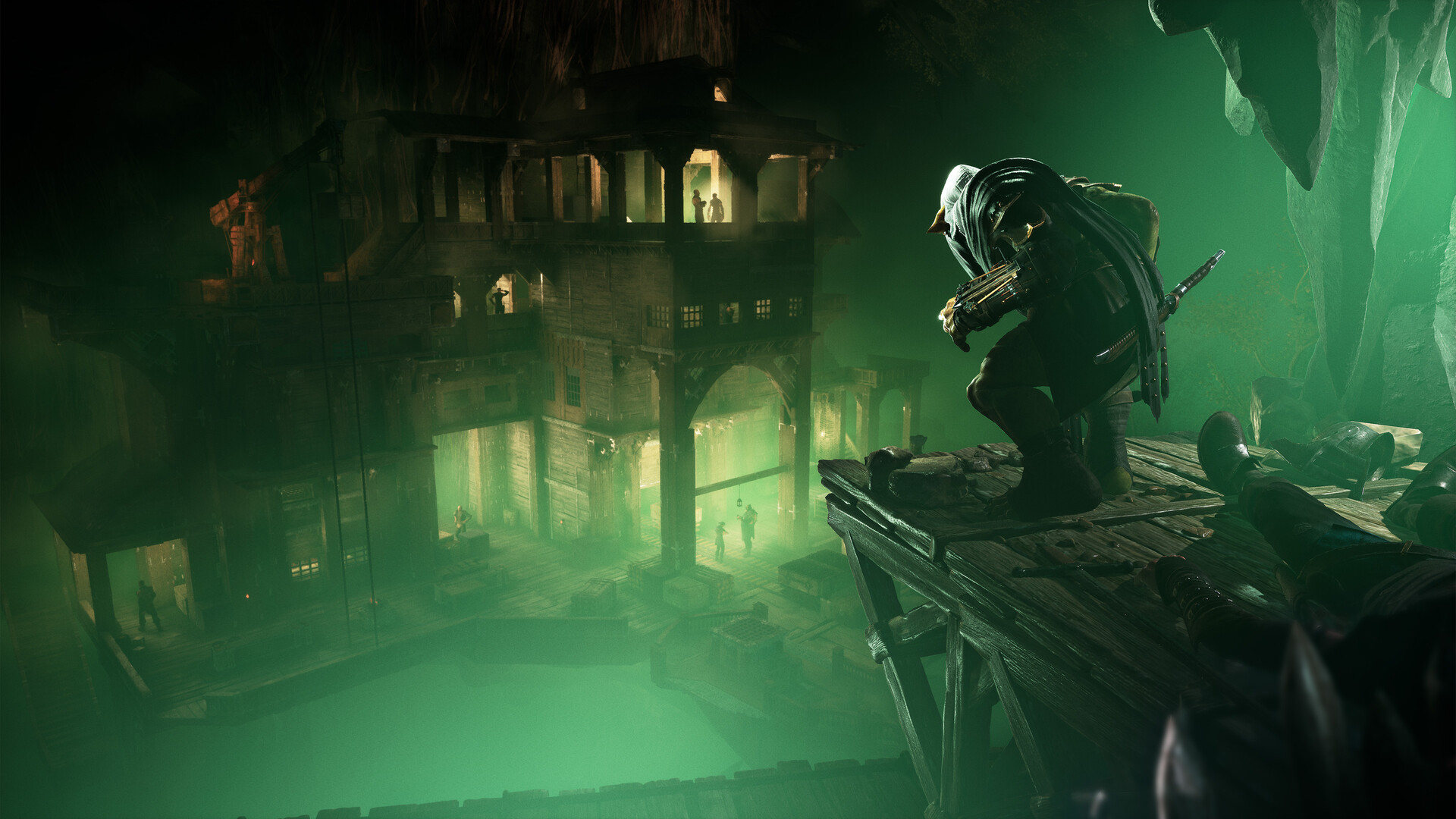
The core of Blades of Greed is pure three-dimensional stealth: you climb, grapple and glide through enormous multi-tiered maps where the vertical path is often the smartest one. Rather than tunnel-like levels, you get huge playgrounds — rooftops, buttresses, alcoves and ziplines — that reward exploration and map knowledge. Most encounters can be avoided, baited or turned into a surgical takedown; sometimes brute force is an option but it rarely feels optimal. Movement feels snappier than older entries: double-jumps, wall-scrambles, a satisfying glide and a grapple let you move with momentum, which makes escaping a spotted situation strangely fun. Encounters are designed around multiple solutions, so I found myself inventing routes more than following hotpaths.
Quartz Tricks, Crew Antics and Tools for Mischief
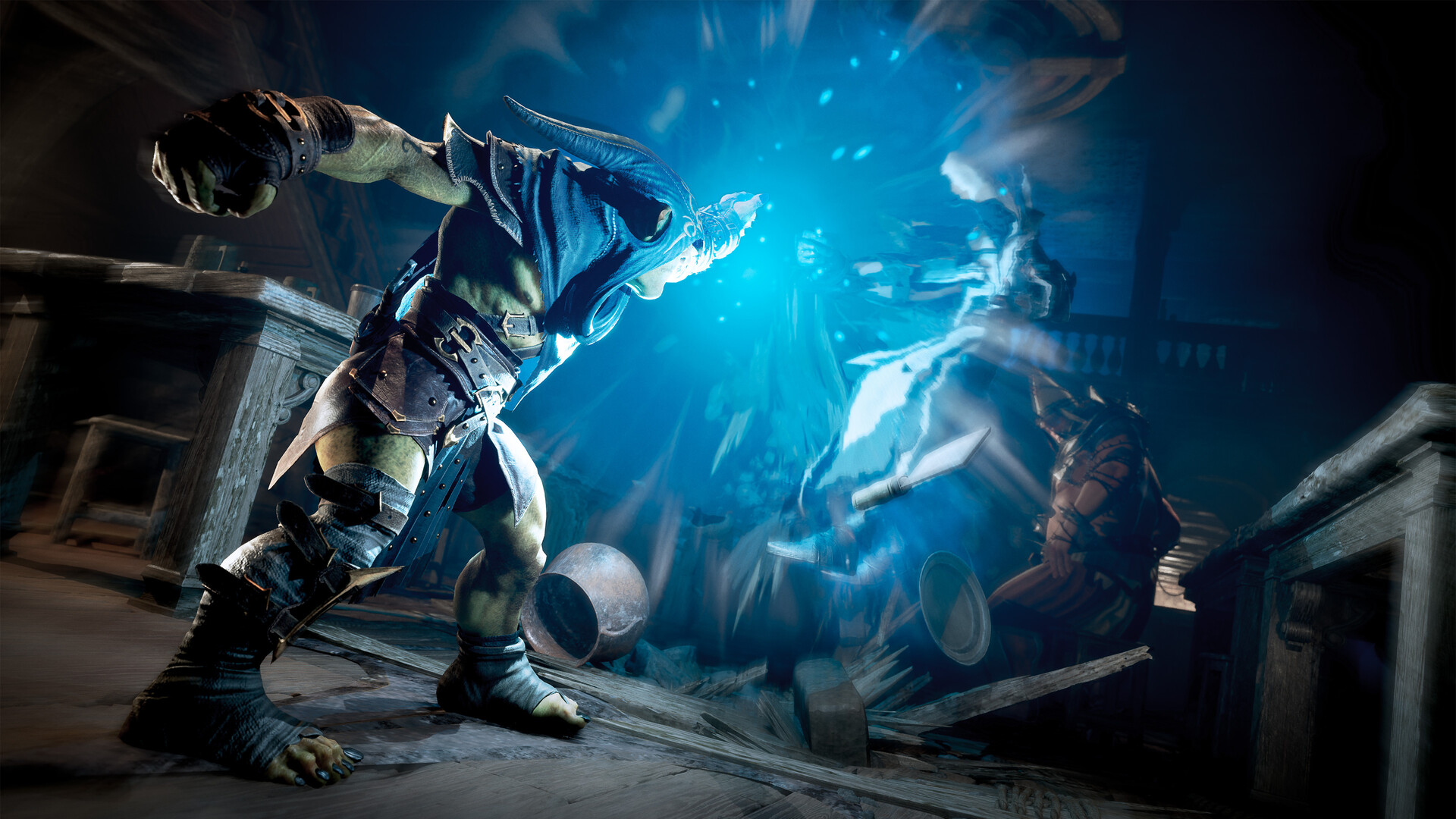
What sets this one apart are the Quartz abilities and the bigger toolbox: cloning and invisibility return in spirit, but Quartz grants things like mind control and time-shift that let you solve stealth puzzles in unexpected ways. There’s also crafting, loadouts and a small progression loop that rewards unlocks and exploration in Metroidvania fashion — new gadgets open previously unreachable niches. The zeppelin and your crew add flavor and some base-management beats, though they don’t overshadow the missions. That said, longtime players will notice changes: clones now act more like decoys than fully controllable buddies, and the old “ghost/thief/mercy” insignias were removed as overt medals, which some will miss. Personally I liked the freedom the game gives, even if I sometimes missed the precise incentive structure of the past.
A Soundtrack That Sings — and an Engine That Coughs
Aesthetically the game often shines: Styx’s voice is as delightfully grating as ever, the soundtrack pushes mood perfectly and many setpieces look cinematic. The art direction keeps the series’ grimy charm while adding extra detail and lighting drama. On the flip side, this is an Unreal Engine 5 game that sometimes shows the engine’s worst habits: motion blur and film grain that feel glued-on, pop-in, HDR/lighting inconsistencies and stutters on a range of hardware. Some players will need to tweak .ini files or rely on driver/patch fixes to get the look and framerate they want. Accessibility options and control remapping are present but could use refinement — I hit a couple of moments where the new two-button item usage felt clumsier than the old one-click logic. Still, when it clicks — and it often does — the world design and sound make sneaking through Iseria a joy.
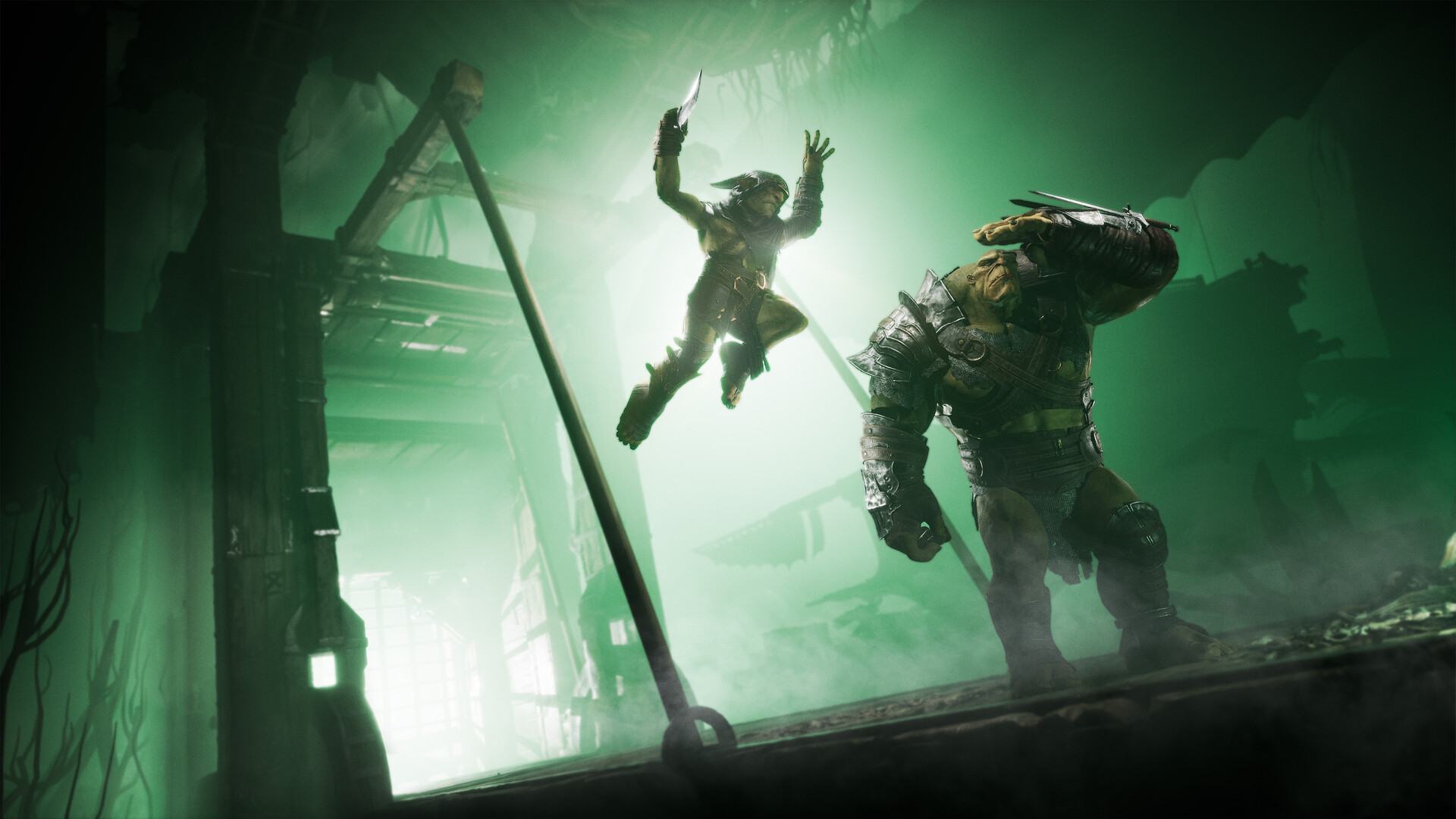
Styx: Blades of Greed is a gutsy, often brilliant sequel that expands the franchise’s toolkit and vertical playgrounds. It’s full of moments that made me laugh, curse and smile in equal measure — classic Styx behavior — but it also arrives with technical hiccups and design changes that will annoy purists. Buy it if you value creative stealth, superb level design and Styx’s personality; consider waiting for a patch if you’re worried about performance or miss the old medal incentives. Either way, the goblin is back and still dangerous — and I’m glad he is.
Pros
- Excellent vertical level design and exploration choices
- Rich toolbox: Quartz powers, gadgets, glide and grapple feel fun
- Strong atmosphere, music and Styx’s voice acting
- Multiple ways to approach objectives — good replay value
Cons
- Technical issues on some systems (UE5 stutter, pop-in, motion blur)
- Difficulty felt inconsistent; some players find it too easy
- Removed mechanics (insignias, controllable clones) disappoint longtime fans
Player Opinion
Players are split, and the Steam reviews reflect that with one clear pattern: love for the levels and sneaky moments, frustration about performance and some design changes. Many praise the huge vertical maps, the soundtrack and the creative gadgets — several reviewers called the level design among the best in recent stealth games. On the negative side, recurring complaints mention UE5-related stutters, pop-in, washed-out lighting and a perceived overall drop in challenge compared to older Styx titles because of new mobility and QoL options. A number of fans mourn the missing insignias and full clone control; others welcome the freedom and find Goblin difficulty actually rewarding. If you enjoyed Dishonored or the older Styx games for inventive level design and emergent sneaking, you’ll likely find a lot to like here — but expect patches and tweaks over time.