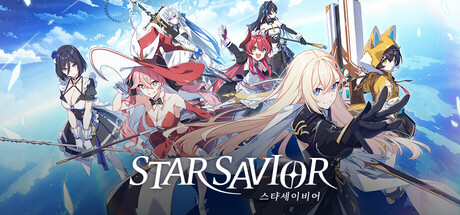




StarSavior Review – A Pretty Starry Gacha with Rough Launch Wounds
A mixed bag: charming anime visuals and a solid training-RPG loop, but marred by translation hiccups and launch performance issues. Read my hands-on impressions and technical notes.
I picked up StarSavior as soon as it hit the global Steam launch to see whether Studiobside's new training-RPG could live up to the buzz. On paper it checks many boxes: star-powered girls, turn-based combat with flashy skill animations, and a management/training loop that fans of Umamusume or similar titles will recognize. In practice, it's an enjoyable core experience that often sparkles — but not without noticeable scratches. The global launch still carries echoes of the earlier JP/KR rollout: translation misses, some stability woes, and a few UX oddities that harm first impressions. If you like rounded anime production values and a steady gacha loop, there’s a lot to enjoy here; just be prepared to forgive some early roughness.
Guiding the Saviors through the Journey
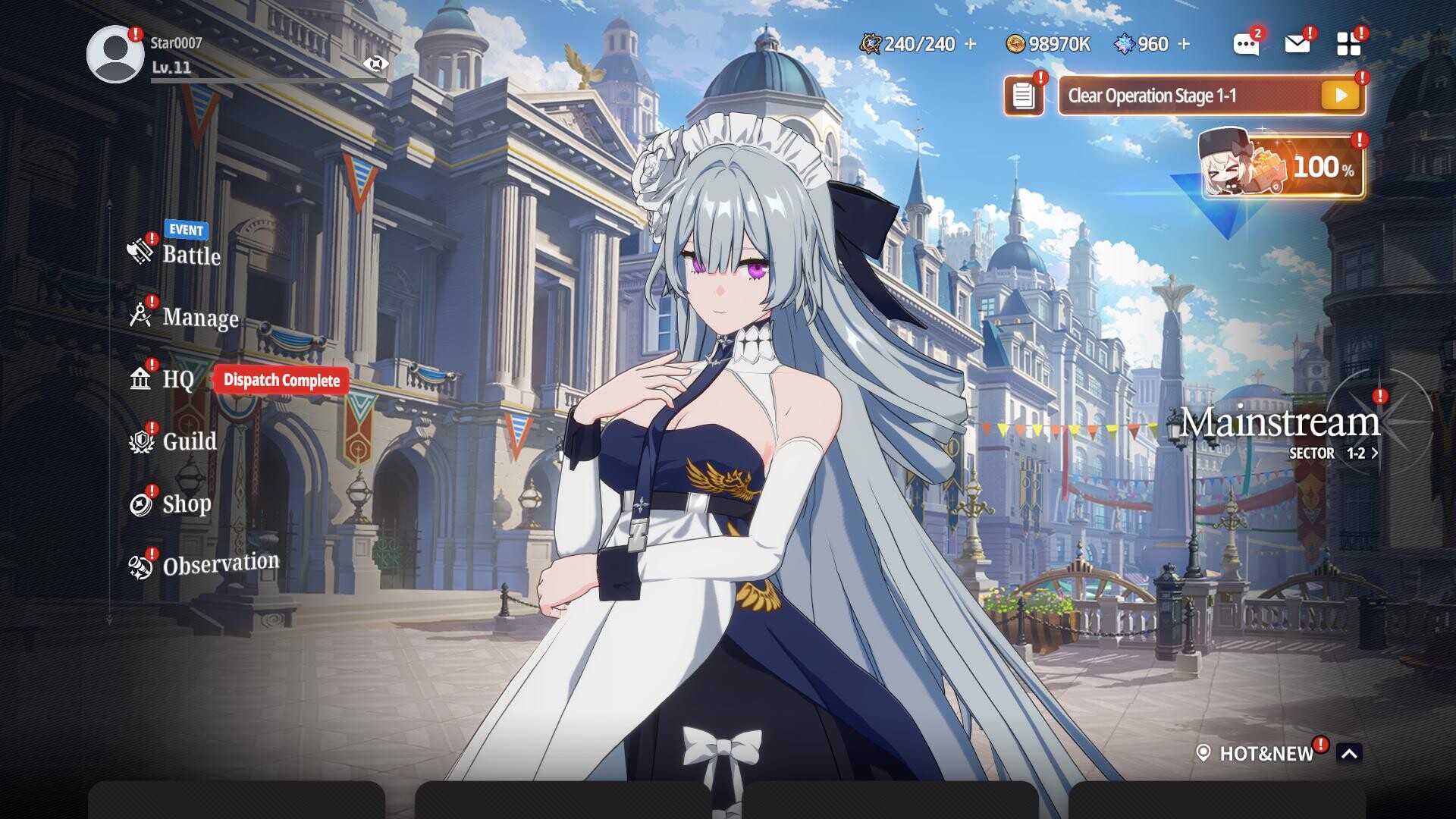
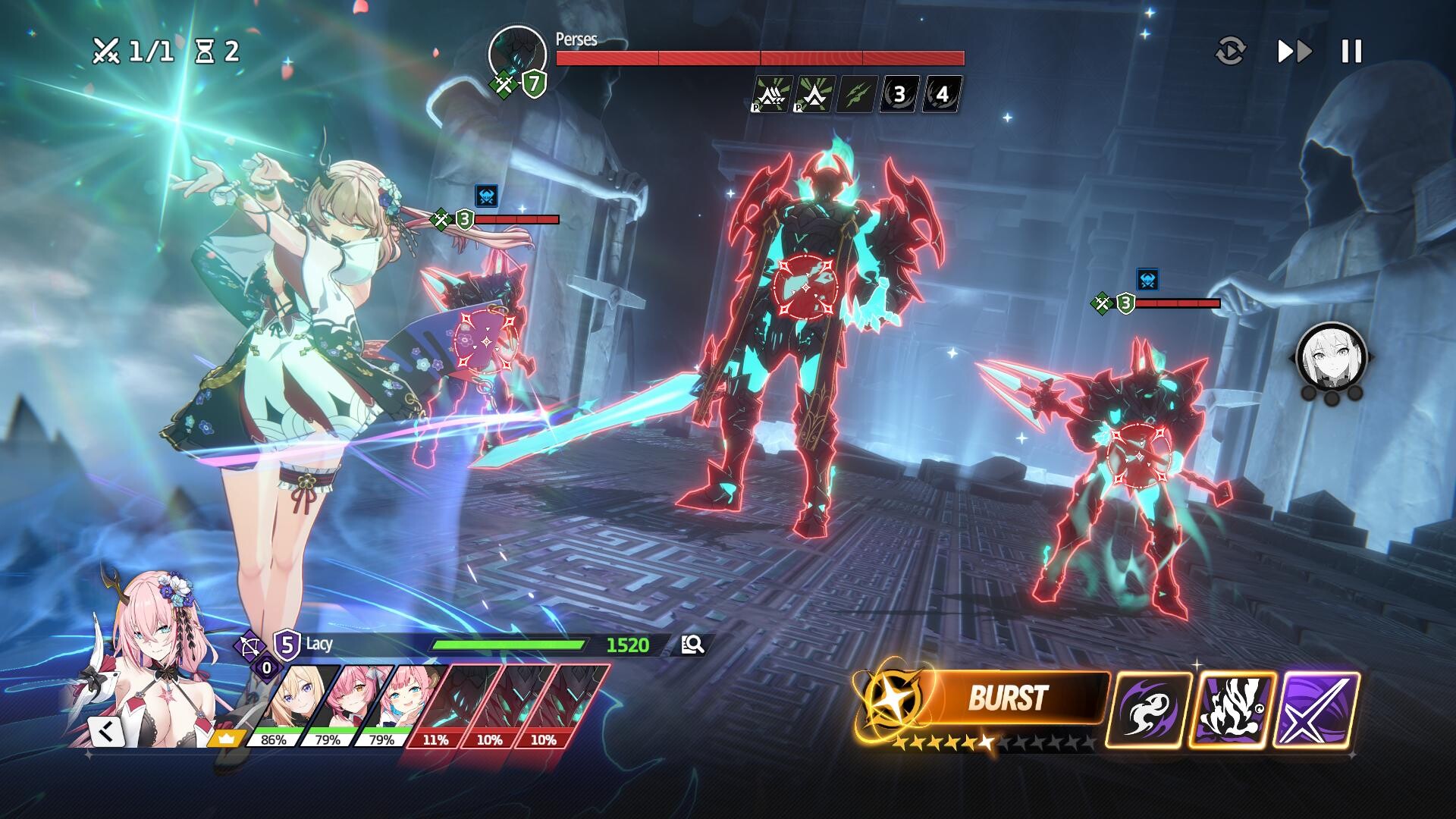
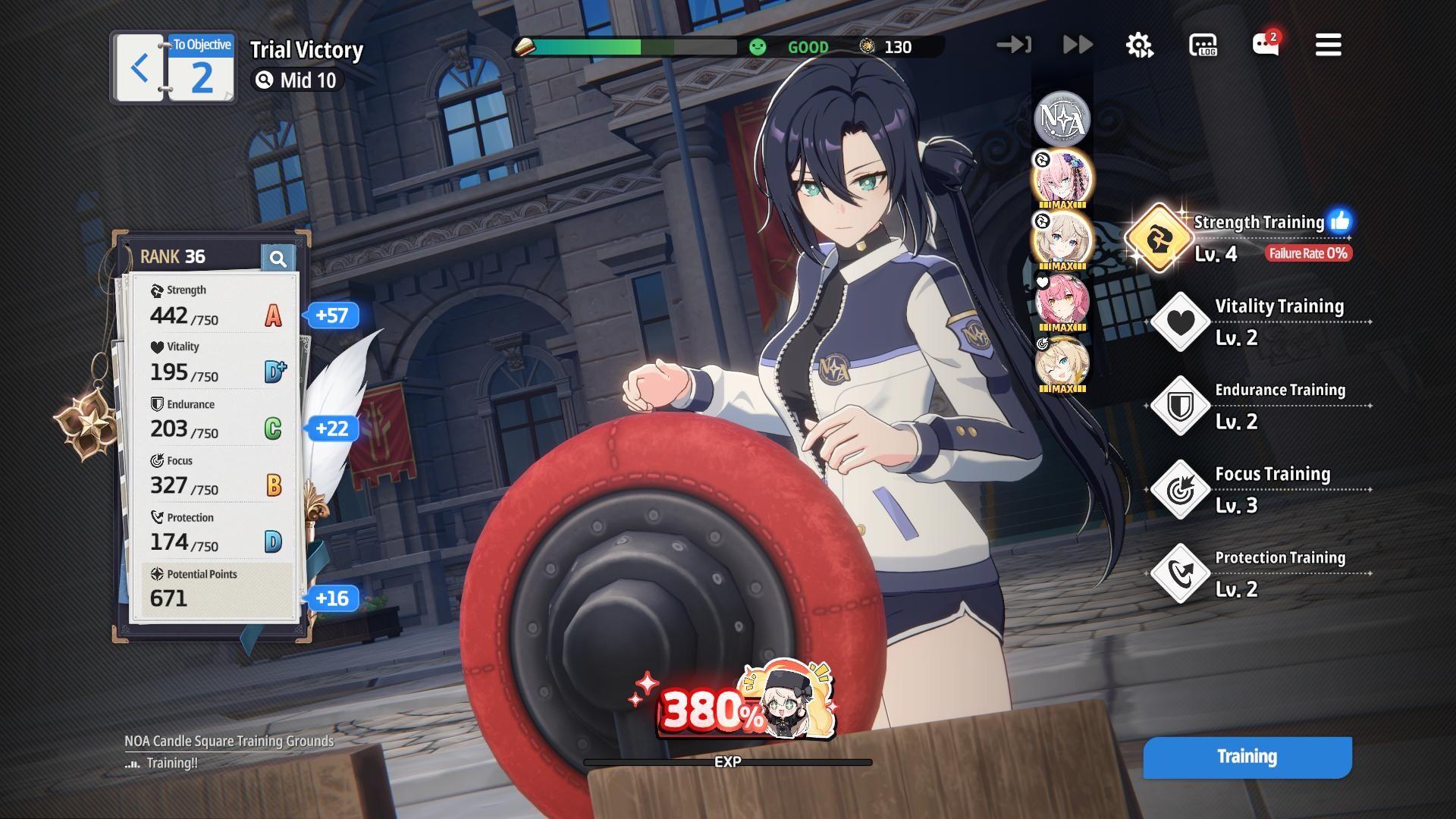
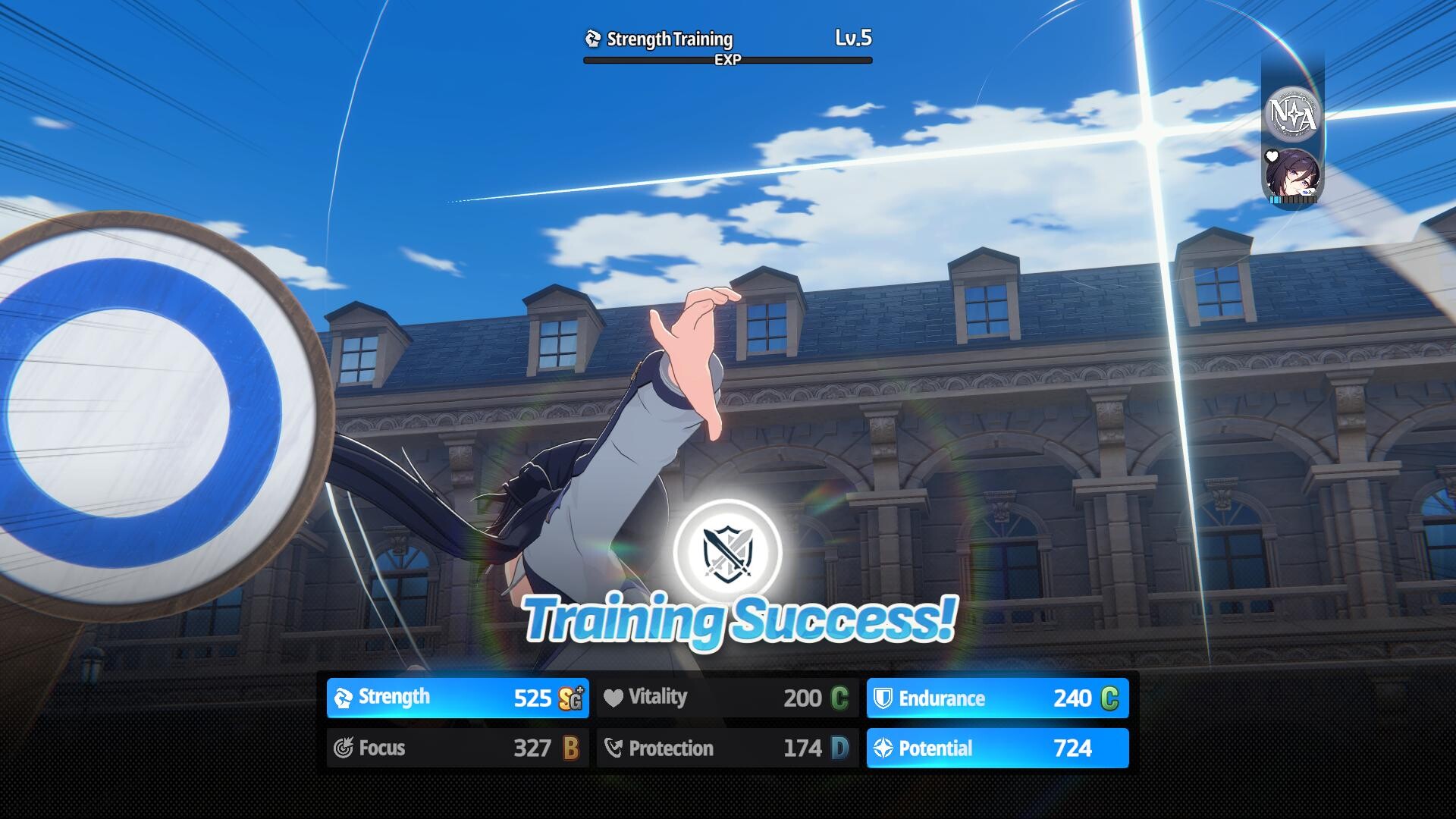
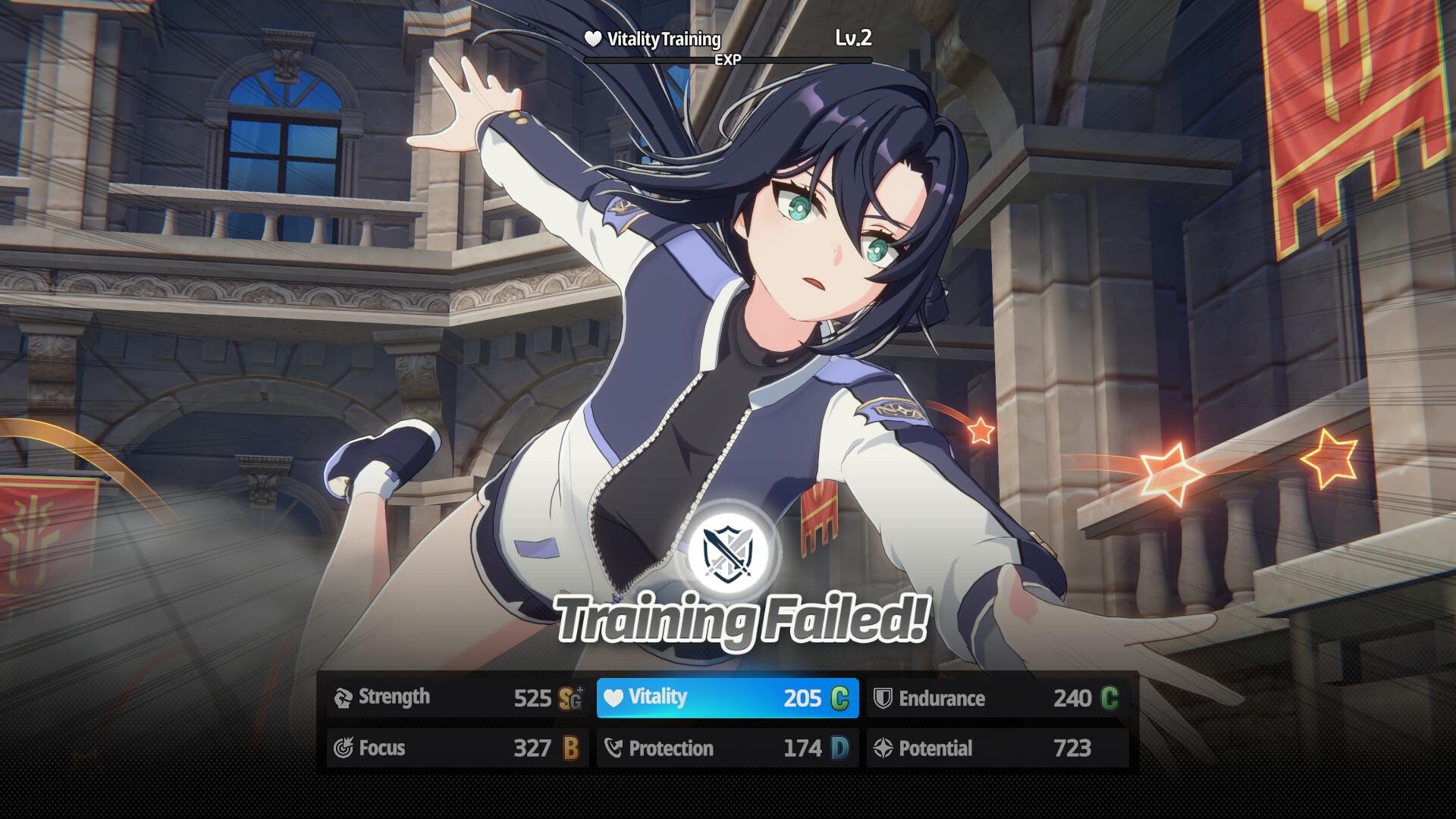
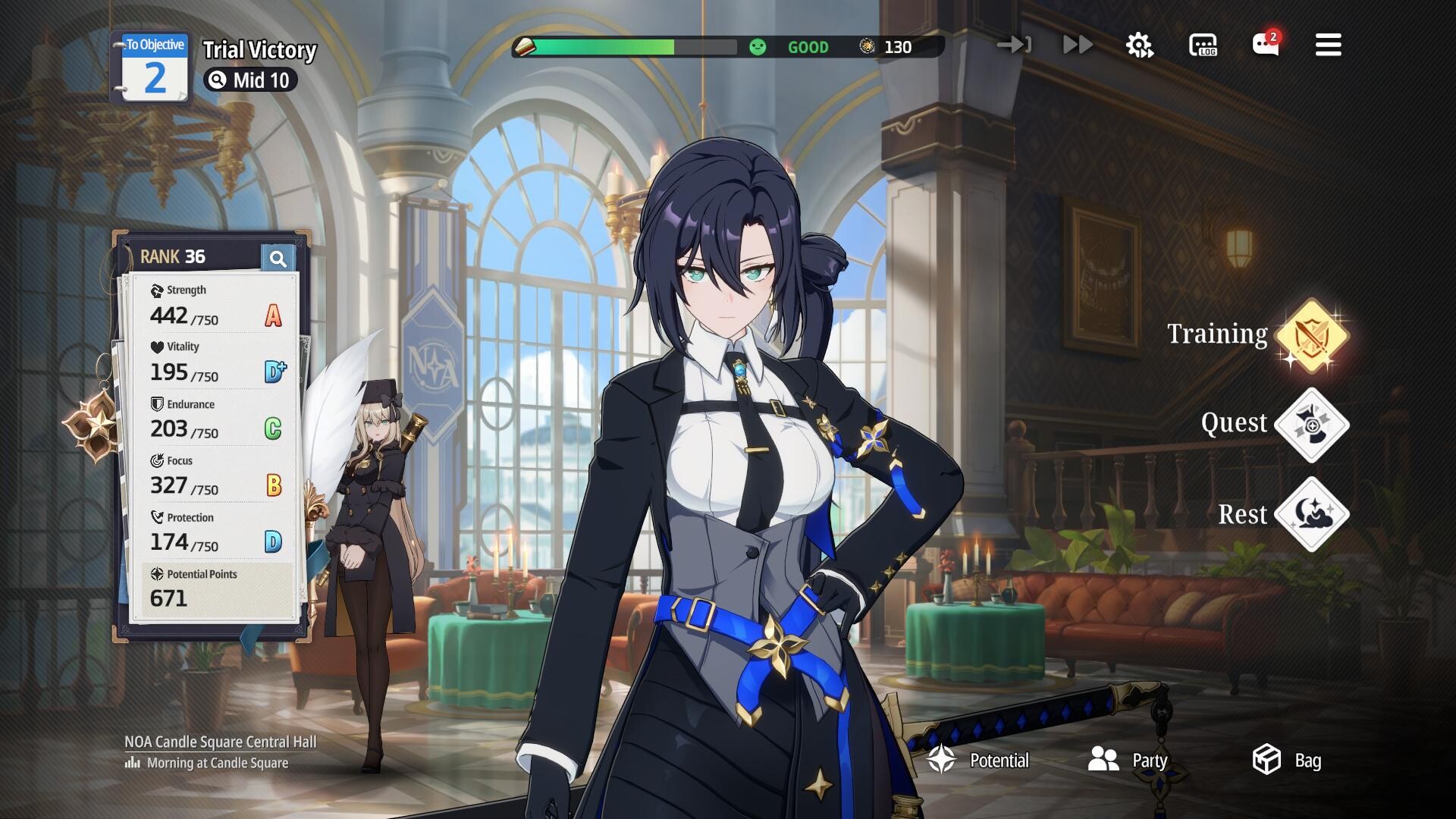
Gameplay centers on raising and deploying a party of star-powered girls called Saviors. You act as the Captain: feed training modules, schedule practice, and choose which stats to emphasize so the girls perform better in Journey battles. Combat is turn-based and deliberately theatrical — each skill has a distinct cast animation and timing window, so positioning and skill order actually matter. Outside fights there’s a light management layer where you assign activities that boost EXP, stamina recovery, or bond points; those bond points unlock character scenes and small passive perks. The loop is familiar if you’ve played training sims: grind training, pick events, then run the content that actually tests your build.
What sets StarSavior apart (and what trips it up)
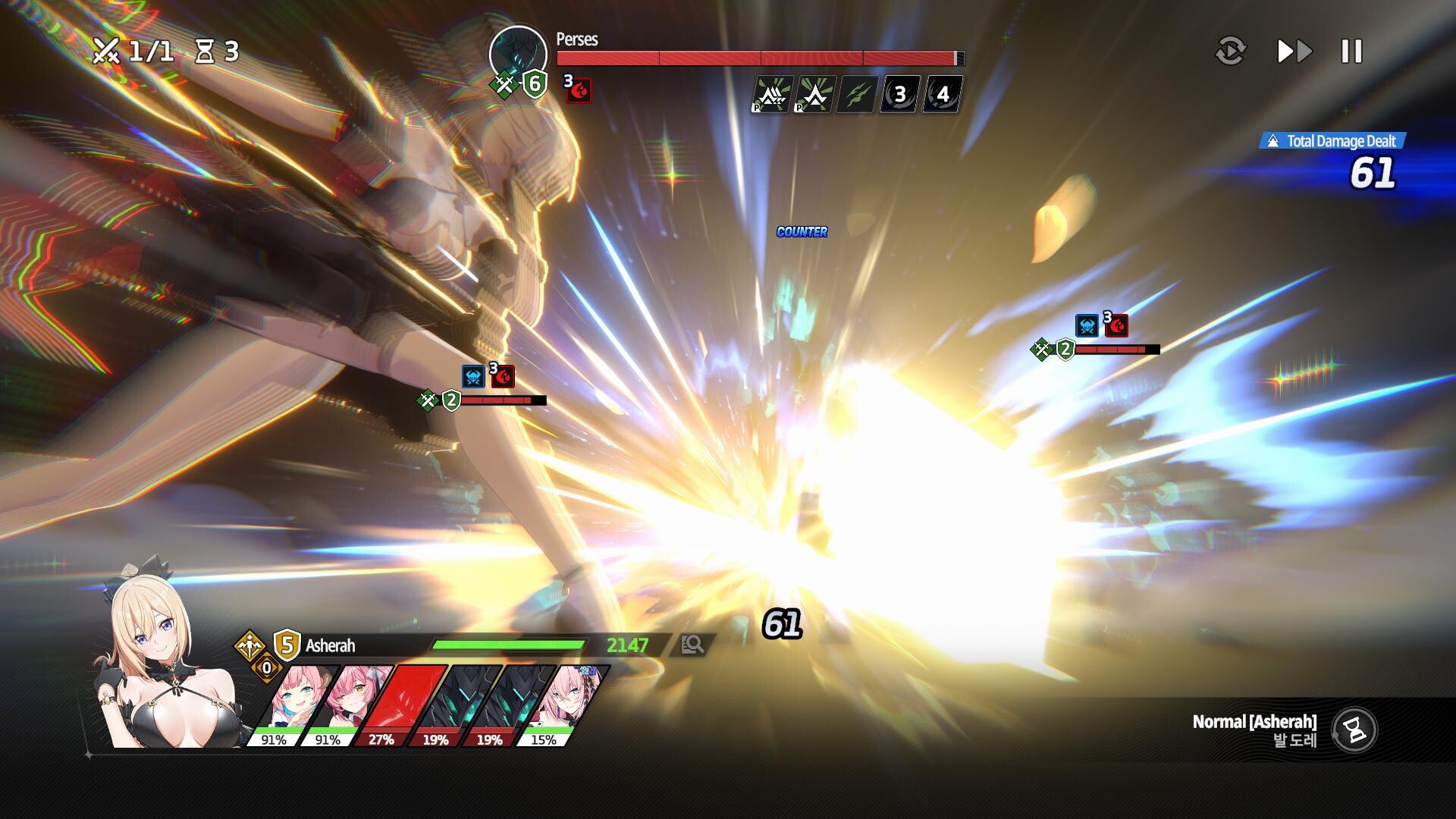
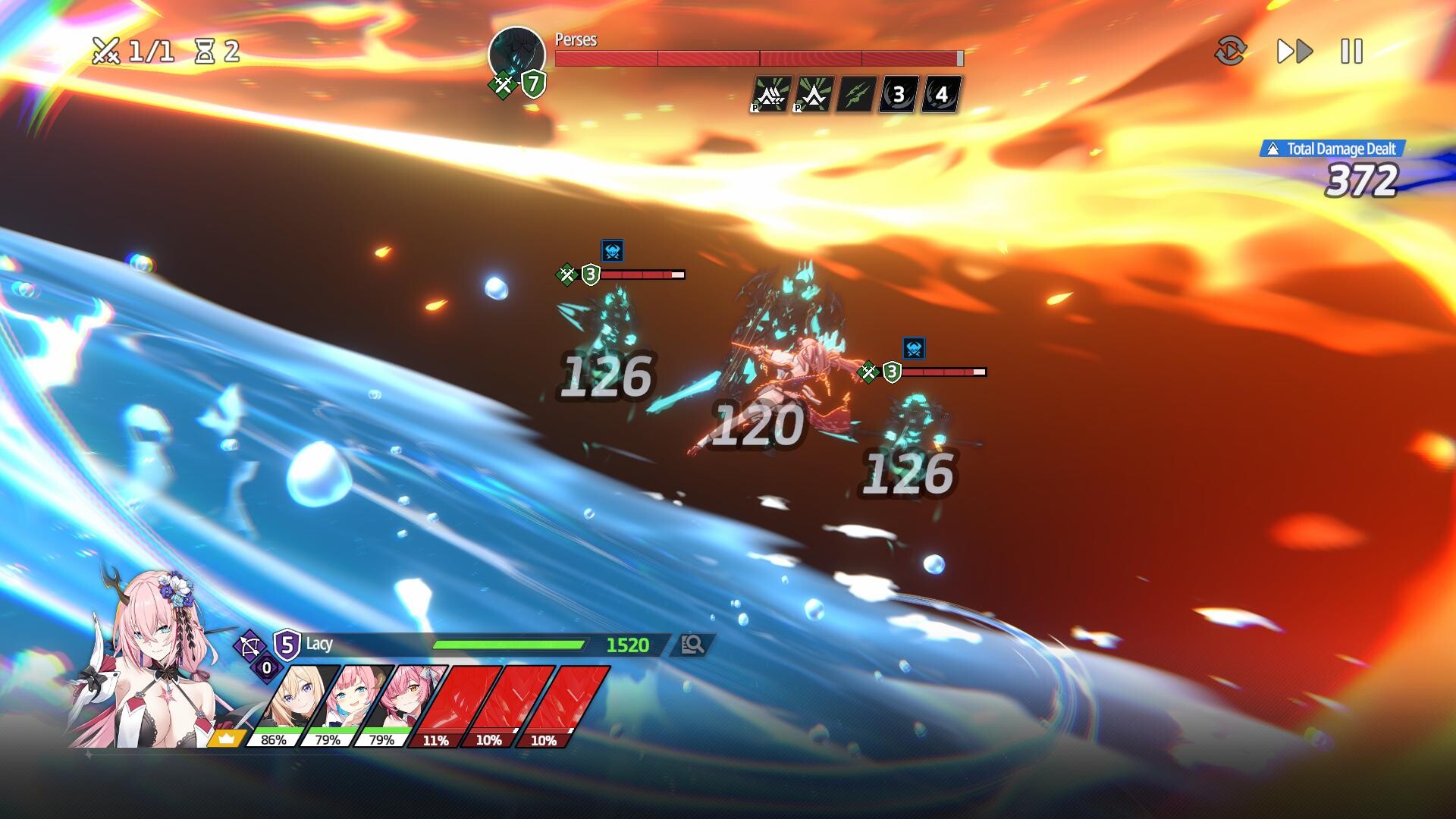
The game’s unique selling point is the blend of training-sim progression with cinematic, multi-stage skill animations. It isn’t just numbers: some abilities chain into cinematic ‘finisher’ sequences that change how a fight plays out (that cascading multi-hit starfall ultimate is particularly satisfying). Another standout is the pull economy — recent patches reportedly moved SSR rates to ~4% and added more generous daily currency, which softens the usual gacha sting. On the flip side, the global launch exposed two big pain points: partial untranslated text in specific tutorial steps and early QA oversights (e.g., reroll/reset workflows). These are fixable and many have been patched quickly, but they break immersion on first play.
A close look at presentation and performance
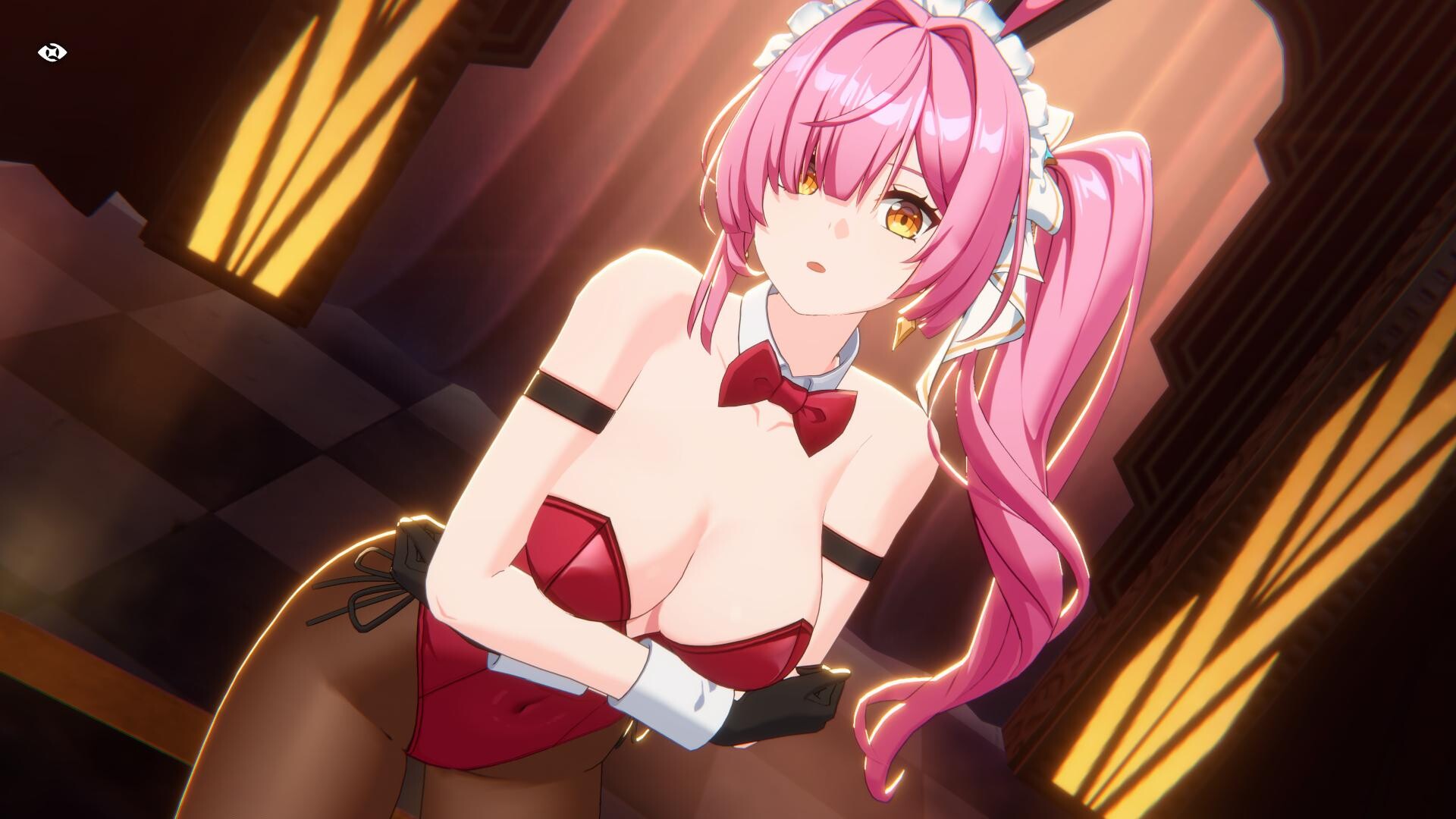
Visually, StarSavior mixes anime illustrations with 3D models that animate smoothly most of the time: facial closeups, lip sync in key story beats, and crisp VFX during ultimates. Musically, the score leans into sweeping, synth‑chord cues that punctuate boss moments; voice acting is present for main story beats and helps sell character moments. On the technical side I tested the Steam PC build (v1.0.3) on 15.03.2026: Test rig A — Intel i7‑9700K, RTX 3060 12GB, 32GB RAM, Windows 10, NVMe SSD; average combat FPS on High settings: 60–80 FPS, VRAM 4–6 GB normally, with occasional spikes to ~7.5 GB causing microstutters after long play sessions. Test rig B — GTX 1650, 16GB RAM — showed 25–35 FPS on Low with noticeable stutter. Repro steps for the stutter/VRAM growth I observed: 1) Enter a 6‑minute auto farm session; 2) trigger multiple chain ultimates; 3) after ~10 runs memory use climbs and stuttering increases. Specific bugs I encountered or replicated from community reports: the tutorial prompt to click the "Mainstream" button (often displayed as Korean text '메인스트림') remained untranslated in some sessions, and the reroll/account reset flow initially required typing "서버 계정 초기화" with a text box too small to accept the full phrase (known issue around 2026-03-10) — both were hotfixed in patches shortly after launch, but they illustrate how QA gaps affected day-one impressions.
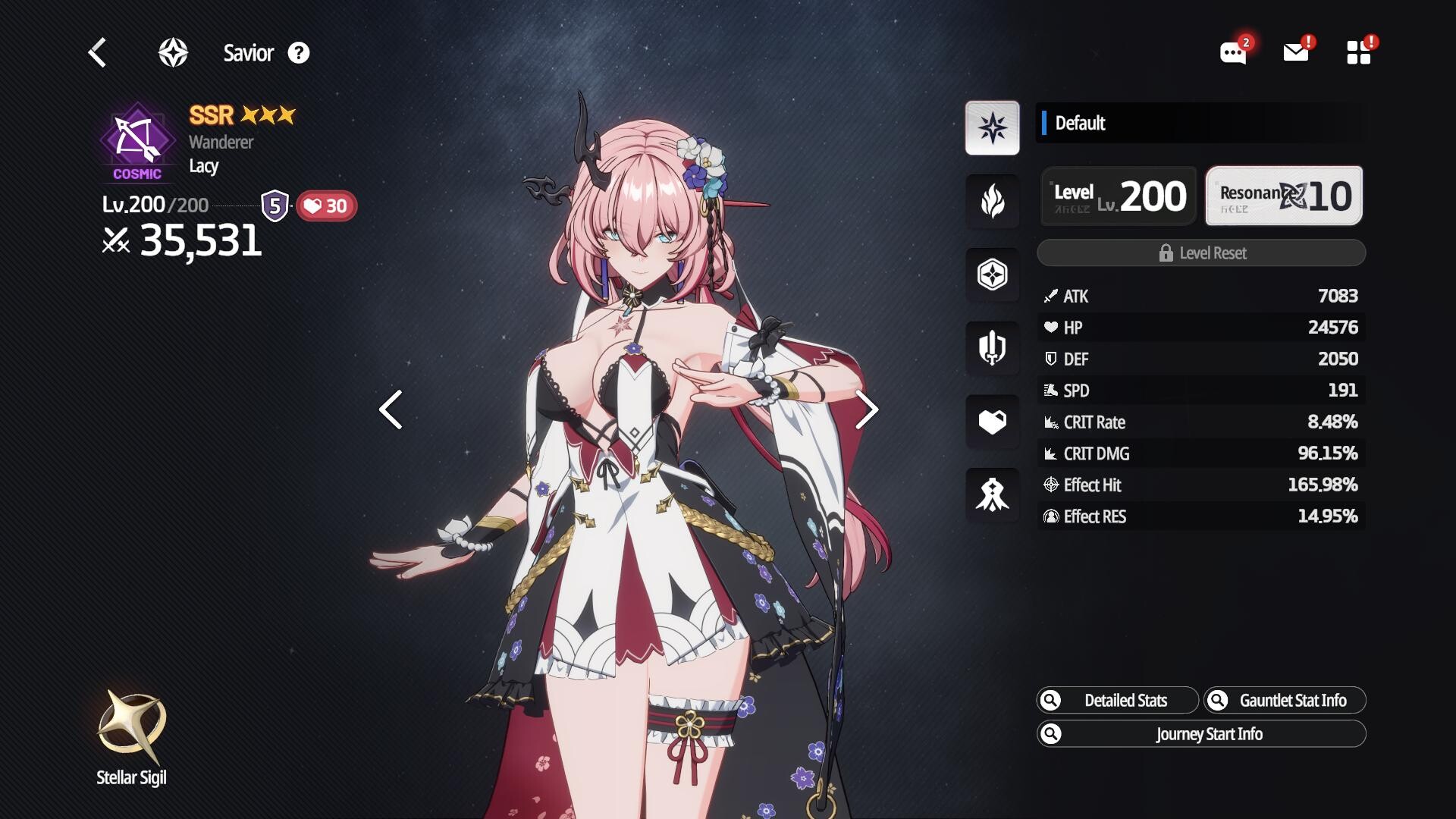
StarSavior is a promising training‑RPG that often delivers on presentation, animation and an addictive raise‑and‑fight loop. However, the global launch still shows scars from early regional rollouts: translation gaps, some technical roughness on lower hardware, and a few UX missteps that harm first impressions. If you’re into anime visuals, cinematic skills and a rewarding management loop — and can ride out early patches — it’s worth trying. If you need a pristine, plug‑and‑play experience on day one, you might want to wait for a couple more QoL updates.
Pros
- Strong anime visuals and cinematic skill animations that sell each fight.
- Satisfying training/management loop for players who like raising sims.
- Developer is responsive: post‑launch fixes raised rates and patched many issues.
- Generous pull economy after patches and frequent QoL updates.
Cons
- Patchy translation at launch — some tutorial/story text appeared in Korean.
- Performance can stutter on lower-end GPUs and VRAM spikes after long sessions.
- Early QA issues (reroll/reset UX, input limits) hurt first impressions.
Player Opinion
Players are split but there’s a clear pattern: longtime fans praise the gameplay loop, animations and music — several comments compared it favorably to Umamusume mixed with Honkai Star Rail vibes. Many positive voices note the devs listened after the troubled JP/KR launch: SSR rates moved to ~4% and daily currency was buffed. On the criticism side, multiple users reported untranslated chunks (tutorial prompts, some banner text) and sporadic crashes or login issues on mobile. A recurring theme is "good game, bad launch" — people who stuck around mostly applaud the improvements, while newcomers who hit untranslated tutorials or reroll problems complained loudly. If you value gameplay first and can tolerate some launch mess, the community consensus tilts toward giving it a chance.