


Spark in the Dark Review – A Brutal, Beautiful Descent
An atmospheric dungeon crawler that nails dread and exploration, but lands with janky combat and visibility problems. For fans of Dark Souls-like tension and old-school Diablo vibes.
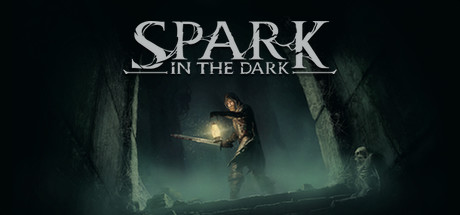
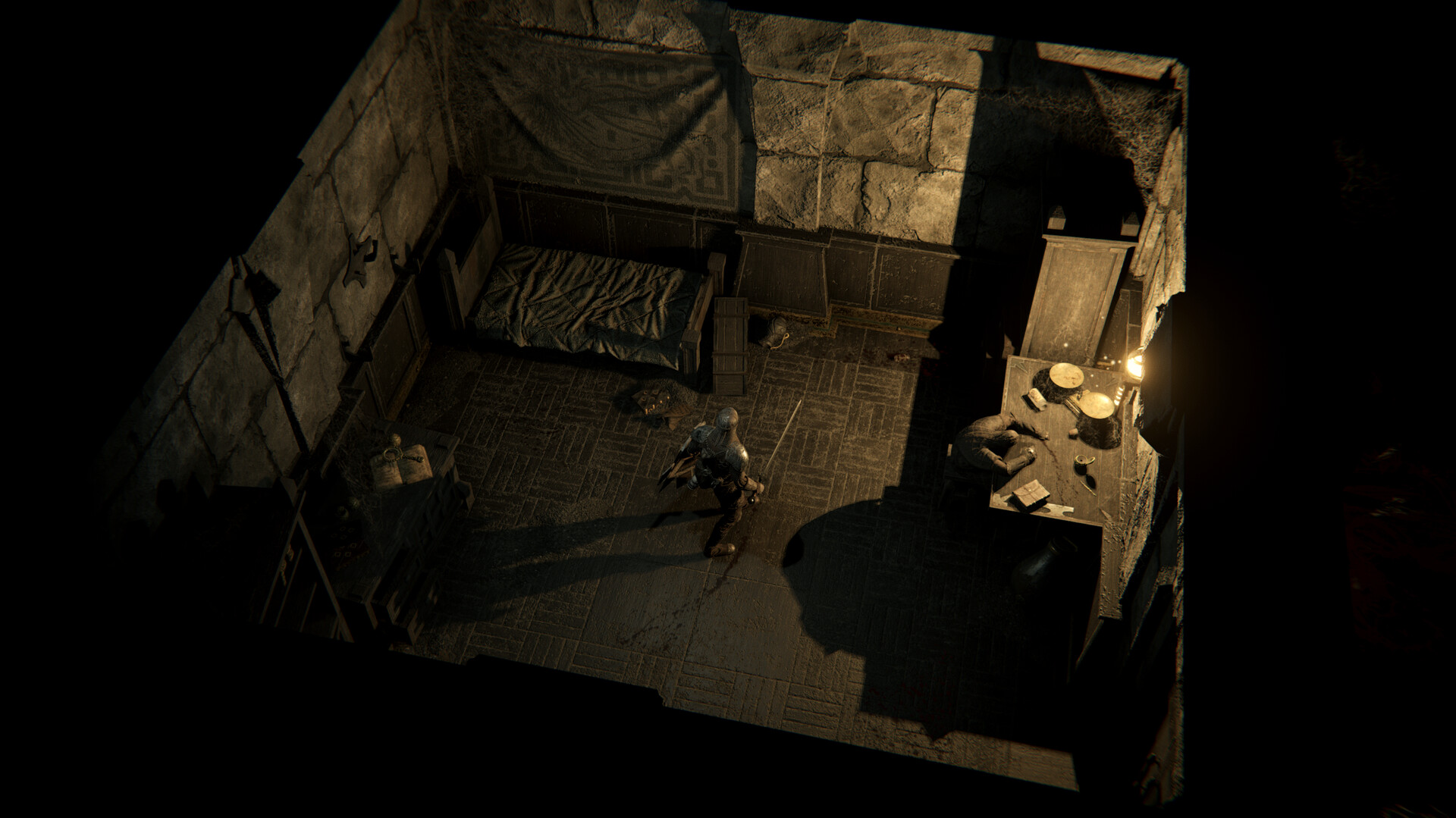
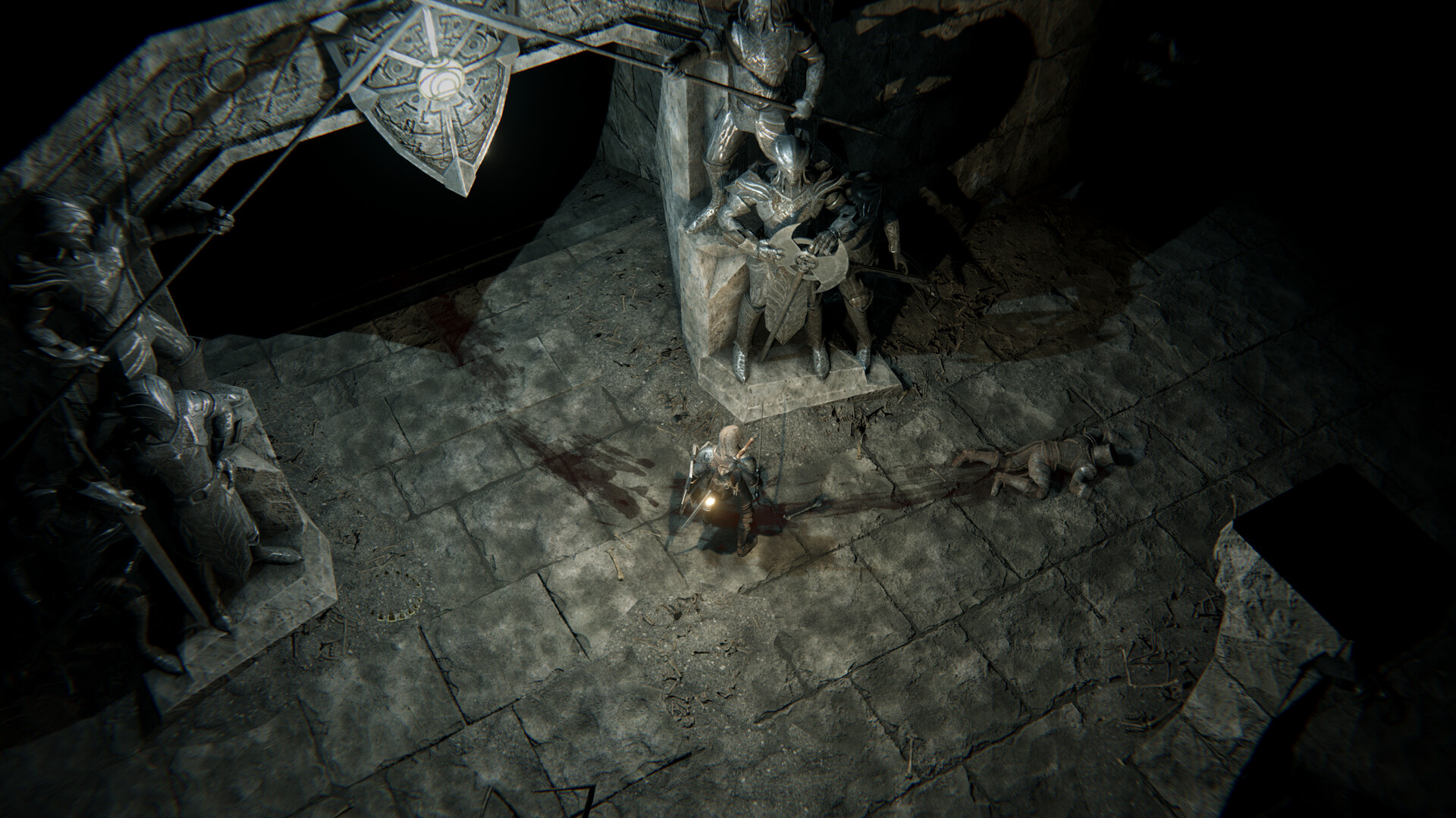
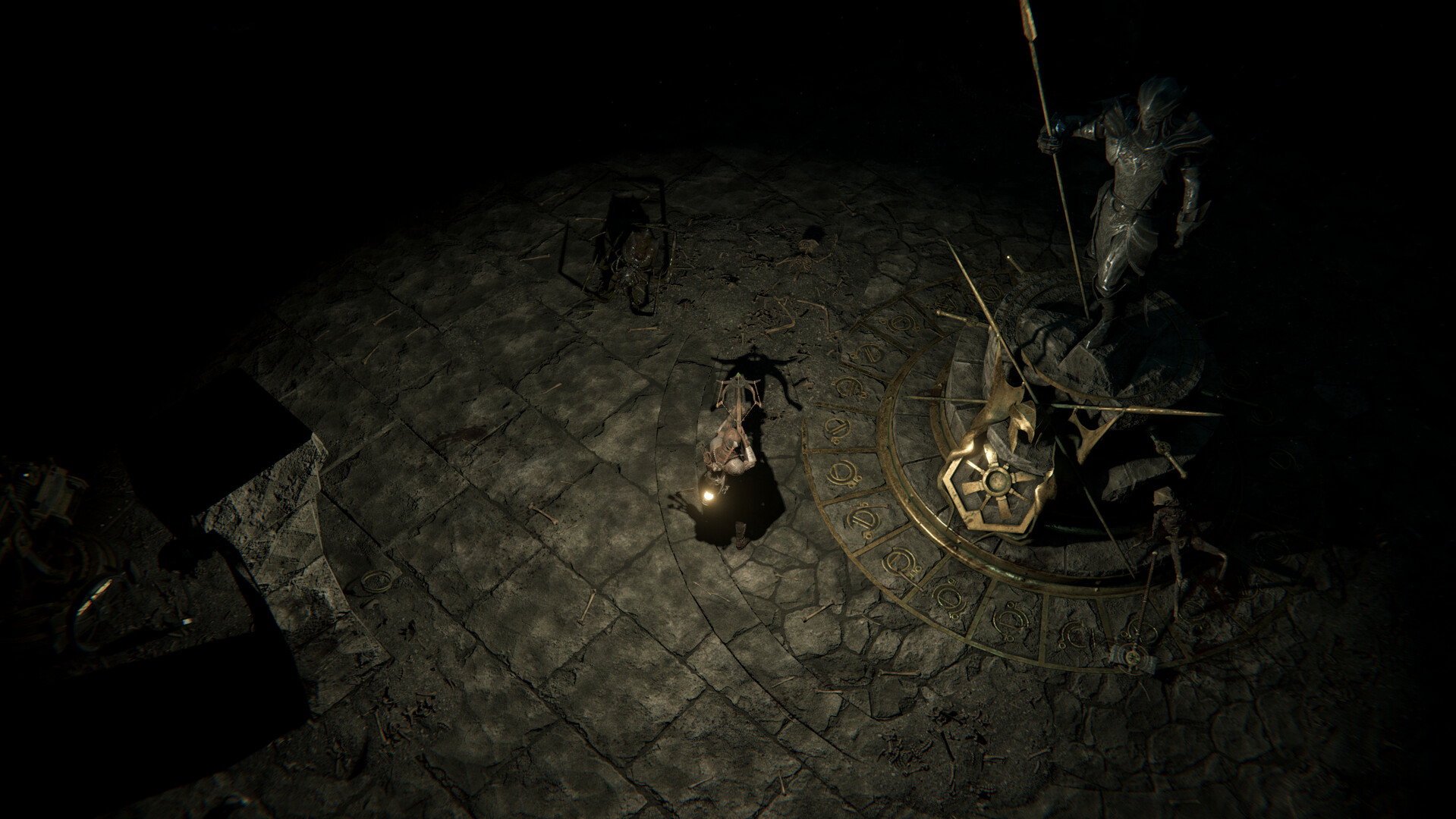
I dove into Spark in the Dark expecting a moody, punishing crawl—and Stellar Fish mostly delivers. The dungeon is oppressive in the best way: every corner feels like a threat, and the handful of light sources become precious lifelines. If you like unforgiving difficulty, heavy atmosphere and deep, book-filled lore, this indie title scratches a rare itch. It’s rough around the edges, but when it works it grips you like a vise.
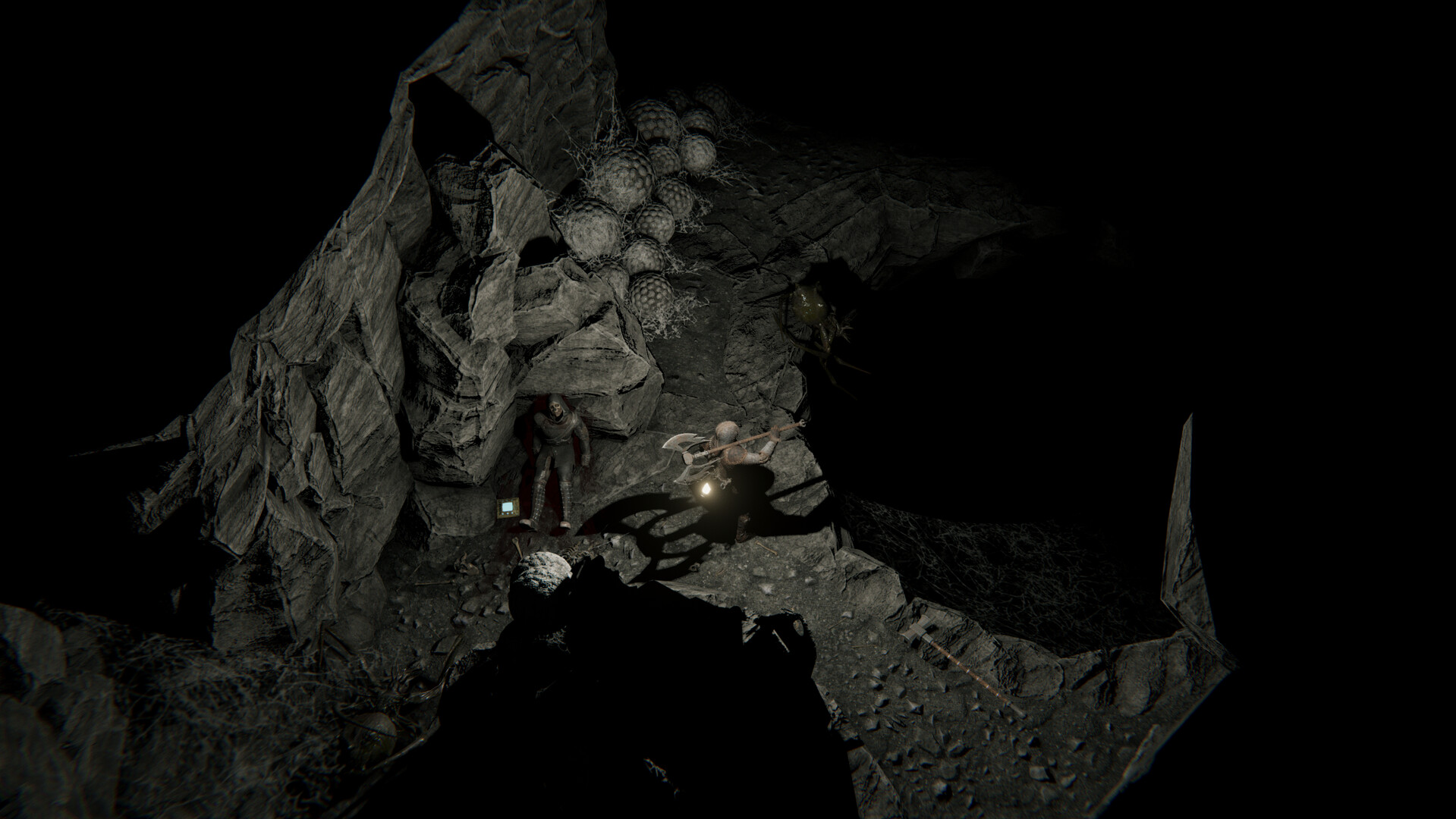
Descent into Relentless Gloom
The heart of Spark in the Dark is pure, stubborn survival: you walk, you listen, you swing, and you curse the moment you got greedy. Movement and spatial awareness matter because visibility is limited and traps are real threats; you’ll learn the hard way that a chest is not always a gift. Combat is deliberate and weighty—attack, block, counter or be punished—and it often rewards timing over twitch reflexes. The five classes give different rhythm to runs: a hulking warrior feels forgivingly tanky, while the thief and hunter demand more finesse and patience. Inventory management becomes part of the gameplay loop: durability, encumbrance and the choice to leave or carry shape your runs as much as enemy patterns. Procedural generation keeps each descent feeling tense, since monsters, loot and some level bits shuffle every time you go down.
How Darkness Becomes Gameplay
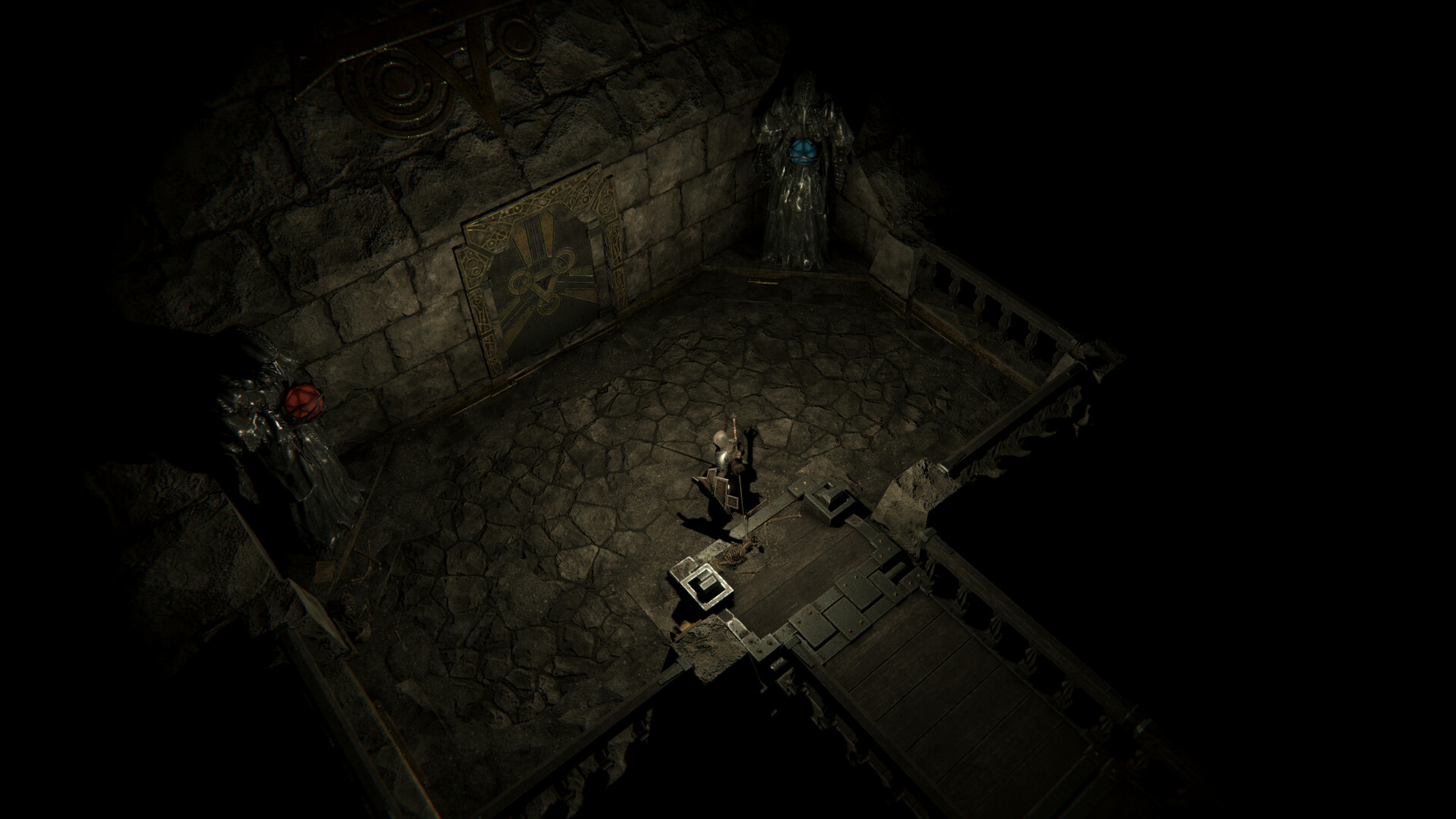
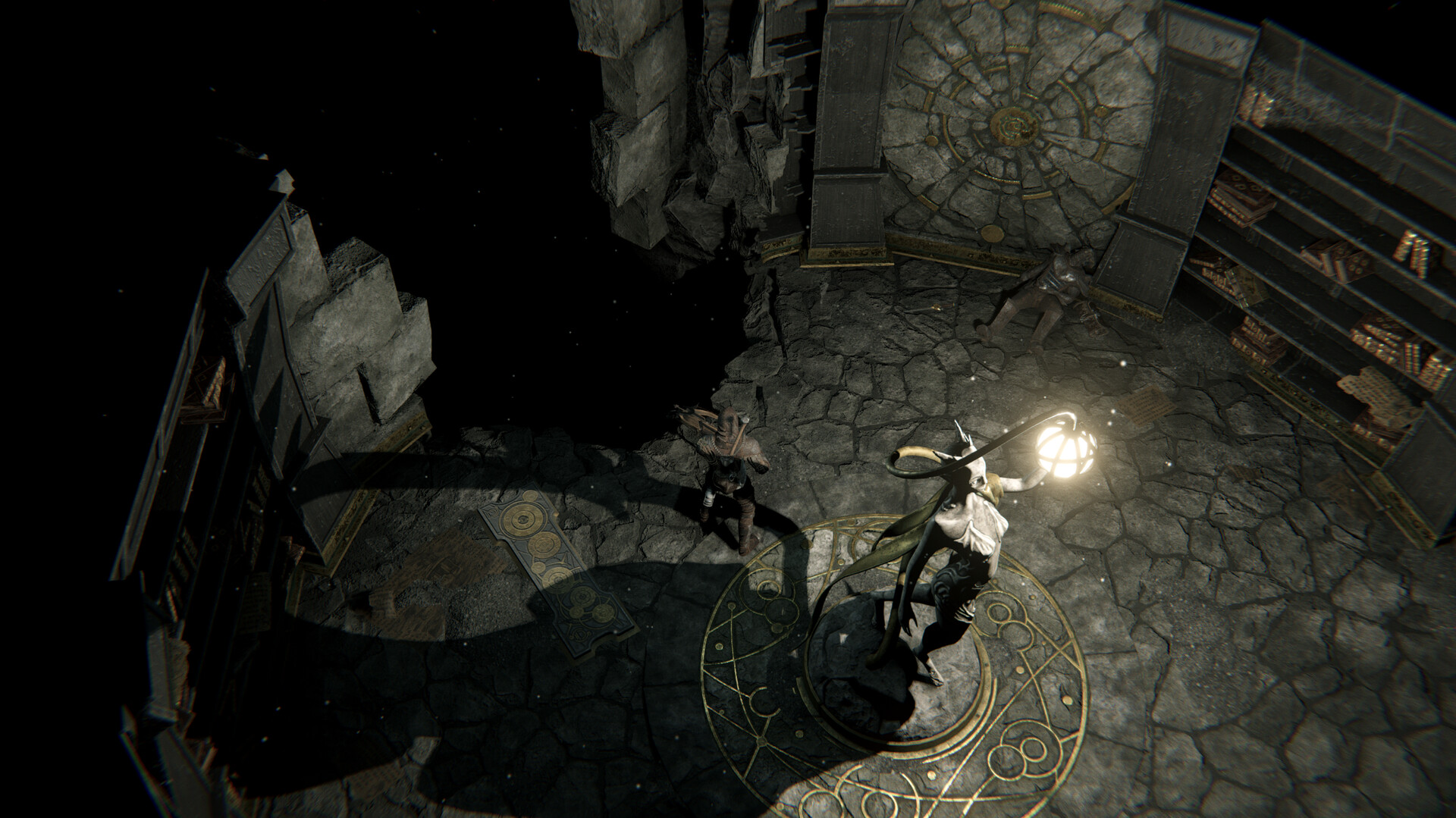
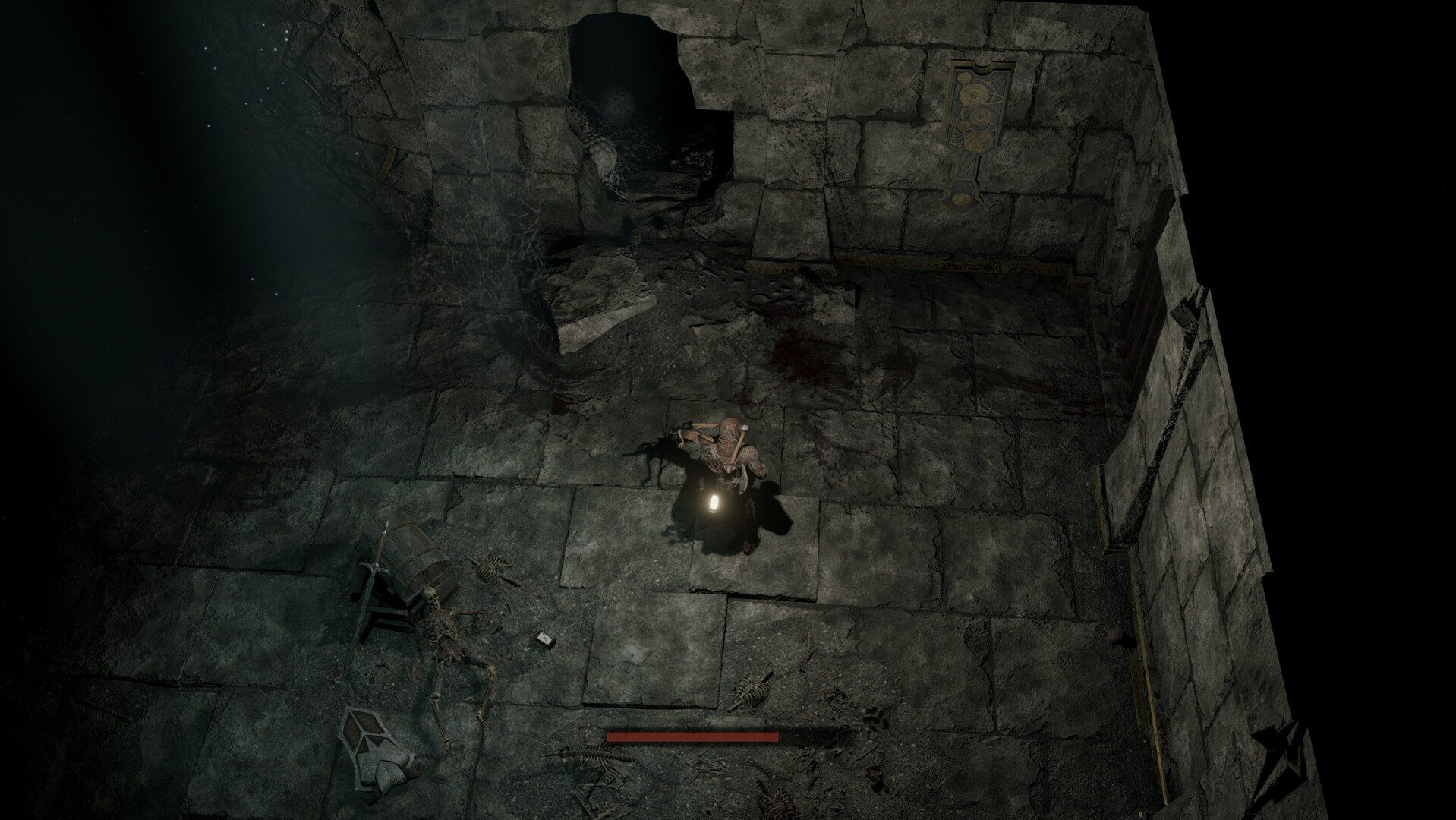
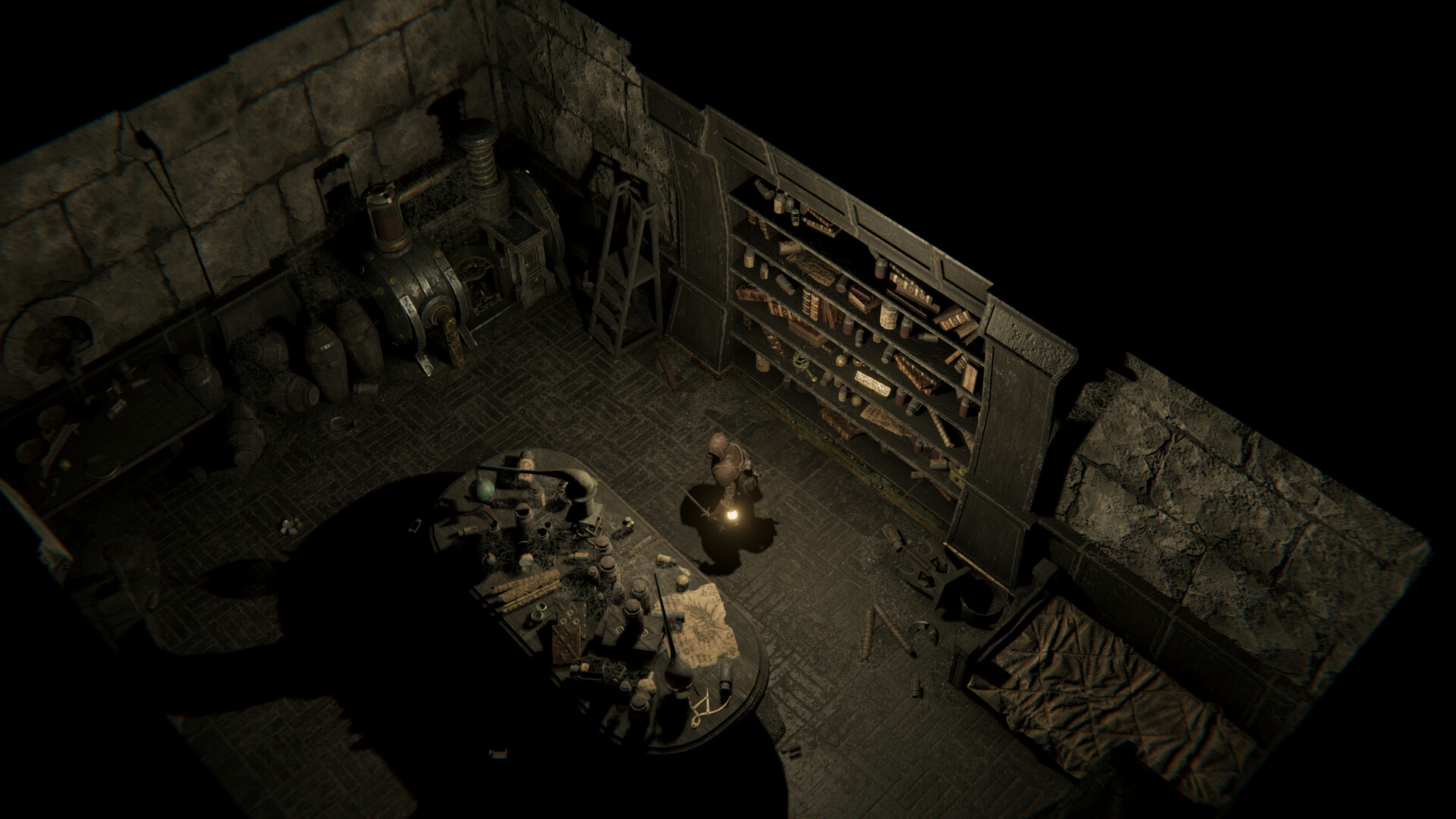
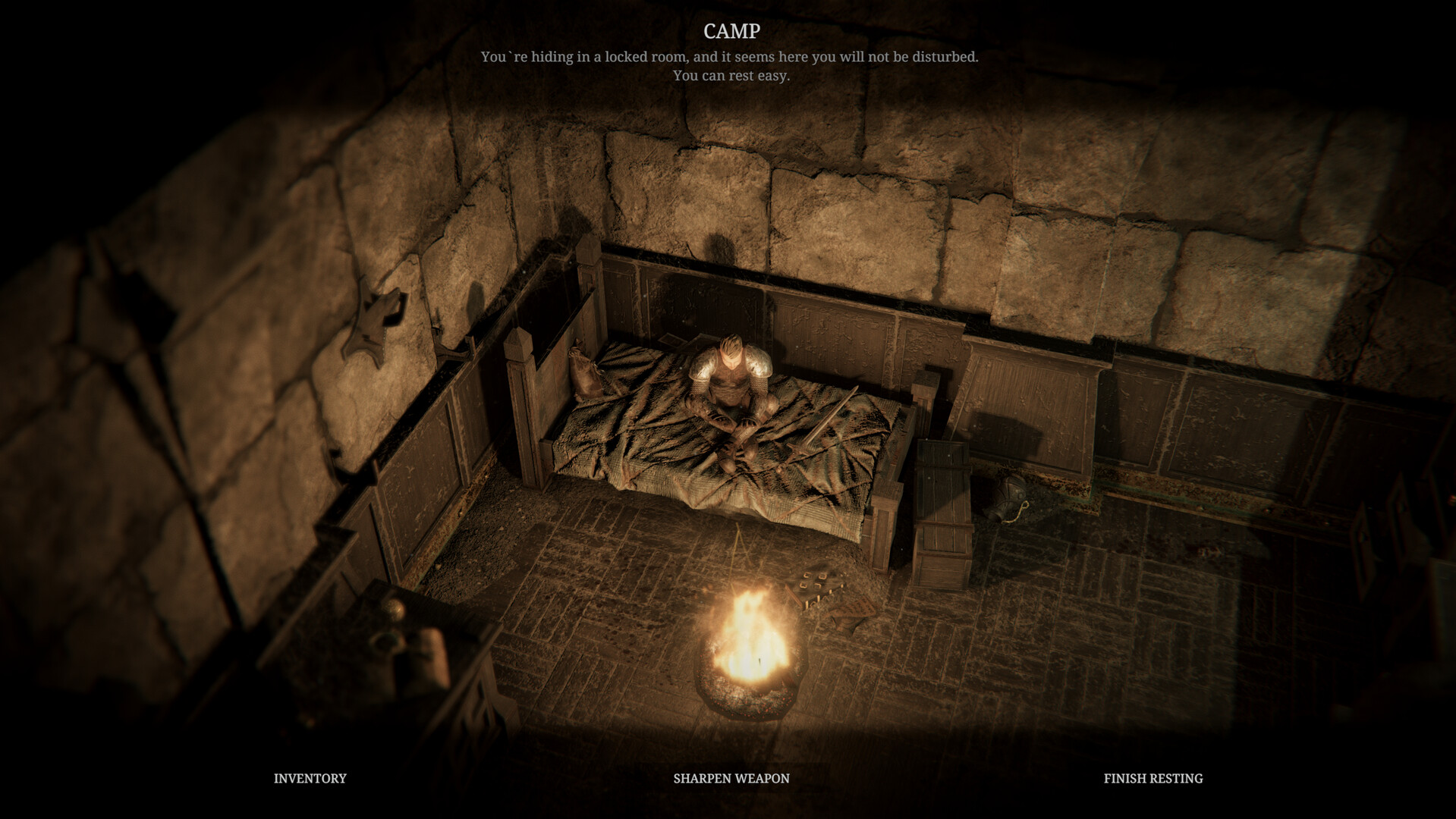
Darkness here isn't just aesthetics—it’s a mechanic that forces decisions. Lanterns, sparks and rest stops are strategic resources; without them, the world becomes a guessing game that punishes overreach. The game layers resource scarcity, bleeding effects and injuries on top of environmental hazards so every corridor can become a risk-reward calculation. Exploration is deeply rewarding: there are hundreds of books, notes and secrets that build the lore, and finding a secret passage still made me grin like a kid. The emergent moments—being ambushed while looting, or trying to haul a heavy haul while spiders close in—create memorable runs even when the combat loop repeats.
Worn Leather and Creaking Chains
Presentation sells the mood: the art style leans gritty and effective rather than flashy, with sound and music that amplify dread. Footsteps, distant screeches and the creak of a lantern feel meaningful; audio cues often tell you more than the dim visuals can. Performance is fine on my PC builds, but I encountered jank: animation clipping, occasional movement glitches and input delay in attacks reported by many players. Accessibility options are currently thin—brightness and UI scaling in particular need love—but the overall package nails the old-school, attrition-heavy vibe. It looks and sounds like a small team poured love into atmosphere, even if some systems still require polish.
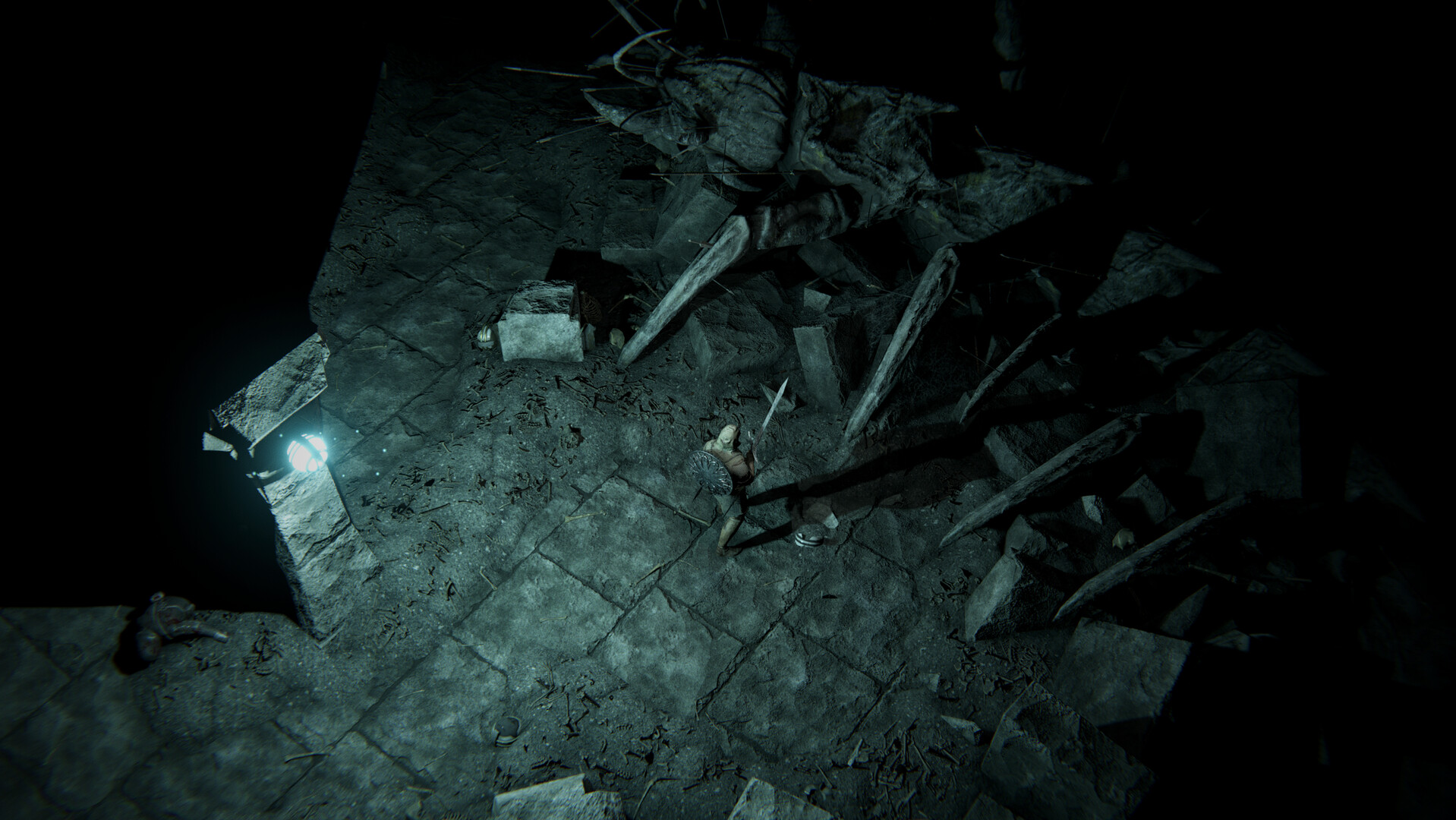
Spark in the Dark is a promising, atmosphere-first dungeon crawler that often delivers unforgettable moments but stumbles in combat polish and accessibility. I recommend it to players who enjoy tough, lore-heavy exploration and can forgive early-access rough edges. If you want a cozy, balanced experience right away, wait for more updates.
Pros
- Crushing, tangible atmosphere that sells dread effectively.
- Exploration and lore are rich—hundreds of books and secrets.
- Resource and inventory management add meaningful tension.
- Distinct class feels and procedural variety keep runs fresh.
Cons
- Combat feels janky at times: input delay, clipping and bugs.
- Visibility and accessibility options are currently limited.
- Loot and weapon variety can feel repetitive; needs balance.
Player Opinion
Players are united in praising the atmosphere, the horror vibe and the thrill of exploration—many say the dungeon’s oppressive darkness is the star. Reviews repeatedly call the game addictive and rewarding when you learn enemy patterns, and several comment that the emergent moments (ambushes, finding secrets, tight resource decisions) are highlights. On the negative side, complaints cluster around janky combat, input delay, animation bugs and balance issues between classes. Accessibility and visibility also come up frequently: players want brighter options, UI scaling and better controller support. If you enjoy punishing, lore-rich dungeon crawlers and can tolerate early-access roughness, this community already recommends following the game closely.