




Saint Slayer: Spear of Sacrilege Review – A Brutal, Beautiful NES Homage
A loving, gory tribute to NES-era action platformers. Tight controls, savage knockback and an earworm chiptune score — great for retro fans, punishing for the faint-hearted.
I jumped into Saint Slayer expecting a compact retro romp and came away with splintered spears, a sore controller hand, and an earworm soundtrack. Lillymo Games channels early Castlevania vibes — deliberate movement, precise platforming and deliciously gory pixels — but adds modern conveniences like difficulty options and co-op. What makes this stand out is how it wears its NES influences proudly while still delivering a fresh rhythm of boss fights, collectibles and a cheeky password system that made me grin like an overly nostalgic villain.
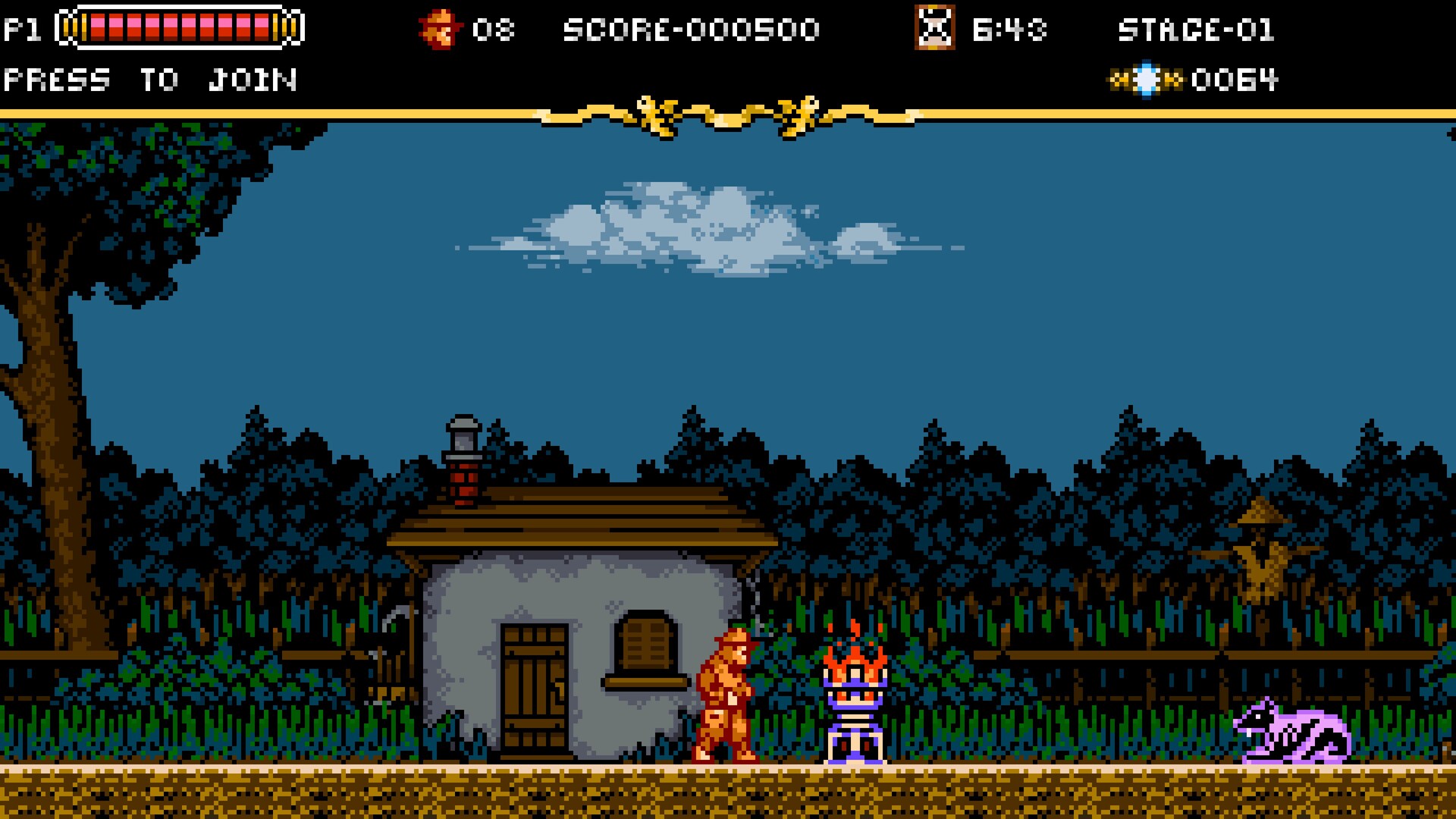
Spear Work and Weighty Movement
Saint Slayer's core loop is pure old-school action platforming. You play Rudiger, an ex-soldier-turned-farmer, and most of your time is spent lunging with a spear, slashing, throwing, and carefully timing jumps to avoid insta-death pits or brutal knockback. Movement feels deliberate: jumps have weight, dashes are decisive, and knockback is a recurring mechanical antagonist. Enemies telegraph attacks but still punish sloppy timing, so each room becomes a small choreographed battle where spacing and patience matter. Combat isn't flashy — it's about picking the right moment to strike, retreat, or use a limited charge attack you may forget exists (guilty). Bosses are milestones: encounter patterns, learn, and then string together a near-perfect run.
Secrets, Passwords and Familiar Companions
What lifts Saint Slayer beyond mere nostalgia are the little twists Lillymo sprinkled in. The password system is not a gimmick — it’s integrated with collectibles that alter runs and reward exploration, which made me actually pause to scribble down codes before I learned they'd persist in the UI. Familiars and unlockable upgrades change how you approach an area, and the game nudges you toward multiple playthroughs with unlocks, achievements, and modifiers. Co-op is supported for the whole 21-stage campaign, turning some encounters into chaotic teamwork events (and doubling the potential for spectacular friendly fire). The design respects player choice too: you can be merciful or brutal, and the narrative reacts subtly to those calls.
A Pixel Poem With a Chiptune Heart
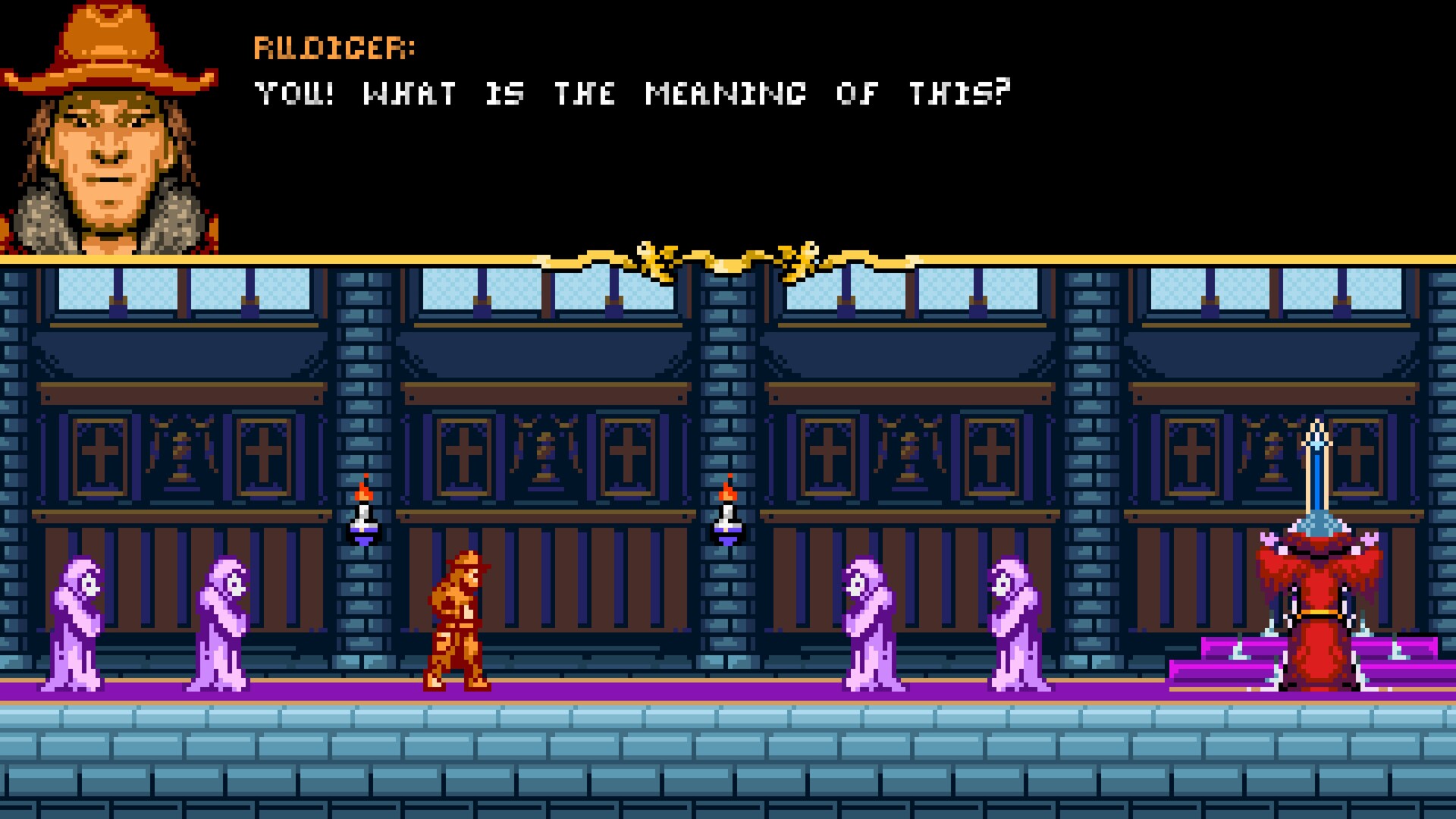
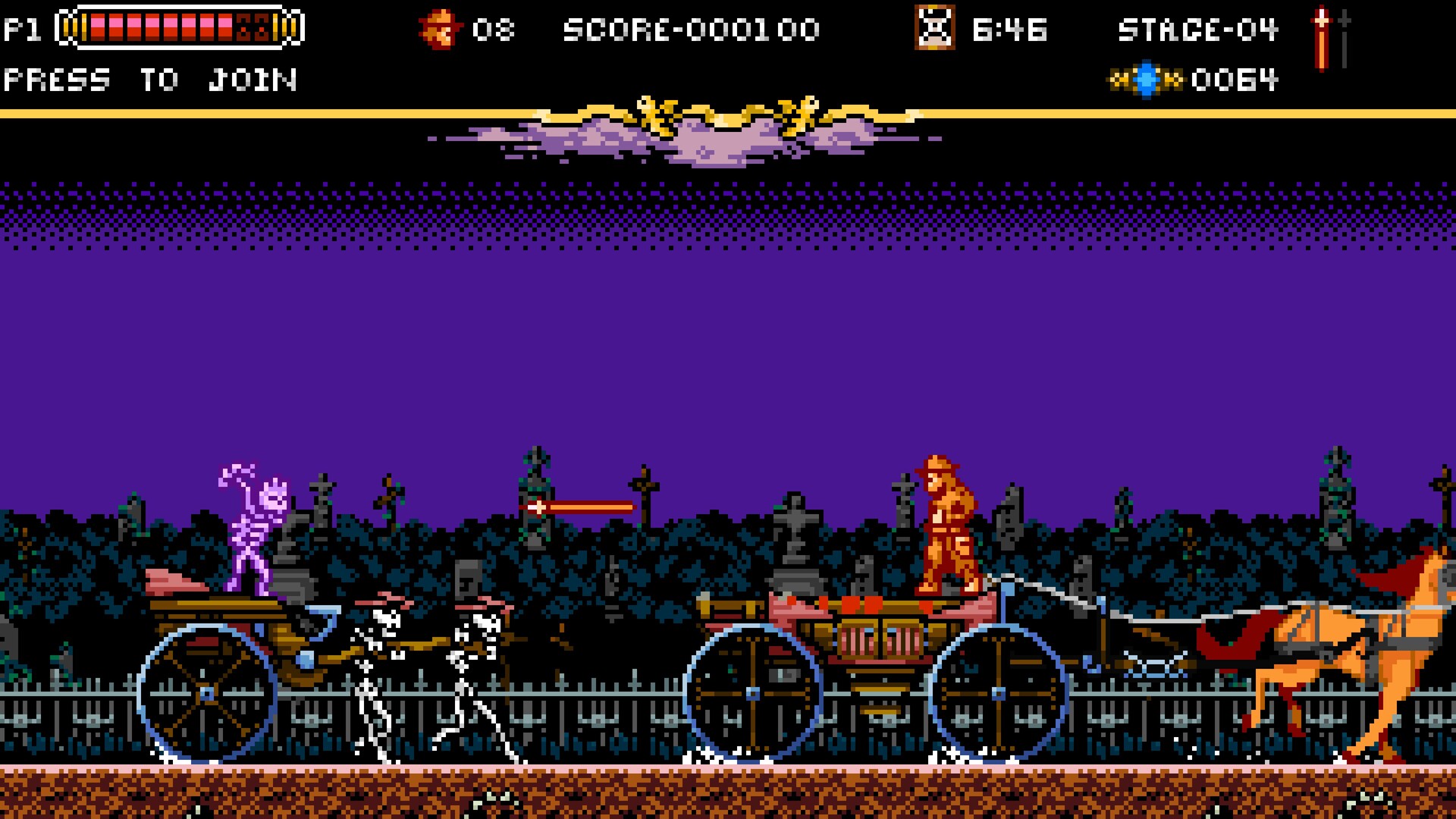
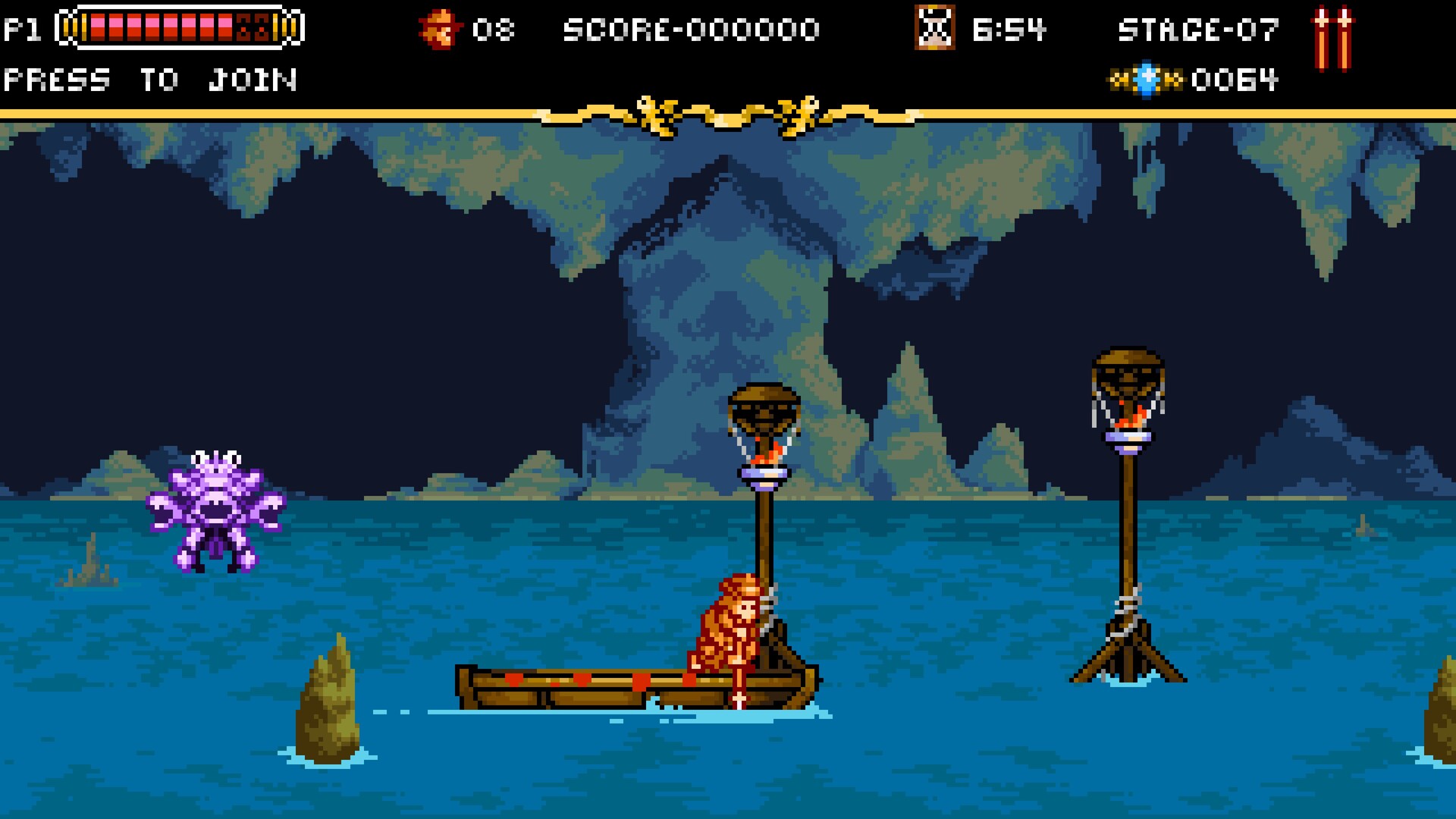
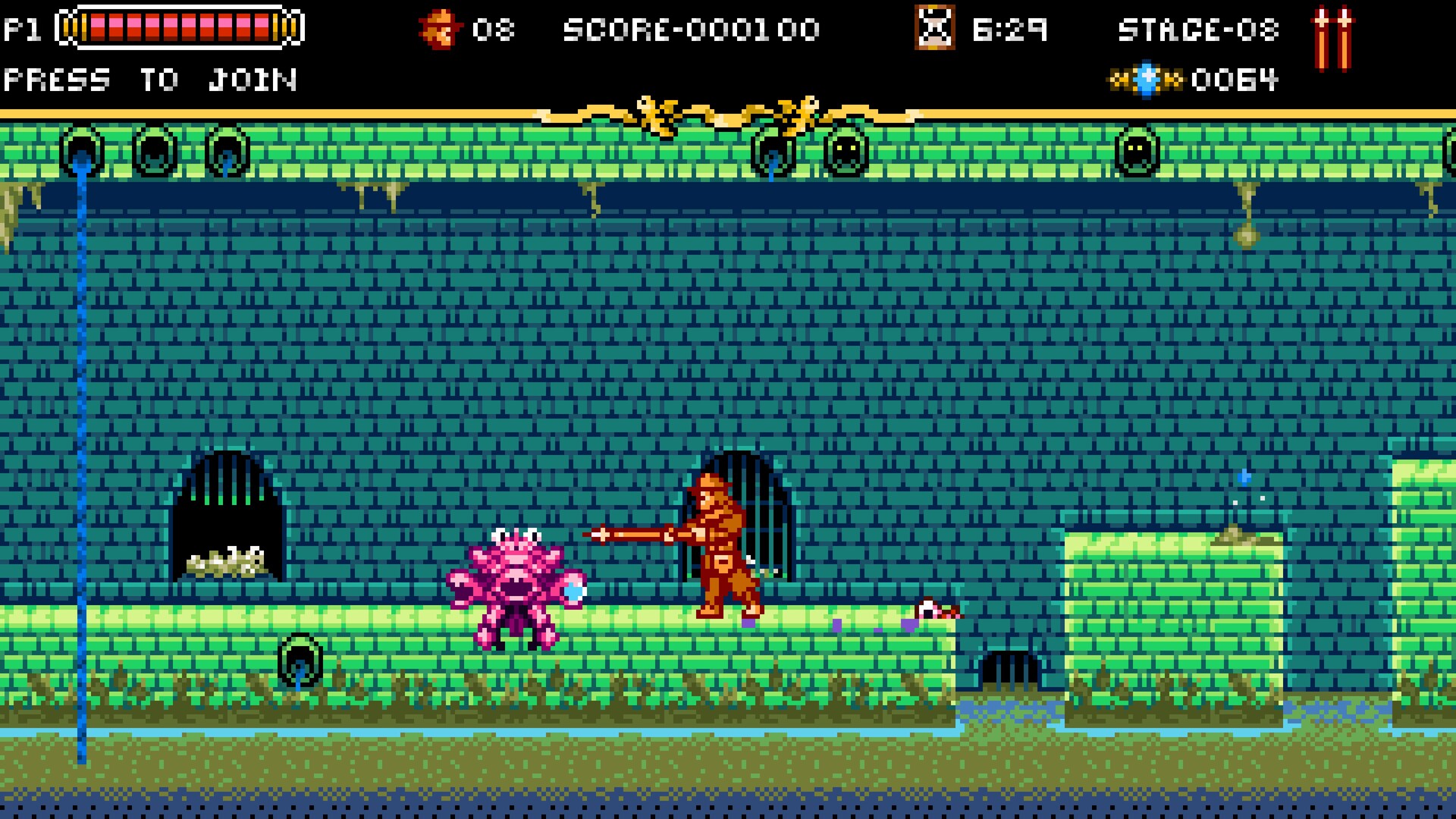
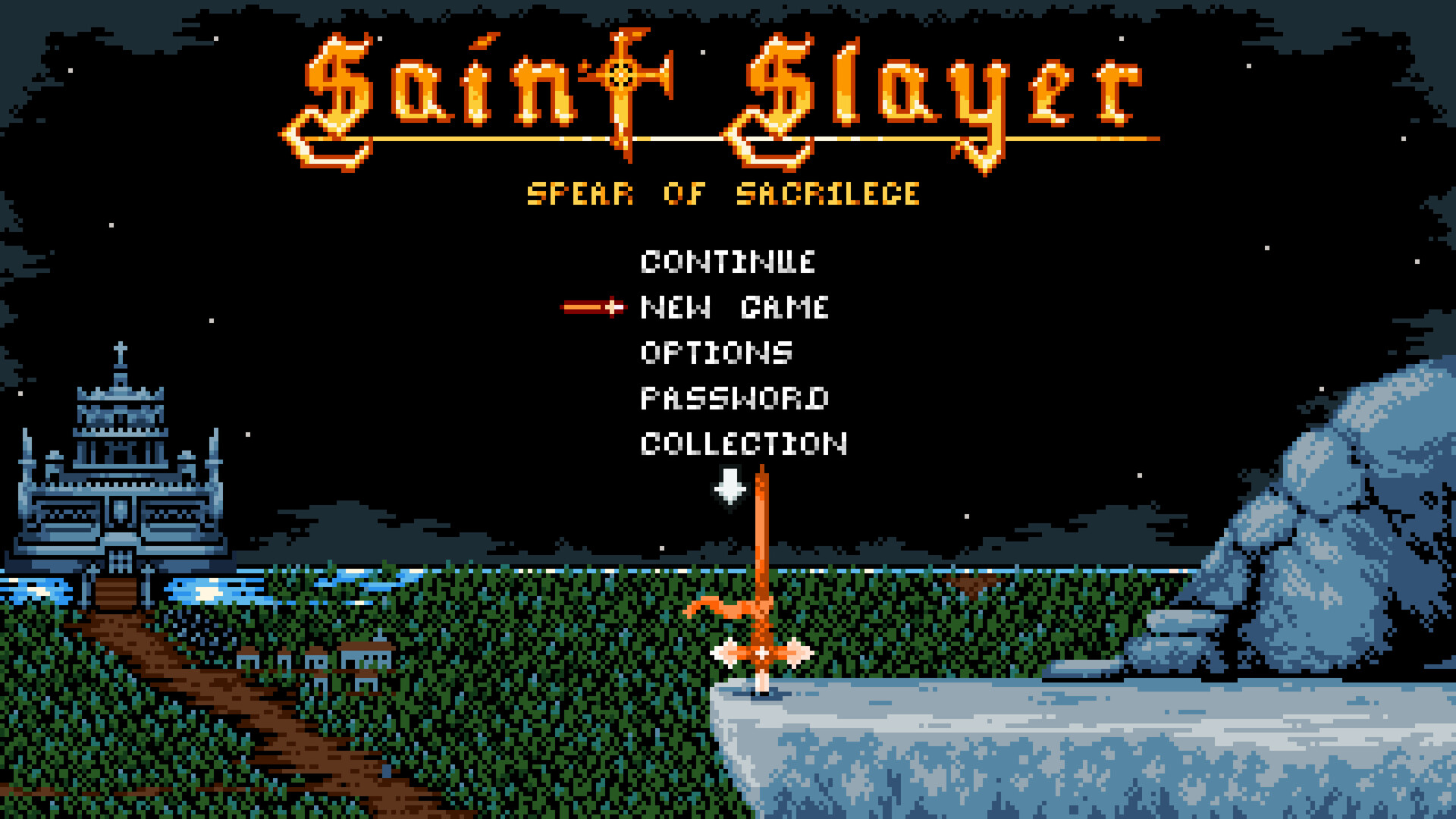
Graphically, Saint Slayer nails that NES-era palette with modern polish — chunky, animated sprites, satisfying gore and set pieces that sell each stage’s vibe, from horse chases to damp sewers. The sound design is superb; the chiptune score is often the highlight and will match the mood of a haunted library or a barn-burning boss fight perfectly. Performance is solid on PC and players report excellent play on Steam Deck, which makes it a great handheld pick. Accessibility is considered: multiple difficulty modes — including an easy mode that removes knockback — let newcomers temper frustration. The only minor gripe is font legibility in fast text windows, but that’s an easy quibble when the rest of the presentation is this evocative.
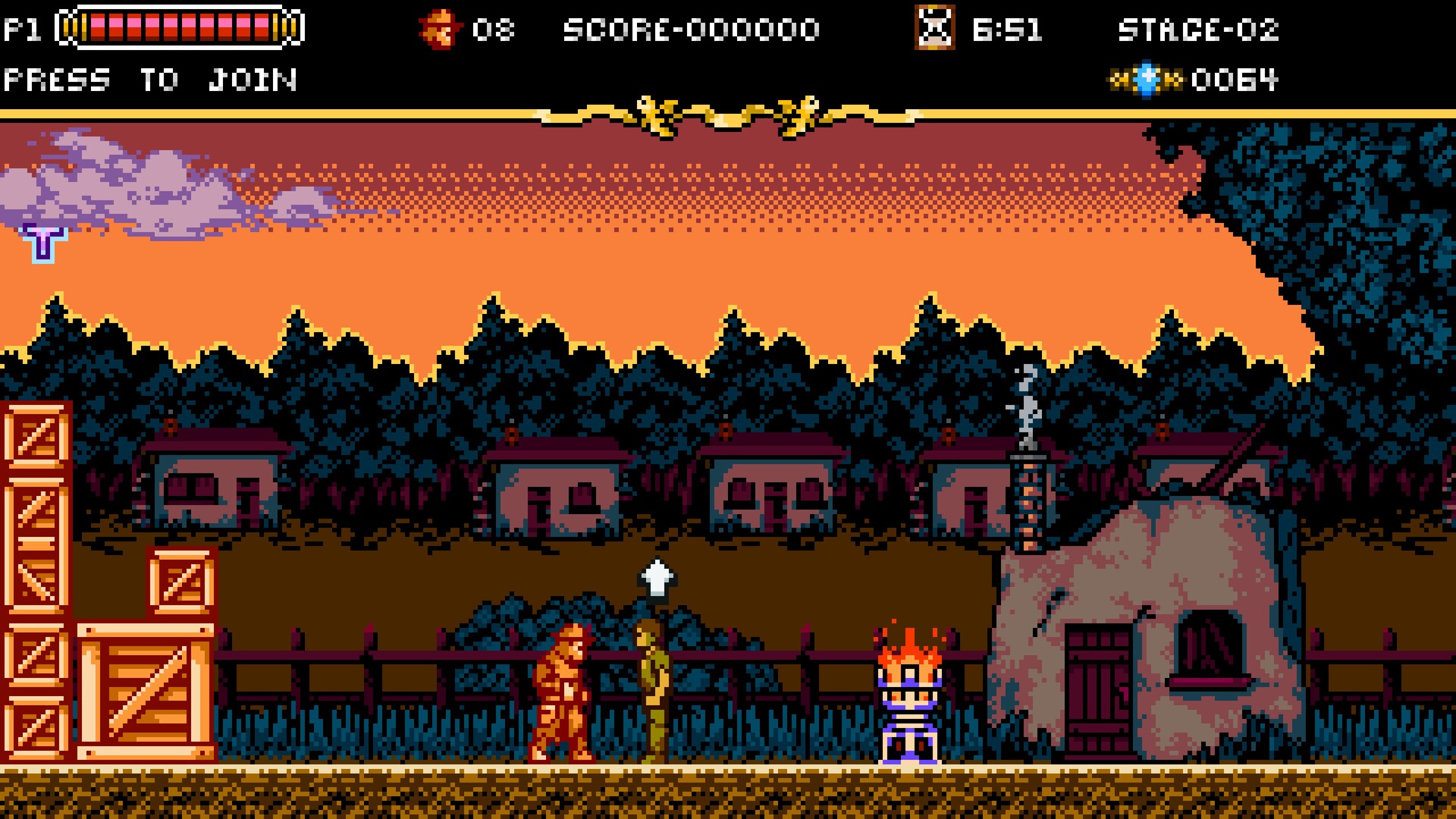
Saint Slayer: Spear of Sacrilege is a lovingly made retro throwback that balances challenge with charm. It’s an easy recommendation for anyone who grew up on NES action-platformers or loves tight, boss-driven design; newcomers can still find a way in via easier modes. Expect frustration, triumph and a soundtrack you’ll hum for days.
Pros
- Authentic NES-style pixel art and animation
- Fantastic chiptune soundtrack that sticks with you
- Satisfying, deliberate combat with strong boss design
- Meaningful collectibles, passwords and replay incentives
Cons
- Knockback can feel punishing and causes cheap deaths
- Limited control remapping for some actions
- Occasional tiny UI readability issues with fonts
Player Opinion
Players consistently praise Saint Slayer for nailing the NES aesthetic and delivering tight, addictive levels. Common highlights in reviews include the music (many call it top-tier chiptune), beautifully animated sprites, and creative boss encounters — stage variety like horse chases and sewers gets frequent mentions. Many players compare it to early Castlevania and other classic action-platformers; veterans of those games tend to love the deliberate difficulty. Criticisms center on the knockback mechanic, which some find overly punishing, and a few notes about control remapping and minor technical hiccups. If you enjoy challenging retro platformers and replayable secrets, players say this is a highly worthwhile pick — newcomers should try the easy mode to get used to the weighty movement.