

Over The Top: WWI Review – A Chaotic, Destructible WWI Sandbox
A rambunctious WWI action sandbox where trenches are dug, buildings collapse and 200-player melees feel like a living war movie — rough around the edges but wildly entertaining.
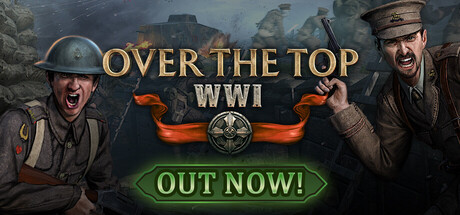
I went into Over The Top: WWI expecting another indie take on historical shooters — what I found was a messy, joyful sandbox that treats the Western Front like a demolition derby. The game leans hard into fully destructible maps, trench-digging as gameplay, and huge 200-player battles where plans evaporate under artillery fire. If you liked Battlefield 1’s spectacle but wanted more player-driven terrain and less scripted moments, this one scratches that itch — though it occasionally trips over optimization and UI quirks.
Charging, Building, and Getting Mud on Your Boots
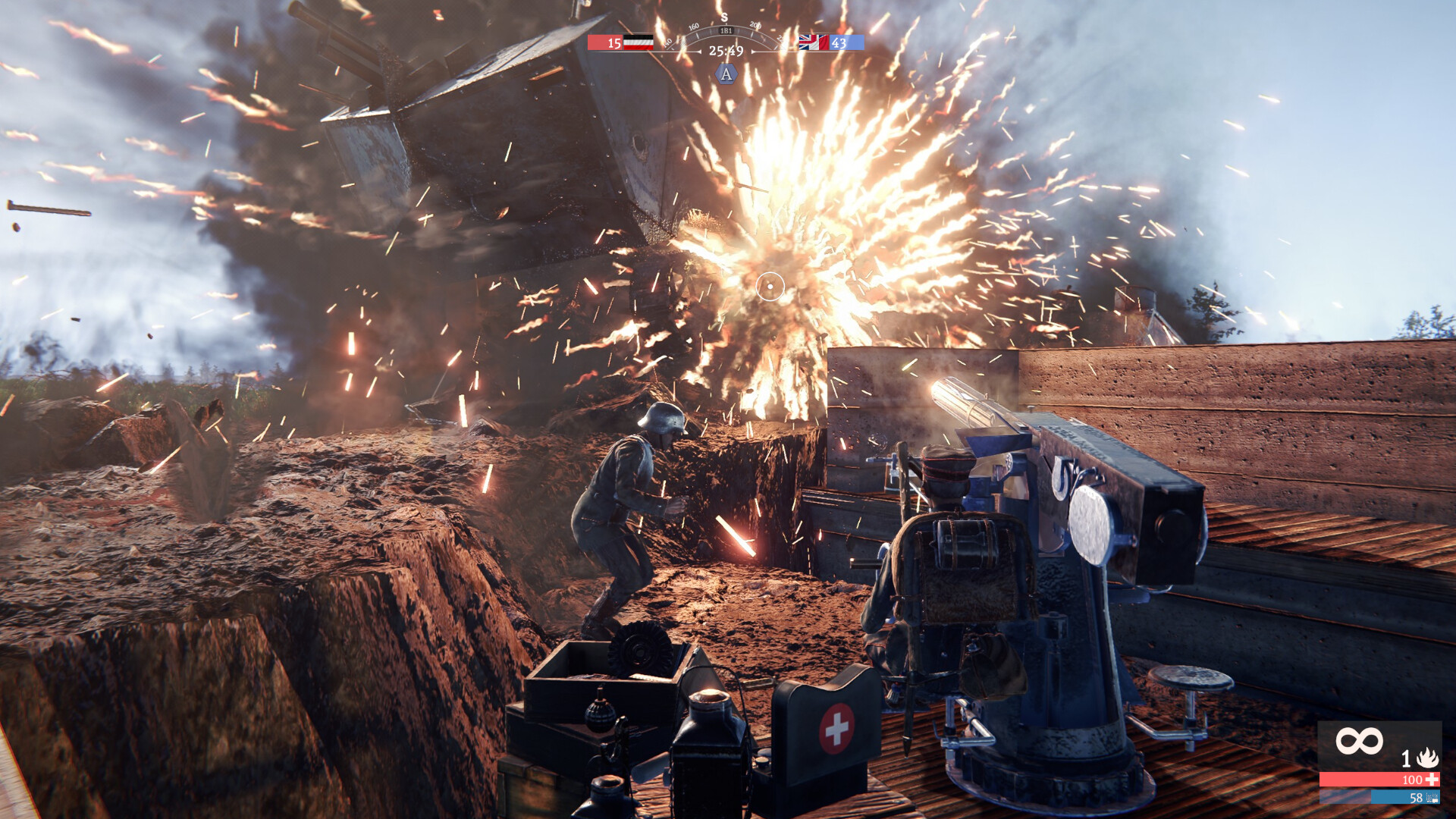
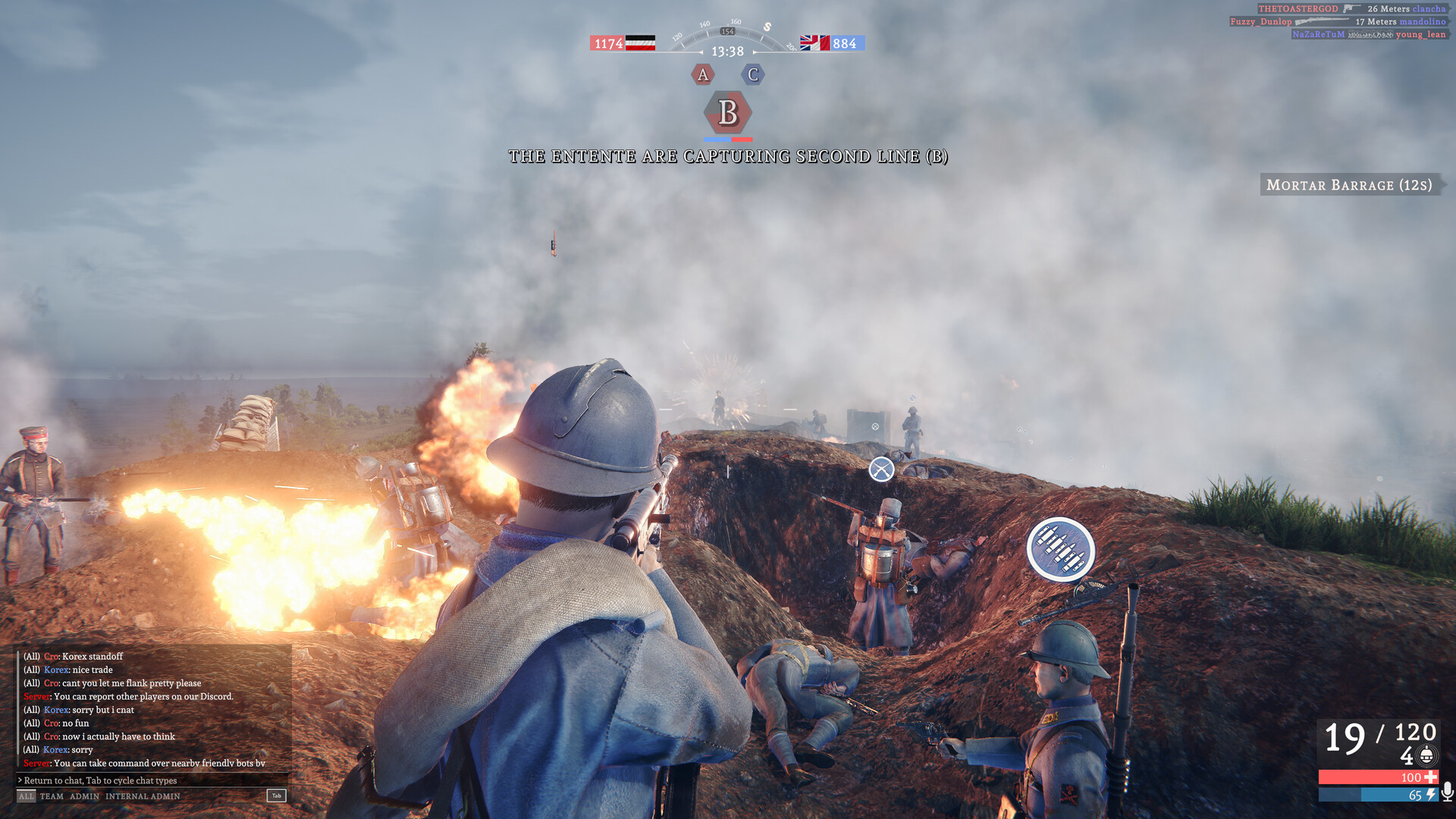
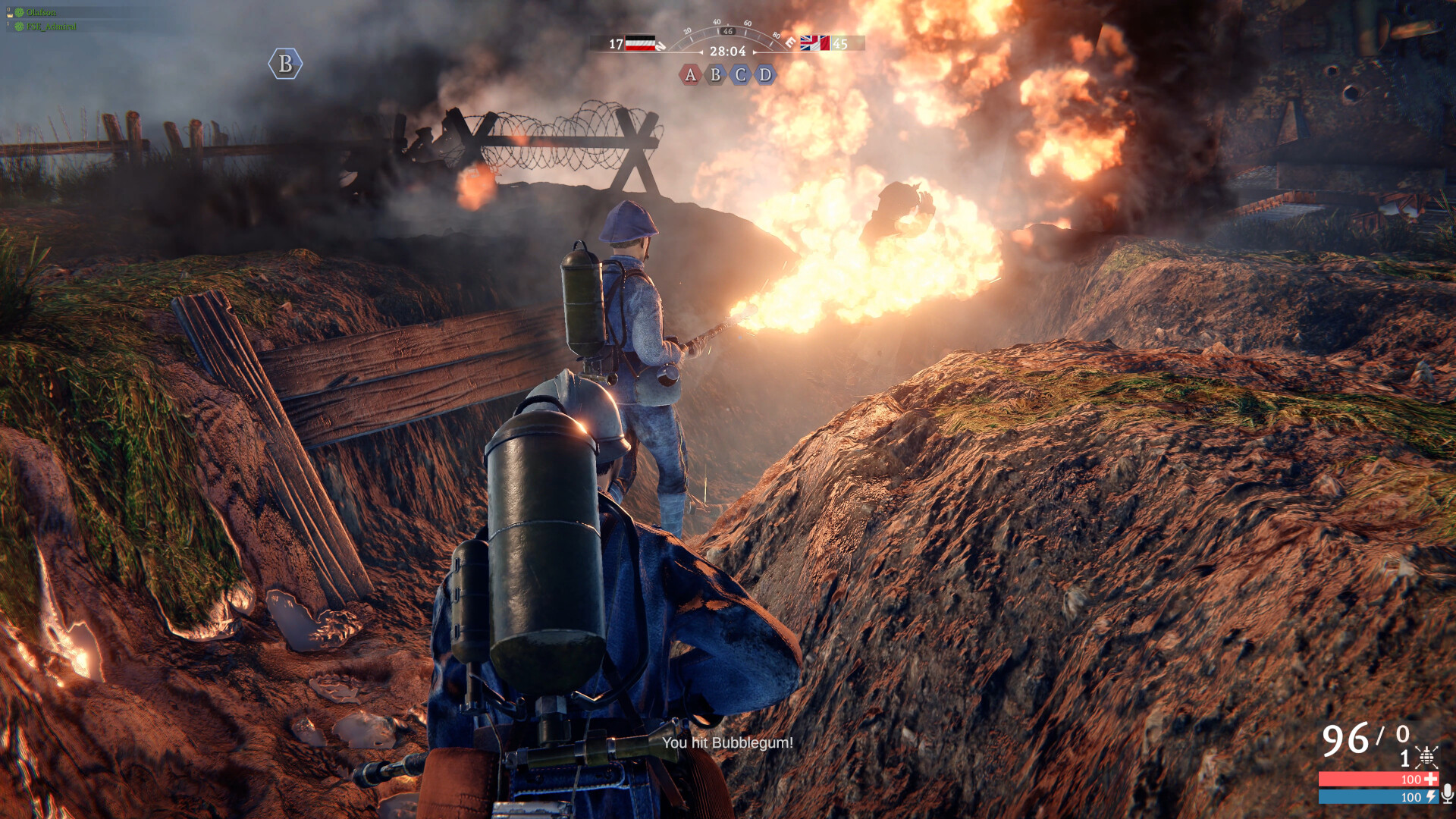
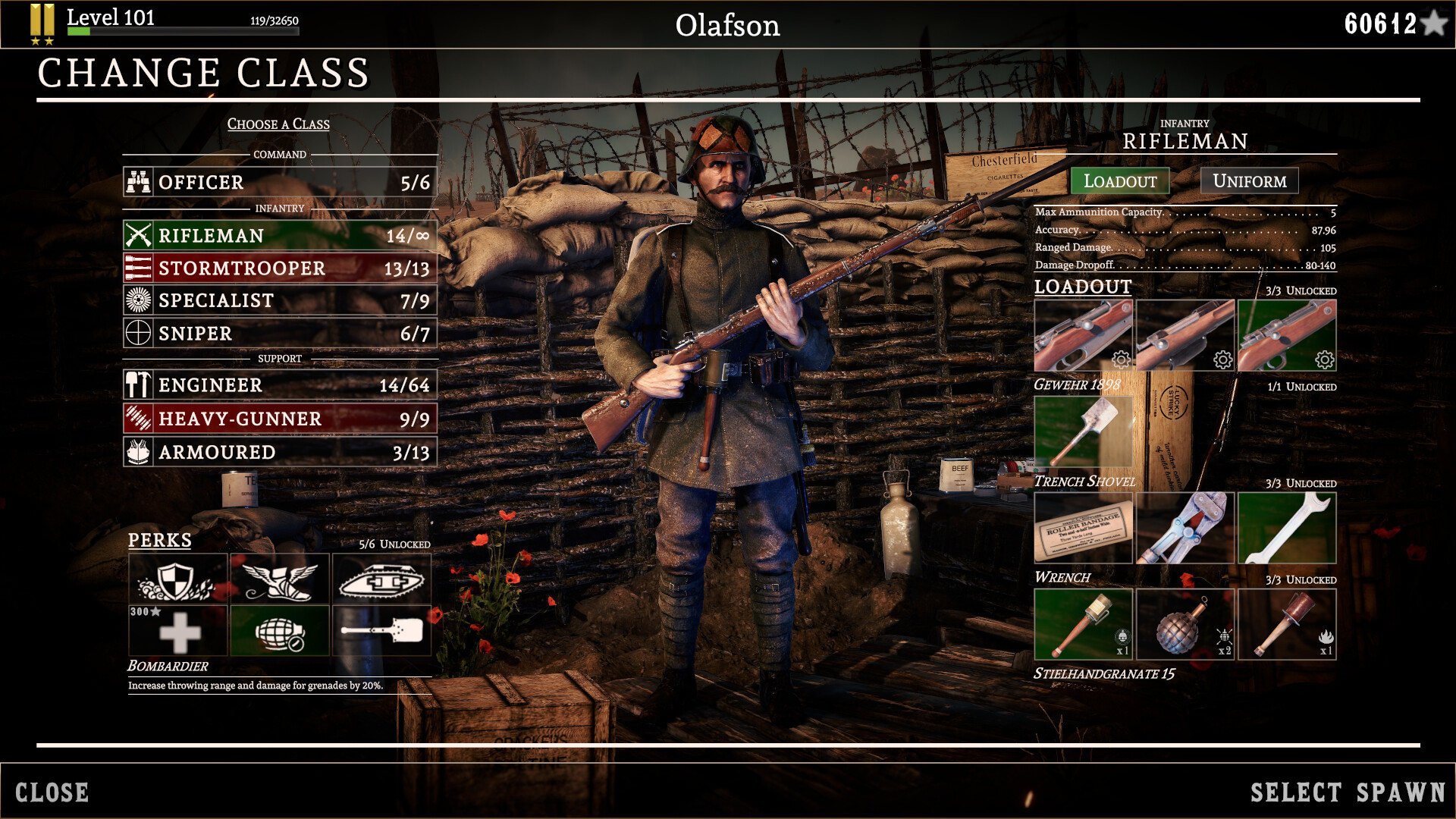
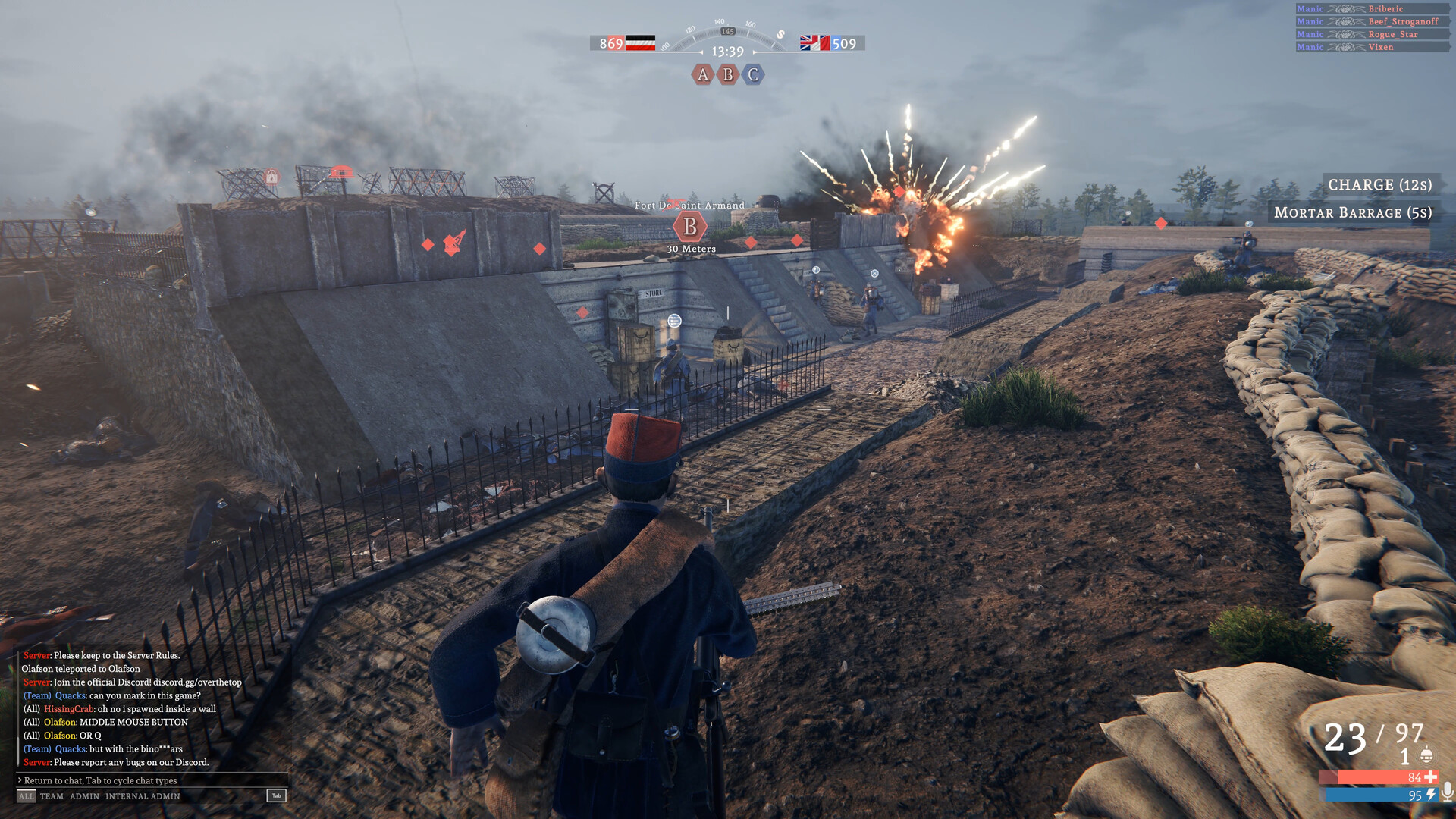
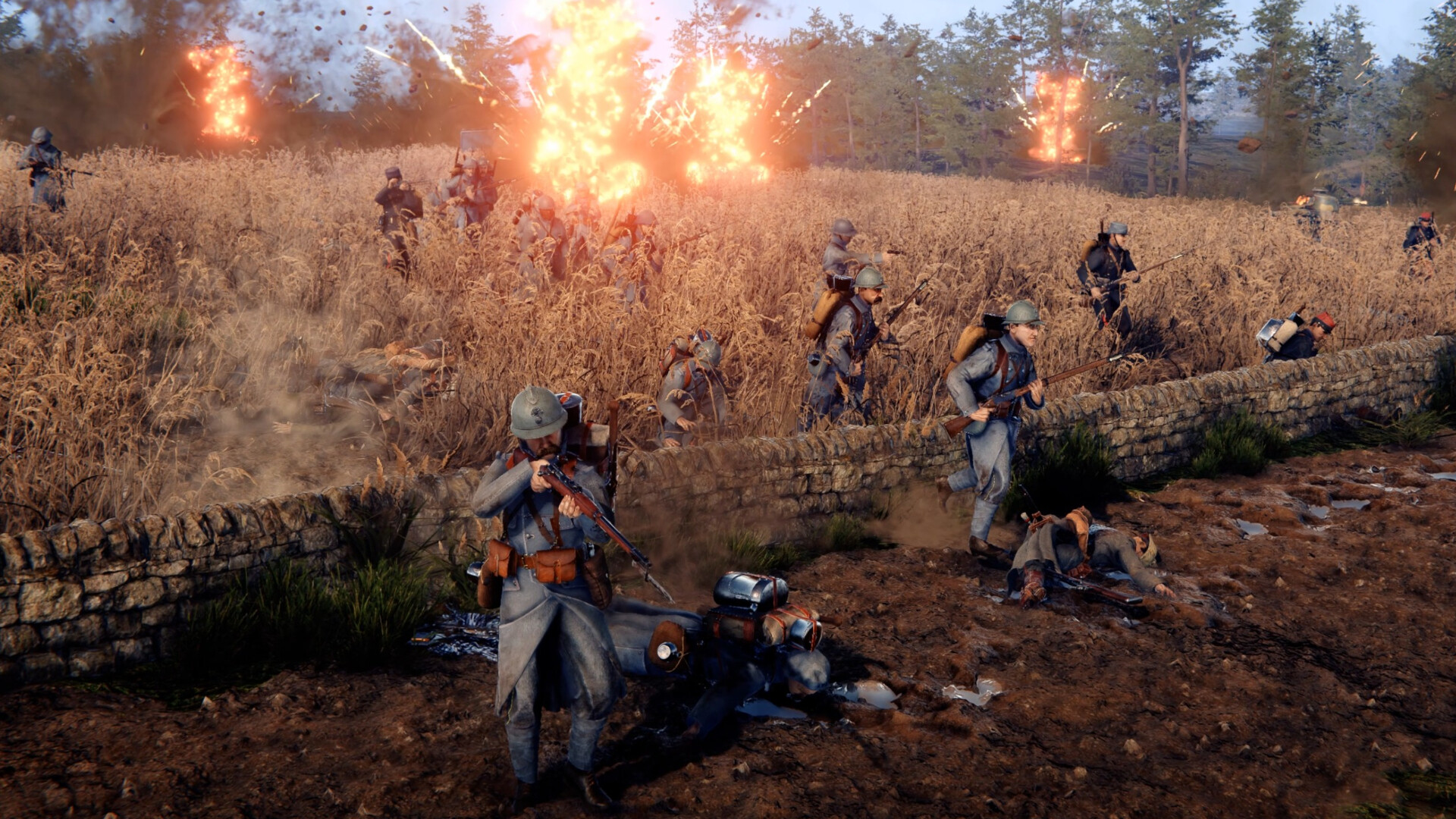
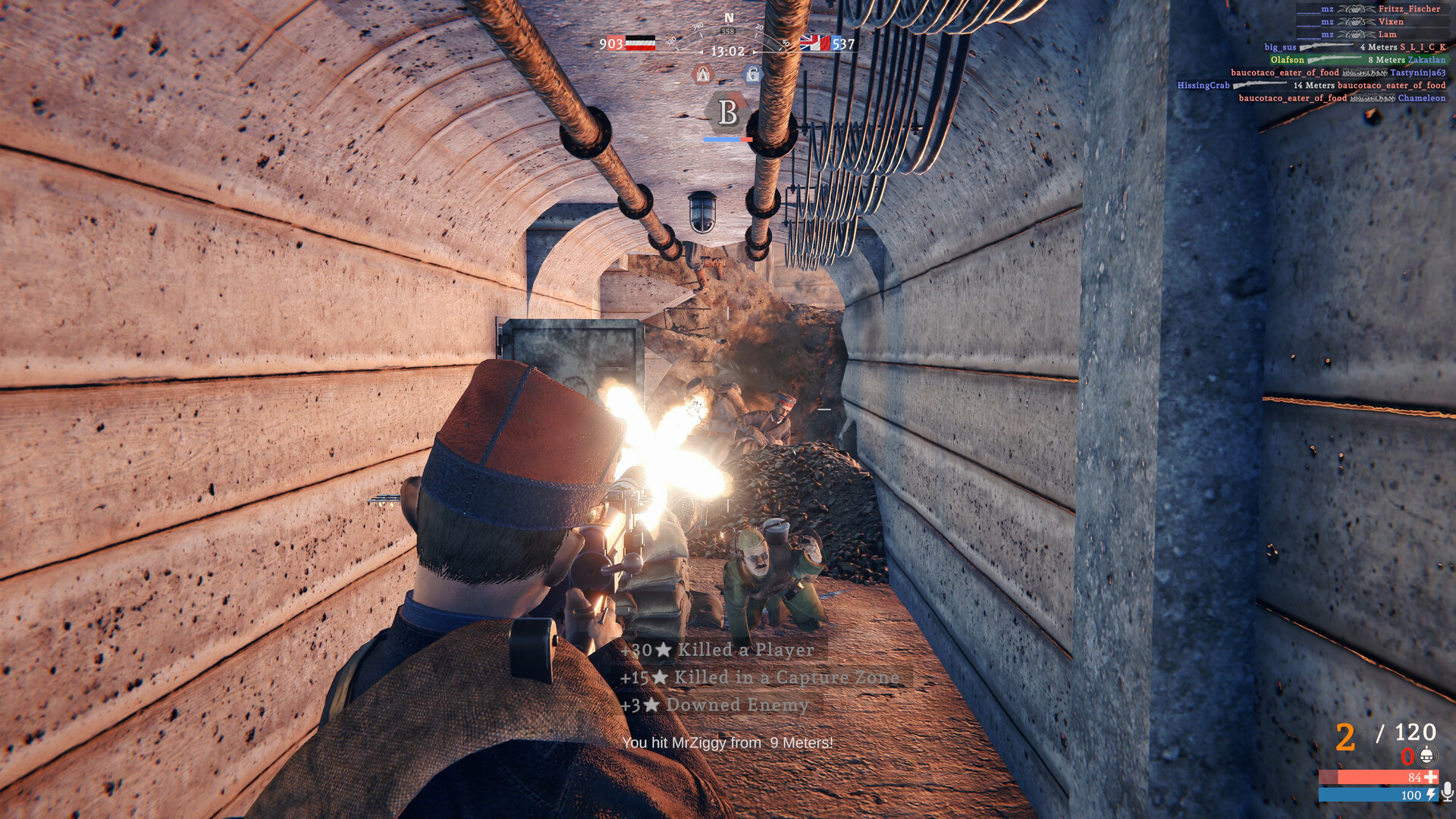
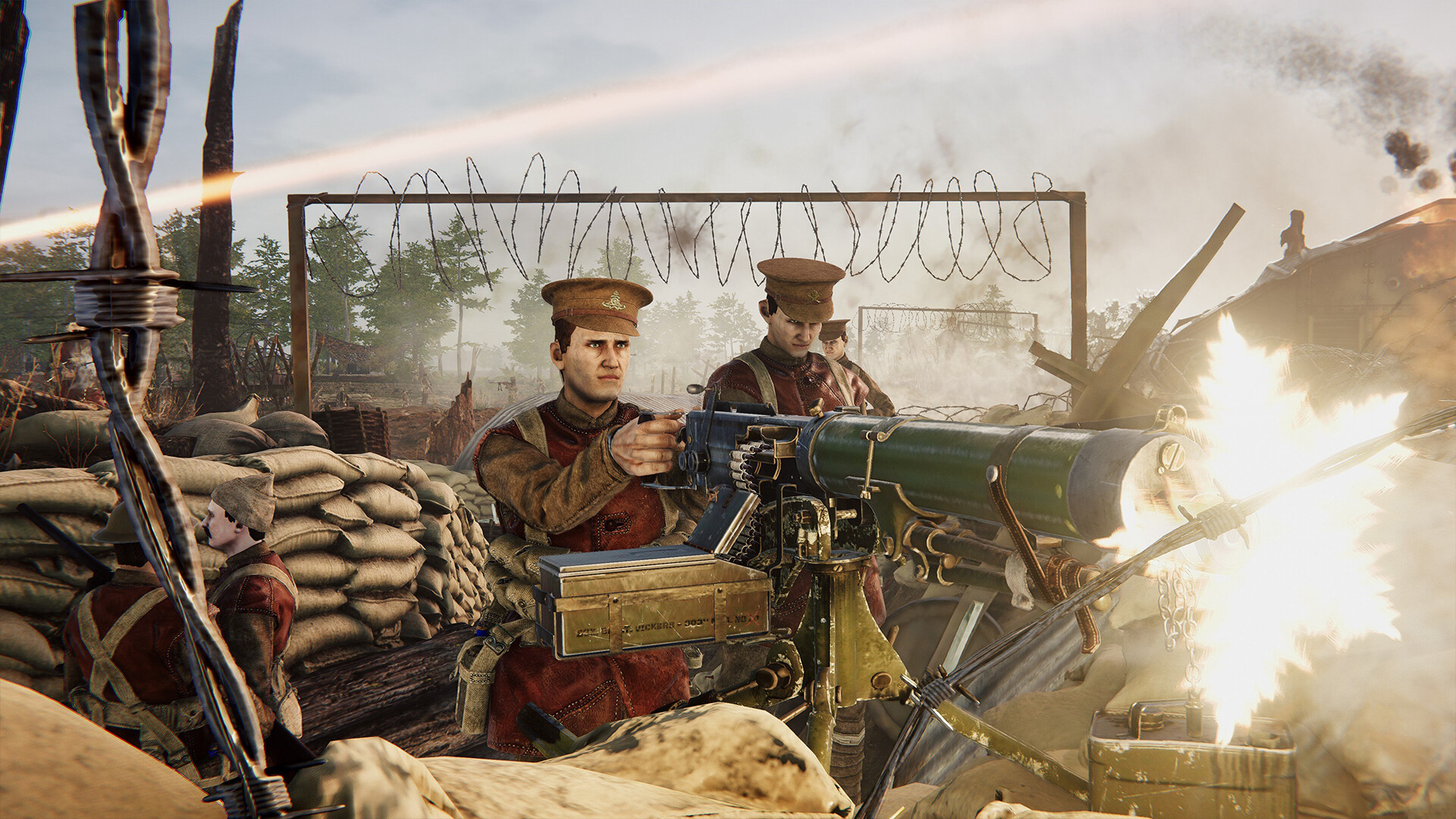
Gameplay in Over The Top: WWI is gloriously hands-on. You sprint, charge, aim and fire like a classic third-person infantry shooter, but you also pick up shovels, dynamite and building tools and change the map as you play. Digging trenches is not gimmickry — it's a core loop: a team that tunnels smartly can reroute sightlines, create choke points, or dig a makeshift shield for a tank crew. Classes give you distinct roles: riflemen charge, engineers build, flamethrower specialists clear trenches, and officers call in airstrikes. Matches often feel like a tug-of-war where the terrain itself is the rope.
When the Map Is Your Enemy and Your Ally
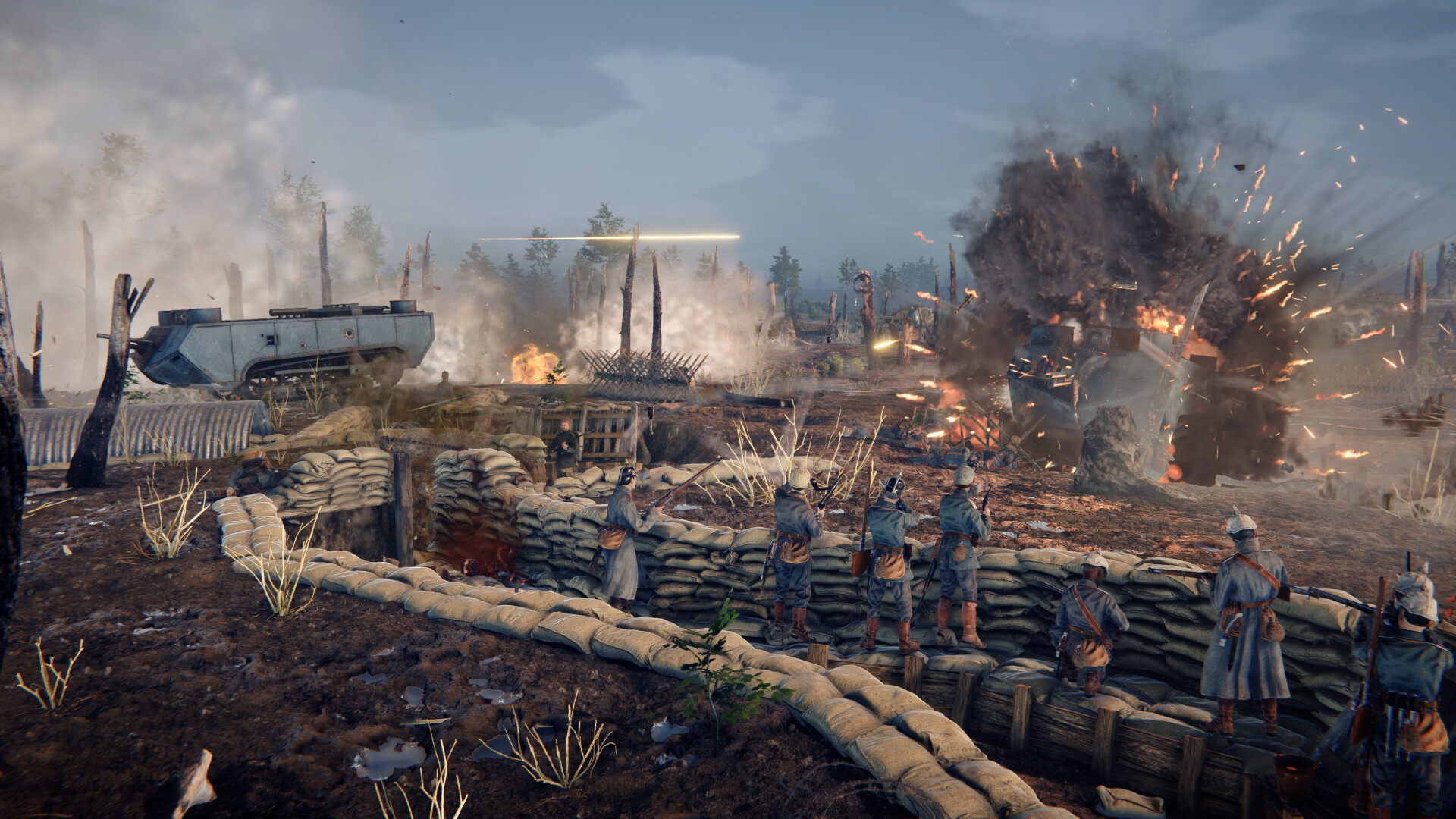
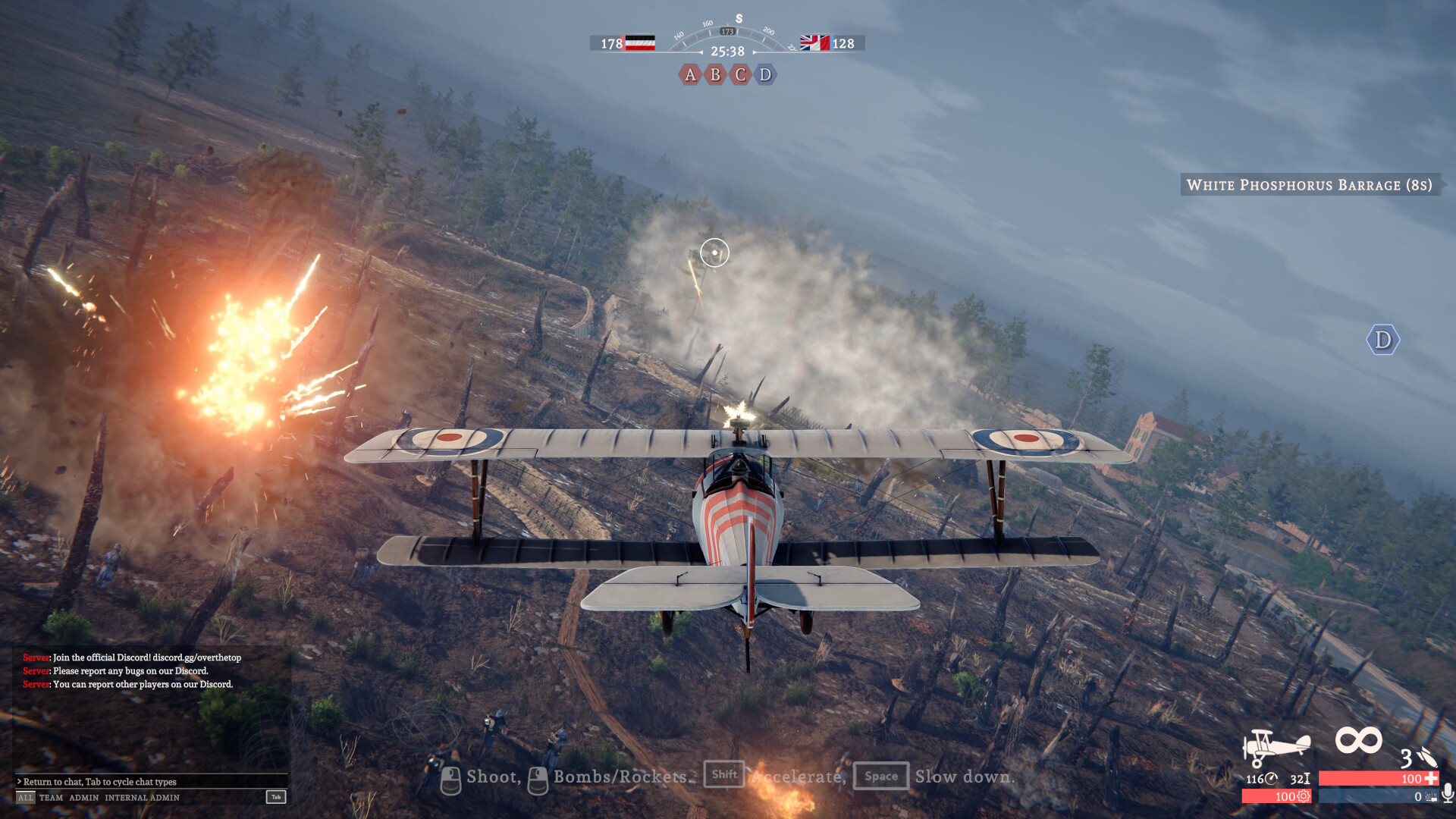
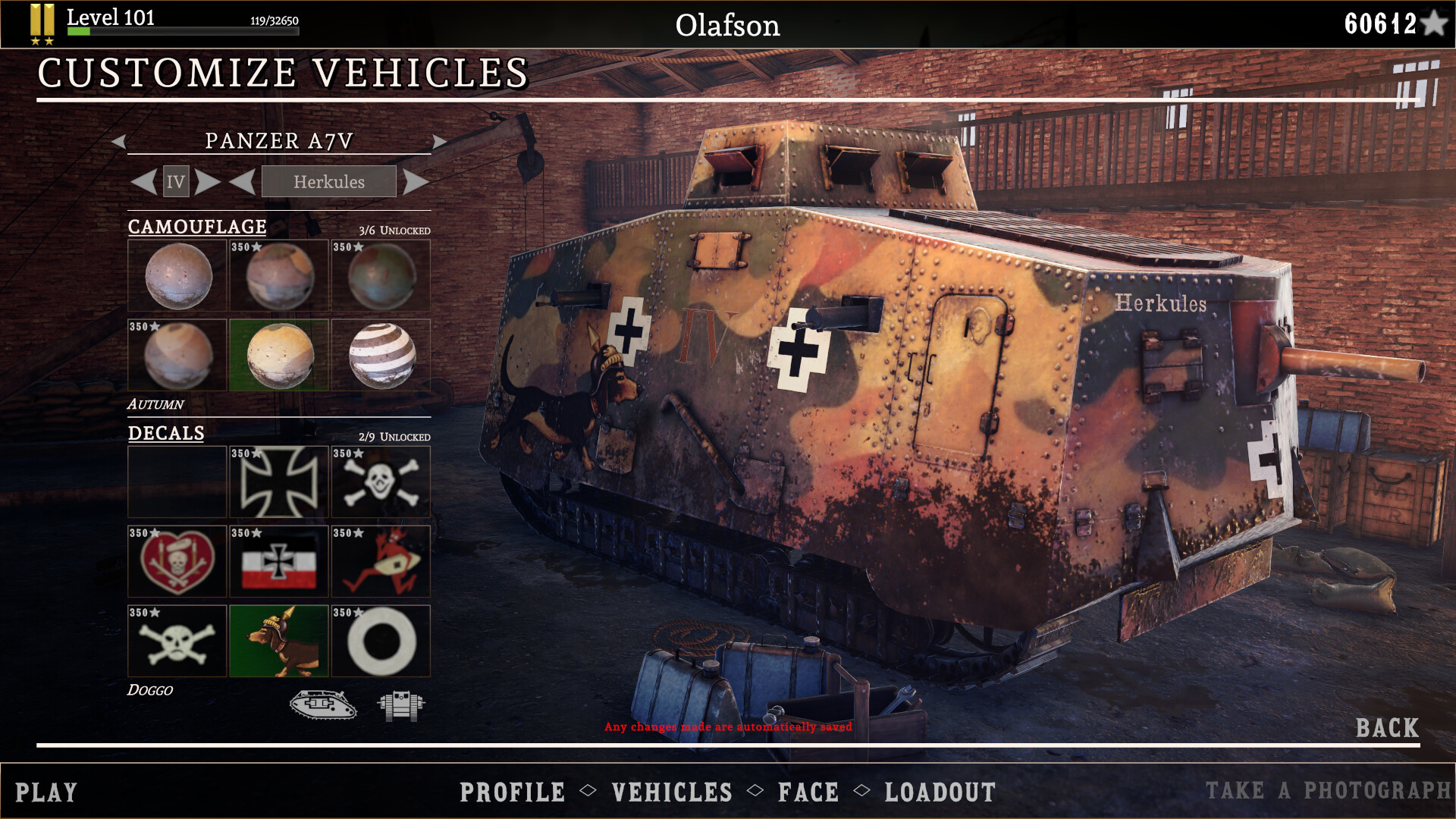
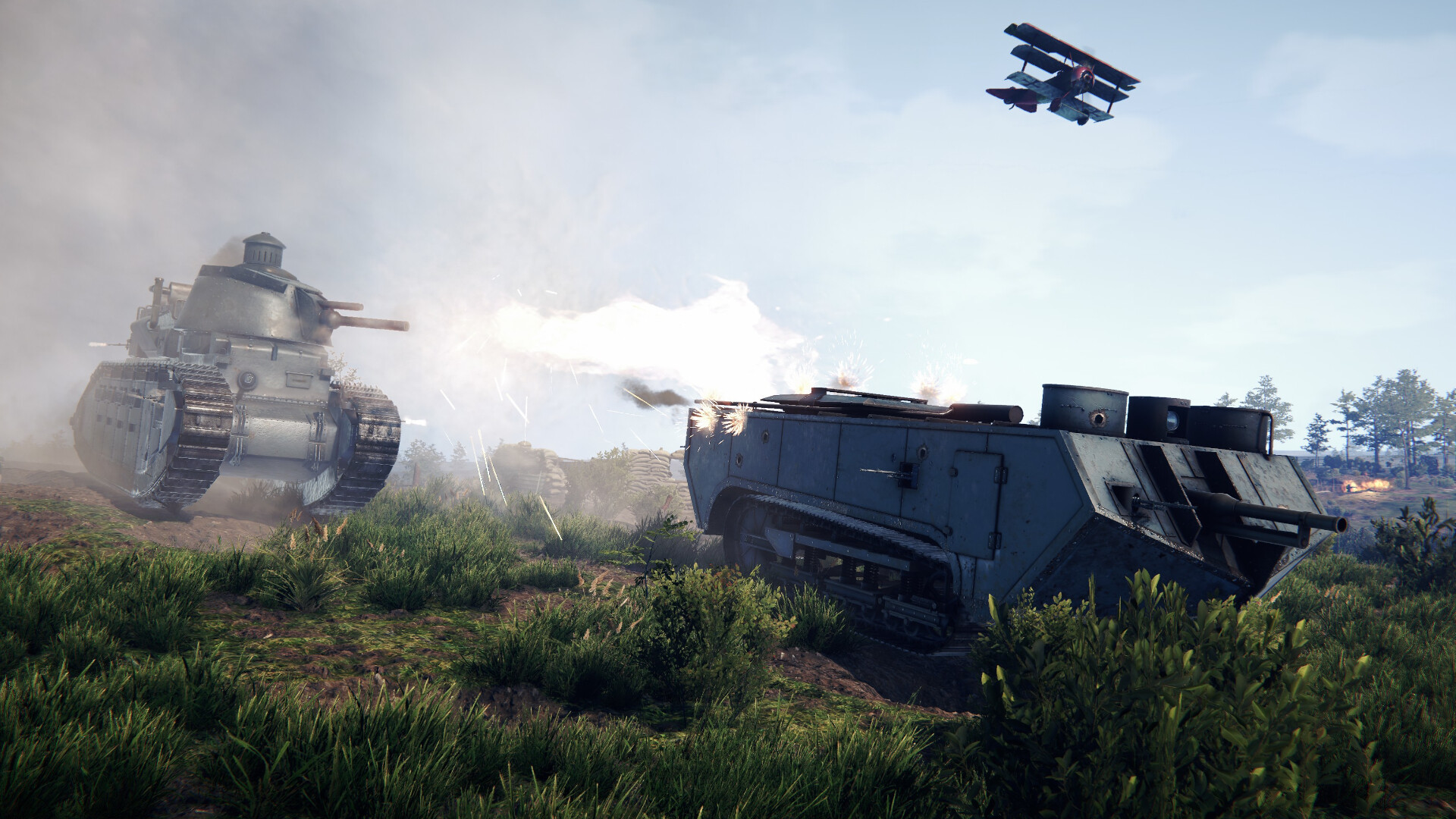
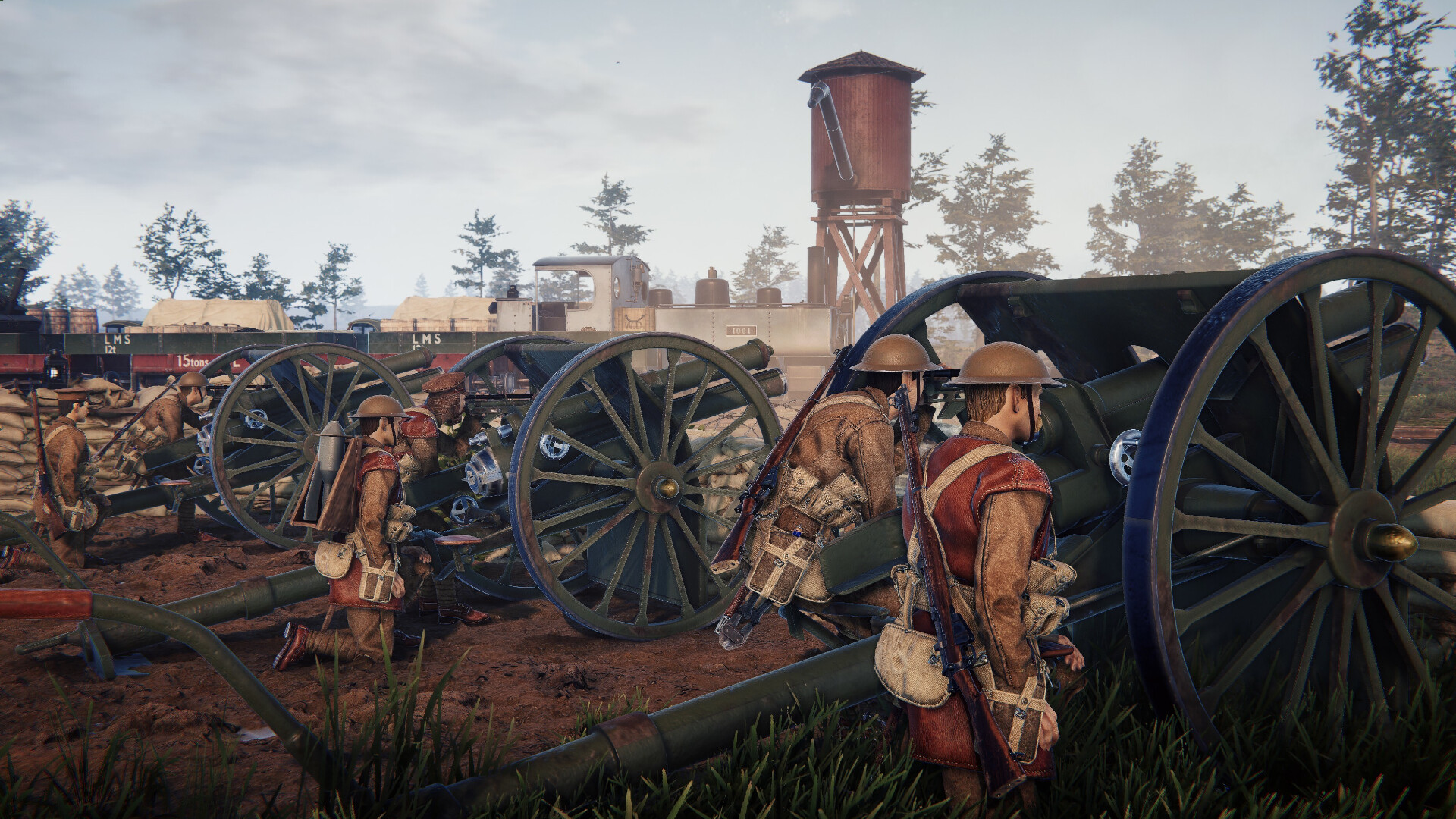
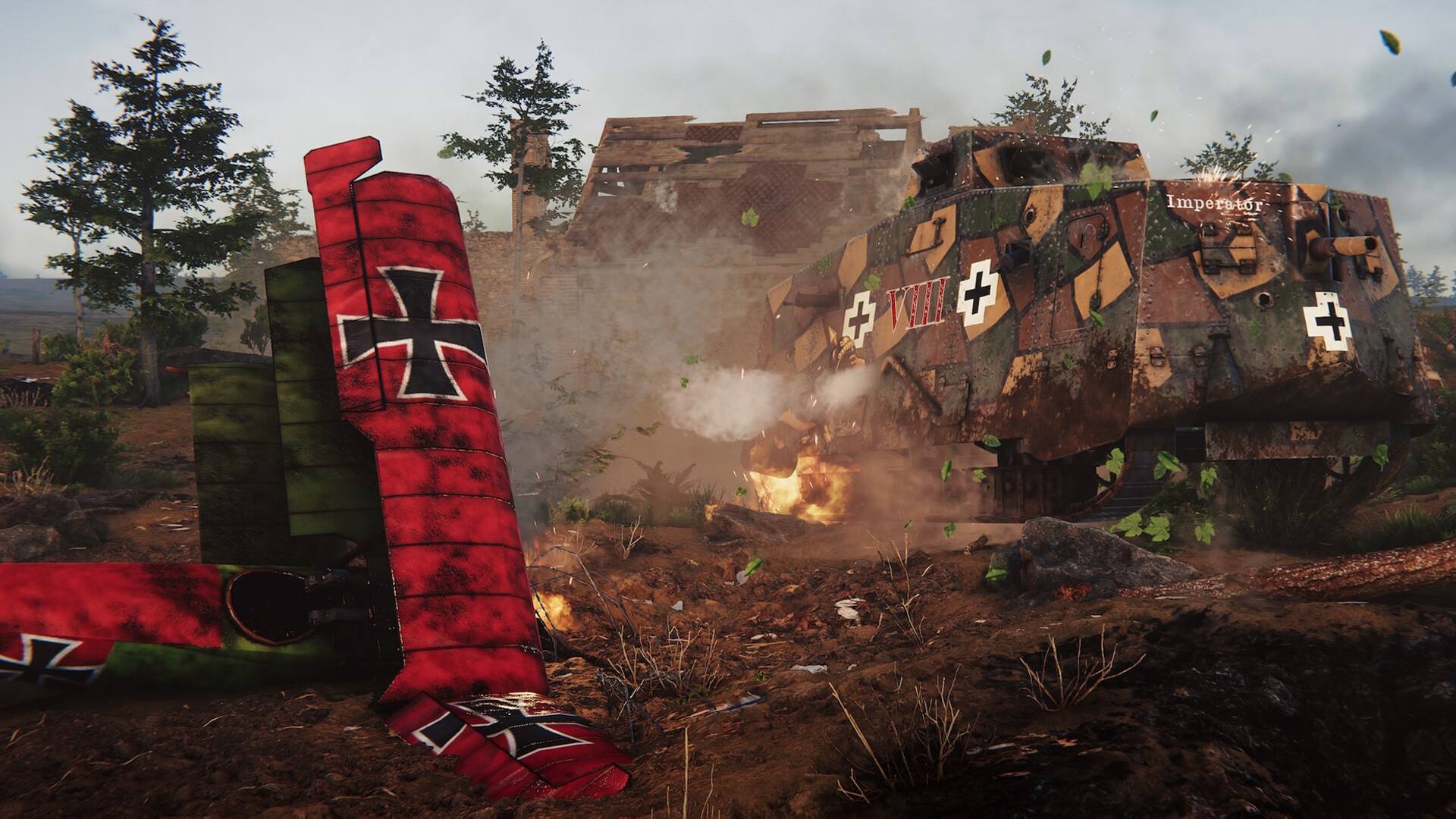
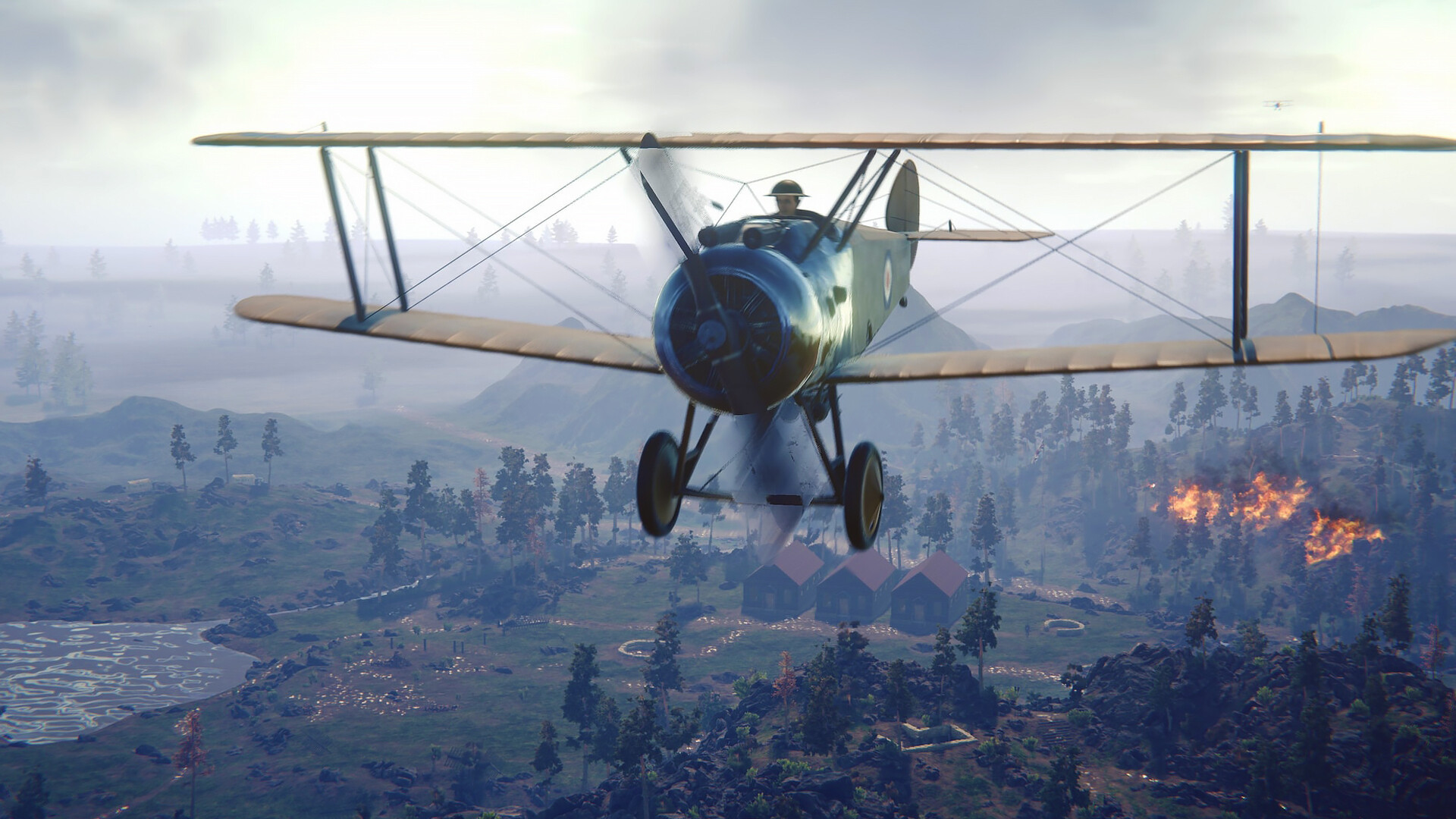
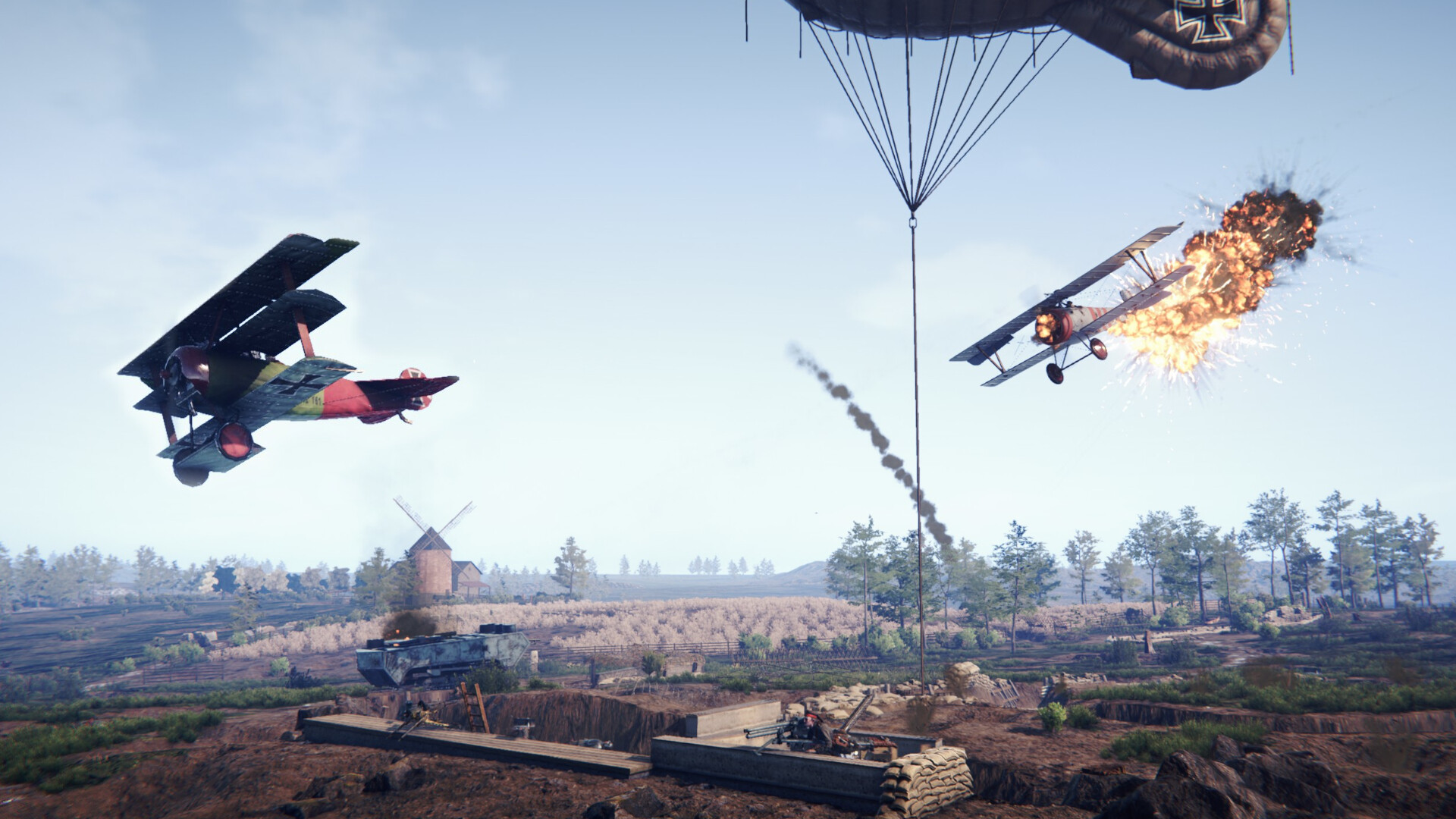
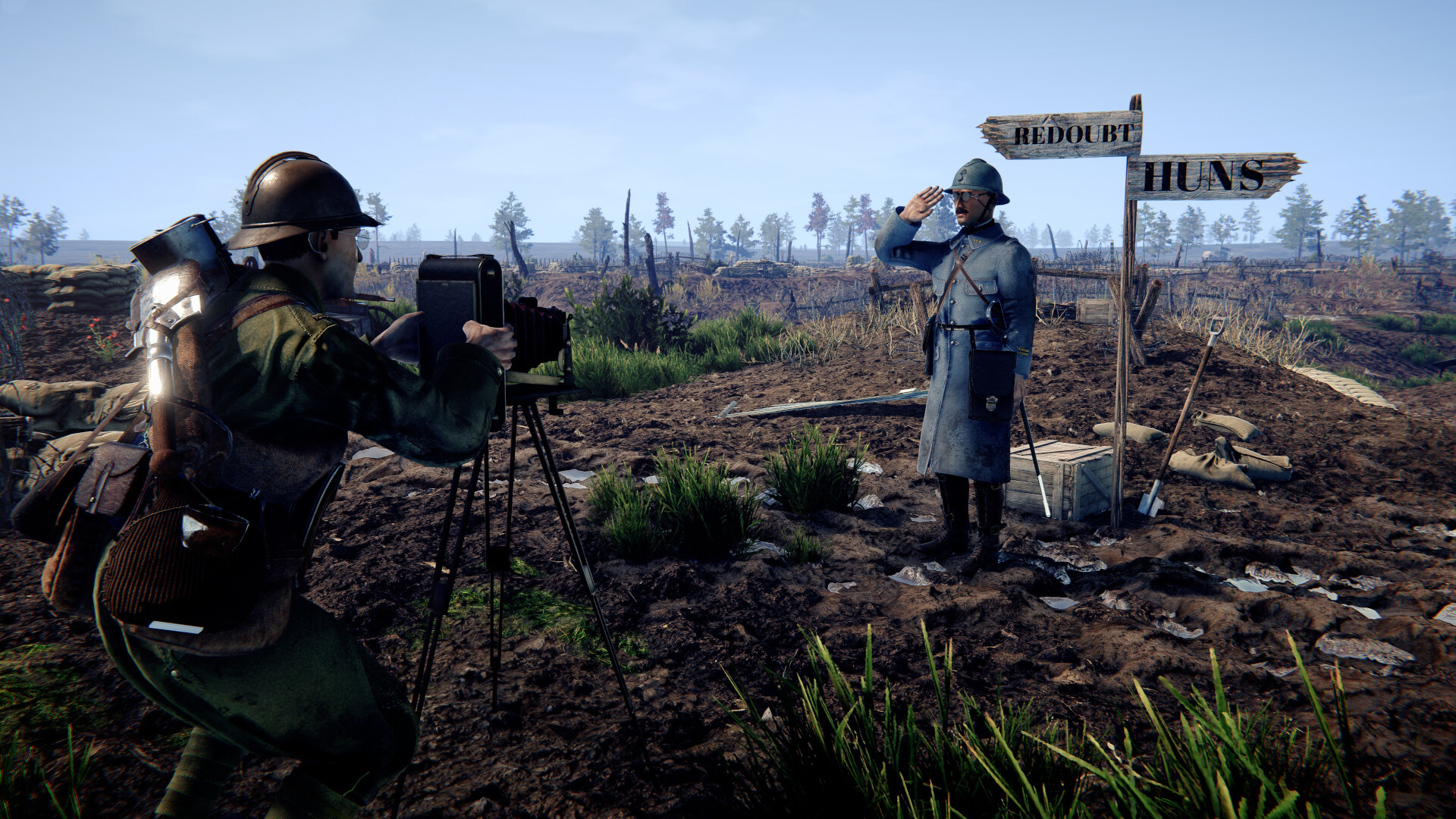
What really sets the game apart is the permanence of destruction and construction. Explosions leave lasting scars, fortifications collapse and wrecked vehicles litter the field between rounds. That persistence means a later assault might be through the rubble you created on purpose — or through the crater you accidentally made with a misplaced shell. Vehicles and large, drivable tanks are delightful chaos machines: hop in with a crew of players and you suddenly have a mobile objective that dramatically alters how your team plays. The mix of historical hardware (rifles, early tanks, biplanes) with absurd touches (bagpipes, baguettes, over-the-top morale shenanigans) keeps the tone rowdy rather than purely simulationist.
A Raucous Audio-Visual Warzone — With Rough Edges
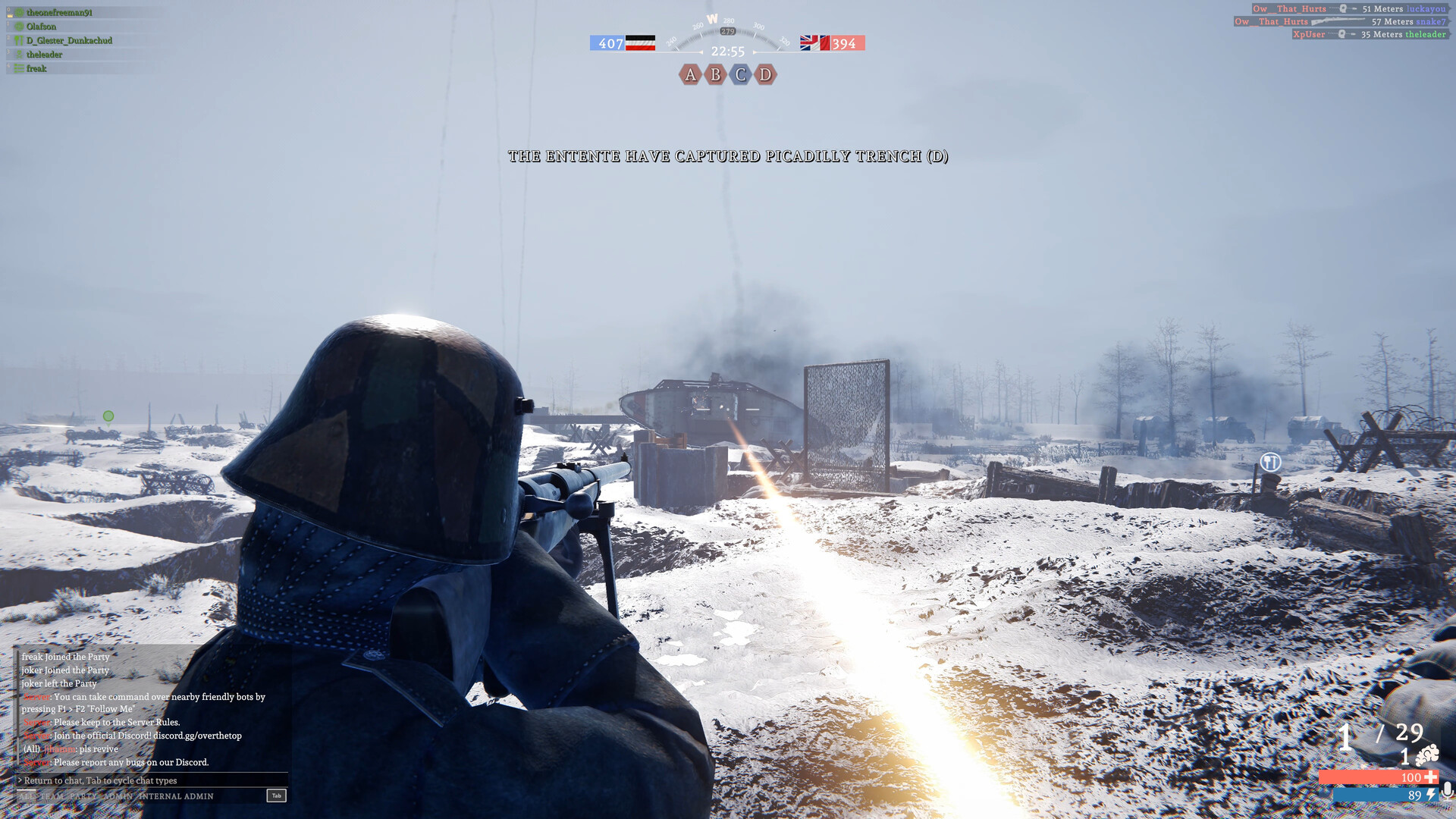
Visually the game aims for spectacle more than hyper-realism: explosions are loud, debris flies everywhere and maps change visibly as the match progresses. Sound design gives good feedback — the whine of an incoming bomber, the dull thud of artillery, the crackle of flamethrowers — which helps make chaotic moments readable. However, performance and UI need love: several players reported optimization and input bugs during early access, and I noticed clunky menu flow and occasional stutters in dense fights. Accessibility options are basic but present; graphics scale well enough on mid-range PCs, though expect a few dips when the map is at peak apocalypse.
Modes, Custom Maps and Community Tools
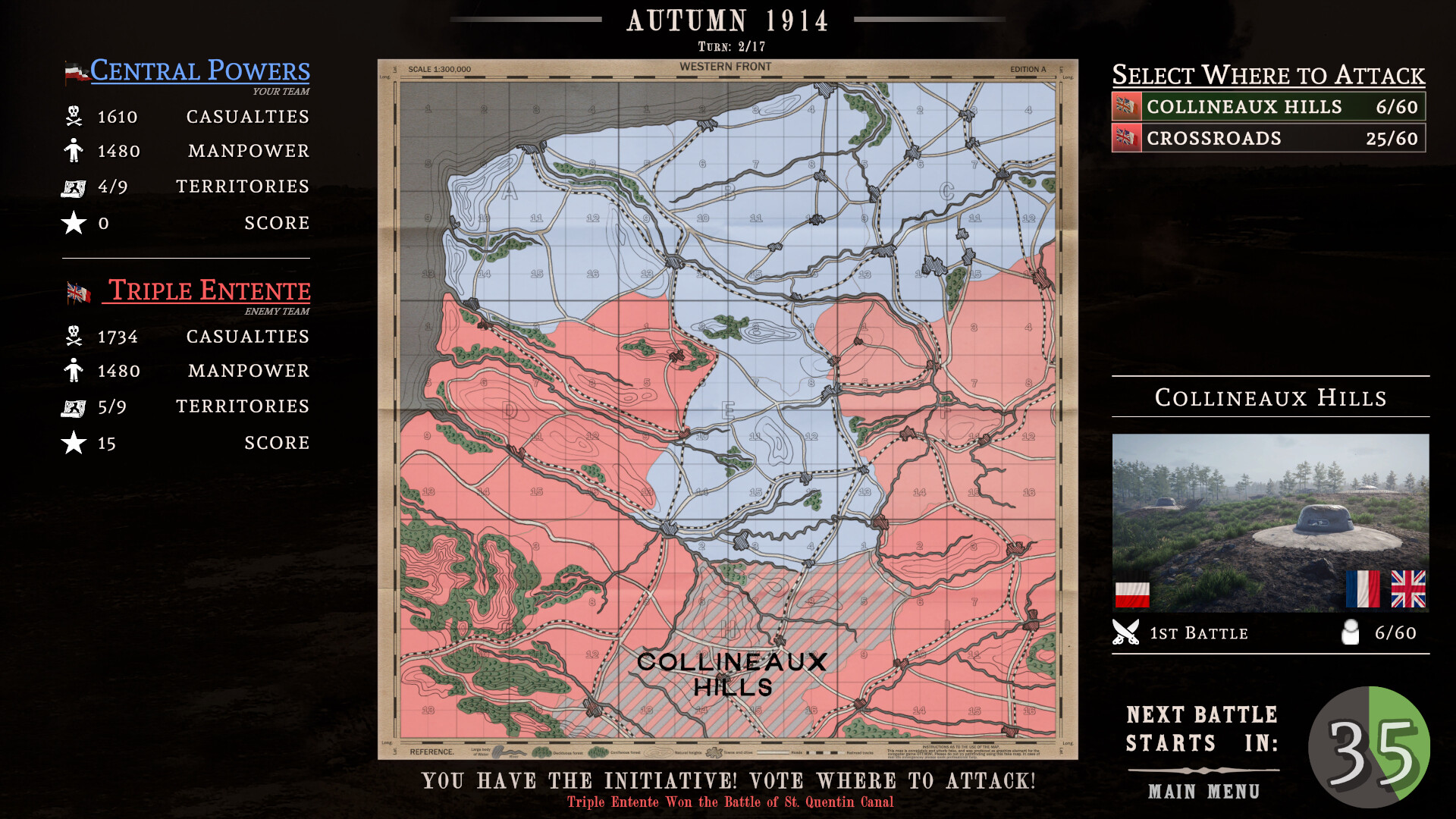
Beyond standard frontline modes there's a promise (and partial delivery) of a full map editor and community-made battlegrounds. I spent more time than I expected in custom maps because the same assets combined differently can yield wildly different tactics. Campaigns that carry over destruction between rounds give a satisfying sense of narrative continuity — you return to a battlefield that is battered, scarred and full of stories from the last match. The sandbox nature encourages improvisation: one round your team will turtle behind hastily dug berms, another you'll form an absurd human wave supported by a ramshackle tank.
Replayability and Balance Notes
Replayability is massive thanks to player-driven outcomes, multiple factions and unlockable equipment. That said, the game can feel janky at times: weapon balance is in progress, some classes can dominate on certain maps, and matchmaking can produce uneven battles. Community feedback (from playtests and early reviews) shows a passionate playerbase willing to roleplay, strategize and build memorable moments — which softens the sting of early technical problems. If you value emergent multiplayer chaos and don’t mind a little roughness around the edges, this game rewards investment.
Over The Top: WWI is not a pristine simulator — it’s a loud, rickety sandbox that rewards creativity and teamwork. If you want polished singleplayer realism, look elsewhere; if you want player-driven battlefield chaos, digging, vehicles and memorable battles, this is worth your time. Buy it if you enjoy emergent multiplayer and can tolerate some rough edges.
Pros
- Truly destructible, persistent battlefields that change tactics
- Big, chaotic multiplayer with meaningful player roles and vehicles
- Sandbox tools and map editor encourage creativity and replay
- Strong emergent moments — memorable, player-driven stories
Cons
- Optimization and occasional input bugs reported by players
- UI and matchmaking feel rough around the edges
- Balance can wobble depending on map and player composition
Player Opinion
Players from the playtests consistently praise the destructible maps and the sense that every player matters — digging trenches, fortifying positions and manning tanks or planes creates a feeling of real impact. Many reviewers compare it fondly to Battlefield 1, Holdfast or Mount & Blade for chaotic multiplayer action but note that Over The Top leans more into player-made terrain and persistence. Common criticisms include performance hiccups, a sometimes clunky UI and a few bugs (one user reported a stuck input issue). Overall community sentiment is enthusiastic: the player base values roleplay, teamwork and the game's emergent, memorable moments.