




Turbo Dismount® 2 Review – Chaotic Physics, Nostalgia and Modding Mayhem
A messy, hilarious physics sandbox that leans into slapstick carnage, Steam Workshop modding and surprisingly deep driving tools—if you can tolerate wonky optimization and a sometimes frustrating Challenge Mode.
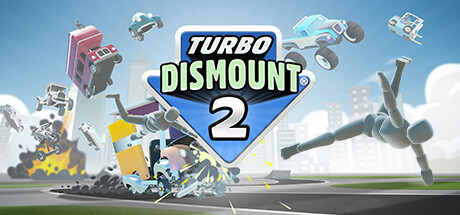
I dove into Turbo Dismount® 2 with the same mix of childish glee and scientific curiosity I had for the original: how gloriously bad can a human-shaped crash get? The sequel keeps the soul of the OG—ridiculous ragdoll moments and joyful carnage—while adding more vehicles, characters and Steam Workshop support. It’s instantly familiar, yet polished in ways that make getting splattered feel premium. If you loved the mobile classic, this one mostly scratches that itch, though a few rough edges reminded me I wasn’t playing a finished AAA product.
Driving Into Disaster
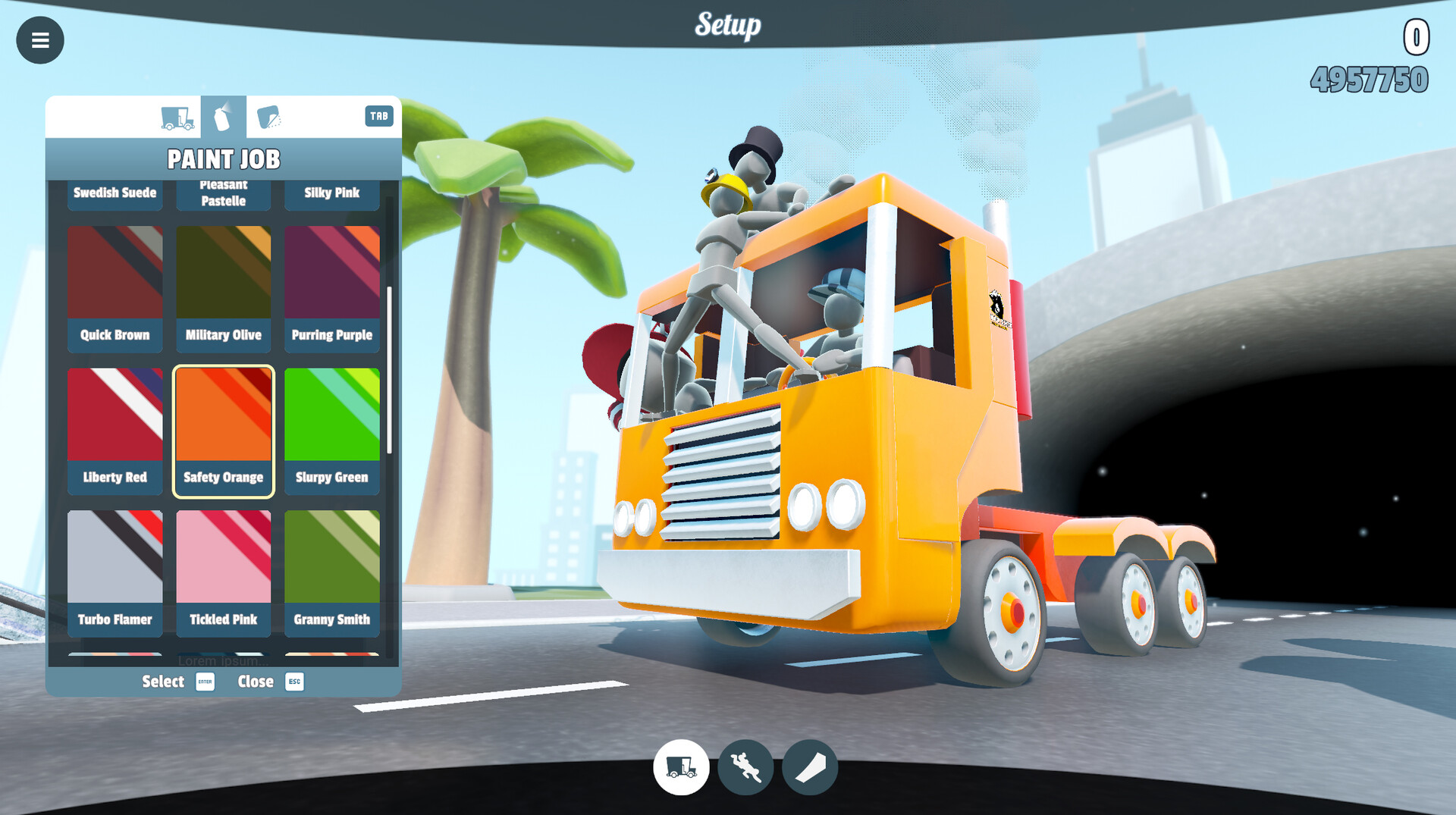
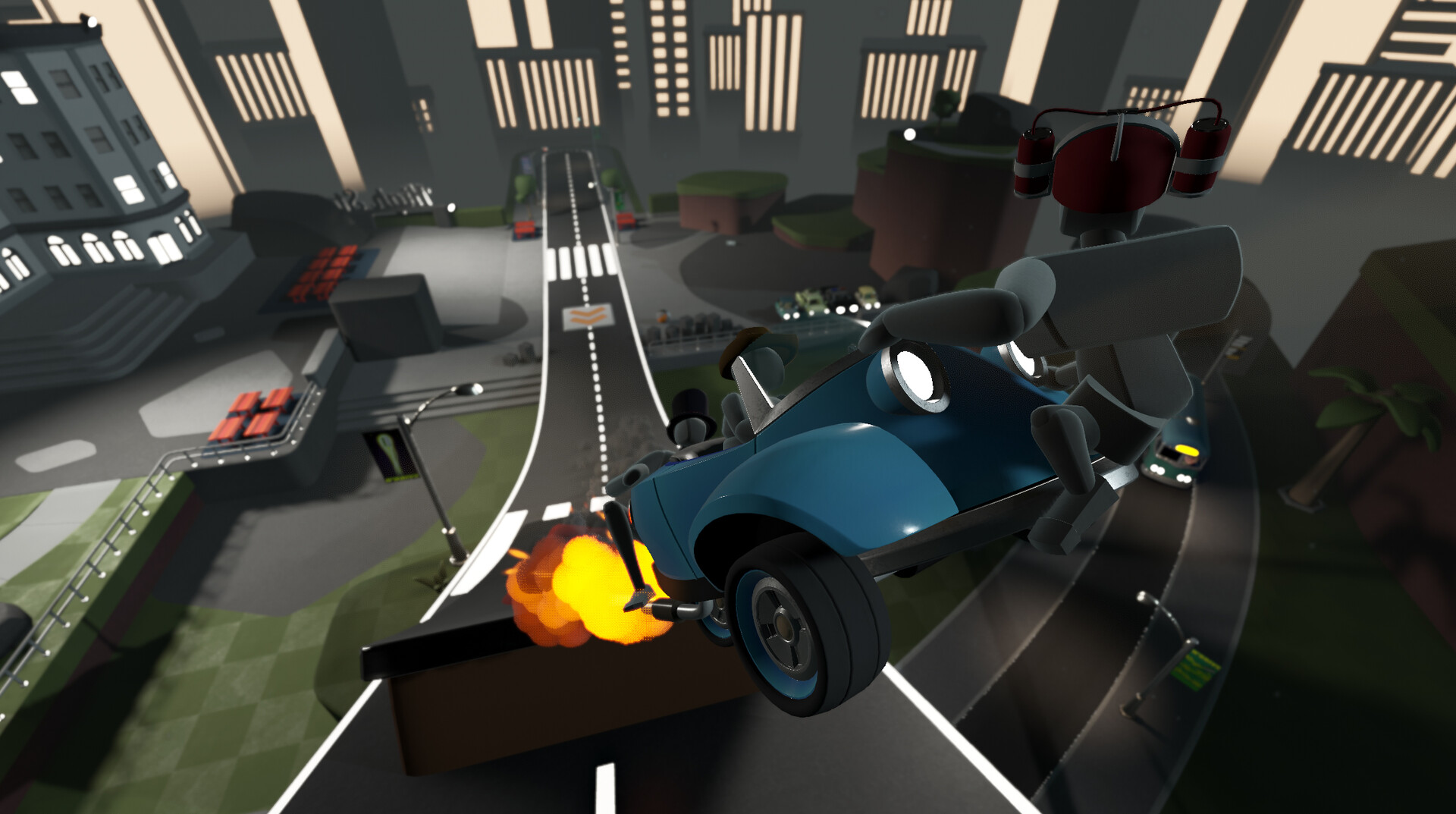
The core loop of Turbo Dismount® 2 is gloriously simple: pick a character, choose—or build—a vehicle, pick a stage, and send your poor chap into spectacular ruin. Most of my time was spent in sandbox mode, launching shopping carts, skateboards and tiny cars down ramps and into walls to see how inventive the ragdoll engine could get. There’s now manual first-person driving which makes some runs feel like an awkward driving sim where you’re actively trying to make things go wrong; it’s delightful. Challenge Mode adds structured objectives that reward precision, but it also exposes how punishing the physics can be when you actually try to be 'skilled'. Between timed stunts, score targets and pure chaos spectacles, there’s a surprising variety of ways to play.
Mayhem Made Mod-Friendly
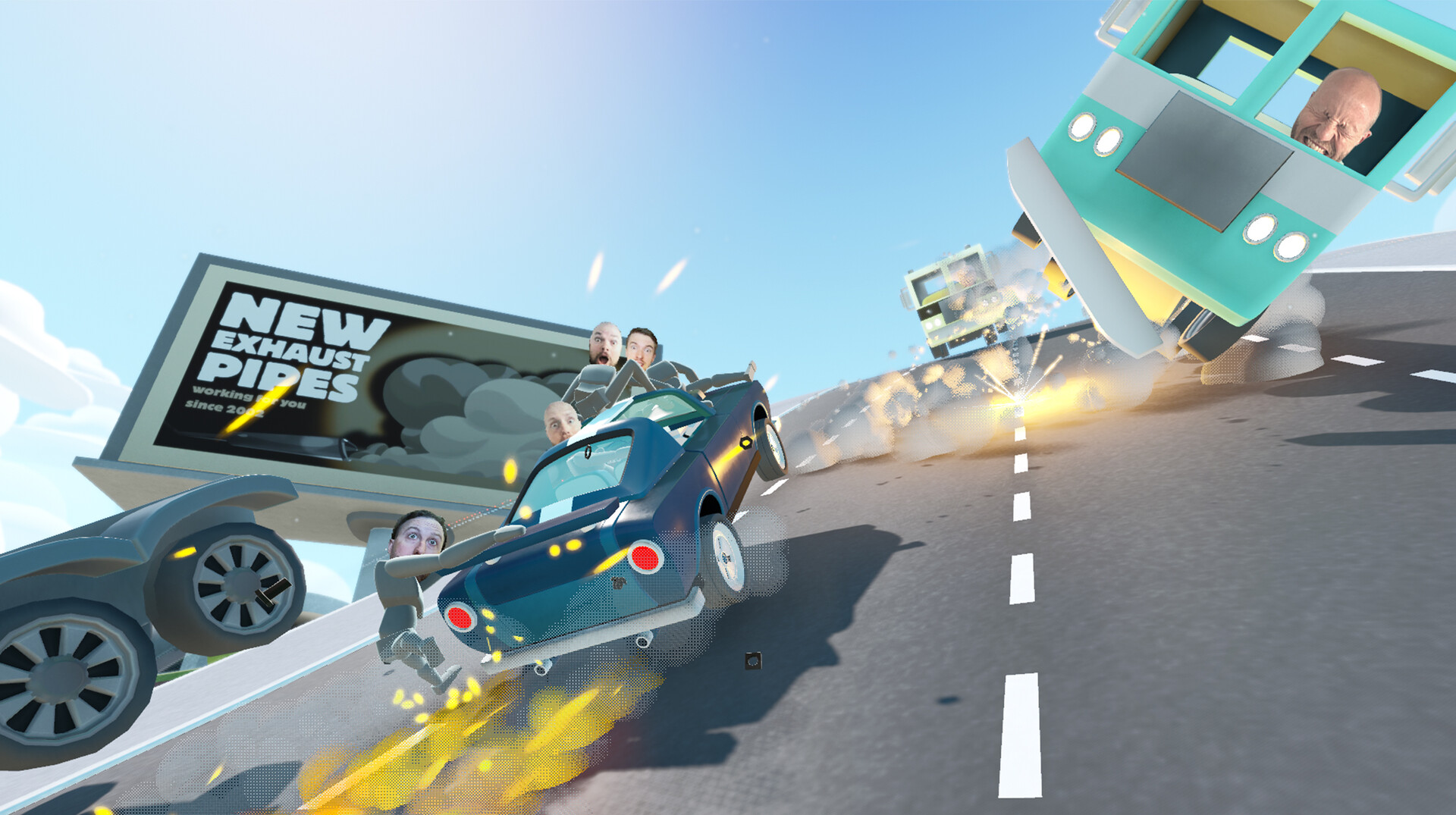
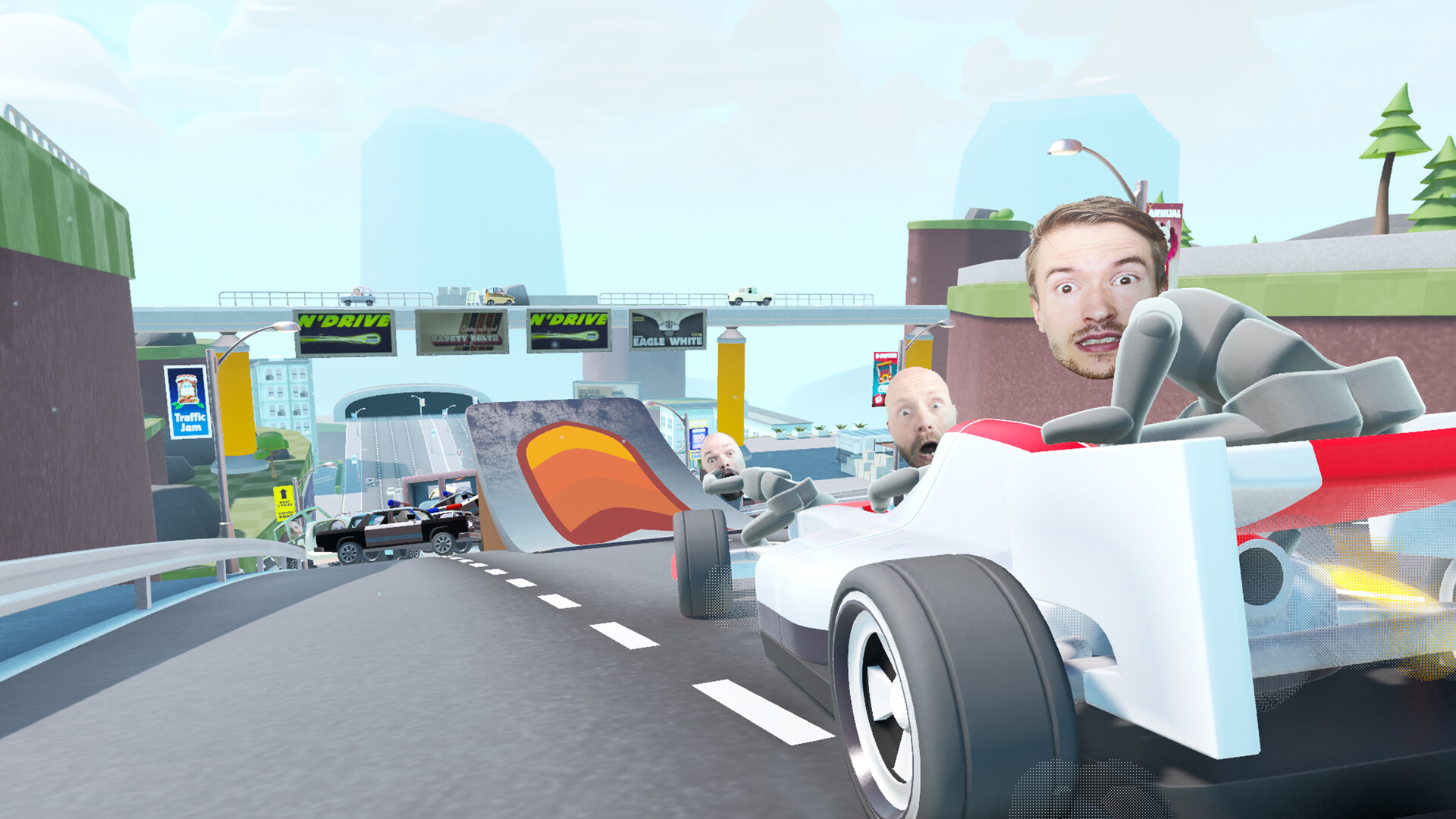
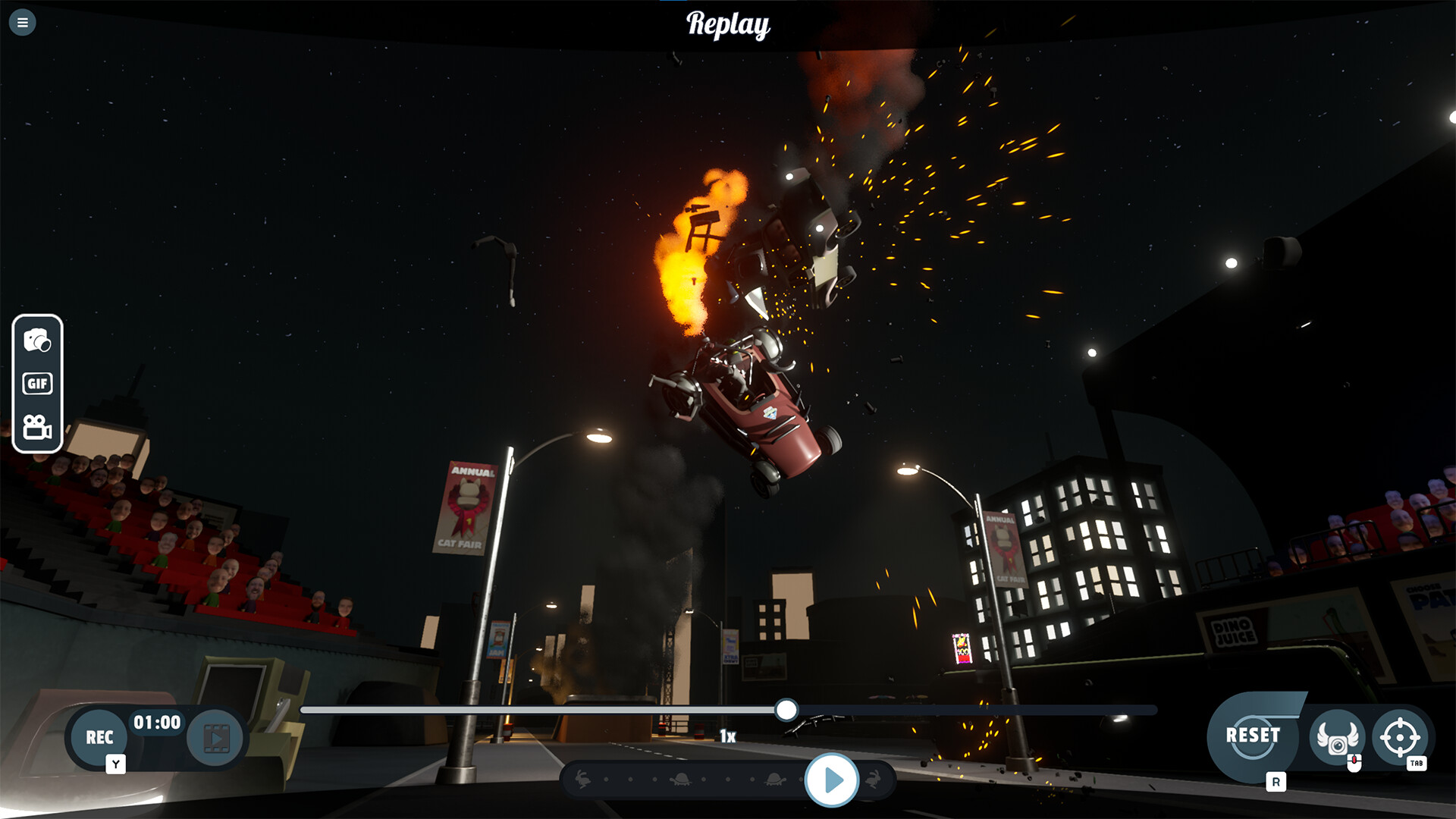
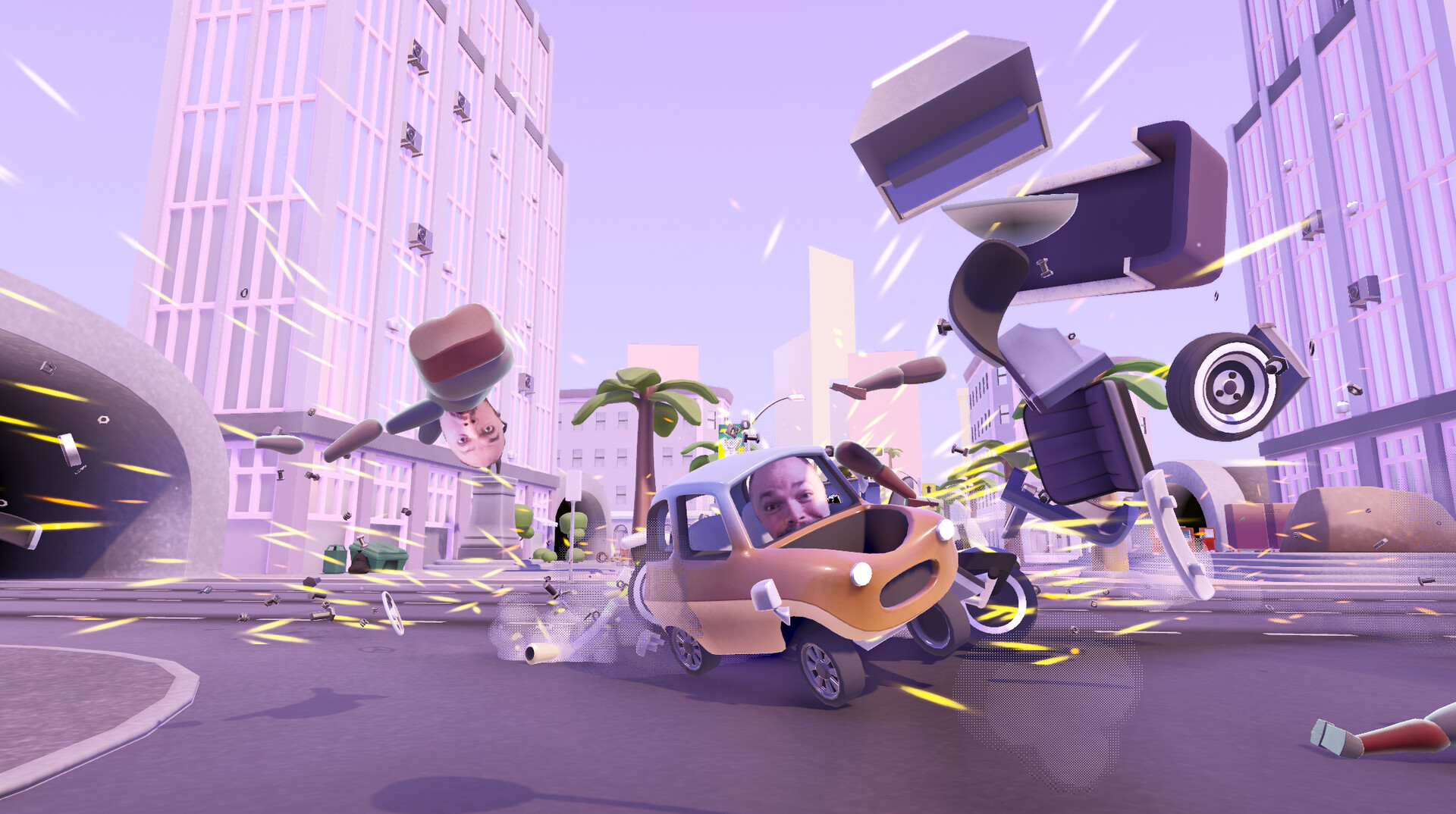
Where Turbo Dismount® 2 shines is in its creative toolset and Workshop integration. The level editor in Unity feels powerful—almost too powerful—so you can craft absurd stunt setups, precision puzzles or cinematic disaster scenes. The addition of multiple characters on vehicles and animated bobblehead faces (with webcam live-head support!) opens up goofy possibilities; I once glued three characters onto a unicycle and screamed with laughter as physics punished me. The replay system and Steam Gameplay Recording make it easy to capture glorious failures. Community-made maps already multiply the game’s lifespan; the Workshop is where the real party lives, especially for players who enjoy building and sharing weird challenges.
A Pretty, Noisy Package
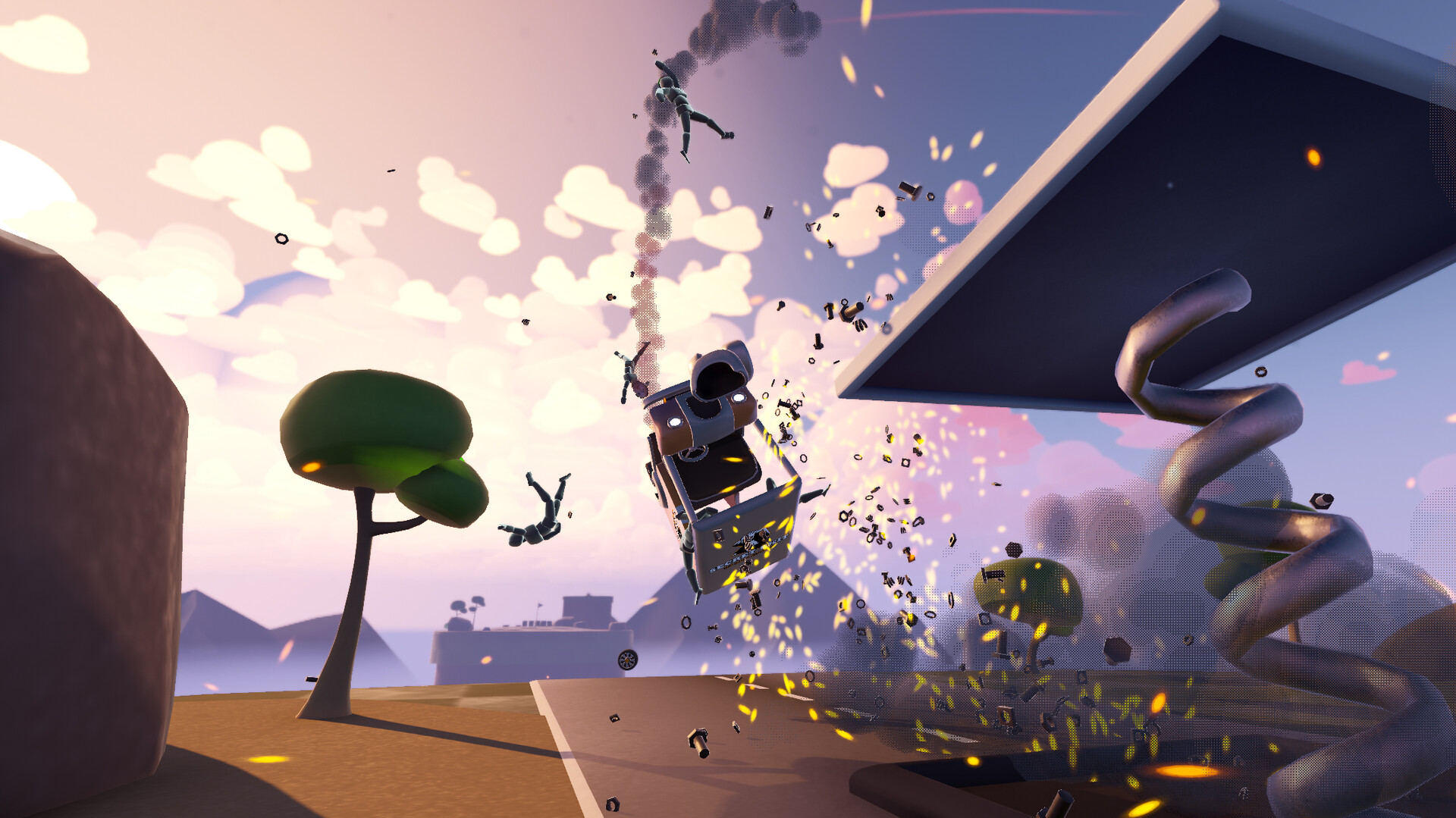
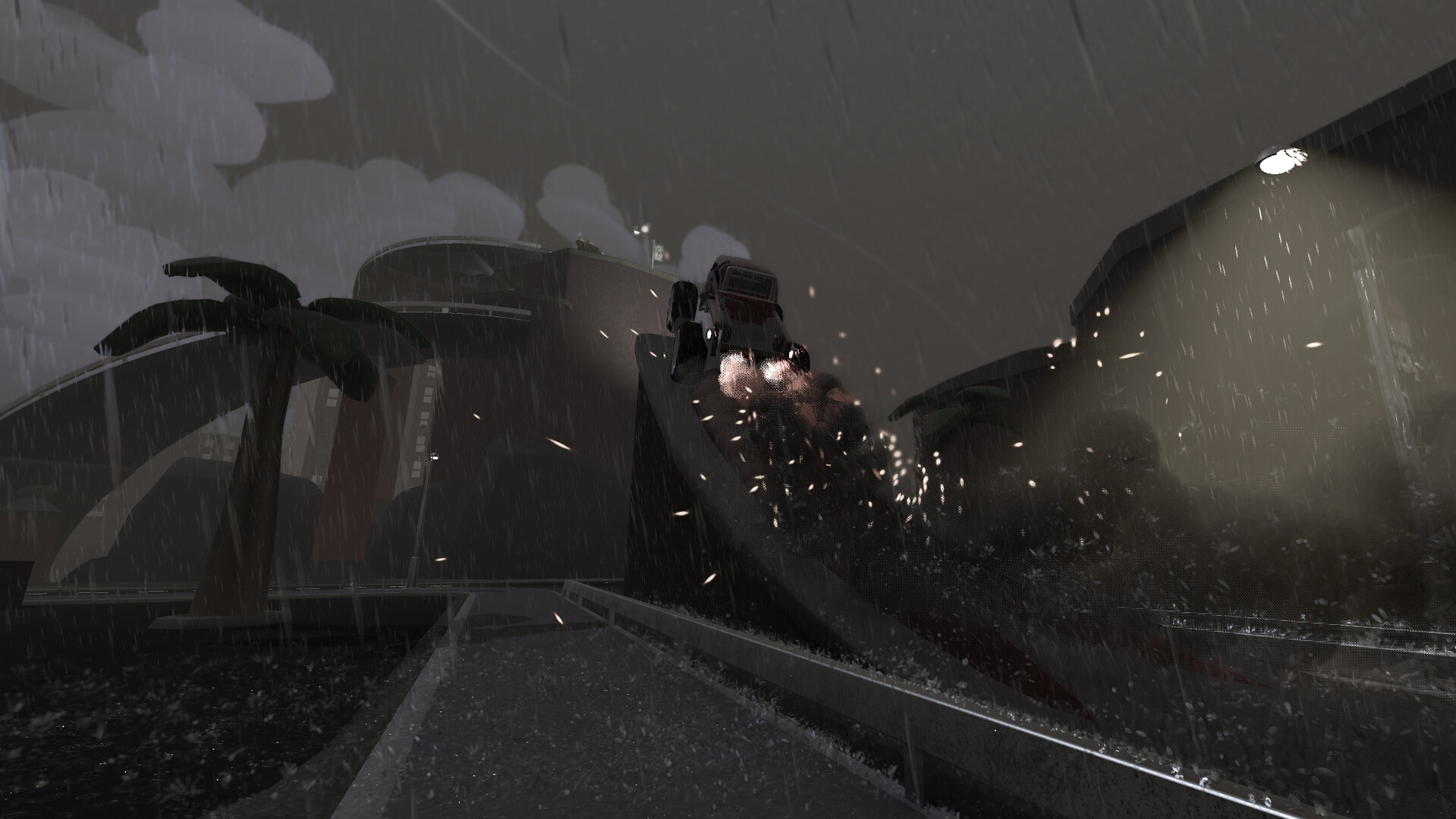
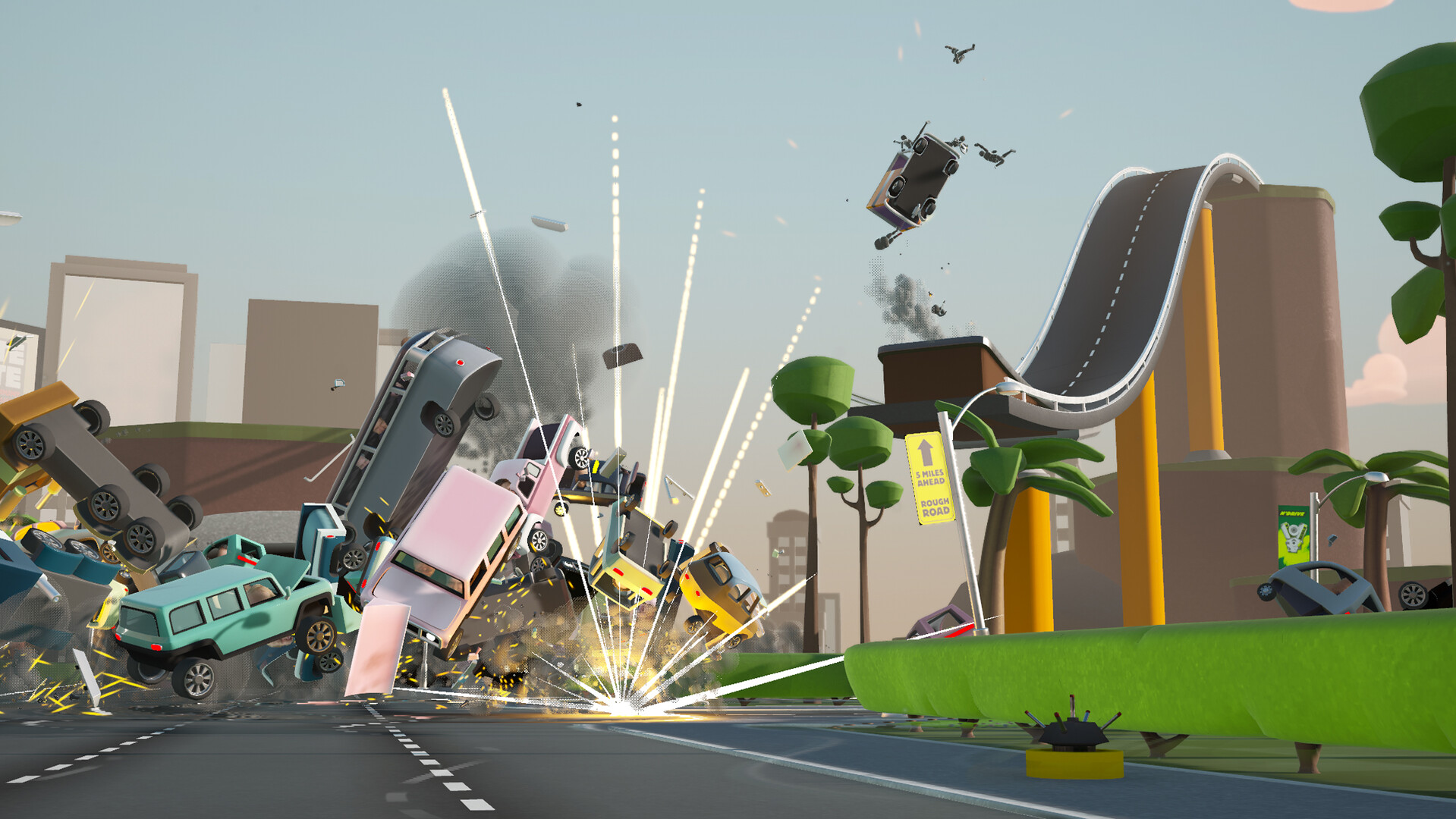
Visually, TD2 is a clear upgrade from its predecessor: cleaner models, nicer lighting and splashy special effects that make every flip look cinematic. Sound design sticks to exaggerated thuds, comedic squeaks and triumphant crash cues that sell the slapstick; music is punchy and stylish, matching the game’s confident tone. Performance is the weak link—on my PC some high-density custom maps stuttered or crashed, and a few players report optimization problems even at low settings. Accessibility options are basic but present, and camera choices have been tightened, which helps gameplay focus but reduces the free 'spectator' vibe some fans loved. Overall it’s charming, loud and built to be shown off—if your rig cooperates.
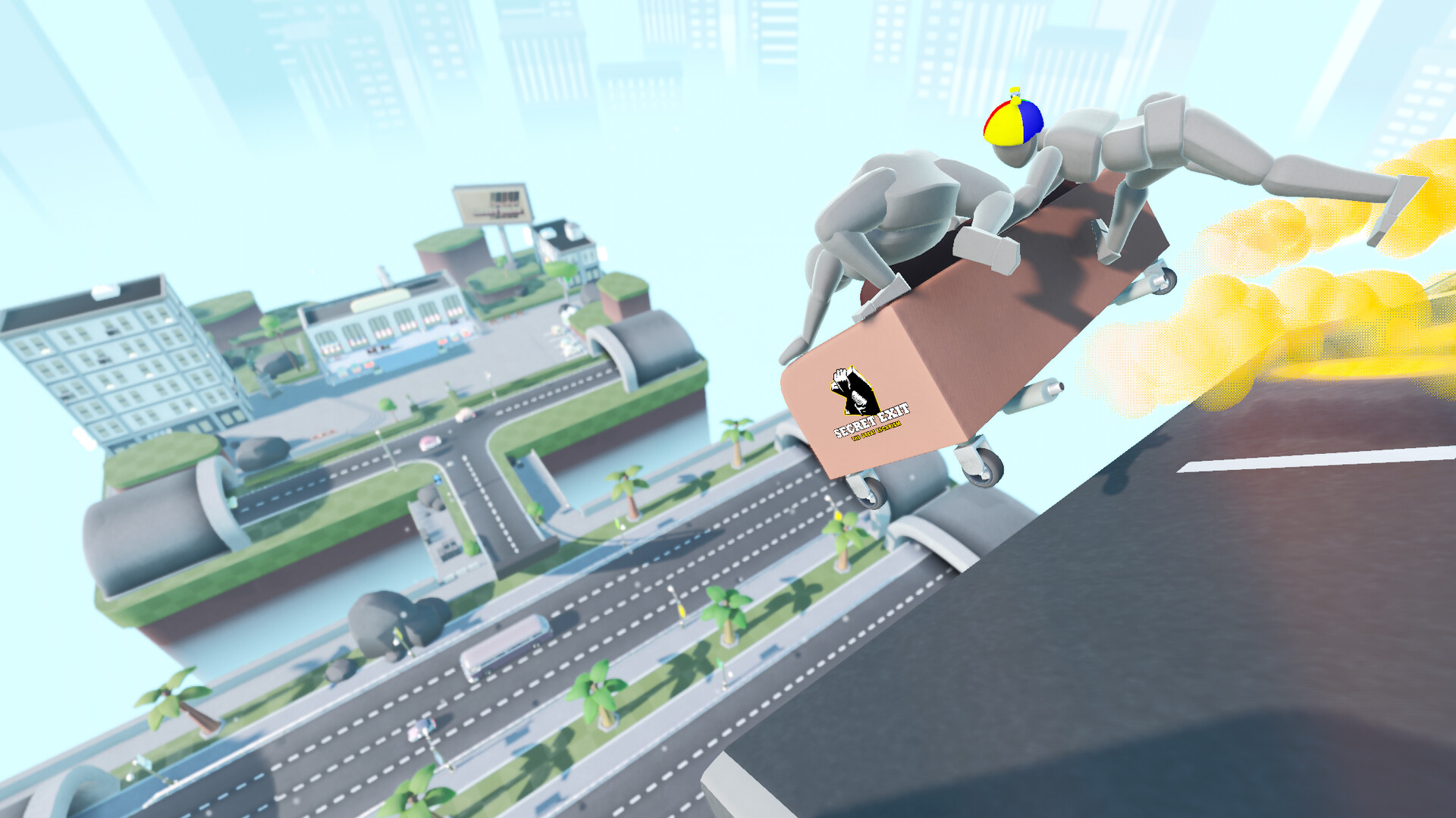
Turbo Dismount® 2 is a love letter to chaotic, comedic physics play with serious modding bones. It’s best enjoyed in sandbox mode or via community levels where the game’s strengths shine, but be prepared for rough spots: finicky challenge physics and performance dips can sour some sessions. I’d recommend it to fans of the original, creative sandboxers and anyone who enjoys making and sharing ridiculous crashes—but check your settings and expectations first.
Pros
- Brilliant, comedic ragdoll physics and memorable crashes
- Deep level editor + Steam Workshop support for endless replayability
- Stylish visuals and punchy sound design that sell the chaos
- Sandbox mode is pure, silly fun; replay system is excellent
Cons
- Optimization issues and occasional crashes on complex maps
- Challenge Mode physics can feel unfair or inconsistent
- Live webcam/head feature enabled by default — privacy surprise
Player Opinion
Players love the nostalgia and comedic spectacle: many reviews praise the beautiful visuals, the faithful retention of the original’s soul and the new creative tools like custom characters, levels and music. Sandbox fans say they can waste hours watching chaos unfold, and the Steam Workshop already fuels creativity. On the flip side, several recurring complaints stand out: optimization problems that cause low framerates or crashes on heavy custom maps, and a physics model in Challenge Mode that some find too punishing or inconsistent. A vocal subset is also annoyed that the live-head webcam is enabled by default and that certain freedoms from the first game—free camera during dismounts or more flexible obstacle placement—seem reduced. If you love building or sharing insane levels and don’t mind fiddling with settings, you’ll likely be happy; if you expect a perfectly tuned competitive challenge mode or rock-solid performance on lower-end PCs, be warned.