






Occupy Mars: The Game — Ambitious Mars Survival with Rough Edges
A sprawling Mars sandbox that nails the feel of engineering and base-building, but trips over bugs, clunky controls and sketchy optimization — a love letter to STEM with a rough polish.
I jumped onto Occupy Mars with the kind of nerdy optimism reserved for rocket launches and weekend soldering projects. The game promises a technical open-world sandbox where you build bases, manage oxygen, power and water, and even fix electronics with realistic tools — basically engineering homework but fun. It stands out because it leans hard into practical STEM mechanics rather than abstract resource bars, which I found refreshing. Still, the launch felt like watching a rover wobble off the pad: exciting potential, a few alarming rattles and a very long way to go.

Surviving and Building on a Red Rock
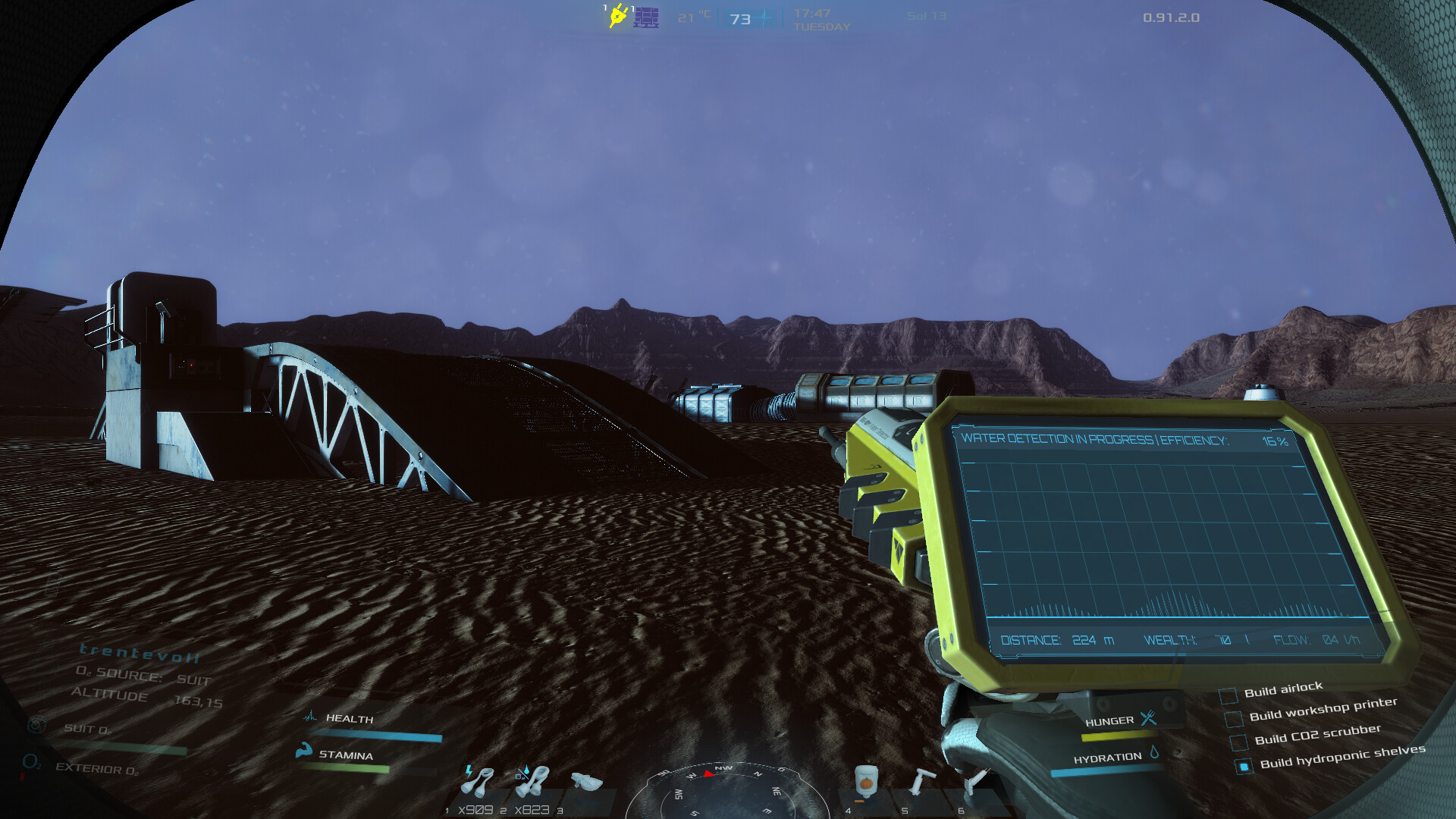
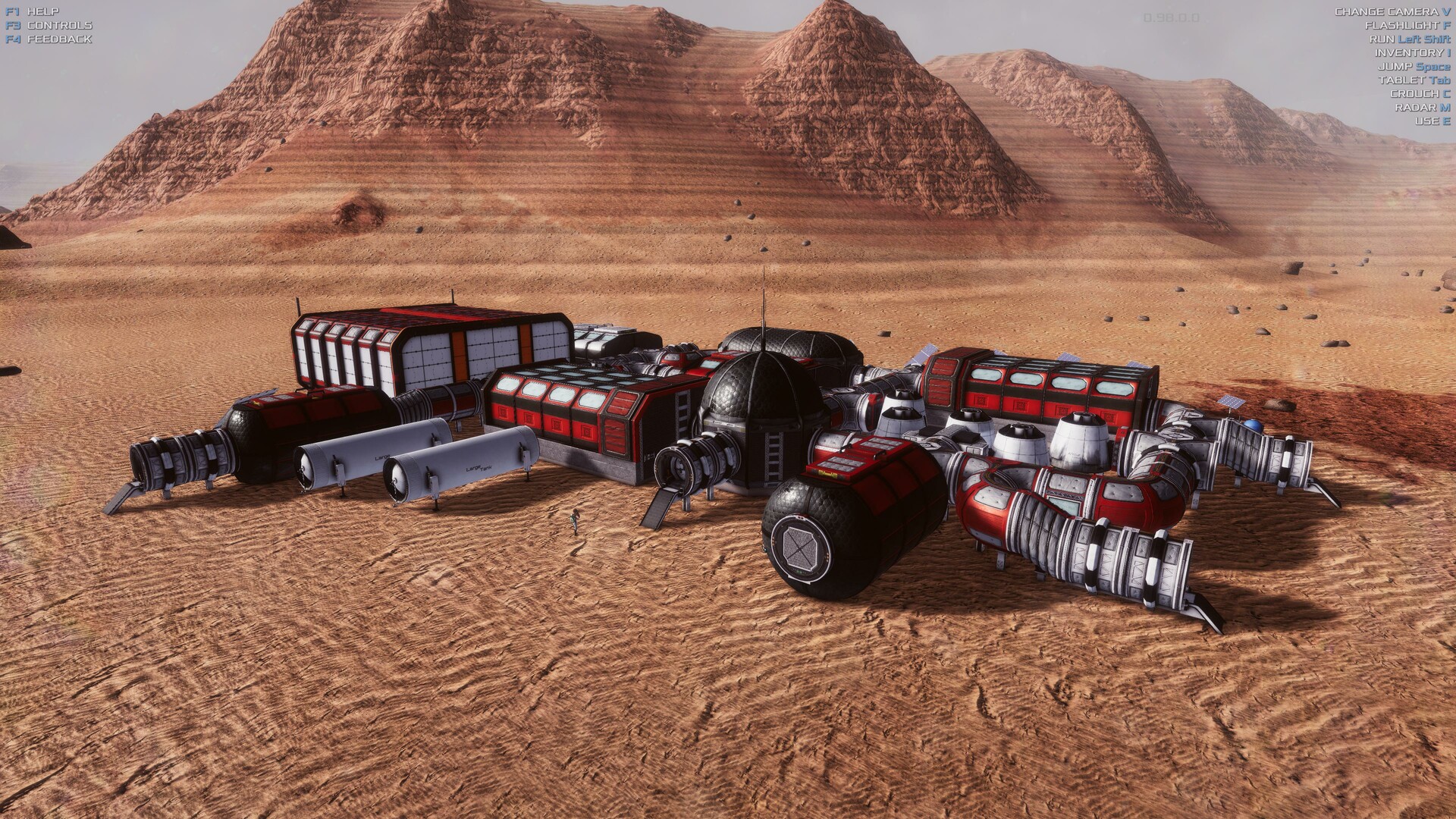
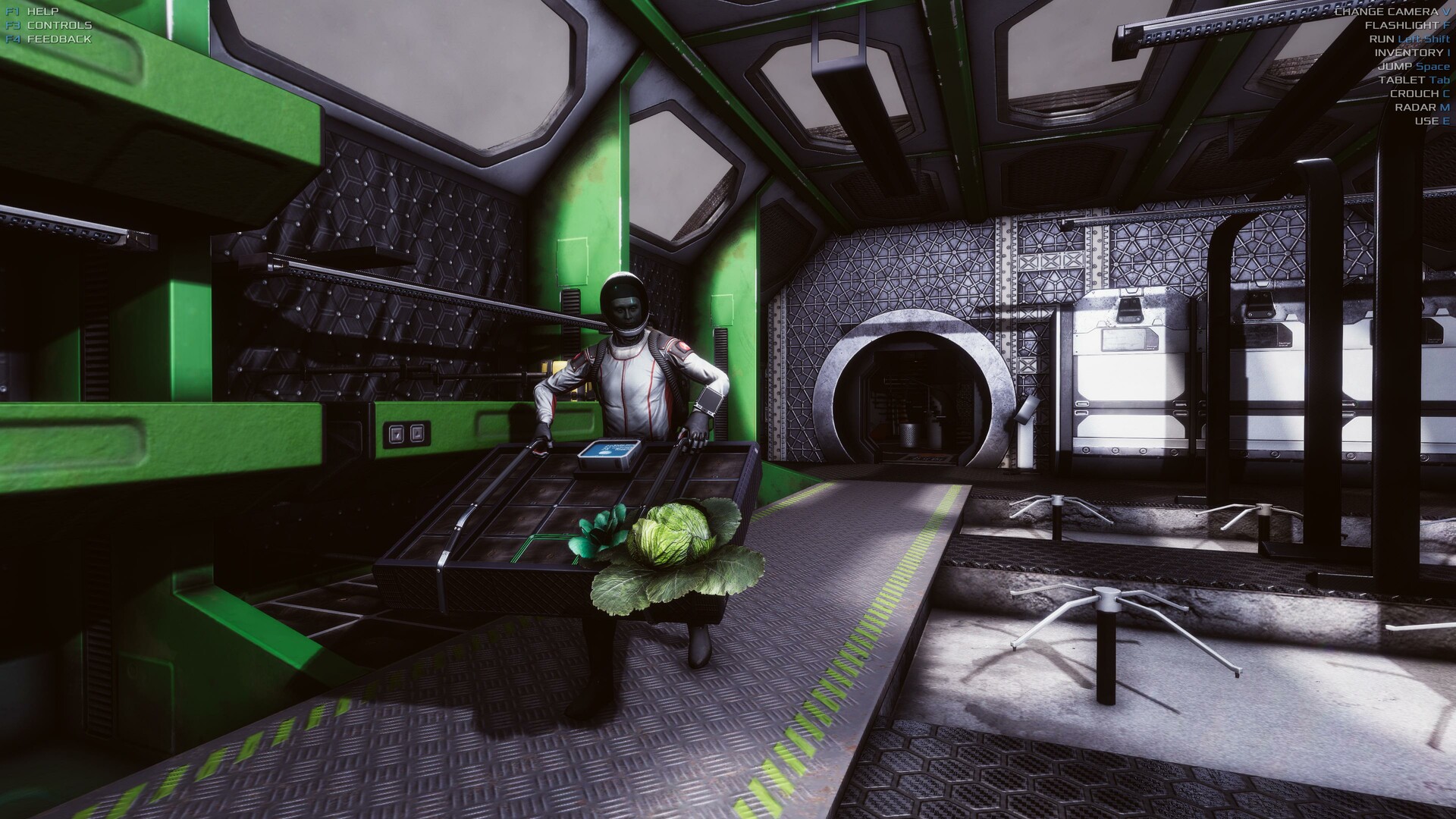
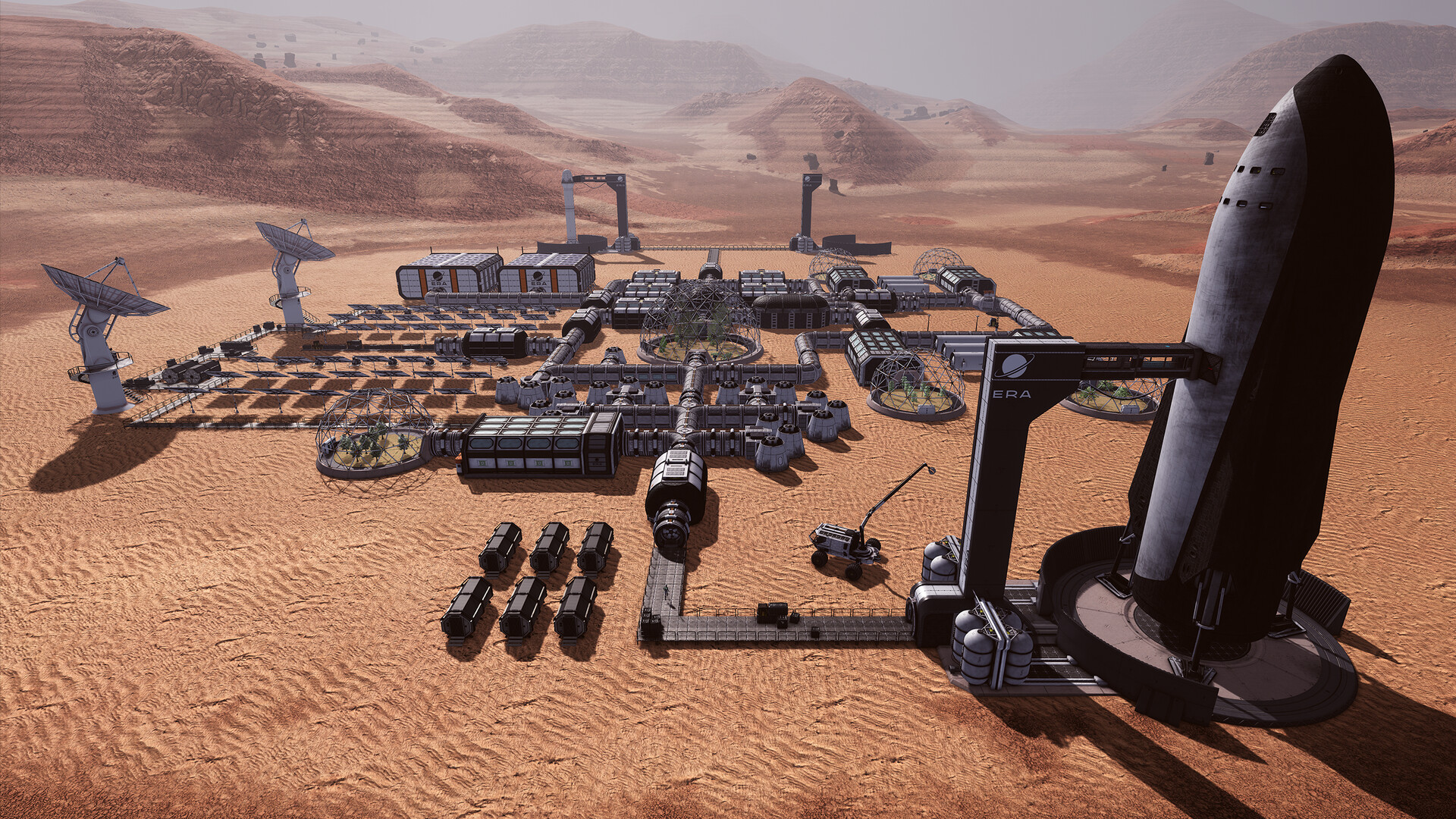
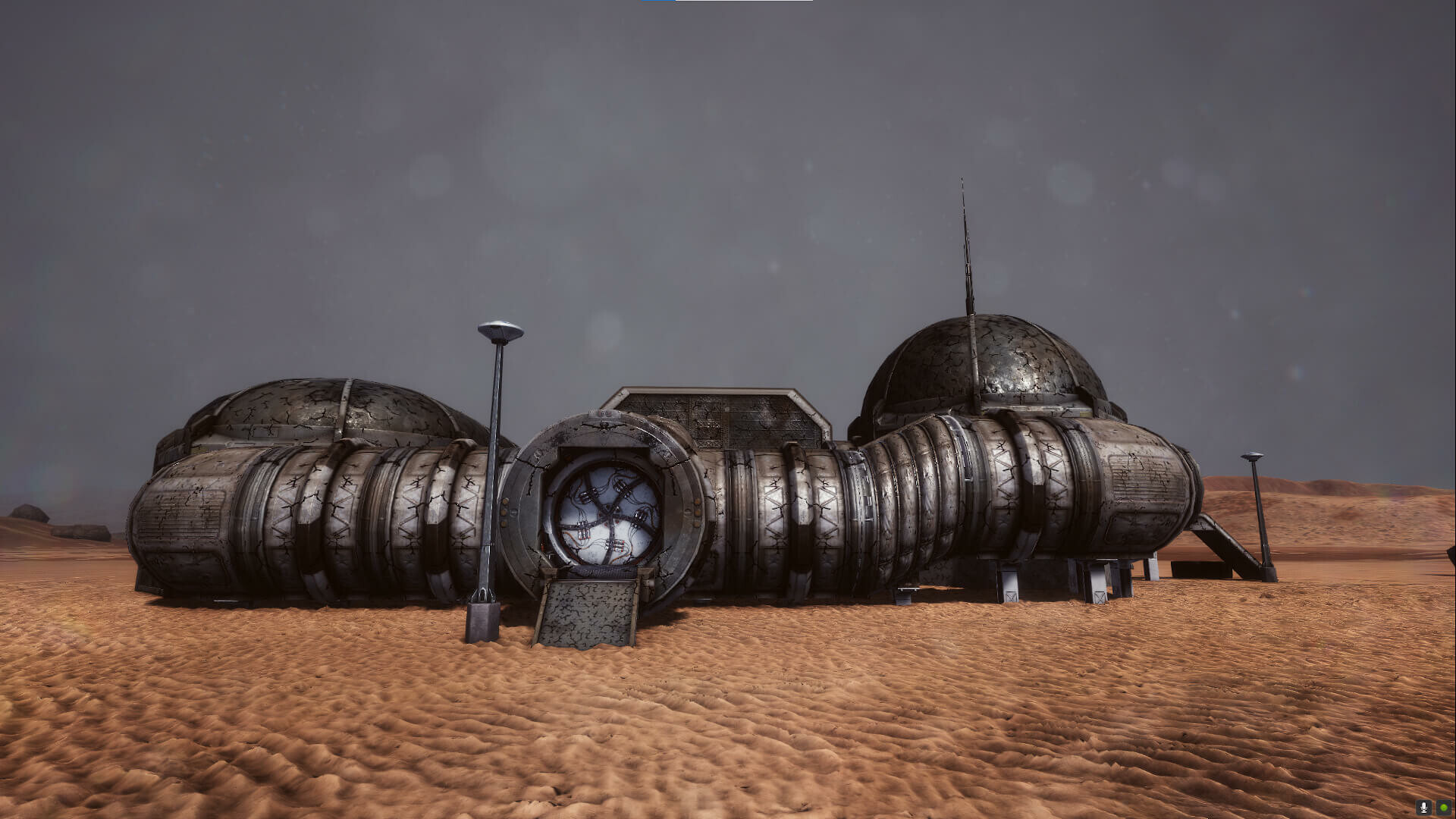
Occupy Mars centers on a hands-on survival loop where your day is spent scouting, mining and keeping the lifelines of a growing colony intact; you’ll run cables, lay pipes, set up solar arrays and batteries, and babysit greenhouses so your colonists don’t become very expensive fossils. Base building is both satisfying and fiddly — snap-on modules, hybrid power grids and layered oxygen systems reward careful planning, but they also demand attention to detail: a forgotten cable can knock out an entire habitat and ruin your day. Exploration matters: different regions have varied resources, temperature swings and underground water, and finding a decent, relatively flat place to found a city actually feels like a meaningful choice. Vehicles are a core part of traversal and logistics; modifying rovers, swapping hydraulics and using the garage to tune equipment adds a mechanical hobbyist joy to the loop. Crafting and the tech tree exist to expand your options rather than gate every step, but mining still plays the role of necessary chore to unlock upgrades. The game’s day/night cycle and temperature model force you to think about when to run big jobs and when to shelter, which I appreciated on stormy nights when my battery bank screamed for mercy.
When Engineering Becomes Gameplay
What sets Occupy Mars apart is how it turns real-world systems into gameplay: soldering, hot-air tools and measuring electronics are represented in ways that scratch that practical itch, and the “fix broken parts” loops genuinely feel like repair puzzles rather than arbitrary resource sinks. The garage and vehicle customization go beyond cosmetic tweaks — you can change performance-related parts and experiment with payloads, which encourages tinkering and long-term investment in your fleet. There are also moments of dark comedy, like the frequent "Rapid Unscheduled Disassembly" events where fragile scaffolding or a miswired conduit will immediately turn a tidy base into a smoking crater, forcing you into triage. Multiplayer co-op exists and can change the pacing for the better, since shared workload makes complex electrical and plumbing jobs less of a solo grind and more of a chaotic group problem to solve. The game frequently nods to real tech and companies which gives it an educational flavor; some players — especially parents with STEM-curious kids — have praised it as a learning tool that scratches the same itch as practical simulation games.
A Rough Visuals-and-Performance Package
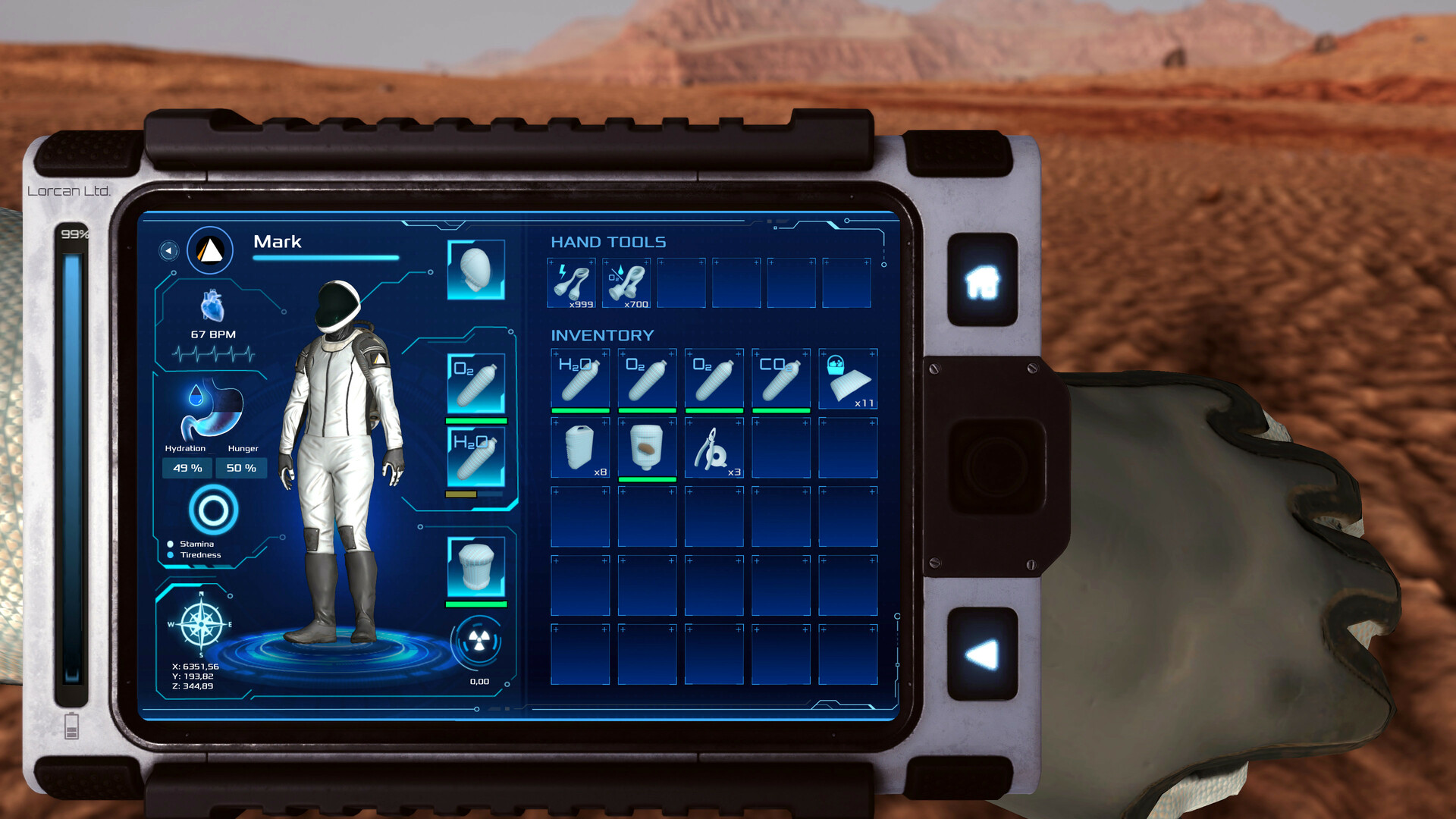
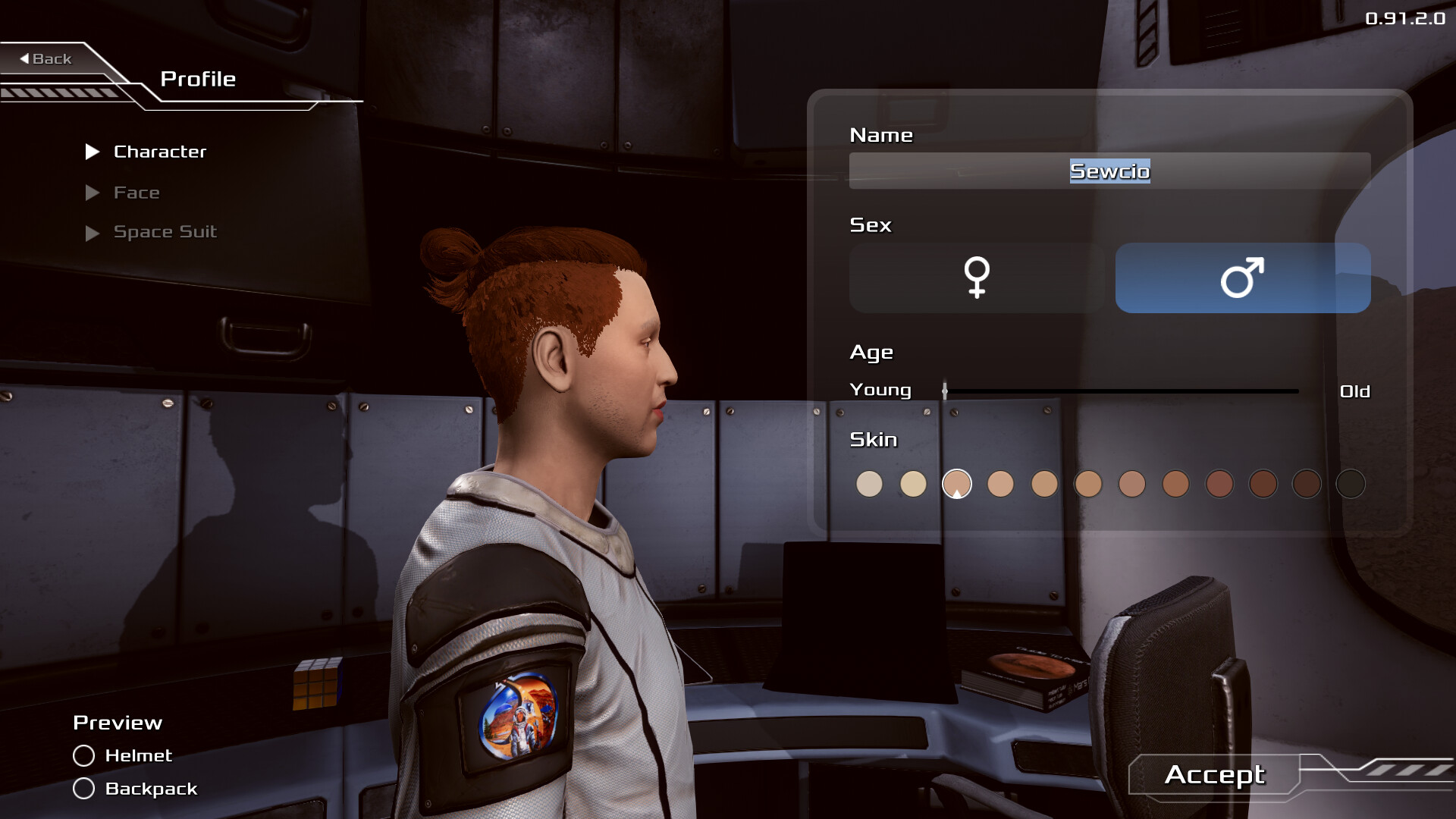
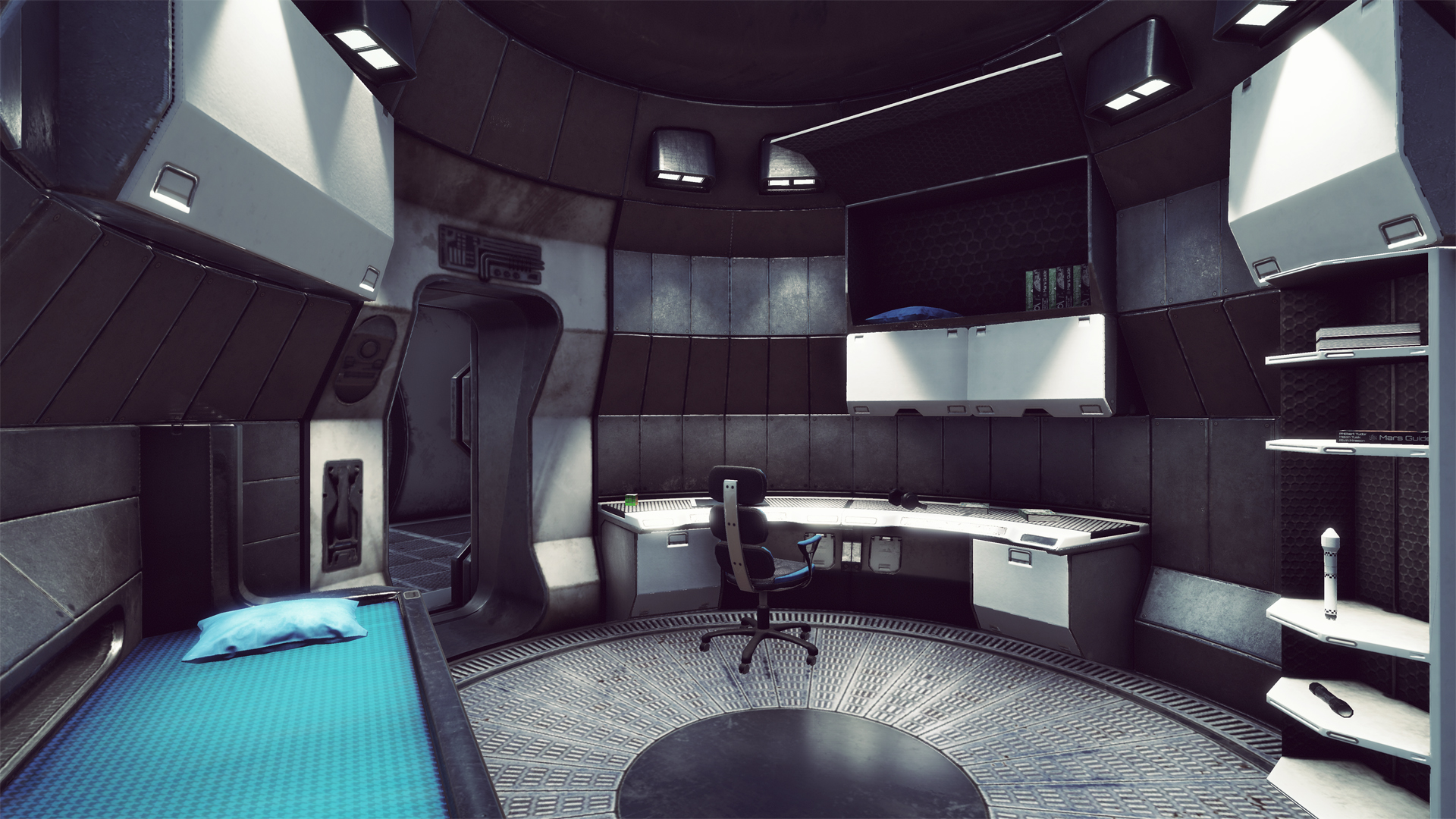
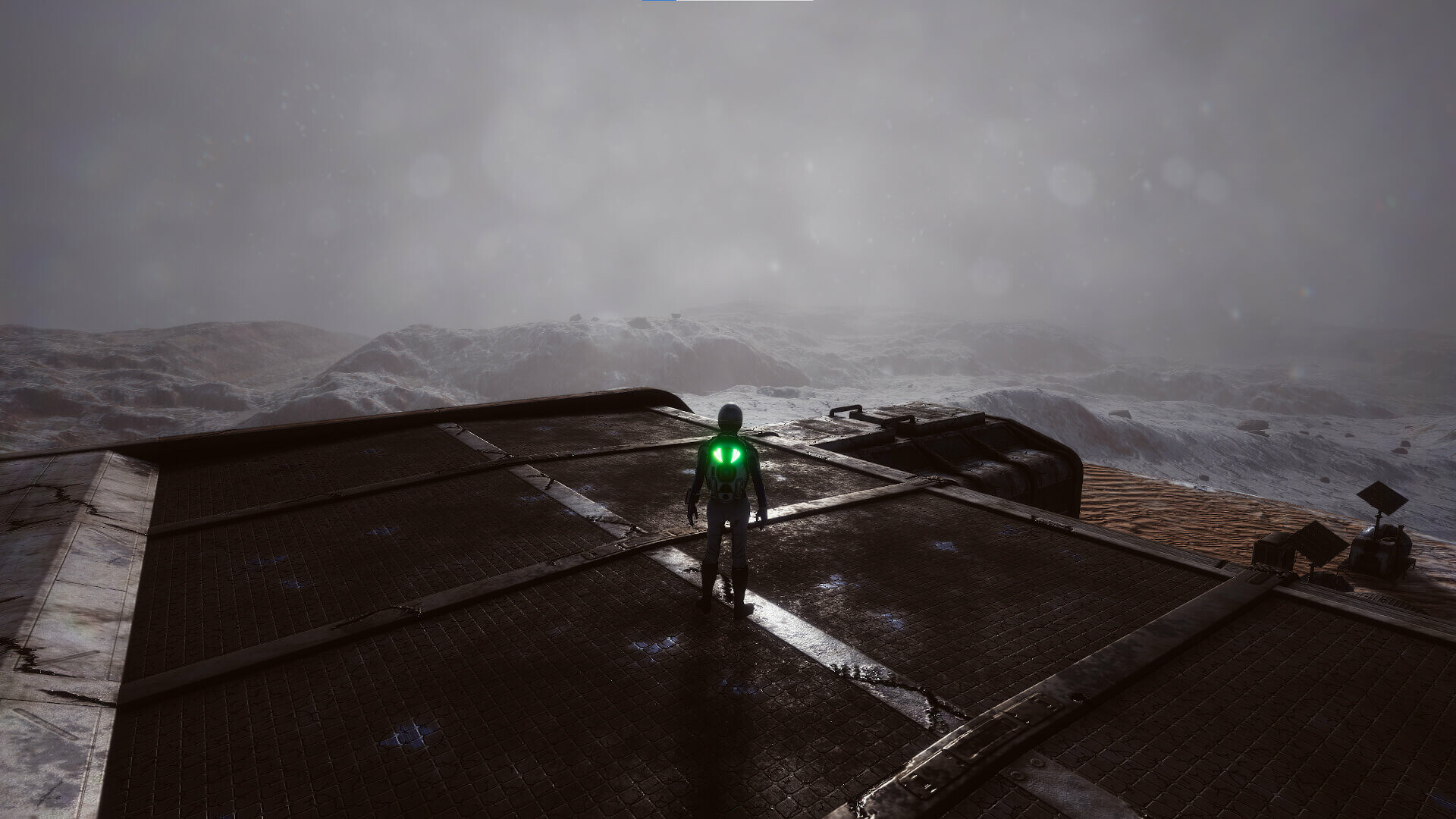
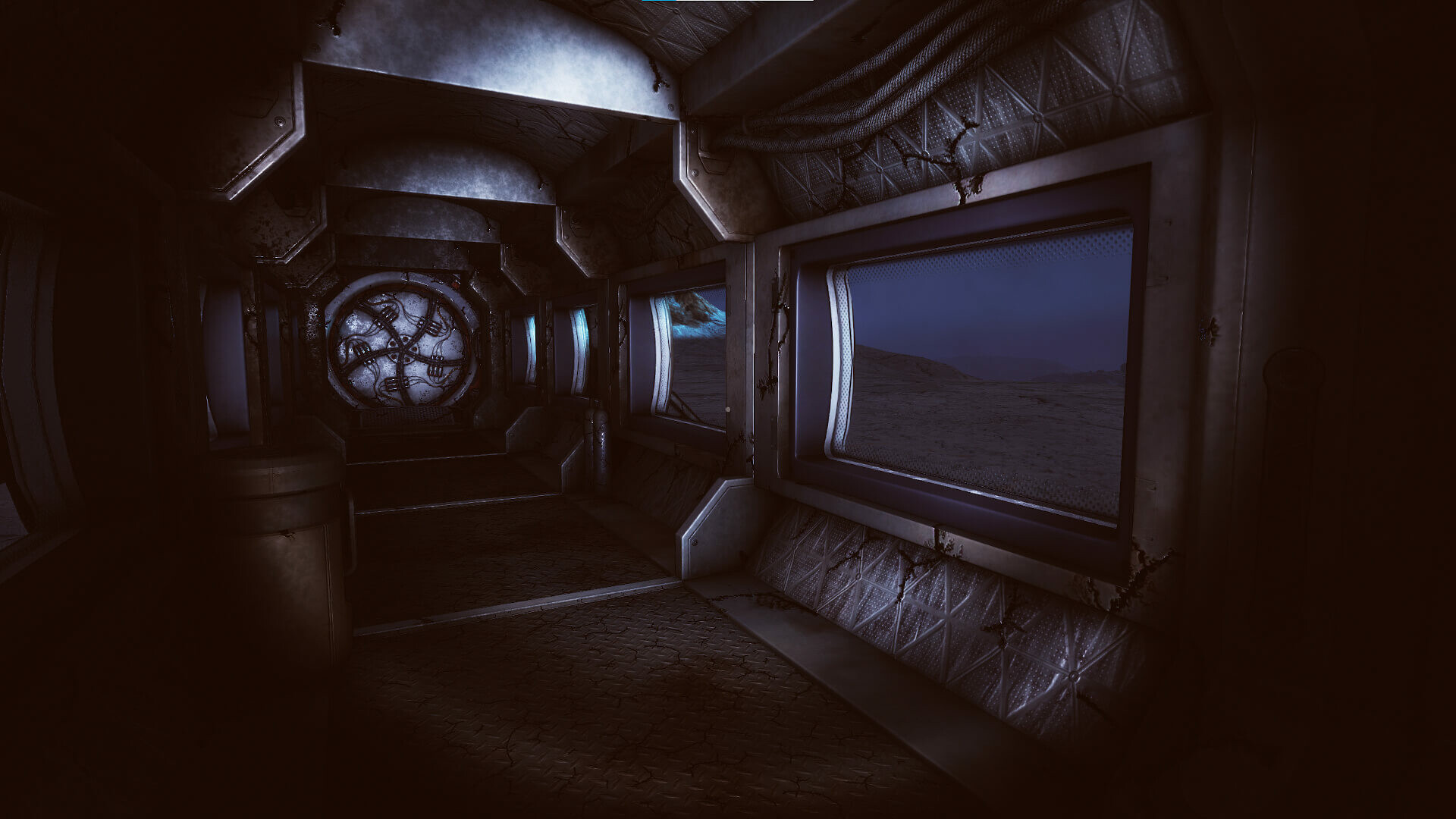
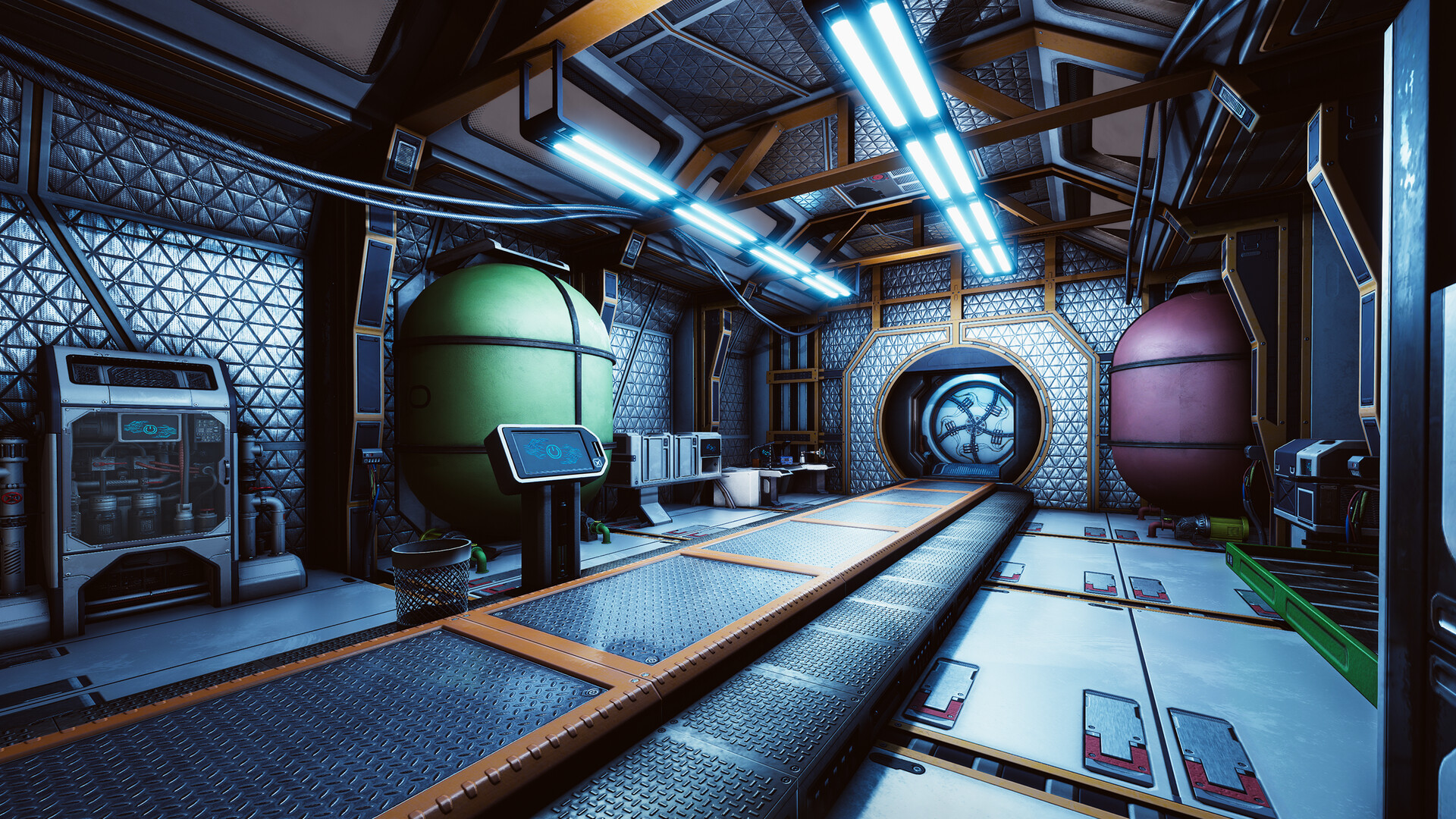
Graphically the game is utilitarian: textures and models are serviceable and sometimes visibly low-res, so don’t come for eye candy; come for the systems. Sound design is functional with some nice engineering beeps and atmospheric wind, yet the soundtrack rarely surprises. Performance and optimization are a sore spot on many machines — inconsistent framerates, VRAM oddities and lackluster GPU utilization have been reported by players, and at times I saw dips that pulled me out of the experience. Accessibility features are limited: controller support remains inconsistent and the UI leans heavily on an on-arm tablet interface that can feel clumsy compared to simple keybinds or radial menus. Still, the underlying simulation can be deep and rewarding if you’re willing to forgive the rough presentation and invest time into learning its quirks.
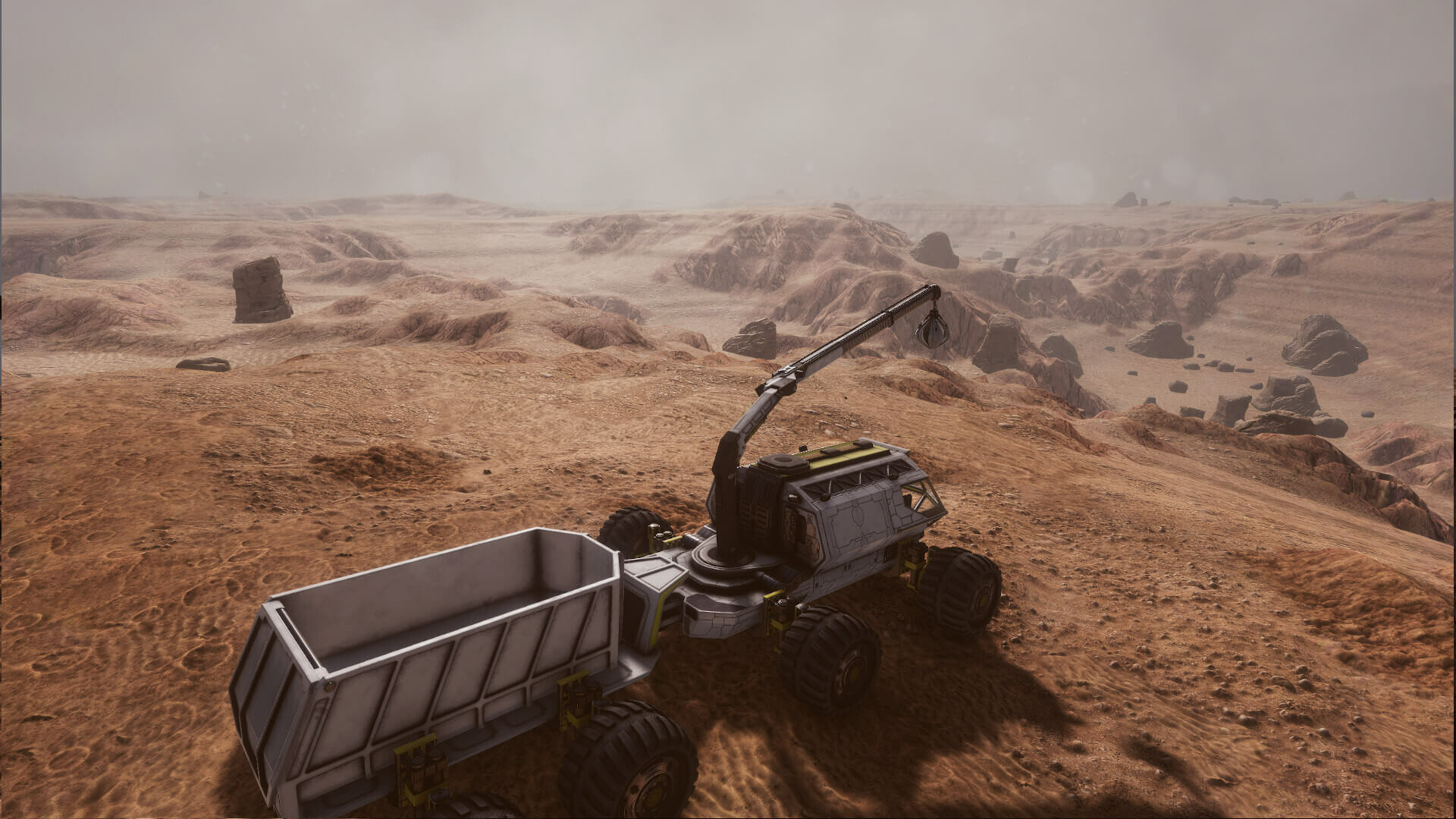
Occupy Mars is an ambitious sim with moments of genuine engineering joy and sandbox freedom, but it arrives marred by bugs, clunky interactions and optimization headaches. Buy it if you enjoy patient, system-driven gameplay and tinkering, or follow its patches if you want a smoother experience. The core ideas are great; the polish just needs time.




























Pros
- Deep, hands-on engineering mechanics that feel educational and rewarding
- Satisfying base-building with meaningful trade-offs in power, air and water
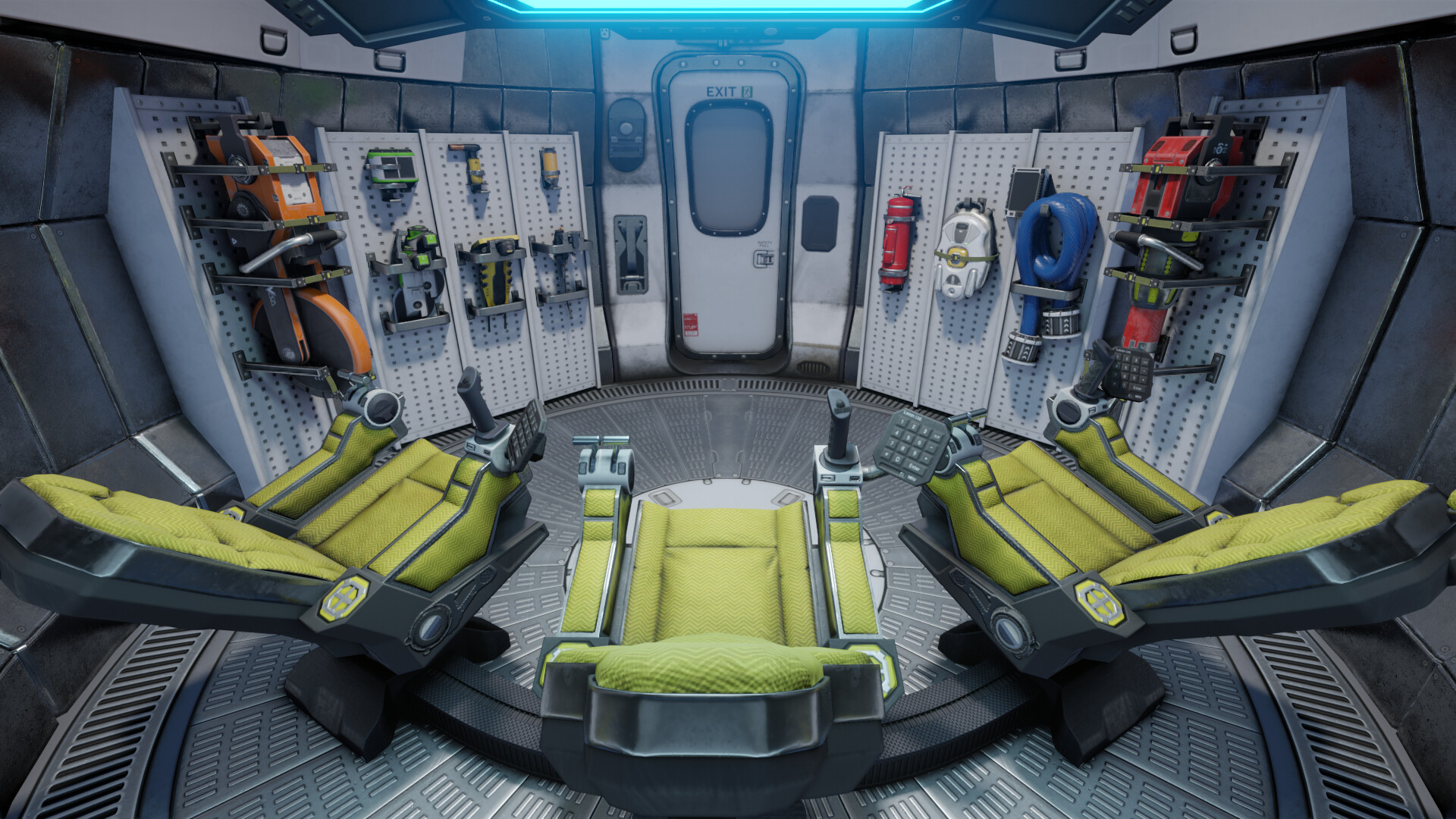
- Vehicle customization and garage add a fun tinkerer vibe
- Open-ended sandbox that rewards planning and experimentation
Cons
- Numerous bugs and inconsistent controls can break immersion
- Underwhelming visuals and shaky performance/optimization
- Clunky UI and limited controller support
Player Opinion
Players are split but consistent in their themes: many praise the game’s STEM feel, depth and open-world sandbox freedom — parents and longtime Early Access fans have logged hundreds of hours and appreciate the learning curve and engineering focus. On the other hand a large chorus of reviews criticizes persistent bugs, clunky controls (especially with cables and helmet mechanics), mission or item spawn issues, and poor optimization on some hardware. Repeated requests include better controller support, UI fixes, and polishing of mission scripts; some players recommend it for patient builders who enjoy tinkering, while others advise waiting for patches before buying. If you like methodical survival and engineering sims (think Stationeers, but more accessible), you'll likely see the appeal despite the rough edges.