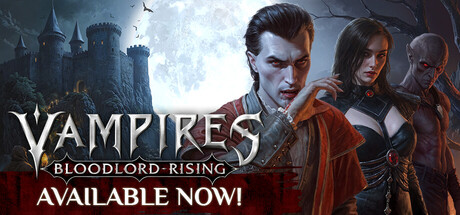




Vampires: Bloodlord Rising Review – Gothic Base-Building with Bite
A promising vampire survival-RPG that mixes castle-building, thrall management and co-op — rough around the edges but brimming with atmosphere and ideas.
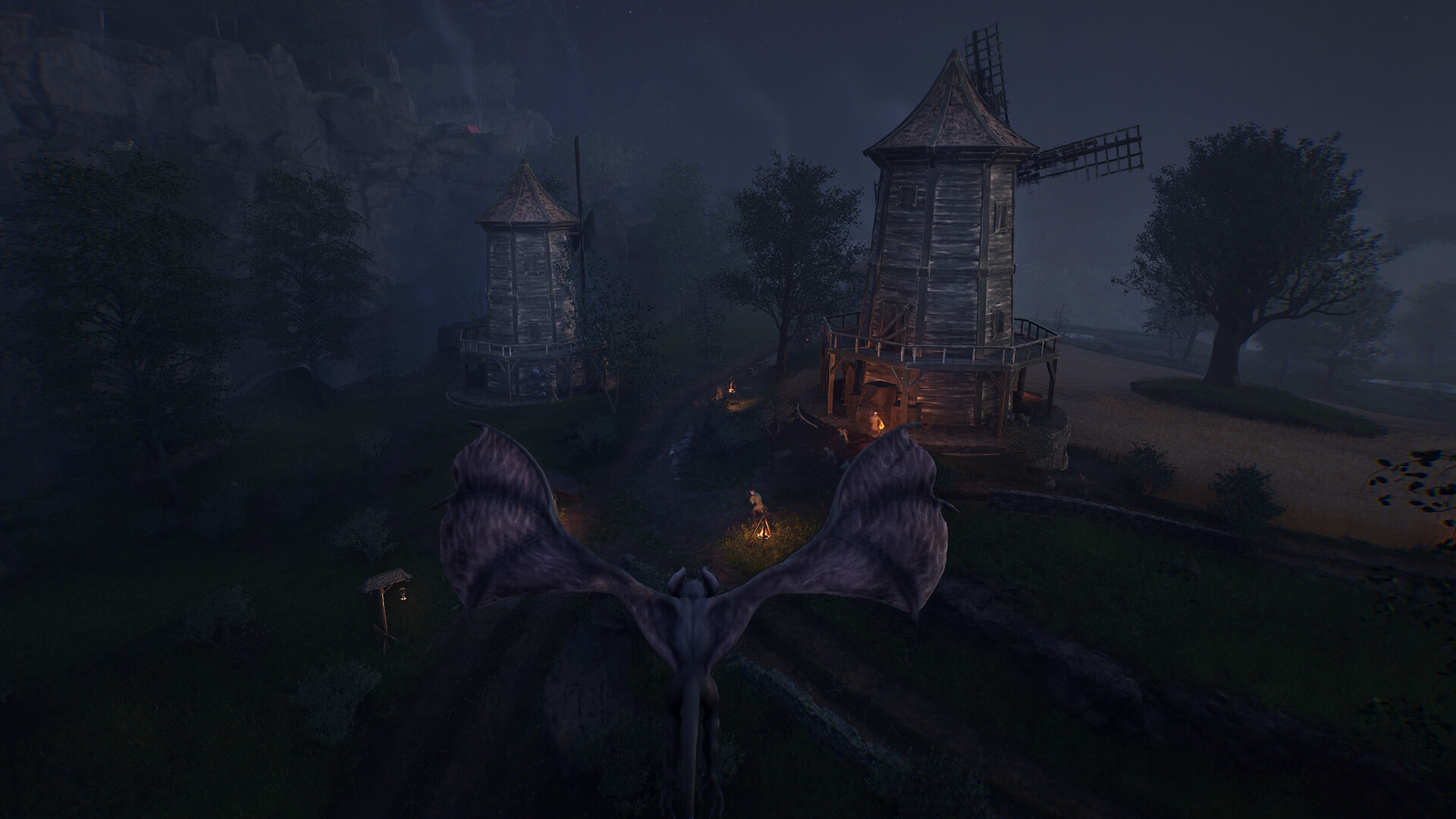
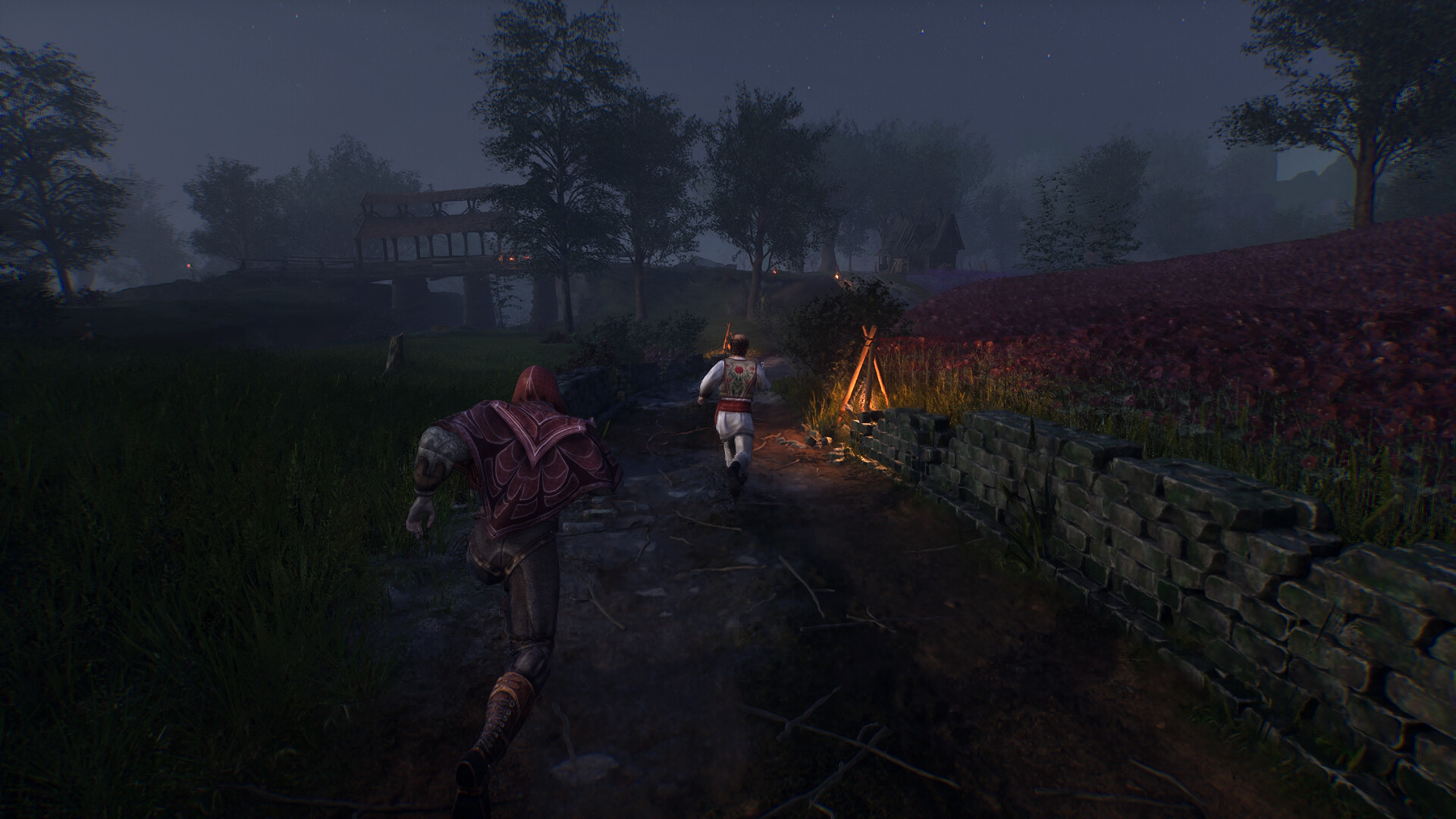
I jumped into Vampires: Bloodlord Rising expecting a V Rising–adjacent builder with a darker narrative coat — and that’s mostly what I got. Mehuman Games serves up an open medieval world, a blueprint‑led castle system, and a thrall mechanic that actually scratches the ‘lord of the night’ itch. It’s a game that oozes atmosphere: candlelit villages, misty wards and inquisitors at the gates. But the launch state is uneven — great bones, a few glaring gameplay and optimization problems that temper the excitement.
Mastering Nighttime Power and Simple Combat
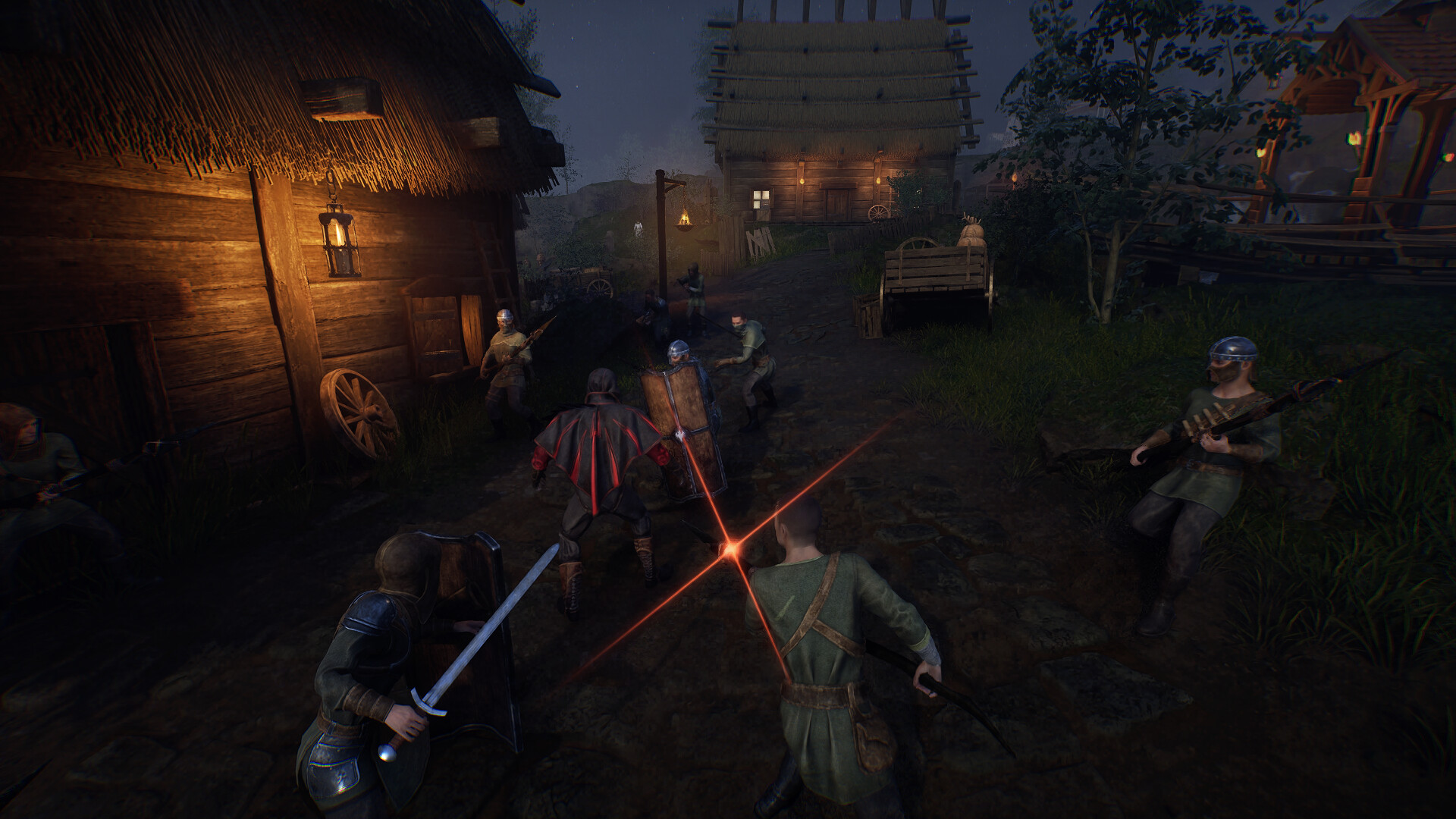
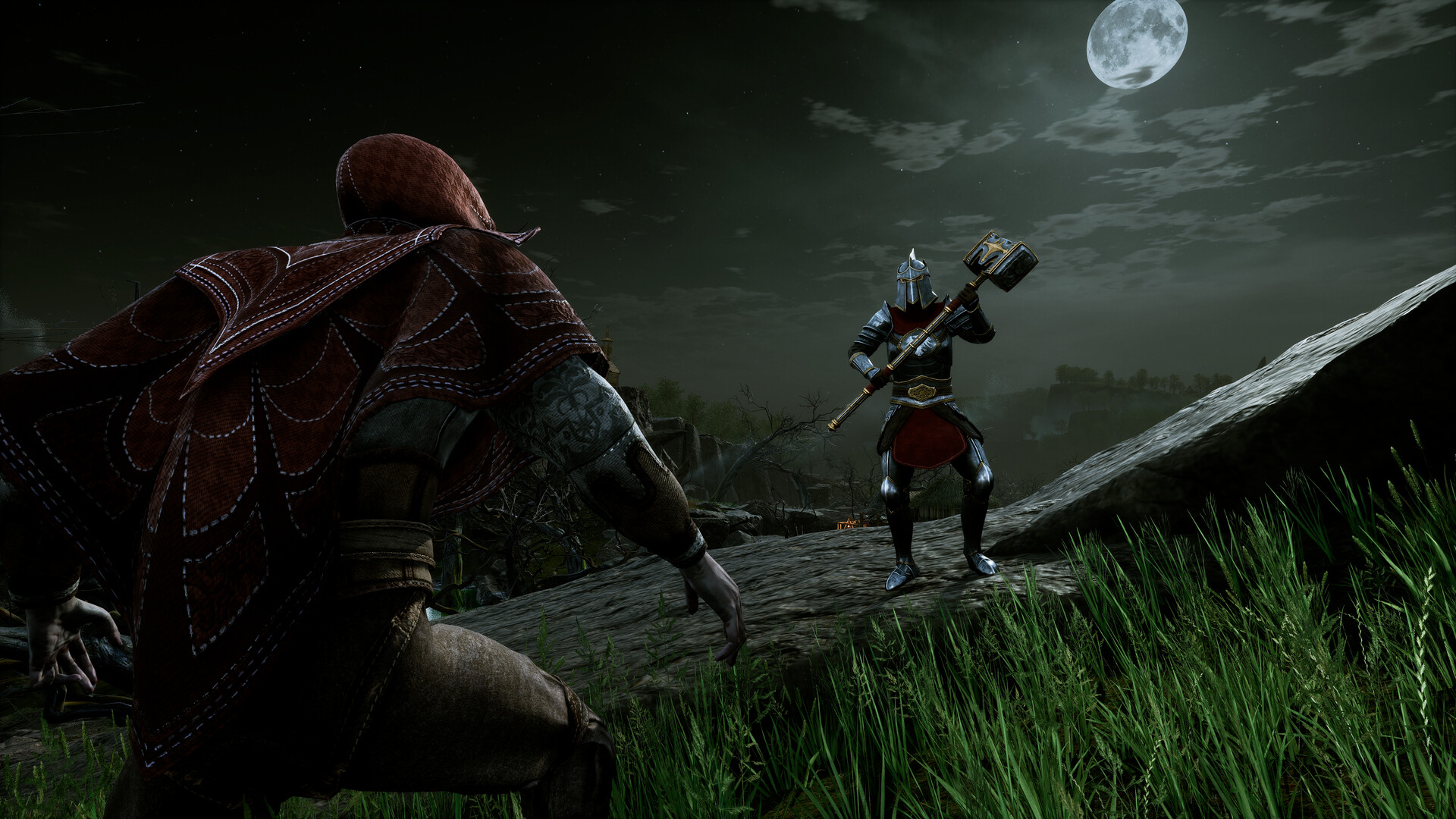
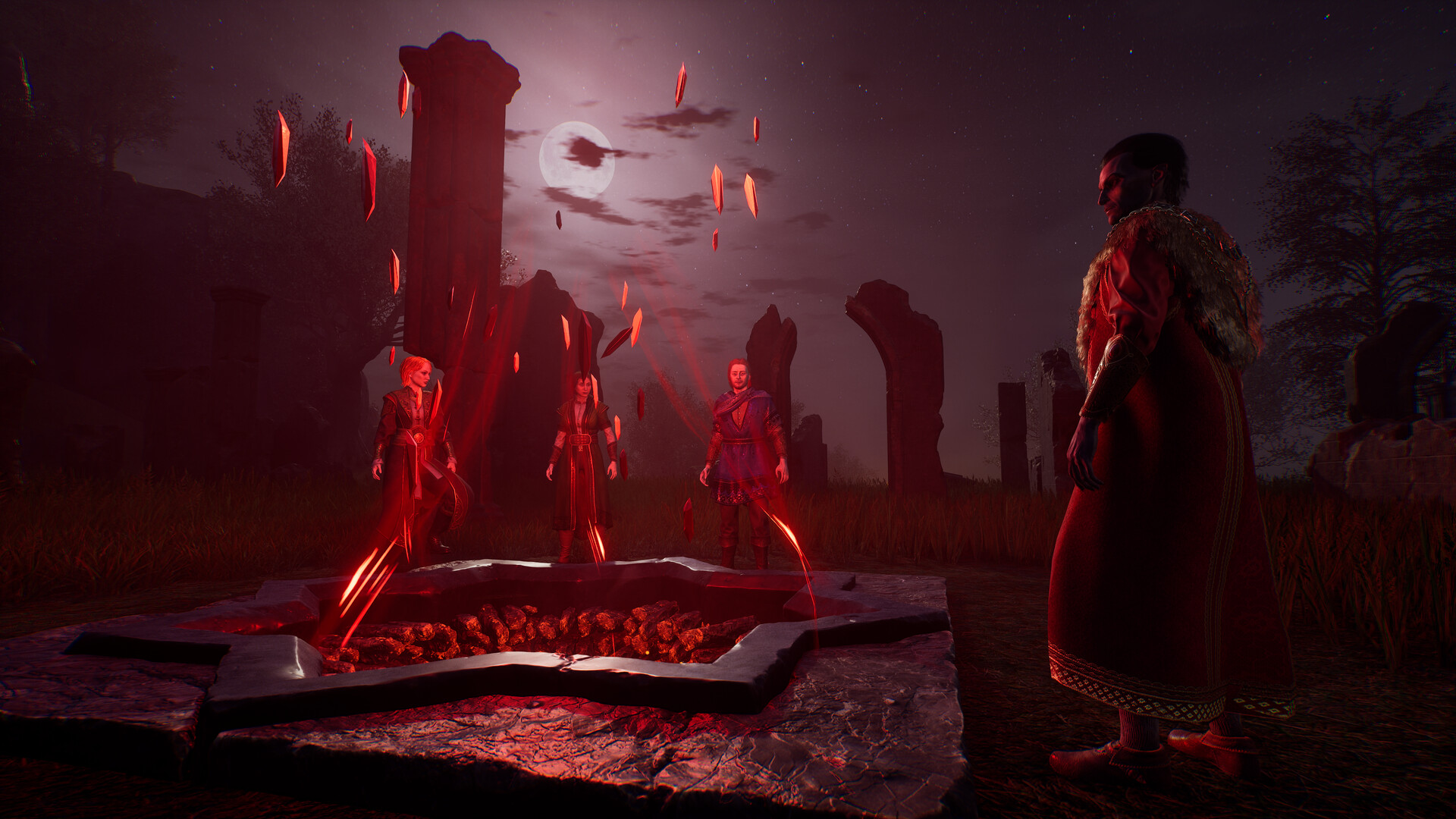
The core loop is clear: explore at night, feed to recover blood, unlock powers and build your dominion. Combat is close‑quarters and revolves around light attacks, a heavier strike, dodge/roll and a counter. You’ll swap between Aristocrat and Hunter stances (affecting detection and dialogue options) and use blood to fuel rituals that open new regions. Progression leans on a large skill web rather than discrete equipment tiers — think ability unlocks and passive boosts instead of loot RNG. Expect to spend early hours taking camps, recruiting thralls, and laying down blueprints rather than hunting for rare weapons.
What Sets Your Castle and Thralls Apart
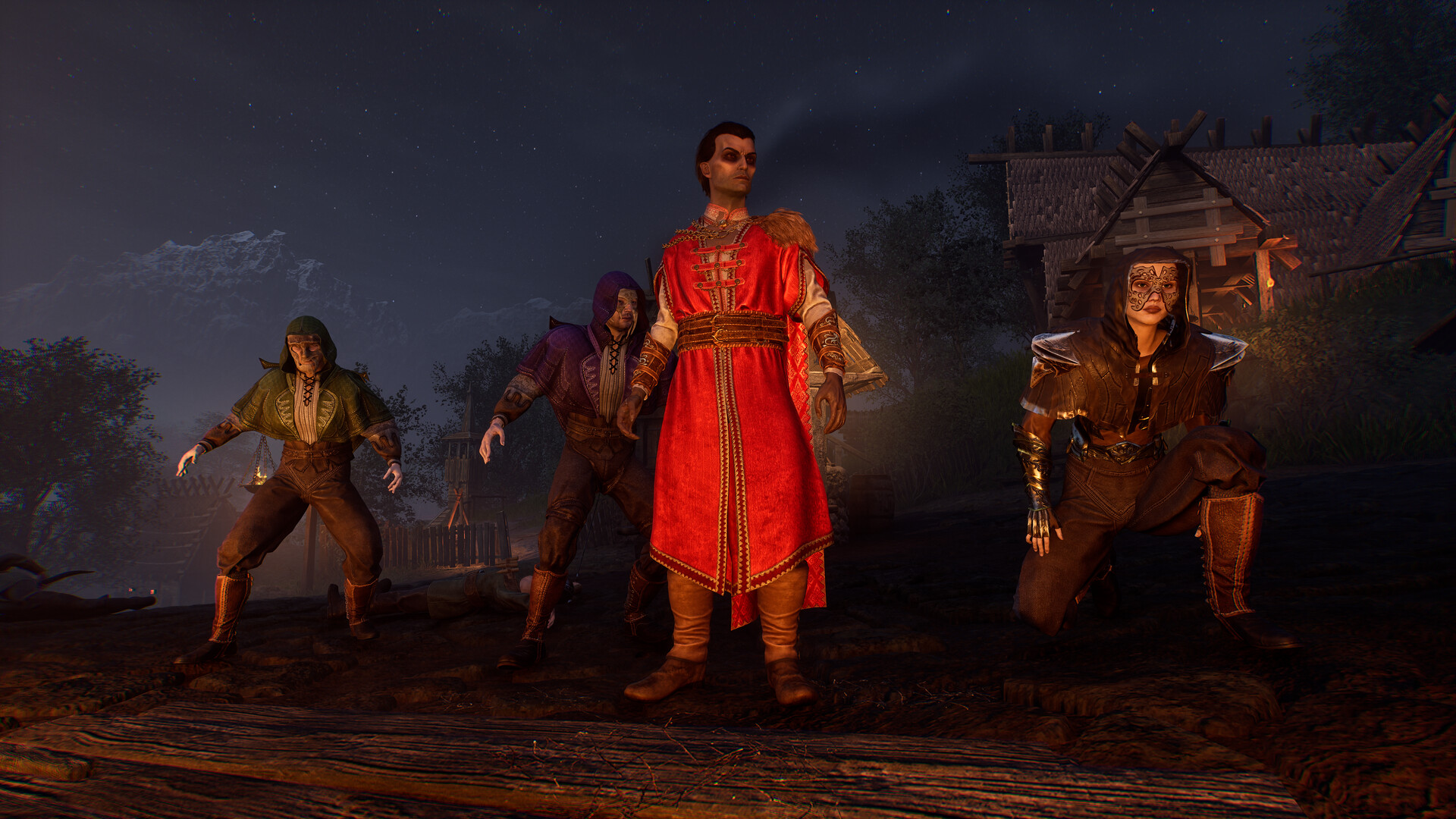
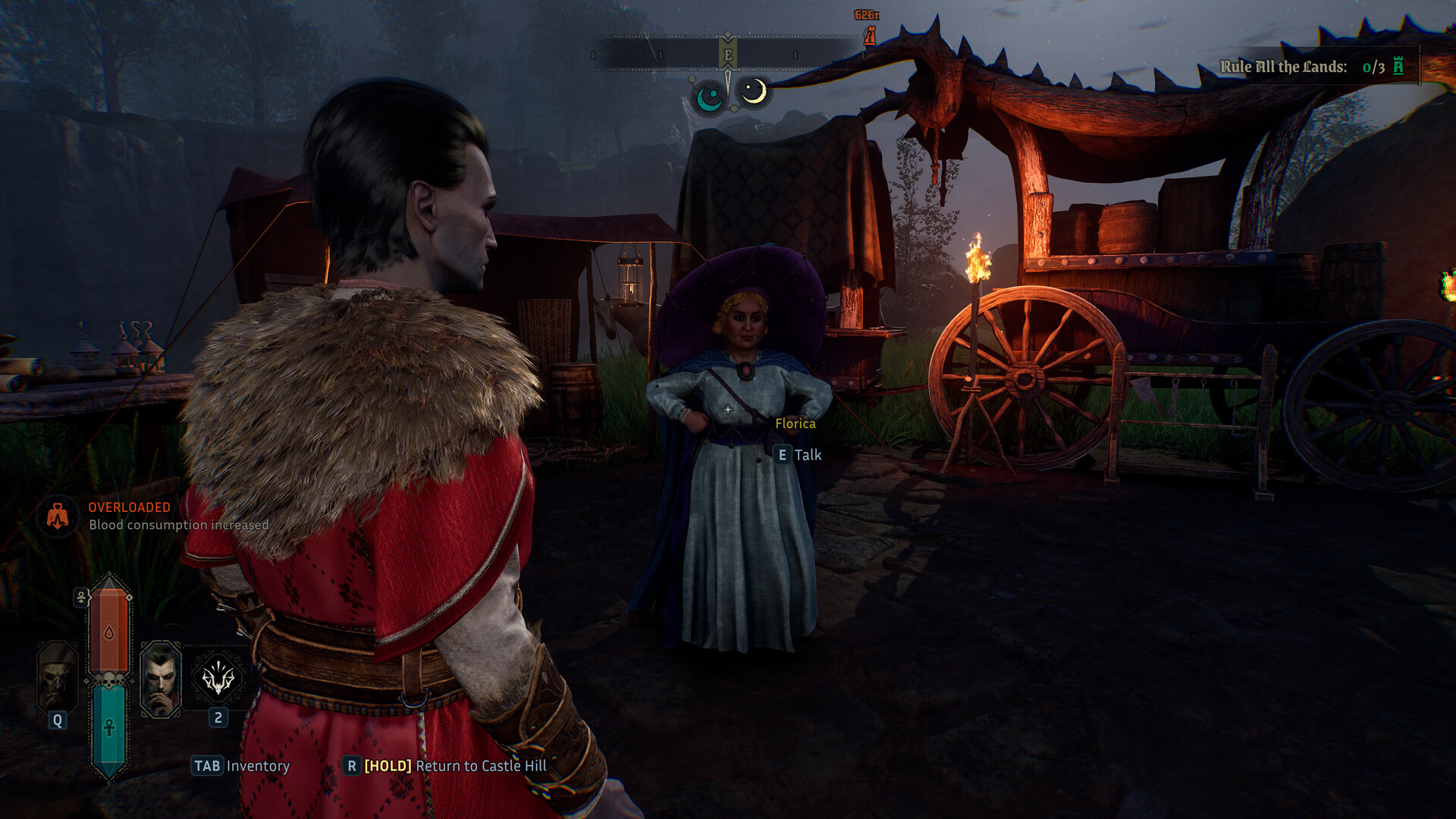
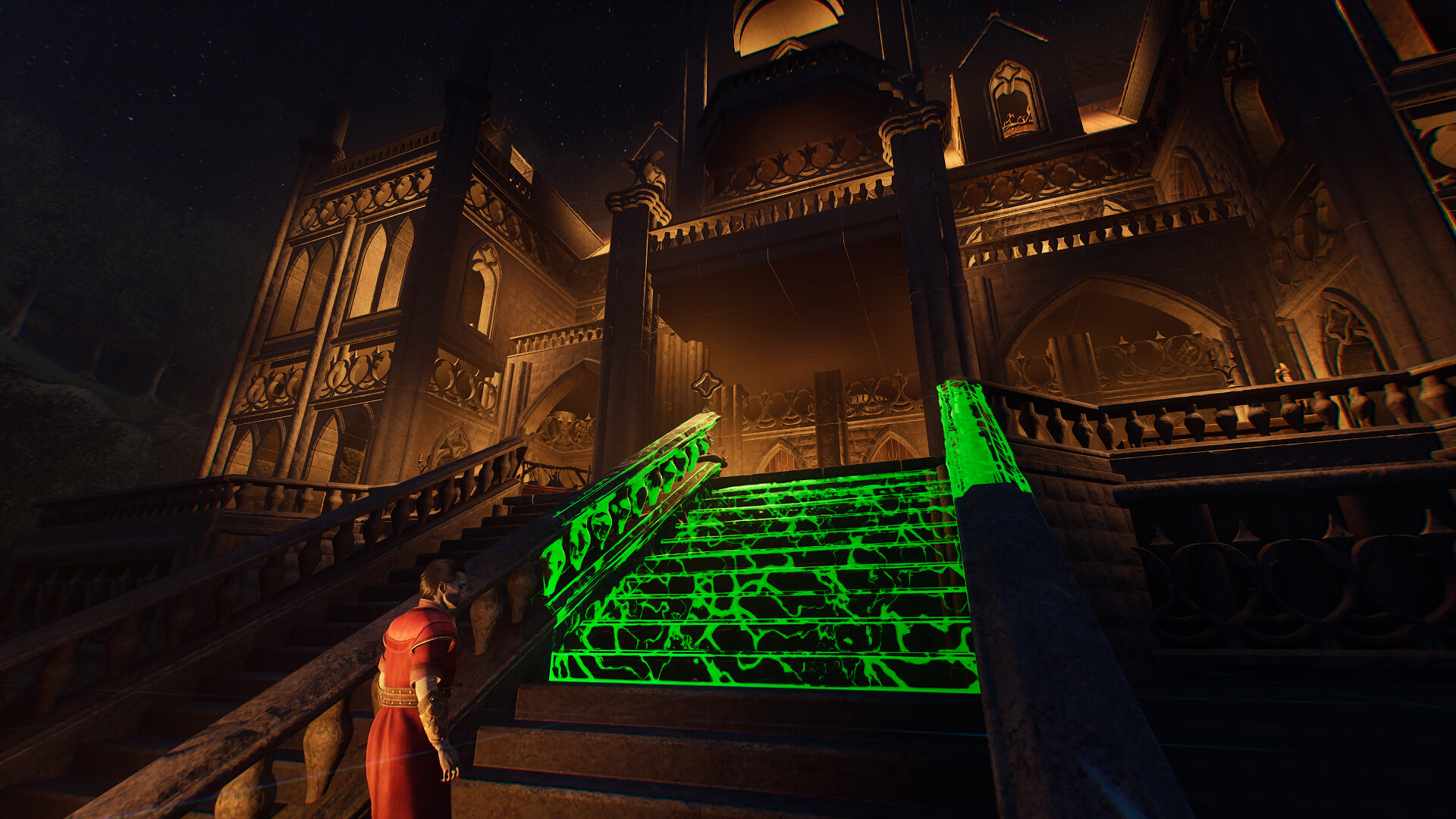
The building system is the standout: blueprints let you design a hall, then click individual pieces to build it in stages — or assign thralls to finish things for you. A typical hall takes me about 8–12 minutes of in‑game time to complete if I do it manually; when I assigned three mid‑tier thralls in the Glenmarch stronghold they completed the core walls in roughly 14 minutes while I raided a nearby hamlet. Thralls have roles (builder, hunter, crafter) and limited AI: they gather, work stations and defend settlements, but they don’t yet feel like fully autonomous colonists — more like useful apprentices. Co‑op is enjoyable for creativity: I built a twin‑spire keep with a friend and we split labor, but balance can swing quickly when multiple players gather resources and progress through story beats.
A Moody Presentation with Technical Rough Edges
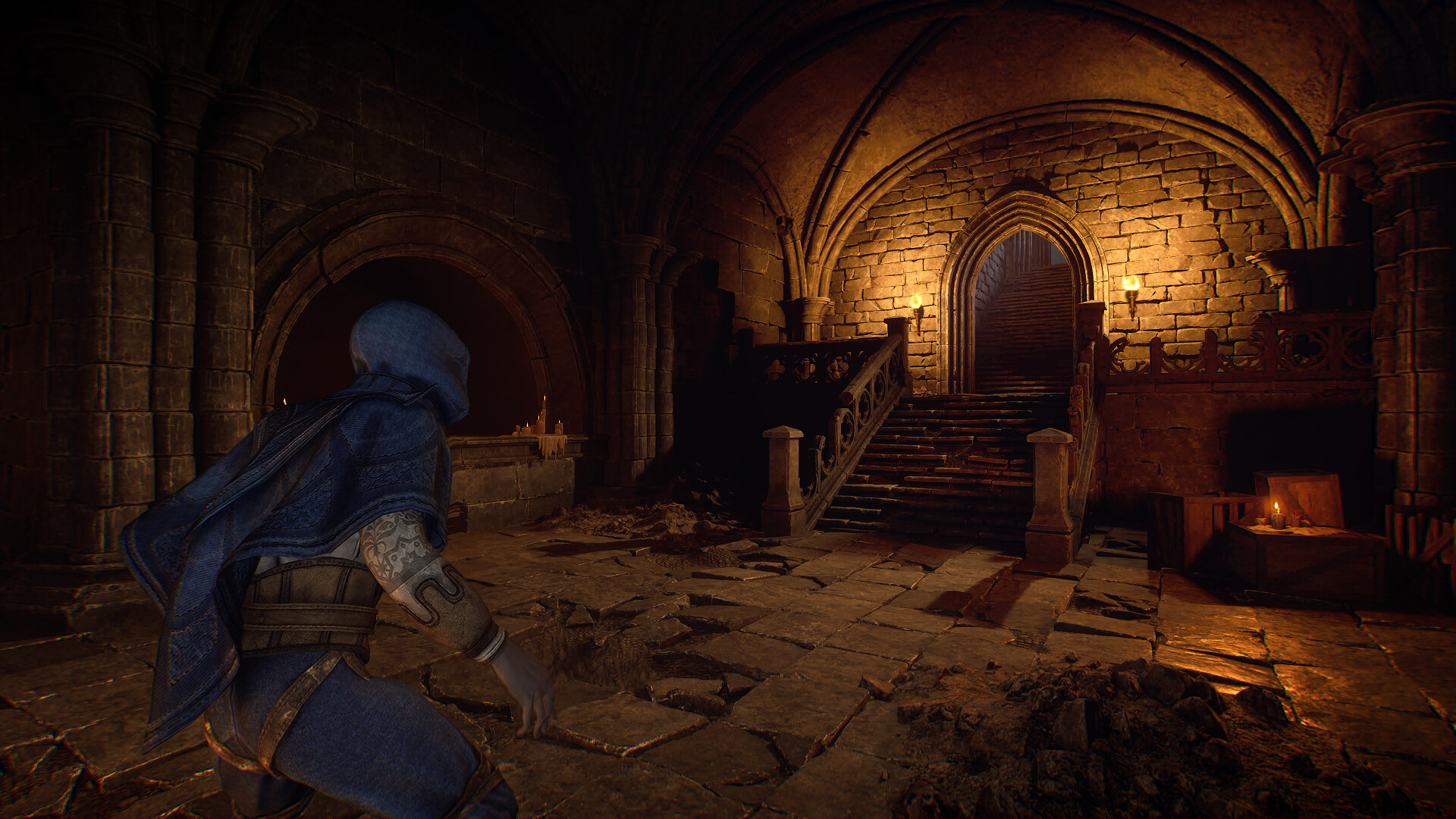
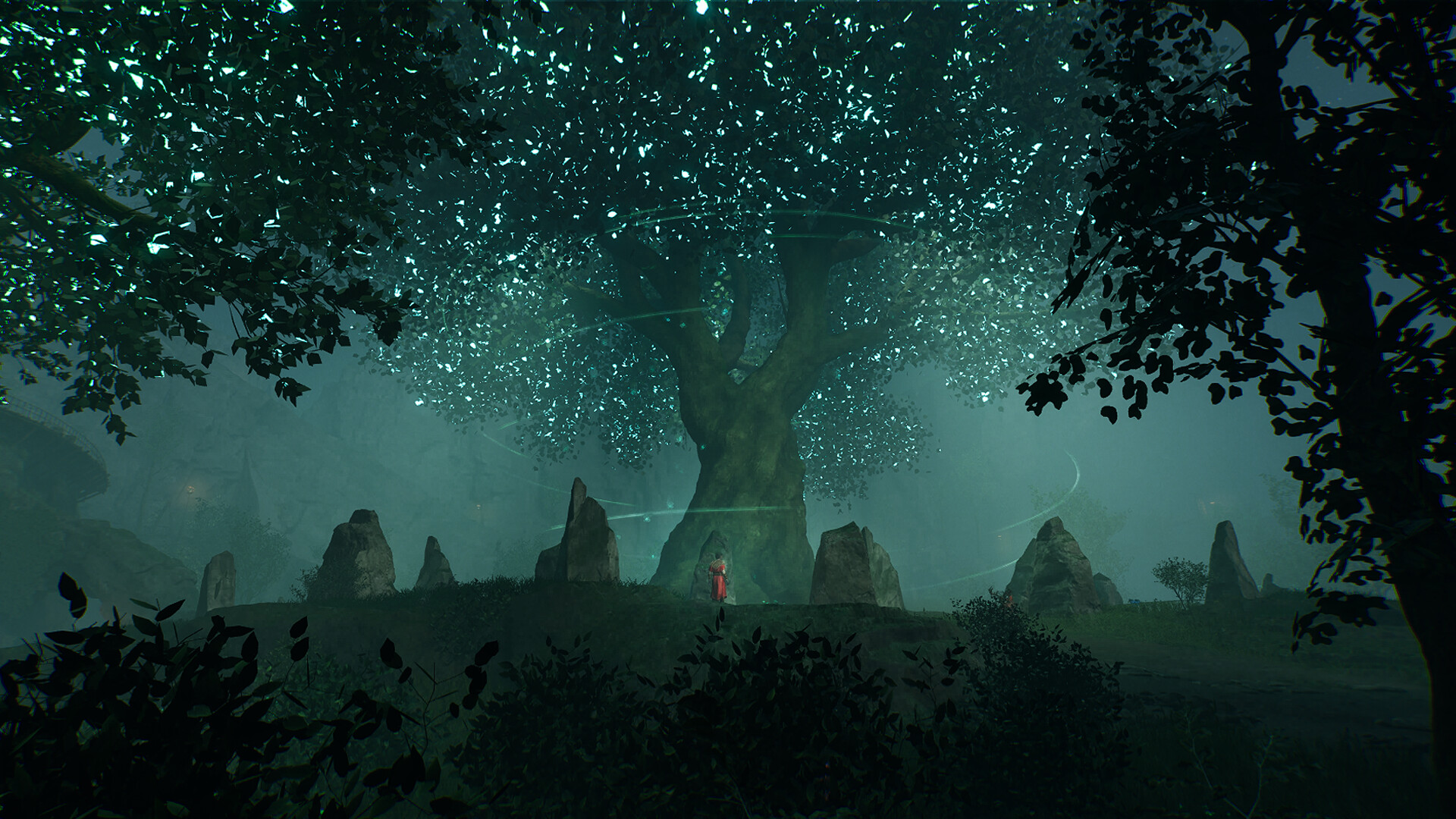
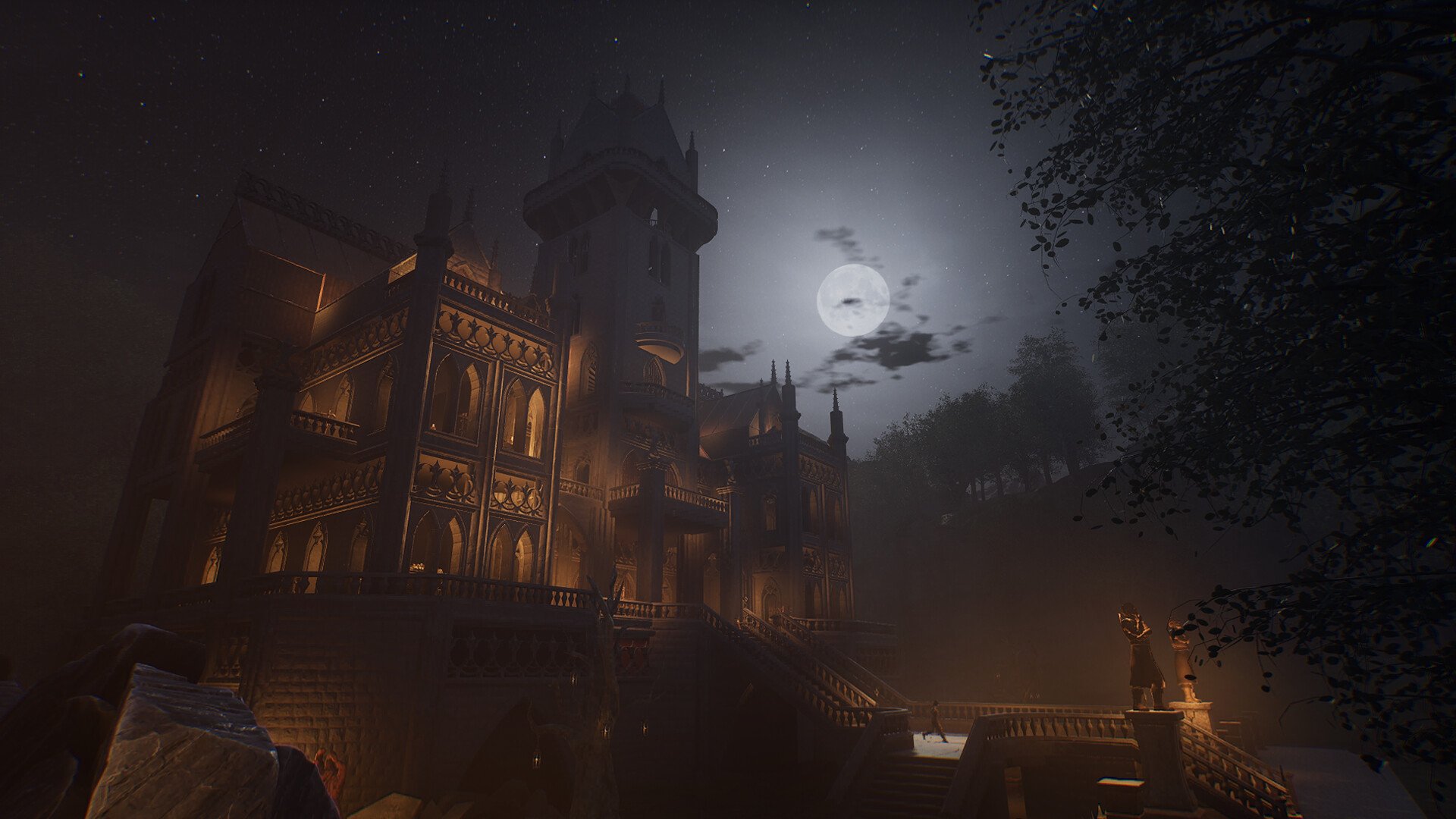
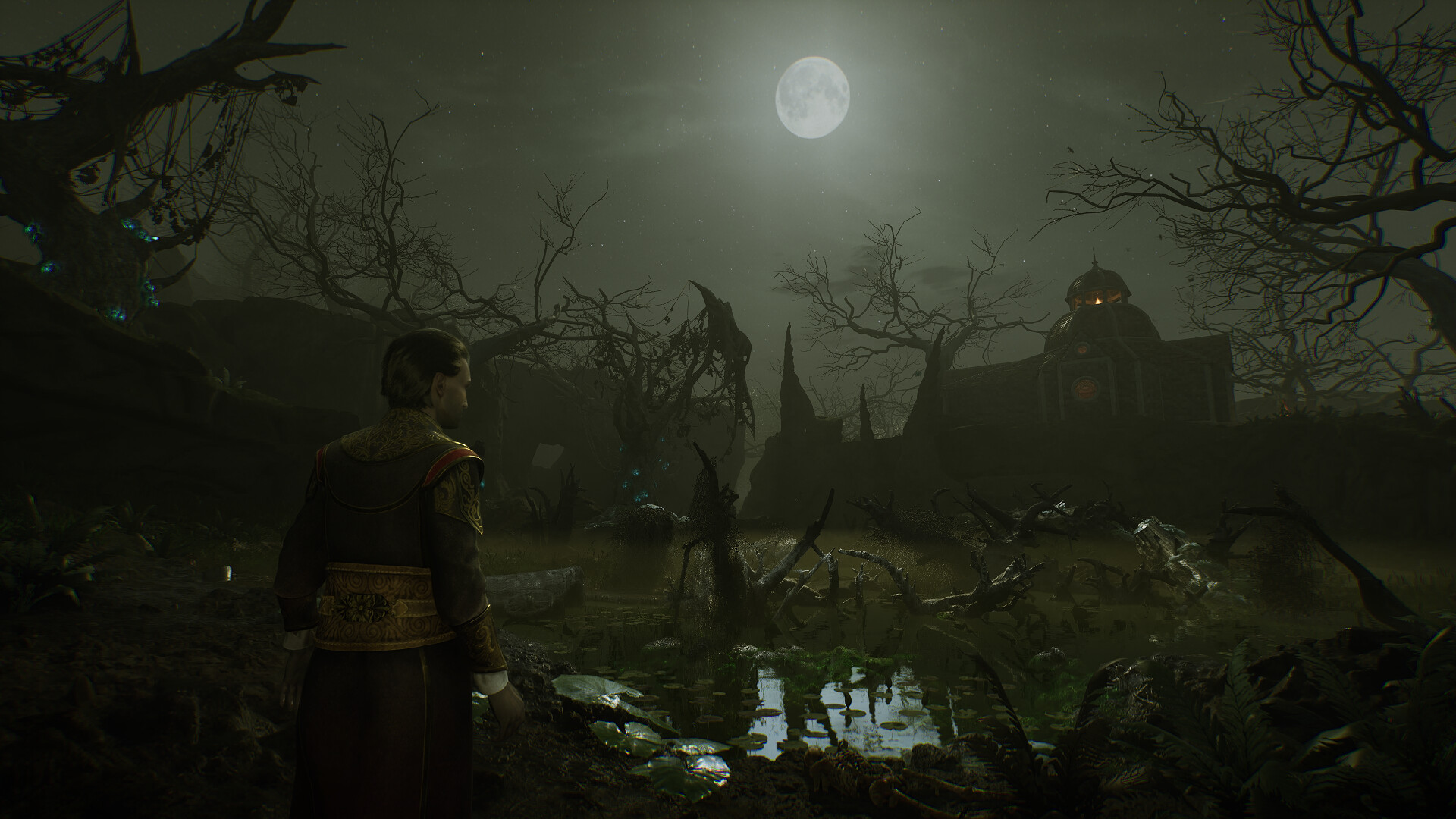
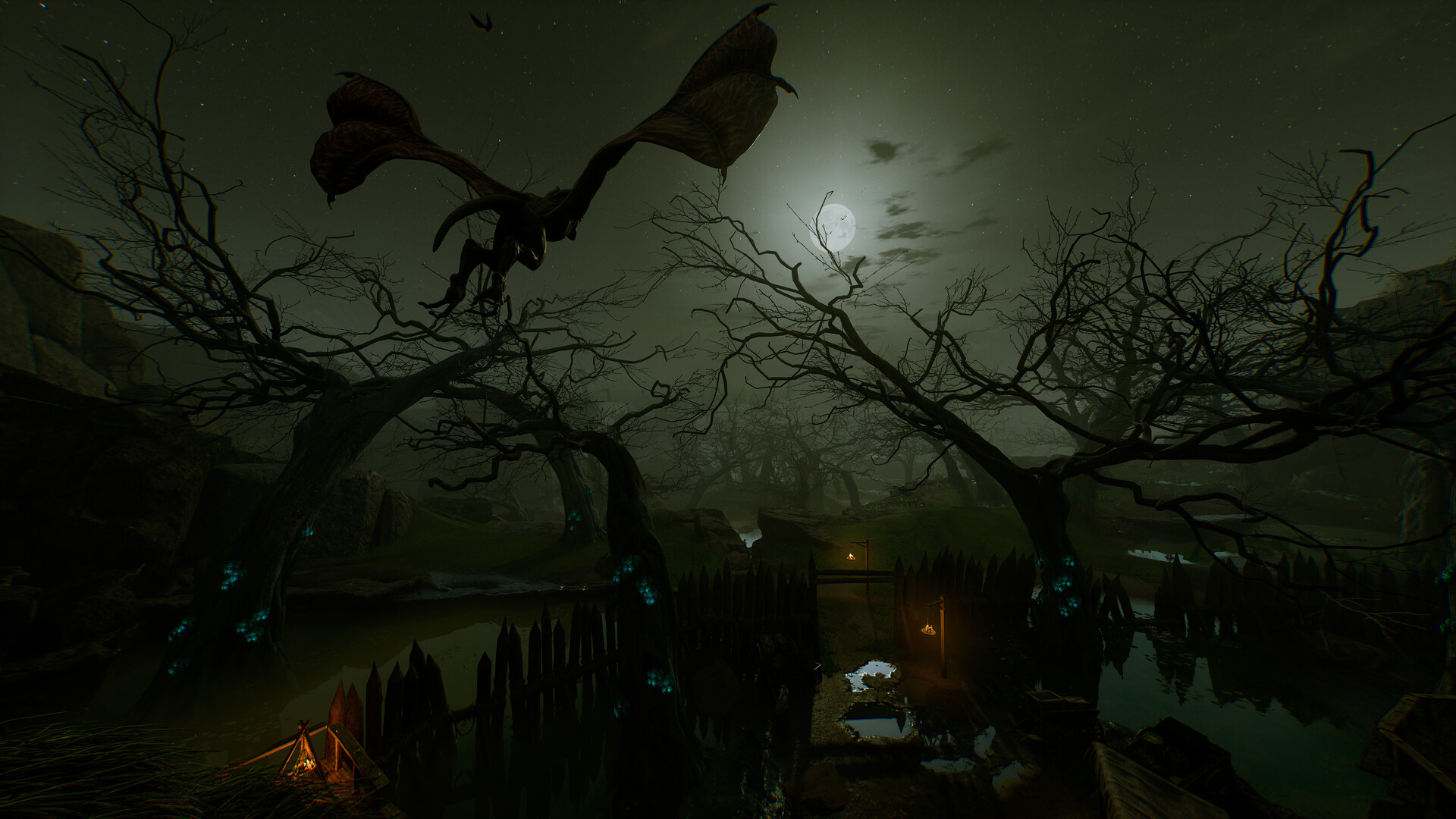
Visually the game leans gothic rather than photorealistic: weathered stone, stained glass silhouettes and pleasing lighting sell the mood. Sound design and voicework are solid — the narrator and soothsayer lines are a highlight. However, performance is the recurring issue. In foggy regions my frame rate fell from a steady 60 FPS down to low twenties on a high‑end card, and micro‑stutters happen when opening large blueprints or during mass NPC spawns. Animations occasionally feel floaty — ledge jumps and combat impact lack consistent weight — and the UI for building (rotations, piece selection) can be fiddly when you’re placing roofs or stacked walls. Accessibility is thoughtful in places (fast travel to your base is a nice touch), but the lack of immediate QoL options like bulk‑build from storage or a clearer targeting system during sieges is felt in longer sessions.
Overall, the gameplay loop is addictive in bursts: there’s a satisfying feedback loop of feeding, unlocking a power and then using thralls to expand your stronghold. Yet the promise is partially undermined by repetitive early combat, some thin skill differentiation, and tech issues that crop up in larger settlements.
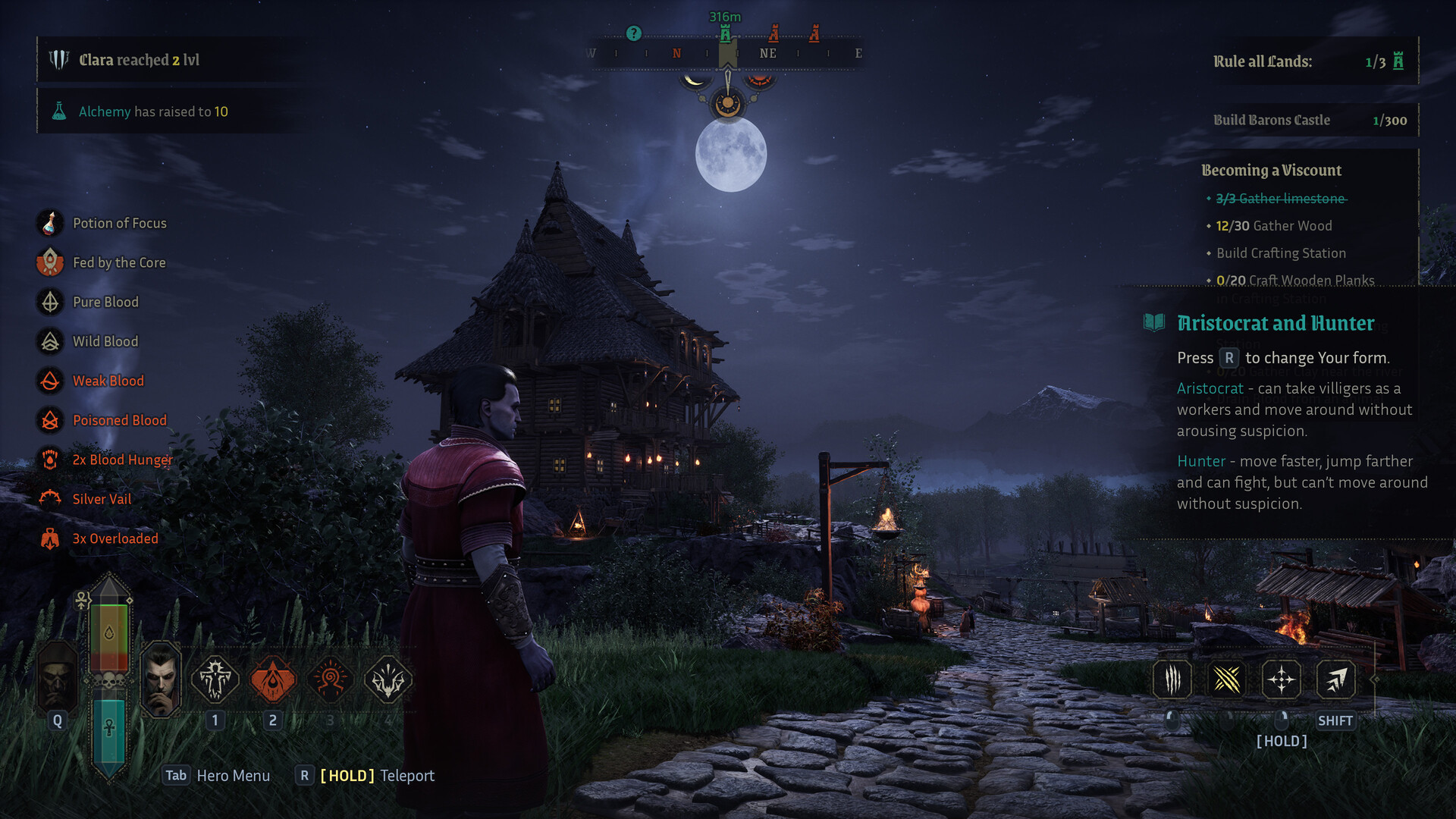
Vampires: Bloodlord Rising has the mood and mechanics to become a standout vampire sim: blueprint construction, thrall management and cooperative creativity are all compelling. Right now it sits at a 6/10 because of repetitive early combat, missing customization and technical hiccups that break the flow at times. Buy it if you love vampire fantasy and want to support an ambitious EA project, but temper expectations — wait for a few major patches if you want a smoother, more complete experience.
Pros
- Strong gothic atmosphere and voicework
- Blueprint‑driven castle building that rewards planning
- Thrall mechanics give a sense of rulership and automation
- Co‑op supports creative builds and shared progression
Cons
- Performance and micro‑stutter issues in dense or foggy areas
- Combat feels repetitive and lacks weightful animations
- No character creator at launch; limited early progression depth
Player Opinion
Players praise the worldbuilding, castle blueprints and the thrill of turning villagers into thralls — those loops show up repeatedly in reviews. Many say the voice acting and writing are surprisingly good for an Early Access title. On the flip side, criticism clusters around three recurring points: lack of character creation (a sore spot for co‑op players), combat and movement feeling clunky, and optimization problems that hit mid to high‑end rigs in foggy regions or when many NPCs spawn. If you like V Rising, Enshrouded or Medieval Dynasty for base building and co‑op crafting, you’ll probably find things to enjoy here — but expect to forgive some rough edges while the devs patch performance and deepen the skill trees.