


MY HERO ACADEMIA: All’s Justice Review — A Bold 3v3 Leap with Rough Edges
A fast, flashy 3v3 arena fighter that finally leans into teamplay and a massive roster, but stumbles on performance, maps and lost customization.
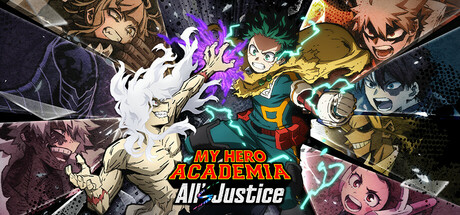
I jumped into MY HERO ACADEMIA: All’s Justice with the same giddy nerd excitement I get from a new arc in the manga — and it mostly delivers. Byking took the franchise into bold 3v3 territory, swapping old combo tech for a tag-heavy, “Rising”-powered playstyle that forces you to think in teams instead of solo strings. If you loved One’s Justice but wanted something faster and more cinematic, there’s a lot to like here: a gigantic roster, glossy character models and a story mode that actually leans into cinematics. That said, the launch comes with some bruises — a thinner map pool, missing customization and rough spots in boss difficulty — so consider this a love letter with coffee stains.
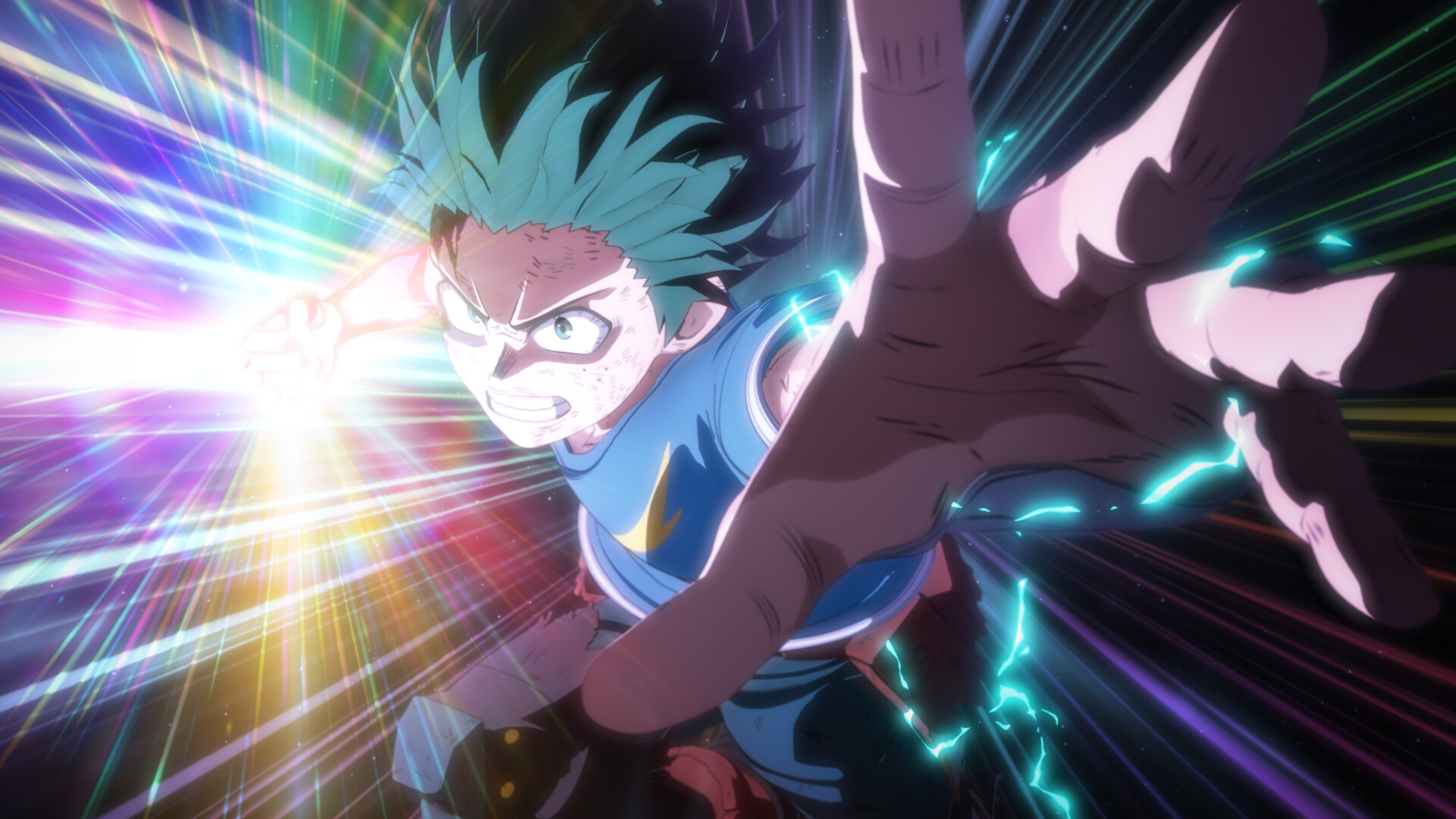
A Day in the Ring: How 3v3 Plays Out
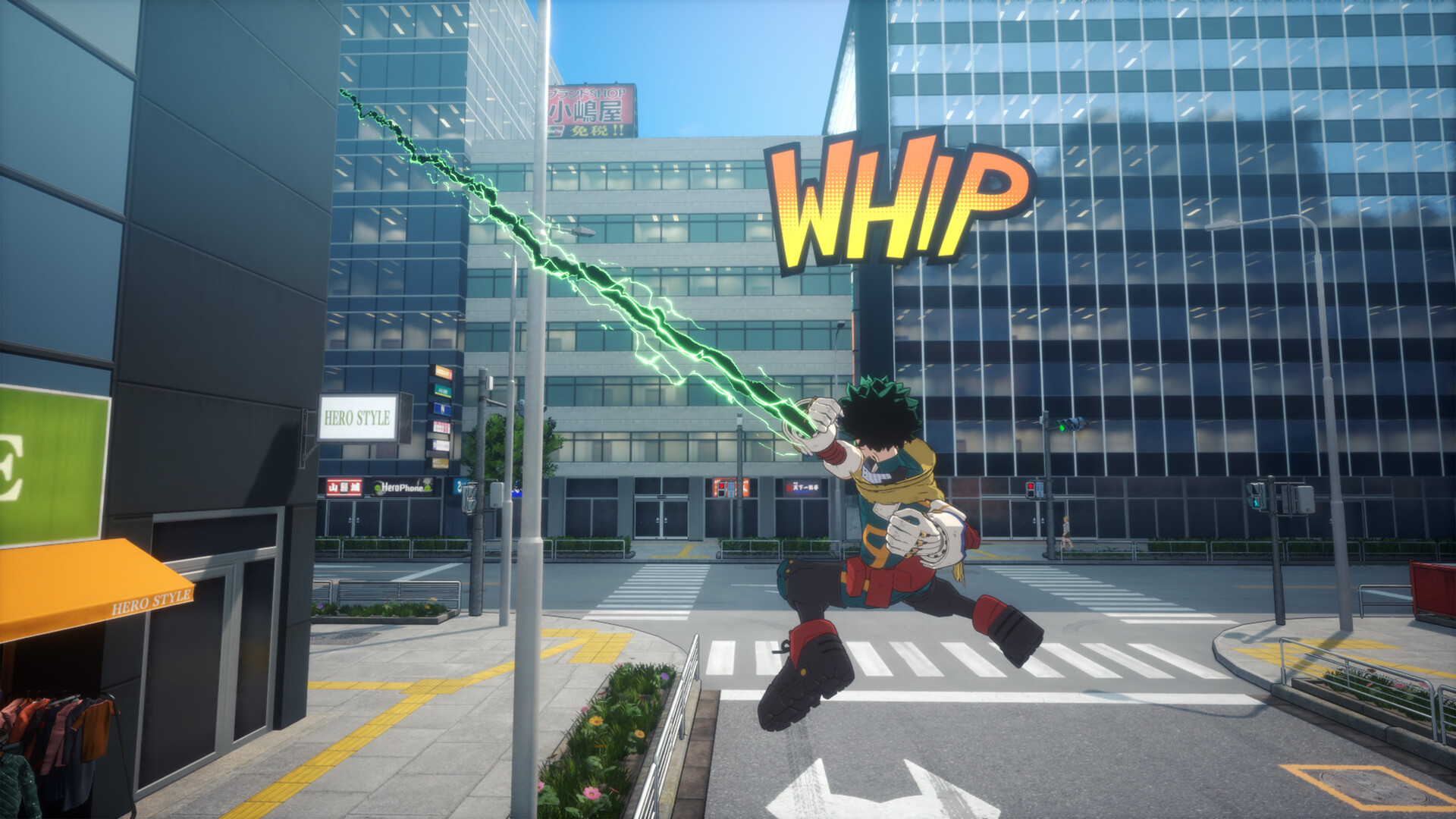
The core loop in All’s Justice is deceptively simple and then immediately chaotic: you pick three characters, swap into combos, and lean on Rising to boost attacks, movement and Quirk actions. Matches are roundless team fights where each character has their own HP bar and a downed hero stays out until revived or eliminated, so momentum and resource management matter more than single‑hero rushdown. I found myself cutting old One’s Justice habits — dash cancels and solo combo extensions — and relearning how to finish a sequence by switching to a teammate and continuing the pressure. In practice that creates glorious multi‑hero combos and some truly satisfying sequences, but it can also lead to spammy moments if both sides rely on the same loop. Story missions and Team Up Missions mix in moments of traversal and VR training that break the arena rhythm and keep things varied.
Tag Tech and Rising: What Makes It Stand Out
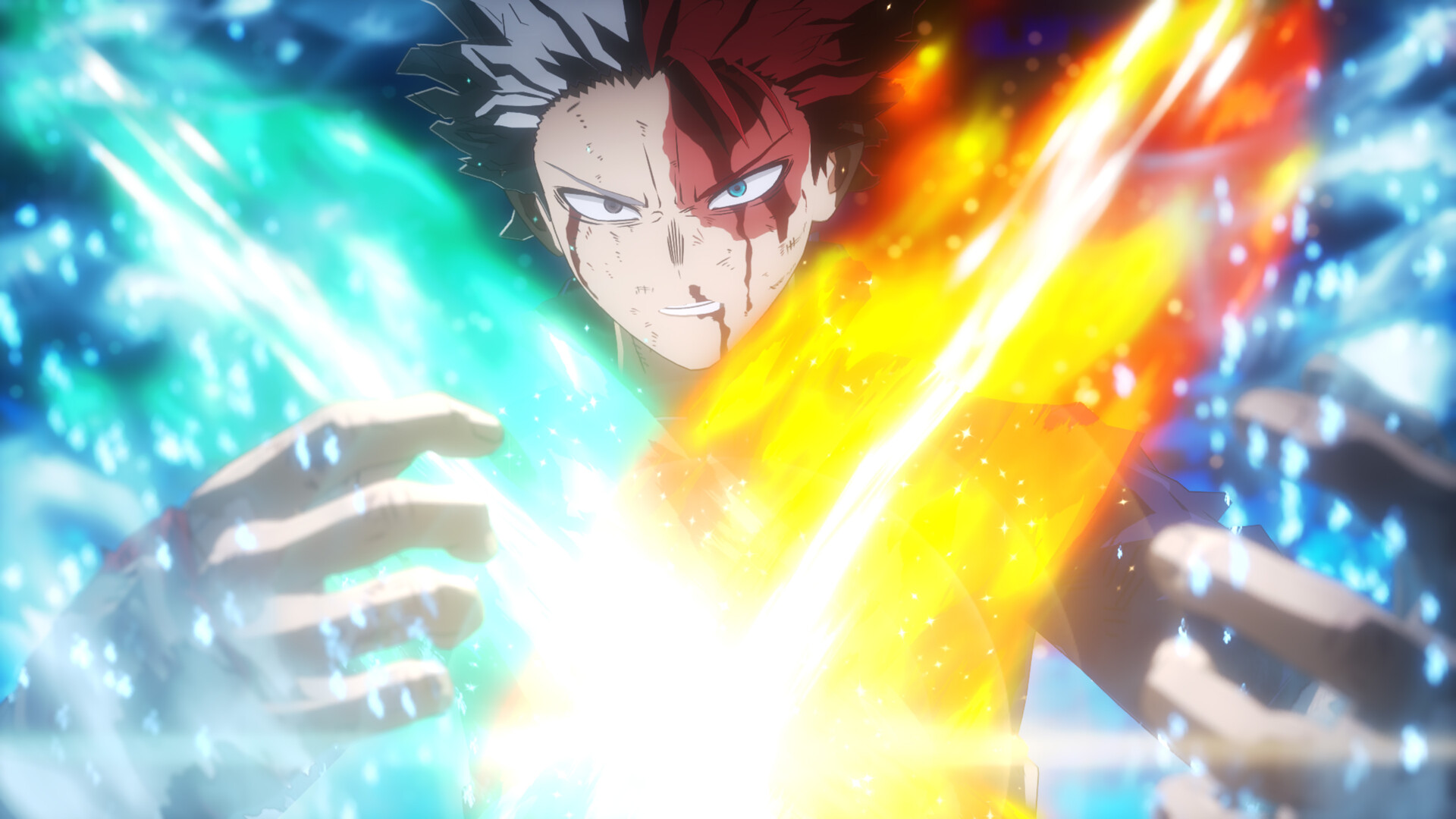
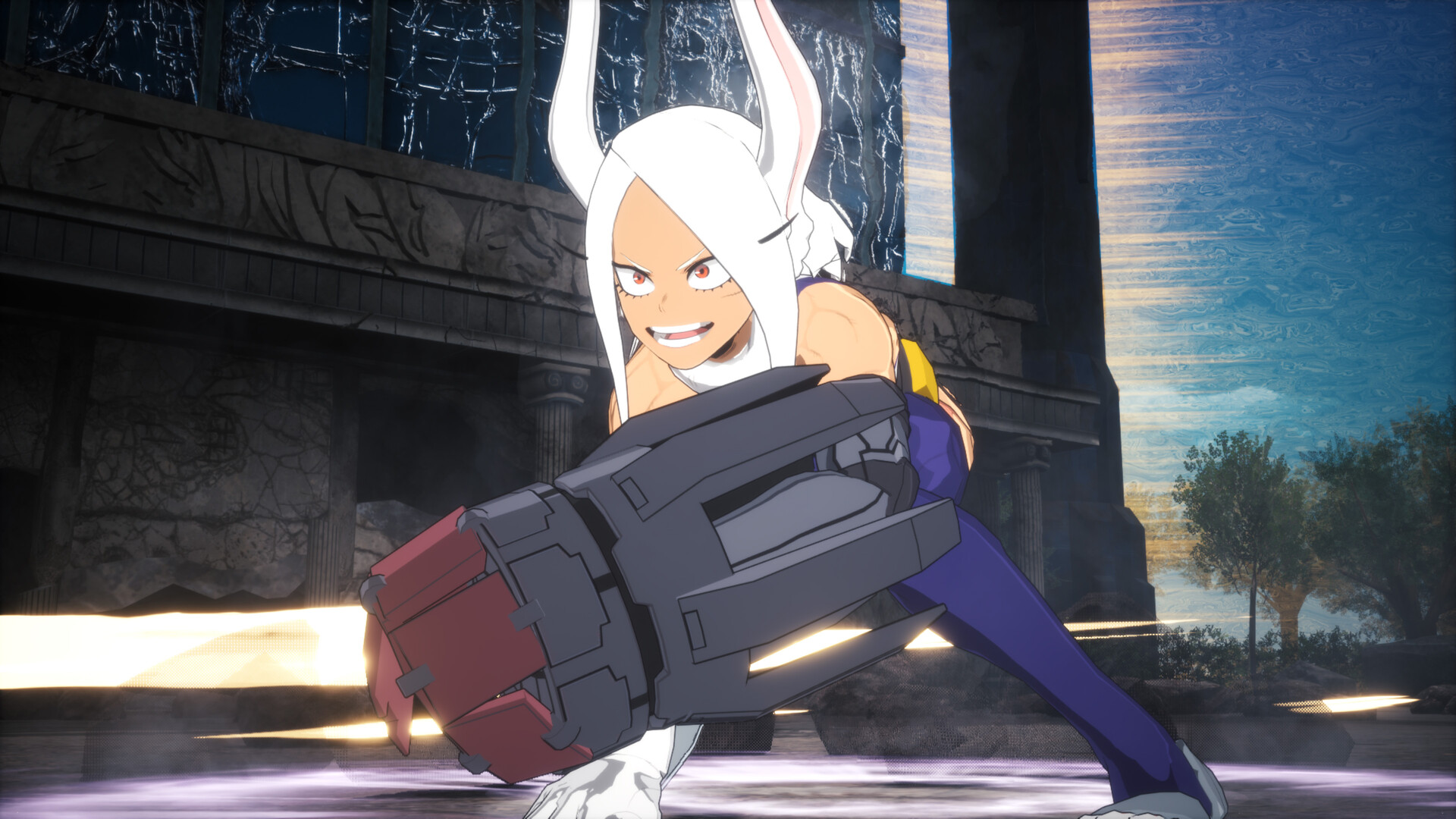
Rising replaces the cinematic Plus Ultra 2 in spirit: it’s a mechanical boost that feels tactile and relevant to match flow rather than a long animation interrupting combat. The tag system rewards creativity — swapping into a second hero mid‑combo to extend strings is one of the most fun ideas they’ve executed; with a roster near 68 characters, experimenting is delightfully chaotic. Unique Quirks still define playstyles, so Mirko hits differently from Deku or All For One, and that variety is the game’s backbone. However, the absence of many customization options and some removed ult cinematics can make the power moments feel more gameplay‑first and less fanservice‑epic for purists.
Looks, Sound and Performance: A Mixed Showcase
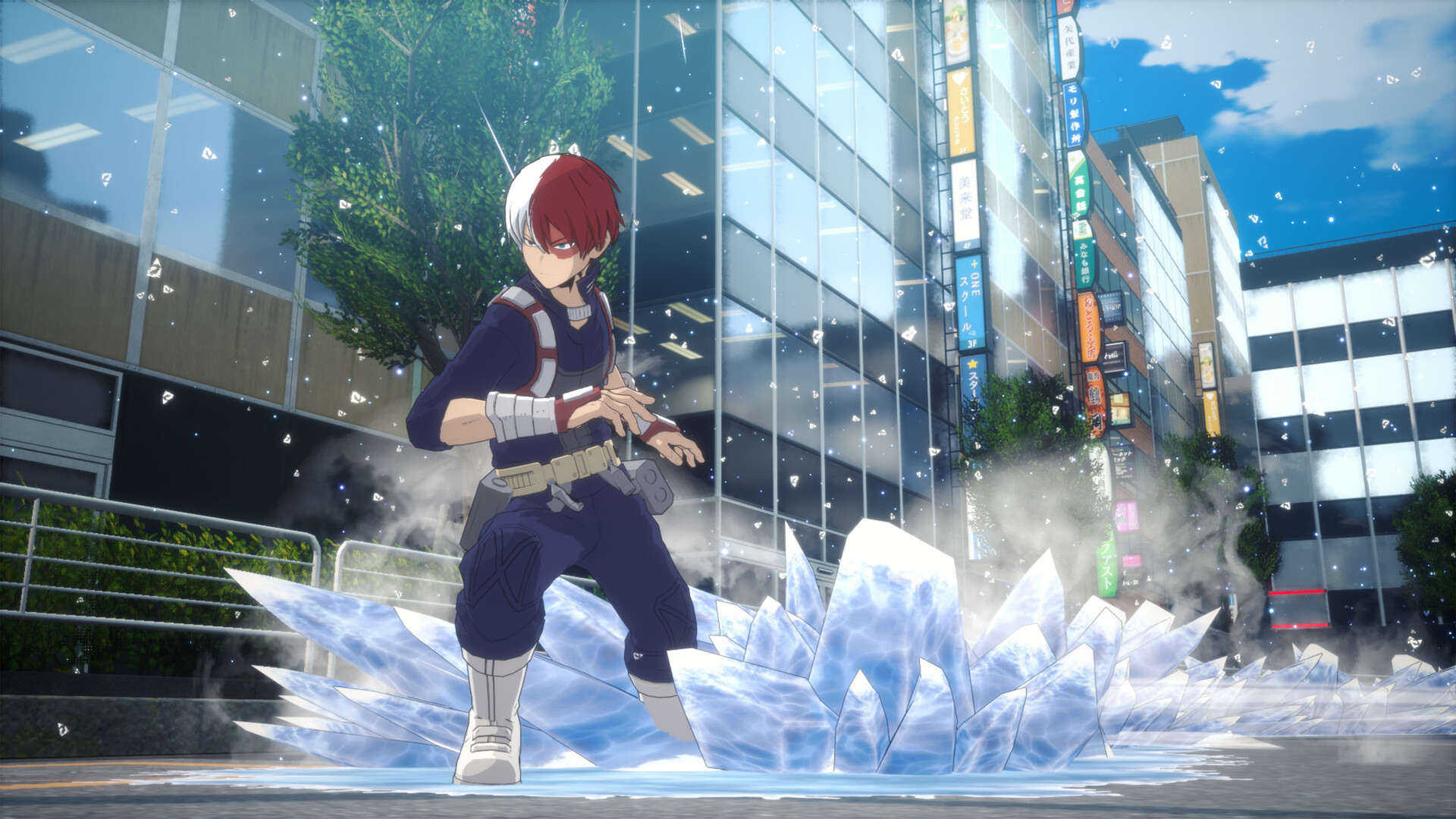
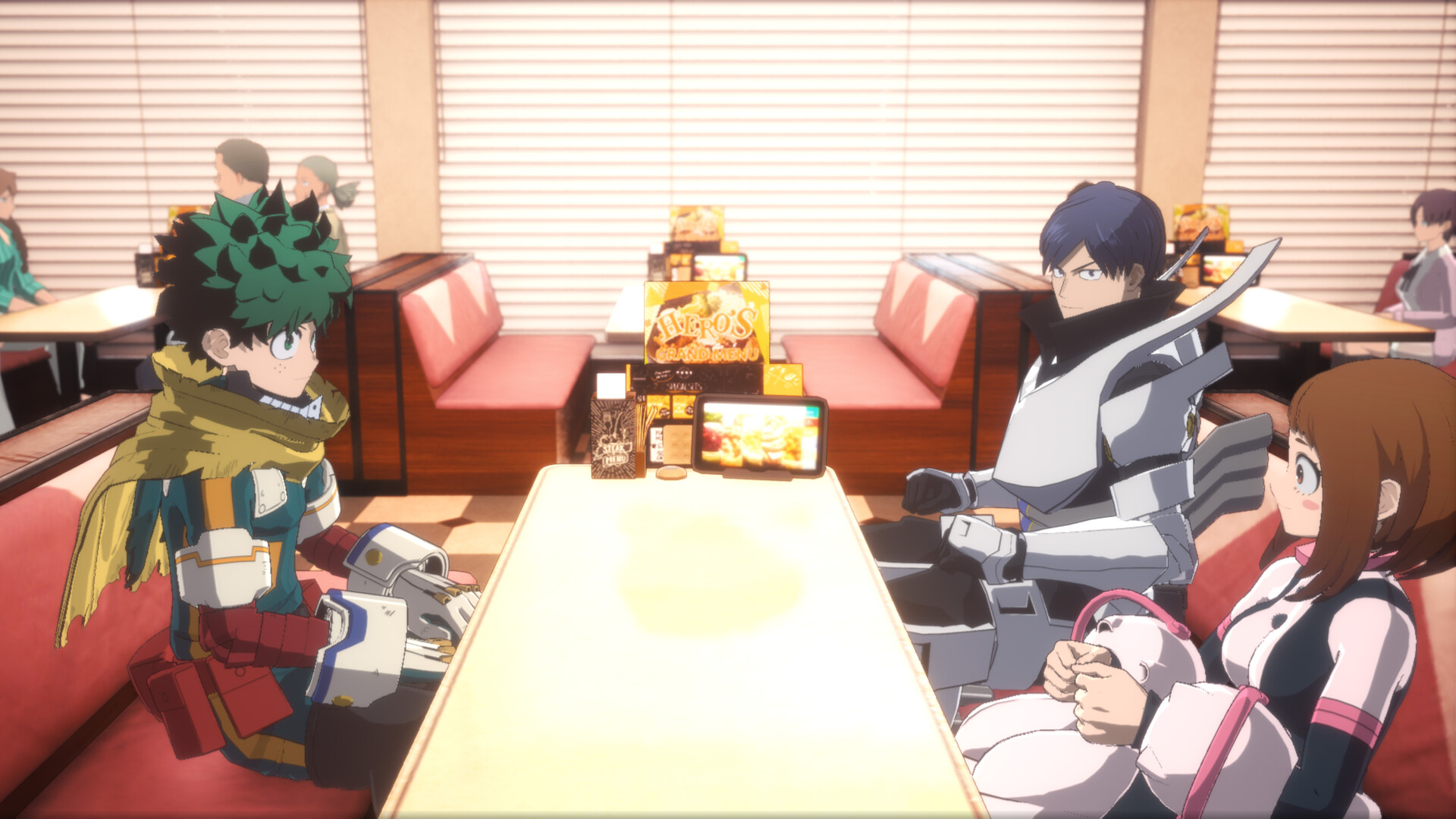
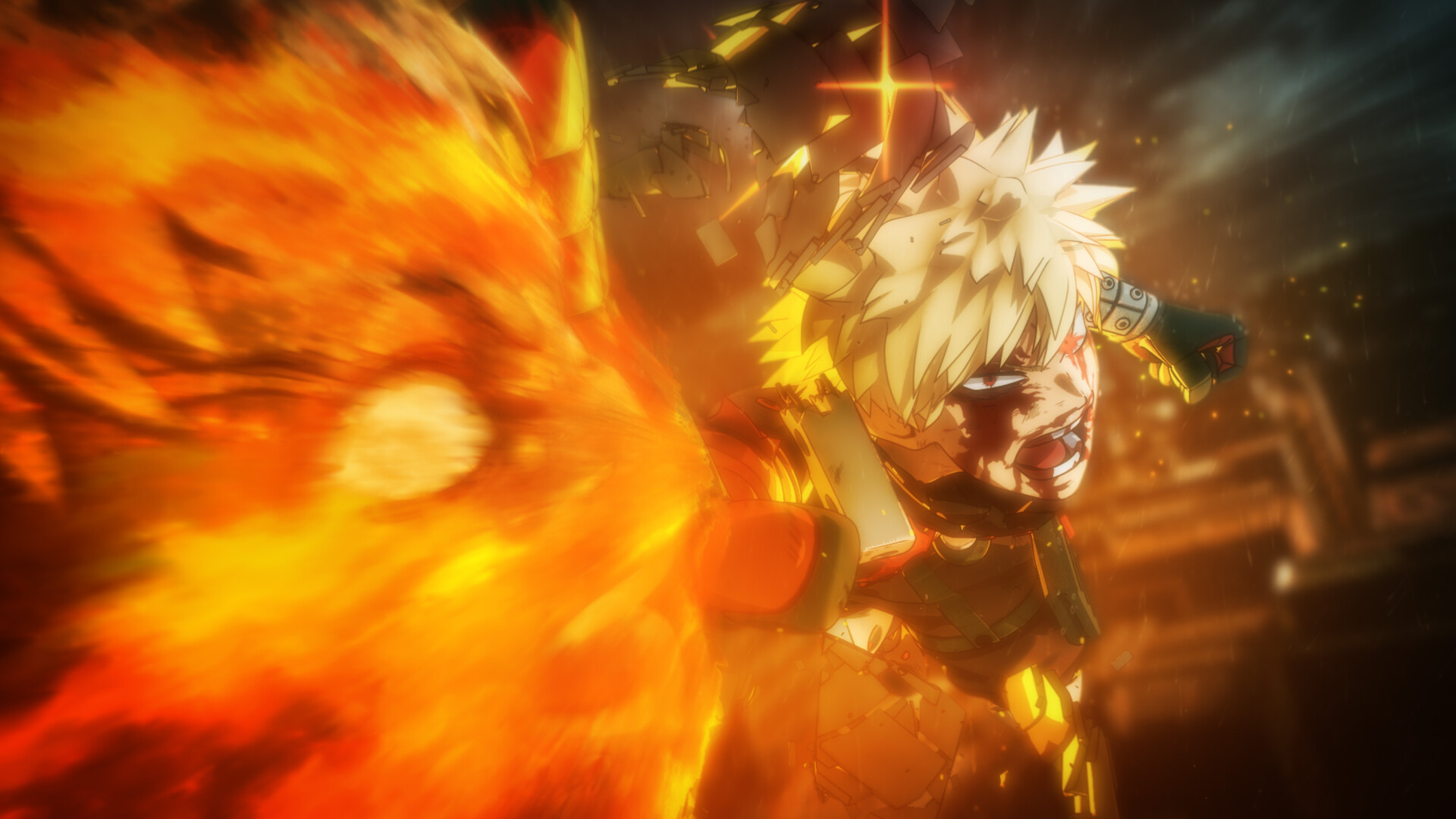
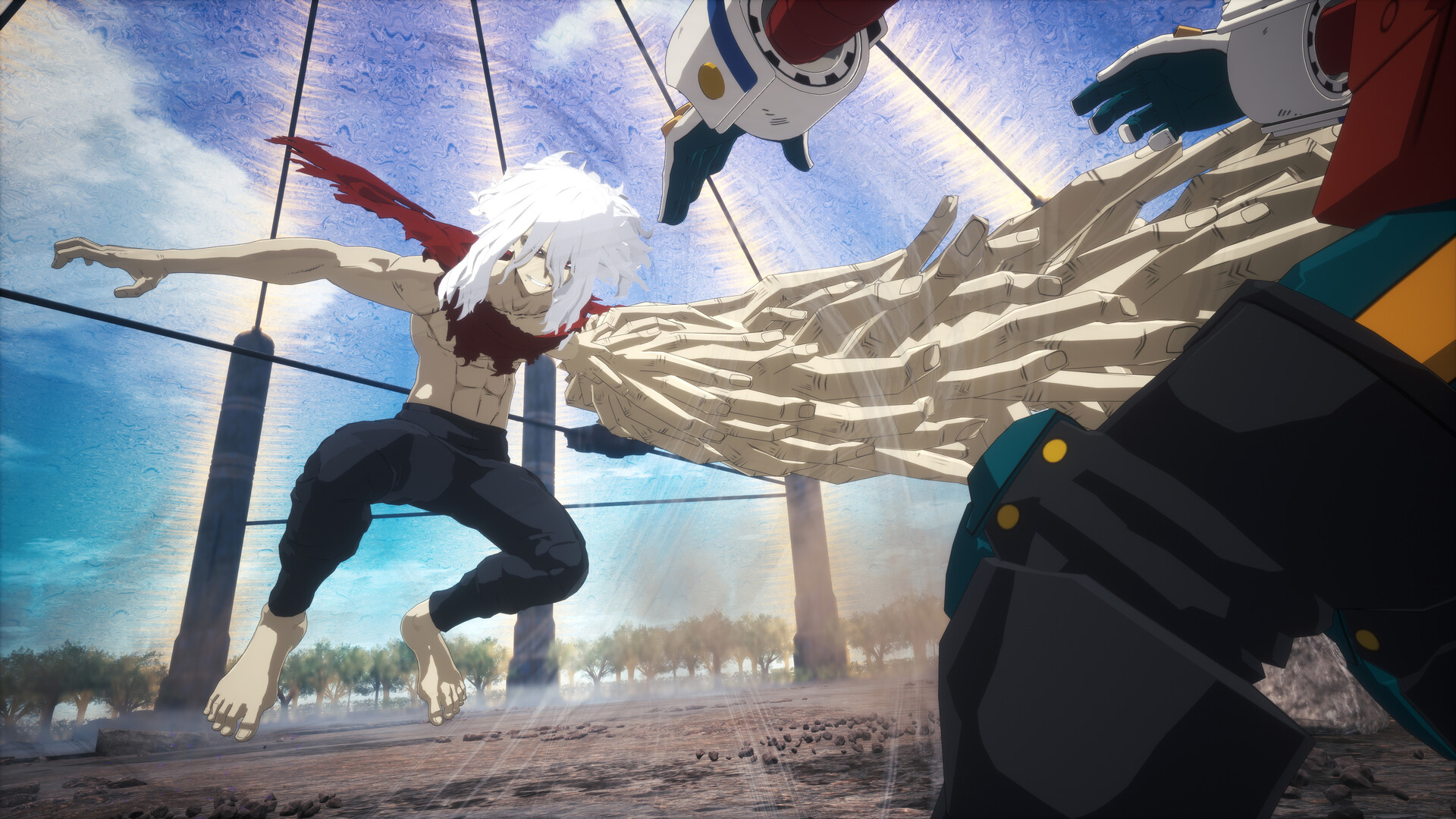
Visually the game makes a huge leap over previous entries with cleaner models, sharper textures and expressive cutscenes that I actually watched instead of skipping. The soundtrack and impact SFX sell hits well, and the presentation during story beats is often cinematic in the right way. But not everything is polished: a surprisingly small selection of usable maps in free and online modes makes arenas feel repetitive, and I ran into stutters and frame drops on max settings that were alleviated by turning some options down — exactly the frustration several players mentioned at launch. Netcode is reportedly decent in many cases, yet matchmaking hiccups and the occasional lobby crash mean online is a bit bumpy right now. Accessibility and options are okay but pared down compared to One’s Justice 2; expect fewer cosmetic toys and more prebuilt costumes tied to unlocks or DLC.
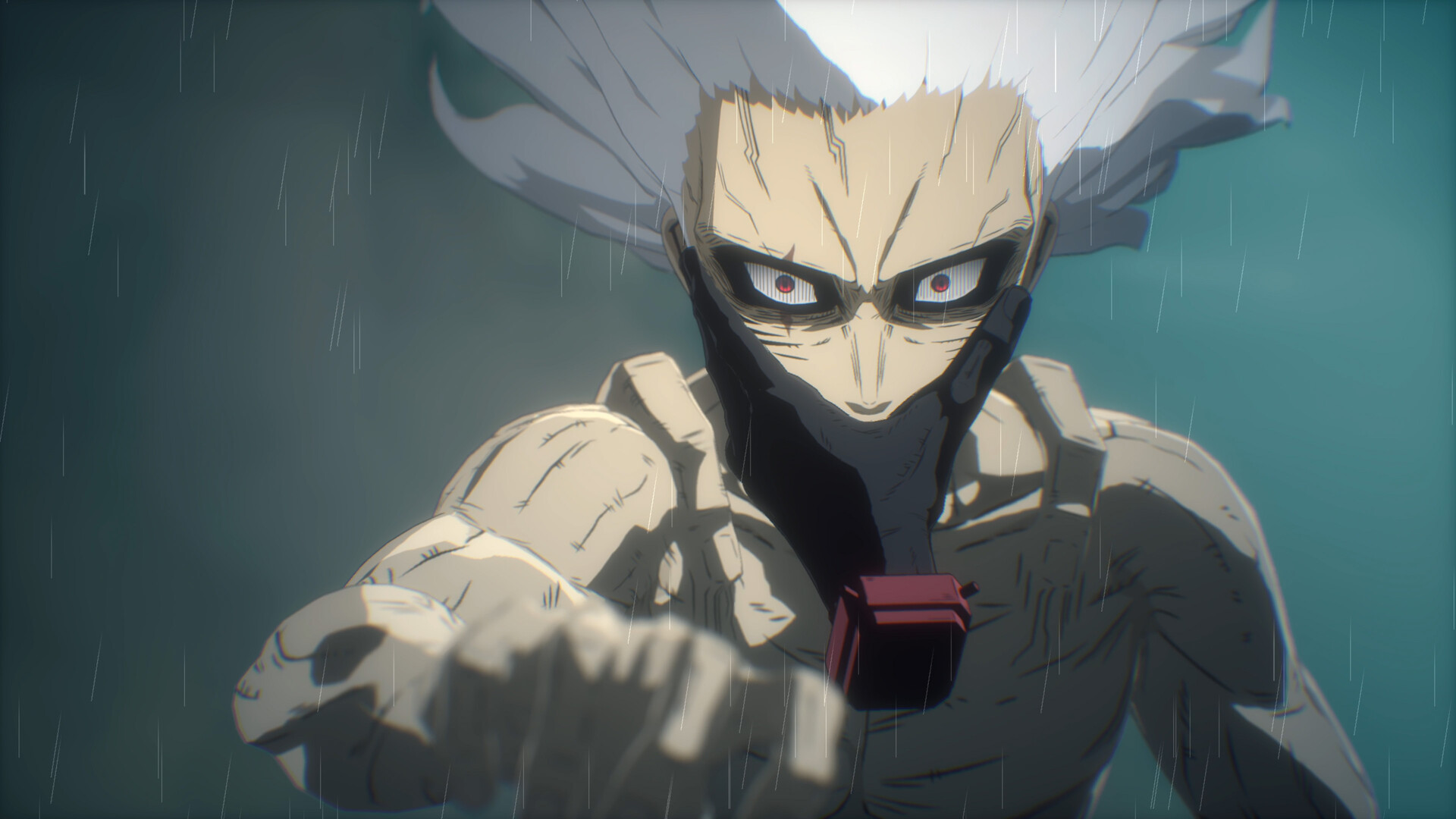
All’s Justice is the most ambitious My Hero arena fighter yet: a bold tag‑focused combat system, gorgeous models and a gigantic roster make it a must‑try for fans. But at launch you’ll have to tolerate a thinner map selection, pared customization and some technical hiccups — and the story’s late bosses can be annoyingly brutal. If you’re a dedicated MHA fan and can tolerate early‑patch pain, buy or keep — otherwise wait a patch or a sale.
Pros
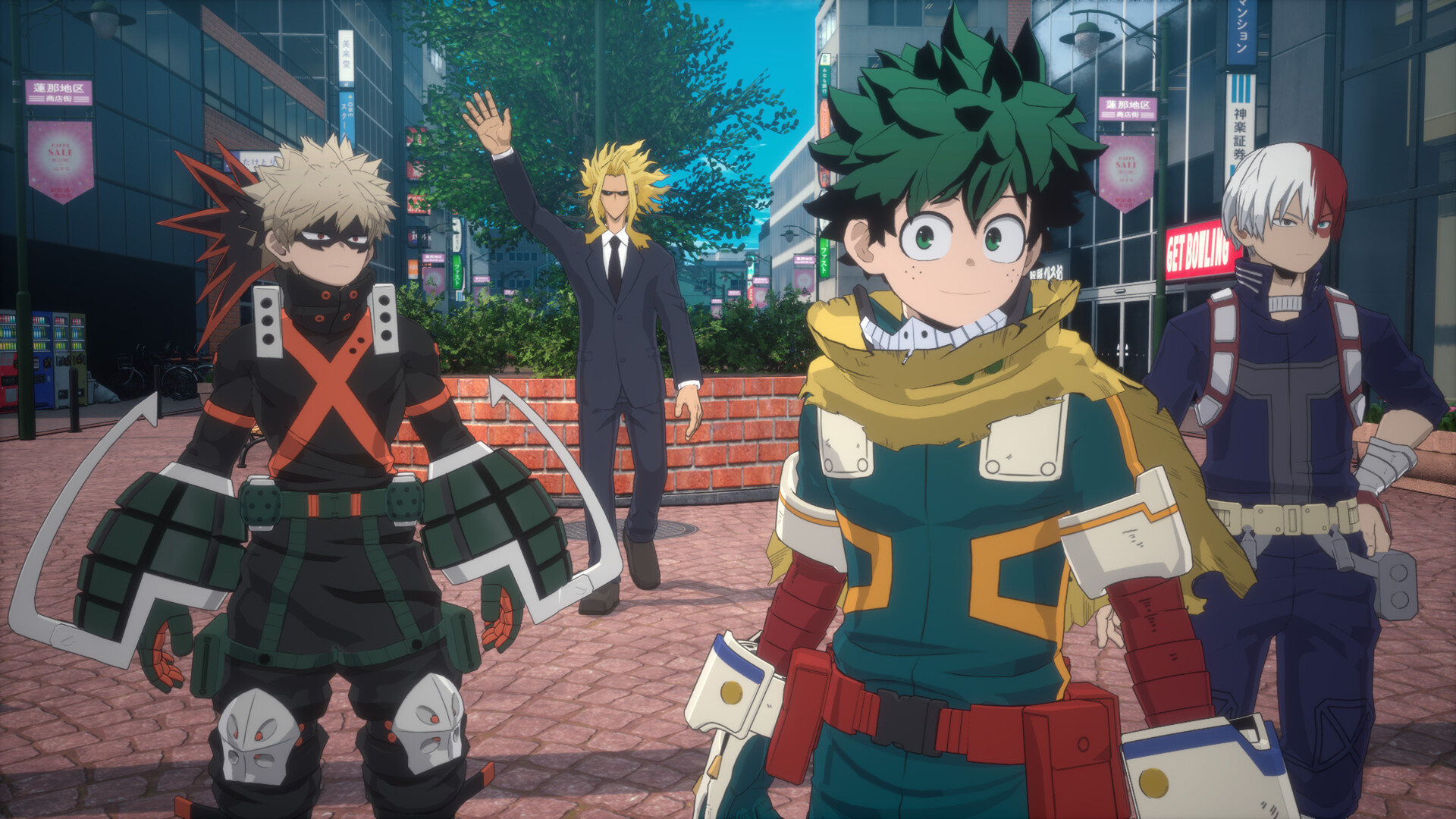
- Huge roster with many distinct movesets
- Fresh 3v3 tag mechanics and the Rising system encourage creativity
- Visually upgraded models and strong cinematic moments in story mode
- Singleplayer modes (Team Up Missions, Archives) add variety
Cons
- Thin map pool and reduced customization compared to predecessors
- Launch technical issues: stutters, matchmaking hiccups and a few balance problems
- Some story boss encounters feel unfairly overtuned
Player Opinion
Player feedback at launch is loud and split. Many fans praise the roster size, the redesigned combat and the much improved presentation compared to the older One’s Justice entries, and several reviewers report that tag combos and Rising feel rewarding once you get the timing. On the flip side a chunk of players are frustrated by missing customization (costume accessories and slots), a small number of playable maps, and some overly aggressive AI or boss fights in story missions that can feel spammy and checkpoint‑less. Technical complaints — stutters on high settings, occasional disconnects and matchmaking failures — show up repeatedly in reviews, though some users solved performance by lowering graphics. Overall the community consensus is optimistic but cautious: this is a strong foundation that needs patches and content updates to reach its full potential.