






CODE VEIN II Review – A Souls-Like That Lost Its Vein
I played CODE VEIN II through early access: a flashy, ambitious sequel that swaps gothic intimacy for open-world systems. Great combat moments are marred by poor optimization, questionable design choices and cosmetic censorship — a messy but occasionally brilliant ride.
I came into CODE VEIN II hungry for more vampiric melodrama and the quirky companions that made the first game memorable. What I got was bigger maps, new systems and a protagonist who can hop through time — which sounds cool until the game insists on feeling more like ‘Elden Ring dressed in gold’ than the gothic CODE VEIN I loved. That friction between fresh ideas and losing the franchise’s soul is the running theme: moments of real joy in combat and buildcraft sit beside baffling UI choices, removed co-op and performance problems. I felt both excited and mildly betrayed — in equal measure.
Racing the Sands of Time
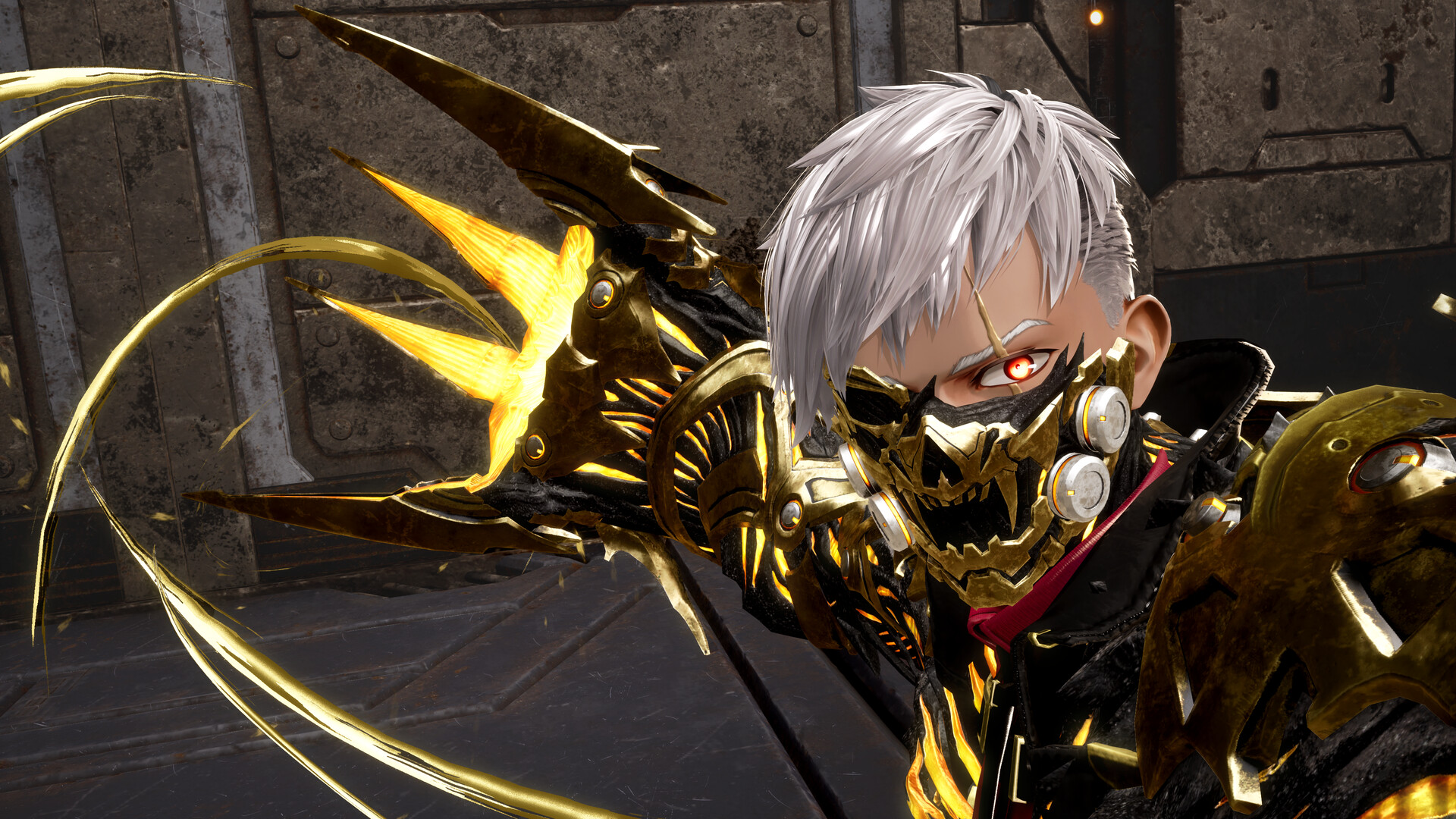
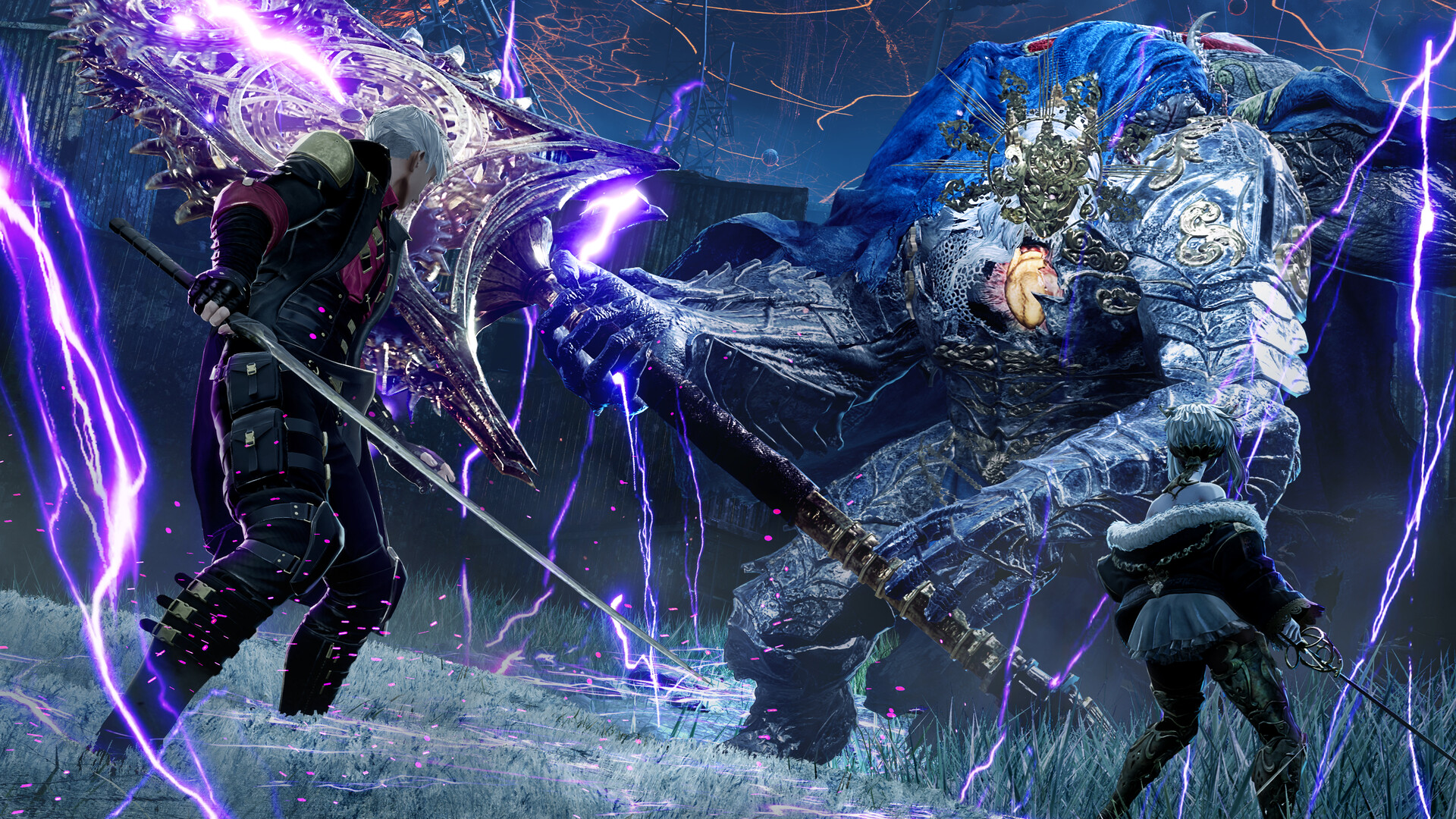
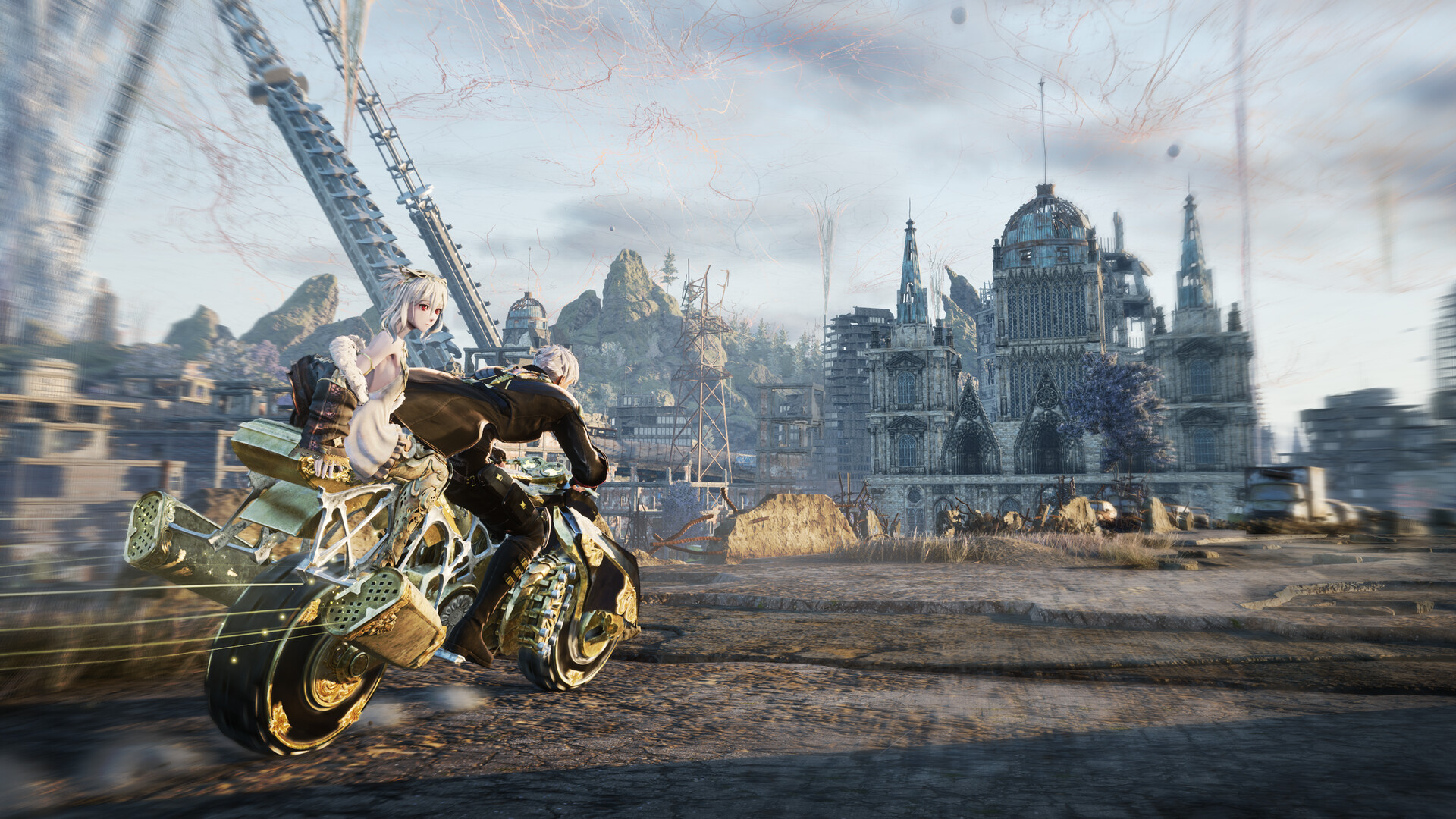
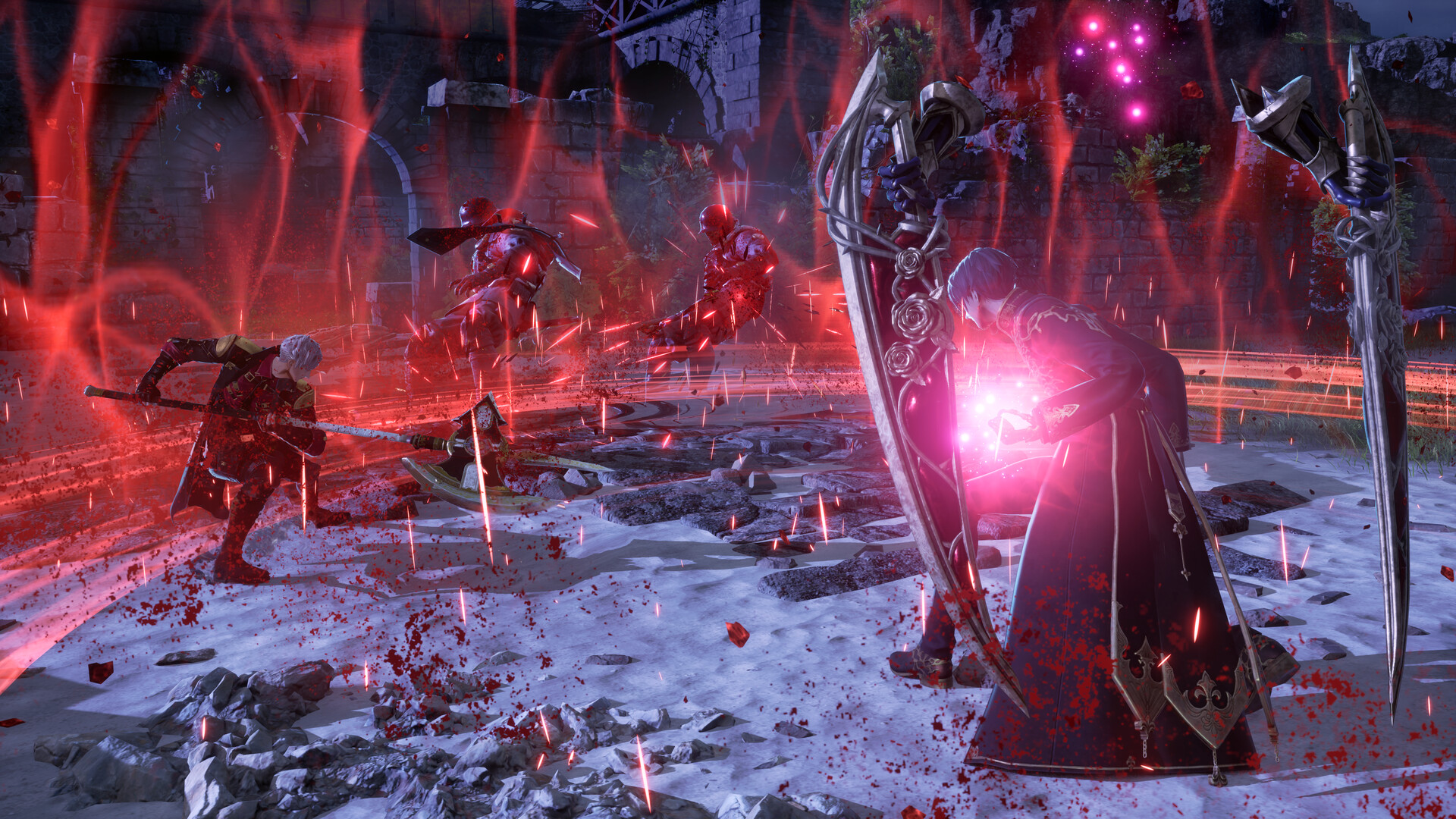
The core loop in CODE VEIN II is still a Souls-like blend of careful hits, dodges and timed parries, but with an open-map spin and a new time-travel framing. I spend most sessions running between small dungeons, arena-like boss rooms and open stretches that hide crafting ingredients, food recipes and the occasional chest with a Jail or weapon piece. Combat asks you to read enemy tells, exploit weapon movesets and manage Ichor—drain attacks and Jail effects are how fights swing from tense to triumphant. The bike travel and the more open layout encourage exploration, but also bring padding: a lot of the map rewards are consumables and materials rather than memorable encounters. Boss fights can be brilliant when the telegraphs line up and your build clicks, yet feel frustrating when hitboxes, animation locks or the notorious “stagger inconsistency” make openings vanish. I personally liked experimenting with rune blades and new dual-blade movesets; every weapon subtype now has more distinct feel, which kept me trying silly combinations even when I died a lot.
Jails, Partners and the New Blood Dance
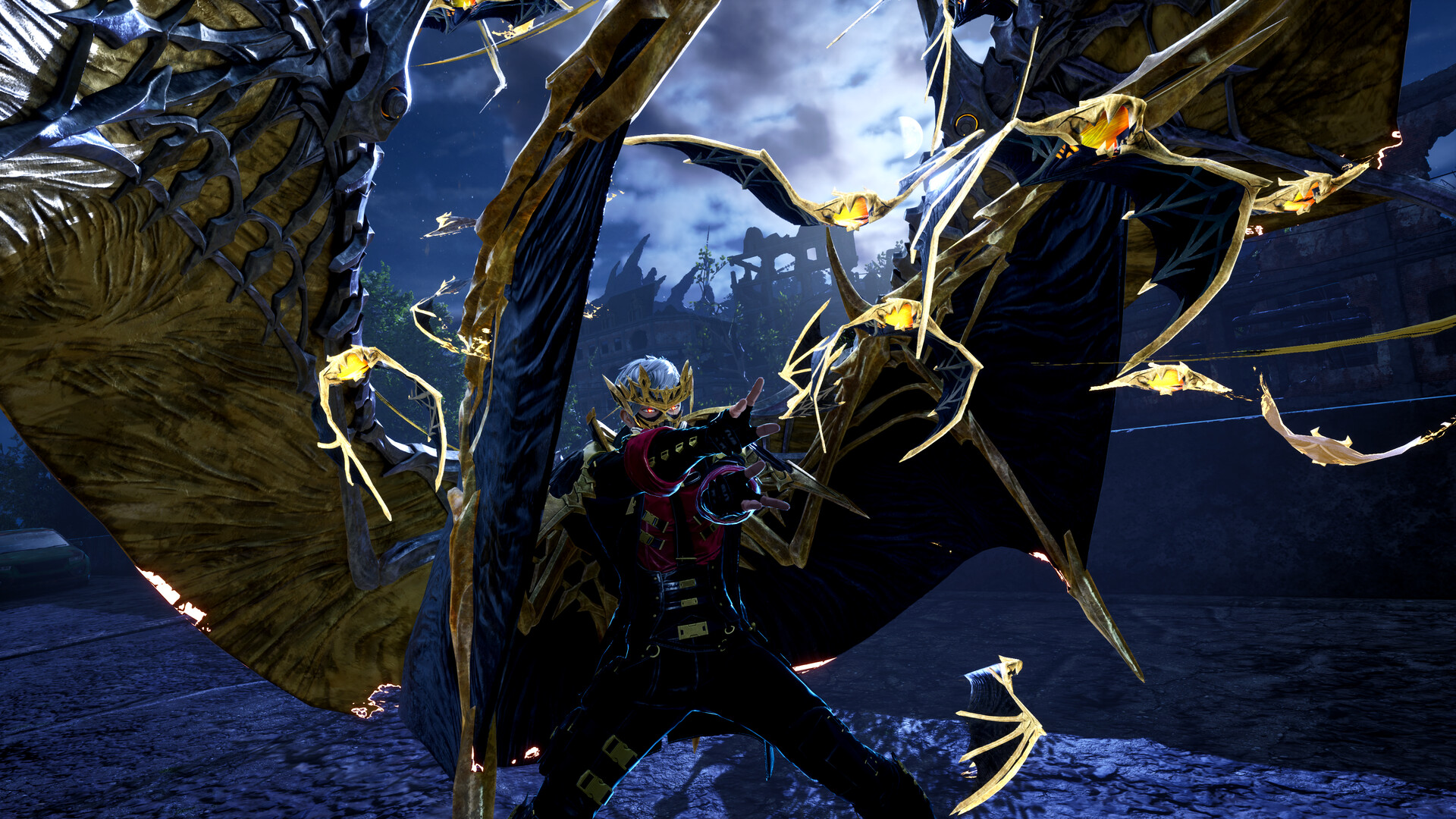
Code Vein II reworks the old Bloodveil idea into Jails and ties many skills to weapons or finds rather than to blood codes alone, which changes how you build. Your partner system has also shifted: companions buff and revive you but they’re no longer a simple damage shortcut — their presence is mechanical, not just cosmetic, and that means balancing your reliance on them feels strategic rather than trivial. The new blood code progression leans toward mastery ranks and passive ‘Boosters’ rather than handing you every skill on a silver platter; I liked that it forced choices, but I missed the bizarre biological justification of CV1 that made magic feel like mutated science. There are pleasant design surprises — weapon arts that change whole combos, drain attacks that open stagger windows and a handful of gear that truly alter pacing — yet some systems feel borrowed from other modern Souls-likes and lose a little personality in the process.
Gold-Tinted Gothic? Visuals and Performance
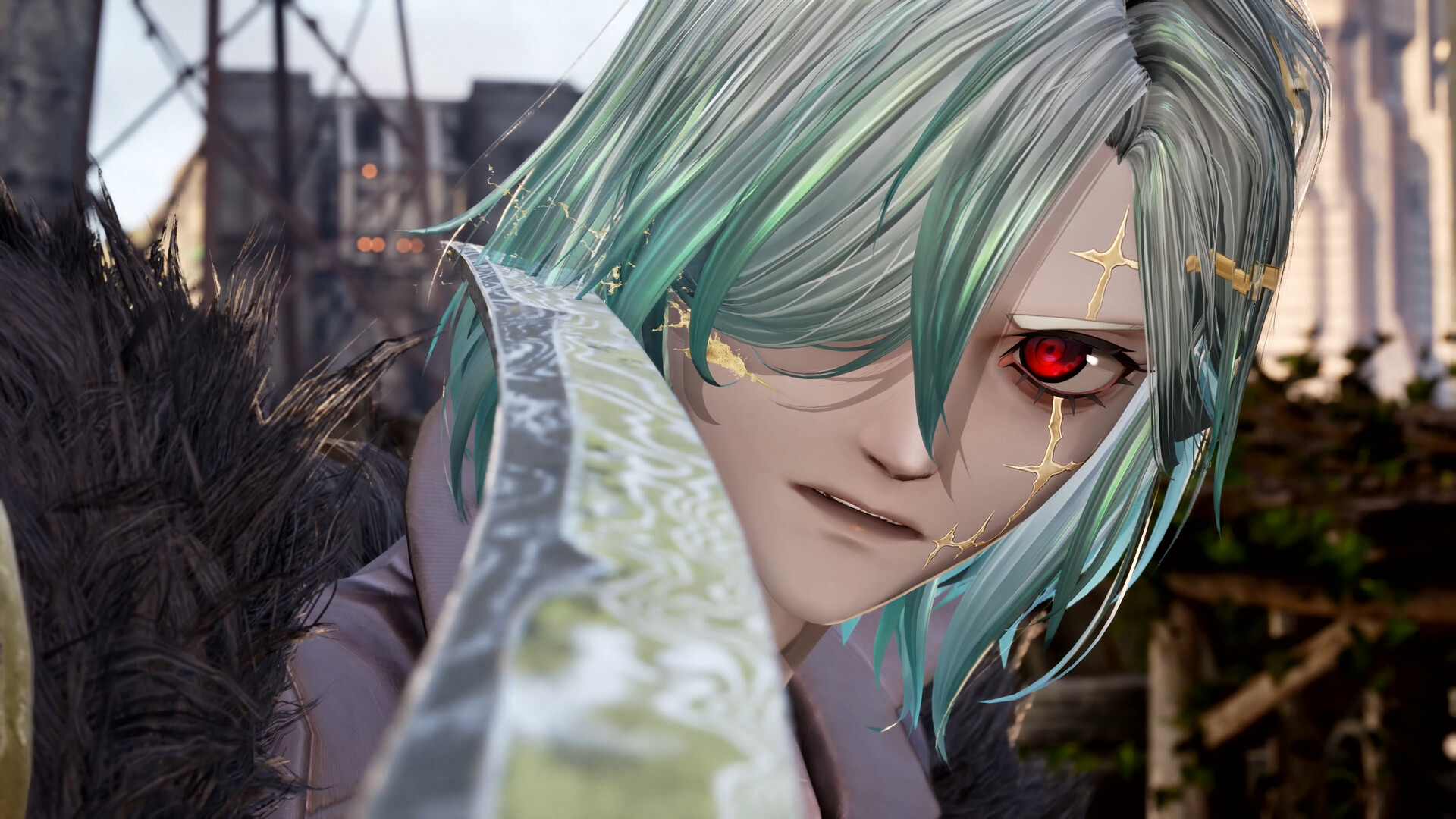
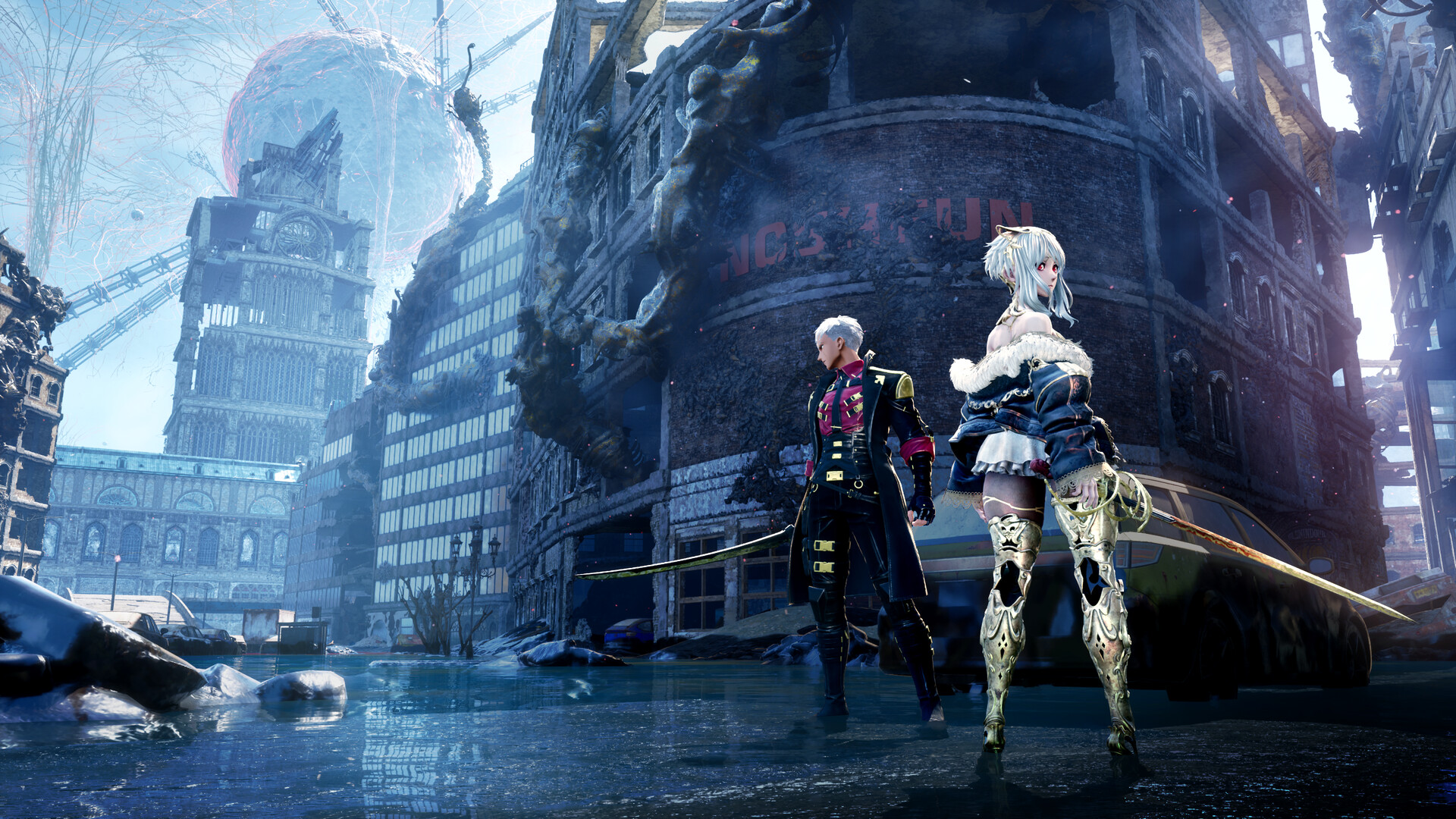
Visually CODE VEIN II has moments I love: character models are crisp, environments have interesting verticality, and cutscenes adapt to your equipped weapon in a classy touch. The downside is technical: on PC I and many users encountered stutters, pop-in and inconsistent framerate even on beefy rigs, and cutscenes locked to low fps made transitions jarring. The art direction traded a lot of the first game’s grime for a cleaner, gold-tinged palette — pretty, but it flattens some of the original’s tragic atmosphere. Sound design and Go Shiina-adjacent music are strong when they hit, and boss themes can push fights into glorious territory. Accessibility options are present but the menu and HUD are more stylized and, frankly, more cluttered than they need to be; expect to spend time re-learning the UI rather than jumping straight into action.
CODE VEIN II is a complicated sequel: I found genuine joy in its combat experiments and character tools, but those highs are frayed by performance issues, odd UX choices and a noticeable drift from the franchise’s original soul. Buy it when the launch patches arrive or on sale if you’re a CV1 purist; if you like Souls-likes and tinkering with builds, you’ll find rewarding moments here. For now I recommend caution — fun, but flawed.
Pros
- Satisfying weapon variety and build experimentation
- Companion mechanics that feel strategically meaningful
- Strong boss themes and moments of real combat brilliance
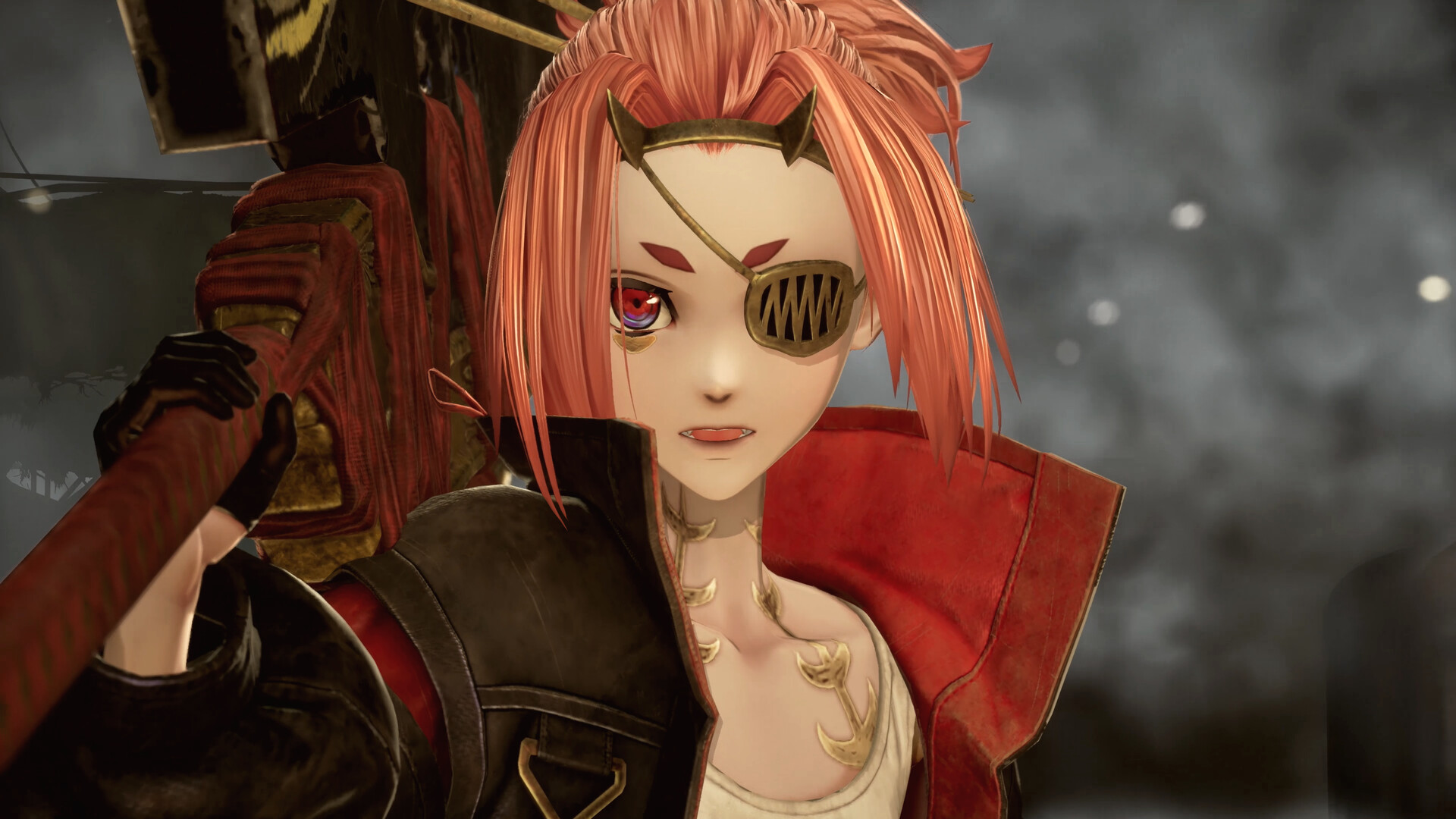
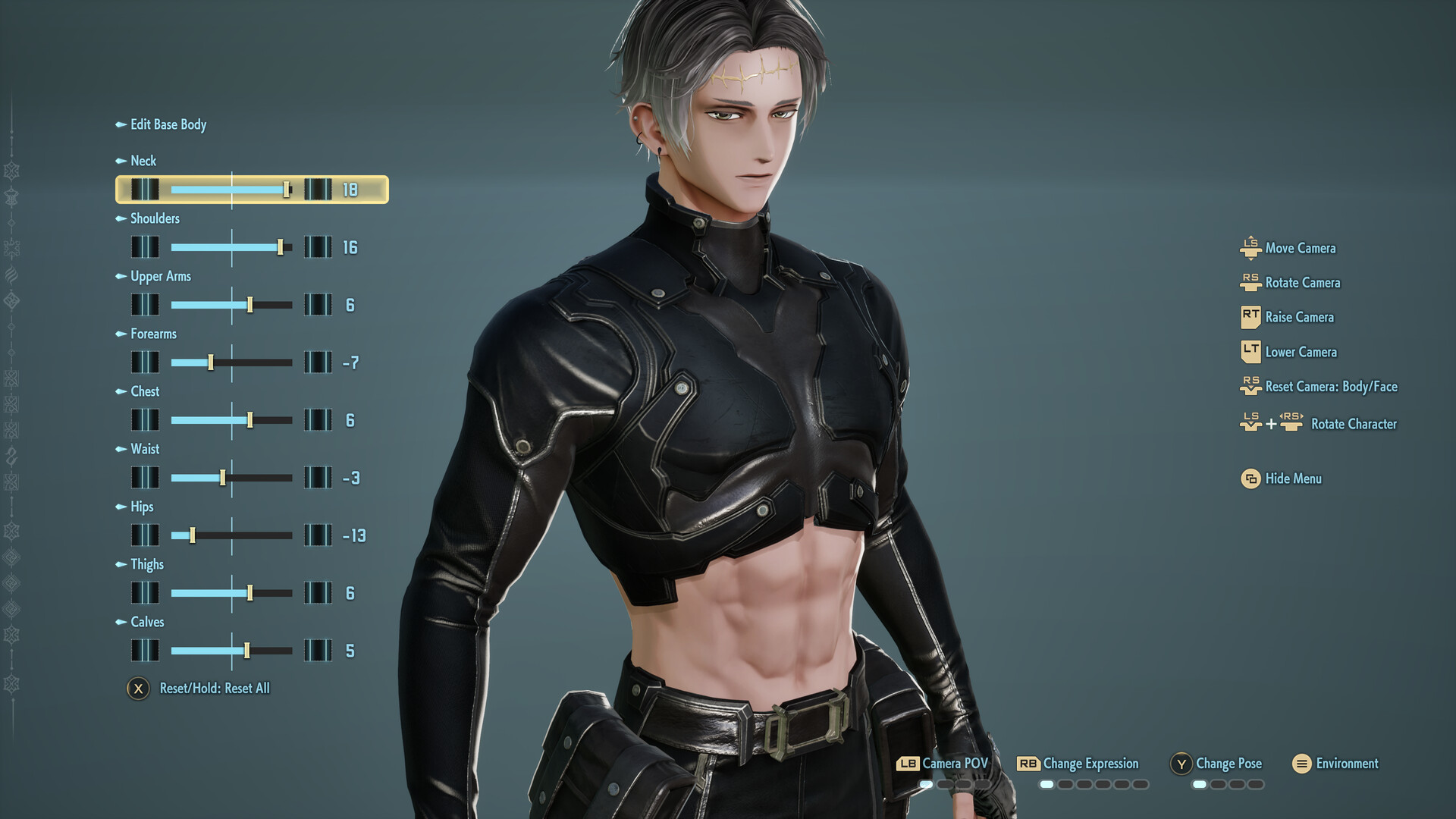
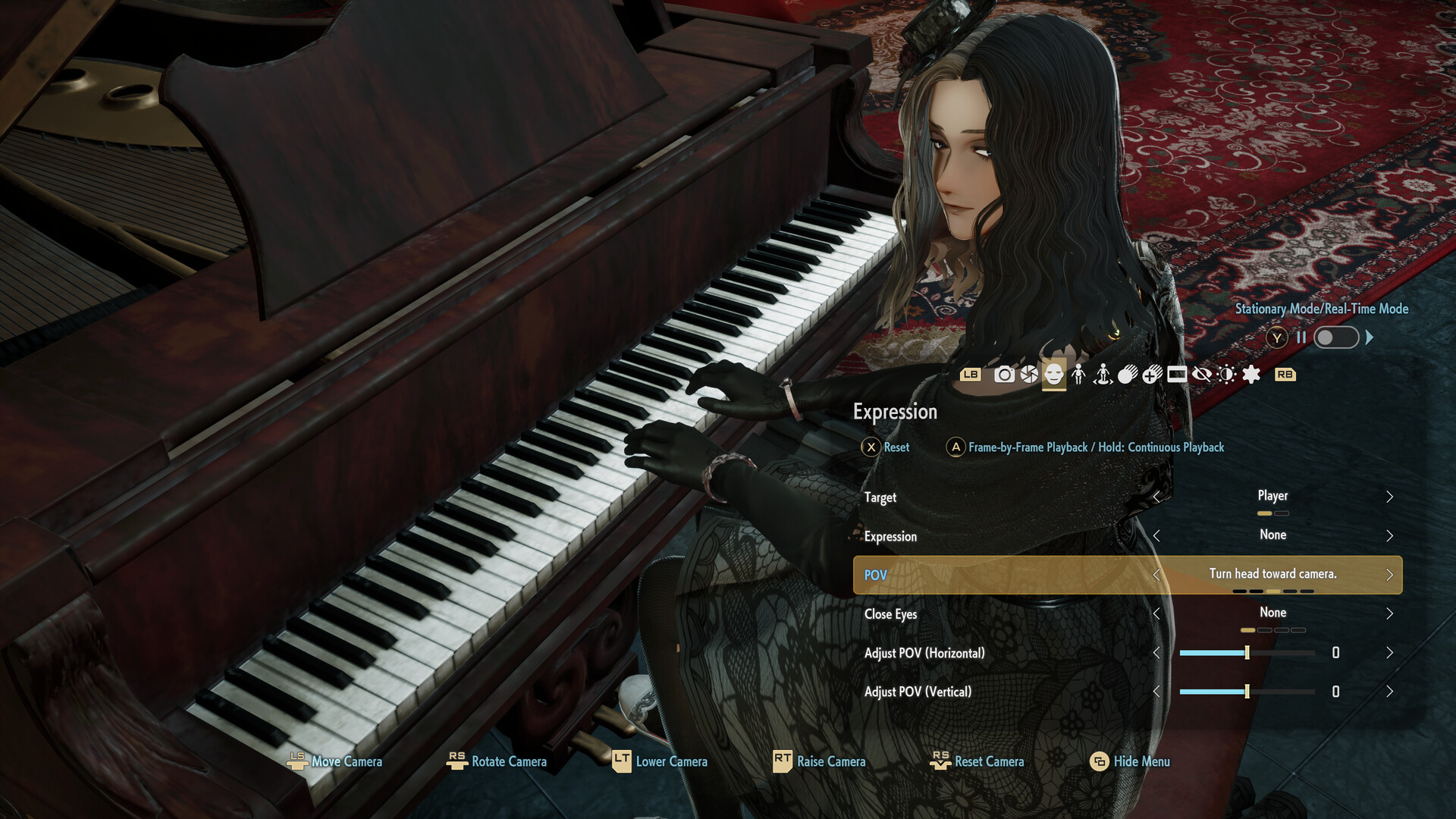
- Deep character creator and costume options
Cons
- Poor PC optimization, stutters and pop-in at launch
- Feels disconnected from CODE VEIN 1’s gothic identity
- Cosmetic censorship and odd design decisions (no co-op)
Player Opinion
Players praise the core combat and the expanded weapon movesets—many enjoy the fresh builds and partner interactions. Common complaints are loud: technical problems (stuttering, low FPS, pop-in) and a perceived spiritual departure from the original’s gothic tone. Several reviews mention censorship of outfits and weaker customization compared to expectations, while others accept the changes and appreciate the new systems once they tinker with builds. Co-op removal and a more ‘Elden Ring’-like open structure are recurring sore points — fans of CV1 often feel this is a different IP wearing the same name. If you value modernized systems and testing builds, some players think the game is worth the wait for patches.