





Modulus: Factory Automation Review – Cozy, Clever, and Modular
I spent hours carving, stamping and wiring modular factories in Modulus. A cozy, creative automation sandbox that rewards elegant solutions — despite a few rough edges on some platforms.
Modulus caught my eye because it treats factory building like a craft: you don’t just route belts, you sculpt pieces. It sits somewhere between the logic puzzles of Shapez2 and the layout obsession of classic automators, but with a calmer, creative beat. What makes it special is modular design: you physically cut, paint and assemble 3D blocks that become the anatomy of your factory. If you like fiddly, tactile systems and slow, satisfying optimization, Modulus is tuned for that pleasure.
Sculpting Efficiency: Designing with Modules
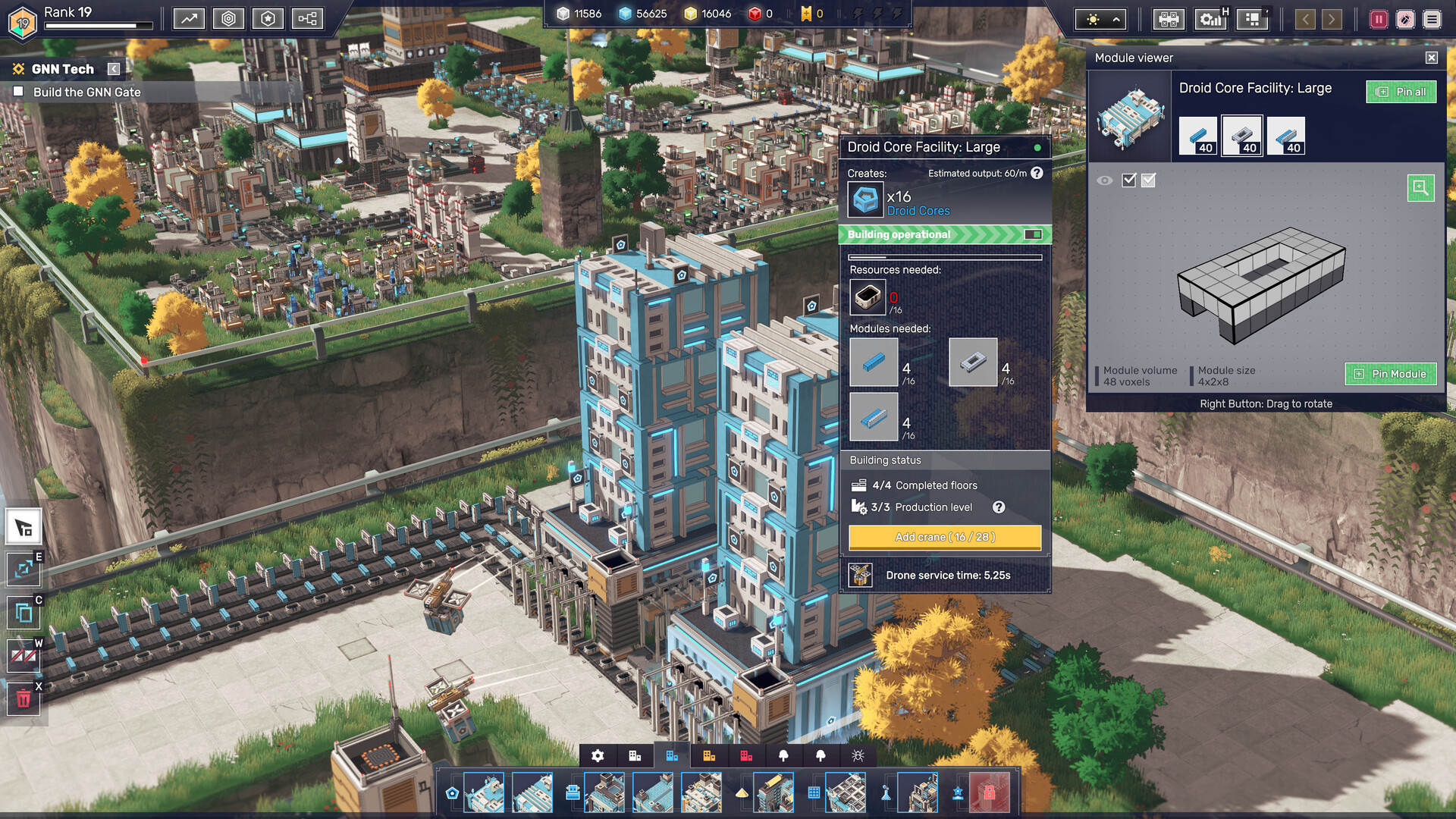
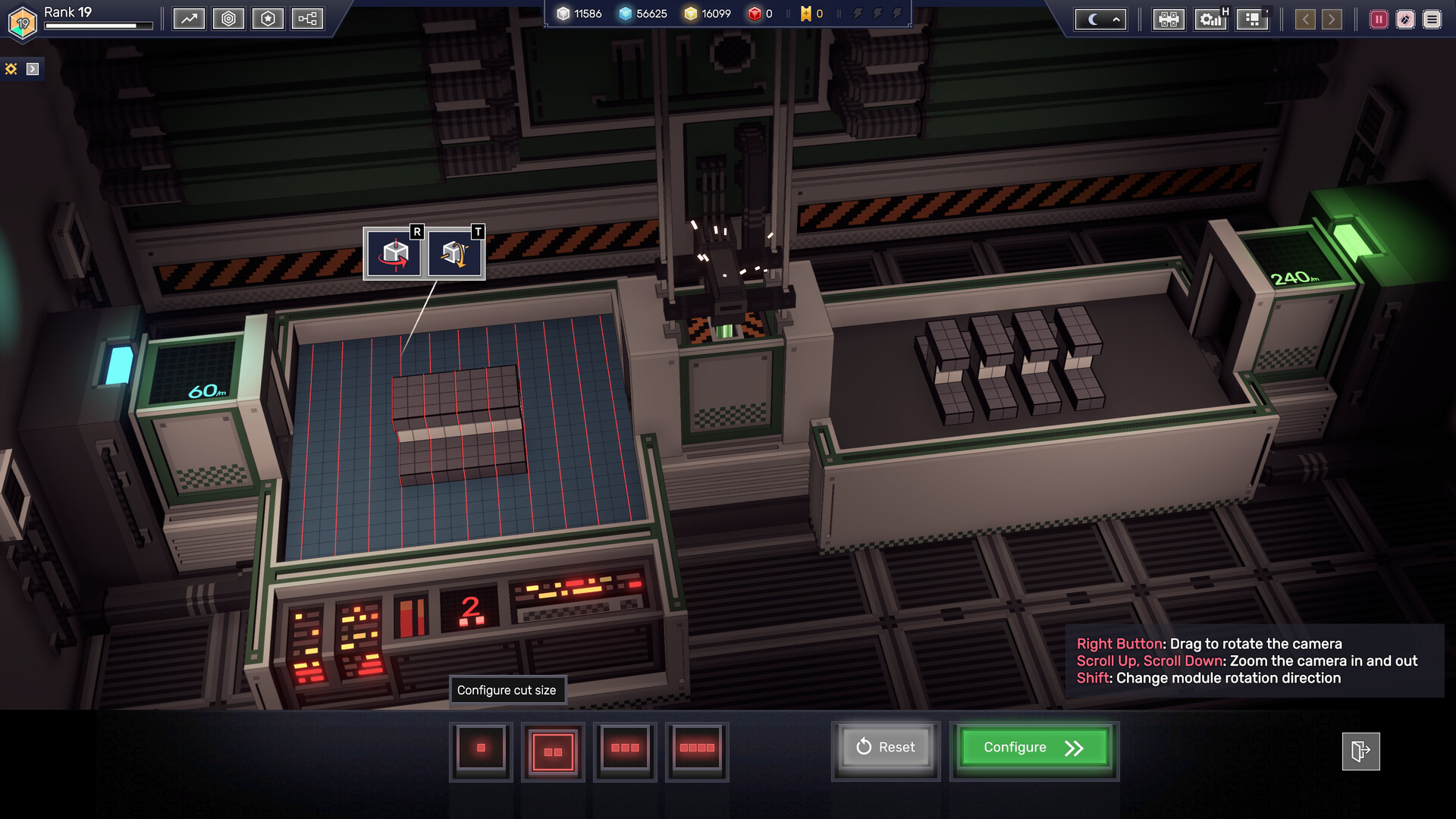
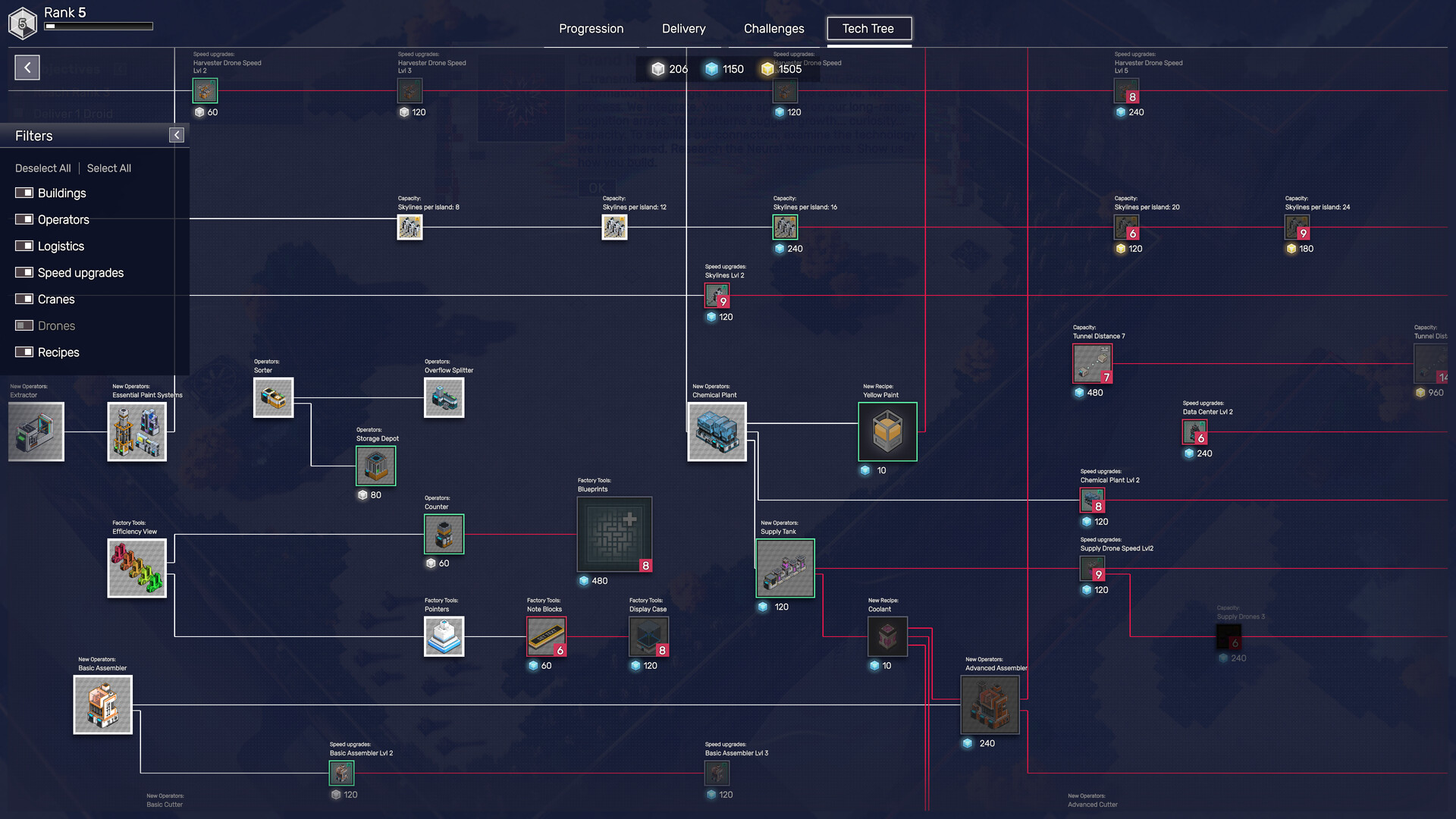
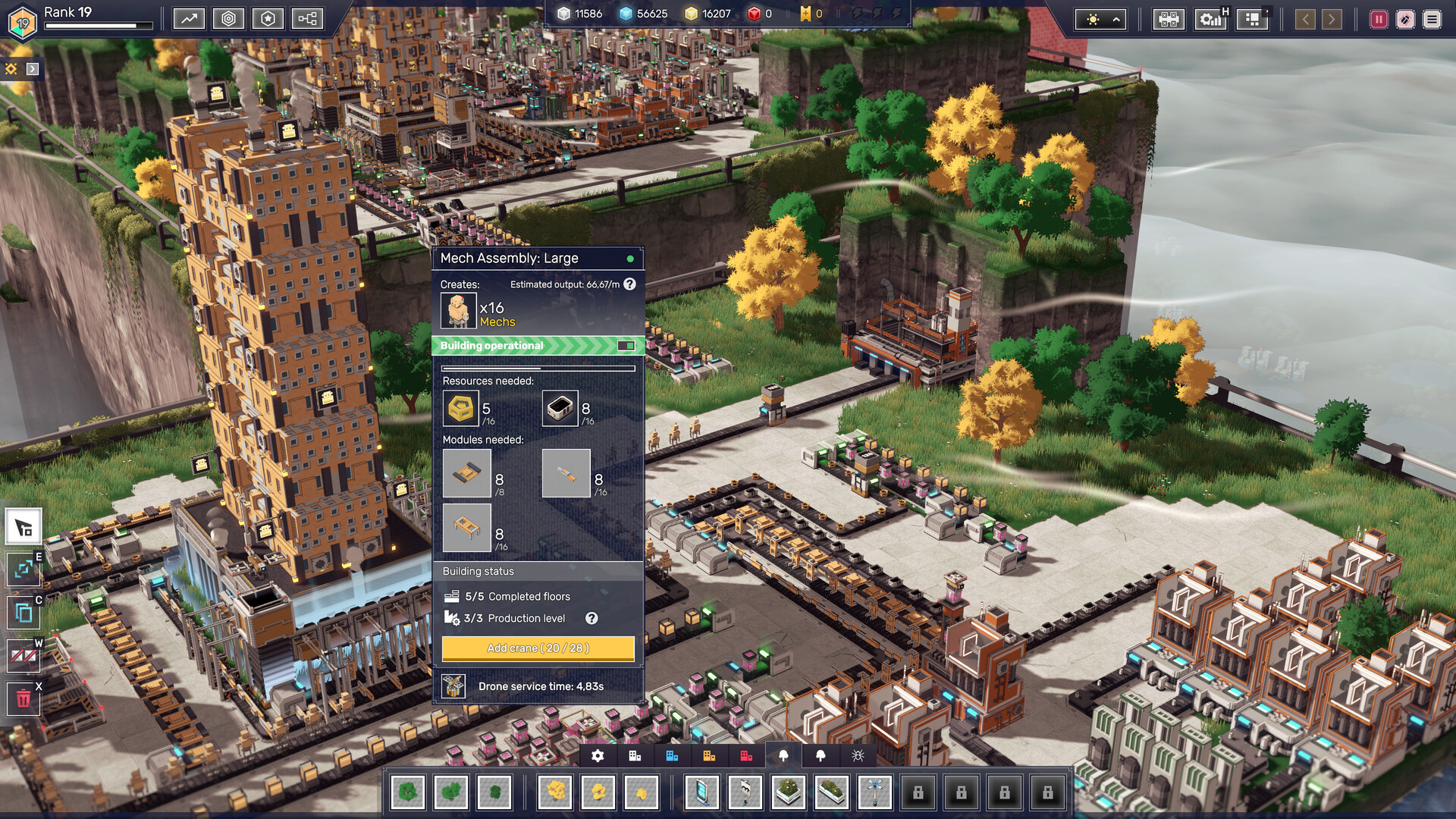
The core of Modulus is delightfully hands-on. Rather than only building pipelines, you craft modules—blocks you cut, stamp, paint and fuse—then feed them into assemblers and machines. Gameplay centers on modular design: every shape you create matters for how it travels on conveyors, stacks in buffers, and slots into larger Neural Monuments. I found myself obsessing over tiny tweaks—rotating a cavity by a degree or swapping a stamper head—to shave off waste or make a part fit. Progression nudges you from simple shapes to far more intricate forms, and every new tool adds a fresh layer of spatial puzzling. There’s a satisfying loop of design → test → scale that keeps the pace calm but rewarding.
When Systems Become Sculptures: Unique Features That Shine
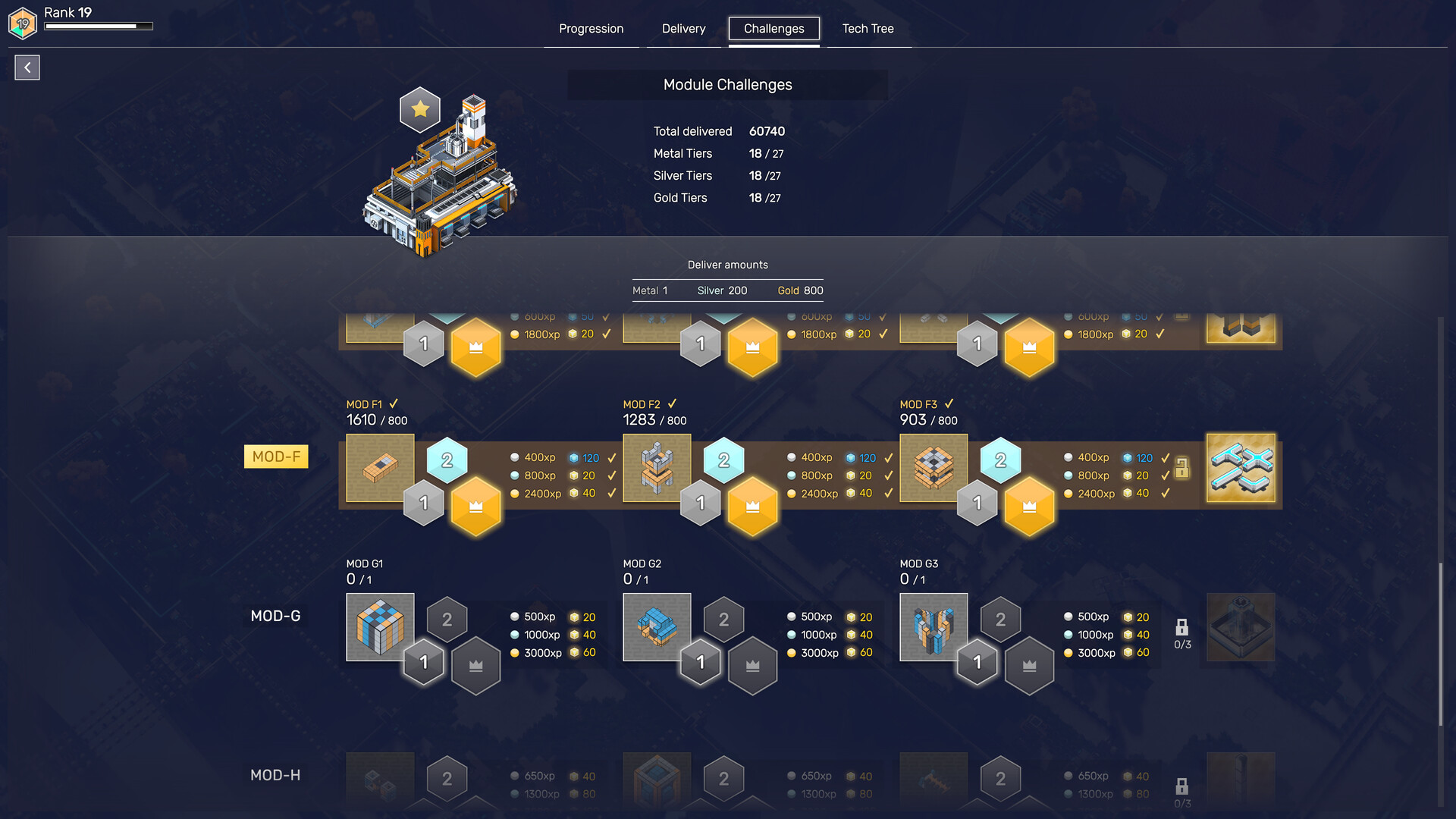
Modulus stands out because creativity is a mechanical resource. Creative Mode gives you unlimited parts and paint to experiment freely, but the real joy is in constrained challenges where elegant solutions trump brute force. The mix of cutter, stamper, painter and assembler machines gives the game a tactile, almost craft-like feeling; it’s rare to see automation where the building blocks themselves are the puzzle. I appreciated the lack of combat or timers—this lets you iterate without stress, and it makes the experience more cozy than combative. The Neural Monuments are a neat narrative anchor: constructing massive, delicate structures feels like an architectural puzzle, each module slot demanding forethought about throughput and physical geometry.
Sunlight, Sound and Polygons: Presentation and Performance
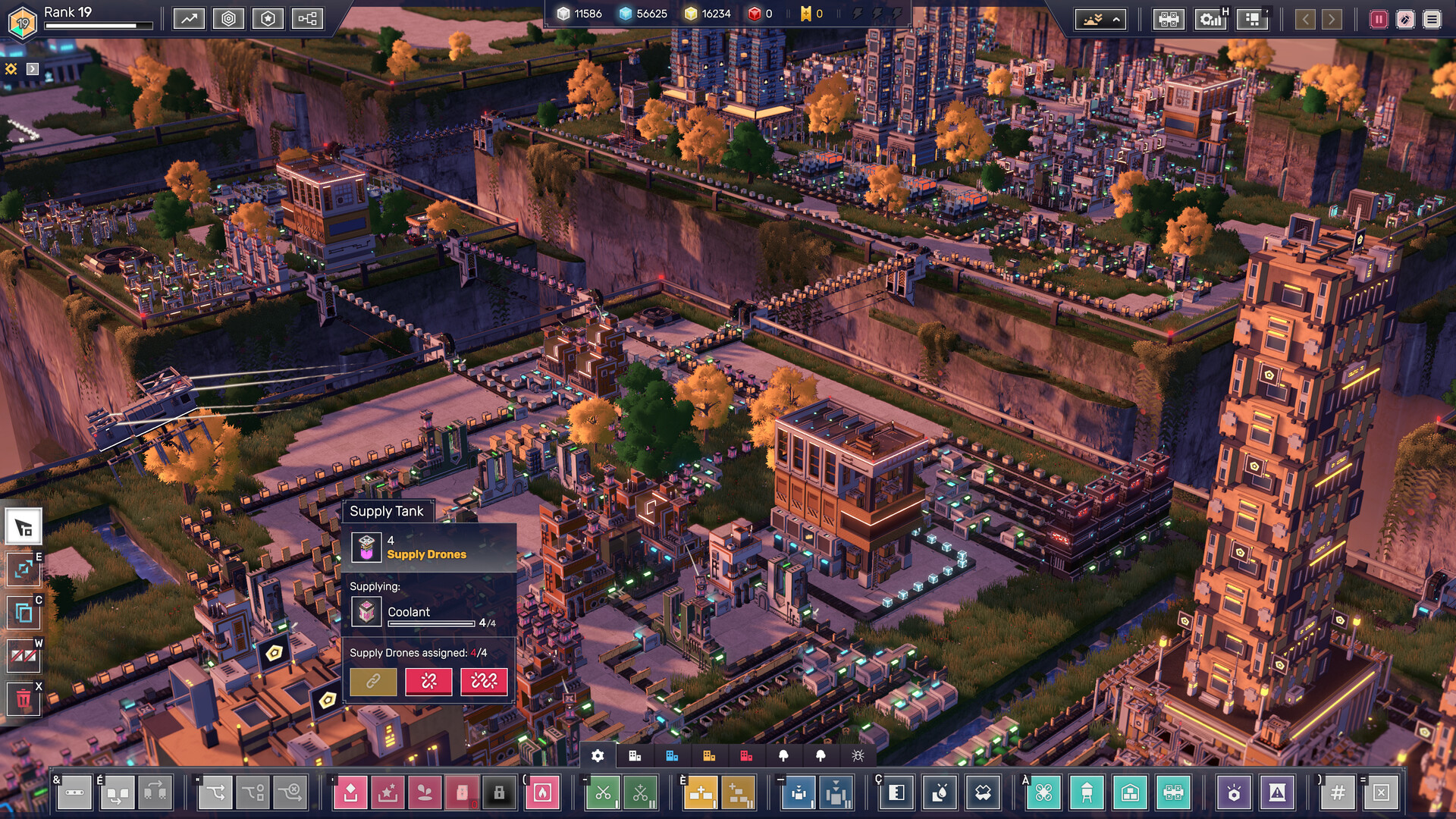
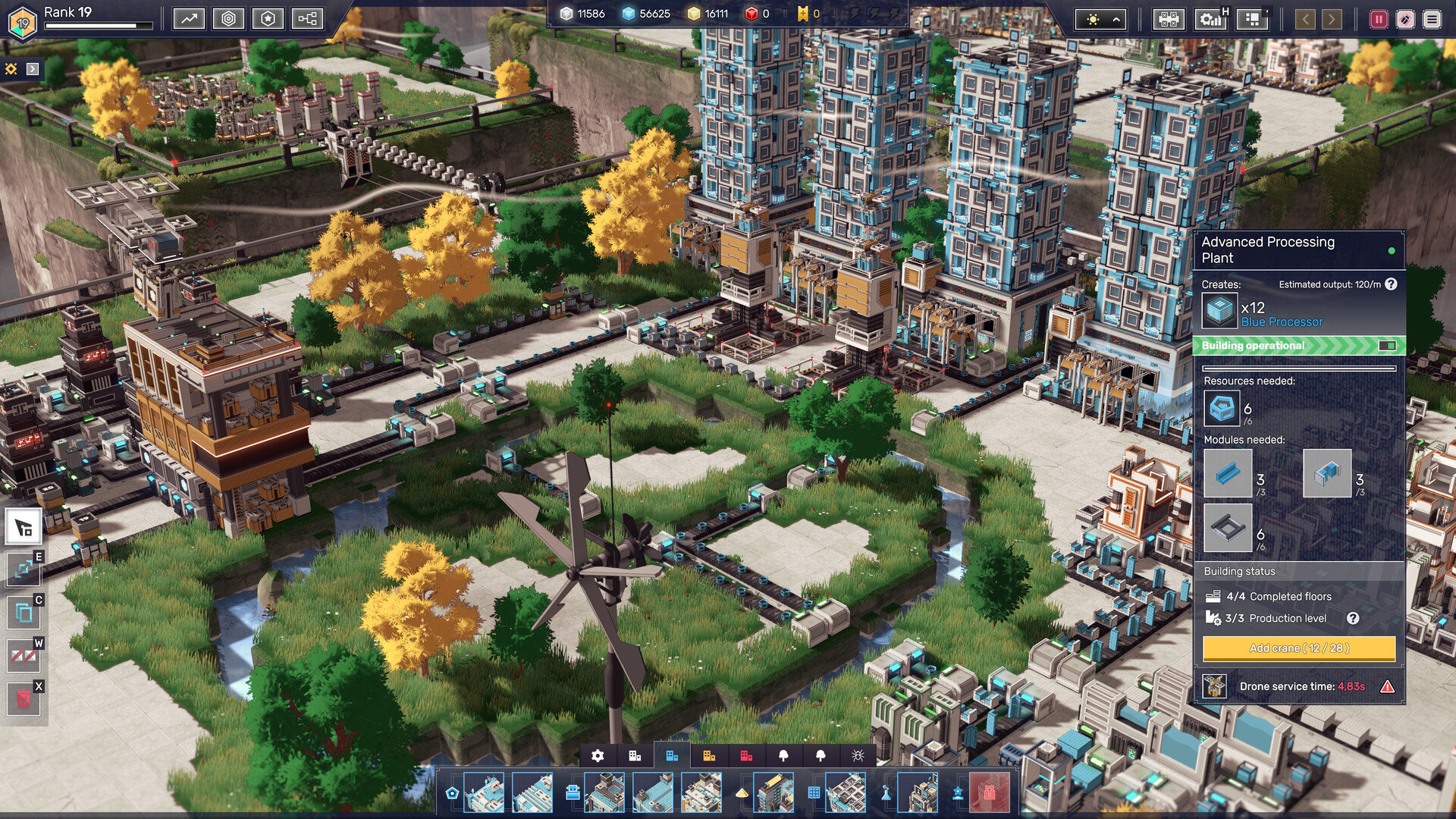
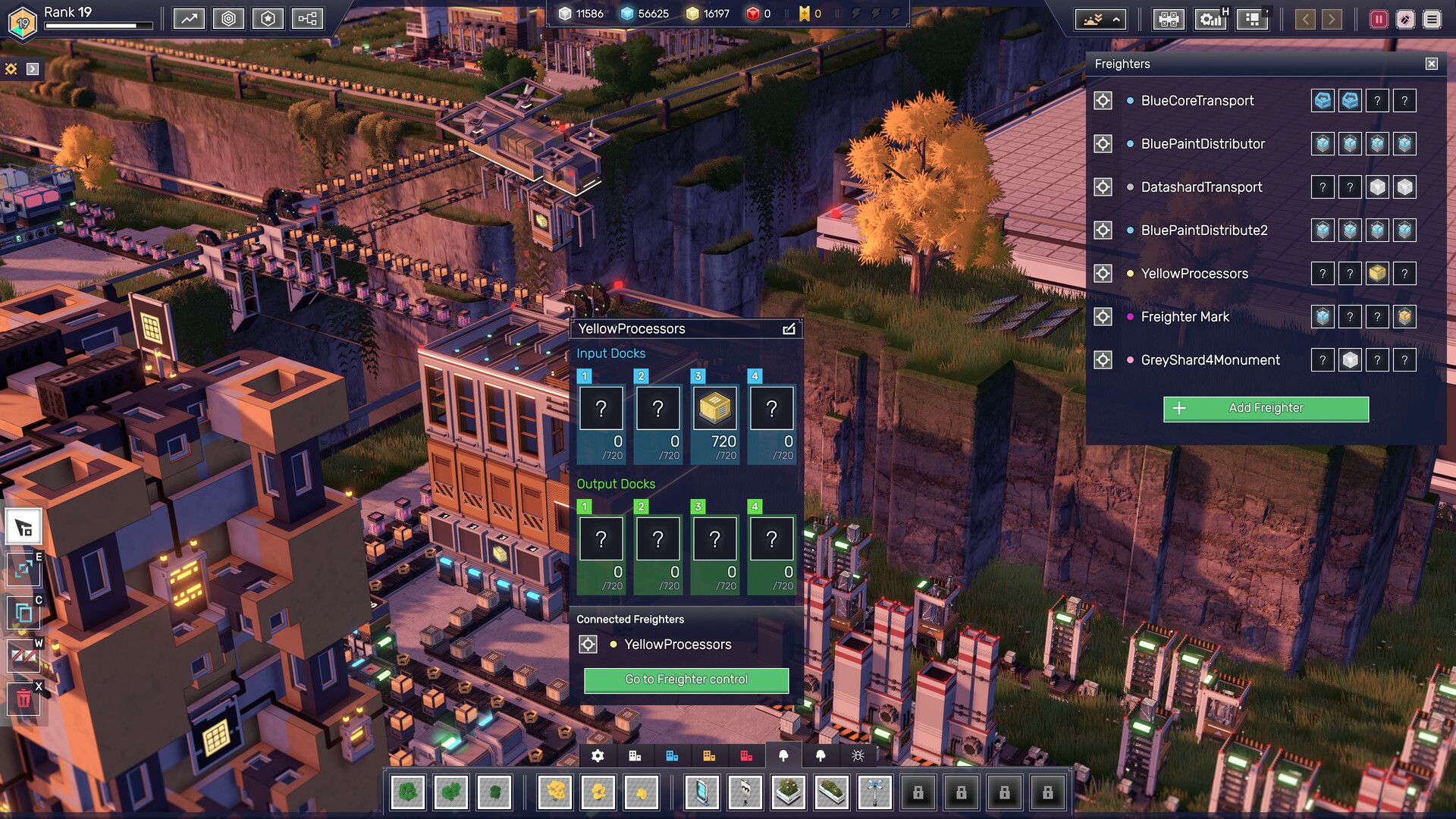
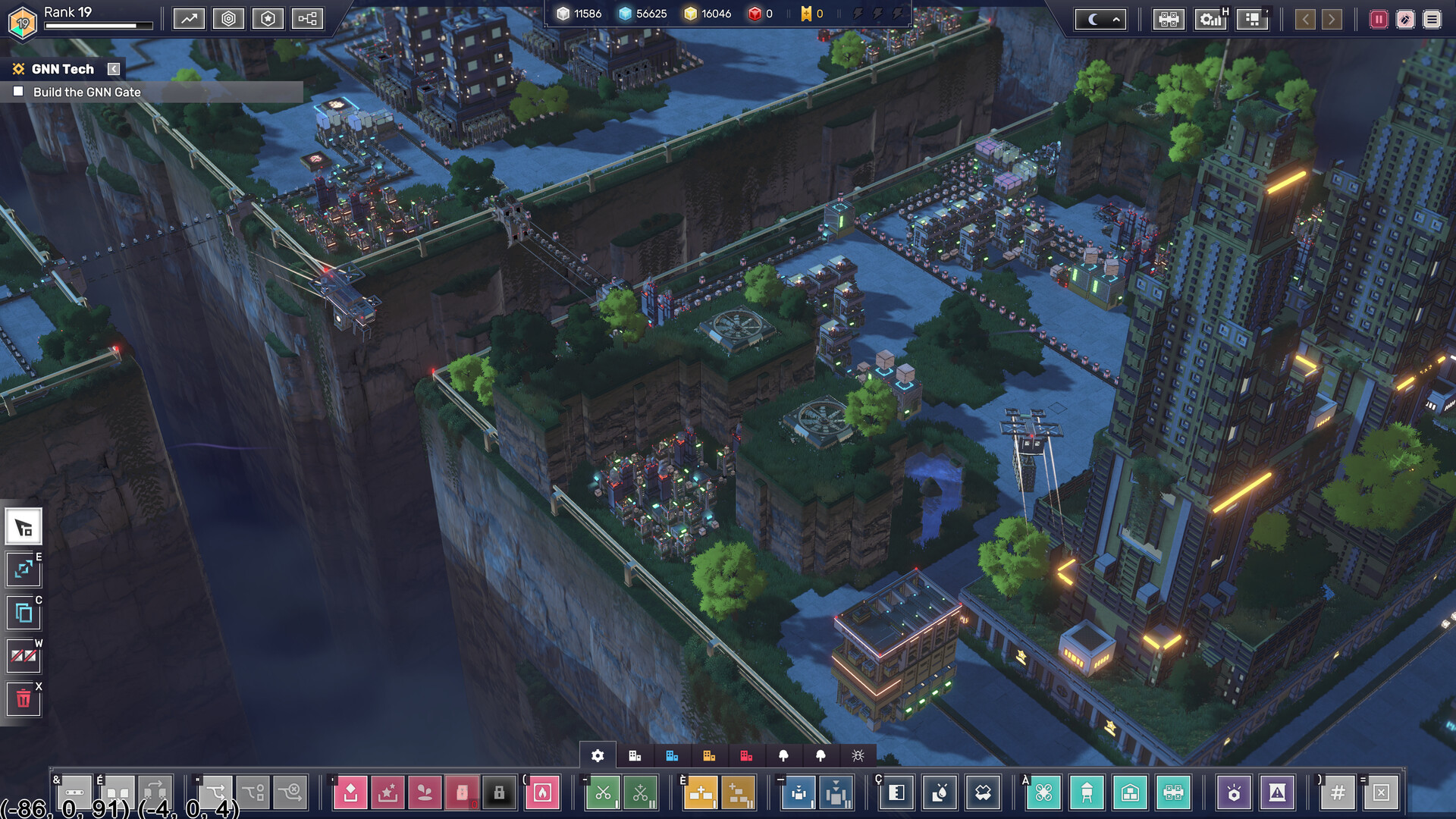
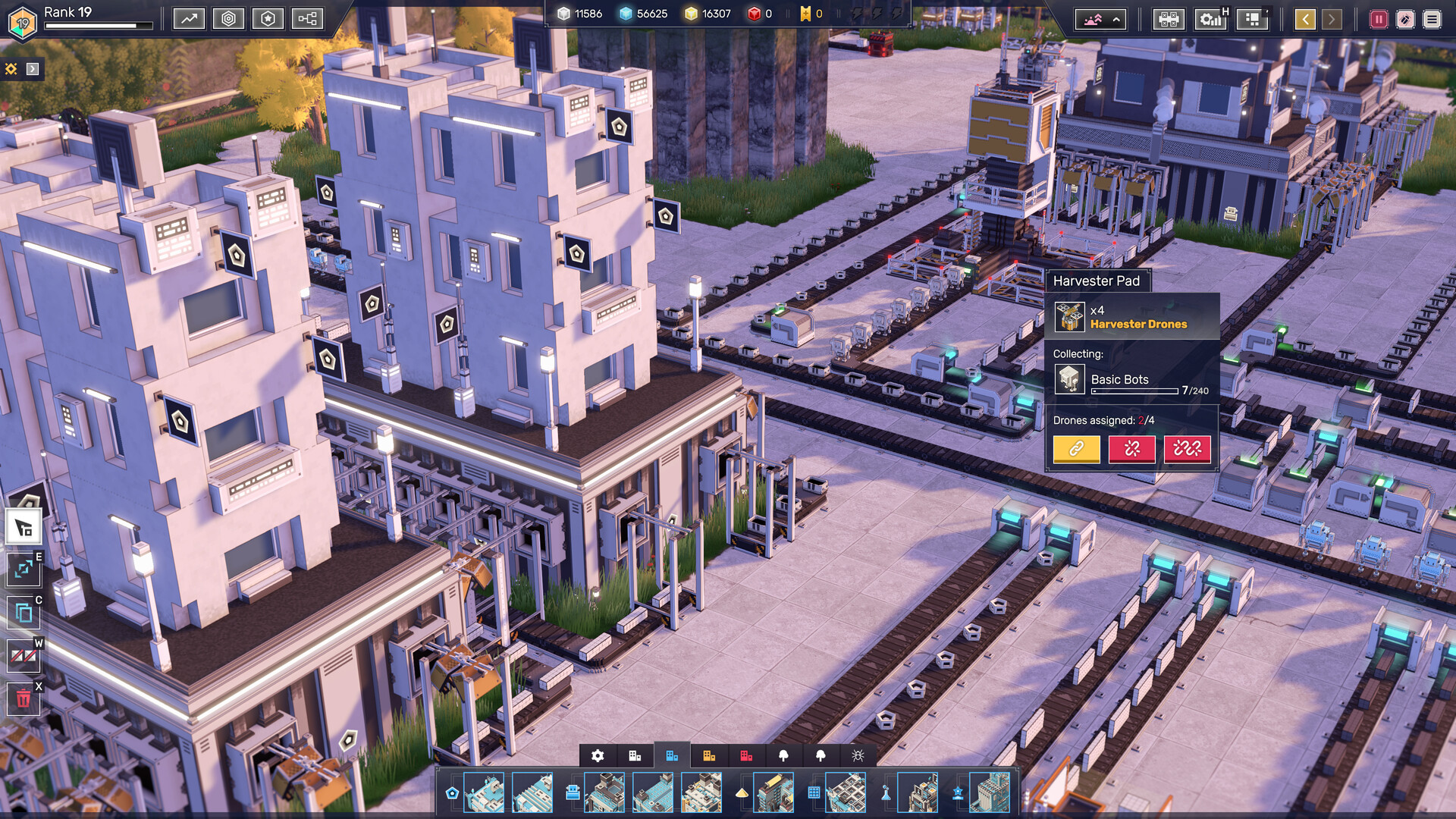
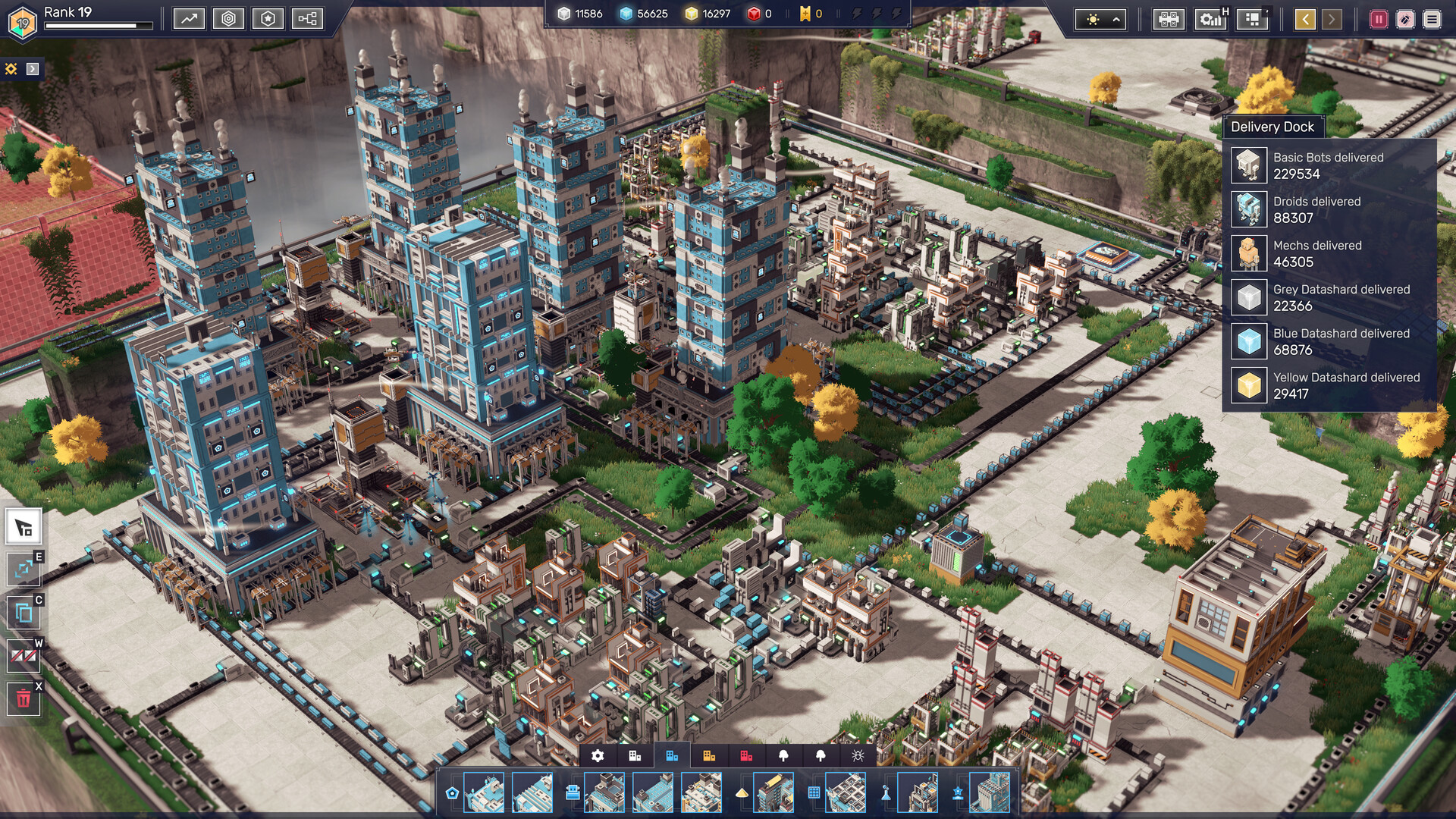
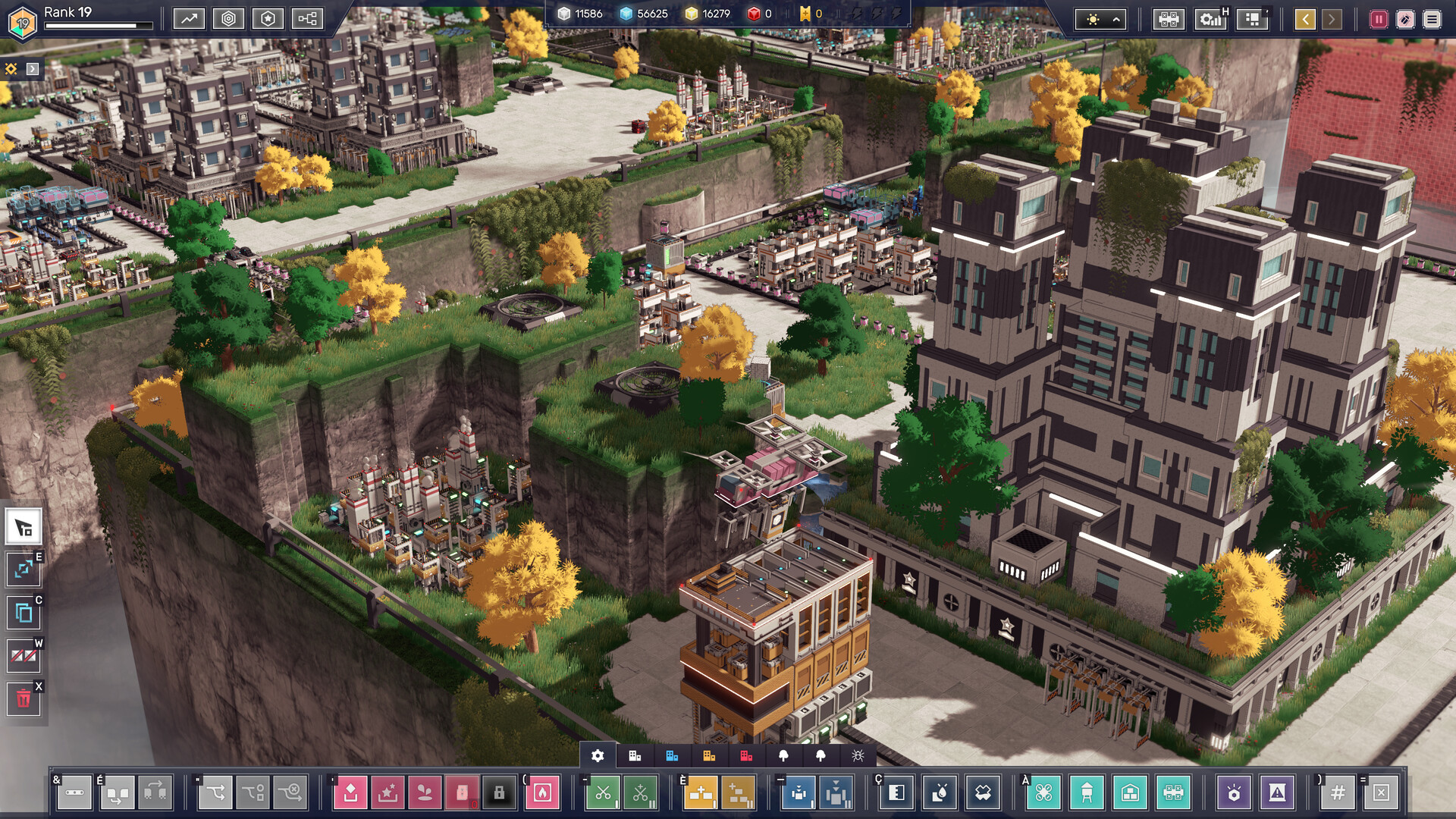
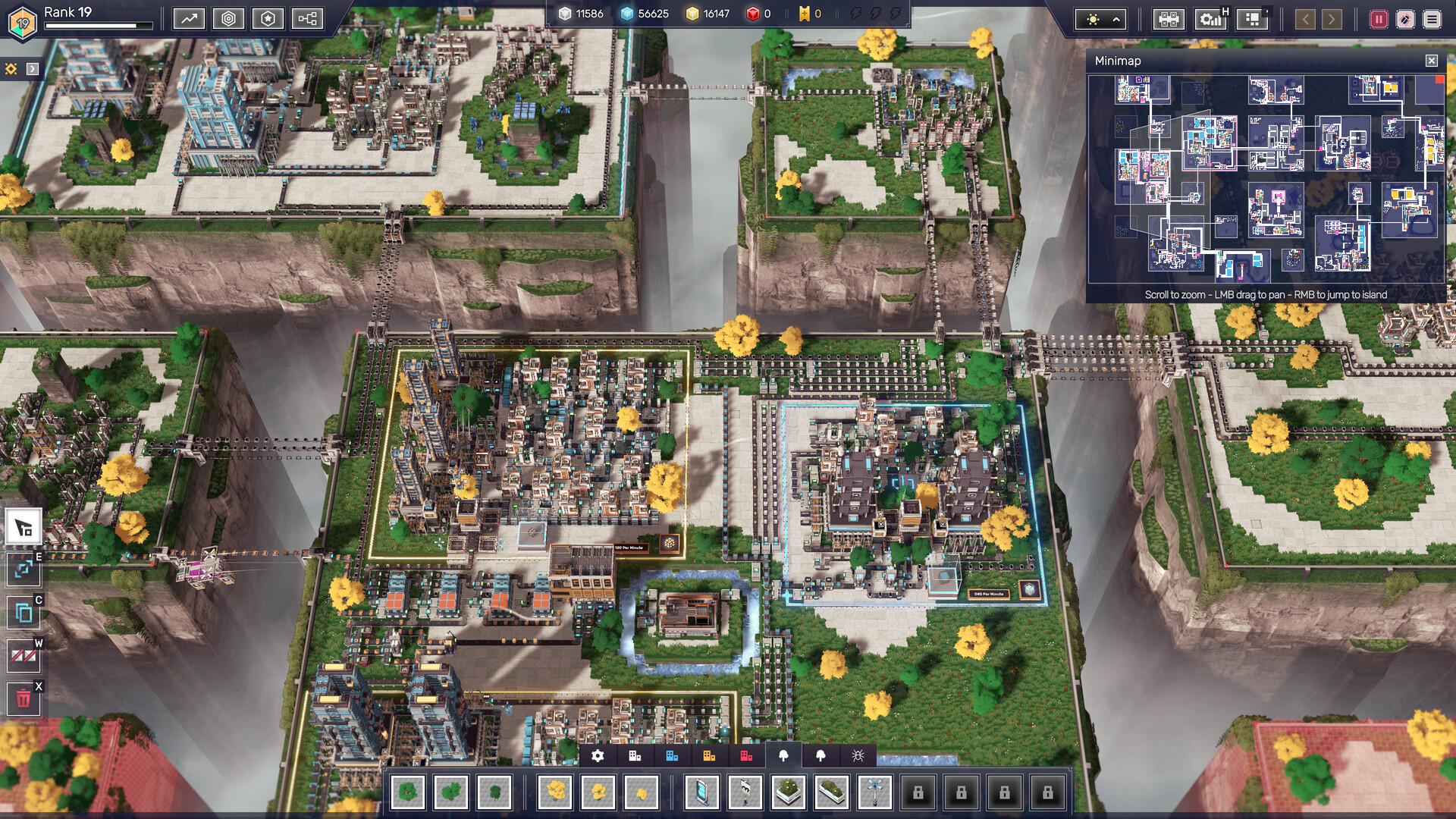
Visually, Modulus leans into a soft solarpunk voxel aesthetic that makes factories feel like curated rooftop gardens. The palettes—especially dusk—are lovely and the decorative elements reward players who care about how their factory looks. Sound design is quiet and supportive; the music sinks into the background and helps long sessions feel relaxing rather than numbing. That said, technical rough patches exist: a number of users report input or performance issues on certain systems (notably some Linux setups via Proton, and a few handheld low-FPS reports). On Windows my playtests were smooth, but the UI and camera feel intentionally restrained—great for clarity, but occasionally limiting when you want cinematic angles. Overall the presentation sells the cozy vibe and makes optimisation look pretty, but expect a few platform quirks depending on your rig.
Modulus is a refreshing, cozy twist on factory automation that rewards creativity as much as efficiency. It’s perfect for players who like tactile design and low-pressure optimization, but those on Linux or low-end hardware should check reported issues first. Highly recommended for fans of Shapez2-style puzzles and anyone who enjoys building beautiful, logical systems.
Pros
- Tactile, modular building where shapes are the puzzle
- Relaxed, no-timer play that's great for creative sessions
- Strong QoL and satisfying iteration loop (design → test → scale)
- Beautiful, cozy voxel/solarpunk aesthetic and calming soundtrack
Cons
- Some platform issues (notably Linux/Proton input bugs and occasional performance hiccups)
- Camera and map limits can feel restrictive for players wanting more freedom
- Progression and world variety could use more replay incentives
Player Opinion
Players are overwhelmingly positive about Modulus’s cozy vibe and the addictive module-design loop. Many reviewers compare it favorably to Shapez2 and other automation classics, praising the creative freedom and excellent QoL features—people love the unlimited resources of Creative Mode and the satisfying small-scale puzzles. Criticisms are consistent: a few users report technical issues on Linux via Proton (notably click-and-drag problems) and isolated performance problems on low-end hardware or handhelds. Others wish for a freer camera, larger or randomized maps in Creative Mode, and a sandbox variant with different challenge seeds. If you enjoy modular puzzle-making and relaxed optimization, multiple reviewers say Modulus delivers countless hours of calm tinkering and neat dopamine hits—if you need rock-solid cross-platform polish, some reports suggest waiting for patches.