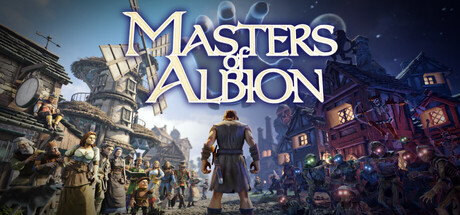




Masters of Albion Review – A Charmed, Janky God-Sim with Big Ambitions
An honest look at 22cans' Masters of Albion: a Fable/Black & White‑tinged god game that charms, frustrates and promises more in Early Access.
I approached Masters of Albion with nostalgia and caution — Peter Molyneux’s fingerprints are all over the pitch, and 22cans is promising a mashup of Fable, Black & White and a pinch of Dungeon Keeper. The opening moments genuinely hit that warm, cheeky tone I wanted: quips, a lively world and the strange joy of nudging villagers. But Early Access is visible in the seams: performance hiccups, occasional soft‑locks and gameplay systems that feel partly sketched are common. Still, if you love the idea of being a flawed but lovable god who bakes rat pies and zaps zombies at night, there’s a curious charm here worth exploring.
Hands‑On Townkeeping and Mischief
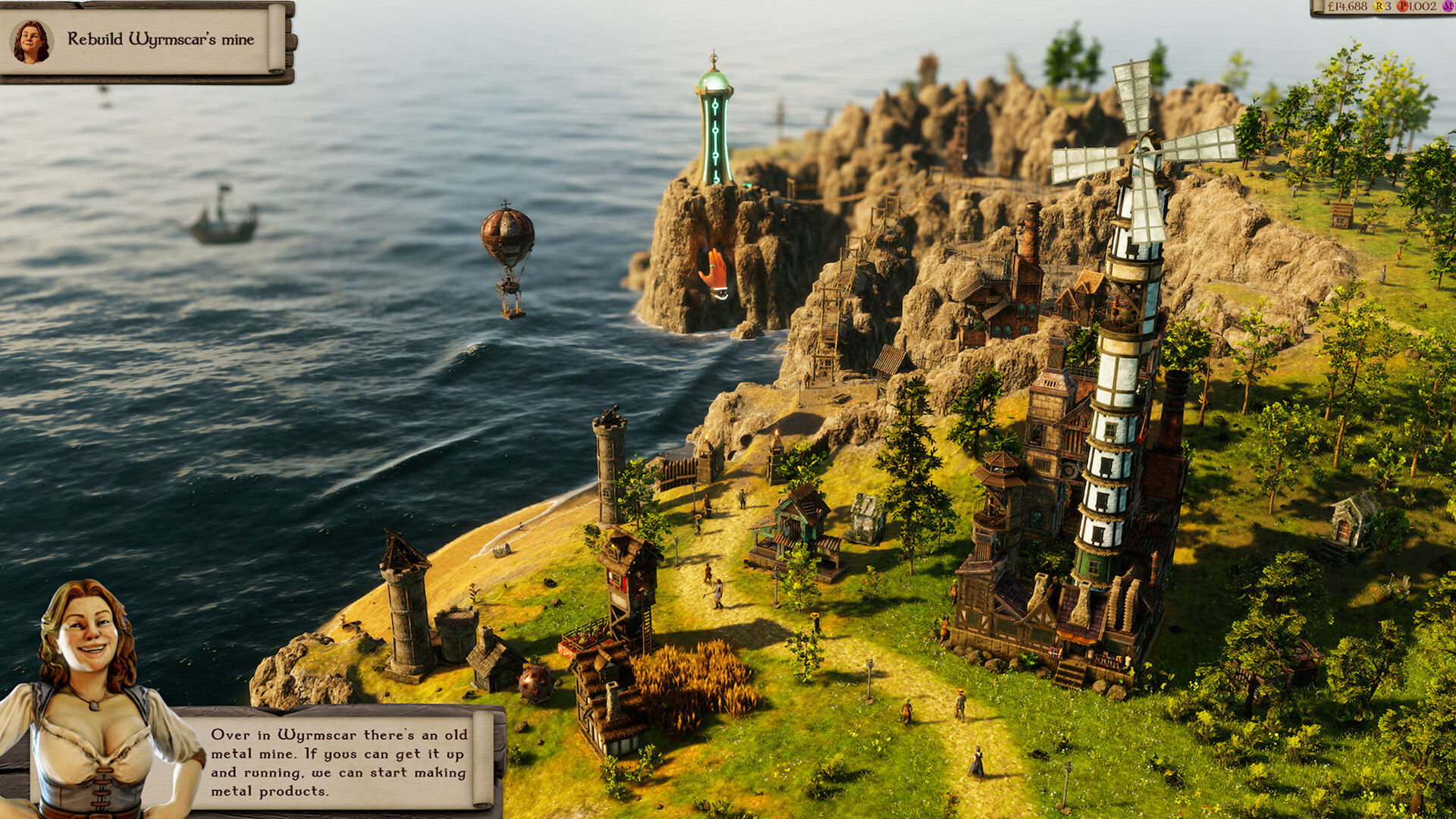
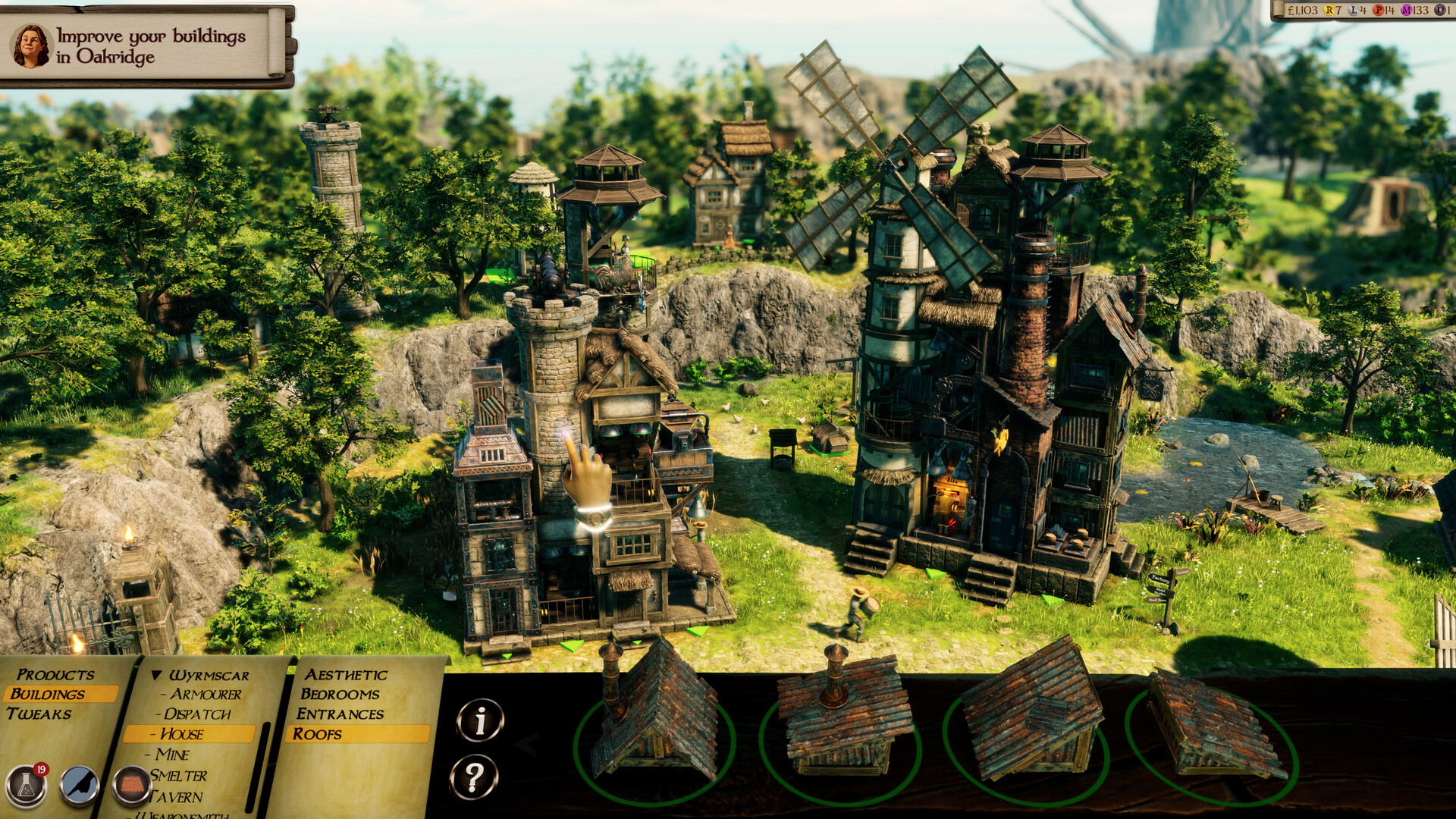
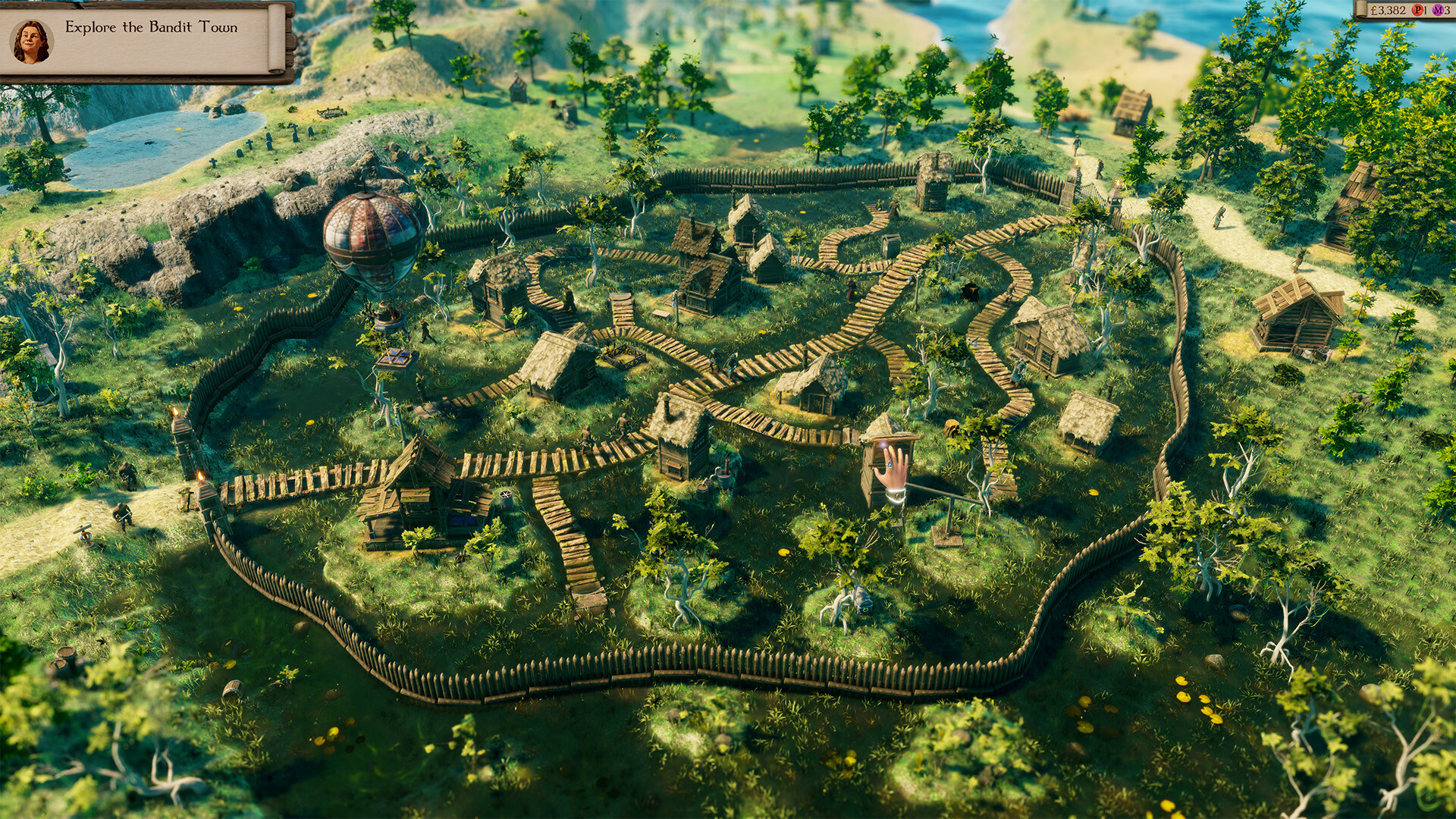
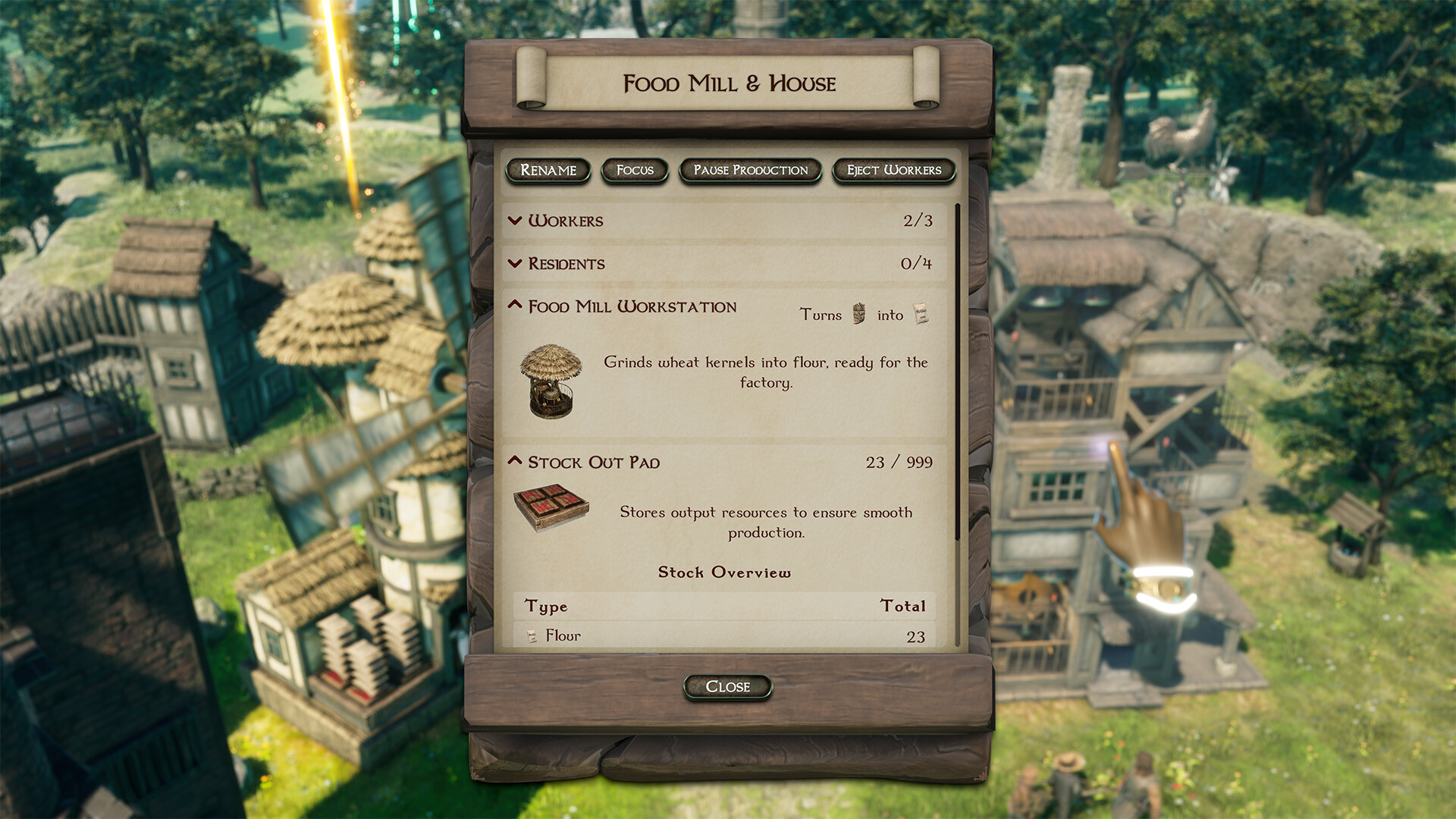
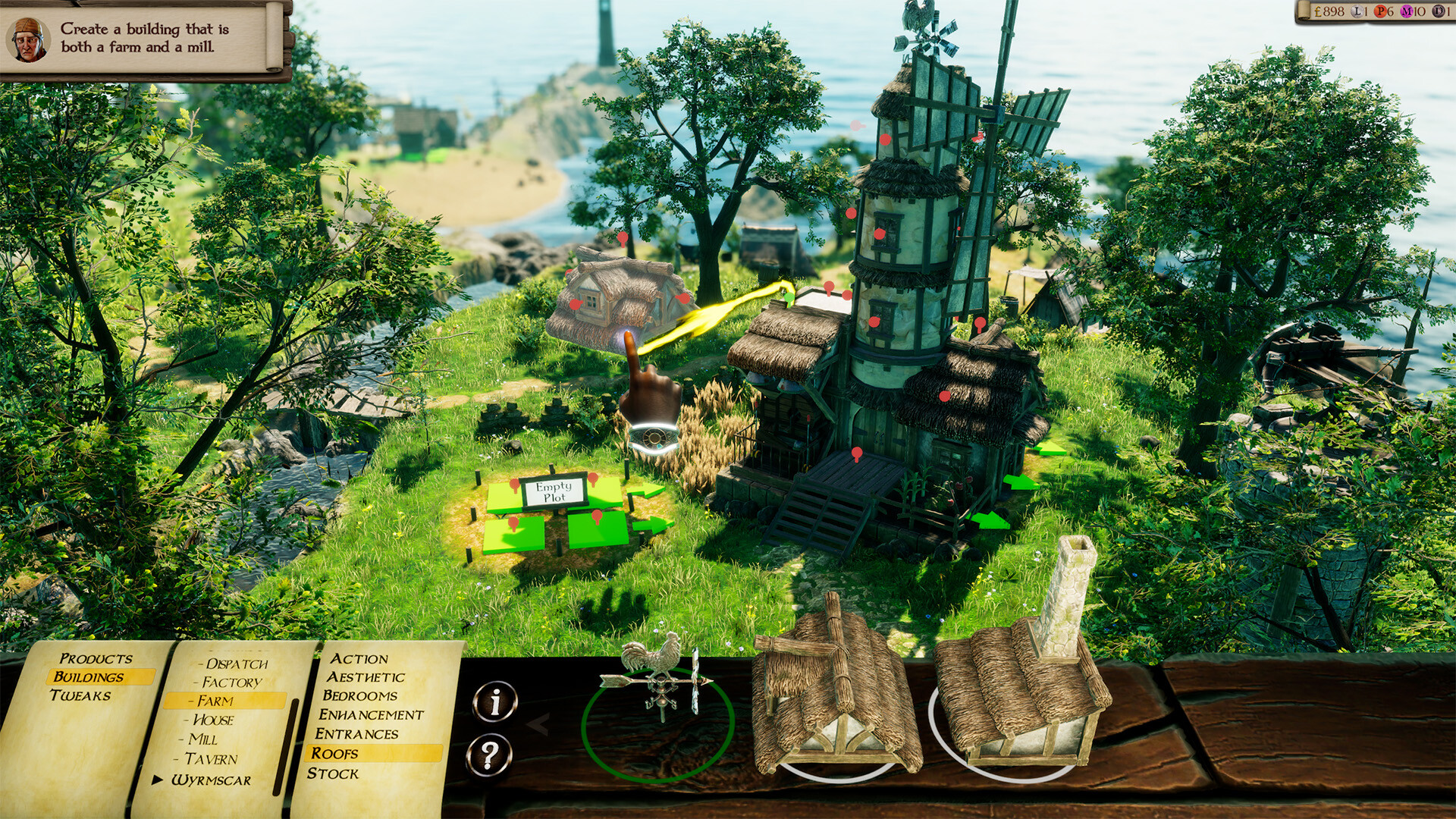
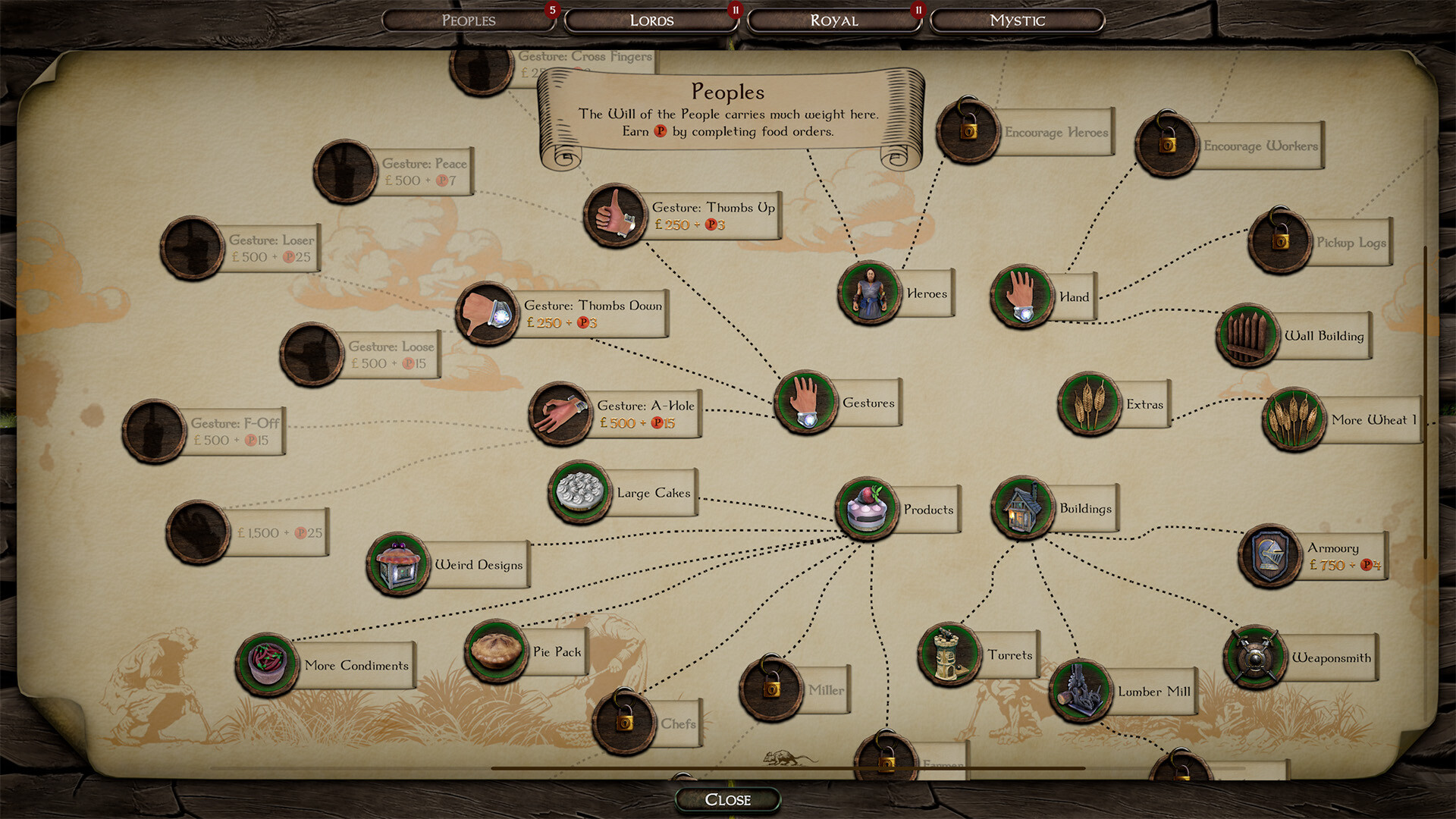
The core loop puts you in the uncomfortable shoes — er, glove — of a god who builds, nudges and sometimes physically tosses citizens into more productive positions, and you spend much of your day designing buildings, assigning workers and fulfilling orders for the market, which funds your divine upgrades, and yes, a lot of those orders are food items that require manual assembling in a mini‑game that feels oddly tactile and repetitive at the same time. Production buildings are modular rather than freeform — you expand plots, snap parts together and watch the economy tick, but the snap system can feel restrictive and the game often auto‑places things in ways that rob a little of creative freedom. During daylight I found myself toggling between micromanaging workshops and stepping in with the God Hand to speed up slow machines or tidy up logistics, and that mixture of macro and micro control is occasionally rewarding when it clicks. There’s genuine satisfaction in designing a compact production chain that actually services a town order, but the repetition of making sandwiches, pies and soups for dozens of contracts can become busywork if you don’t pace yourself.
When Albion Asks for Your Weirdest Solutions
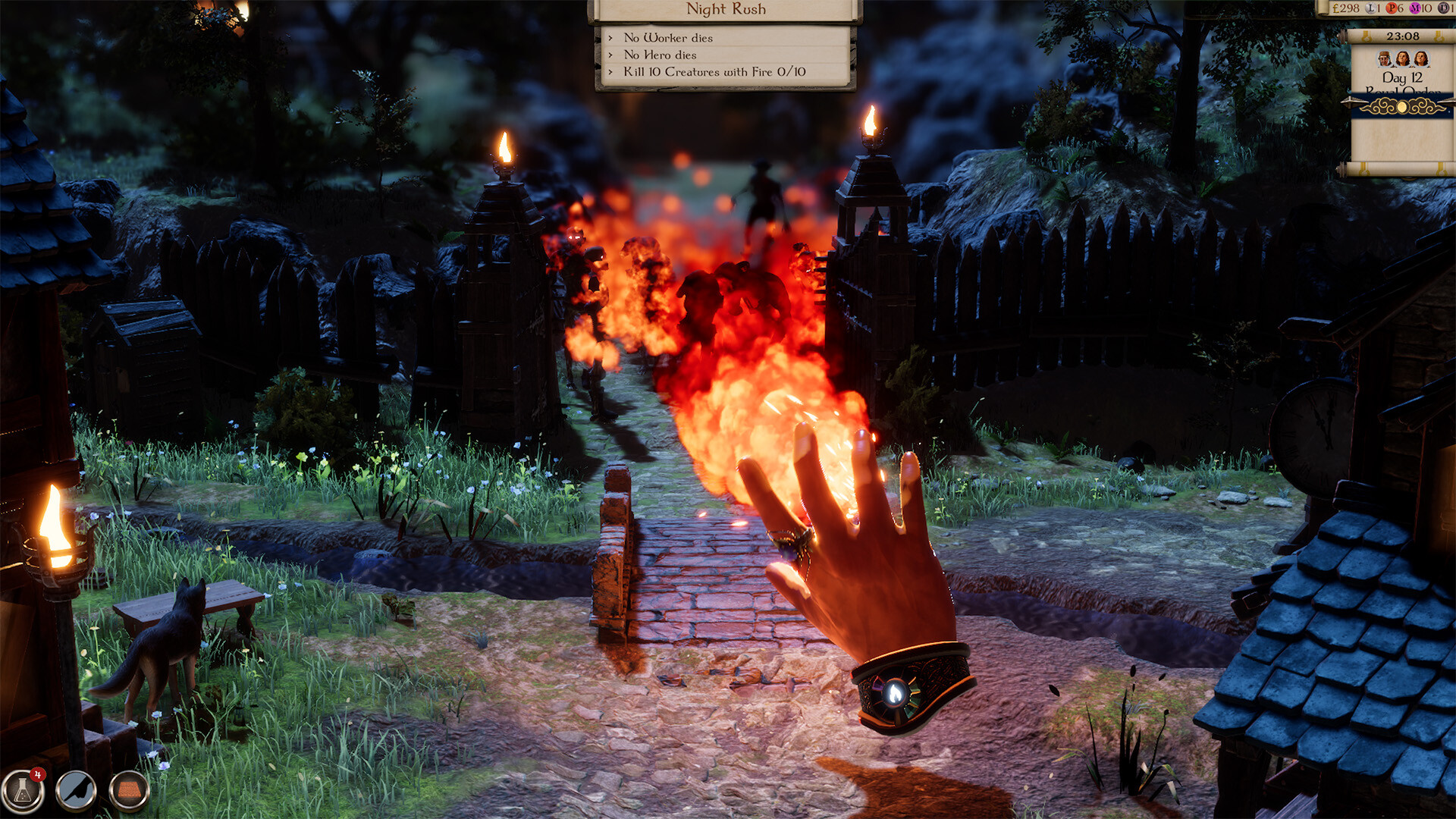
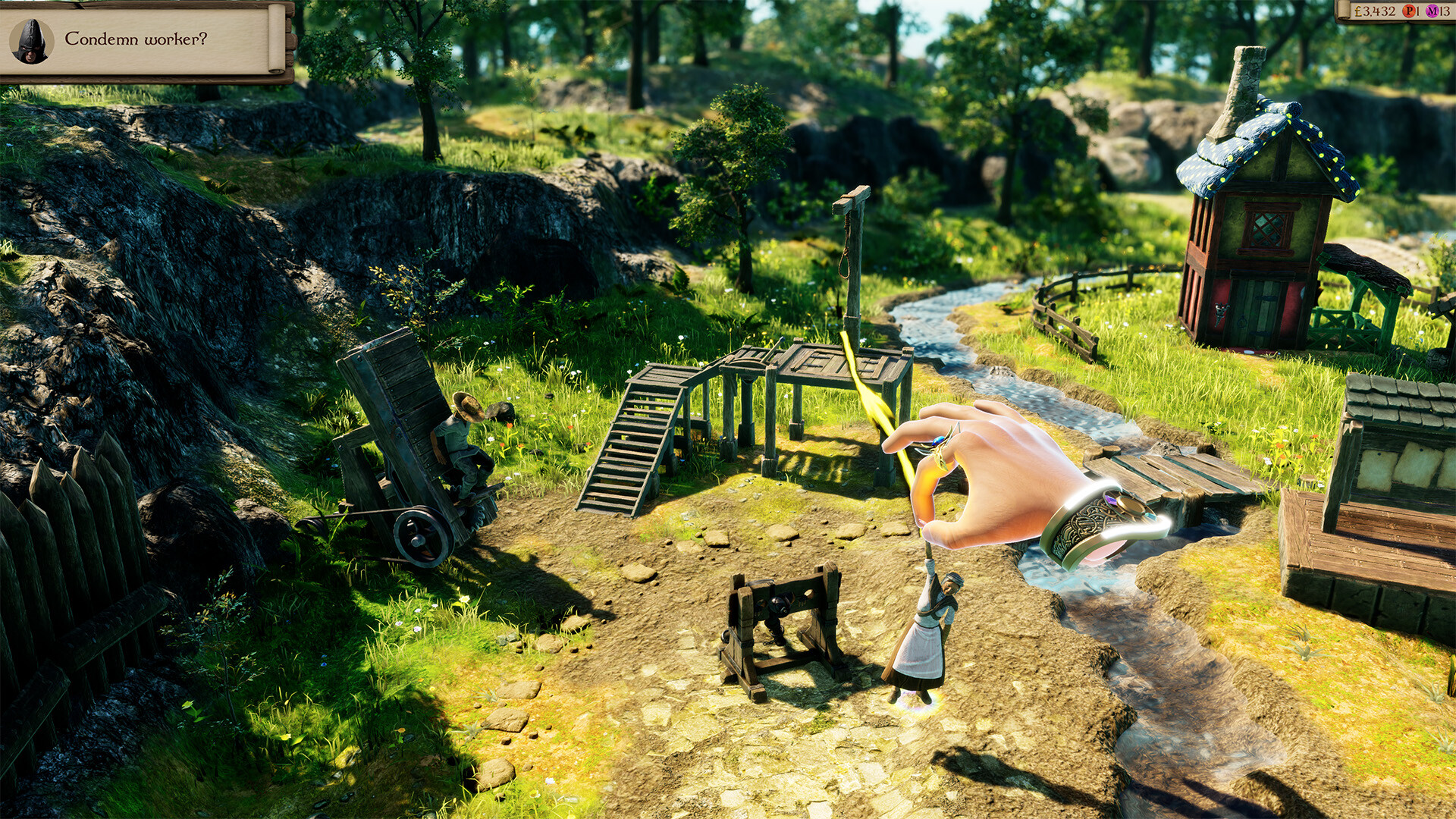
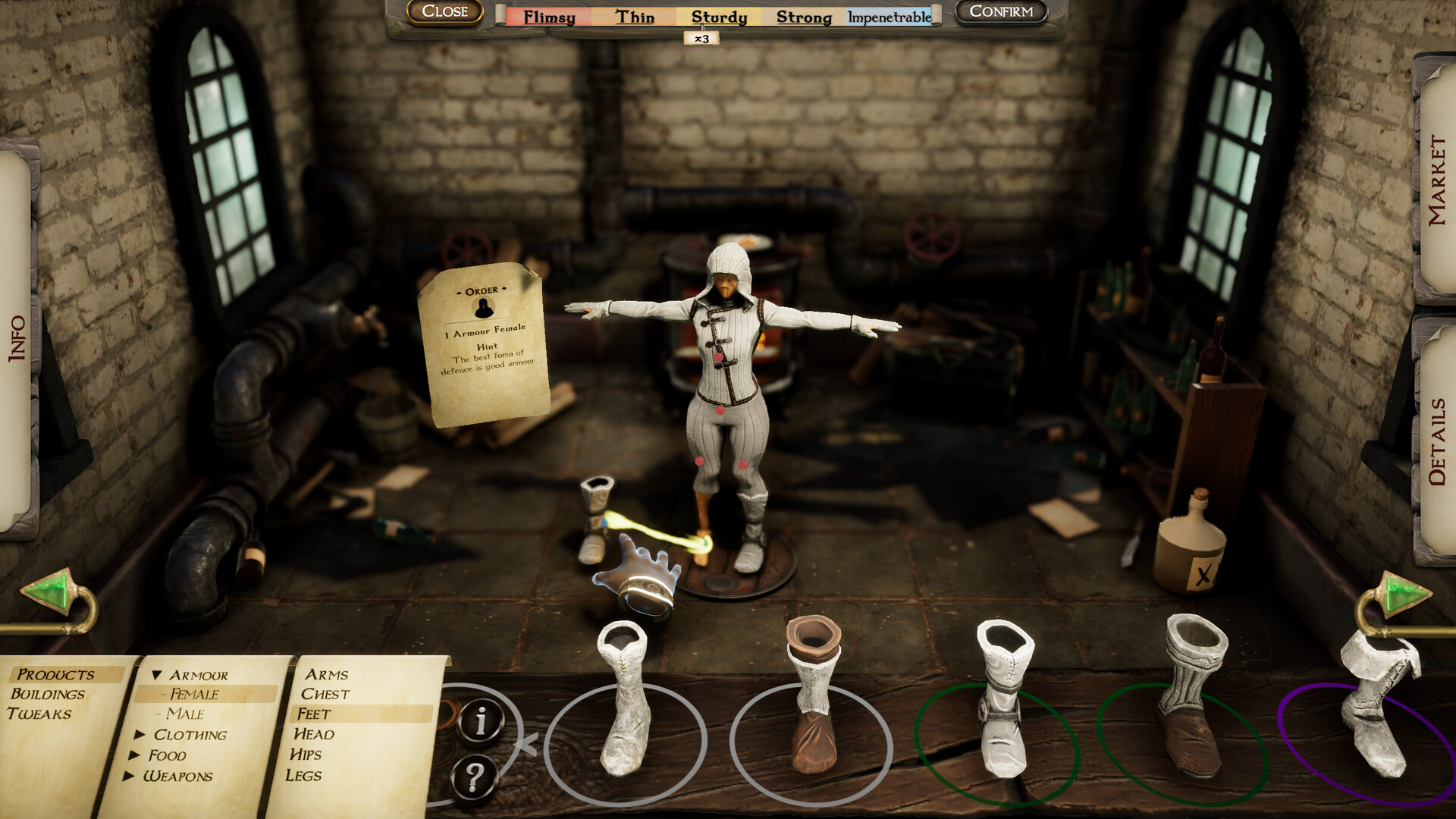
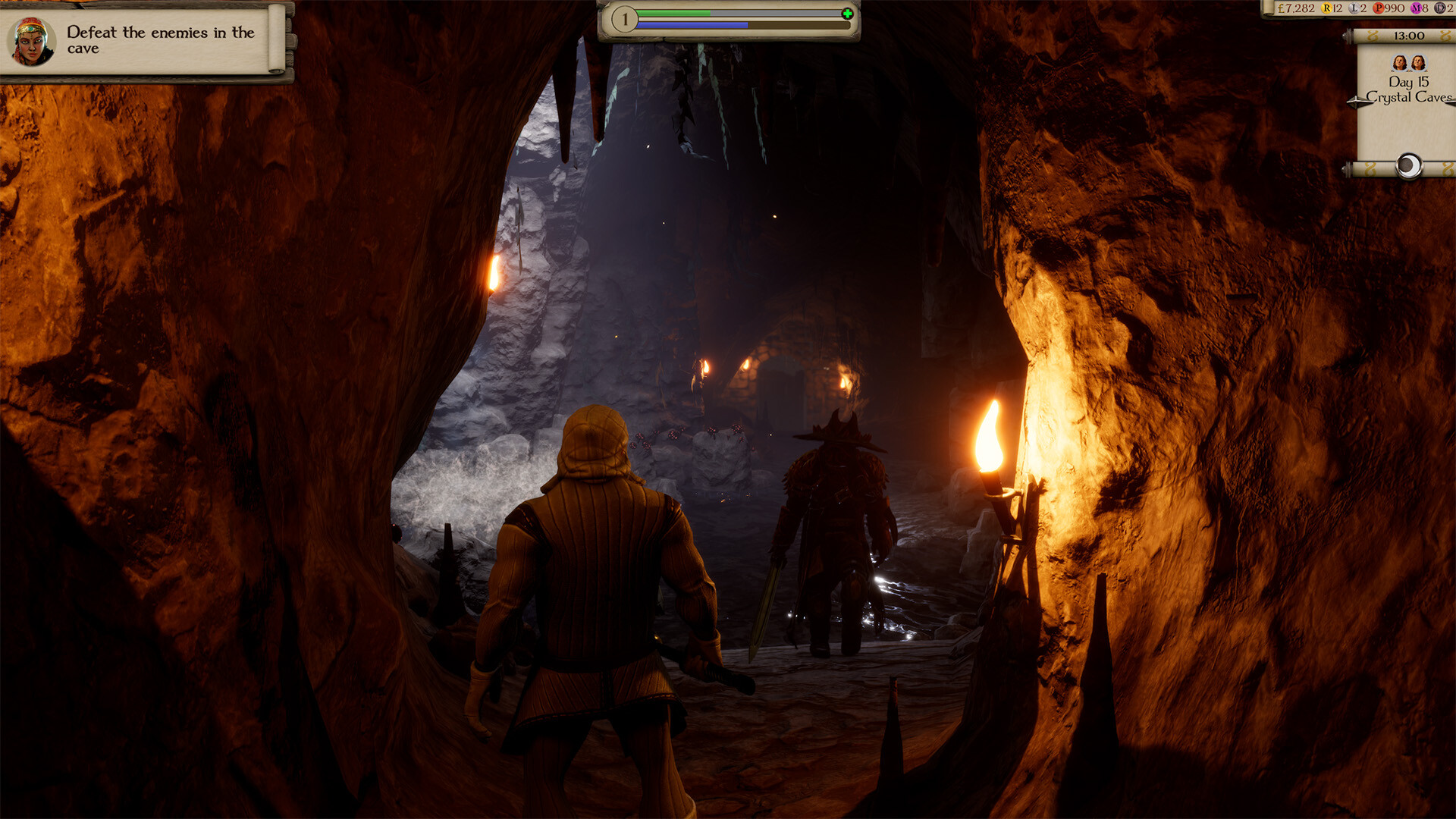
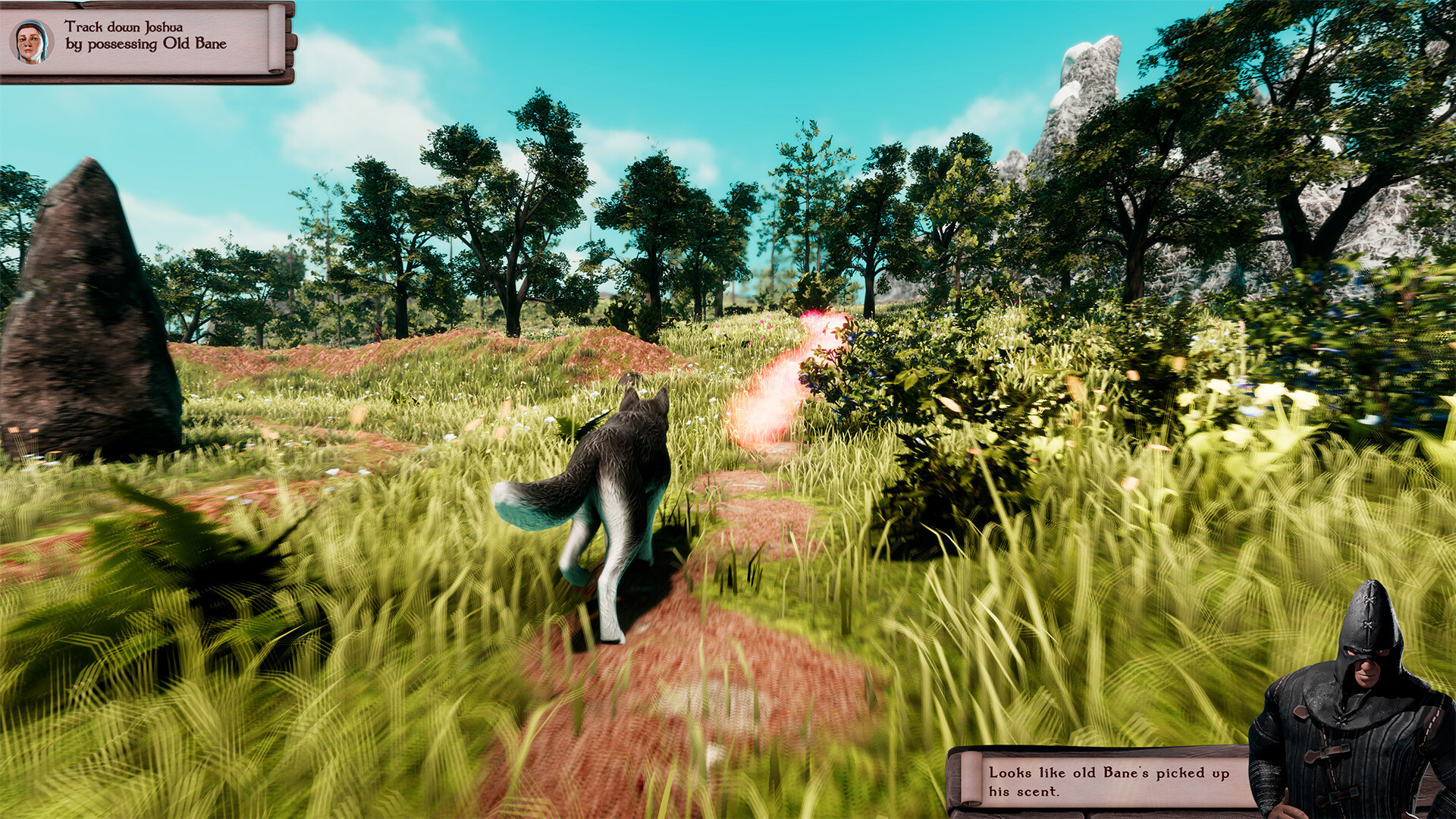
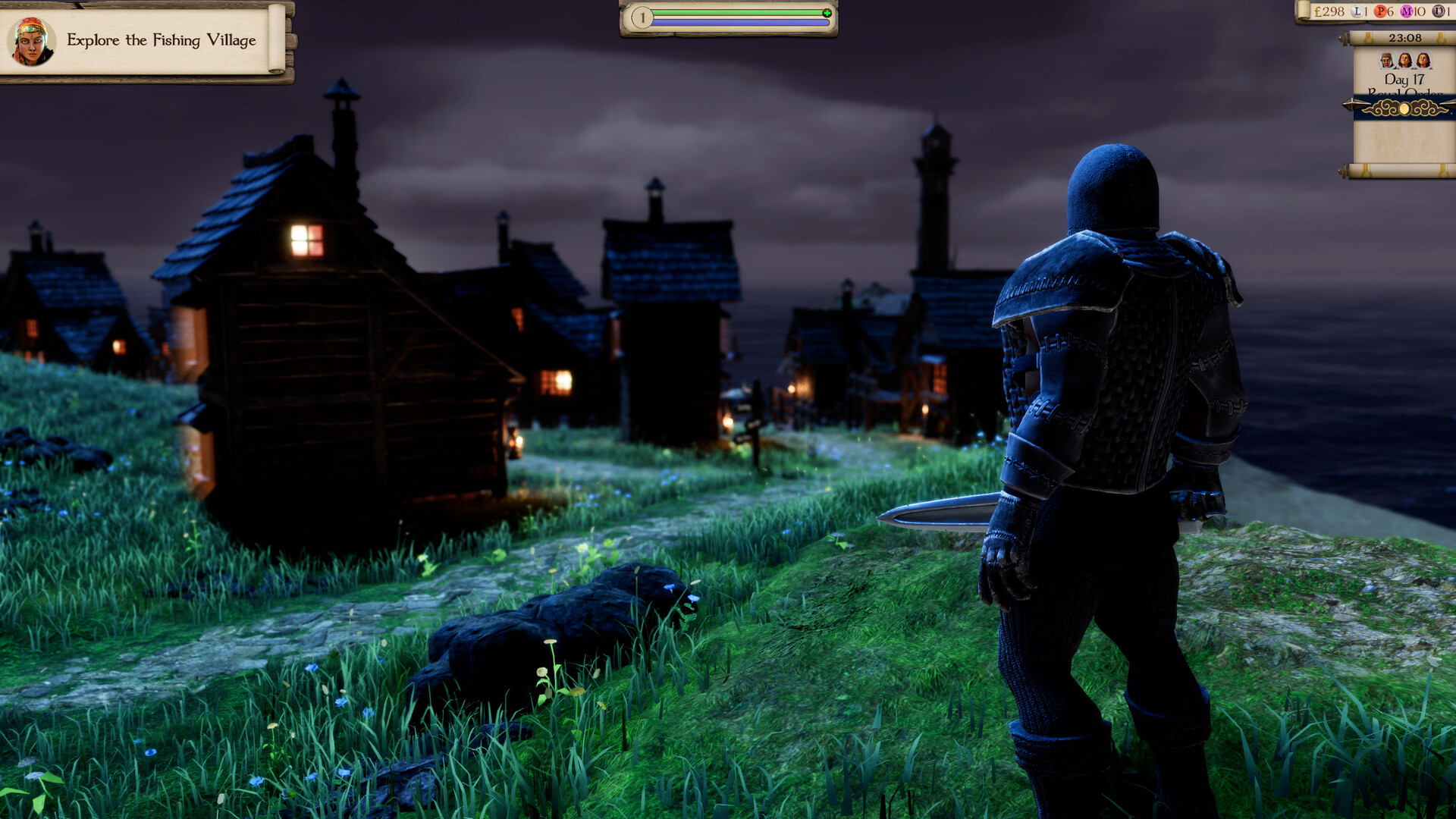
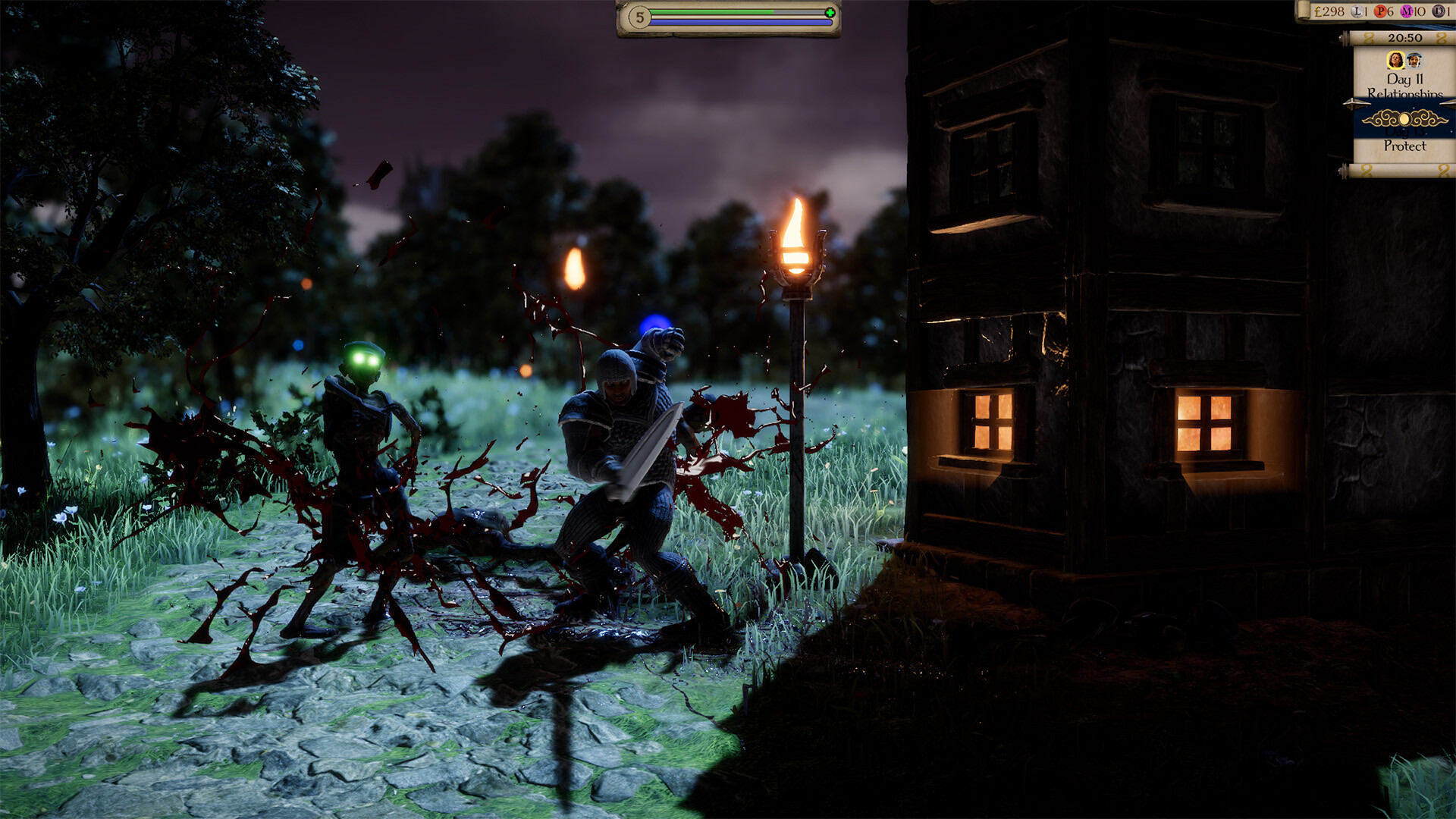
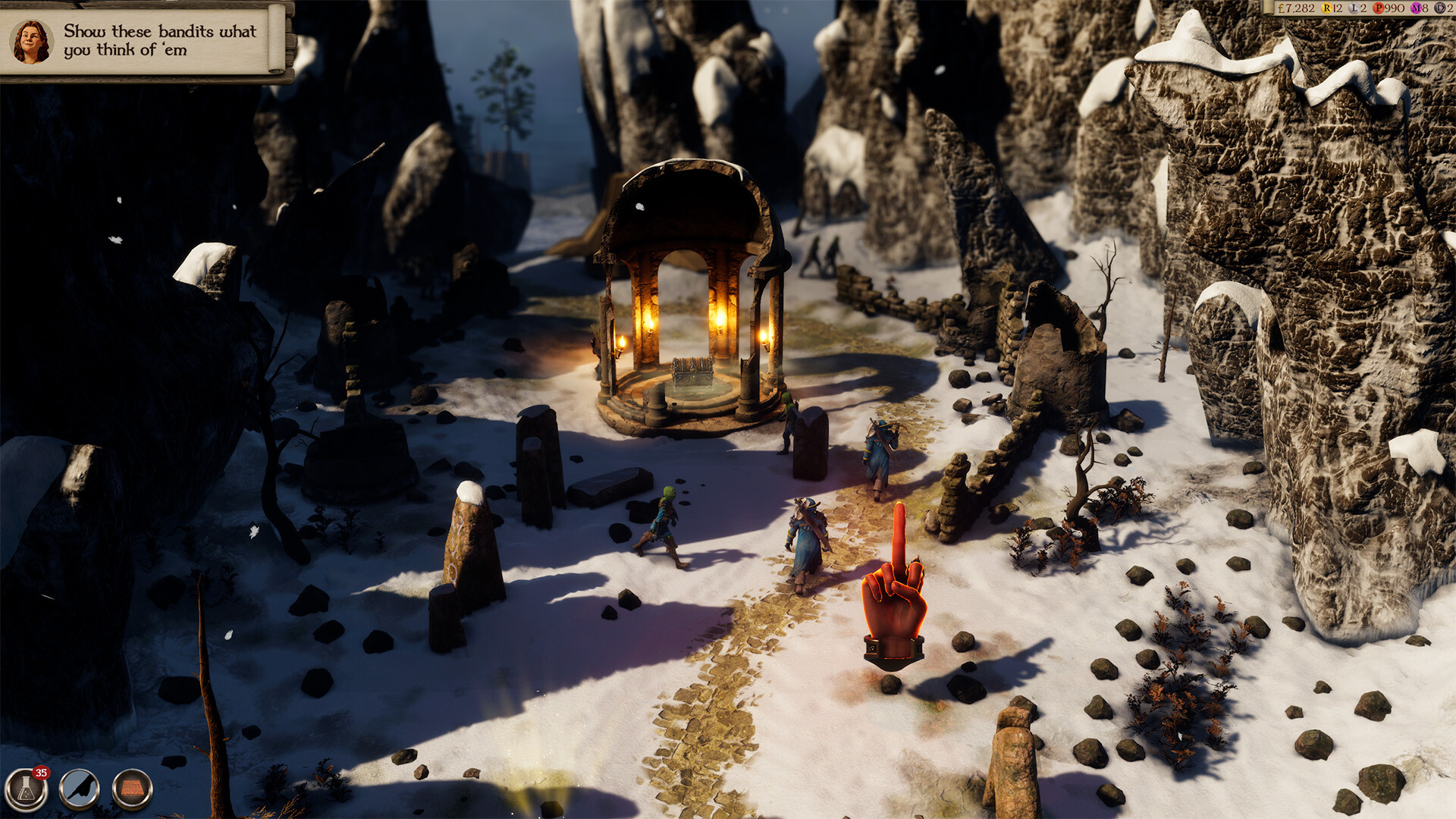
What separates Masters of Albion from a straightforward town sim is how it folds in hero play, possession and direct godly intervention: you can inhabit heroes, equip them with crafted weapons and run quests in third person, or you can remain an omniscient hand and fling boulders, zap foes with lightning and chuck barrels at incoming hordes, and I loved that the game lets you switch roles mid‑encounter. Nights are essentially tower‑defence style events where your layout, turrets and hero placement are tested and where the God Hand becomes a literal emergency button, but these attacks can spike unpredictably and sometimes feel poorly telegraphed which leads to frustration more than drama. The crafting mini‑games for weapons and armor tie into hero power growth but feel underbaked at times — they’re clever ideas that need tuning so they stop feeling like filler and start feeling strategic.
A Cheeky World, Janky Frame
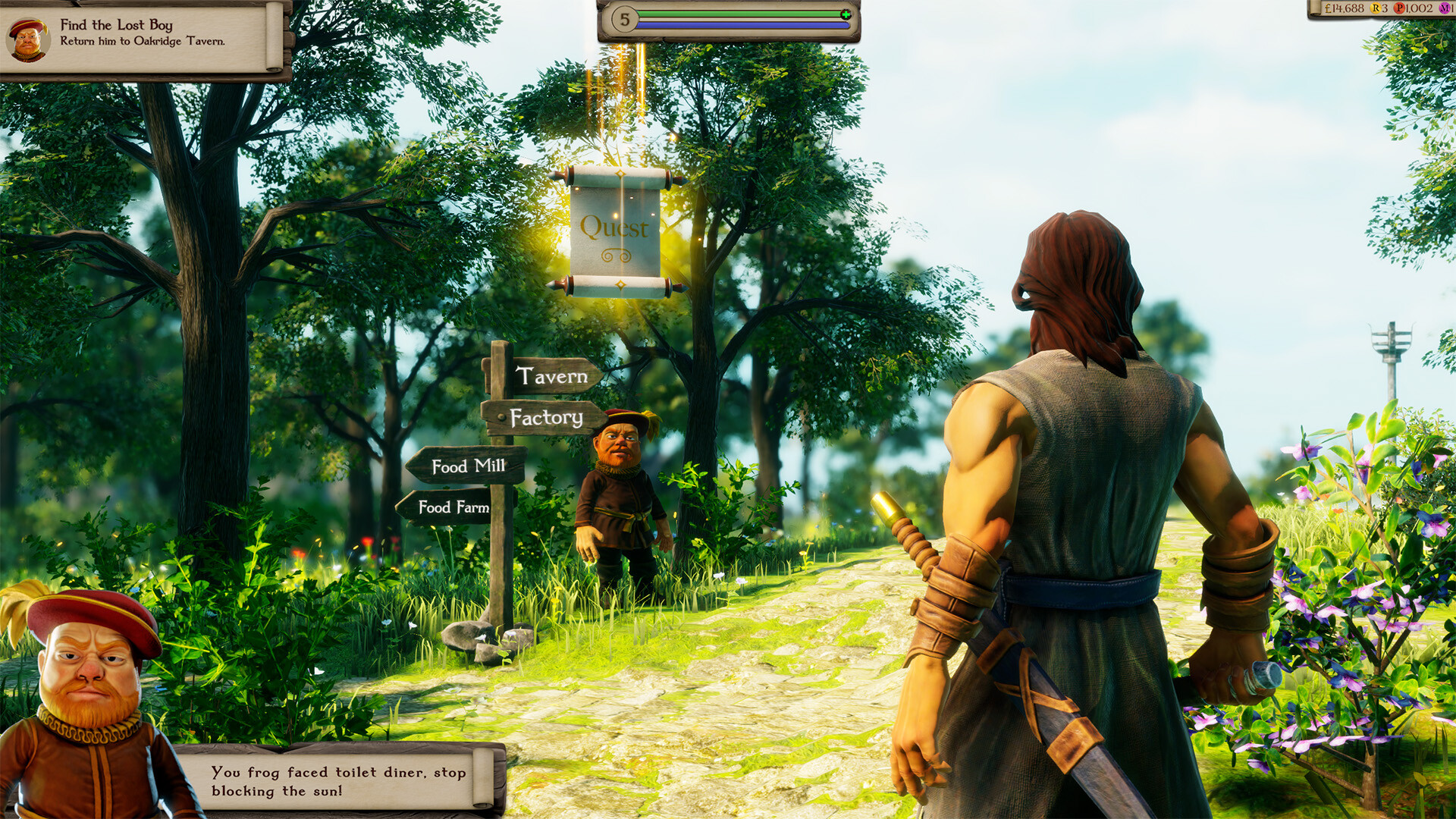
Graphically the style leans into a bright, slightly cartoony palette that’s heavy on charm rather than fidelity, and I was often smiling at little Fable‑esque jokes and gargoyle insults, but the presentation is marred by inconsistent optimization, pop‑in and UI scaling issues on different resolutions, which can break immersion pretty fast if you hit stutters or a crash. Audio and writing are surprisingly good: voice lines and British‑tinged humor sell the world when mechanics lag, and the soundtrack does a fine job of keeping things sprightly. Accessibility options are limited at the moment, and control feel — from picking up objects to snapping buildings — sometimes lacks responsiveness, but I’ve seen the devs acknowledging these issues and rolling updates in Early Access, so if you’re willing to live with a few rough edges there’s a lot of personality under the hood.
Masters of Albion is a love letter with smudged ink: it captures the spirit of classic god games and delivers genuine moments of whimsy, but Early Access reveals noticeable roughness — from performance to repetitive loops and occasional bugs. I recommend it if you enjoy being part of a game’s growth, love Fable/Black & White nostalgia, and don’t mind tuning in for patches; otherwise wait a few months for optimization and quality‑of‑life fixes. For me, it’s worth keeping an eye on, and I’ll be back to see it grow.
Pros
- Genuine Fable/Black & White charm and humor
- Fun mix of god hand play, hero possession and town management
- Creative crafting and modular building ideas
- Active developer communication and visible Early Access roadmap
Cons
- Performance and optimization problems on launch
- Repetitive crafting loop (lots of food orders)
- Restrictive snap placement and occasional soft‑locks
Player Opinion
Players are split but clear themes emerge: fans of Lionhead era games praise the tone, humor and the nostalgic blend of Fable and Black & White, often mentioning how the writing and little jokes keep them invested. Many players also highlight real potential in the crafting systems and hero progression, saying the foundation is promising and that regular patches would push it into something special. On the flip side, a loud portion criticizes the performance: stutters, crashes and poor optimization are repeatedly flagged, and several users report annoying progression bugs and restrictive building mechanics that can even soft‑lock tutorials. If you enjoyed Black & White or Fable, you’ll likely find moments of joy here, but expect to tolerate rough edges until the game is polished.