





Wireworks Review — Roguelike Auto-Battler with Mad-Scientist Wiring
A hands-on look at Wireworks: a wire-driven base-defense roguelike where you tinker, wire and automate to survive. Deep buildcraft meets chaotic, addictive runs.
I didn’t expect a game about connecting wires to scratch such an itch, but Wireworks somehow did. On paper it’s a base-defense auto-battler with roguelike loops, but in practice it feels like playing electronics with magic items — and I loved every minute. If you’ve ever enjoyed Vampire Survivors’ ’one-more-run’ draw or the thrill of puzzle-y build crafting, Wireworks merges both into a neat little toybox. It’s approachable on lower difficulties yet maddeningly deep when you push the harder Ascending modes.
Circuitry on the Front Line
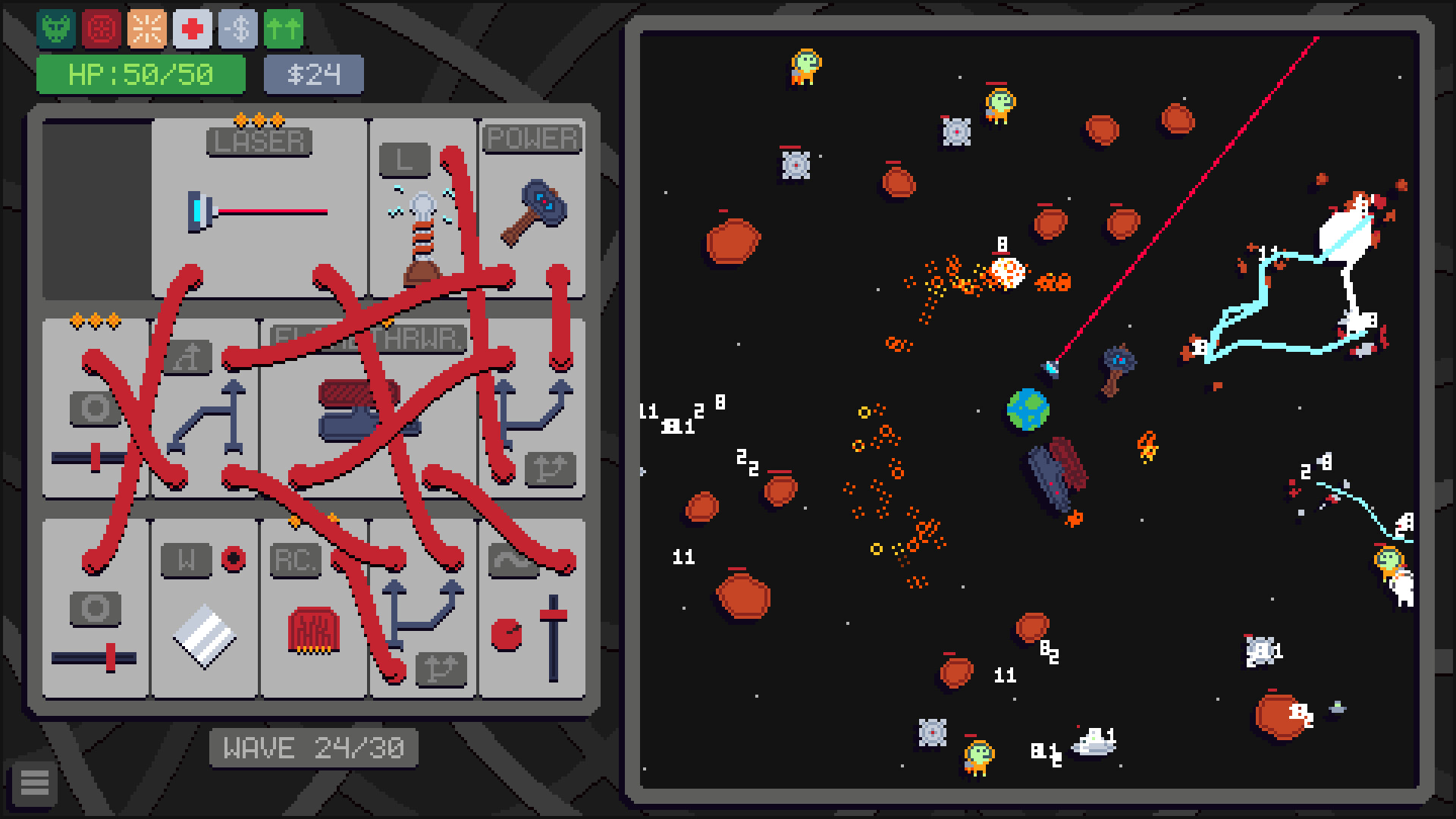
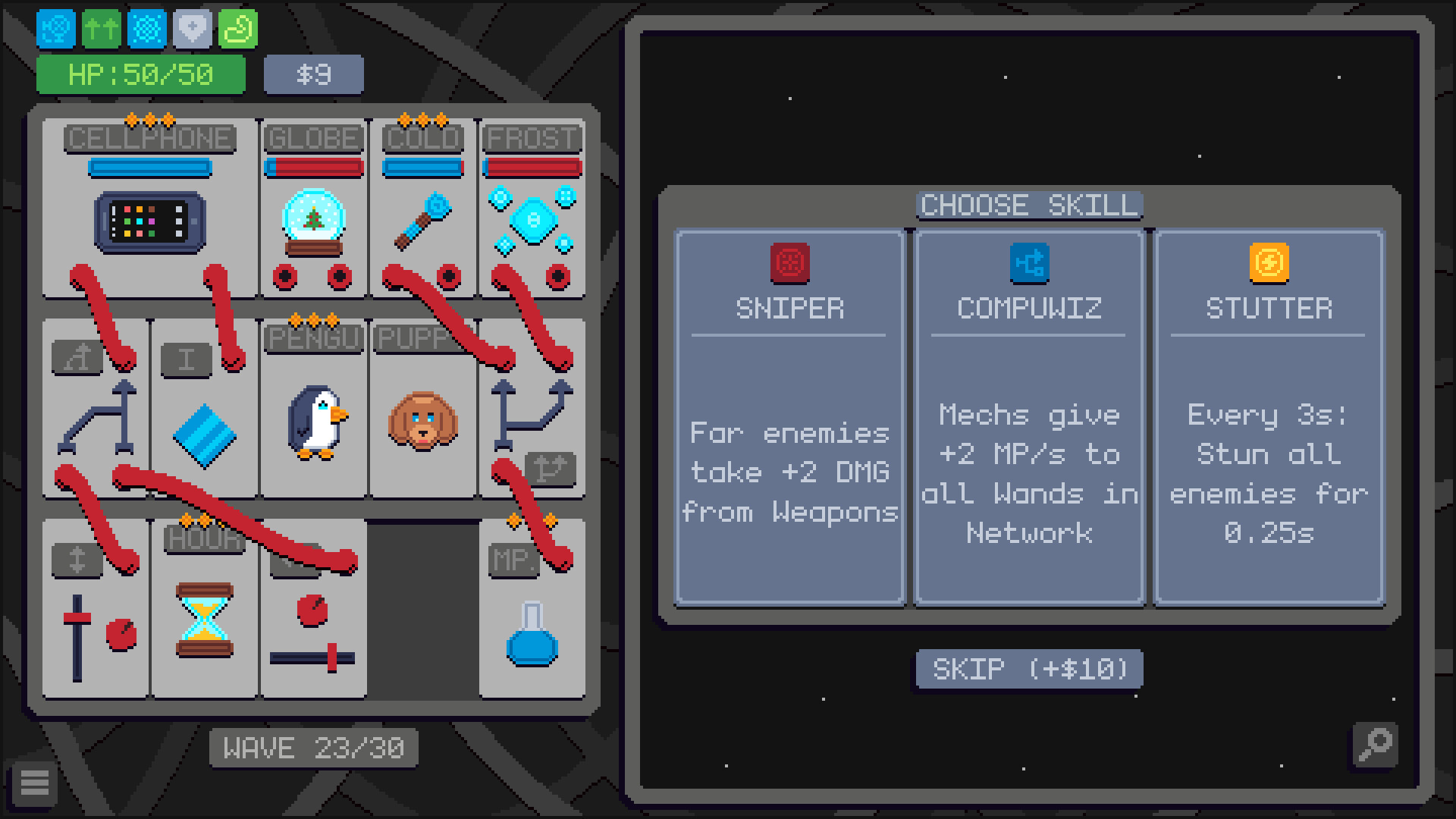
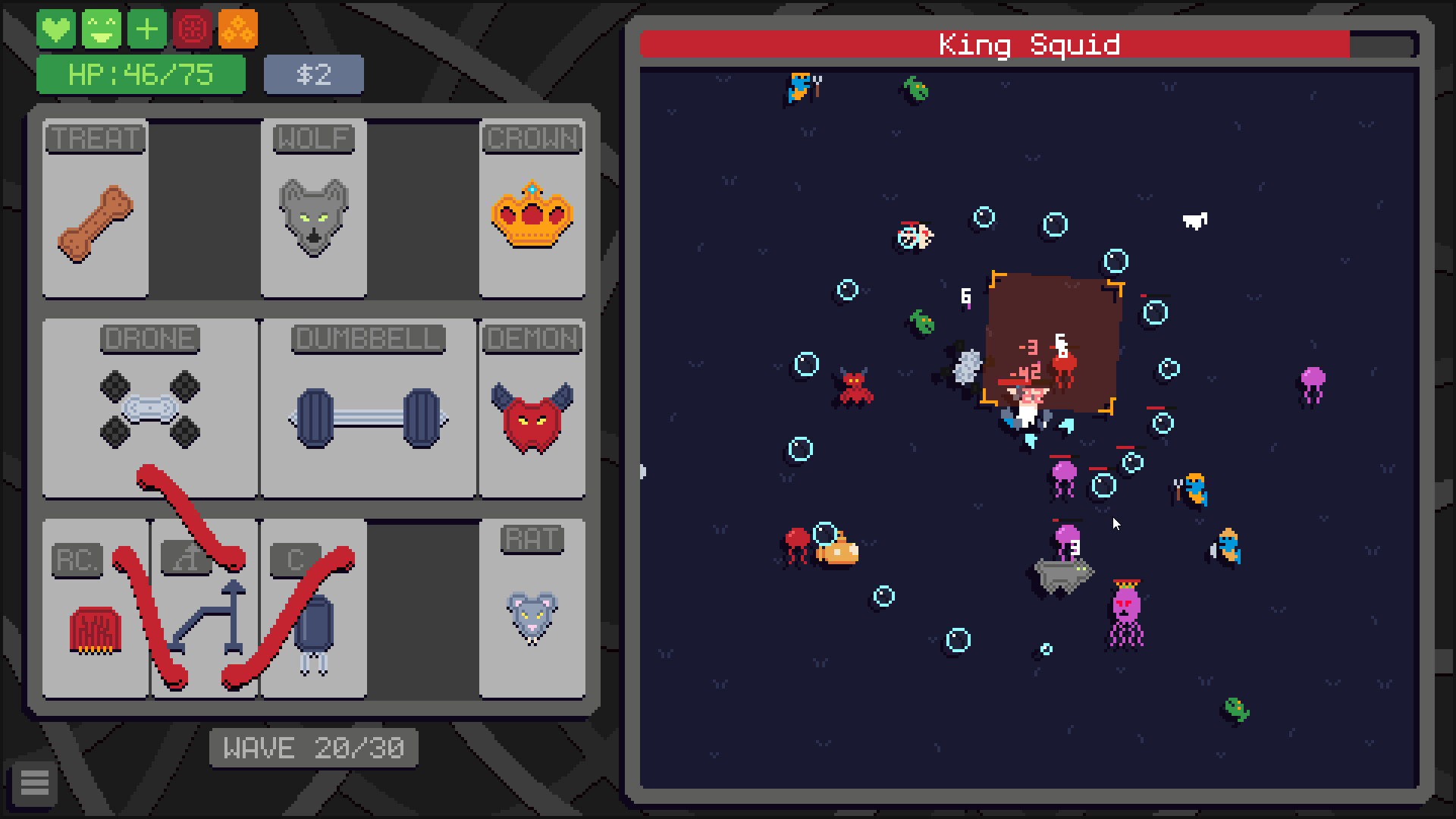
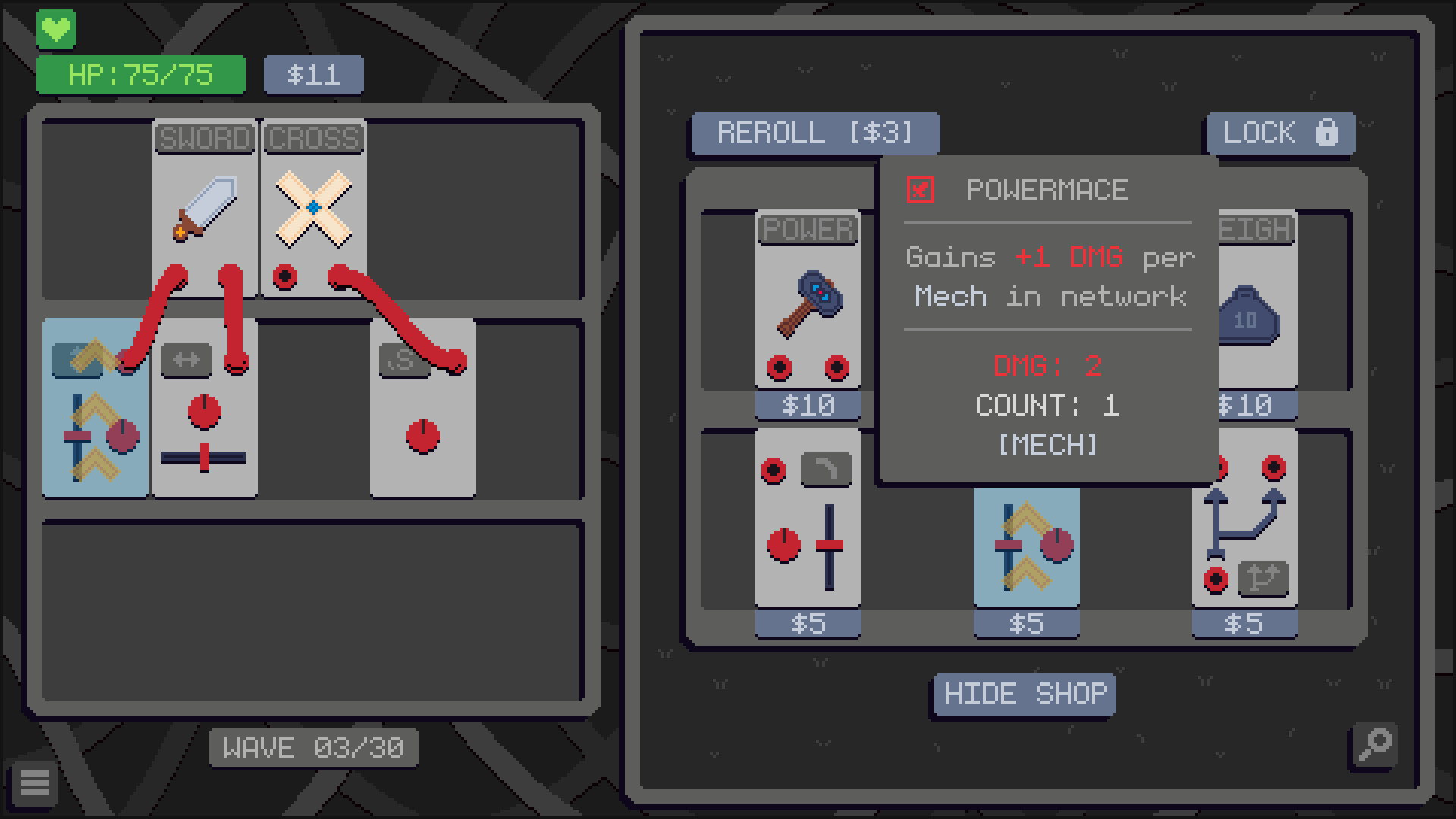
The core loop of Wireworks revolves around a module board and a limited set of wires: you buy modules and items in the shop, place them on a small grid, and link generators, modifiers and weapons so signals flow into devastating combos. During waves you mostly watch your contraptions perform while nudging knobs — amp, speed, and routing — to tune performance, but the satisfaction comes from seeing a fragile-looking circuit suddenly clear a room. Early runs feel quick and snackable, while higher difficulties demand planning, adjacency optimization and sometimes spreadsheet levels of calculation. There’s a real joy in discovering a chain where a mana generator feeds five wands, or where a stun clock keeps the meanest boss permanently embarrassed. Controls are simple: drag, connect, tweak, and watch; the complexity emerges from combinations rather than fiddly inputs. If you like experimenting, the loop rewards curiosity; if you prefer pure action, the auto‑battler pacing still gives thrills without demanding twitch skills.
When Your Breadboard Becomes a Weapon
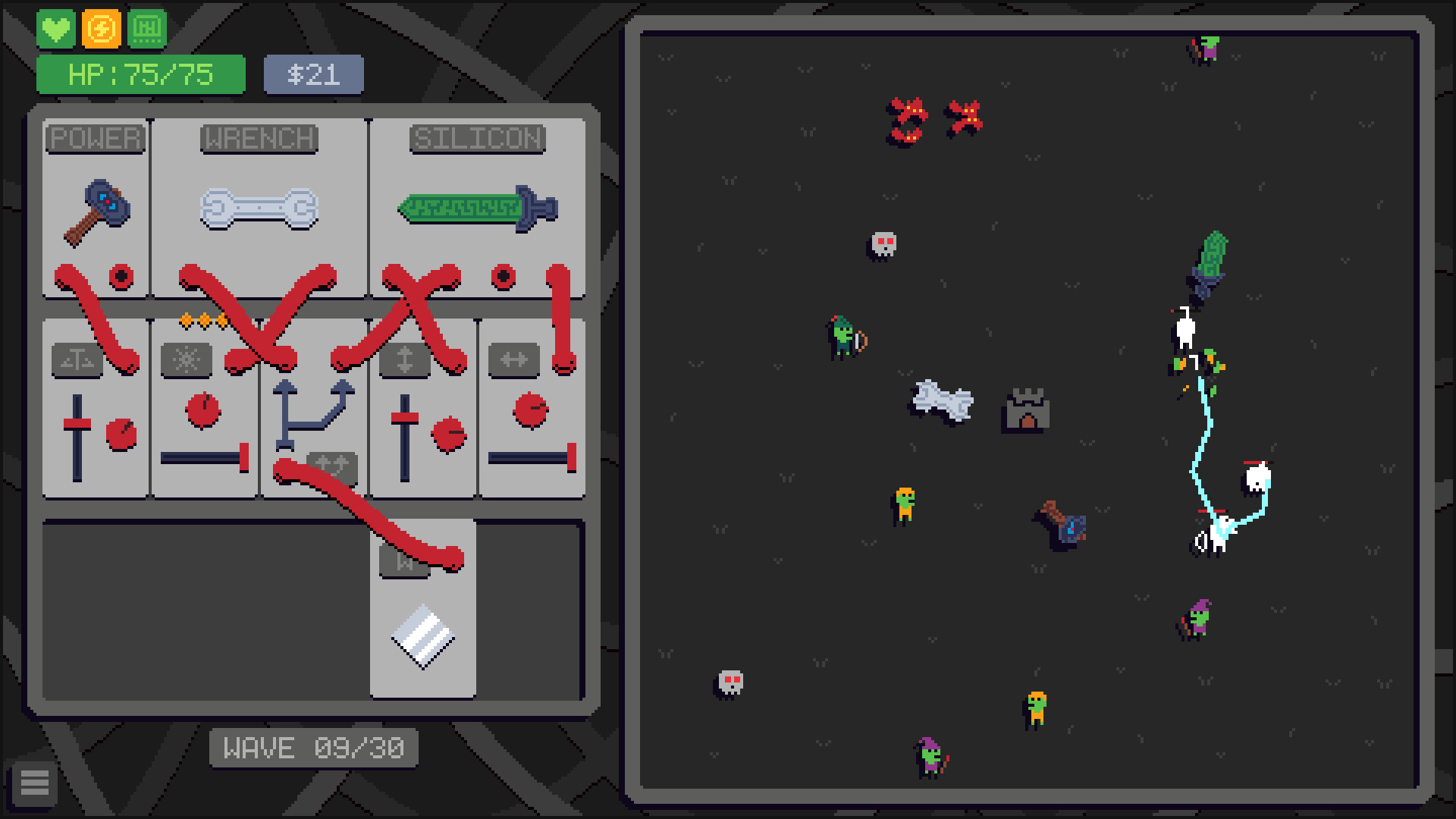
What sets Wireworks apart is the modular wiring system and the depth of synergies. Items and skills don’t just stack; they route signals, interact through adjacency bonuses, and sometimes create feedback loops that feel positively mad-scientist. There are 150+ items and skills to discover, unlockable characters with different starting kits, and three unique areas so the enemies keep the pressure on. Endless Mode and Ascending Difficulties give you ways to test engines you’ve perfected, and some runs legitimately feel like you built an unstoppable machine. The one caveat is that some combos can break the game in visually chaotic ways — screen-clogging particles or heavy-effect stacks can lag performance on the highest waves — but most of the time that glorious chaos is part of the fun. Shops feel like tiny puzzles each run, and rerolls or scarce choices in the early game amplify the thrill (and occasional frustration) of finding a starting seed you can actually grow.
A Circuit Board That Looks and Sounds Alive
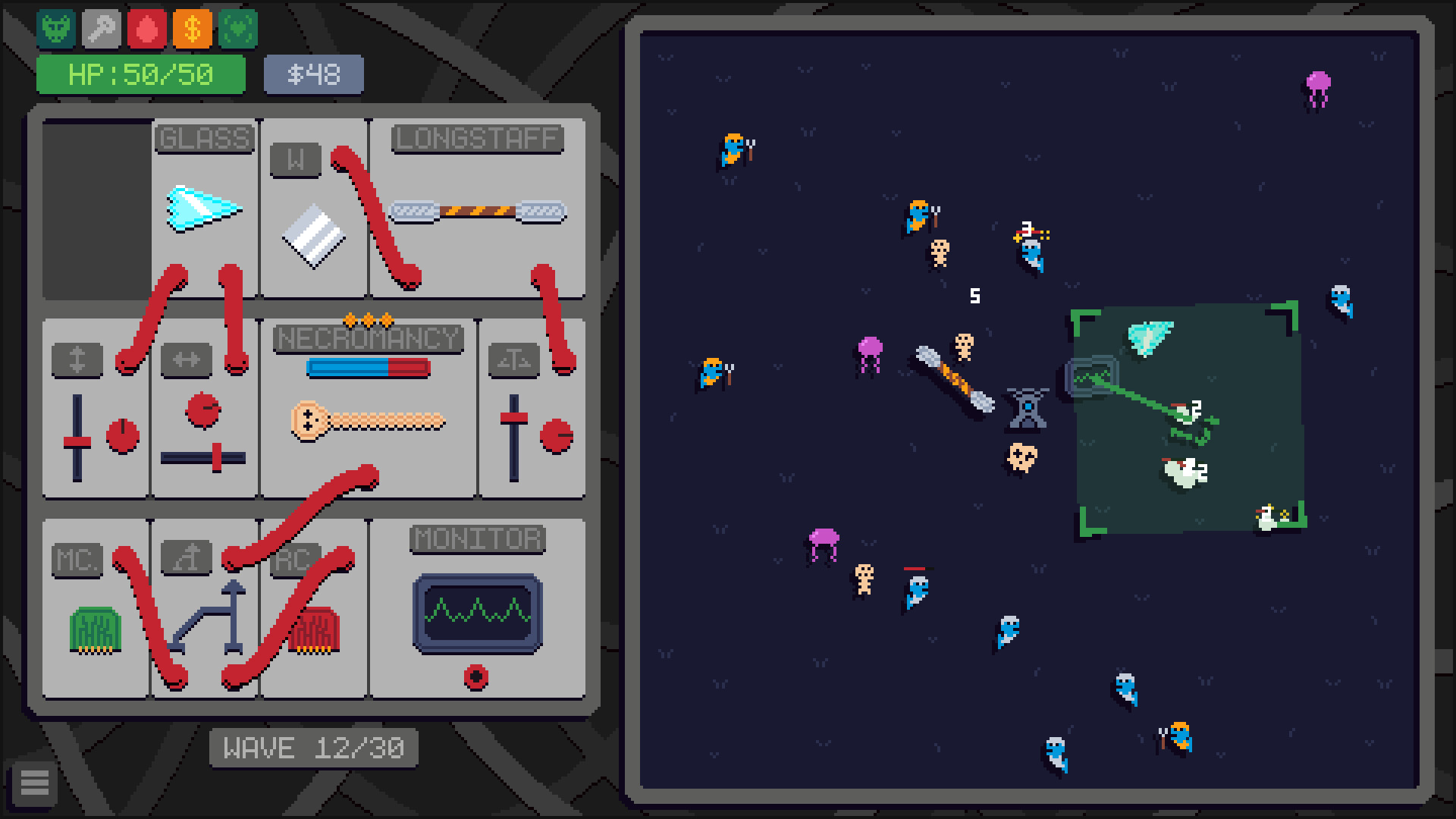
Wireworks doesn’t try to be photorealistic; its UI and presentation are soulful and functional, with pleasing clicky sounds and little jitters that make wiring tactile. The art style keeps everything readable even when the battlefield gets cluttered, though some players mentioned the blue background and overlapping cards can hide wire paths — a small UX tweak could help. Performance is solid on Windows and Linux in my tests, with a commendable Steam Deck experience called out by players, but high enemy counts in Endless Mode may cause slowdowns on weaker hardware. The audio cues help when your circuits misbehave and the soundtrack is unobtrusive, letting the wiring be the star. Accessibility options are modest but the clear visual hierarchy and adjustable speeds make it friendly to new players.
Wireworks is a clever, hands‑on rogue auto‑battler that rewards curiosity and patience. It’s ideal for players who enjoy tinkering, building engines and squeezing synergy out of odd parts — less so for those who want pure, twitchy action. At its price and polish it’s an easy recommendation, though I hope the developer expands boards, bosses and performance options over time.
Pros
- Deep, satisfying buildcraft with modular wiring and many synergies
- Addictive run loop that rewards experimentation and theory‑crafting
- Well‑designed shops and unlockables that make each run feel fresh
- Plays well on Windows/Linux and even on Steam Deck
Cons
- Some combo builds can cause heavy visual chaos and performance drops
- Early game can feel luck‑dependent; initial shop RNG can frustrate
- Board size and slot crowding may feel limiting after many unlocks
Player Opinion
Players are overwhelmingly positive about Wireworks’ addictiveness and the joy of engineering ridiculous combos. Many reviews praise the game as an instant buy for fans of theory‑crafting, comparing it to Vampire Survivors’ addictive loop and Isaac‑style item synergies. Common praise centers on the satisfying shop puzzles, the pleasure of wiring elaborate mana/weapon networks, and the Steam Deck compatibility. Criticisms repeat around early‑run RNG making some starts feel unfair, occasional performance hiccups on extremely high Endless waves, and a desire for more content — bigger boards, additional bosses and DLC were frequent requests. Several players mention that once you find a broken synergy the run can become almost autopilot, which delights some and bores others. Overall the community tone is energetic and tinkering‑obsessed: if you like to experiment and solve tiny puzzles mid‑run, this one clicks.