





Extinction Day Review – A Deliciously Wicked Disaster Sandbox
I spent hours orchestrating plagues, earthquakes and wars in Extinction Day. DryGin Studios builds a sandbox that feels familiar if you loved Plague Inc., but with more theatrical chaos, upgrade choices and satisfying combos.
I approached Extinction Day expecting a Plague Inc. echo, and I got one — but with its own wicked grin. The premise is gloriously simple: humanity will scramble, adapt and try to escape, and your job is to make sure they don’t. What hooked me fast was how playful the destruction feels; it’s strategic rather than random, and there’s real satisfaction in watching a well-timed chain reaction wipe out a continent. If you like sandbox strategy with a dark sense of humor and a steady learning curve, this one’s worth a long evening (or several).
Spreading Chaos Across the Map
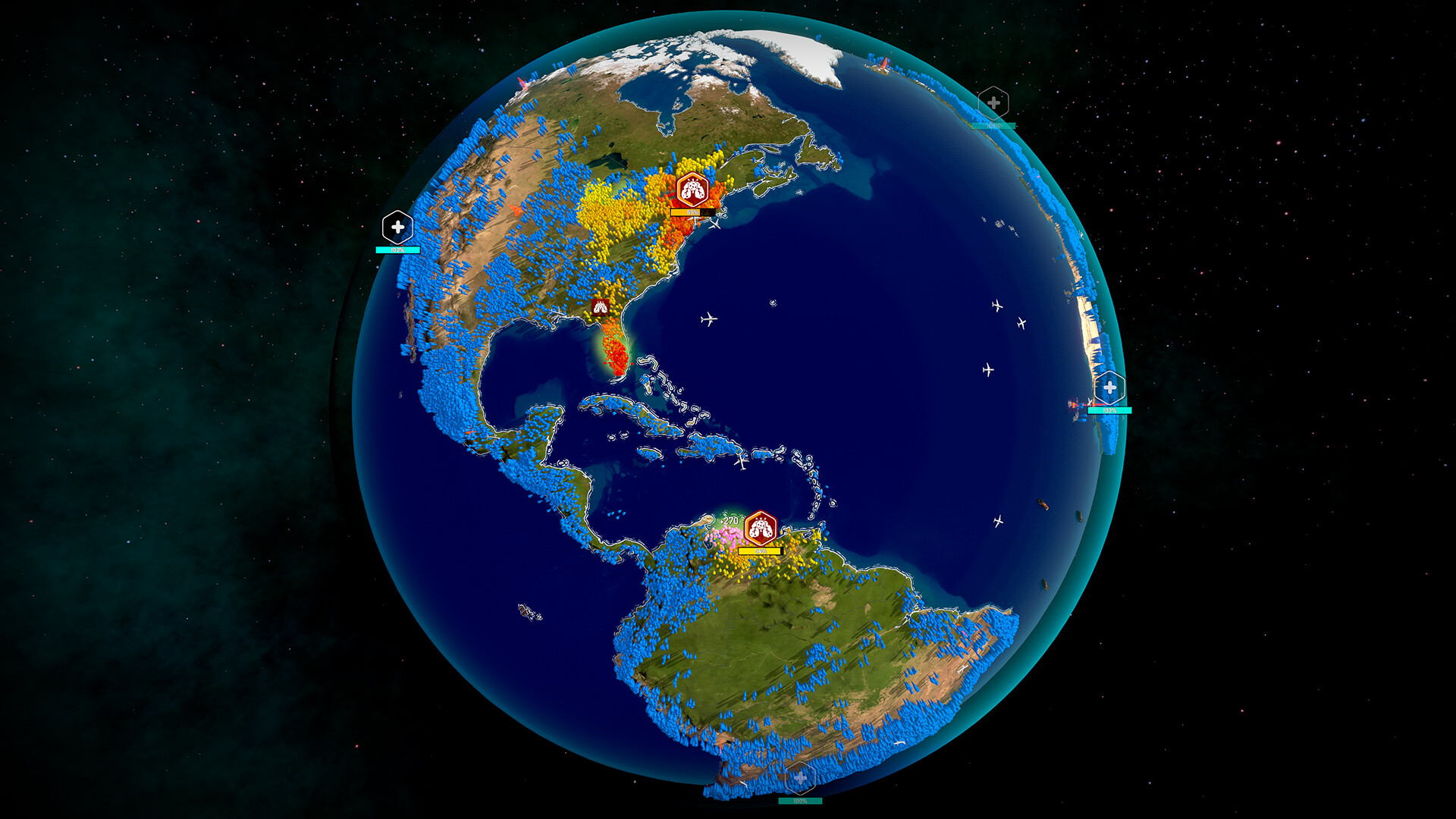
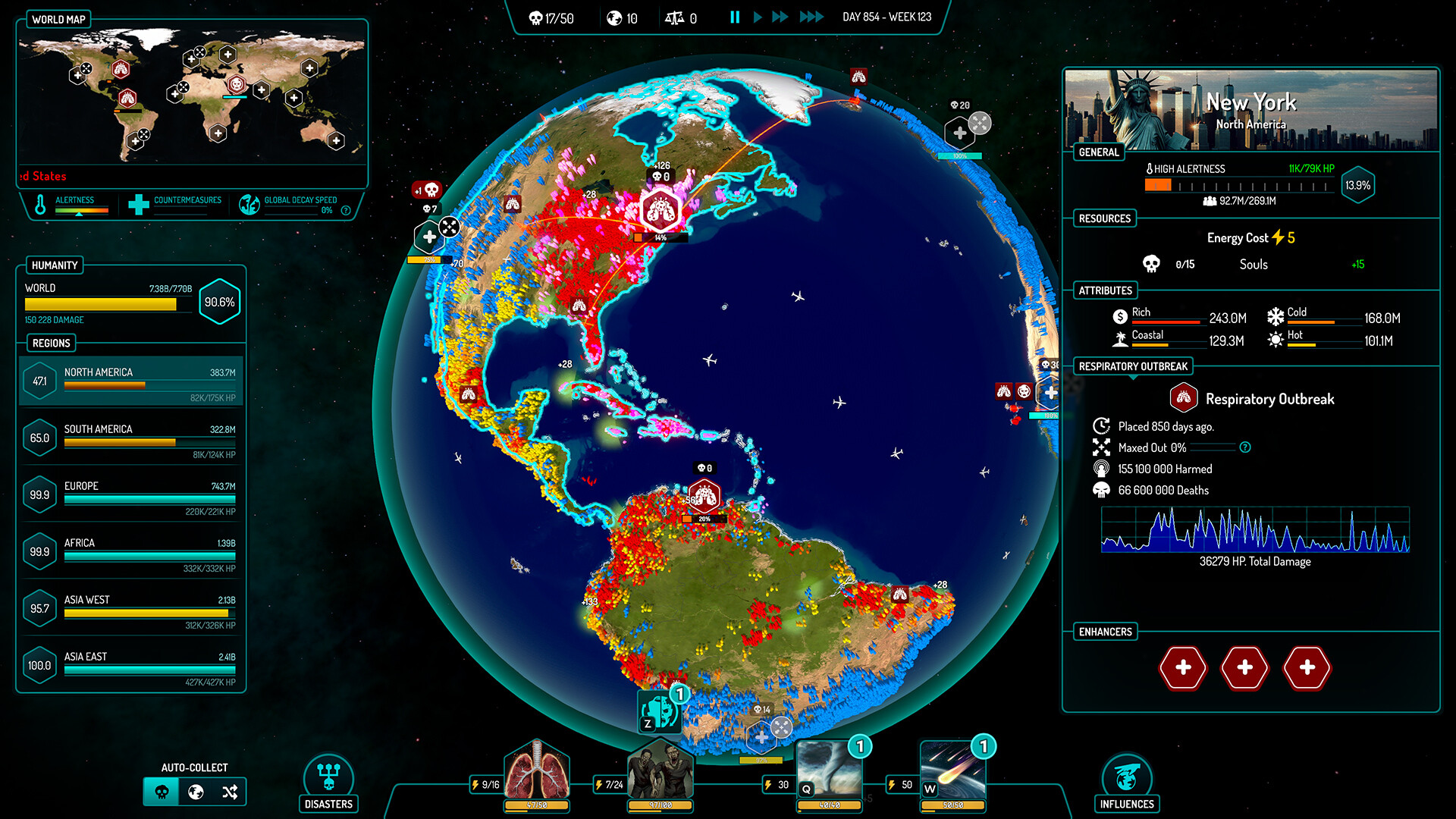
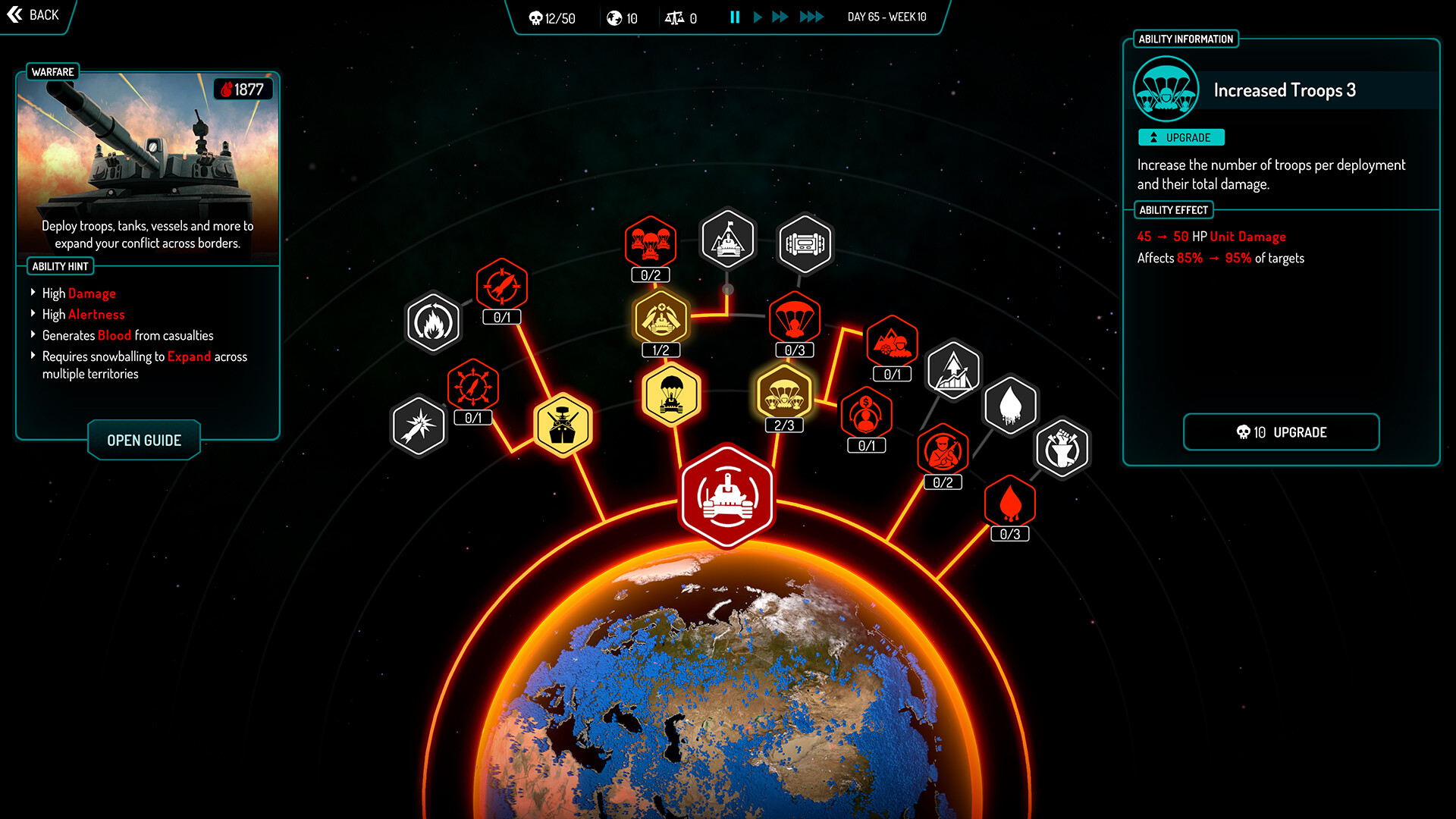
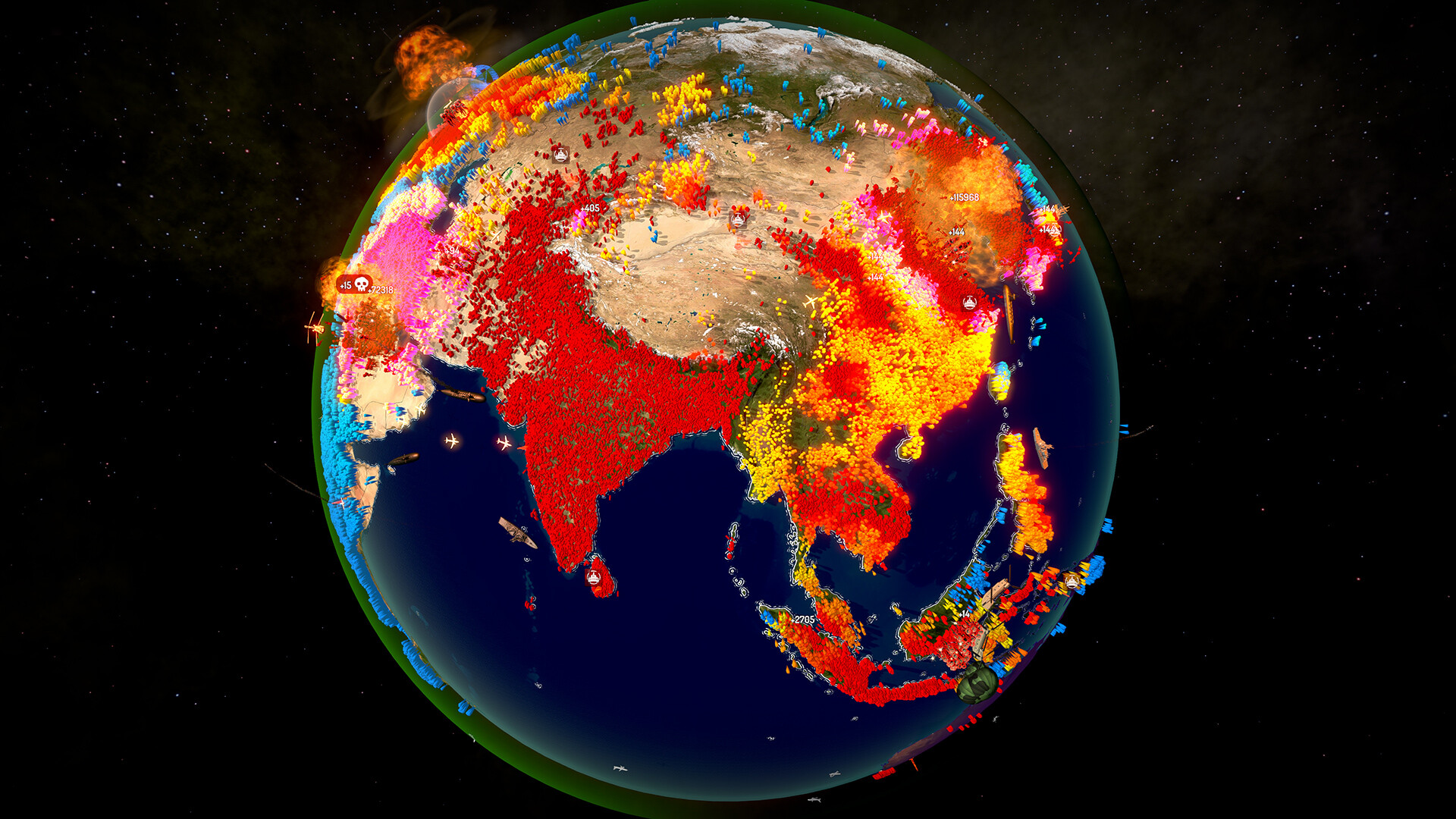
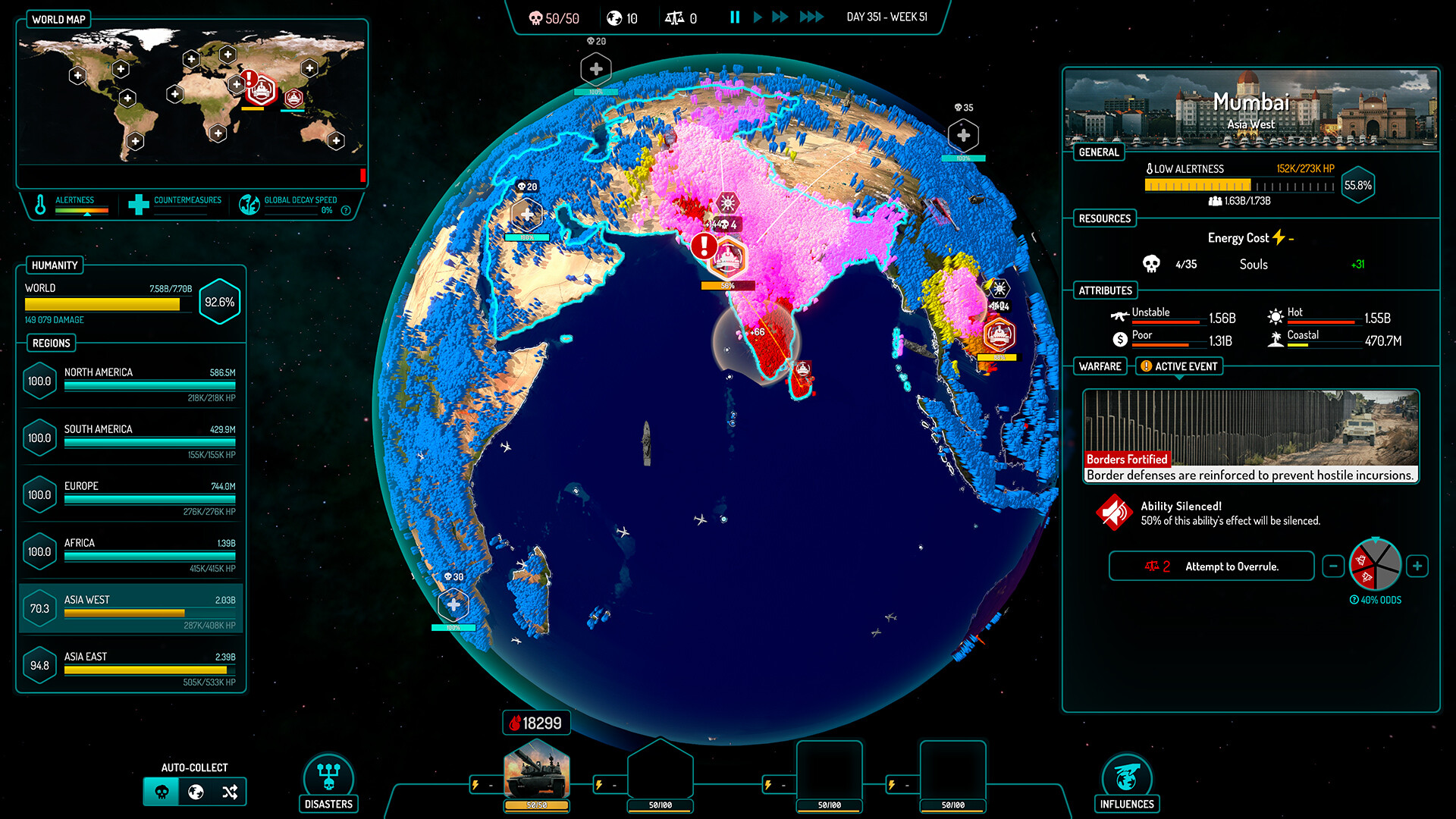
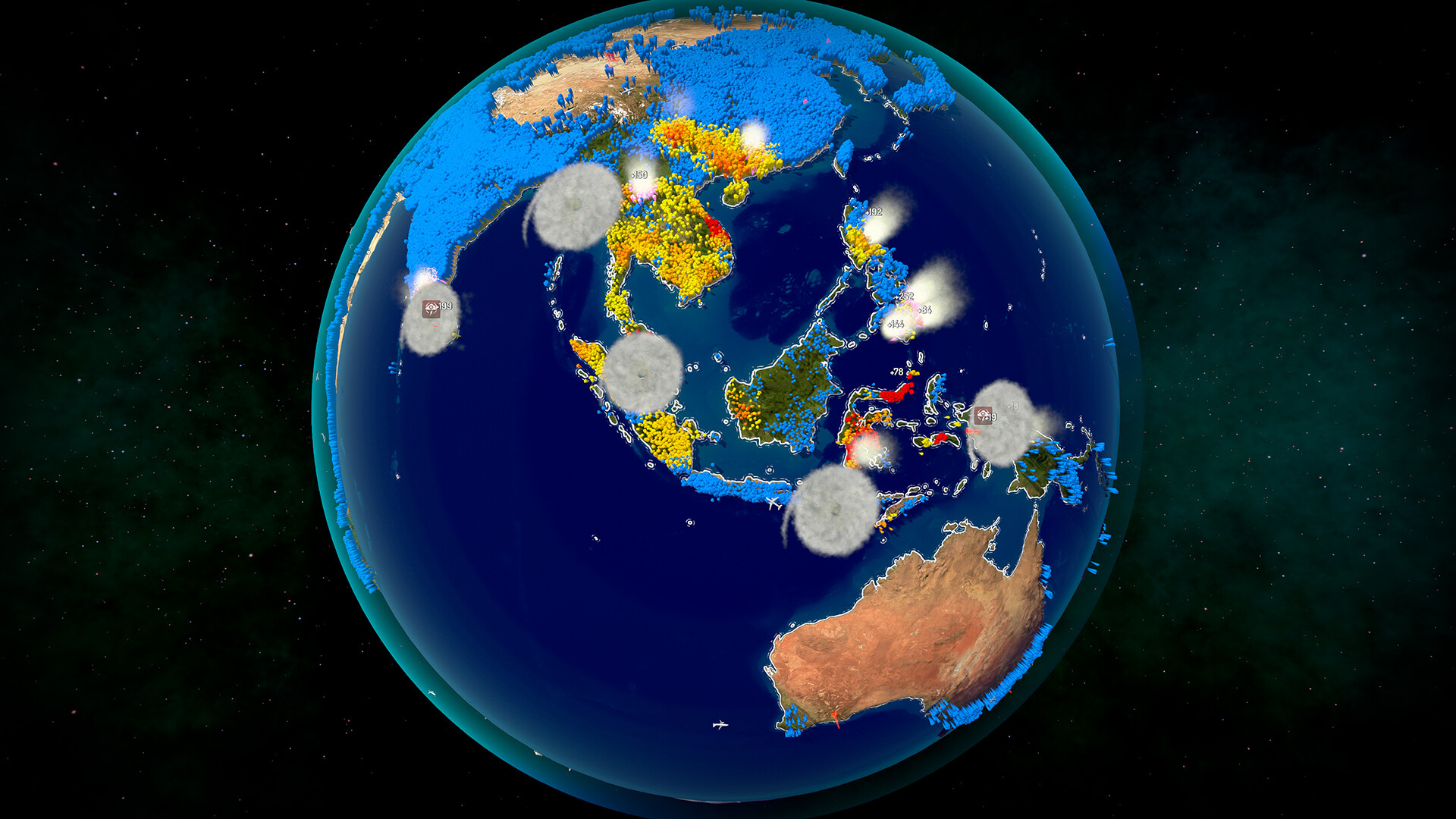
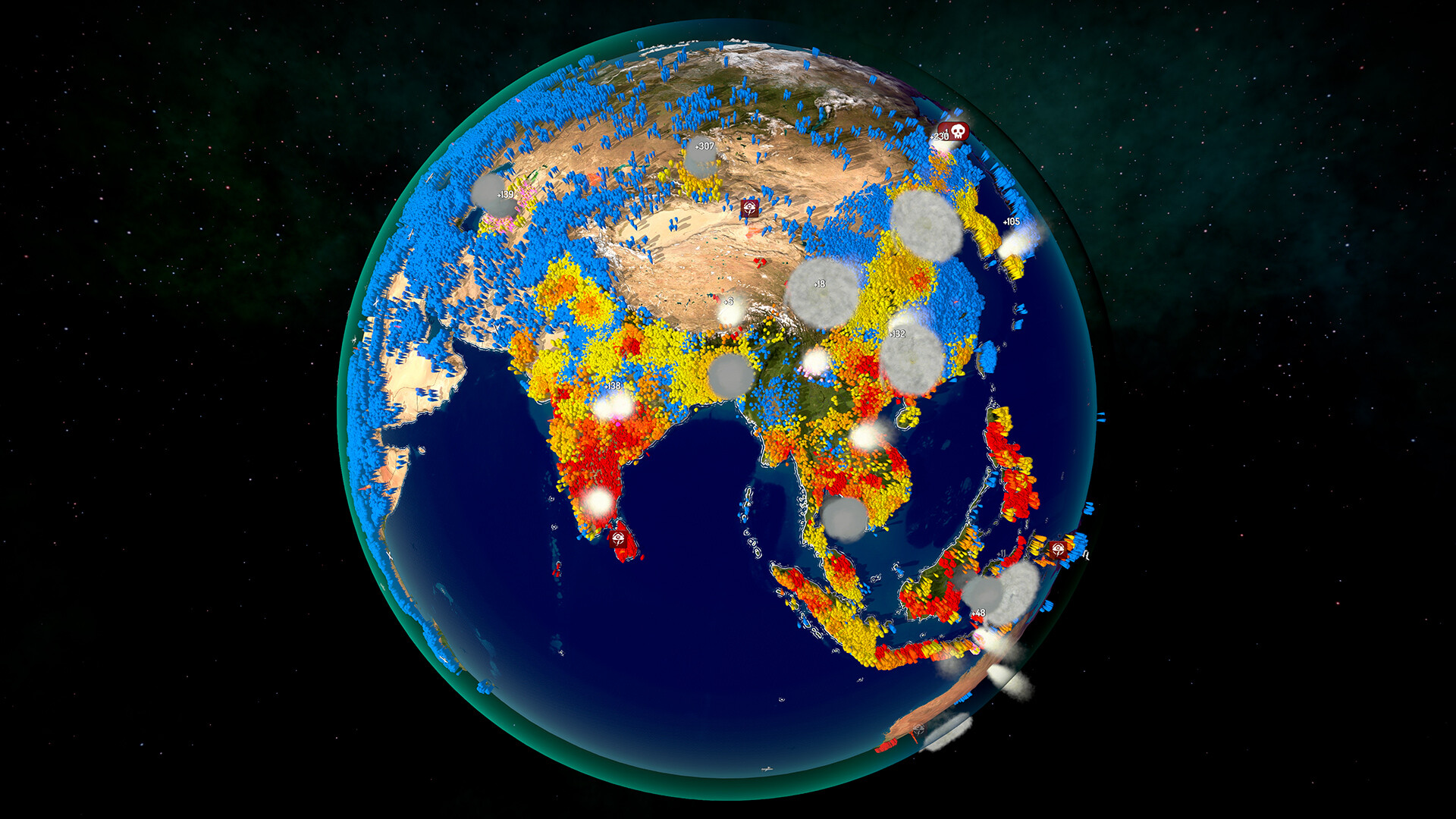
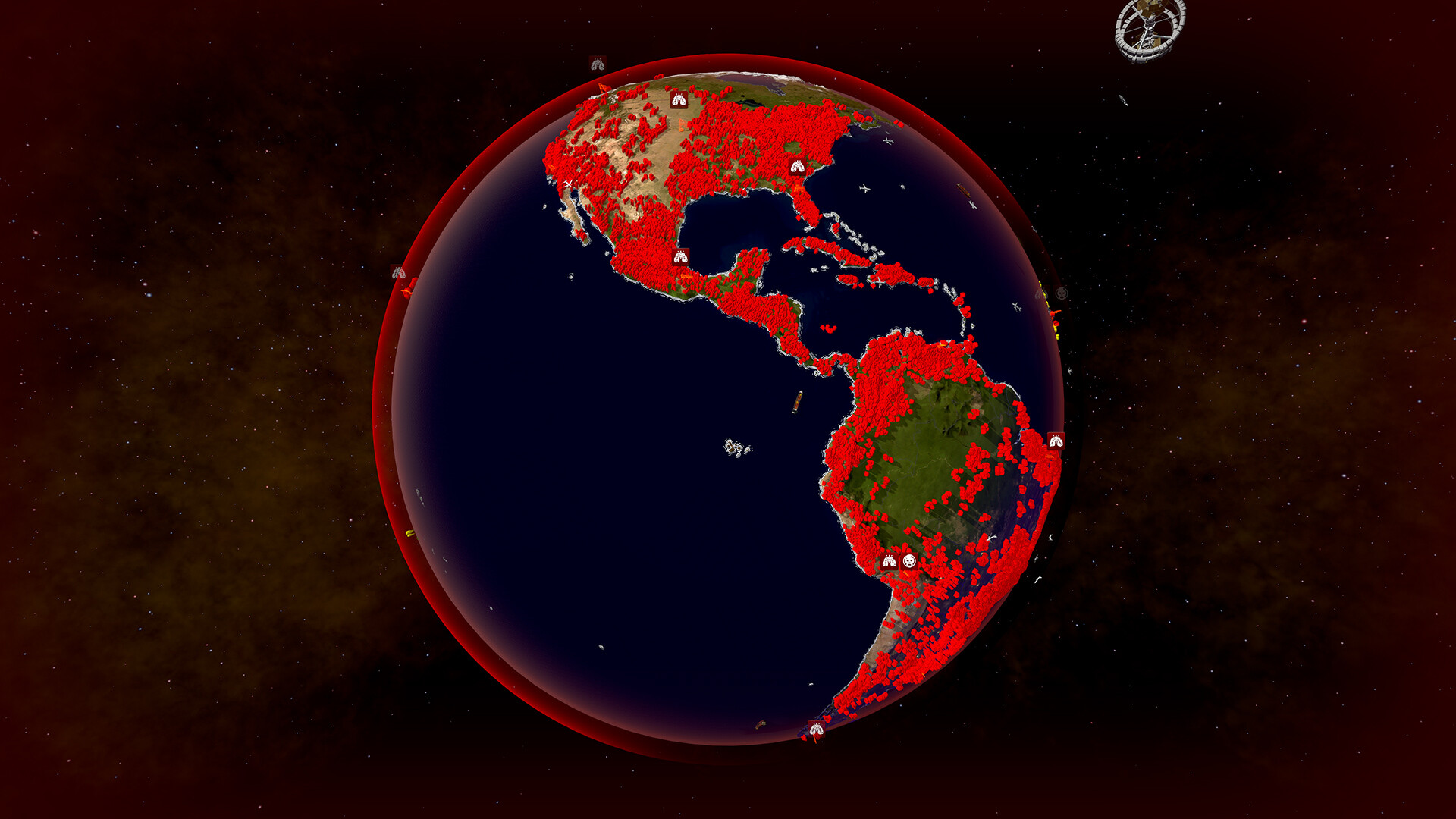
Gameplay in Extinction Day is a tidy blend of macro strategy and button-press satisfaction. You pick regions, deploy disasters and watch resource meters tick up as destruction fuels your expansion. Early runs are forgiving: you dabble with plagues, localized earthquakes and propaganda to test synergies, and the UI makes it easy to see cause and effect. There’s a satisfying rhythm to positioning active abilities, waiting for the right moment and then flipping a tile from ‘stable’ to ‘gone’. The campaign missions introduce new constraints and goals that force you to tweak your approach rather than repeat one cheat strategy. It’s the kind of loop that encourages experimentation: lose, learn, upgrade, and then do something even nastier.
Combining Events Into Beautiful Mayhem
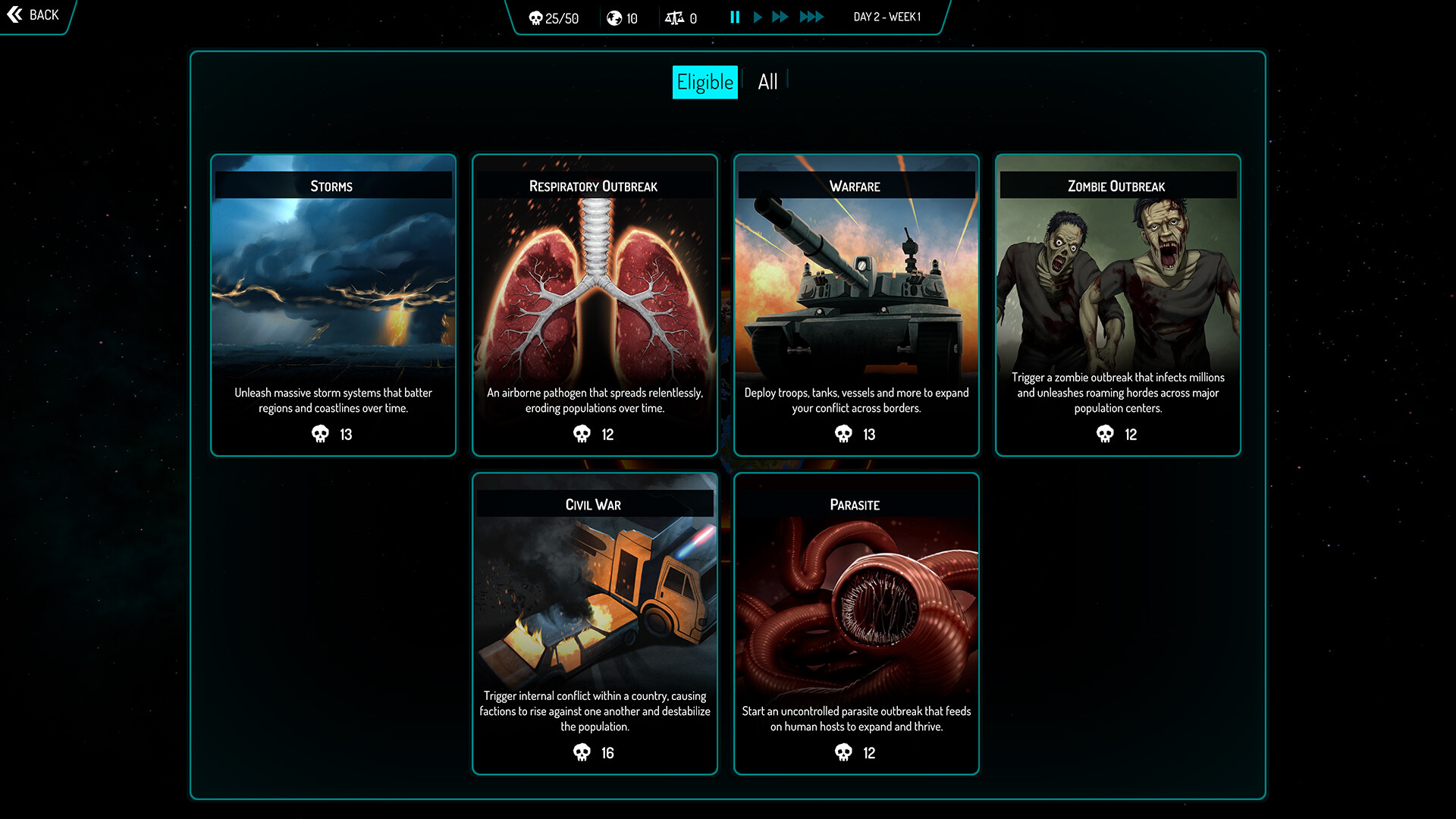
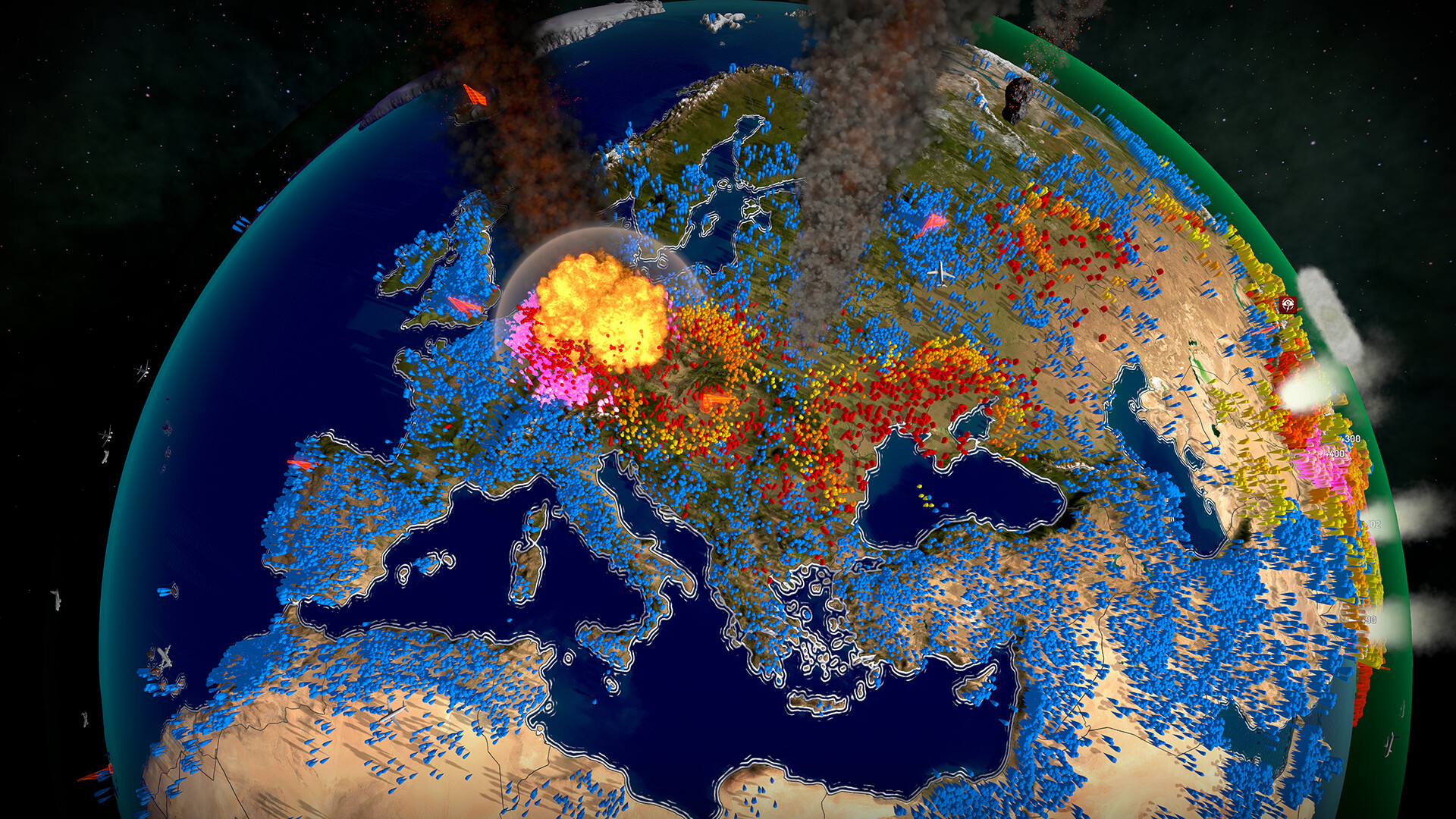
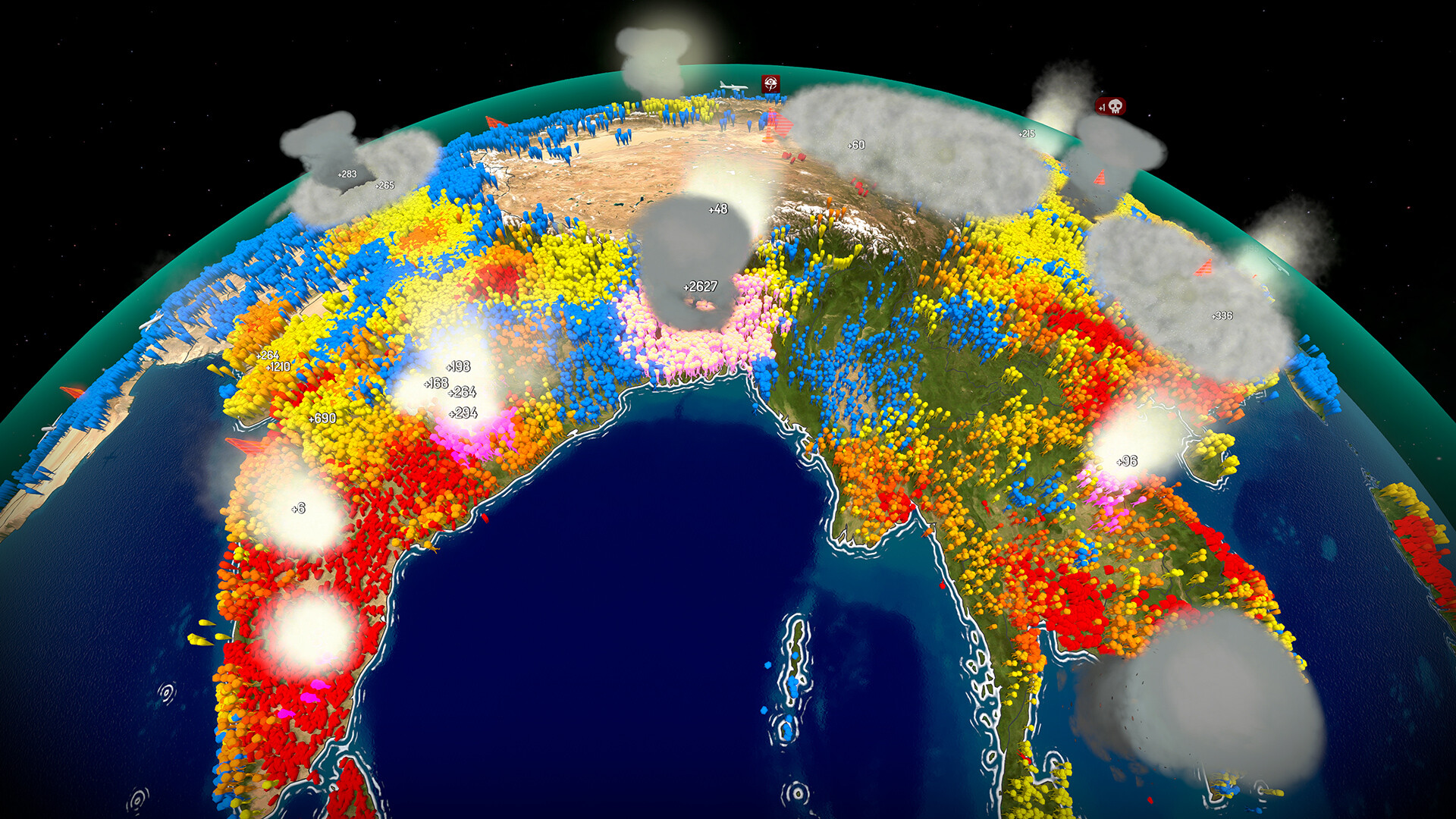
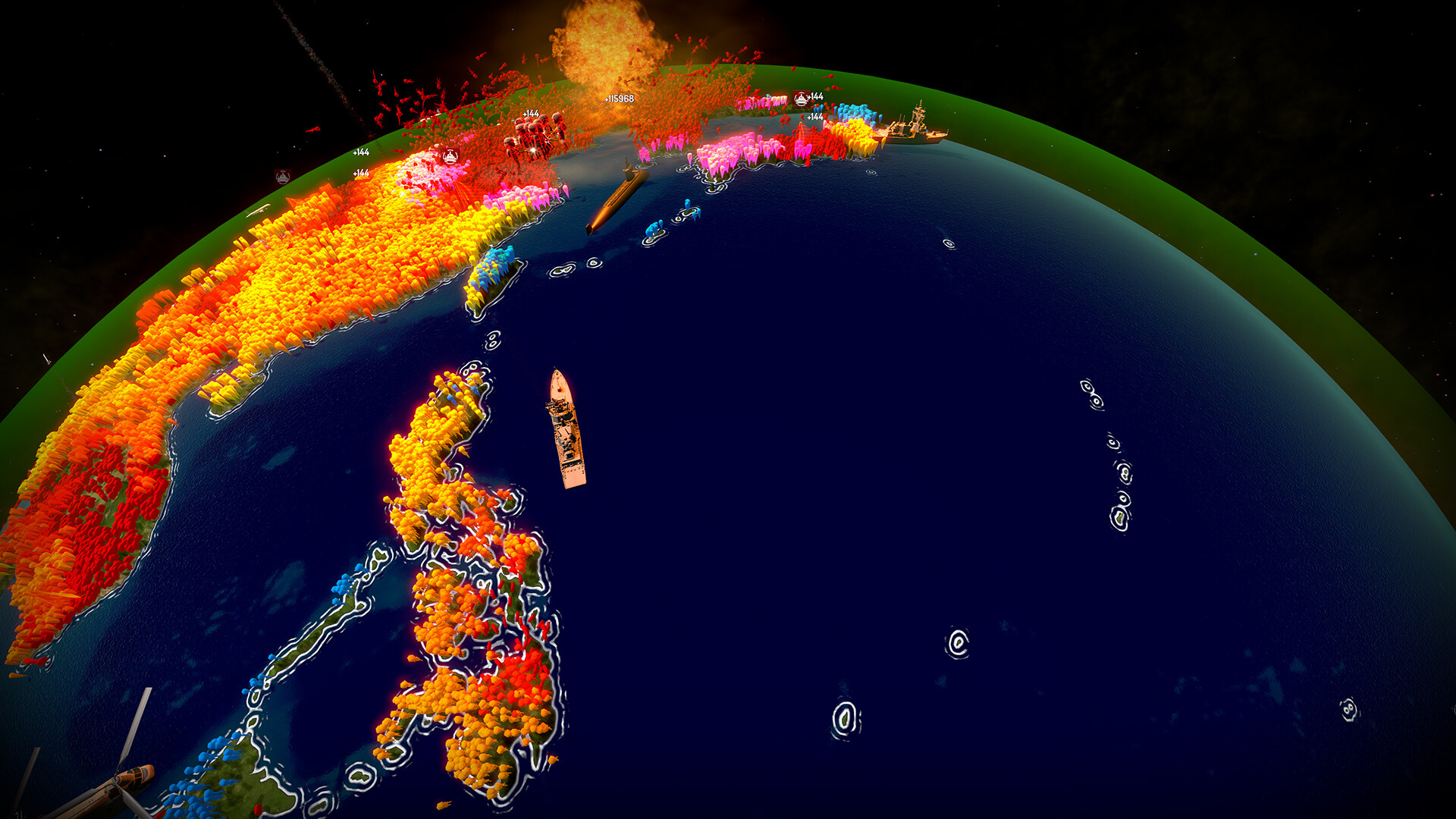
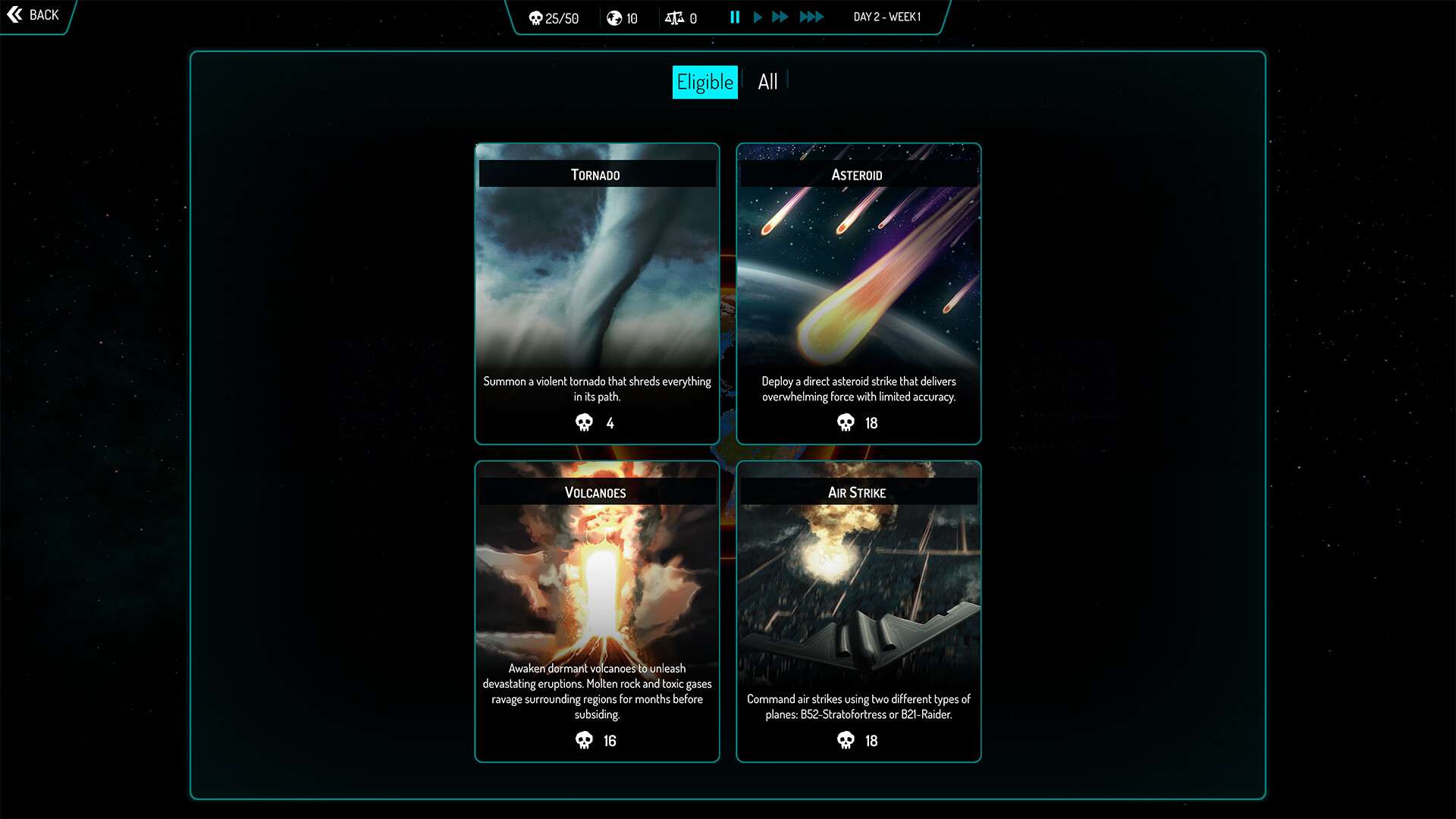
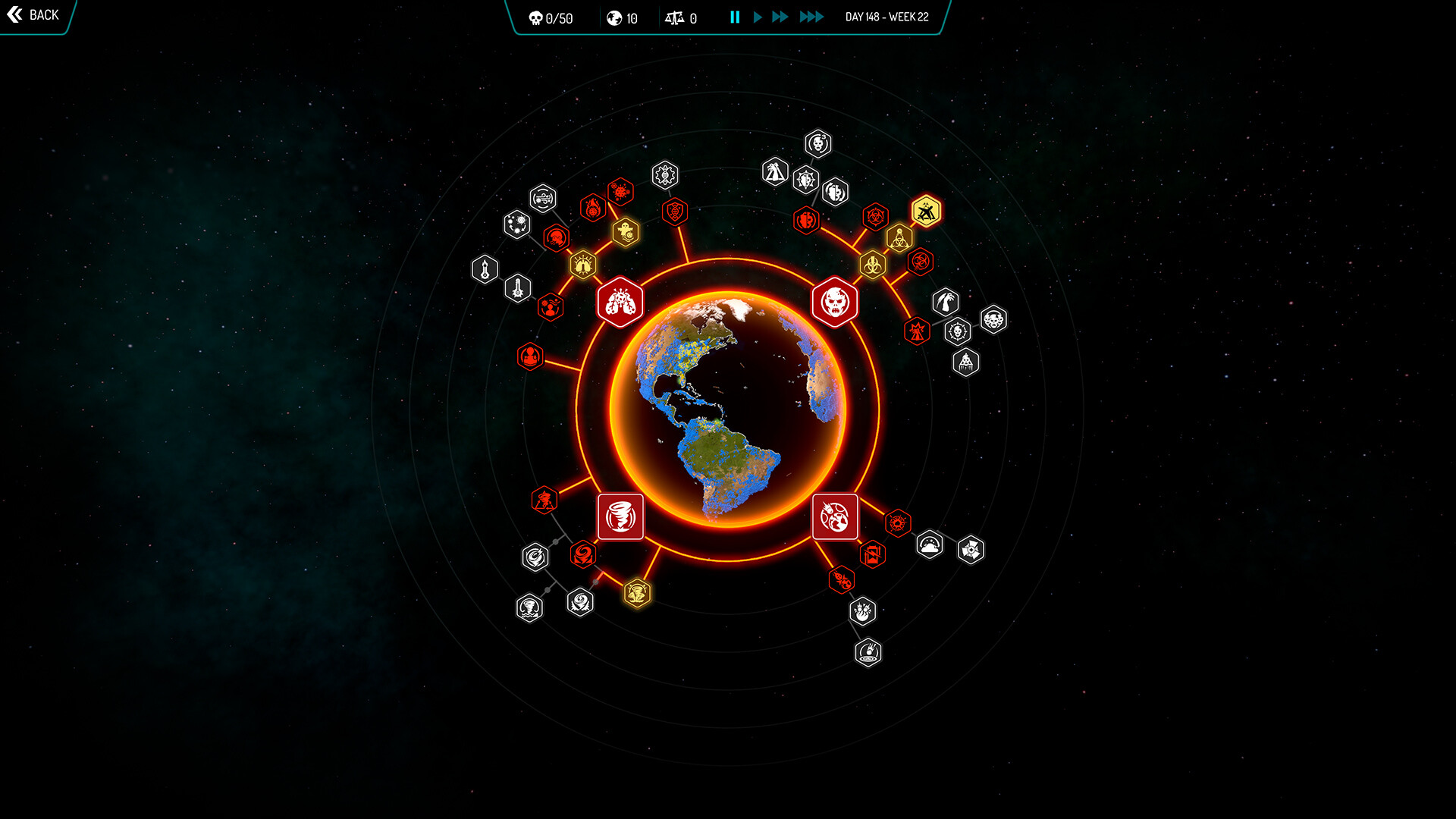
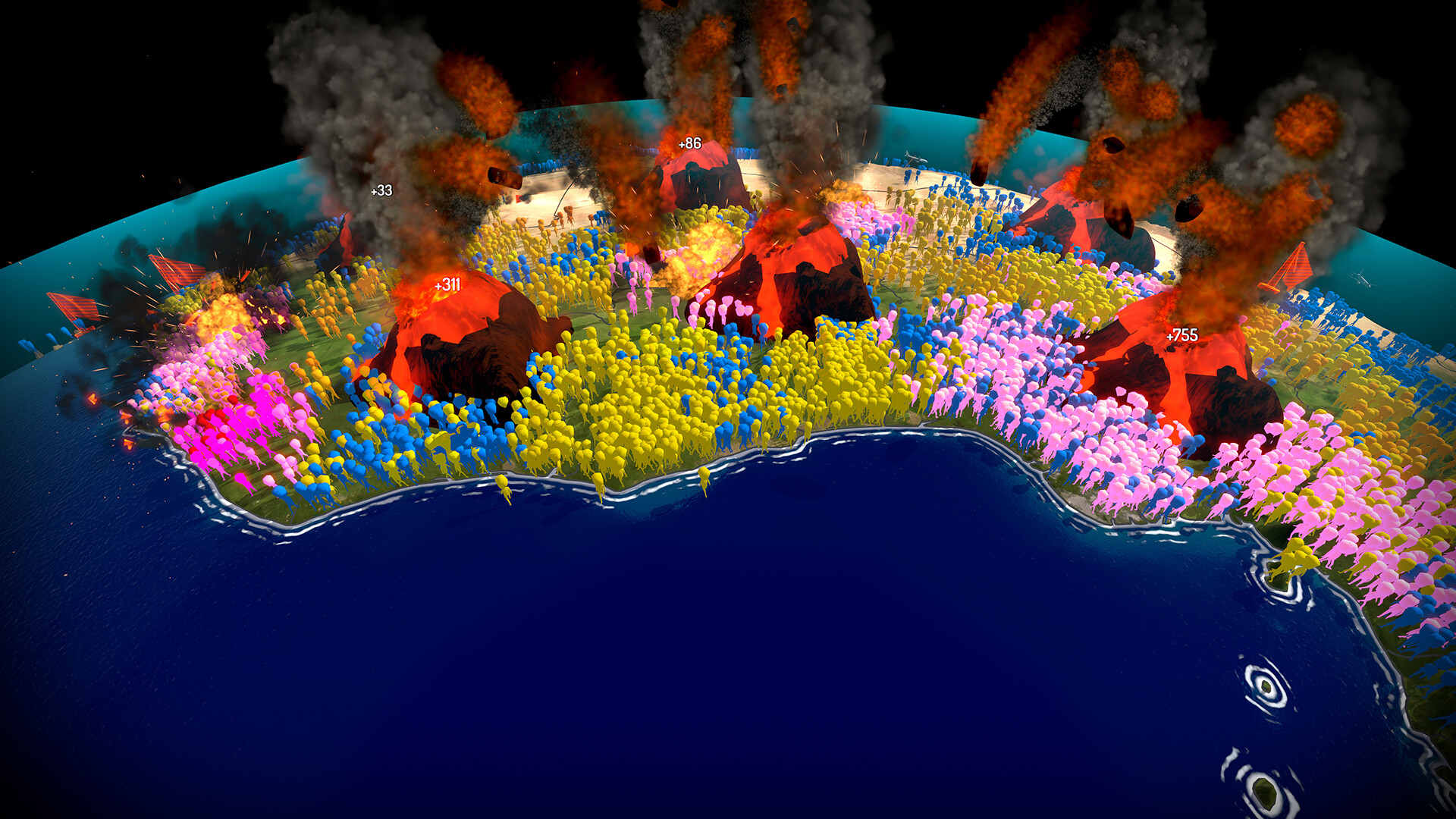
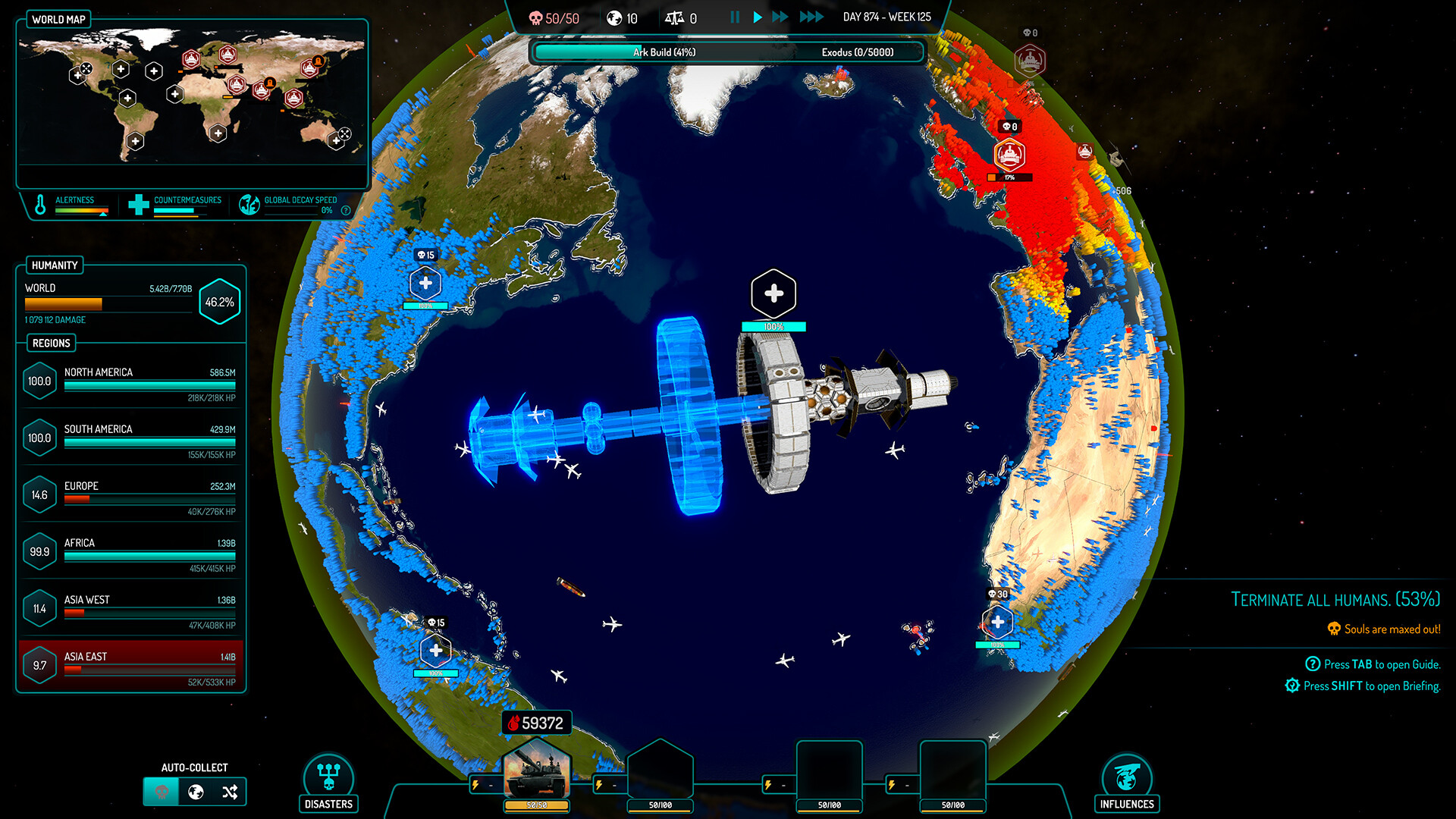
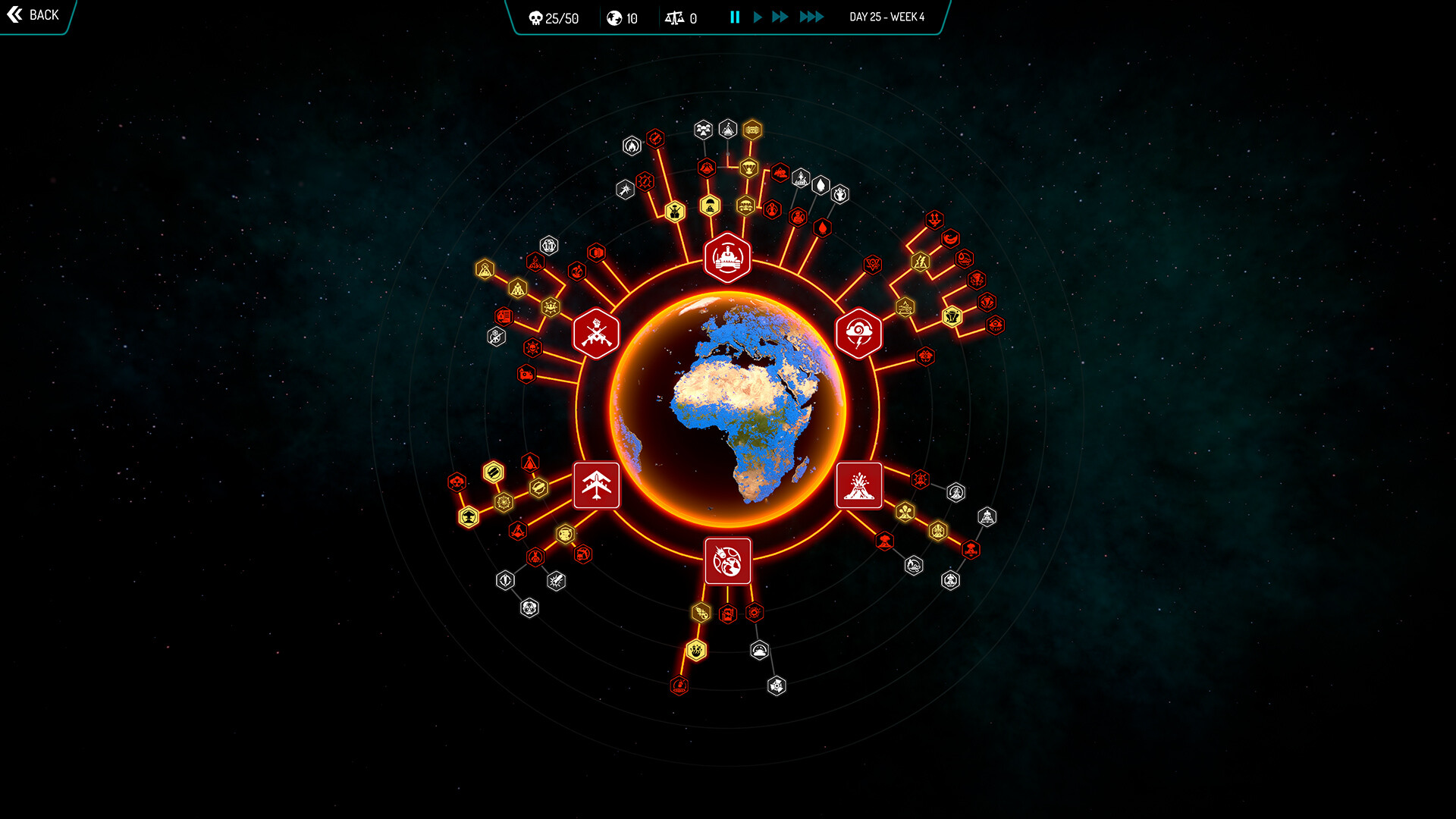
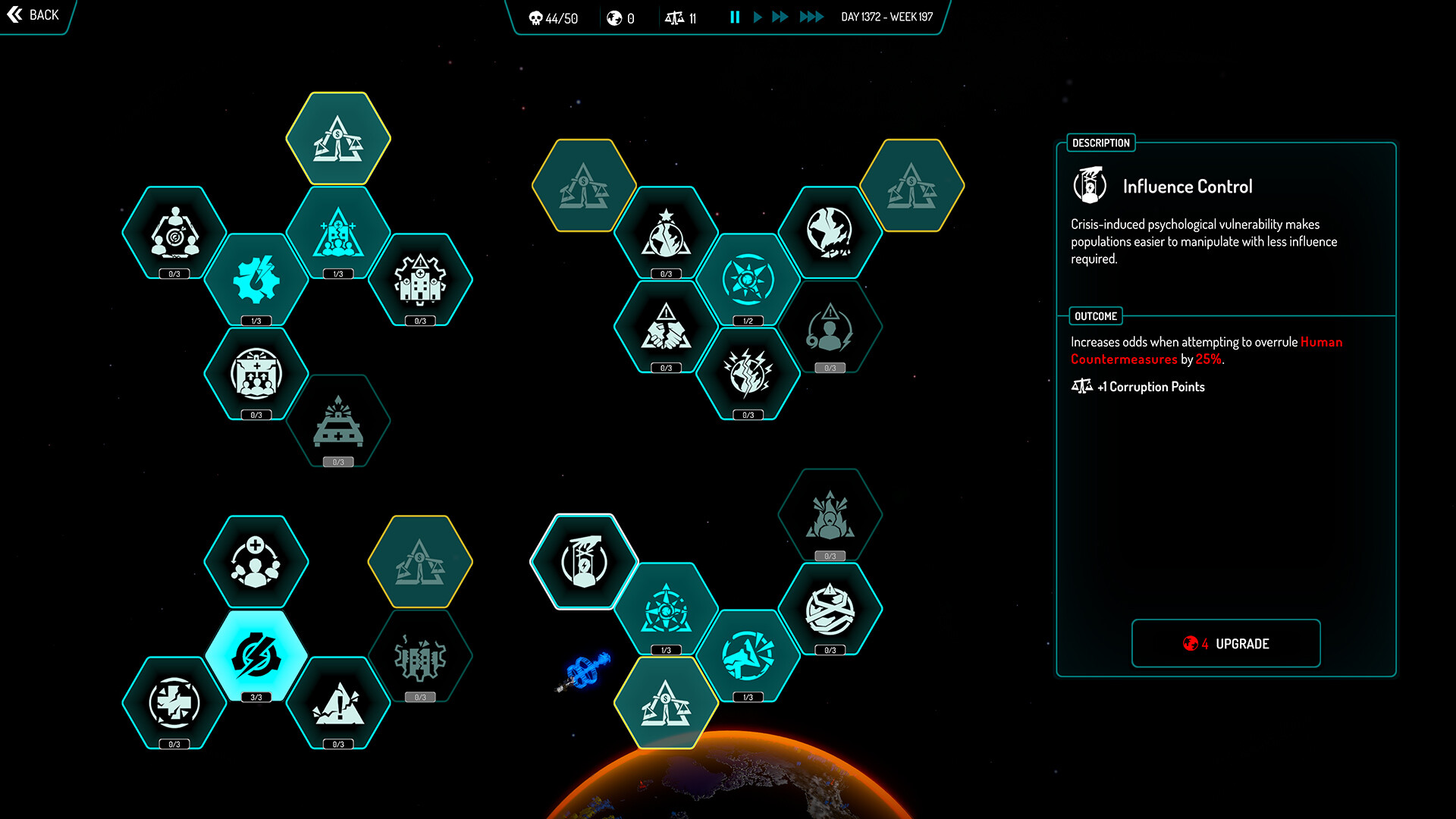
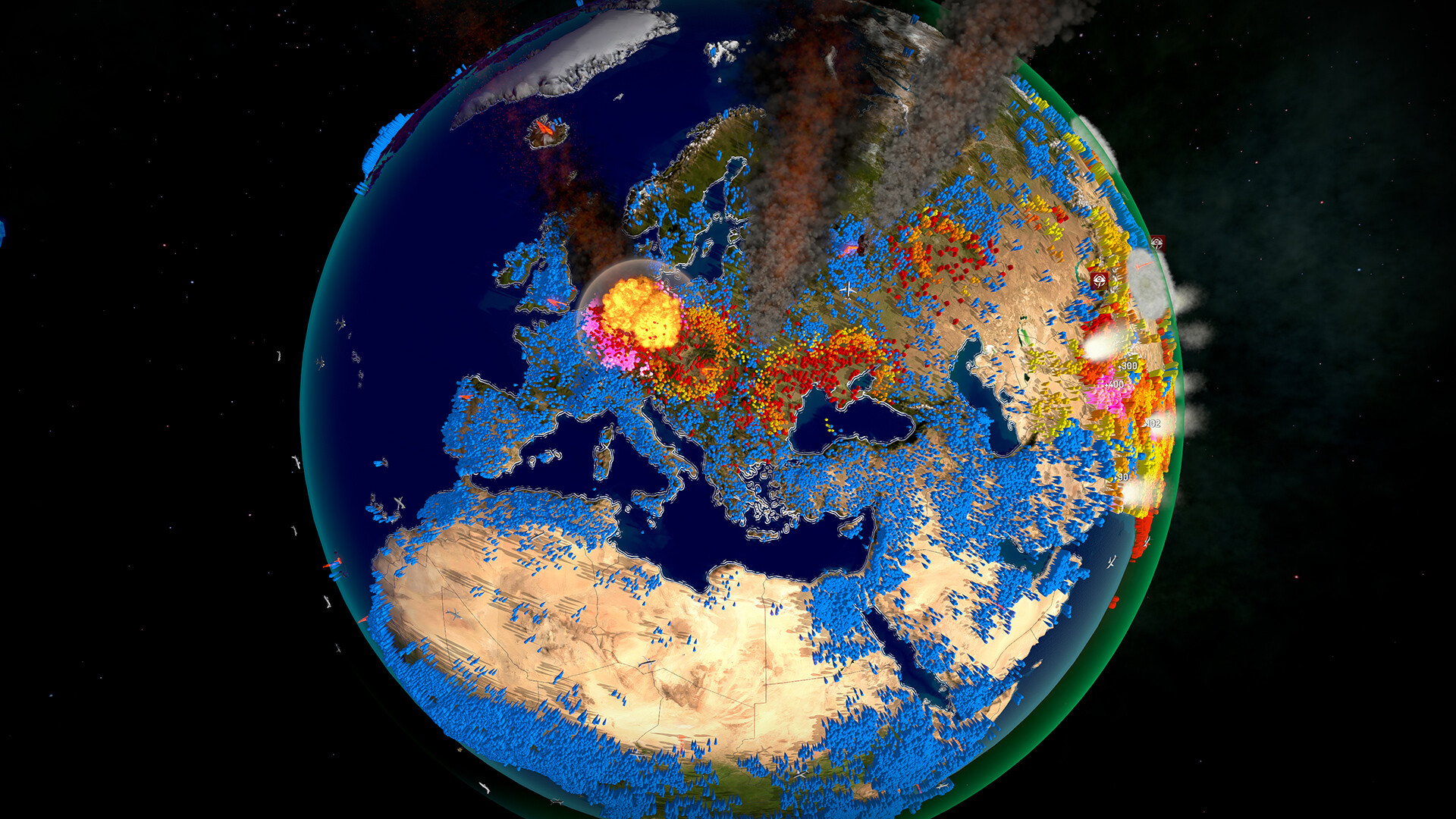
Where the game really shines is in its combos. Plagues alone are fun, but combine a regional flood with corruption points, a targeted military strike and suddenly you’ve triggered a domino of failures that looks glorious on the world map. There are over ten unique disasters to unlock and dozens of perks that reshape how you pursue extinction; choosing an upgrade path feels meaningful instead of arbitrary. I found myself planning three or four moves in advance, baiting human responses and then punishing them with follow-ups. The human resistance—governments, scientists, aid efforts and eventually the Ark—adds tension and forces adaptation. It never turns into a one-button affair; timing, positioning and resource management genuinely matter.
A Brutal Look and Solid Frame Rate
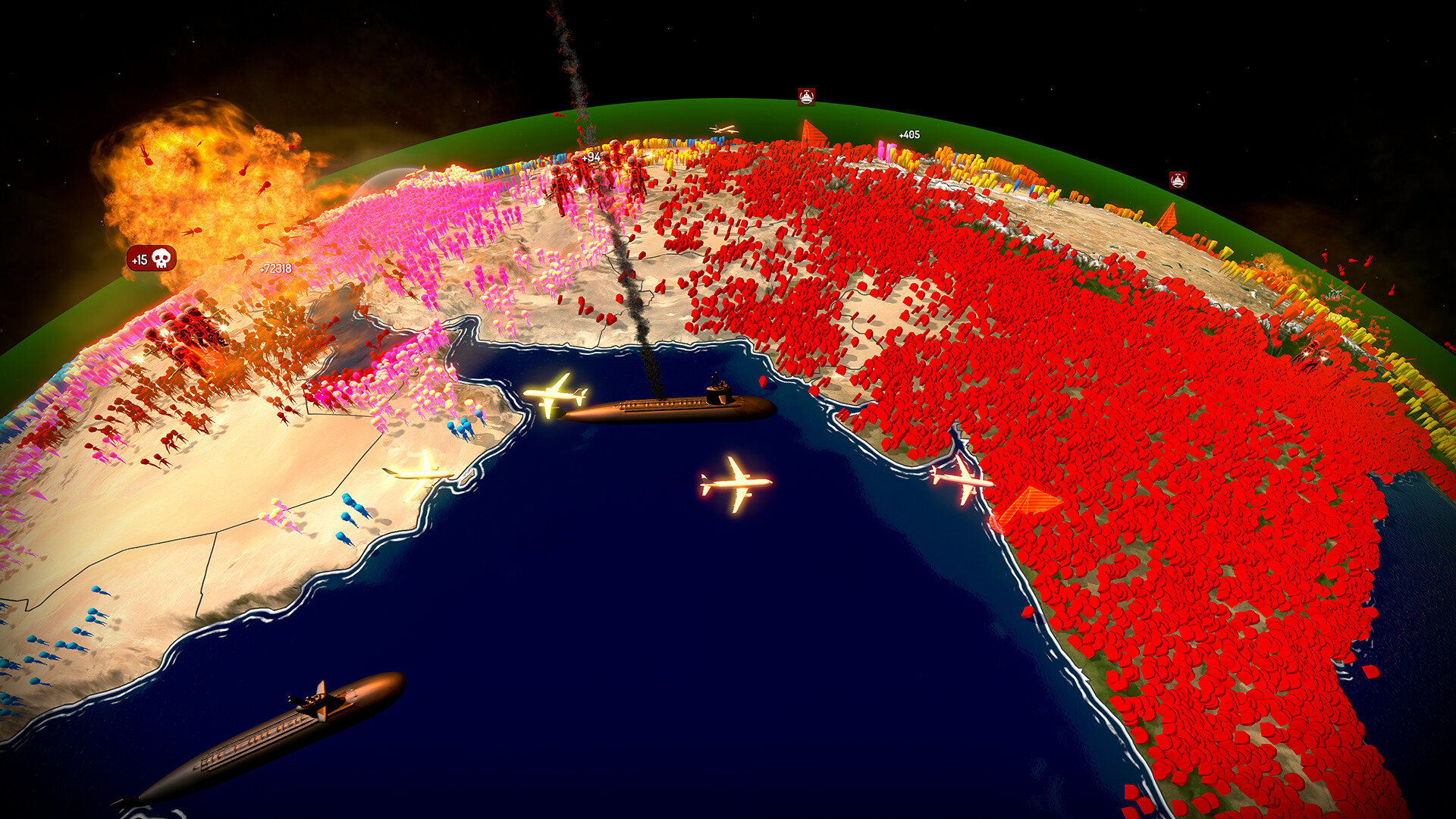
Visually, Extinction Day opts for clean, readable graphics that prioritize clarity over photorealism. The world map, the effects and the UI are all designed so you can quickly parse information mid-run; that matters when disasters cascade. Sound and music provide a grim backdrop that rarely overstays its welcome, though some tracks loop more than I’d like. Performance is generally smooth on my rig — the devs clearly optimized core loops — but you can expect hiccups when hundreds of units die in one tile (I saw a few FPS dips). Accessibility options are basic but present, and the tutorial is clear enough to get you into the sandbox fast.
Extinction Day is a polished, unexpectedly playful take on the disaster-sandbox formula. It won’t reinvent the wheel for genre veterans, but its combo-driven chaos, upgrade choices and strong campaign make it a joy to return to. If you like planning grandiose, morally questionable strategies and watching them unfold in dramatic fashion, this one’s an easy recommendation — just maybe close the windows first.


Pros
- Addictive sandbox loop with meaningful upgrades
- Creative disaster combos feel powerful and dramatic
- Clear UI and campaign that eases you into complexity
- Great value for the price and lots of replayability
Cons
- Minor performance dips during massive kills
- Some decorative systems (planes) feel pointless
- Music can loop too repetitively
Player Opinion
Players repeatedly reference Plague Inc. — and for good reason: the learning curve is familiar and welcoming. Many praise the game’s pacing and sandbox freedom, calling the campaign and challenge modes addictive and well-balanced. Several reviews mention smooth performance and a clear tutorial that gets you up to speed quickly, while others hope for more visual flair and future expansions. Criticism clusters around small annoyances — decorative elements that don’t affect gameplay, occasional FPS drops in big kills, and the feeling that waiting sometimes outperforms active play. Overall, the community tone is positive: fans of simulation-strategy and sandbox destruction seem to have found a satisfying new home here.