





ENCHAIN Review – A Wild Movement Shooter That Hooks You Fast
ENCHAIN mashes juggling hack-&-slash, platforming and retro FPS gunplay into a connected, vertical world. Fast, sometimes janky, but immensely satisfying when the movement clicks.
I jumped into ENCHAIN expecting a solid movement demo and left genuinely hooked. The game blends platform-fighter mobility, arena shooter tempo and a pinch of Dark Souls-like interlinked level design into something distinctly its own. What grabbed me immediately was the way movement feels purposeful—grapples, slides and wall-runs aren’t just flourishes but tools you constantly use to shred enemies and reach hidden routes. If you love being rewarded for clever traversal and freestyle play, ENCHAIN gives that rush in spades, even when it hiccups.
Racing the Crypt with Every Move
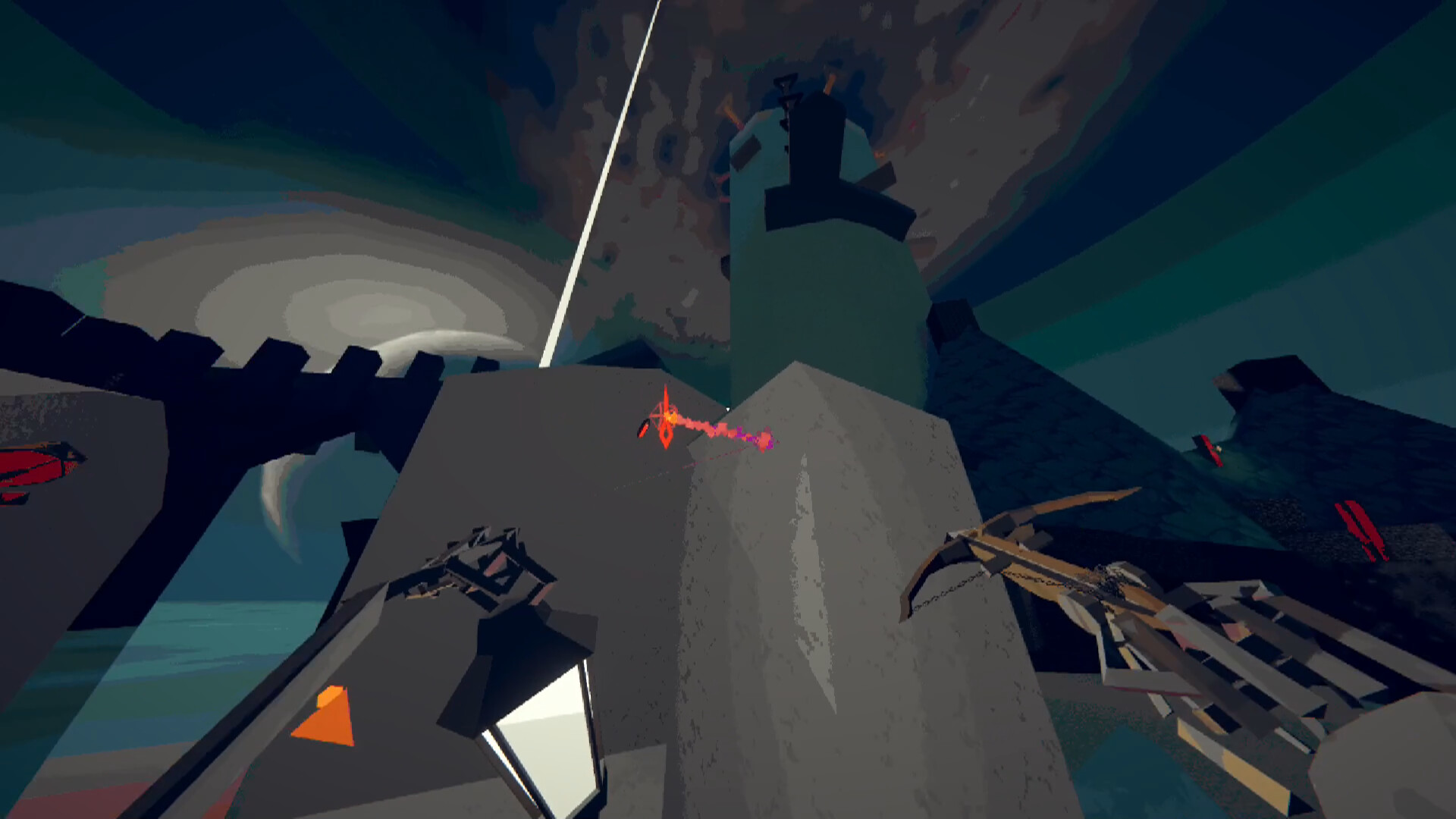
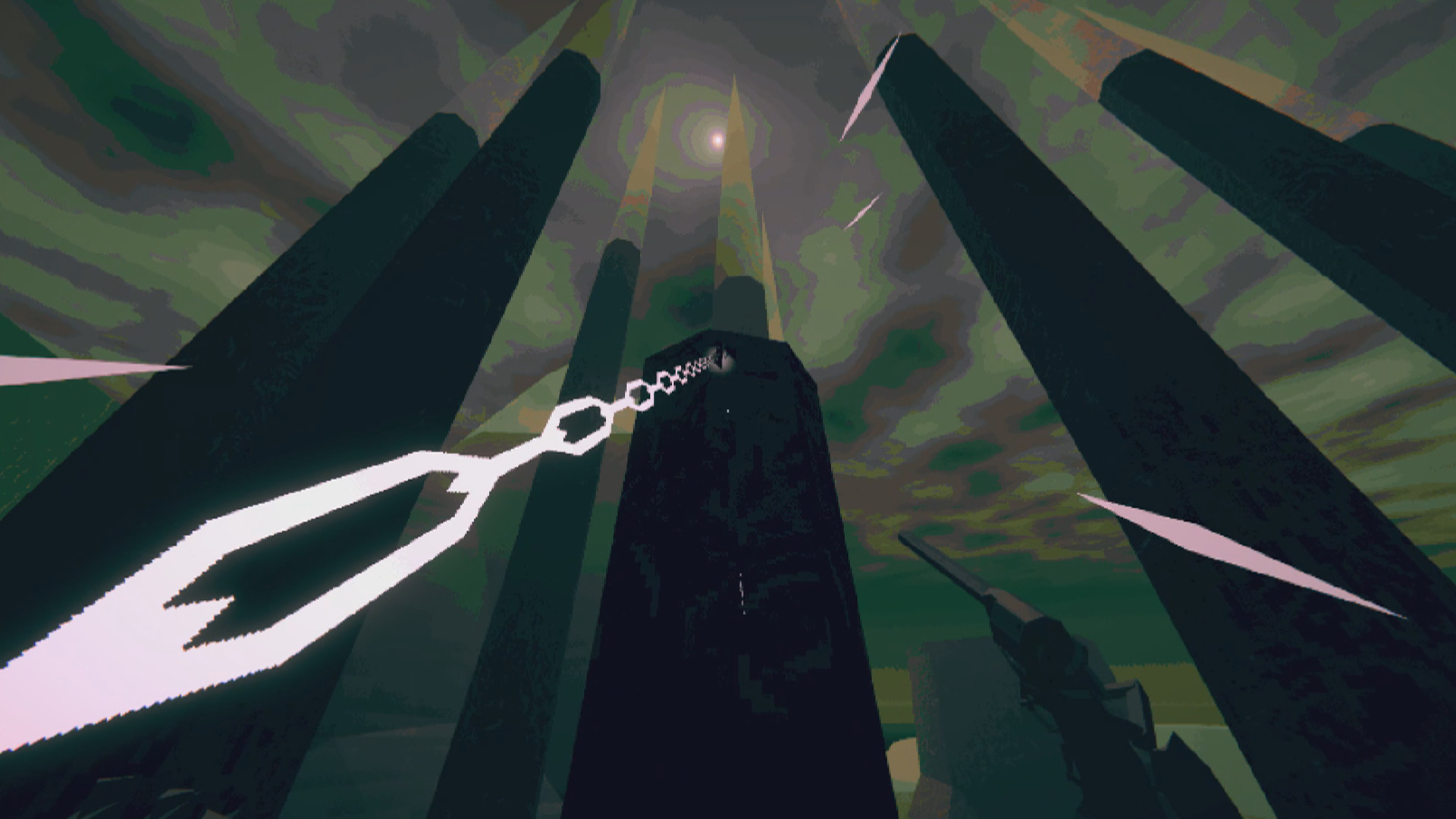
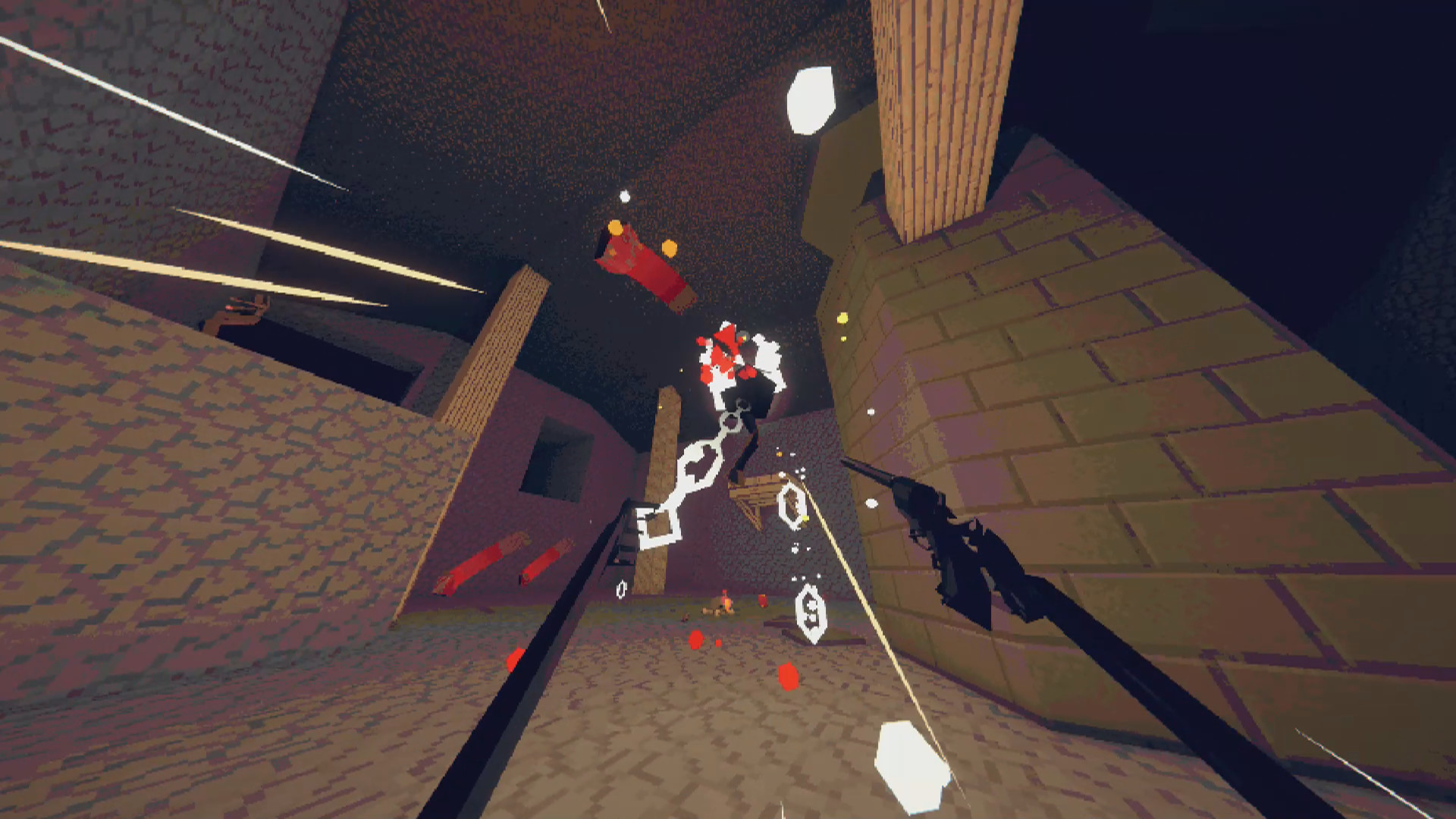
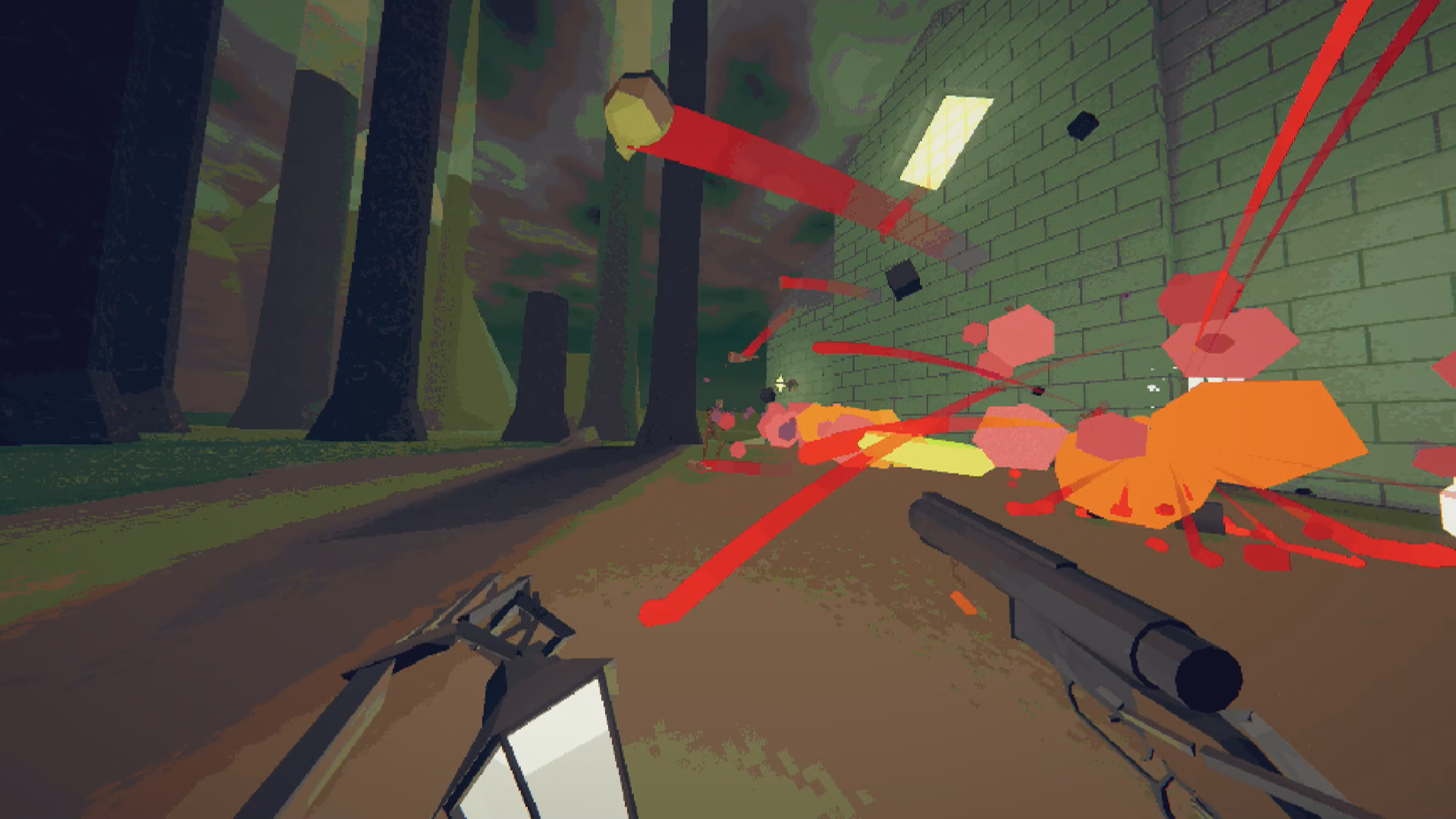
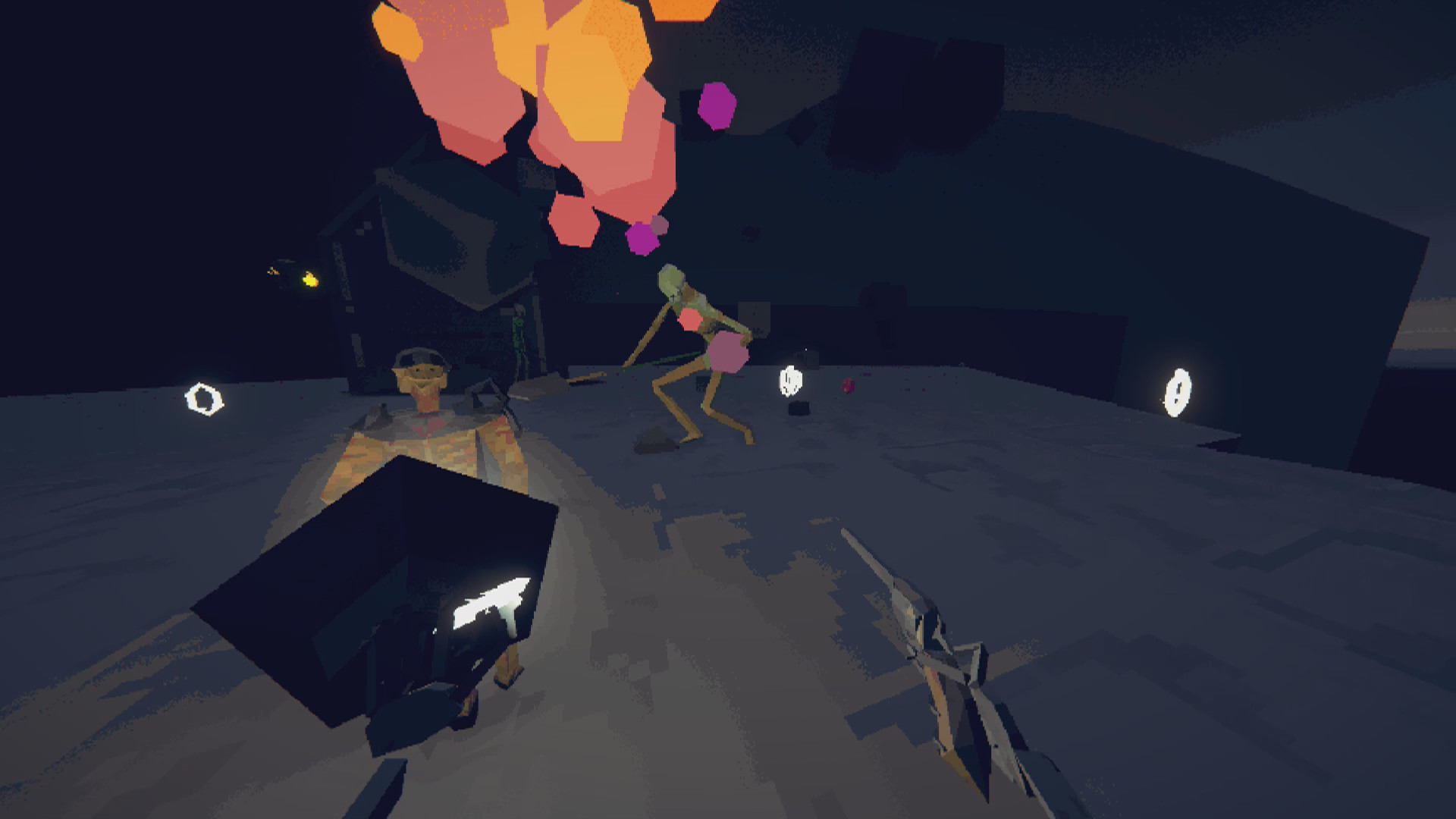
ENCHAIN’s core loop is delightfully physical: you grapple, slide, kick, wall-run and dive through a non-linear underworld while firing guns that feel snappy and weighty. Combat blends juggling hack-&-slash moments with retro FPS strafing—so you’ll often be mid-air, tethered to a ring or rail, unloading into an undead horde and using movement to reset your position. Encounters rarely feel like static arenas; they’re vertical playgrounds. I spent entire runs just chaining momentum—hook, swing, fire, pivot, and break an enemy’s guard—then use that burst to reach a ledge I hadn’t thought possible. Repetition isn’t boring because each route invites improvisation.
When Mobility Becomes Your Toolkit
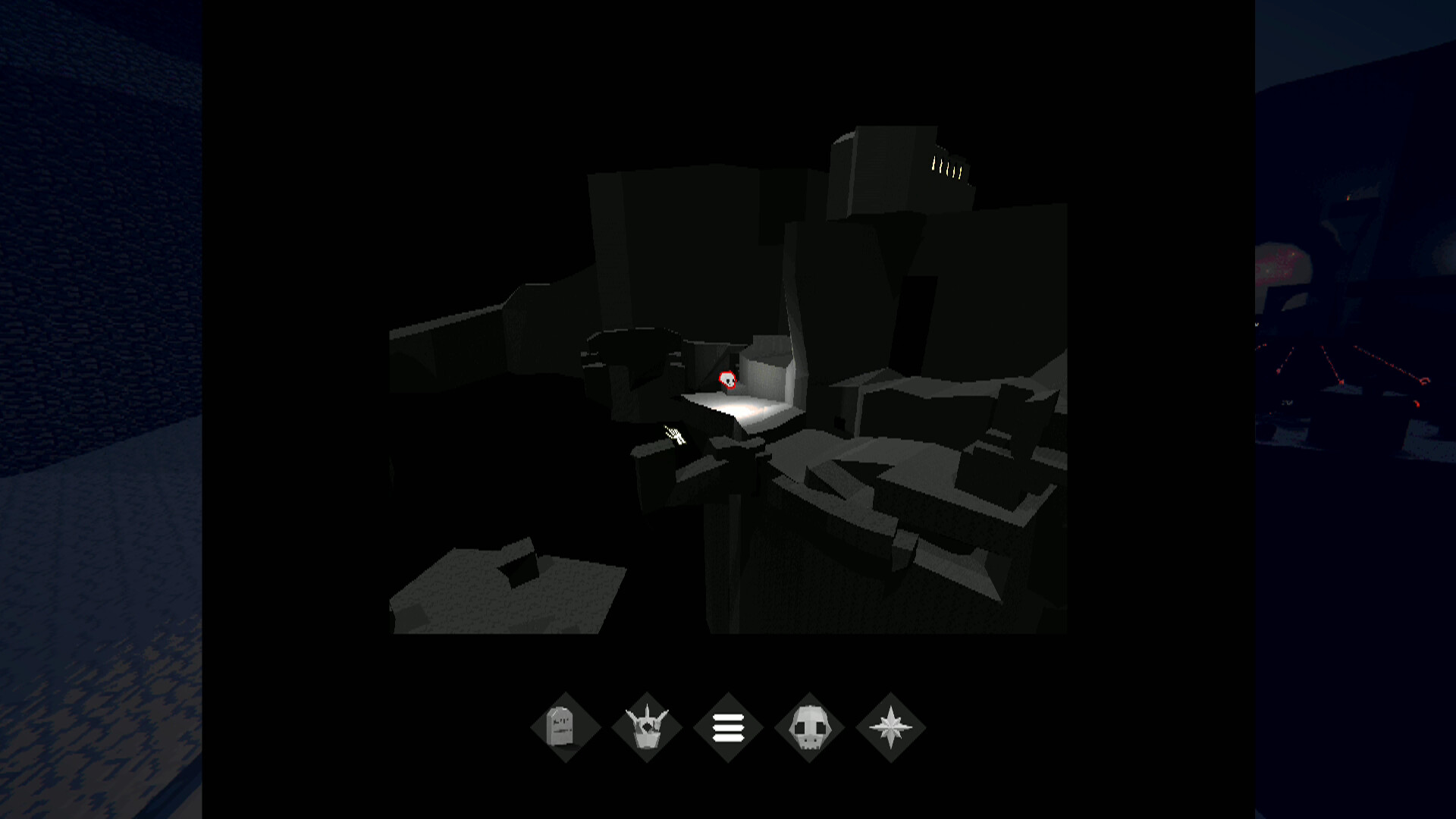
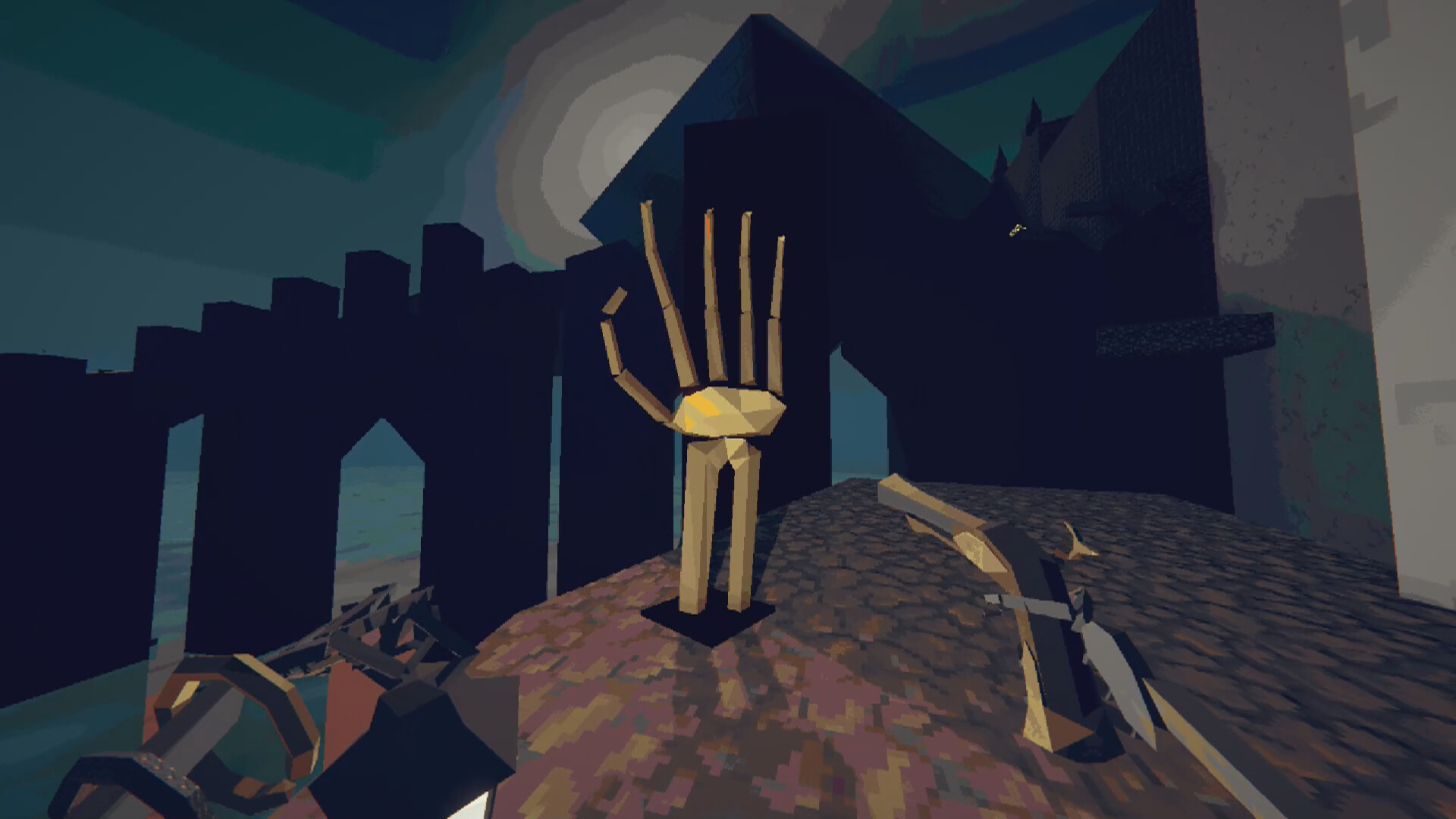
What separates ENCHAIN is how the movement systems are instruments, not icing. The game encourages experimentation: different weapons and bracelets have quirks and synergies that change how you approach a space. One playthrough I used a heavy pistol that launched corpses, then discovered I could fling those into environmental hazards to make ammo—little emergent tricks like that kept the loop fresh. Progression borrows the Dark Souls philosophy of shortcuts and unlocked techniques: you retread areas with new tools and suddenly a previously impassable wall becomes a secret route. That sense of discovery—finding a tiny pedestal or a silhouette across the map and feeling rewarded for noticing—gave me actual goosebumps.
Sound, Look and the Occasional Rattle
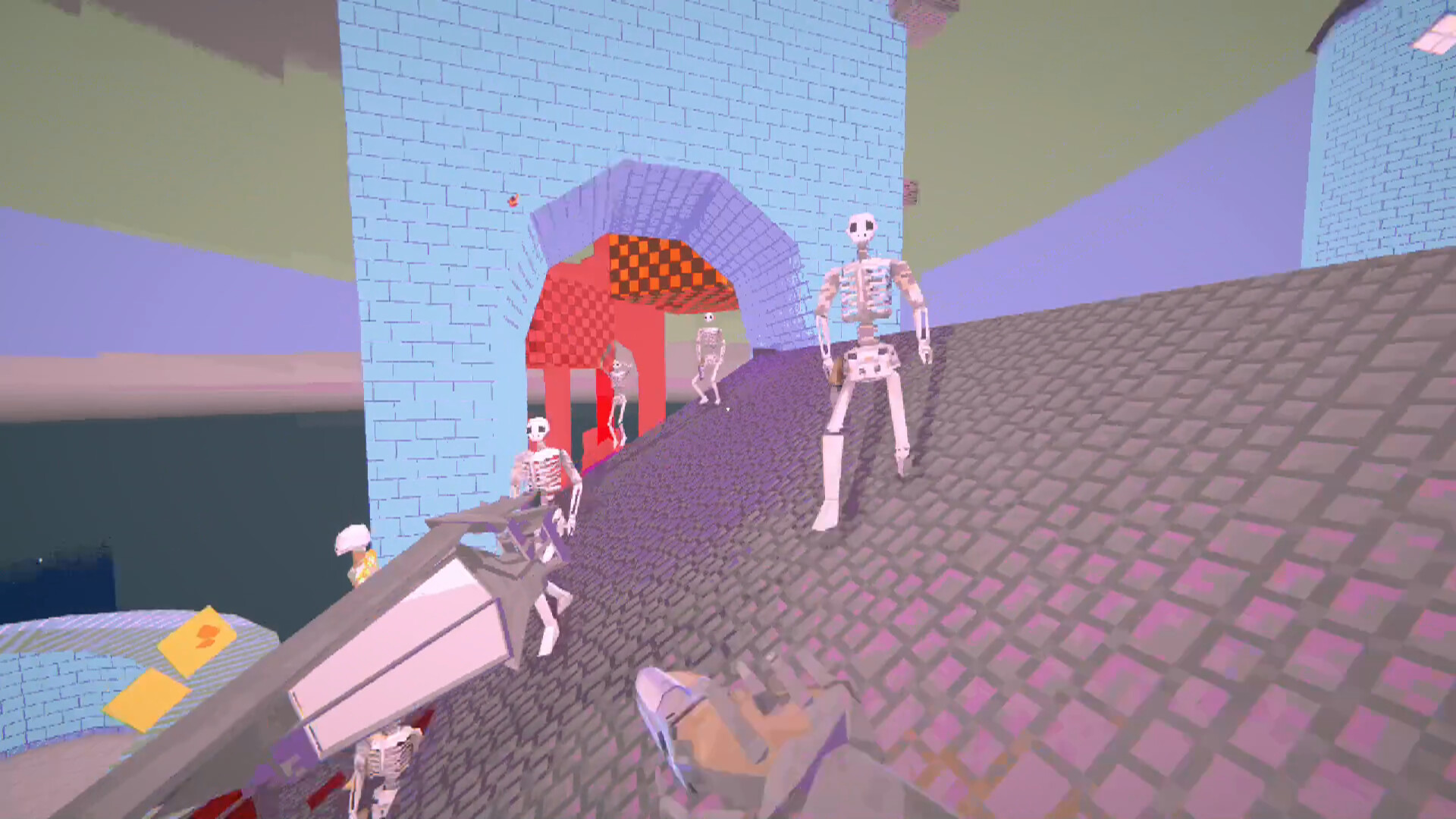
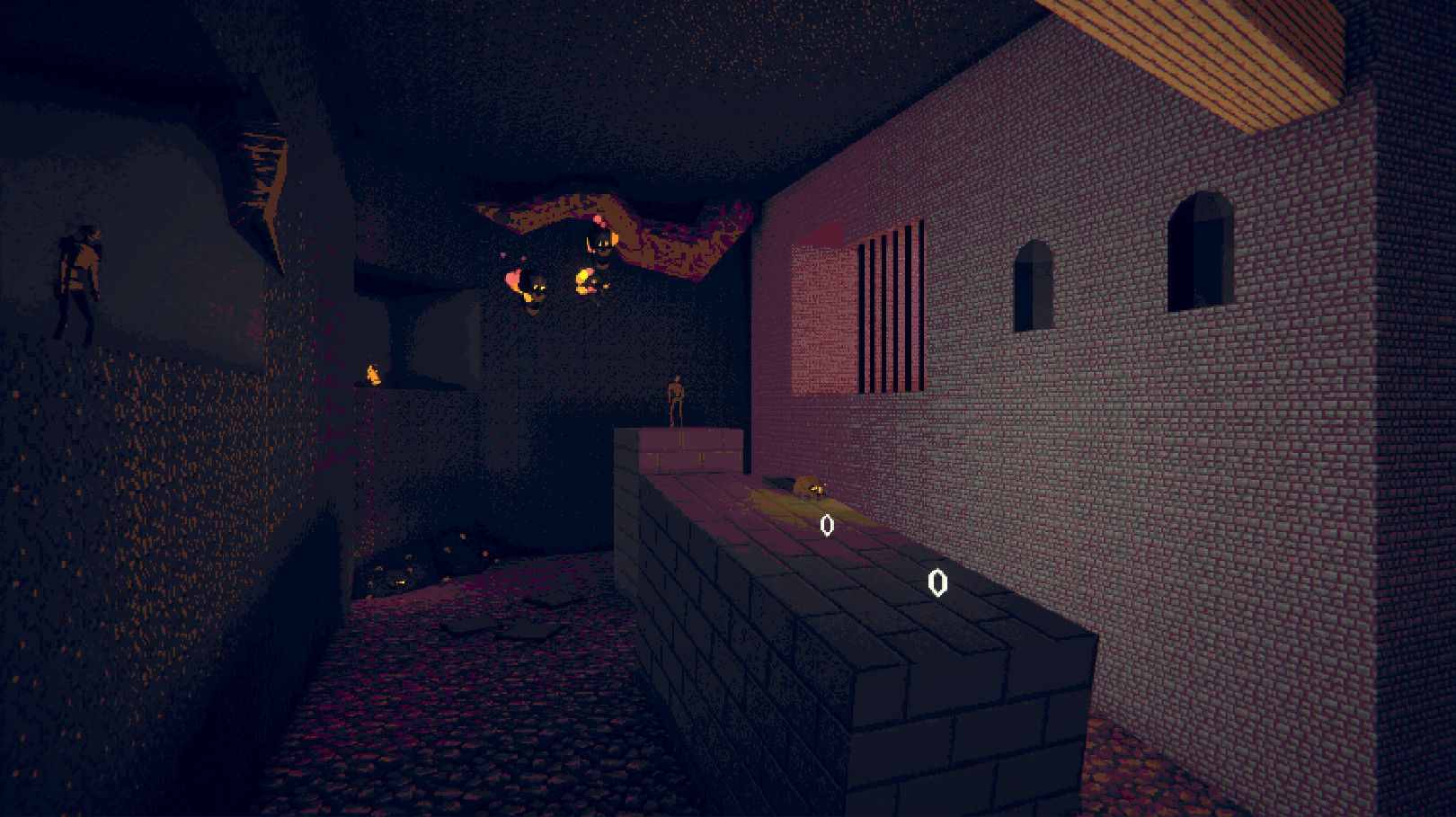
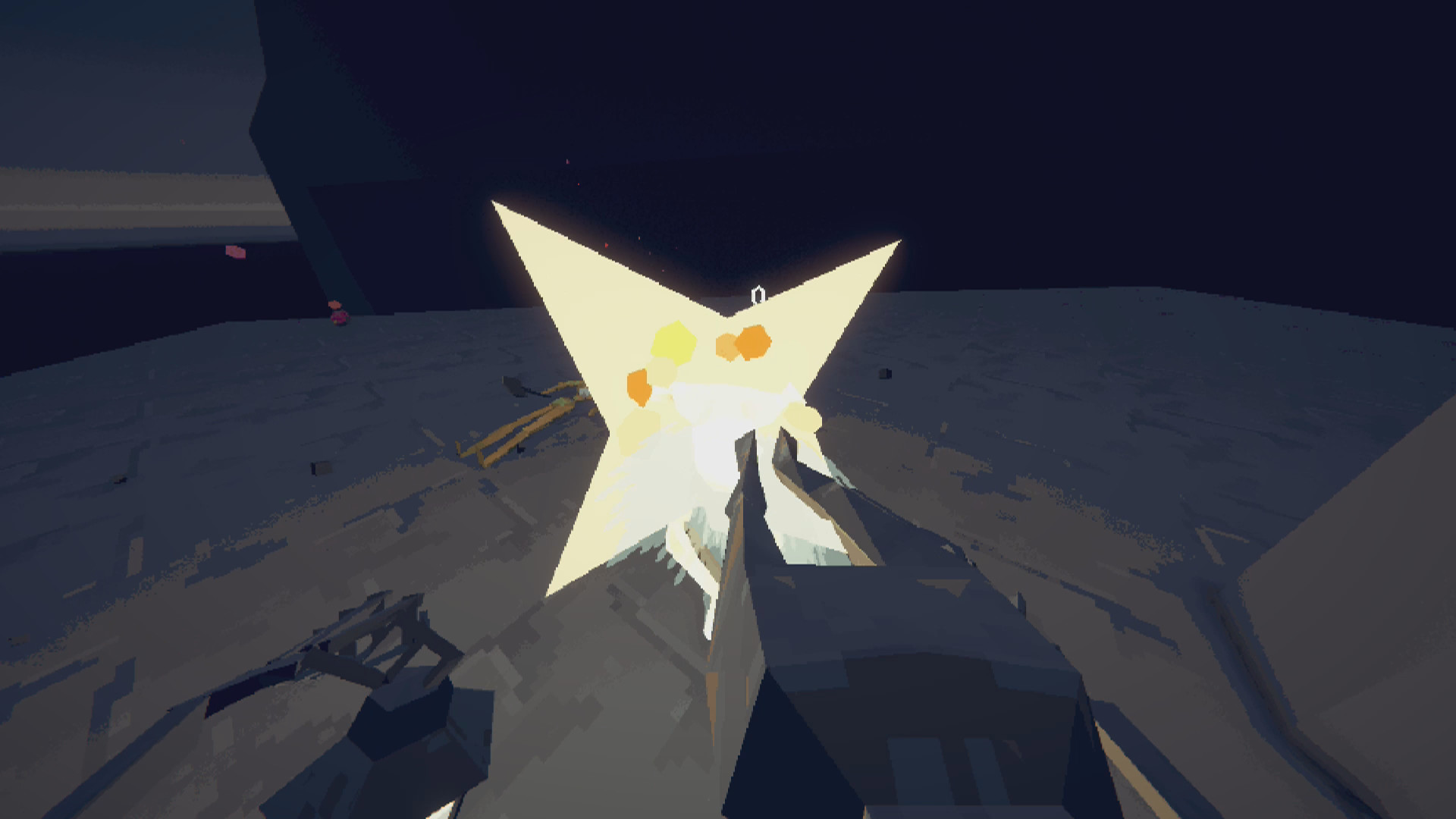
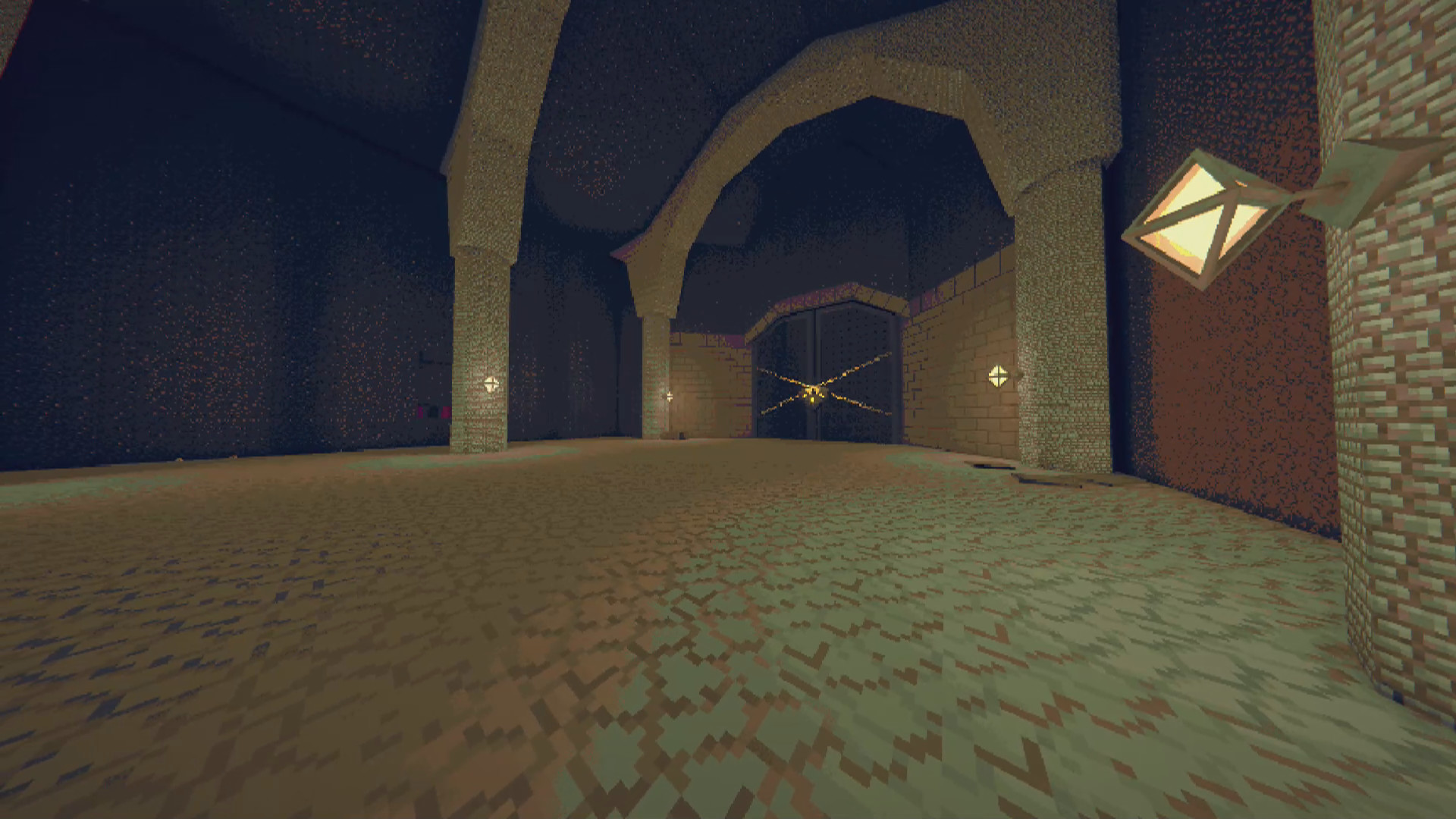
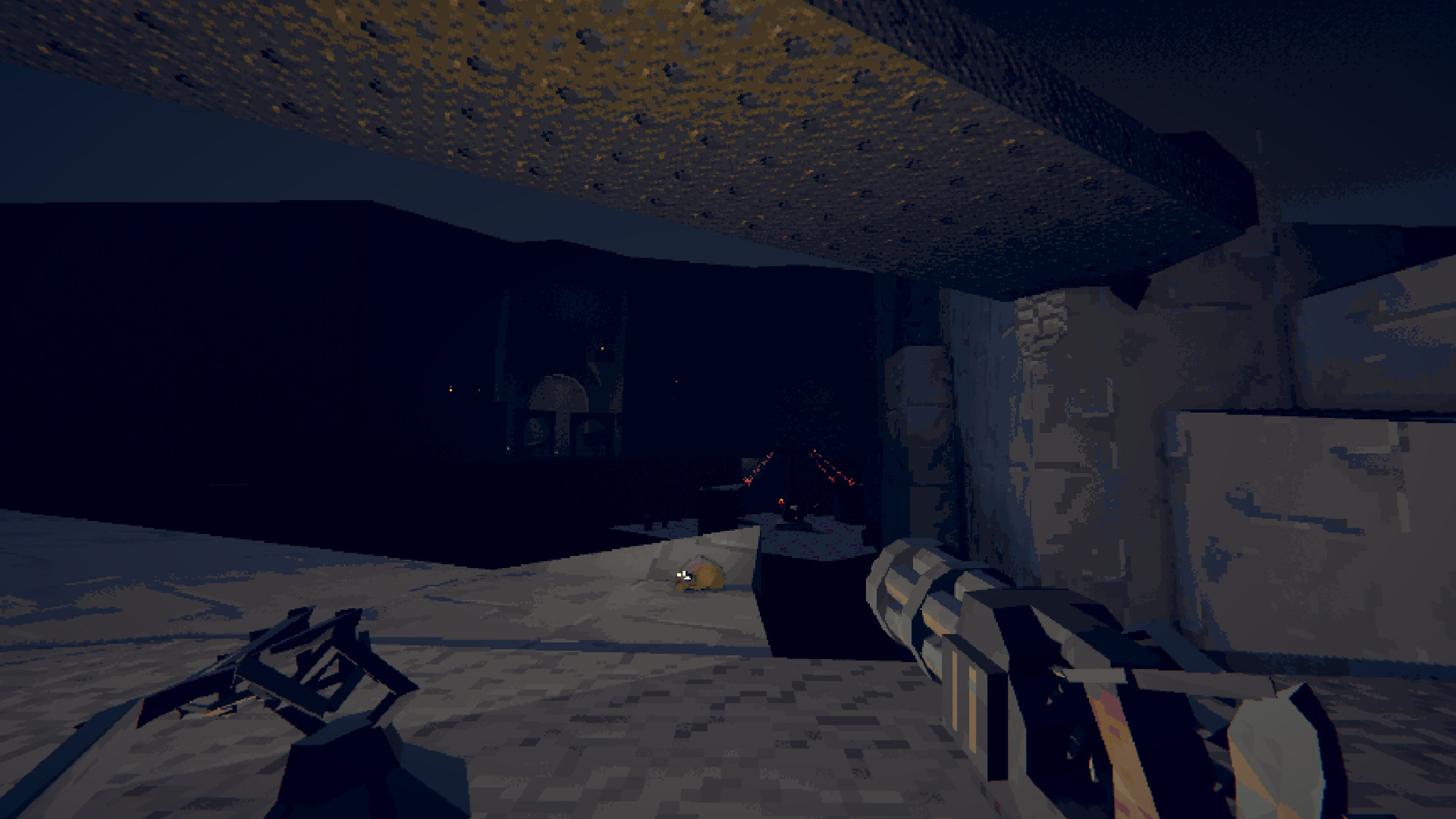
Visually ENCHAIN wears its retro-FPS and indie roots proudly: gritty textures, stark silhouettes and punchy particle effects make hits feel meaningful. The soundtrack and sound design push the momentum; gun cracks and grapple sounds puncture the air and sell speed. Performance is generally solid on Windows, but yes—there’s jank. A few users (and I) ran into moments of odd collision, humorous ragdoll flubs, or minor bugs in level geometry. Early access shows: the aesthetic and systems are all present and charismatic, but some polish for bugs, slowdown and clarity in a handful of design choices would elevate it further. Still, when everything aligns—movement, weapons, map knowledge—it’s euphoric.
ENCHAIN is a bold movement shooter with character: when the systems click it’s one of the most thrilling traversal shooters I’ve played. Early access roughness and occasional jank hold it back from perfection, and some players will find the learning curve steep, but the core design is promising and full of emergent moments. Buy it if you crave mobility-first combat and exploration, or if you want to back a distinctive indie vision with real upside.
Pros
- Exceptionally rewarding movement and traversal systems
- Snappy, satisfying gunplay that pairs well with aerial juggling
- Interconnected world design with rewarding shortcuts and secrets
- Distinct aesthetic and sound that sell speed and impact
Cons
- Early access jank: occasional bugs, collision and polish issues
- Can feel short if you breeze past side content
- Steep skill floor that may intimidate casual players at first
Player Opinion
Players consistently praise ENCHAIN’s movement and gunfeel—many say the grappling and chain-swinging moments are pure bliss and highlight the demo-to-full transition as a real upgrade. Community comments love the interconnected map and secrets; several long-time followers said they got emotional discovering tiny, distant details. Criticisms recur around early access roughness: some reviewers found the current build short, buggy or confusing in places and warn the price may not yet match content for everyone. Others defend the early access state, arguing that the unknown, occasionally unfinished areas add to the game’s mystique and are worth supporting now. If you liked Ultrakill’s tempo or Dark Souls’ sense of worldcraft, you’ll find familiar pleasures here.