




Data Center Review – A Tactile Cable-First Datacenter Simulator
Build racks, route Ethernet by hand and watch colored packets flow. A charming, tactile sim that scratches an uncommon cable-management itch—great for IT nerds, but still early and rough around the edges.
Data Center from Waseku is a small, focused simulator that turns the usually invisible life of networks into something you can literally see and touch. Released on Windows on March 31, 2026, it invites you to build racks, run Ethernet by hand and watch customers’ traffic roll through your cables as colorful packet-balls. If you ever wanted Factorio-level engineering but with obsessive cable management, this is the game for you—albeit a pared-down, gentler take on real-world networking. It’s immediately relaxing for the right audience, and surprisingly educational for newcomers.
Wiring the Heartbeat
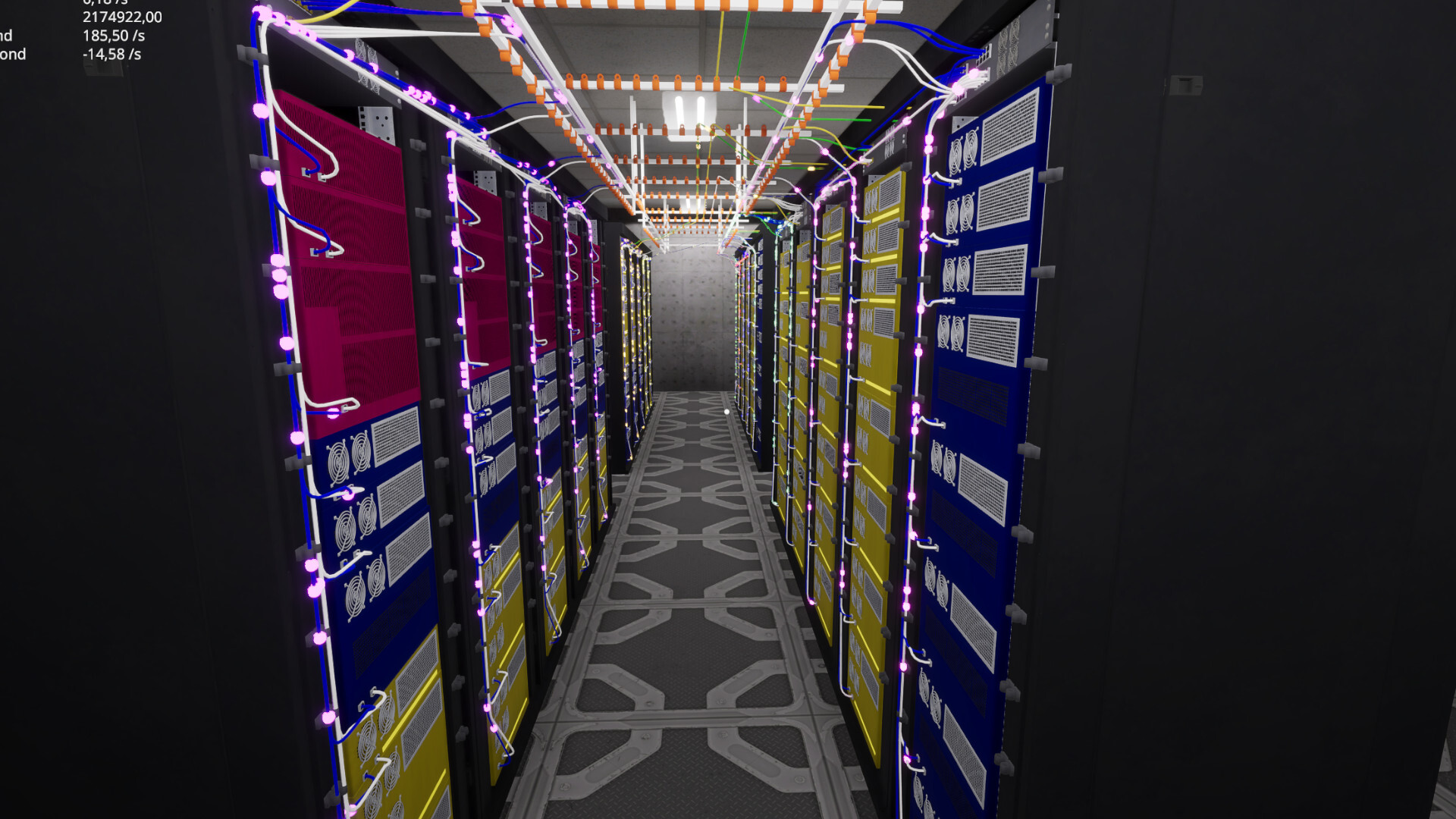
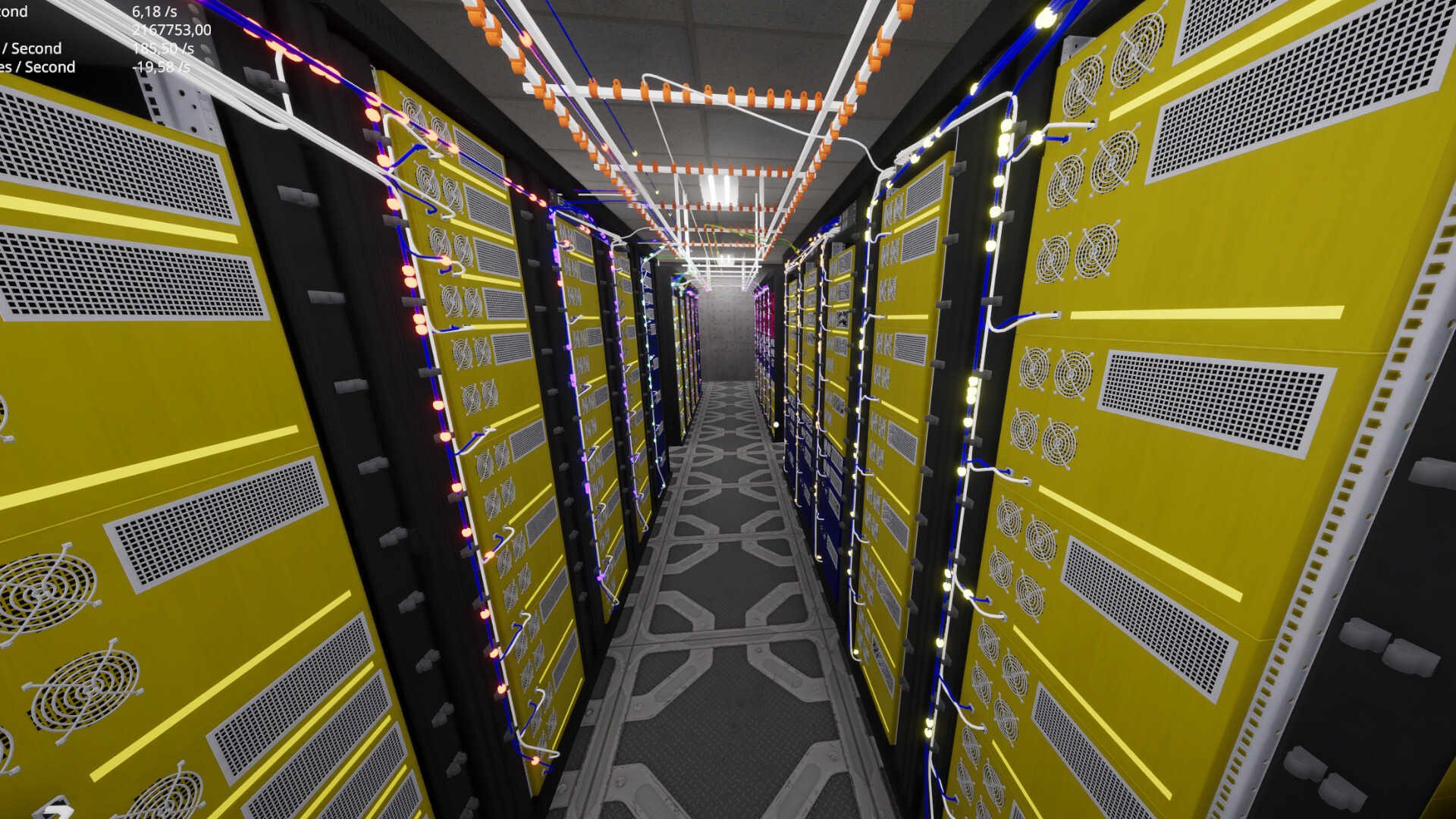
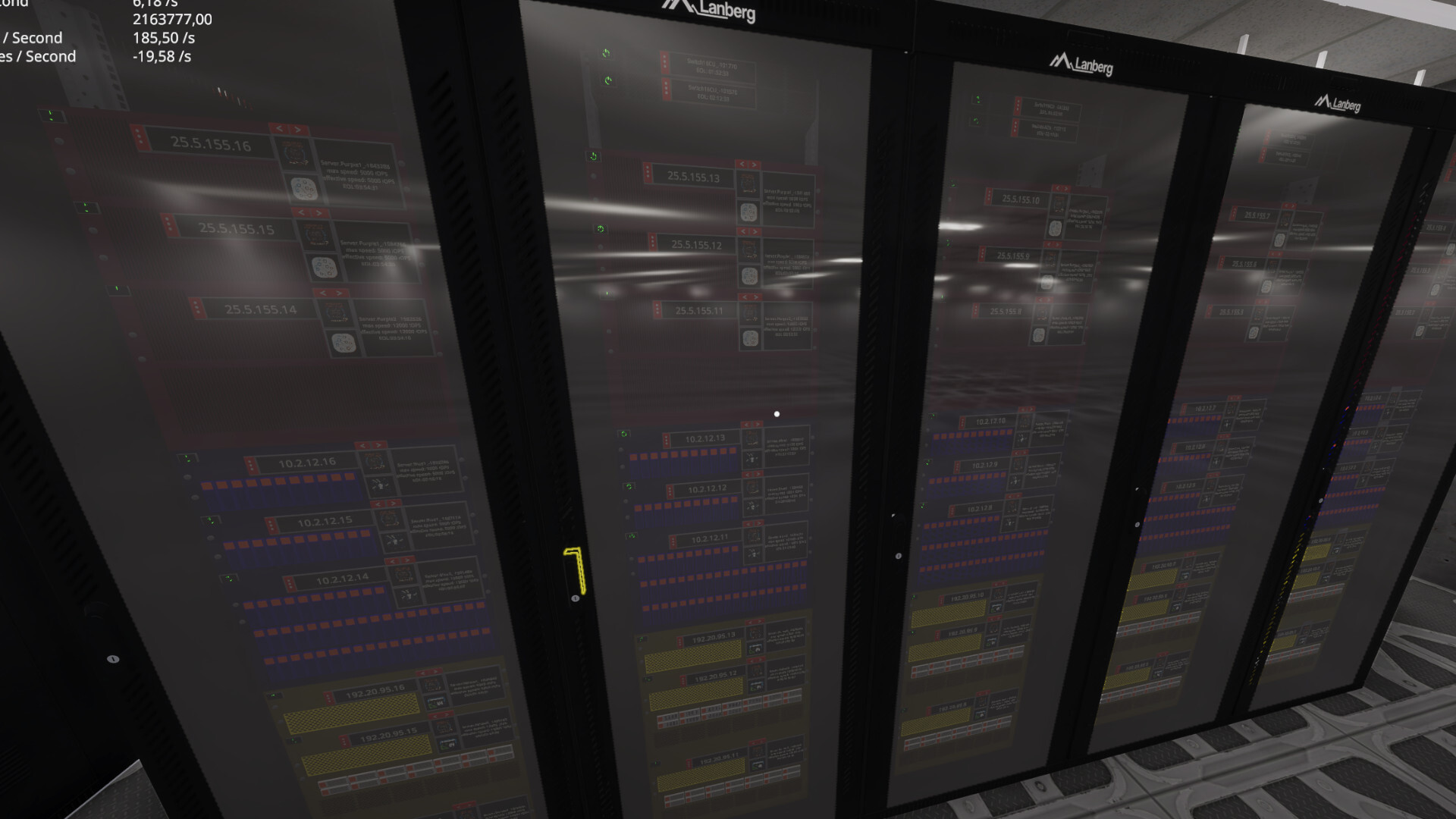
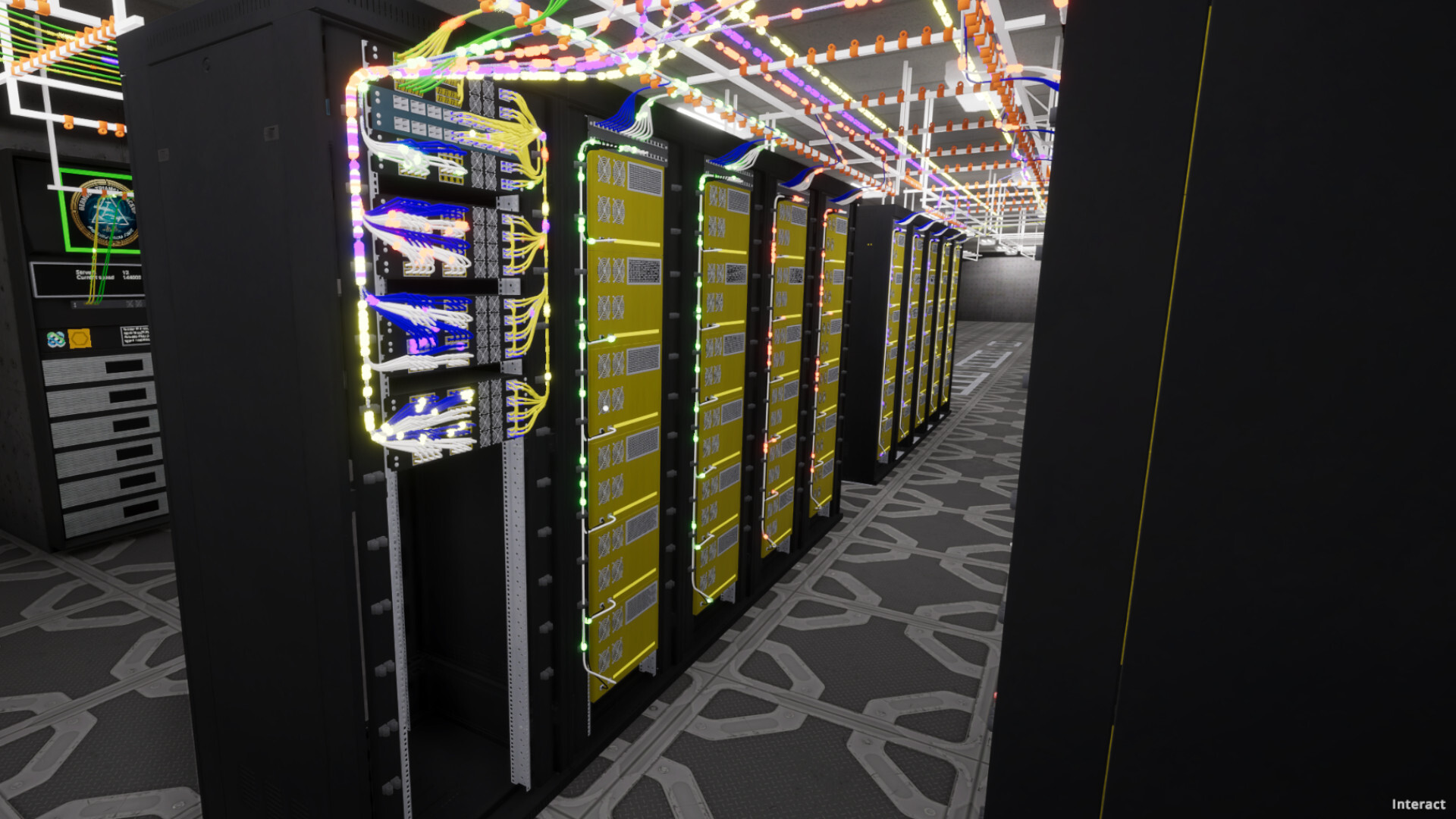
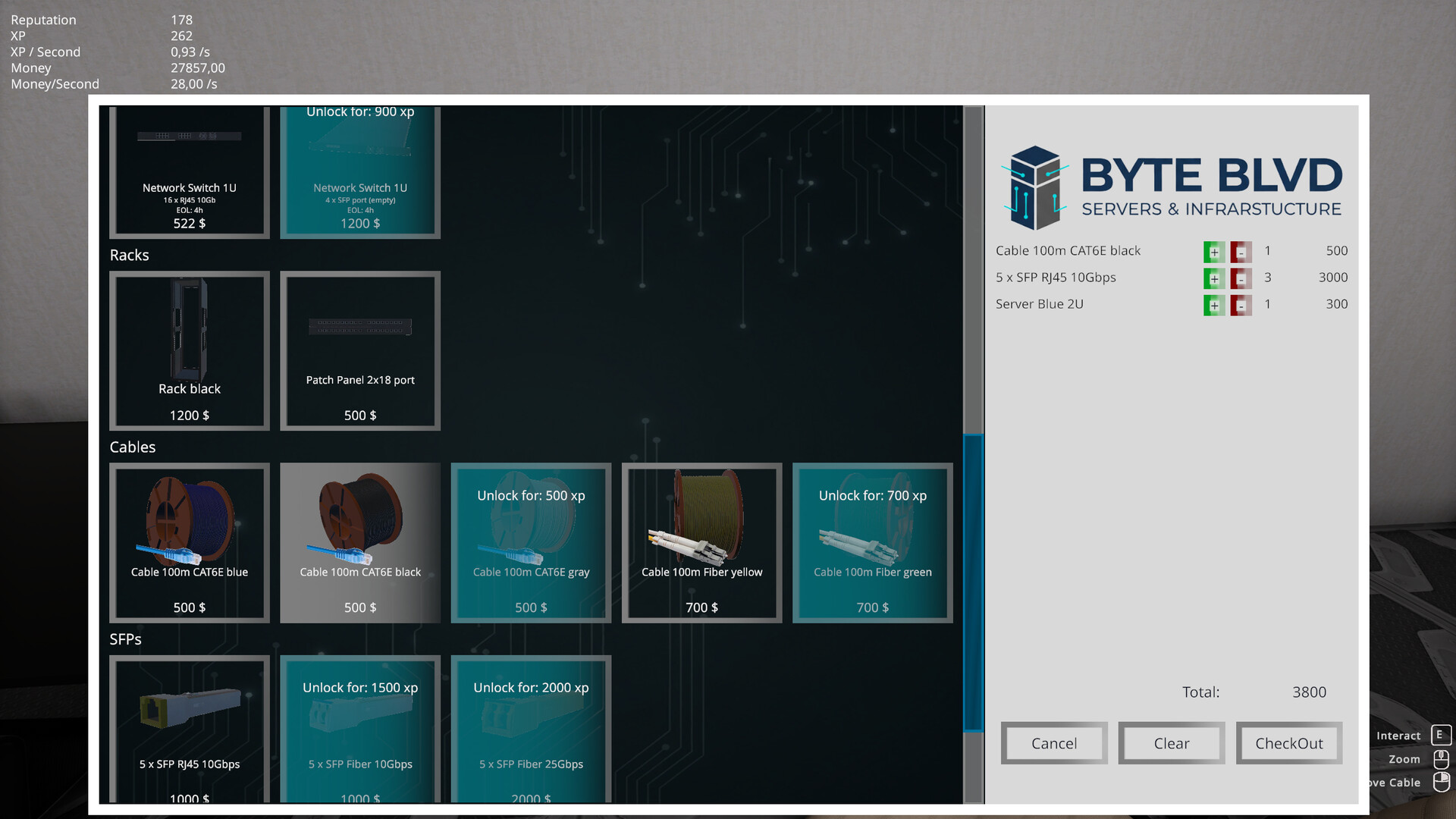
The core loop is gloriously tactile: buy racks, servers and switches, place and stack hardware, then physically run Ethernet from port to port. You're not assigning abstract links on a map—you're standing in the datacenter and routing cables through trays and cable chases, which makes every decision feel concrete. Customers arrive with app requirements and capacity targets, and you must connect enough servers and balance their load across racks and switches to meet those KPIs. Hardware ages and has end-of-life timers, so the routine includes swapping failing gear, planning redundancy and keeping critical services reachable during outages. Money, XP and reputation flow from good design, letting you expand your floor and unlock better devices as you succeed.
When Packets Become Visible
What really sets Data Center apart is the visual networking: each client's traffic is a stream of colored packet-balls that roll along your cables, immediately revealing congestion, idle links or perfectly tuned throughput. That visualization turns debugging into a delightful puzzle—watch a queue form, reroute a connection, and see the river smooth out. The game intentionally simplifies real networking: no CLI wizardry or mandatory VLAN/Routing configuration for every device, but it keeps enough details (ports, IPs, redundancy) to feel meaningful. Players from the reviews wanted more advanced features—remote configuration, routing protocols like BGP/OSPF, STP, or more device granularity—and the foundation is clearly there for those expansions.
Looks, Sound and Performance
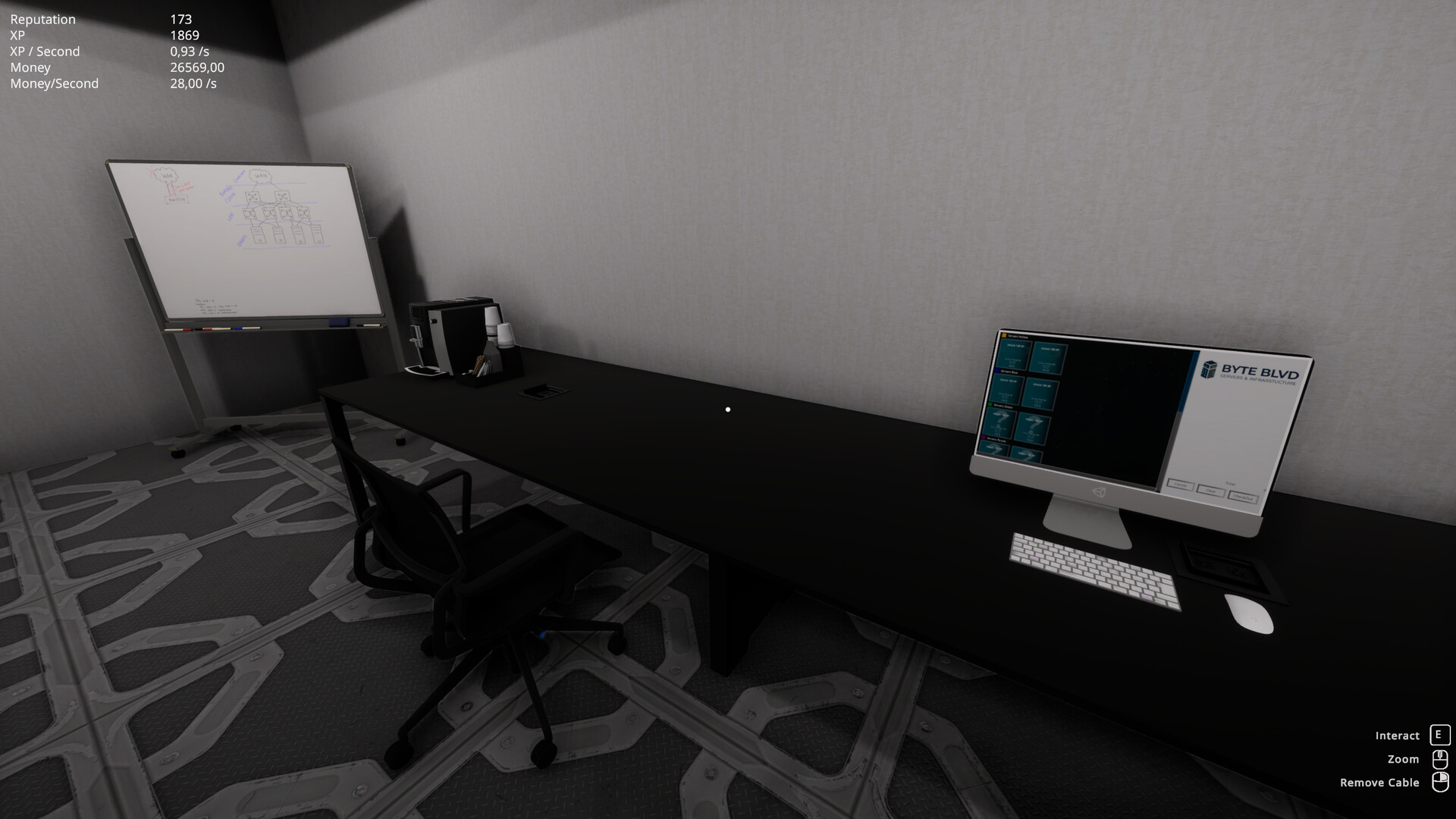
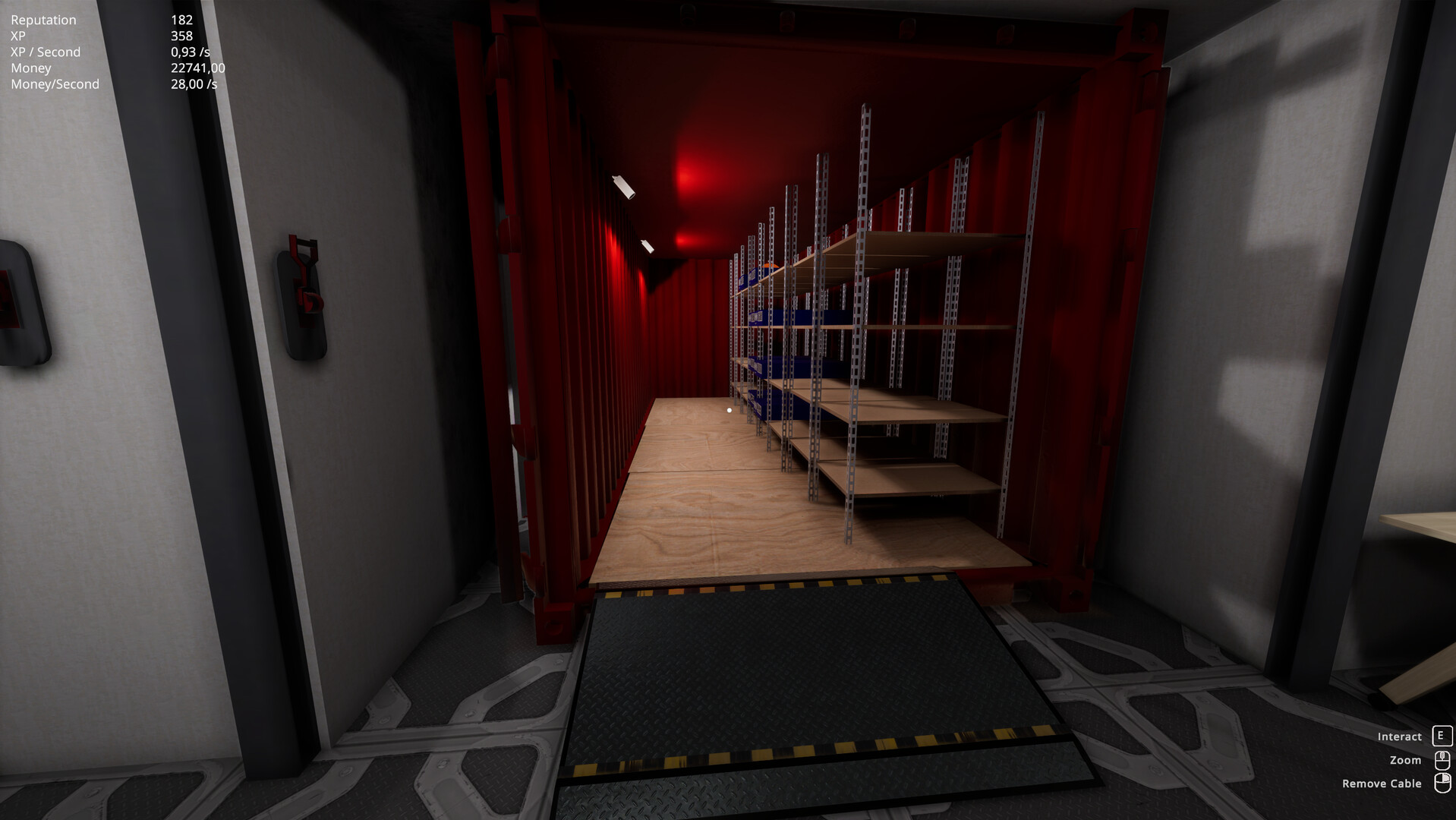
Graphically the game favors clarity over flash: clean models, readable UI and charming packet animations that make the sim readable at a glance. Sound design leans into gentle mechanical hums and satisfying clicks when you plug a cable or stack a server, which helps sell the tactile joy. Performance on Windows is solid for modest floors, though some players reported small graphical glitches and control quirks (trolley placement, cable removal requiring held input). Accessibility is decent—the tutorial eases non-networking players in—but power users will notice the deliberate simplifications and hope for deeper housekeeping/QoL tools in updates. Overall it presents the network as a living, visible system, and that design choice is the game's personality.
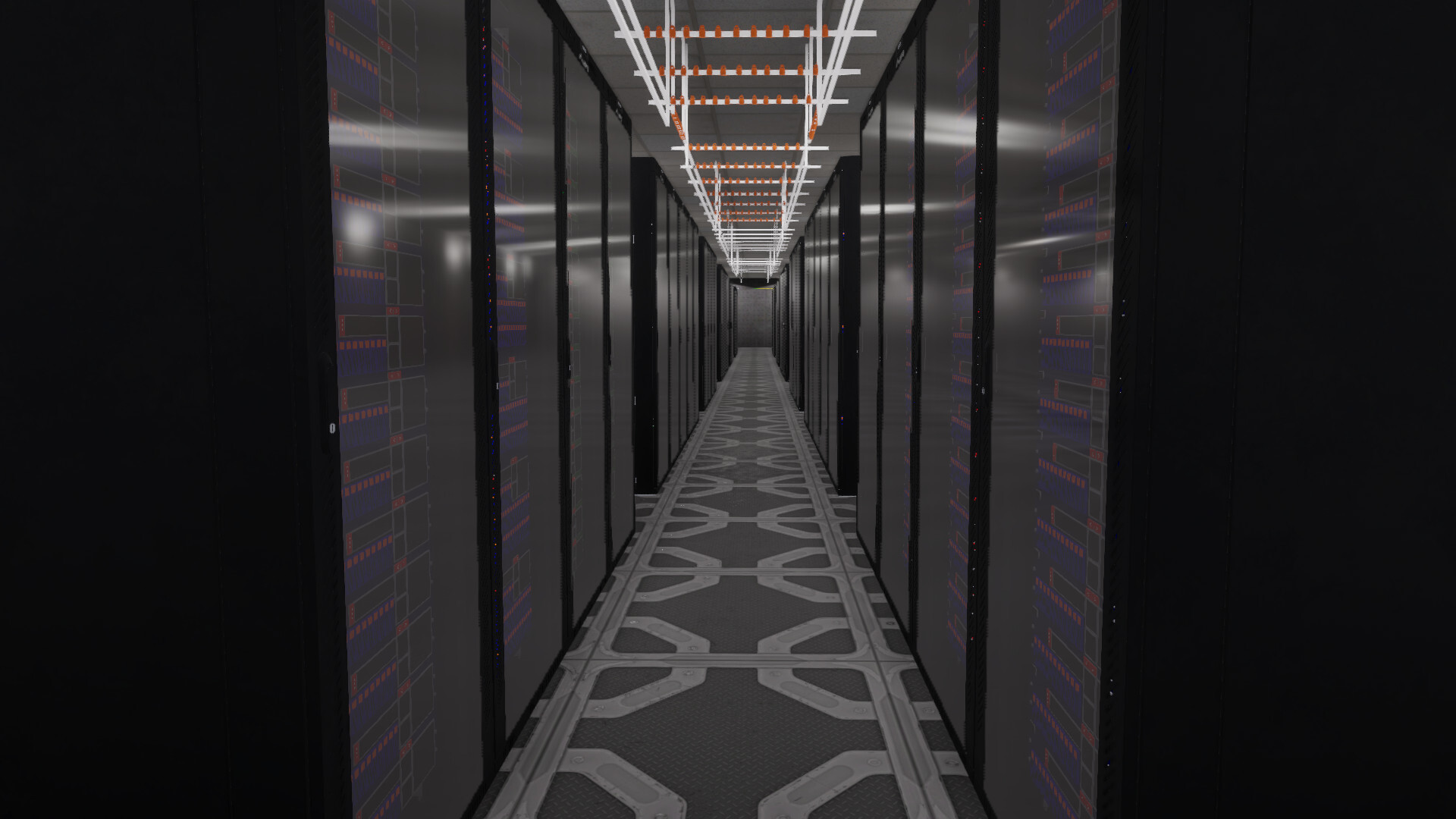
Data Center is a niche gem: tactile, readable and oddly meditative if you're into networks or meticulous building. For casual players and IT hobbyists it's an easy recommend at a low price, but those wanting deeper, realistic networking should temper expectations until more features and QoL fixes arrive. Buy if you love cables; wait if you need full routing realism.
Pros
- Satisfying, tactile cable-routing with instantly readable packet visuals
- Accessible entry point to datacenter concepts for non-experts
- Progression and risk (EOL/failures) give real stakes to layout choices
- Cheap, charming and relaxing for the right audience
Cons
- Still light on deeper networking features (routing, VLANs, advanced devices)
- Quality-of-life and small bugs: cable removal, trolley glitches, occasional UI hang
- Can feel repetitive over longer sessions without more content
Player Opinion
Players mostly praise the cable-first gameplay and the weirdly relaxing joy of watching packet-balls scurry through their networks—many reviewers said it scratched an itch they’d had since Factorio but with real cable management. Network folks enjoyed the nostalgia and recommended it as casual, low-stakes fun; several called it perfect to unwind with after work. Criticisms cluster around missing depth and polish: people want more device options, remote configuration, routing/VLAN features, and fixes for little control bugs (holding E to rip cables, trolley/placement glitches, occasional UI stalls). Price-to-value is often highlighted positively—many felt the modest cost was a steal—while some warned that the simulation can feel like busywork if you expect full realism.