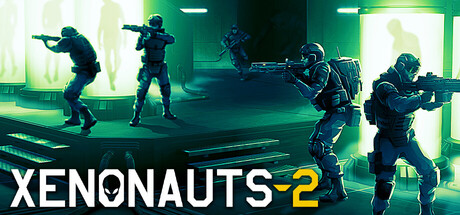




Xenonauts 2 Review – A Gruff, Tactical Spiritual Successor to Classic X‑COM
A deep, punishing tactical strategy that scratches the old X‑COM itch with squad micro‑management, global base play and brutal choices. Not flawless, but addictive for purists.
I jumped into Xenonauts 2 expecting a curio for X‑COM fans and left with bruised veterans and a habit I can't quite shake. Set in an alternate 2009 Cold War, Goldhawk Interactive asks you to run a covert multinational defence against an escalating alien threat. It's the sort of game that rewards patience, planning and sour coffee — and punishes overconfidence with permanent losses. If you love micromanaging soldiers, juggling research trees and making awful tradeoffs (autopsy now or blow the UFO to bits?), this one will tug at your strategic heartstrings.
Fighting in the Trenches: Time‑Unit Tactics that Hurt (in a Good Way)
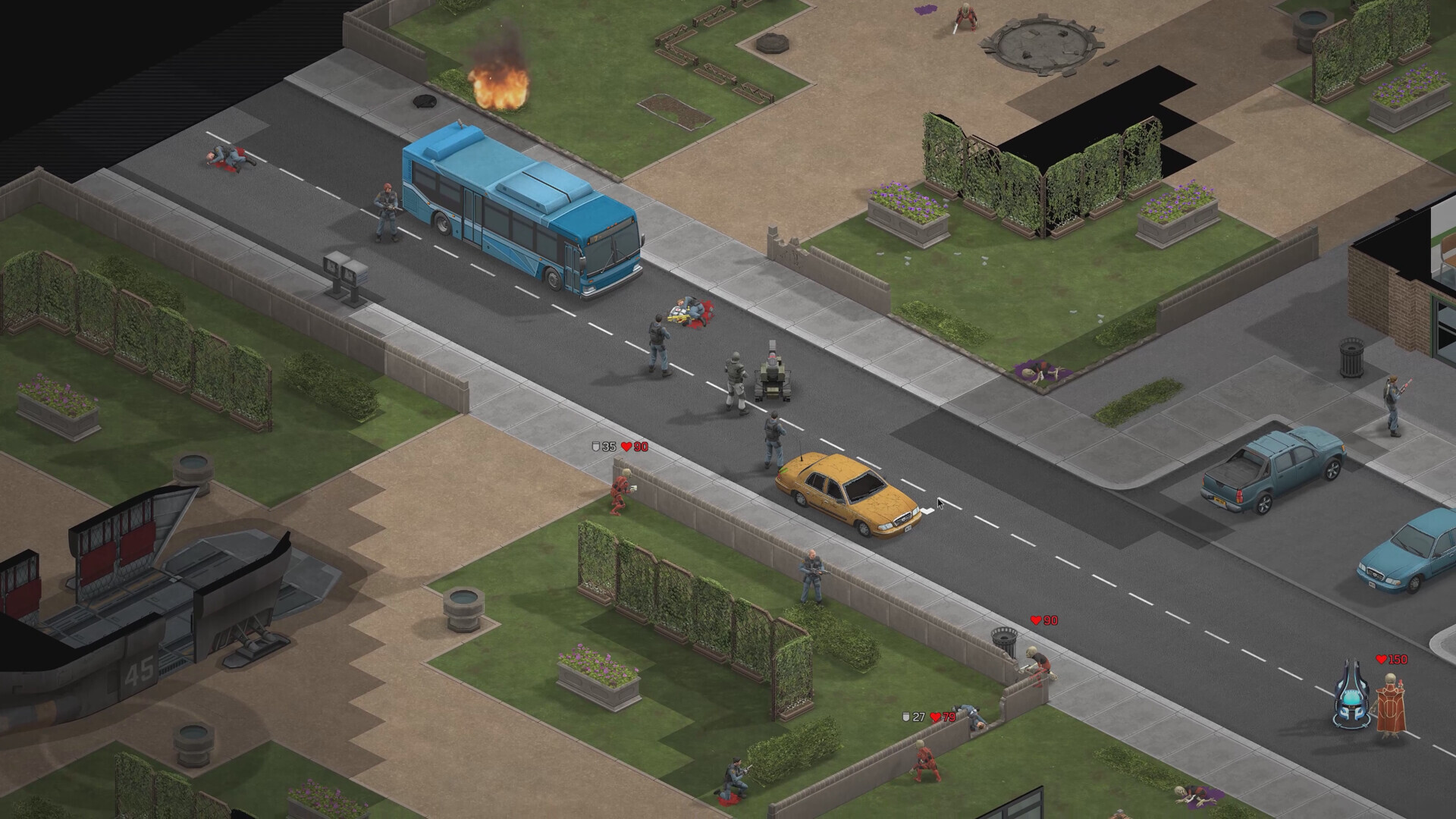
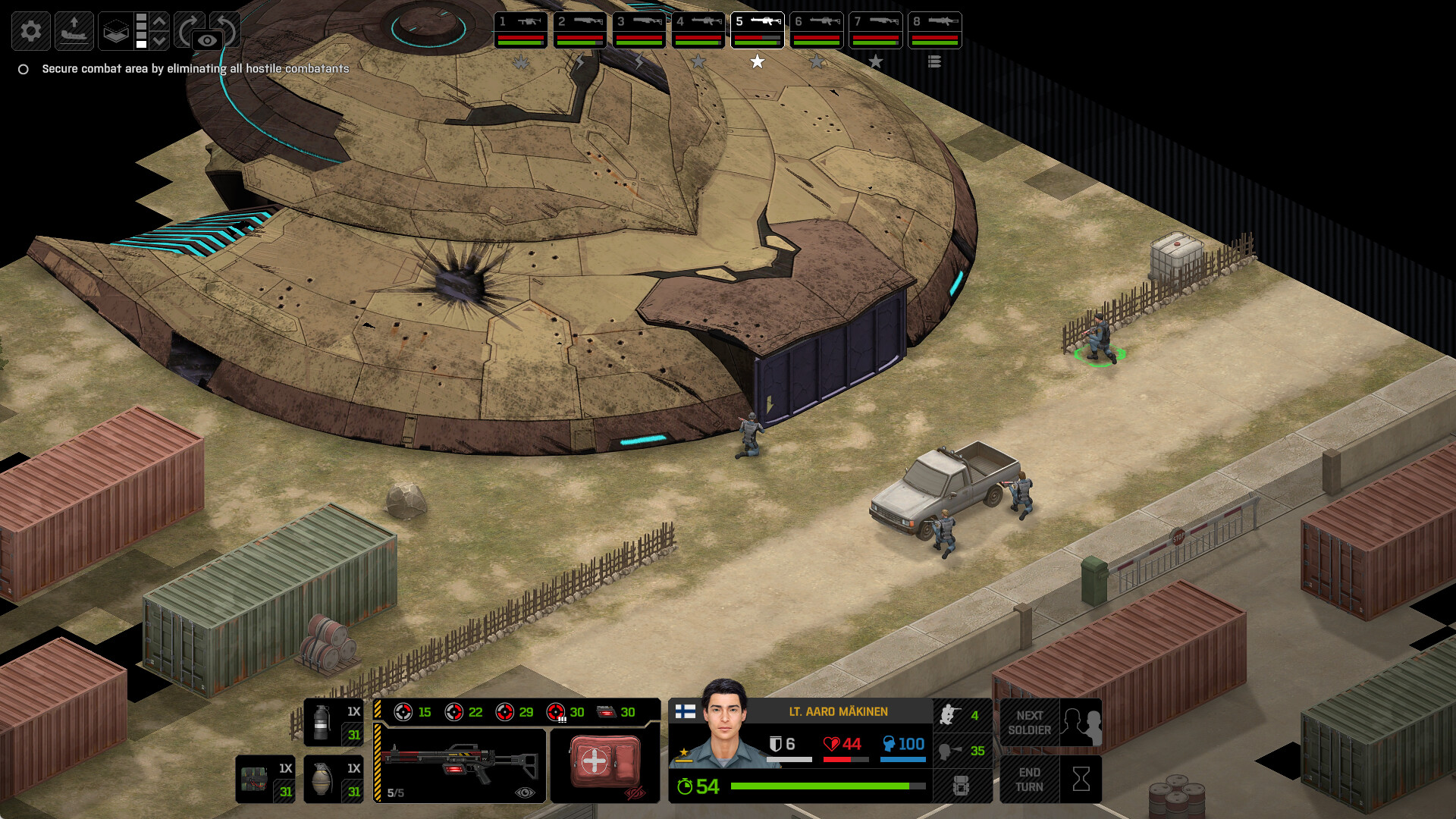
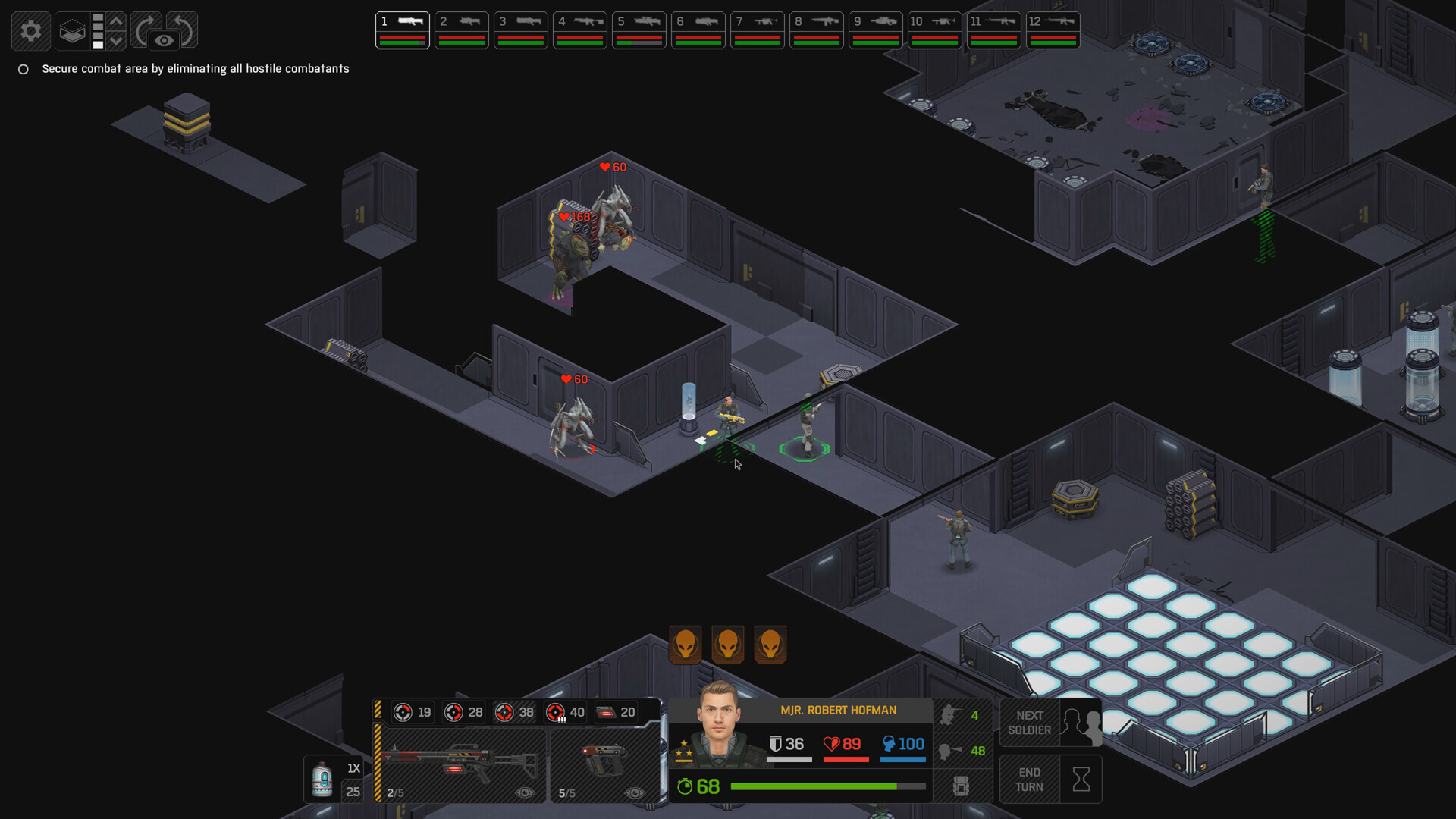
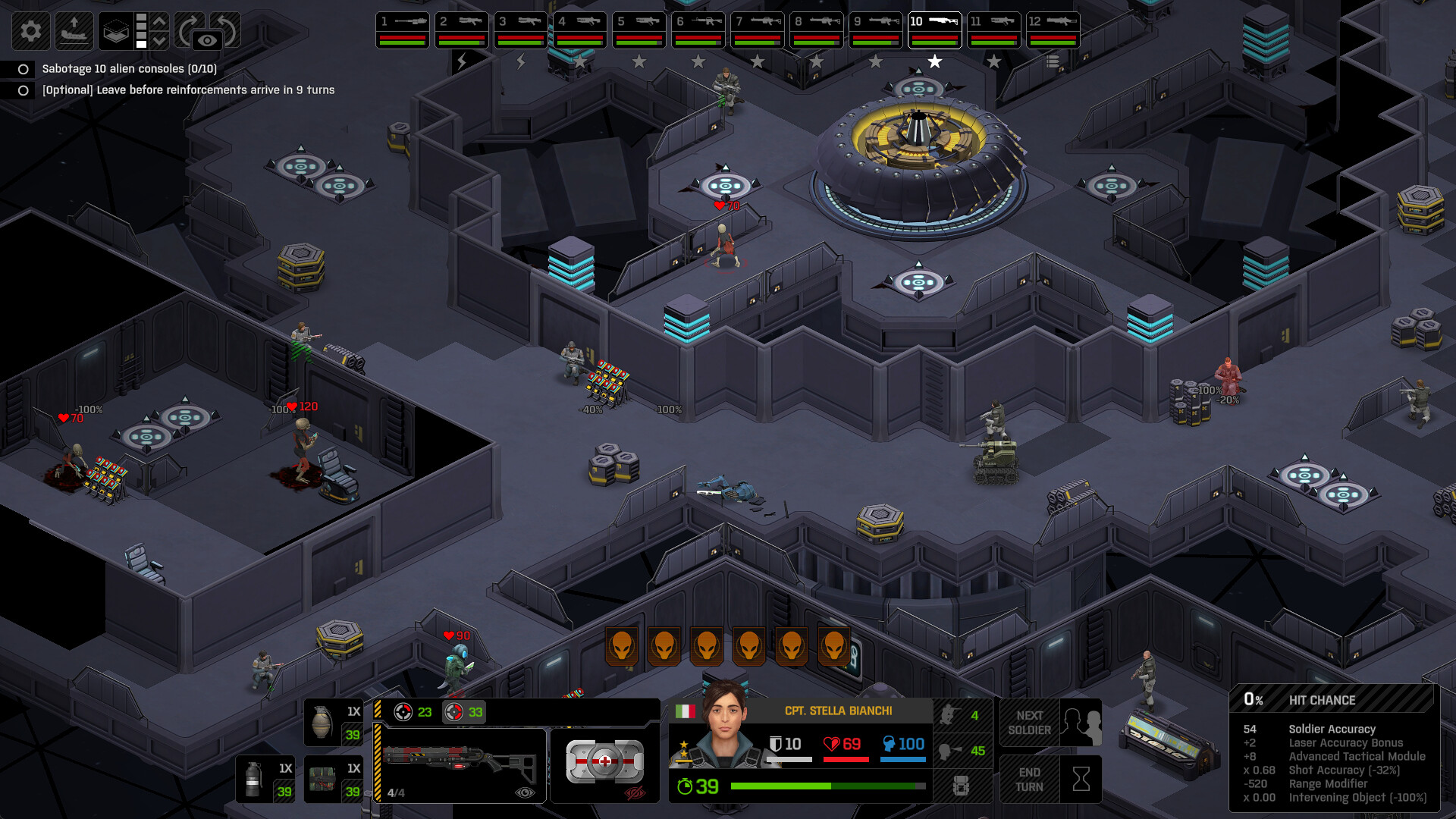
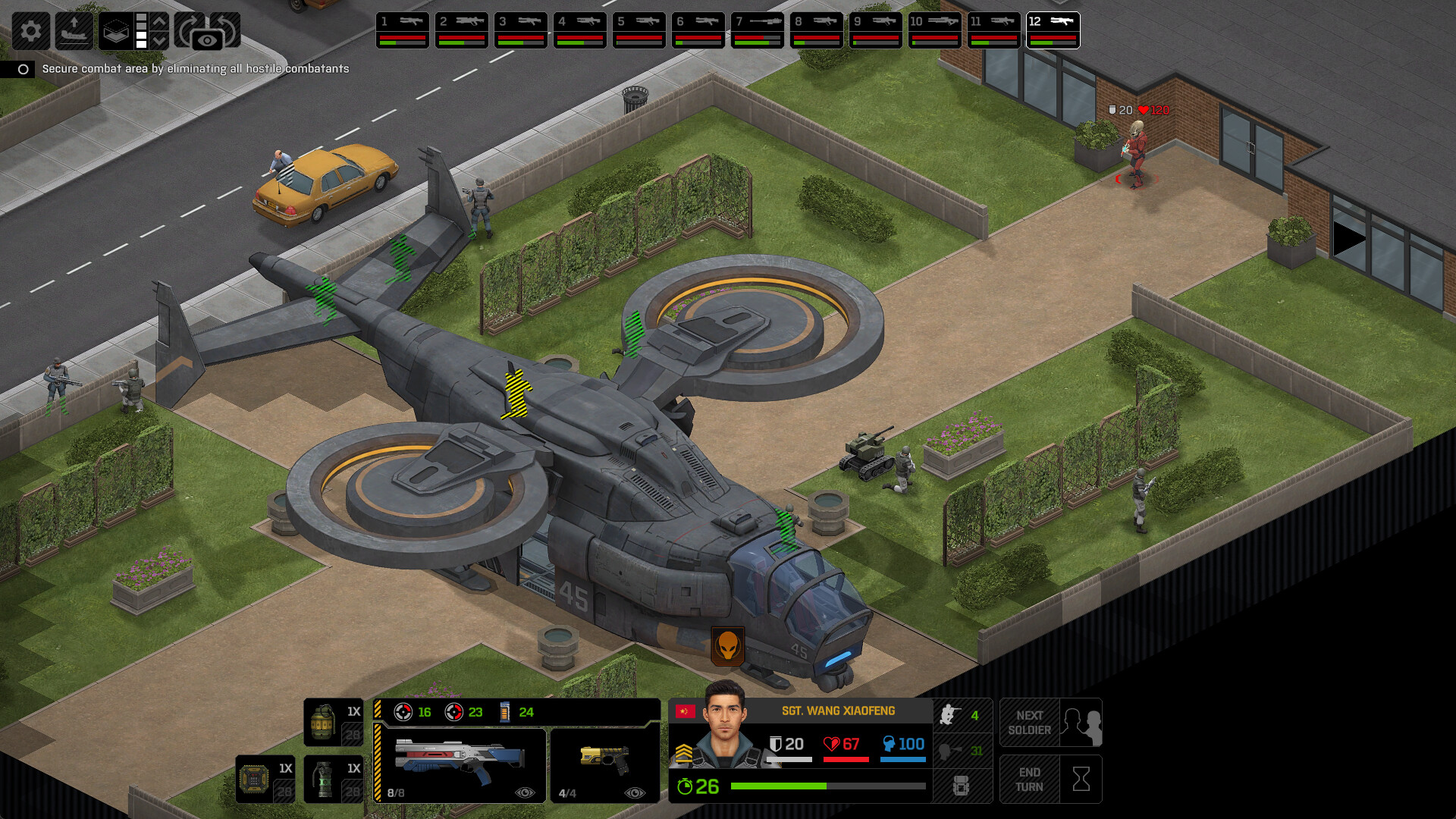
The tactical layer is the heart of Xenonauts 2 and it’s unapologetically granular. Missions run on a time‑unit system where every move, turn, aim or reload eats into a soldier's budget — that makes positioning, facing and sequence of actions feel meaningful in a way modern, streamlined tactics games often smooth over. You’ll spend hours learning the cost of a half‑step, how kneeling changes your odds and when to gamble on a long‑range shot. Cover, overwatch behaviour, smoke, explosives and the occasional one‑hit‑kill alien all combine to create tense, punishing firefights where a single mistake can cascade into a string of losses. I found myself agonising (and laughing) as my best sniper wasted a turn fiddling with cover while a floater popped out of a doorway. Combat rewards foresight: recon, baiting, and leaving extraction plans in place often win the day.
Science, Salvage and the Cruel Maths of Choices
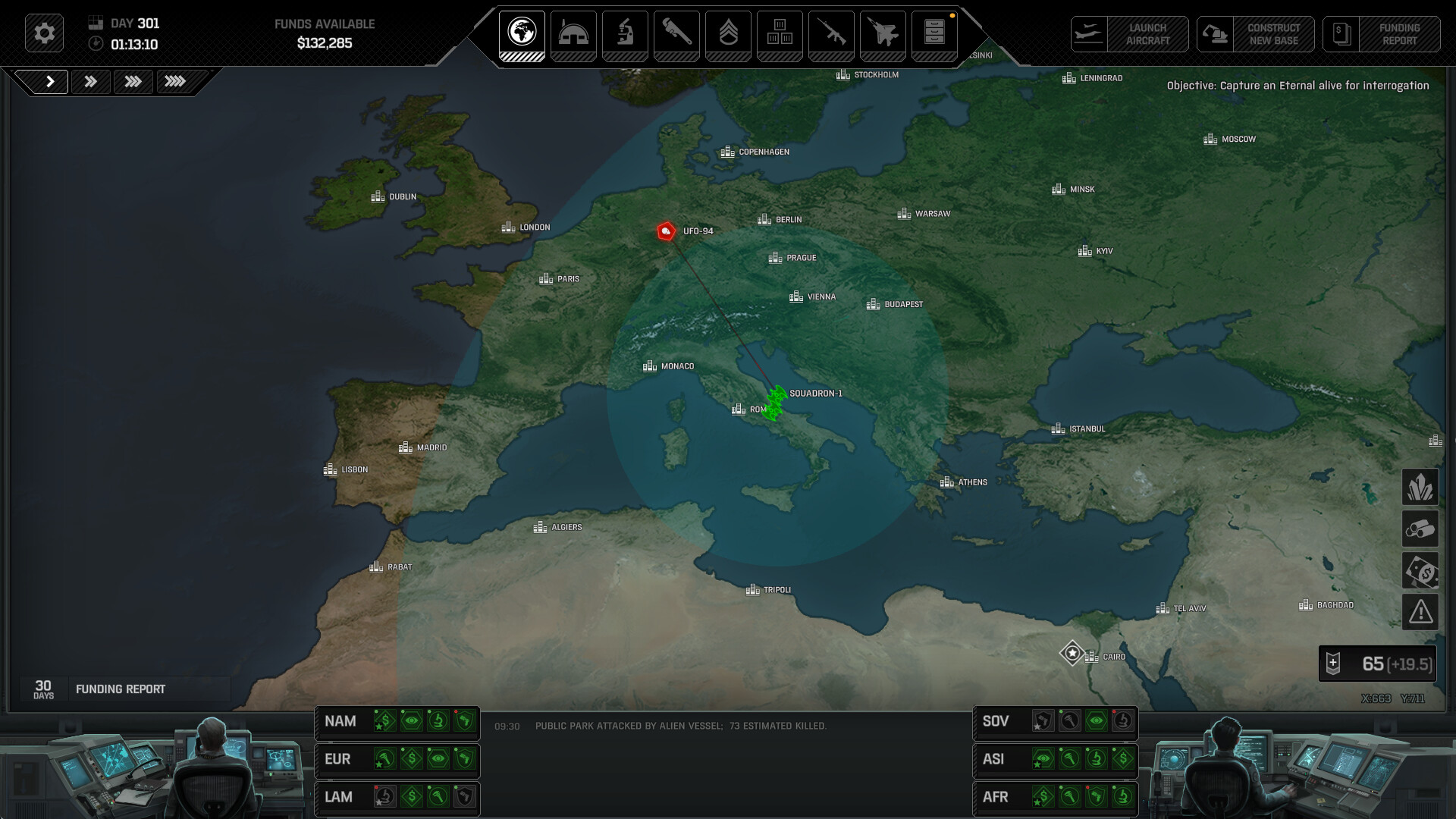
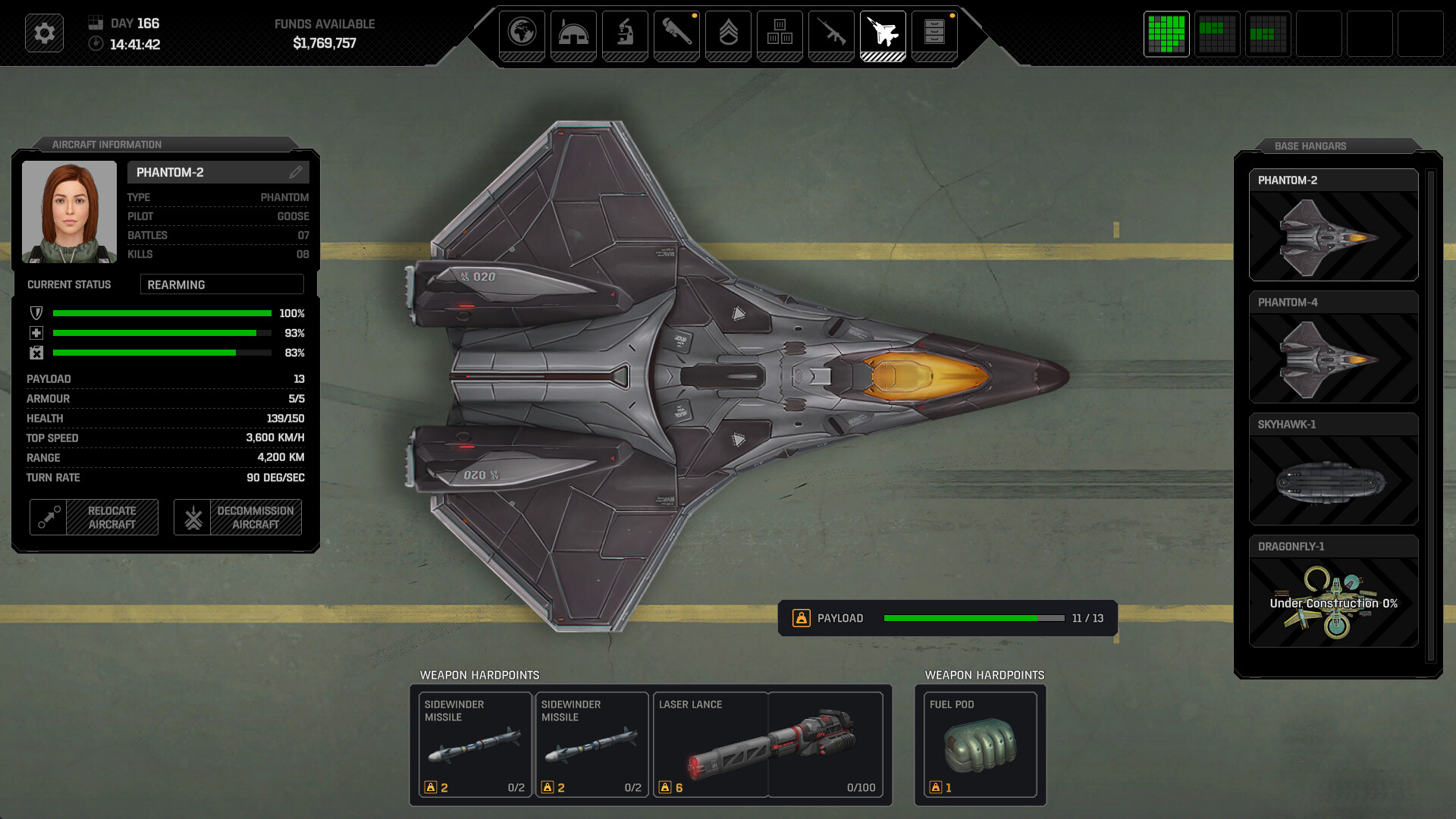
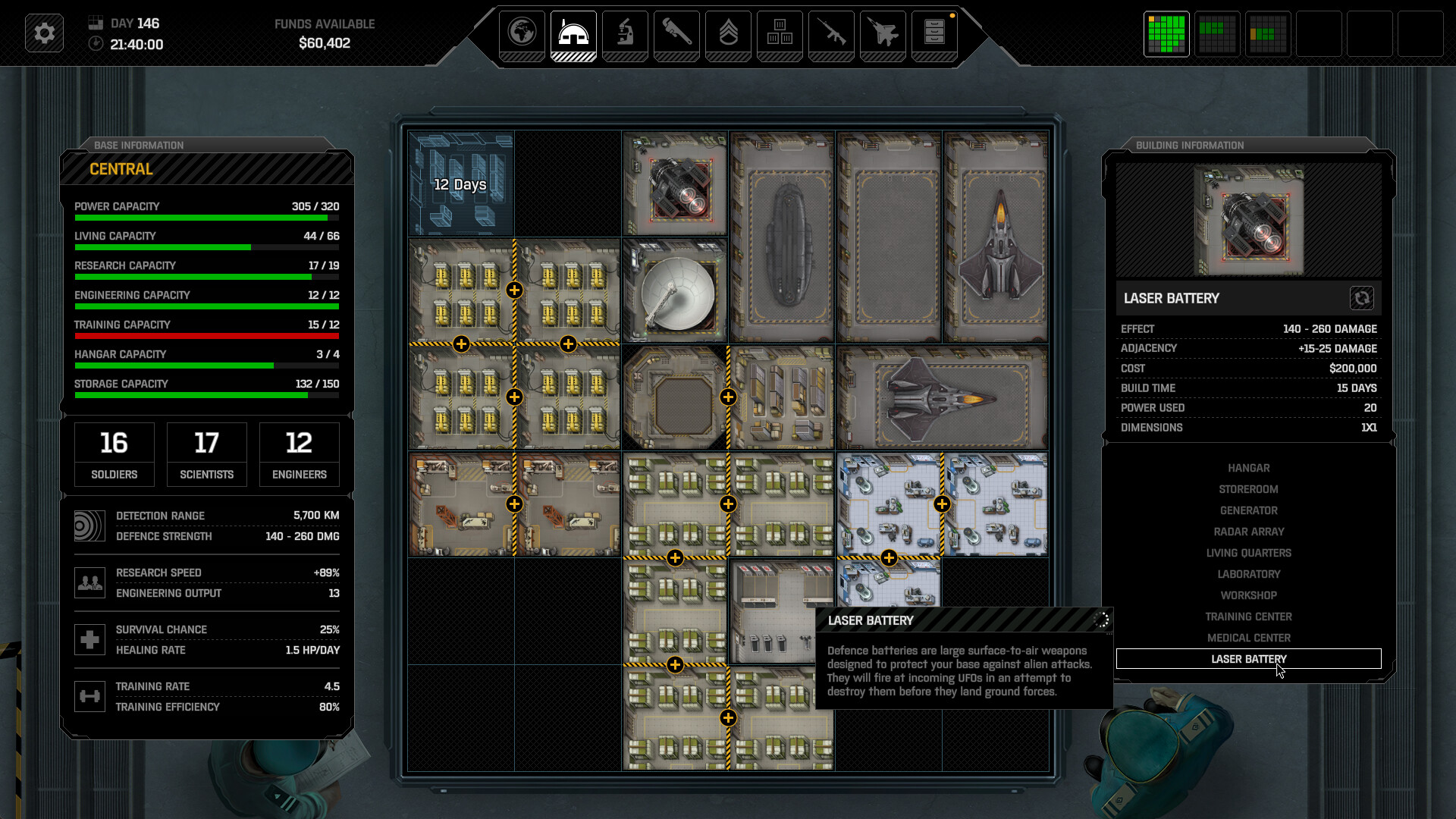
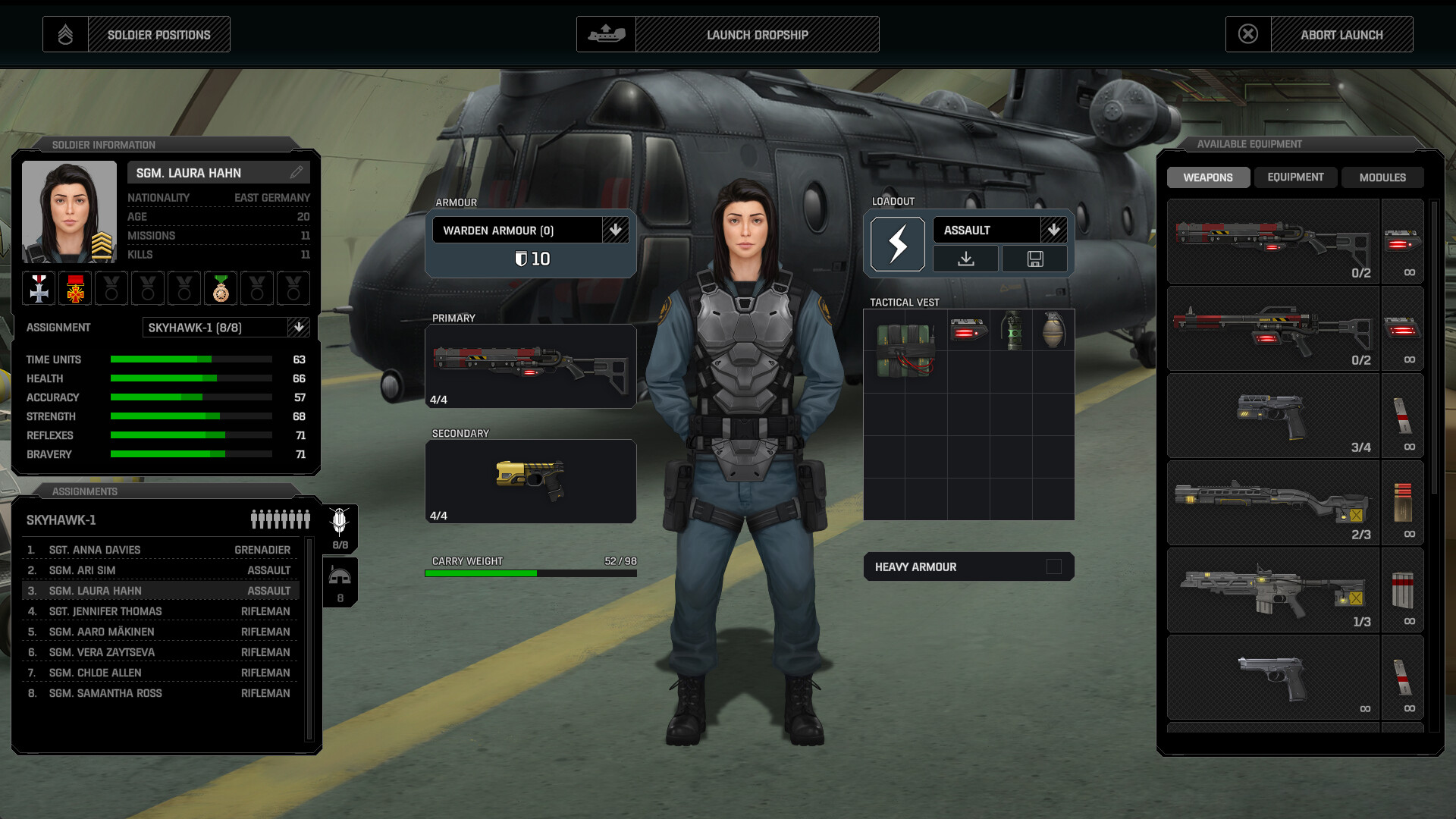
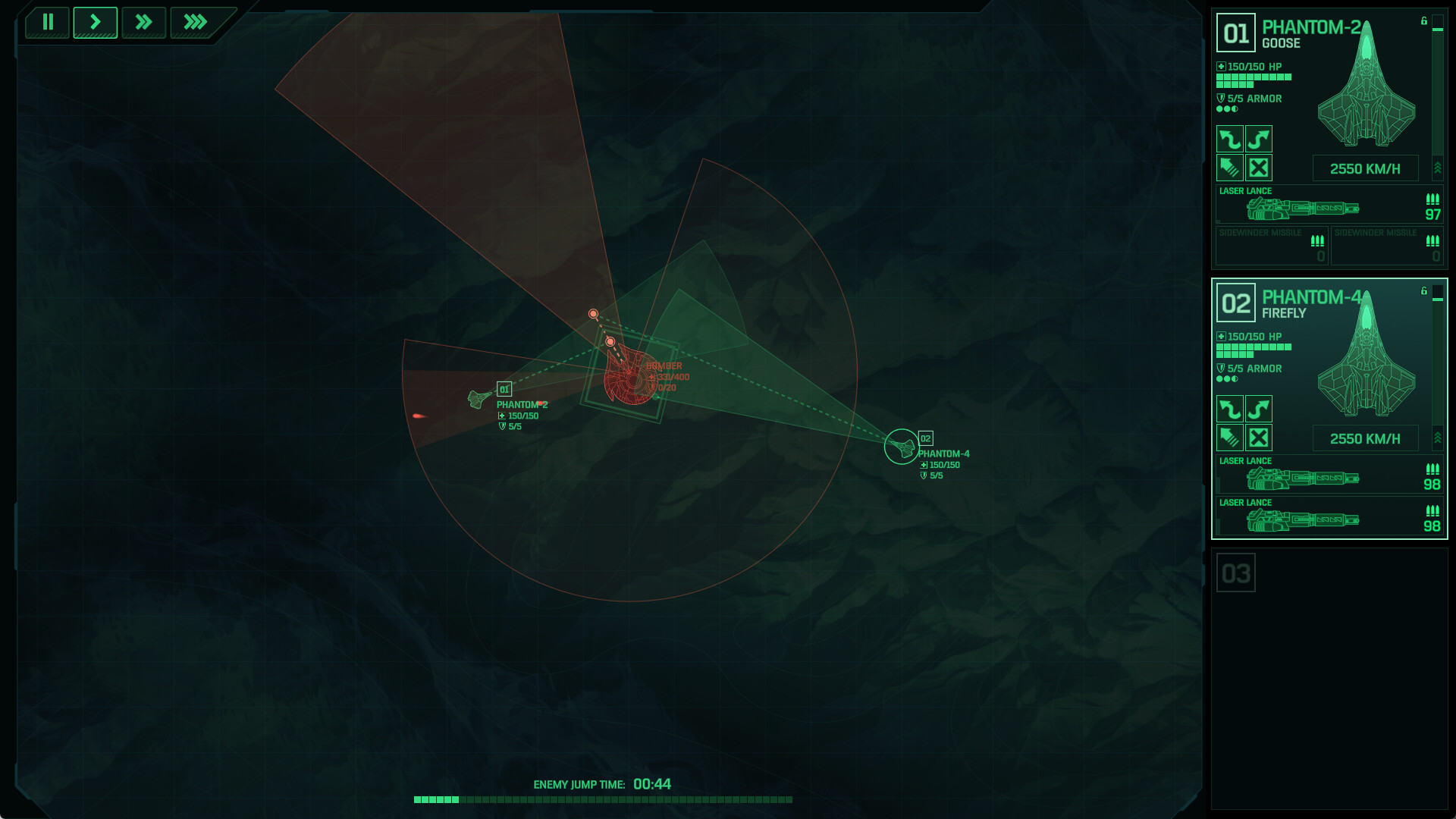
What sets Xenonauts 2 apart is how the strategic and tactical layers talk to each other. Every corpse, intact device or crashed UFO you secure feeds your research tree and unlocks new toys — but choosing to secure tech often costs lives or mission success. Do you blow a ship to smithereens to save your squad, or risk everything to obtain alien bodies for autopsies? Base development is similarly rich: you build specialized installations (research hubs, radar, factories), manage fuel and aircraft ranges, and decide where to plant your next base so your interceptors can scramble in time. Aircraft interceptions are a welcome middle layer — you can micro pilots in dogfights or let the AI handle squadrons, and both choices carry consequences. This long‑term resource tension — funding, manpower, research time — makes each campaign feel like you're running a global paramilitary startup on the brink of collapse.
Cold War Grit: Presentation, Performance and the Sound of Combat
Visually the game leans into gritty realism rather than flashy polish: 3D environments, modular bases and a moody cold‑war palette fit the tone well. Sound design sells hits and misses — rifles thump with satisfying weight and alien noises are unsettling — though music tends to sit in the background rather than steal scenes. Performance has improved wildly since early milestones, but you may still bump into occasional bugs or odd camera quirks; the community has flagged line‑of‑sight frustrations where a tiny obstruction blocks what feels like a reasonable shot. Accessibility options are present but conservative: keybindings and camera rotation feel old‑school to some players. Still, the game's presentation backs its systems: nothing is trying to dazzle you away from the core loop — and that loop is deliciously unforgiving.
Xenonauts 2 isn't for players who want cinematic, hand‑held tactics or a casual walk in a turn‑based park. It is, however, a thoughtful and robust strategy package for people who like their choices heavy and their losses meaningful. With a few polish passes on LOS and a continued eye on bugs and balance, Goldhawk has a title that earns its place among modern classics for tactical purists. Buy it if you crave weighty decisions and can stomach the occasional cruel RNG.
Pros
- Deep, rewarding tactical time‑unit combat with meaningful micro‑decisions
- Strategic layer ties directly into tactics — research, salvage and base placement matter
- Satisfying air combat and a tense global management loop
- Authentic, gritty Cold‑War atmosphere and sound design
Cons
- Unforgiving RNG and occasional hits of absurd bad luck can frustrate players
- Line‑of‑sight rules and camera quirks sometimes block reasonable shots
- Some UI choices feel old‑school and heavy on micromanagement
Player Opinion
Players praise Xenonauts 2 for recapturing the tough, methodical feel of classic X‑COM: the research‑for‑bodies loop, meaningful base placement and the weight of every tactical decision show up constantly in reviews. Many call it a spiritual successor that is more punishing and micro‑intensive than recent mainstream XCOM titles, and fans enjoy the added depth in aircraft management and research trees. Criticisms are consistent: some players report annoying line‑of‑sight edge cases, occasional crashes or strange AI behaviours, and a feeling that RNG can sometimes rob you of agency. Still, several long‑term players say the game improved hugely through Early Access patches and that the studio remained responsive. If you like methodical, high‑stakes tactics, the community consensus is largely positive — expect hard fights and memorable losses.