



We Gotta Go Review – Hilarious Co‑op Horror That’s Short but Sweet
A chaotic co‑op romp through a haunted, procedural mansion where bathroom humor meets physics‑based mayhem. Great for friends, a bit light on content — but it delivers laughs.
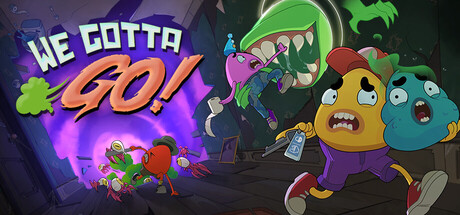
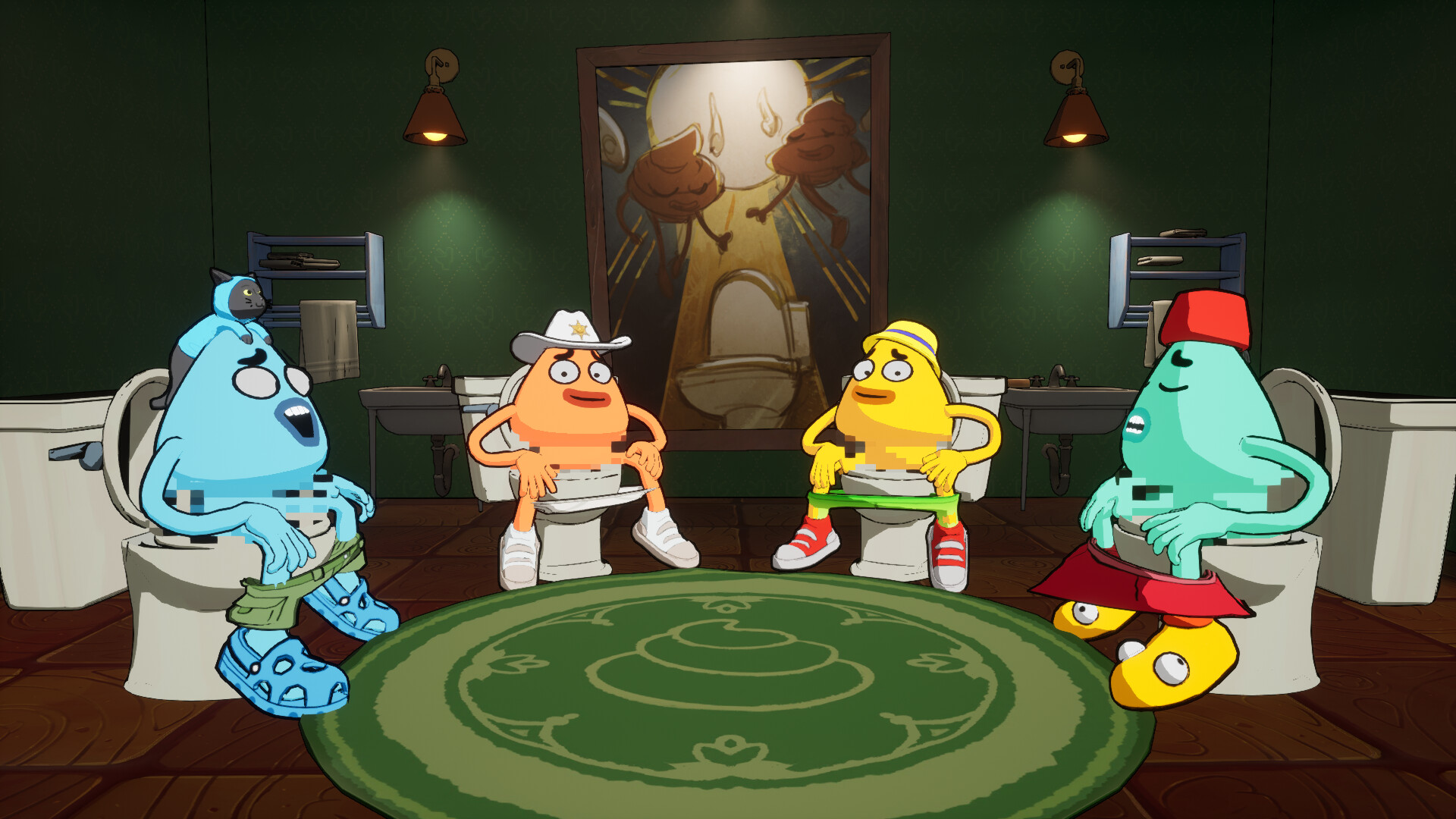
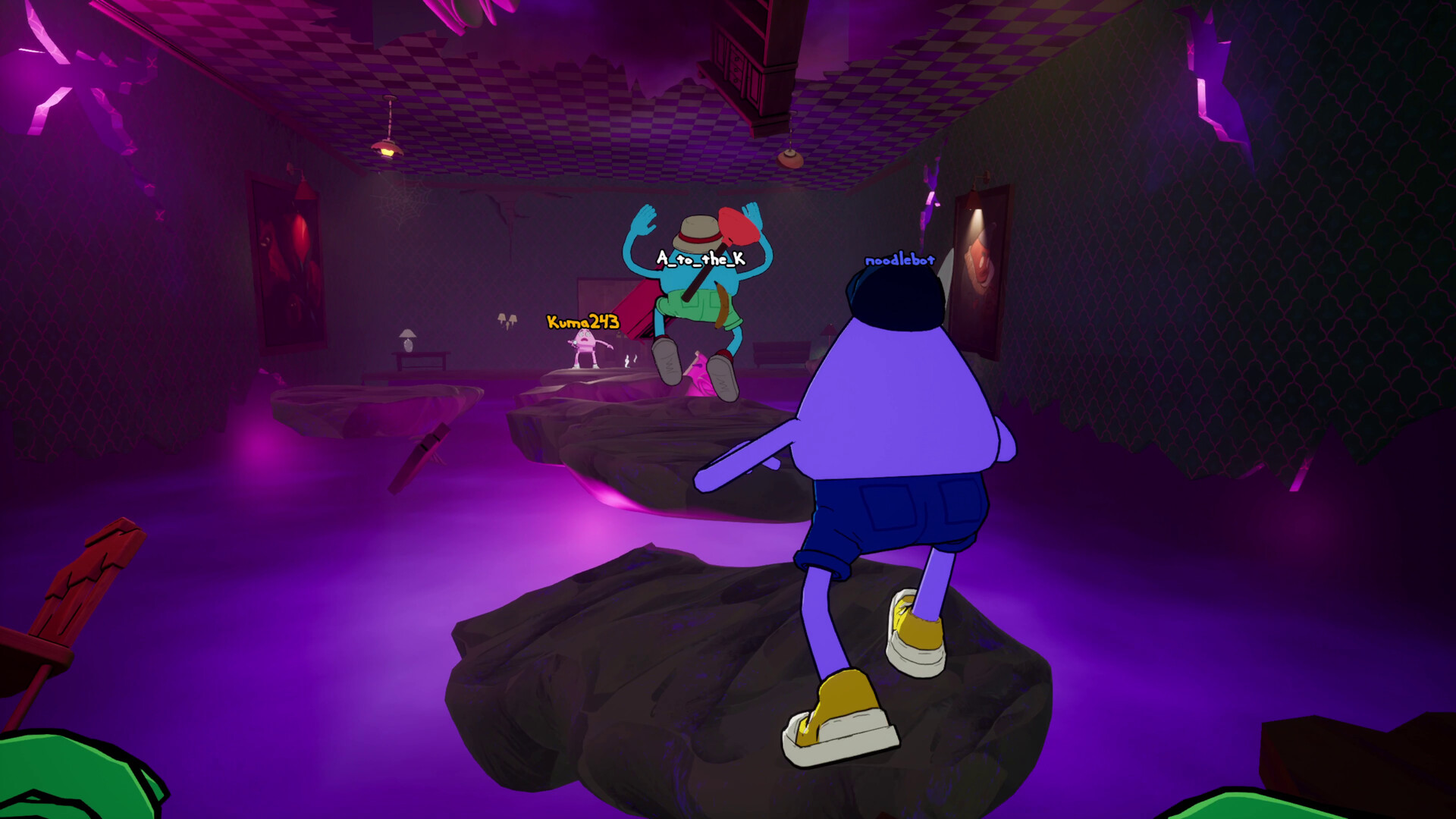
I wasn’t expecting a masterpiece when I booted up We Gotta Go, but I did expect a few laughs — and FuzzyBot delivered more than a few. Imagine REPO or Lethal Company doing a potty‑humor crossover: you and your pals sprint through a haunted, procedurally generated mansion, scavenging, fighting goofy monsters and desperately trying to reach the porcelain throne before biology calls. It’s silly, a little gross, and frequently brilliant in how it turns embarrassment into gameplay. If you like your co‑op chaotic and low‑stakes, this is a delightful short ride.
Racing for the Porcelain Throne
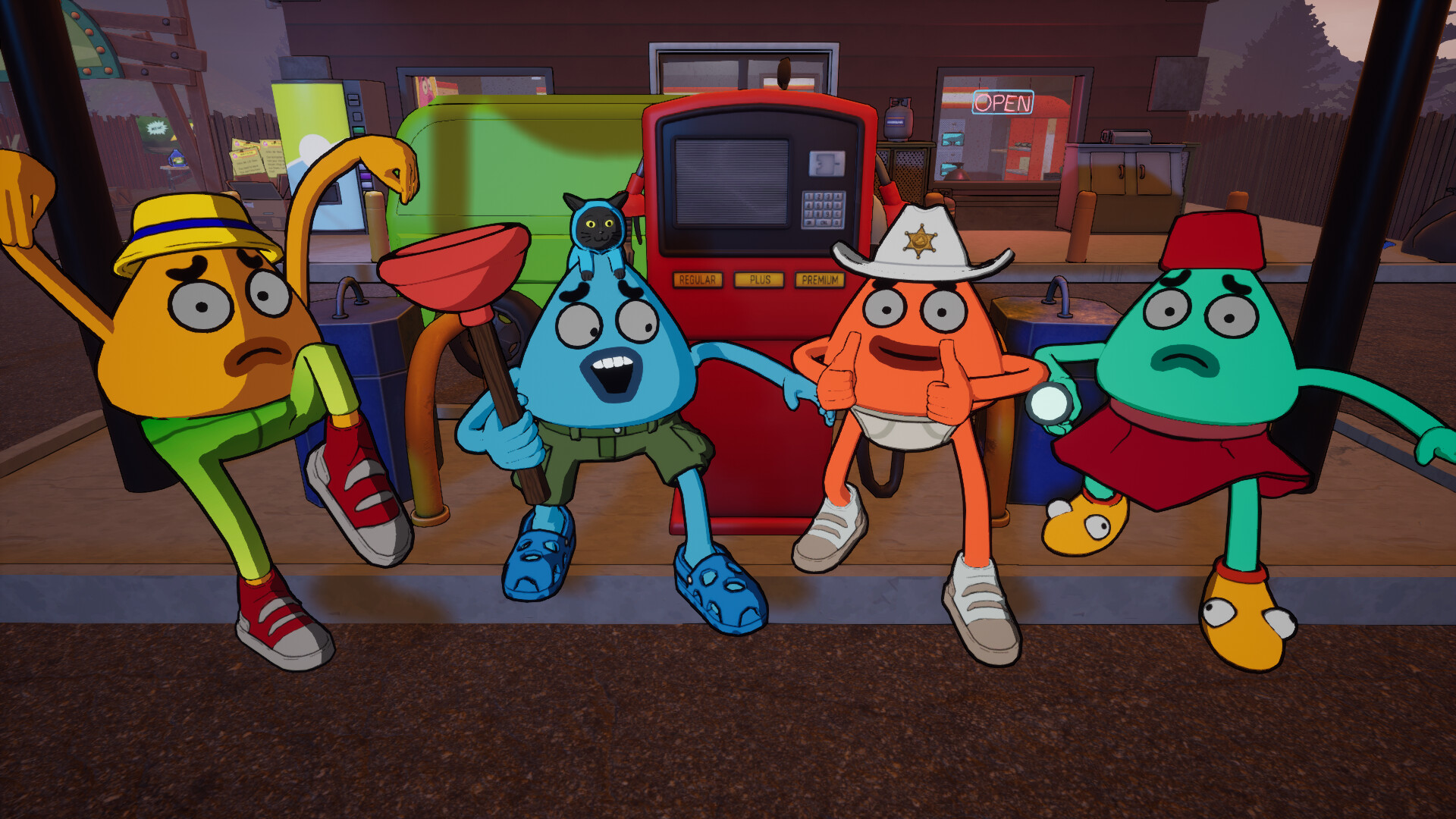
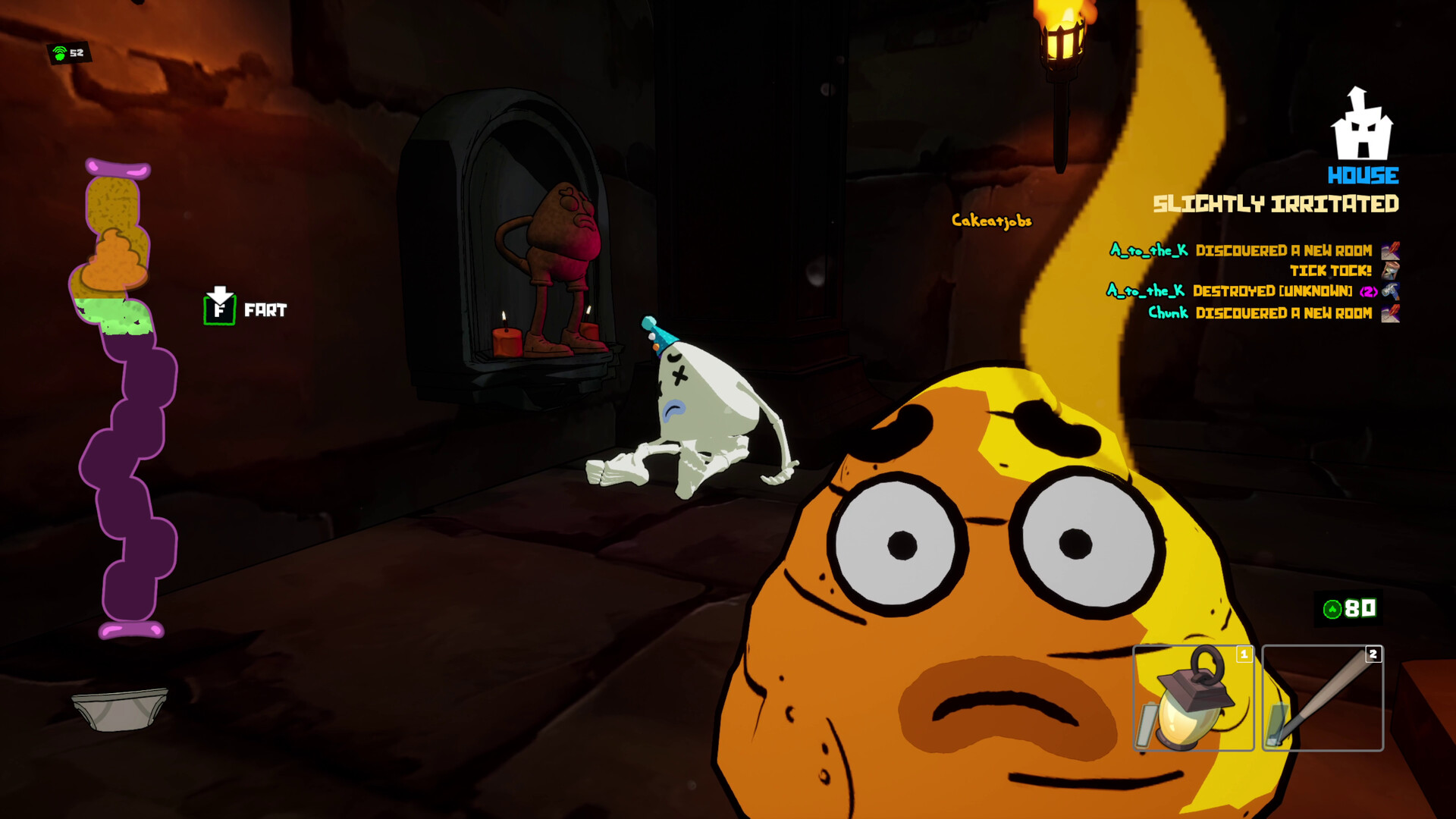
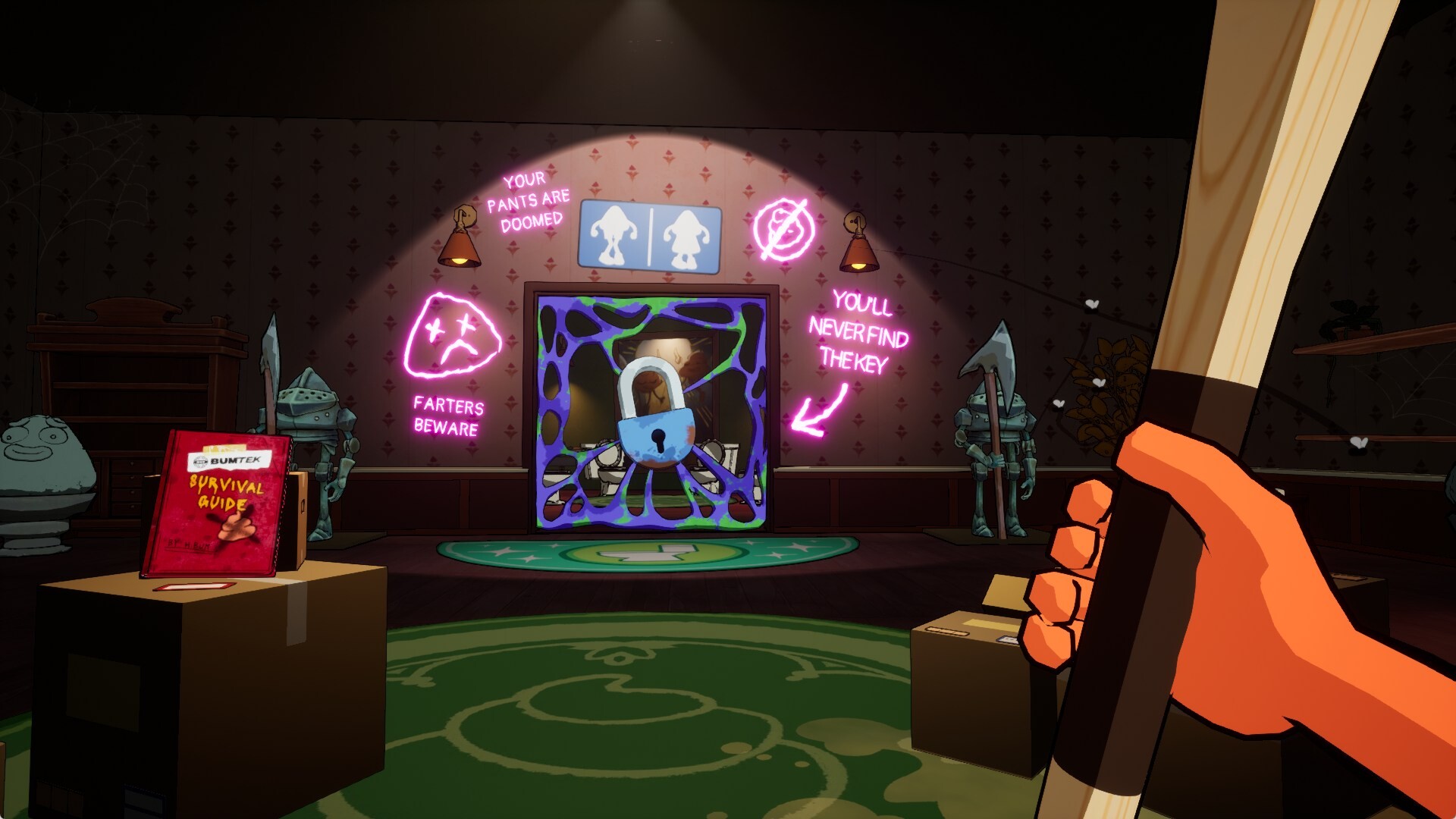
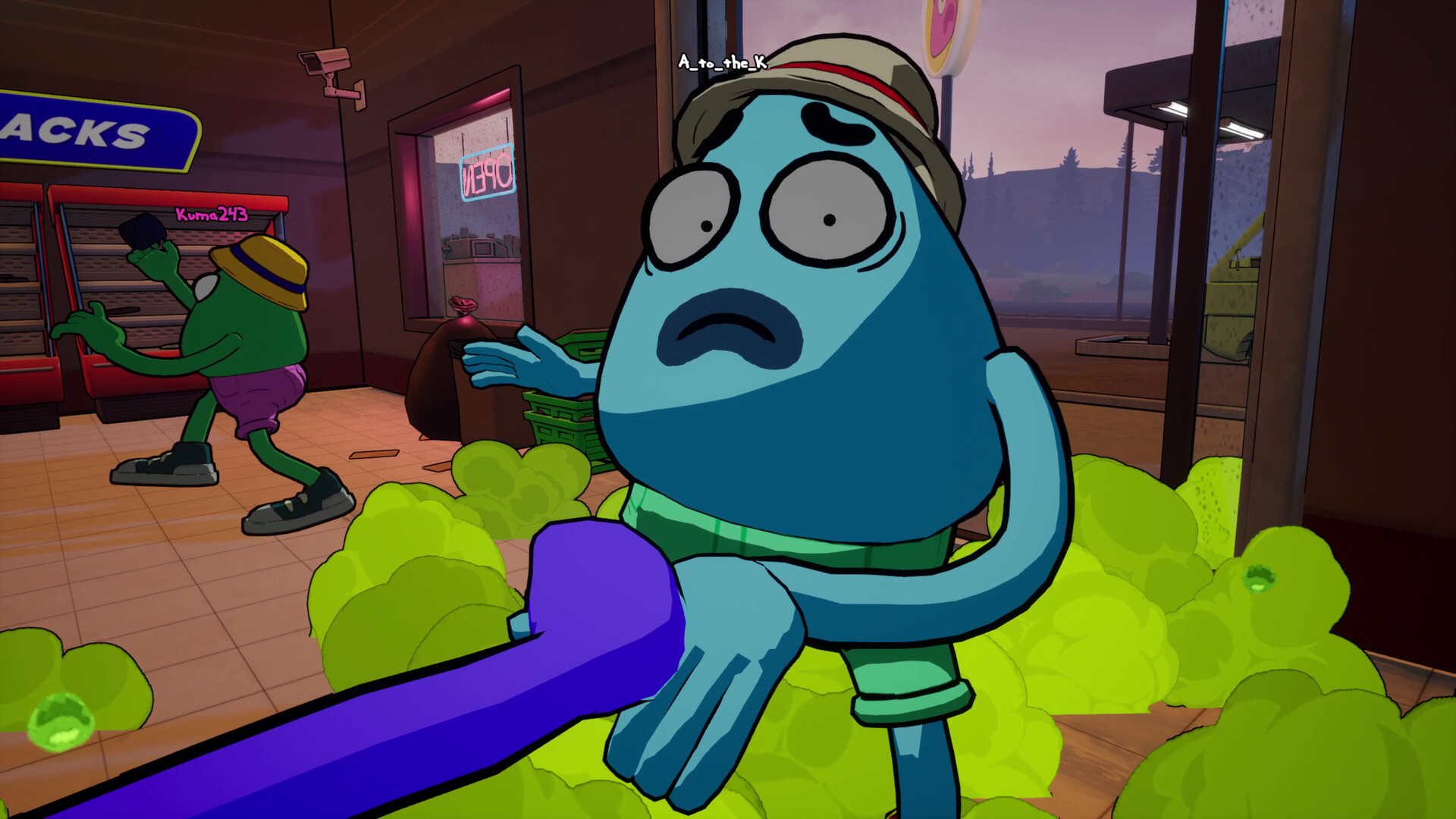
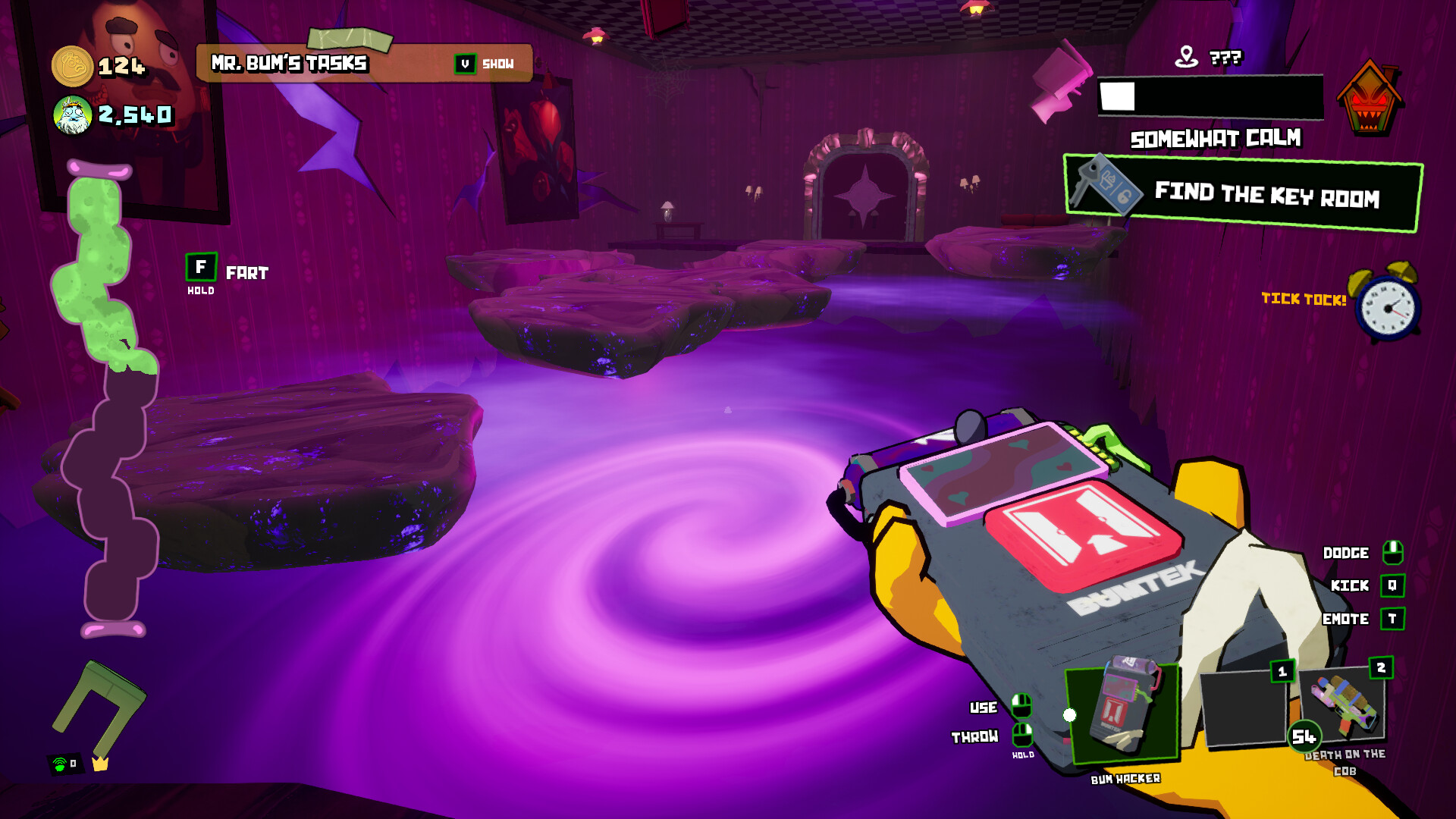
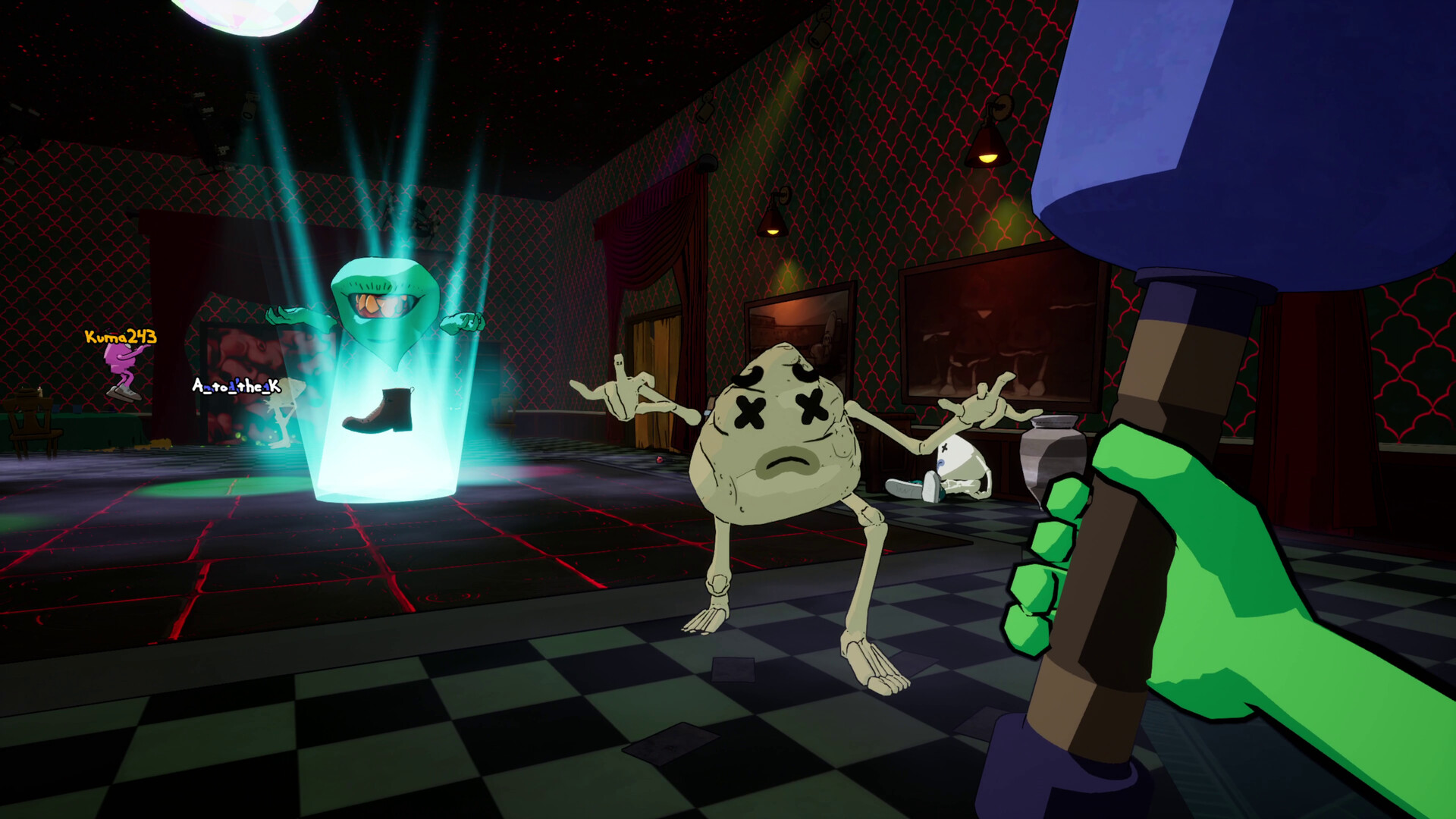
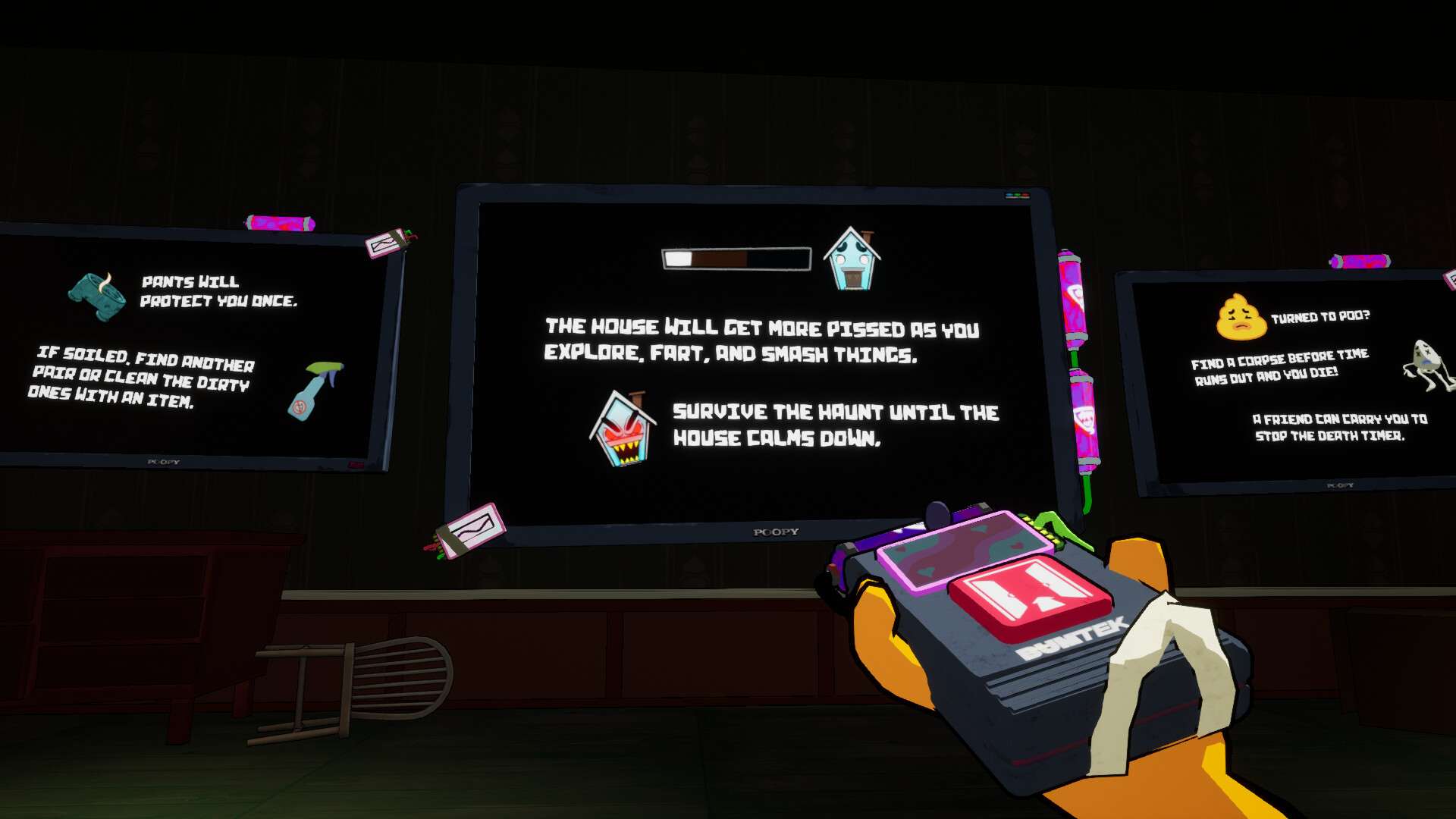
Gameplay is built around frantic co‑op runs where the primary objective is both ridiculous and painfully relatable: find the bathroom. You and up to your buddy squad sprint through procedurally generated rooms, pick locks, gather keys and improvise with whatever furniture or wonky weapons you find. Combat is simple but satisfying — shovels, lamps, and flung chairs feel weighty thanks to the physics engine, and the enemy roster (mummy‑TPers, turd mobs, cursed mannequins) is as silly as it is memorable. There's also a bowel‑management metagame: eat (or avoid) certain foods, fart to relieve pressure, and try not to become a literal pile of poo. These mechanics keep runs tense in a comedic way and create those "oh no, not now" moments that make co‑op drama fun.
When Embarrassment Becomes a Weapon
What sets We Gotta Go apart is how it turns bathroom humor into a mechanical hook instead of a repeated gag. Revive systems are cheeky — die and you come back as a playable poop (yes, really), scavenge clothes from corpses to style your character, and buy silly cosmetics with coins you find. The procedural mansion layout keeps each run feeling fresh: locked doors, hidden passages and cursed rooms force improvisation rather than rote corridor clearing. There are three biomes currently, each with unique traps and enemy types, plus tiny minigames and secrets (I found an Outrun riff hidden off a hallway) that reward nosy players. The mix of loot, temporary powerups and the constant risk of biological calamity gives every playthrough a distinct rhythm.
A Messy, Lovable Presentation
Visually, the game leans into a cartoony, slightly gross aesthetic that complements the humor — think exaggerated monster designs and expressive ragdoll physics. The sound design sells a lot of the comedy: splats, fart noises and the squeaky thump of a thrown chair are timed to land almost perfectly. Performance on Windows was stable in my play sessions, though a handful of users reported crashes and audio/voice chat glitches — worth noting if you plan to stream or rely on in‑game voice. Accessibility is straightforward: controls are simple, difficulty scales with player count, and the forgiving revive mechanics mean your screwups are more funny than punishing. Overall the presentation matches the tone: messy, energetic and designed around shared laughs.
We Gotta Go is a compact, gleefully absurd co‑op experience that earns laughs through physics, emergent moments and unabashed toilet humor. Its brevity and current lack of replay depth hold it back from being a long‑term staple, but for small groups looking for a silly, inexpensive party game it’s a great pick. Buy it if you want instant fun with friends and can forgive a thin early‑release offering; keep an eye on updates for more content.
Pros
- Genuinely hilarious co‑op moments and party gameplay
- Creative bowel‑management mechanic that actually affects play
- Strong physics and ragdoll comedy — emergent hilarity
- Low price point and charming cosmetics/loot progression
Cons
- Very short runtime (about 1.5 hours for many players)
- Limited replayability until more content or modes arrive
- Occasional crashes and some reports of voice chat bugs
Player Opinion
Players are split between wholehearted love and "this needs more" frustration. A lot of reviews gush about how funny and social the game is — the best moments happen with a dumb group of friends, and cosmetics plus hidden minigames give collectors reasons to poke around. Common praise centers on humor, the physics, and party value: many say they laughed non‑stop or had the game in their regular rotation. On the flip side, multiple players criticize the short length (about 1.5 hours to complete) and feel the price-to‑content ratio could have been better; some call for open lobbies, more maps, and harder late‑game challenges. A few users reported technical issues like crashes or an unreliable in‑game voice chat. If you value shared chaos and jokes over a long campaign, you’ll probably love it; if you want deep, replayable systems, wait for updates.