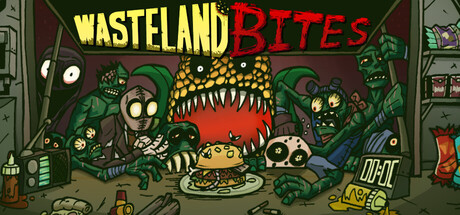





Wasteland Bites Review – Post‑Apocalypse Food Truck Chaos
Serve mutant customers, upgrade your truck and keep your sanity in this tense, darkly funny time‑management roguesim. Stressful, creative and oddly charming — if you like micro‑management with horror flair, buckle up.
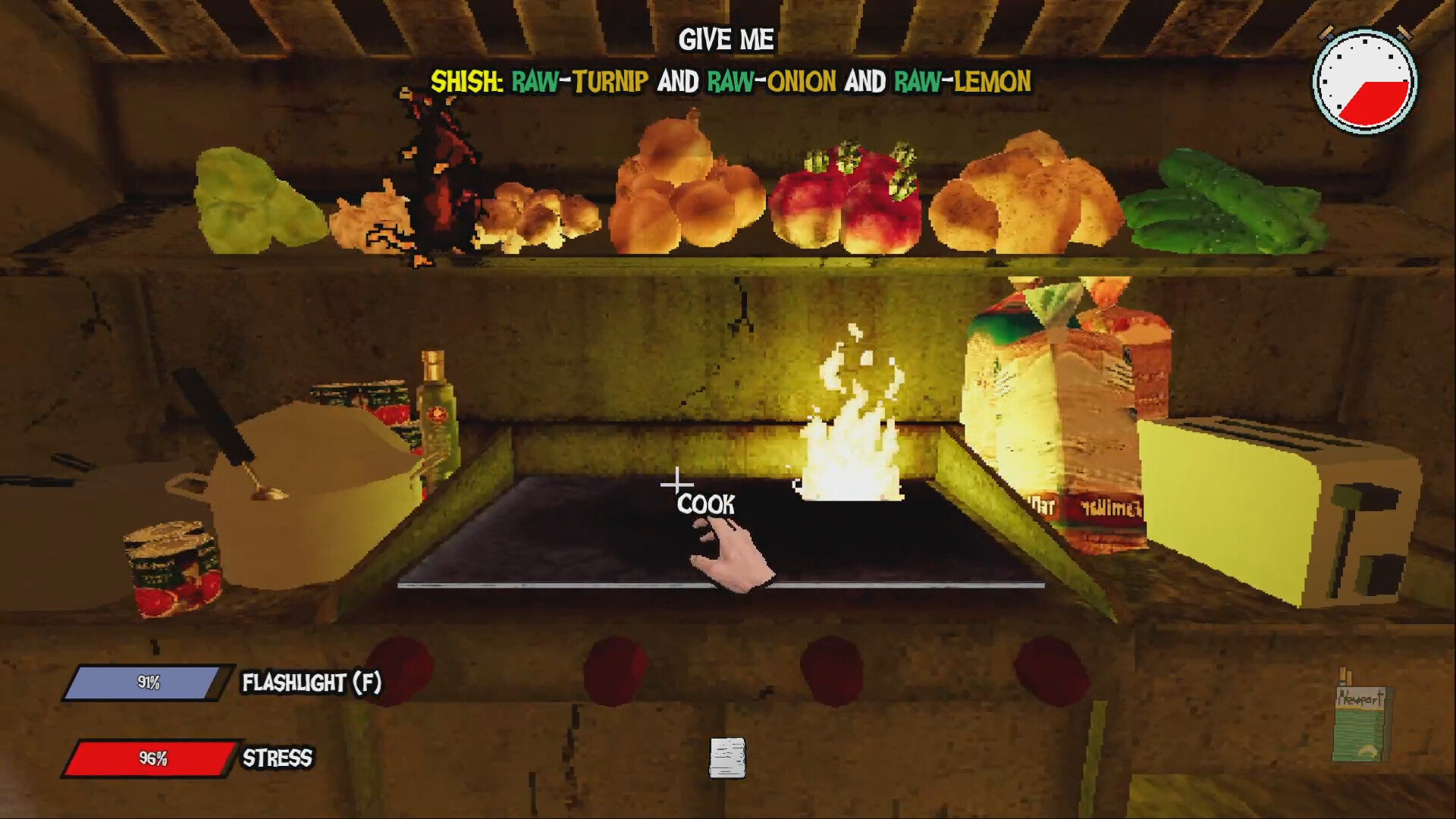
I didn’t expect to get stress dreams about toasted mutant kebabs, but here we are. Wasteland Bites mixes frantic food‑truck time‑management with survival horror ticks: weird customers, limited resources, and moments where a bullet seems as valid a topping as anything else. It’s a clever mashup that immediately hooked me because it treats every shift like a tiny, tense story. If you like Cook, Serve, Delicious? energy crossed with a grimy indie horror vibe, this one’s right in your wheelhouse.
Survival on Four Wheels
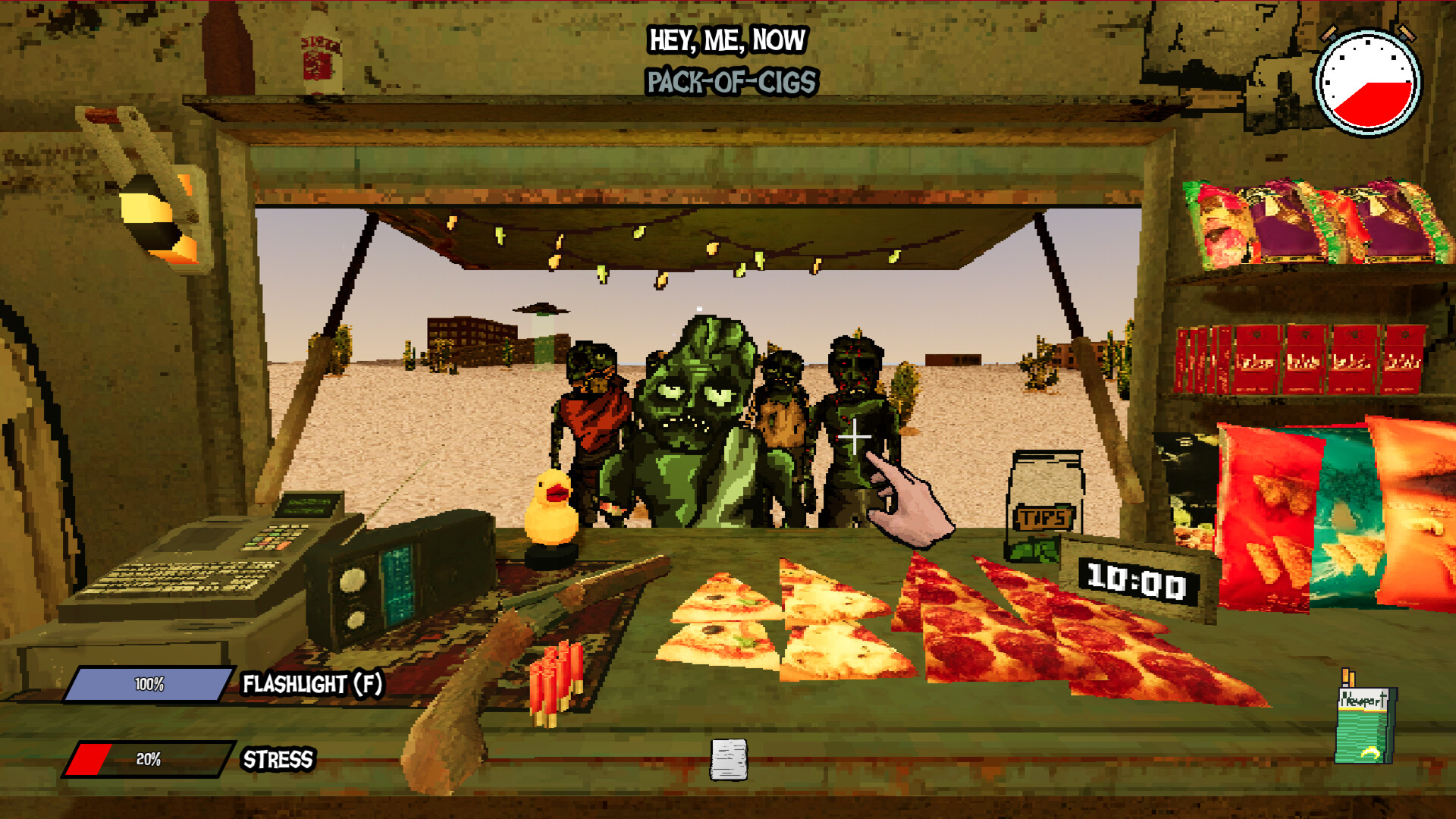
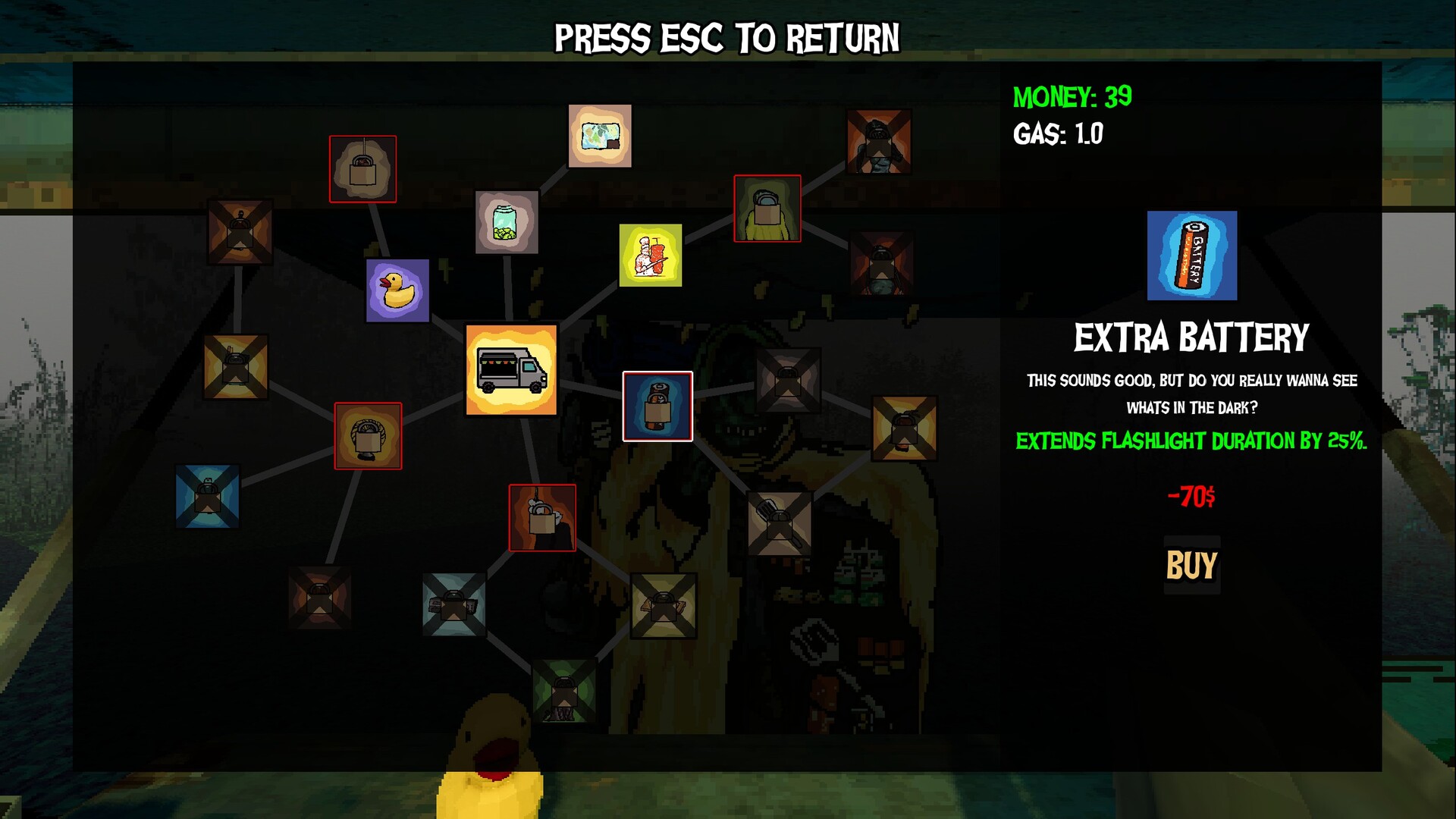
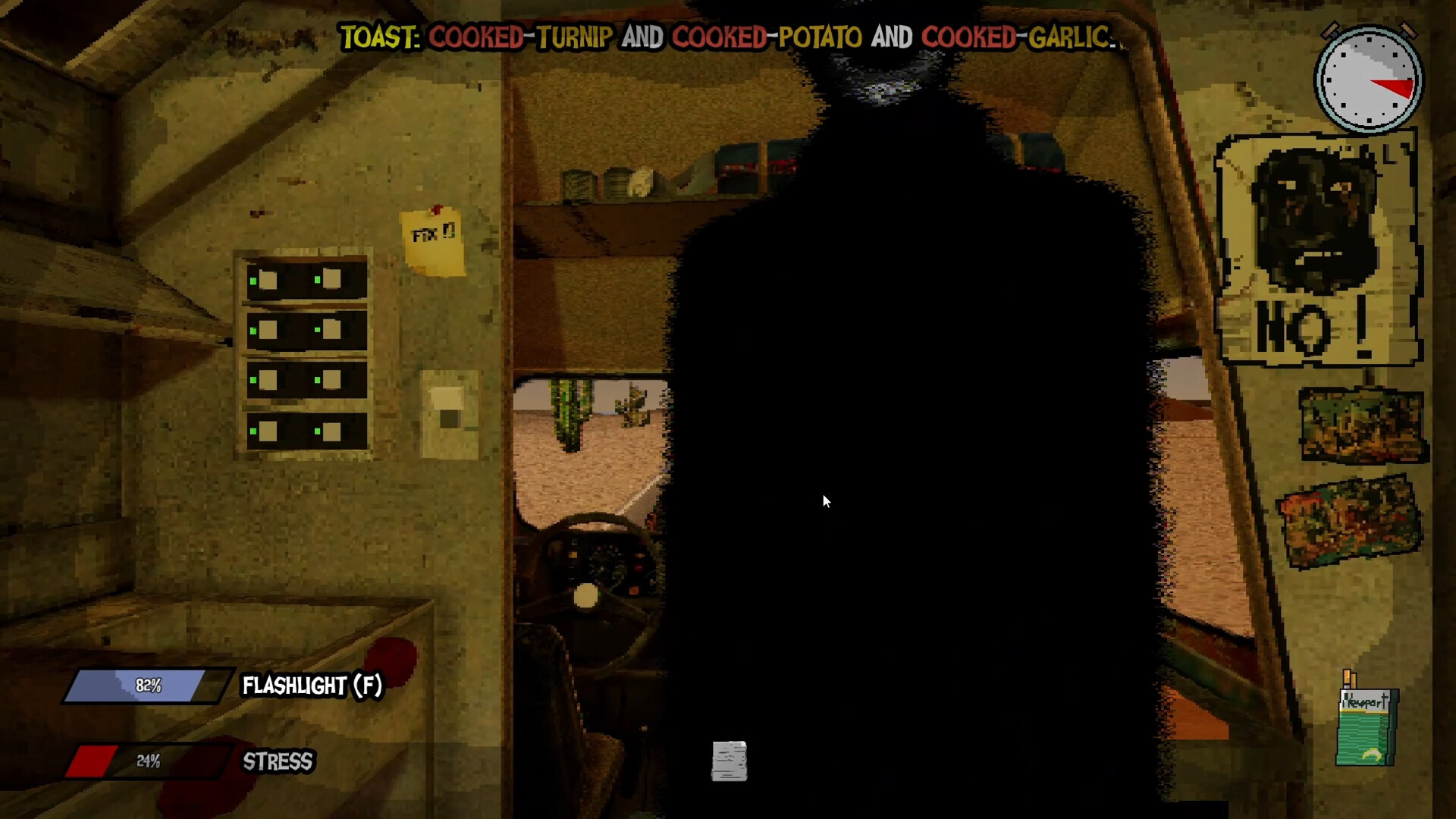
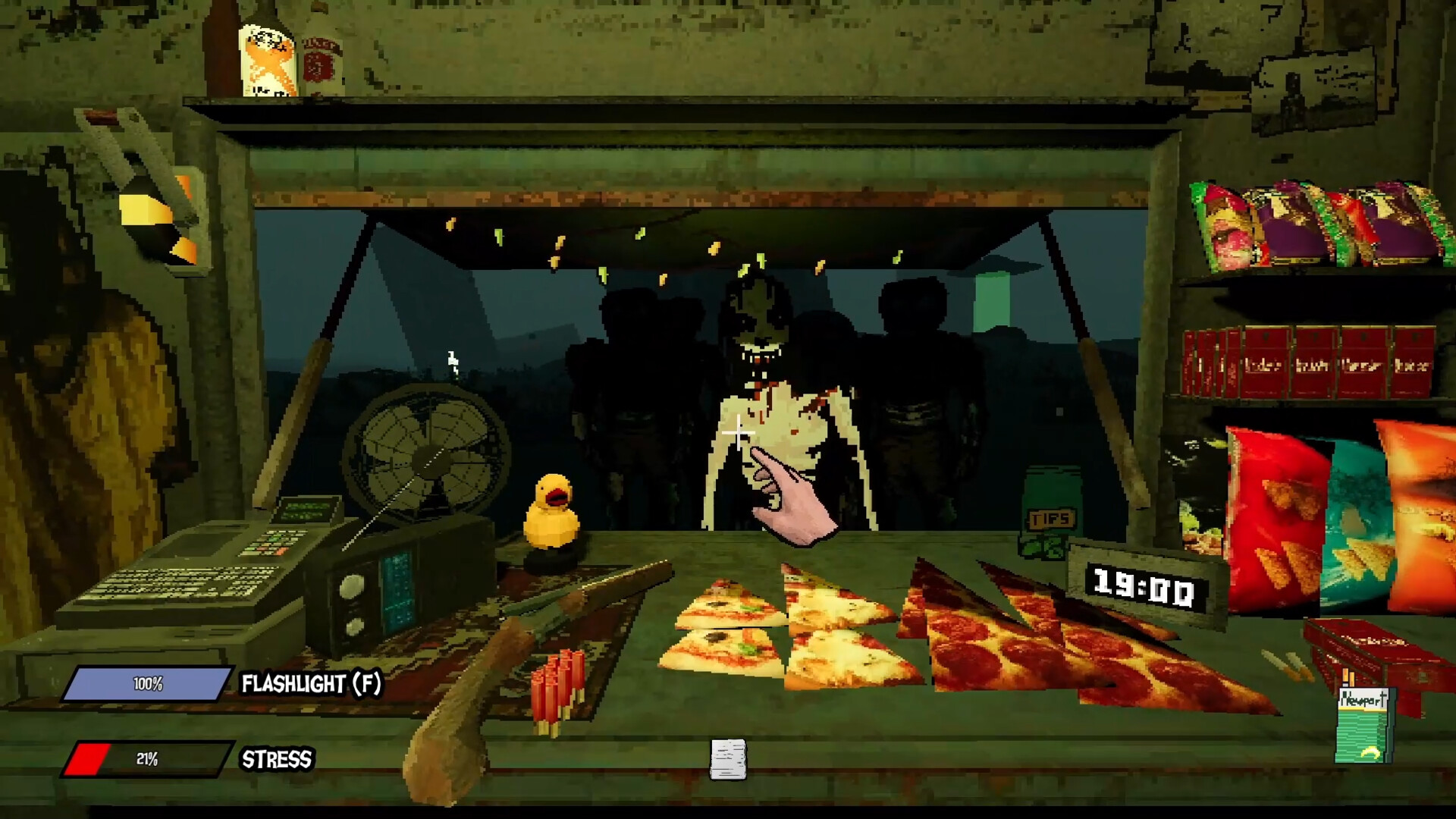
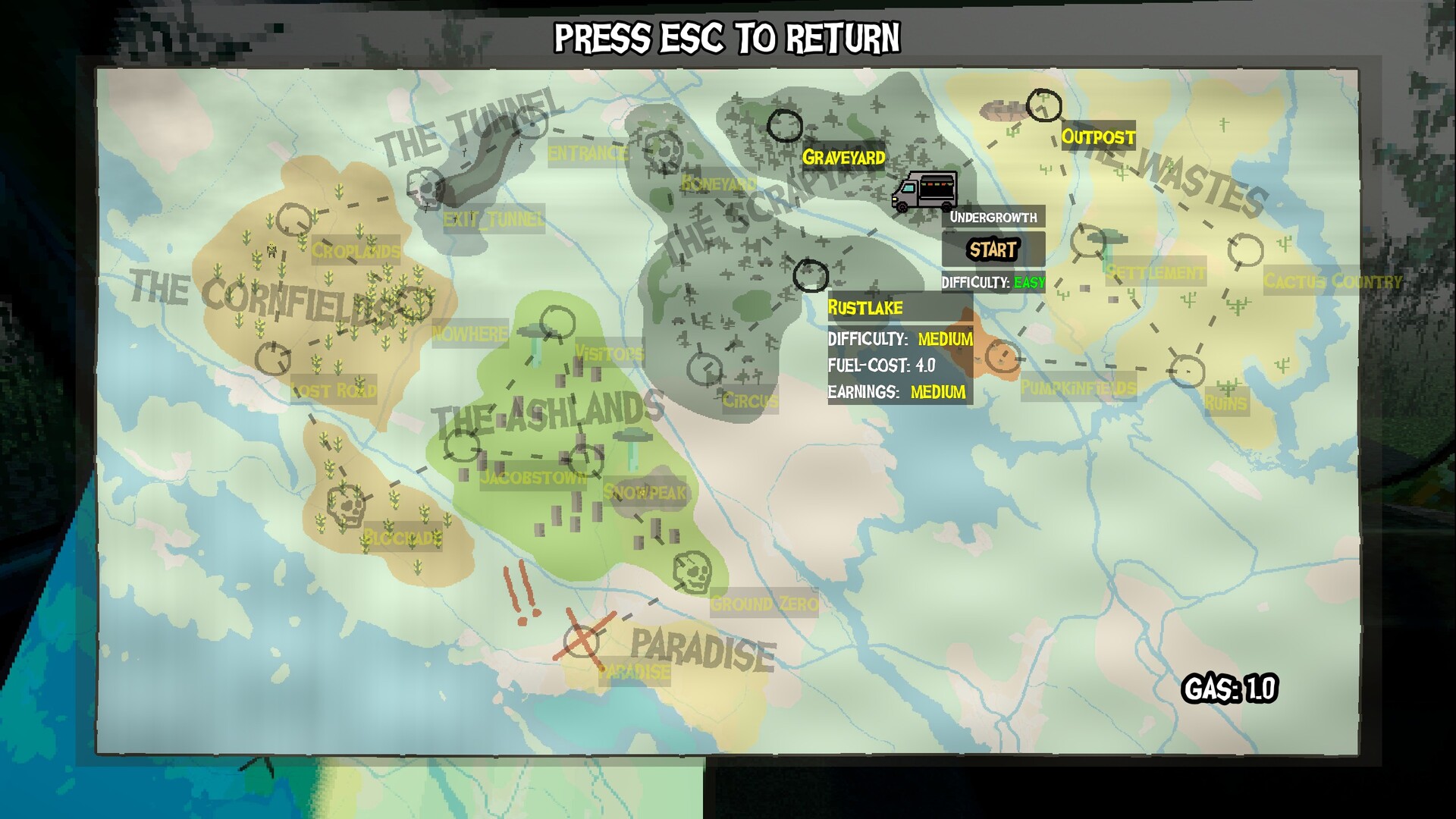
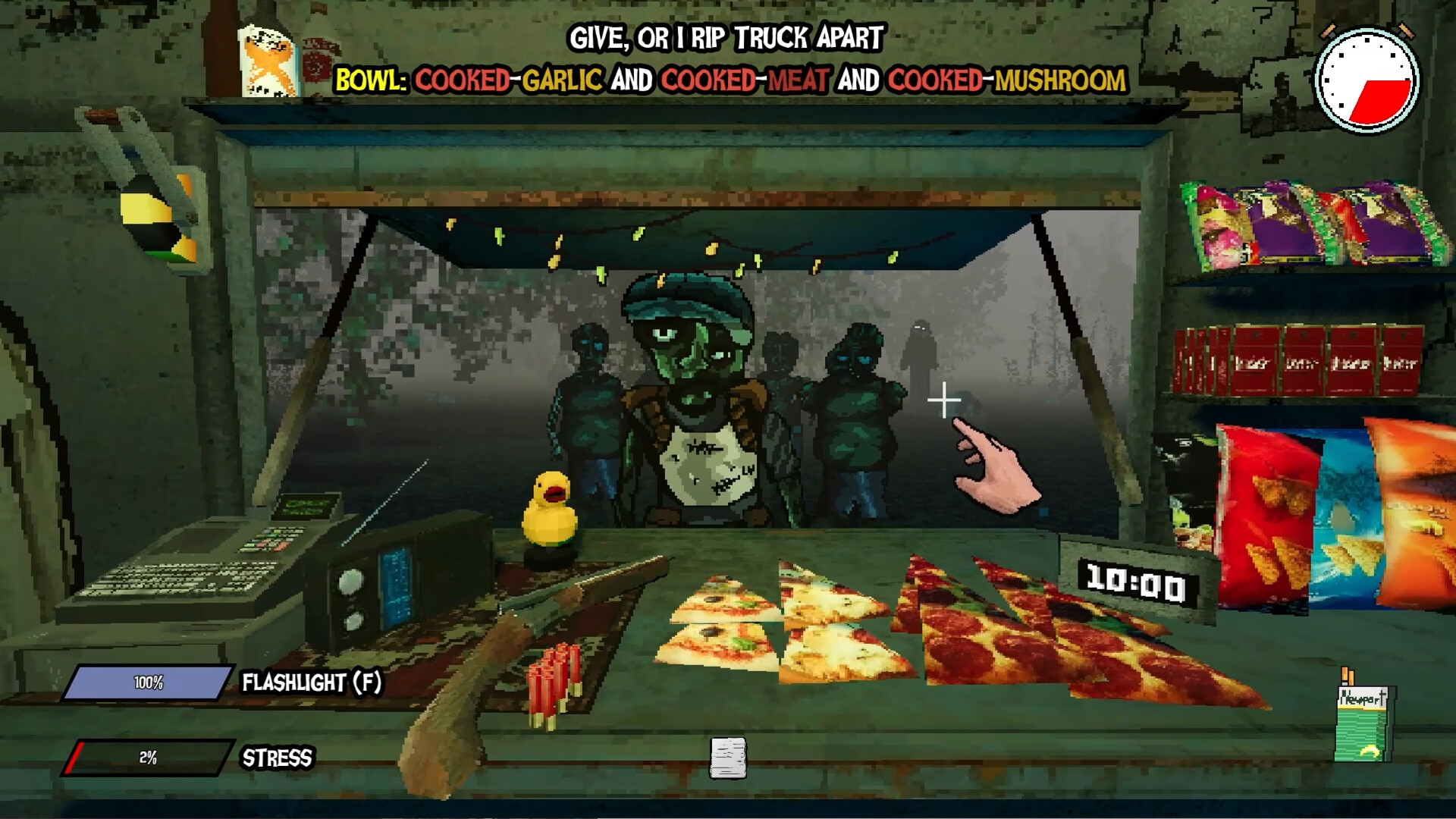
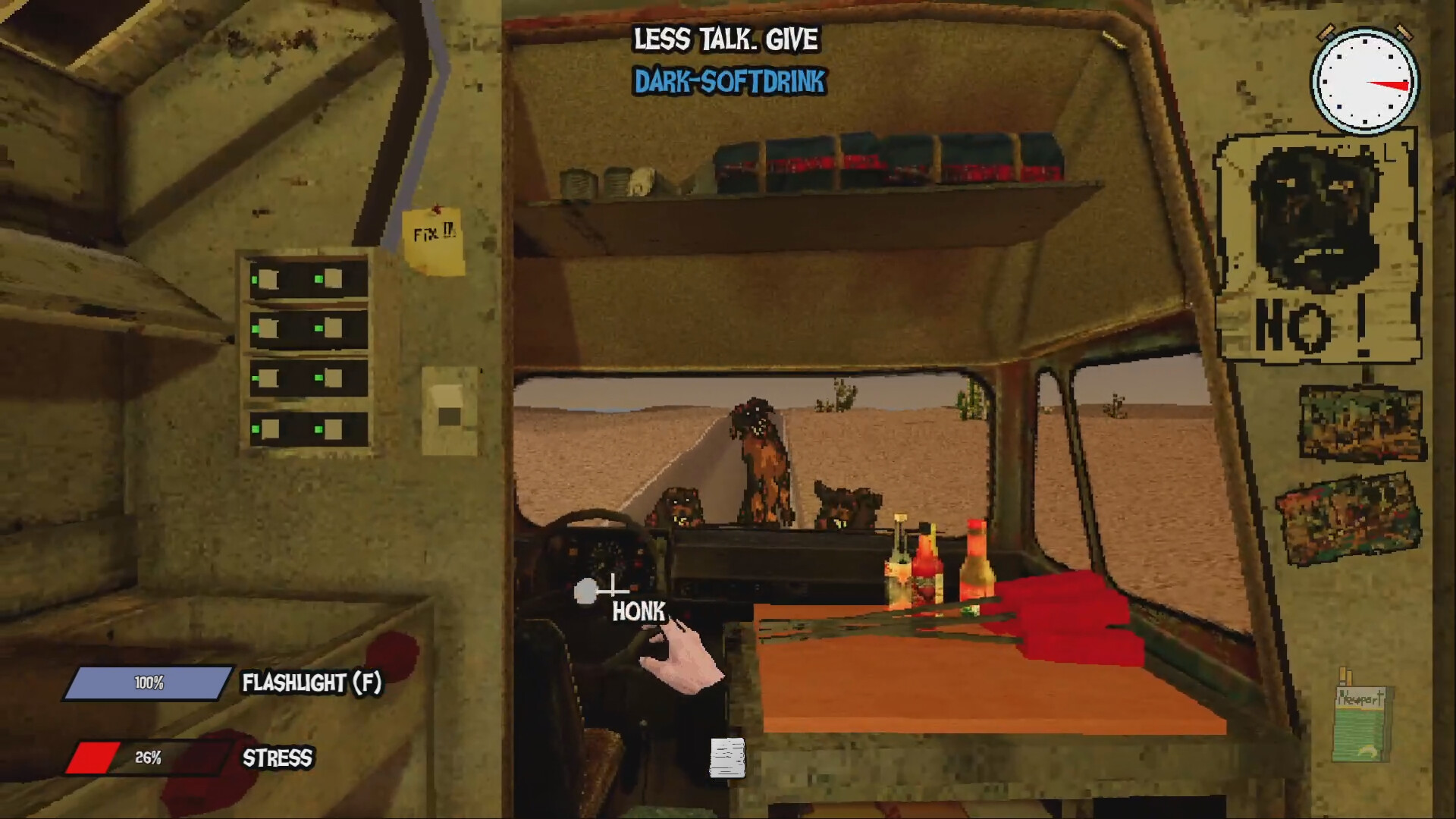
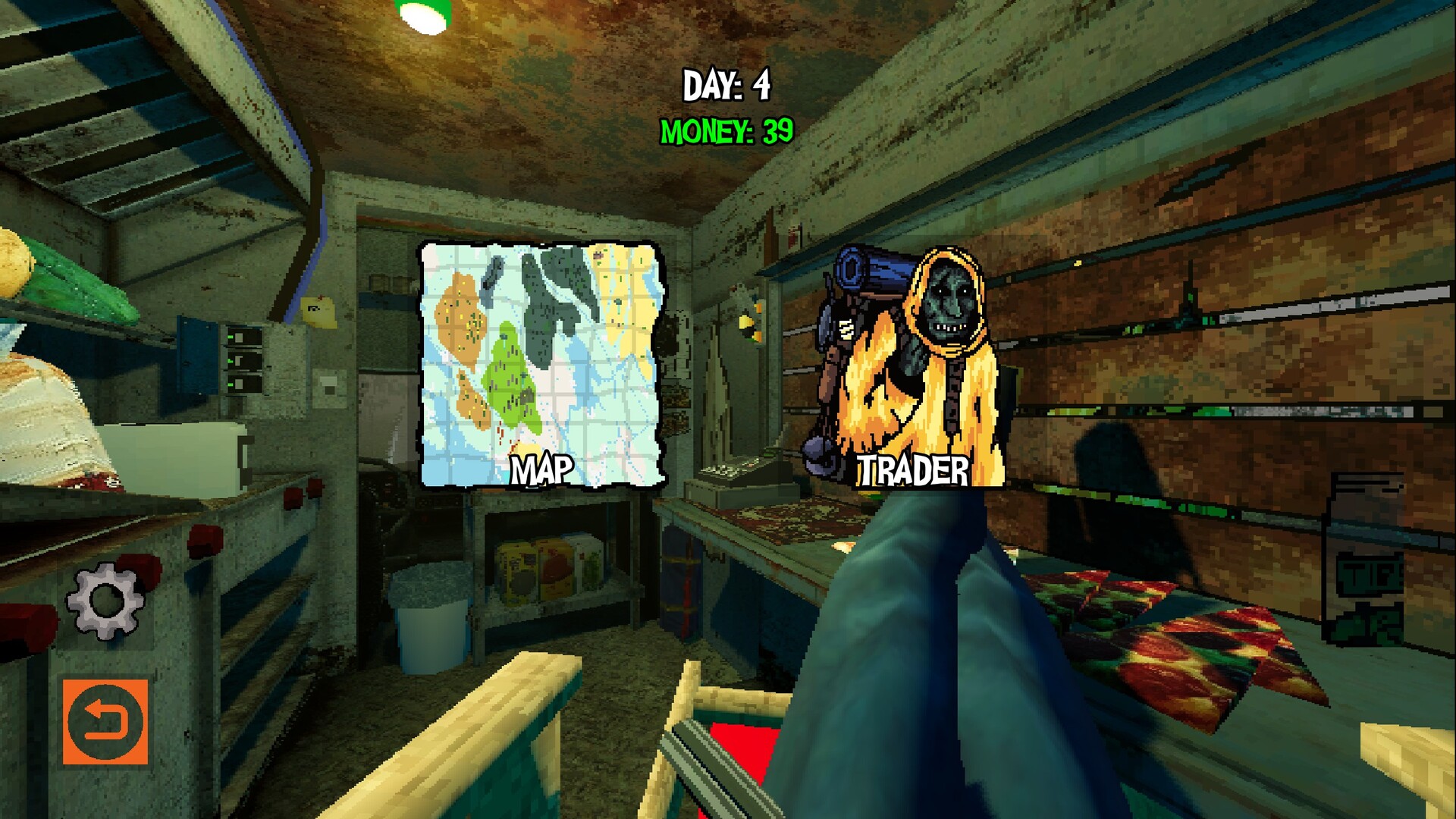
Playing Wasteland Bites feels like running a food stand while the world slowly eats itself — in the best possible way. Most of your time is split between prepping bizarre dishes, juggling orders and reacting to sudden threats that force you to swap tools or pop off a round. The truck is your hub: you upgrade ovens, storage and defenses between runs, and those upgrades change how a shift plays out. Days and nights matter — some enemies and customer types only appear after dark, and supply scarcity forces hard choices. I found myself constantly prioritising: do I fix the radio for a morale boost, or patch a leaking radiator that will cost me fuel later? The core loop is tight, twitchy and often hilarious because the game trusts you to improvise under pressure.
When Customers Become Nightmares
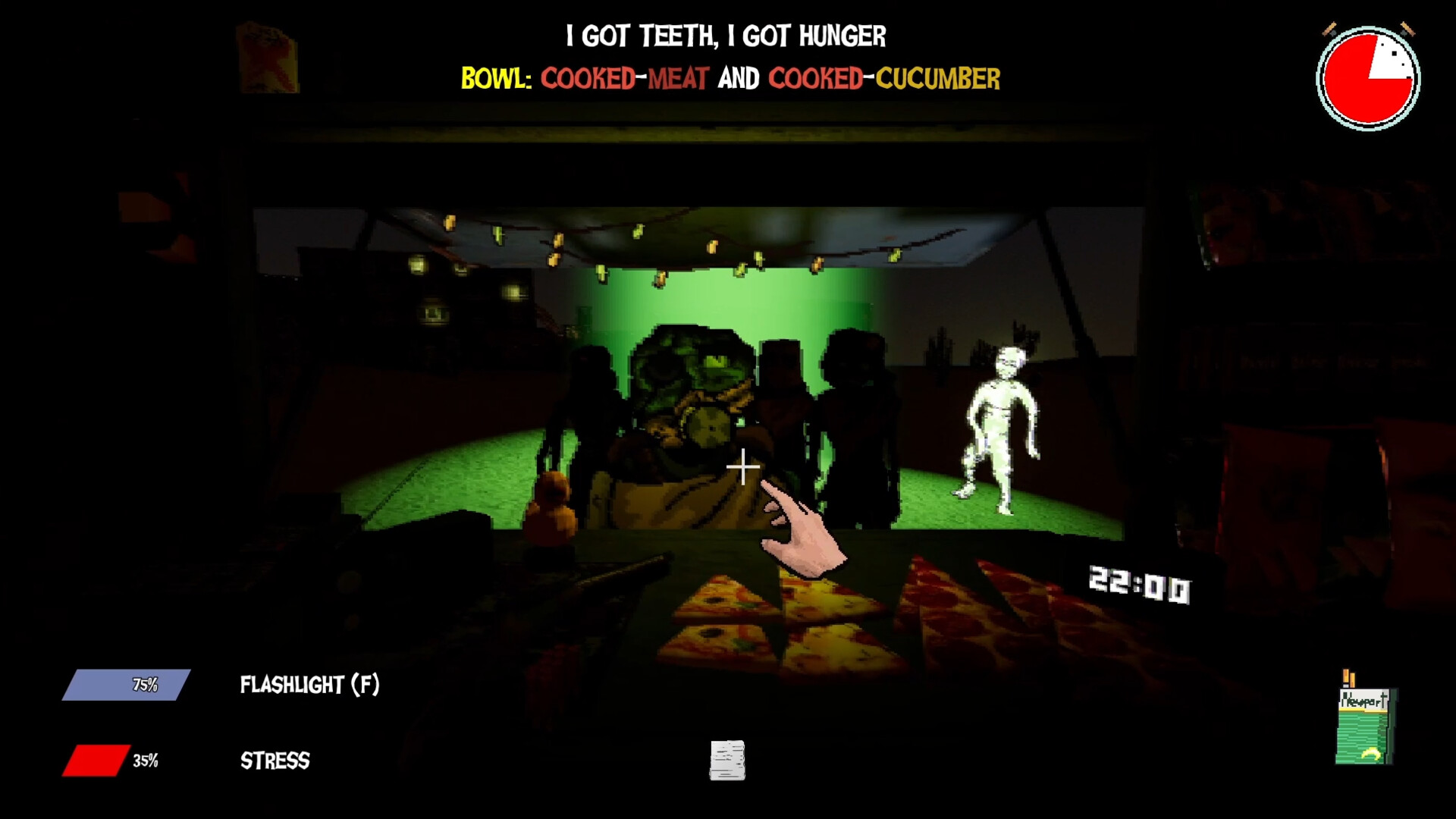
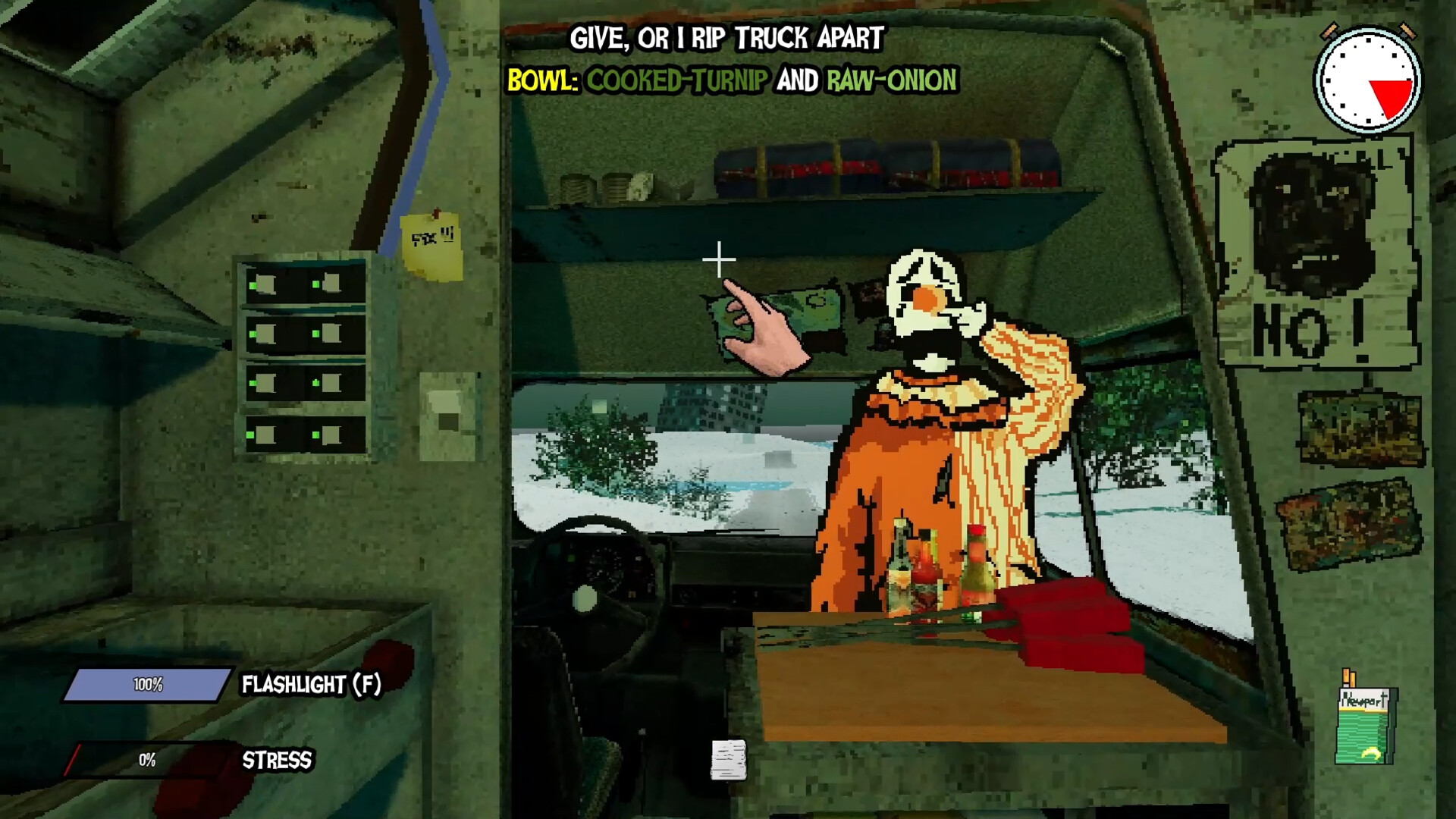
What really sells the premise are the customers. They’re unpredictable in look and request — sometimes they want perfectly charred toast, sometimes radioactive stew, and sometimes they want you to put them down for good. This unpredictable choreography turns order queues into tiny puzzles; reading the cues quickly is a skill that improves with painful repetition. The difficulty ramps in a satisfying (and occasionally brutal) way the further you travel, echoing comments from the community about a hidden escalation similar to road‑trip survival games. Secret areas and special encounters reward exploration, and the occasional grotesque cameo (yes, Corn Man and other delights) made me laugh and recoil in equal measure.
Gritty Looks and Radio Jams
Visually, Wasteland Bites wears its indie budget proudly: art is scrappy, character designs are memorably weird, and small animation touches sell chaotic hits and cooking flubs. The sound design is glorious in its choices — a battered radio plays Latin beats, retro synths and weird ambient tracks that turned loading screens into mini‑concerts for me. Performance is solid on my rig (Windows), and UI is intentionally cramped to reinforce that claustrophobic service stress. Accessibility options are limited at launch but the dev’s openness to community feedback (I saw multiple reviews praising that) gives hope for quality‑of‑life patches. Overall, it feels like a handcrafted experience that leans into tone and mood rather than polishing every edge.
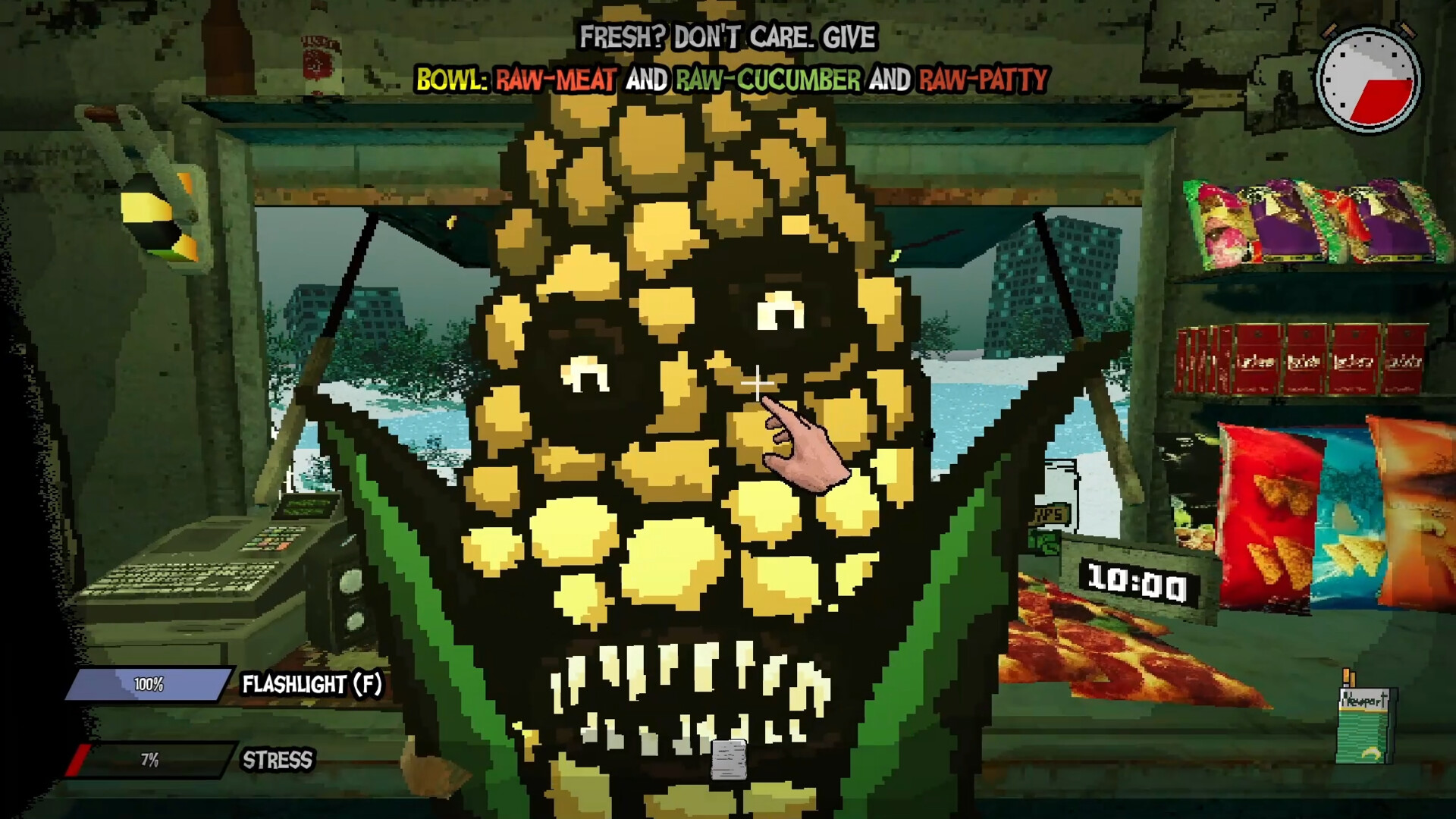
Wasteland Bites is a brilliant little freak show: part time‑management sim, part survival puzzle, and all strange charm. I’d recommend it to players who enjoy tight, twitchy gameplay with a dark sense of humor and don’t mind steep difficulty curves. If you crave atmosphere, oddball encounters and a dev that listens, this is a delightful trip through a broken world — just don’t expect it to hold your hand.
Pros
- Inventive mashup of cooking sim and horror with strong personality
- Memorable customer designs and unpredictable encounters
- Satisfying upgrade loop for your truck and meaningful choices
- Great soundtrack and dev that listens to the community
Cons
- Difficulty spikes can feel punishing and opaque
- Limited accessibility options at launch
- UI can be cramped and confusing during peak chaos
Player Opinion
Players repeatedly praise the atmosphere — the cramped, shady food‑truck vibe with Latin radio and oddball customers is a big hit. Many reviewers mention the developer’s responsiveness and the fun community surrounding the game, which makes balancing patches and suggestions feel reassuring. Difficulty is a recurring topic: several users noted a hidden escalation where runs get noticeably harder the further you travel, with honest warnings that some encounters can outright kill you. The demo helped calm some nerves, with players saying the full release felt better balanced. Overall, the consensus seems to be: it’s stressful and sometimes brutal, but that tension is exactly what makes succeeding so rewarding.