






Wagotabi: A Japanese Journey Review – Learn Japanese Through Play
An affectionate, RPG-style language tutor that turns real Japan into a learning playground. Practical vocab, SRS, voiced dialogues and mini-games make study feel like exploration.
I love the idea behind Wagotabi: teach Japanese by dropping you into tiny, believable slices of Japan where the words you need are the ones you actually use. If you’re tired of flashcard drudgery or Duolingo’s sometimes weird sentence choices, this game promises practical, situational learning—ordering bentos, asking for directions, chatting with locals—wrapped in a cozy RPG shell. It’s approachable for beginners but expects you to put in a bit of work. What sold me was the combination of voiced dialogues, contextual grammar, and a clear focus on usability rather than gimmicks.
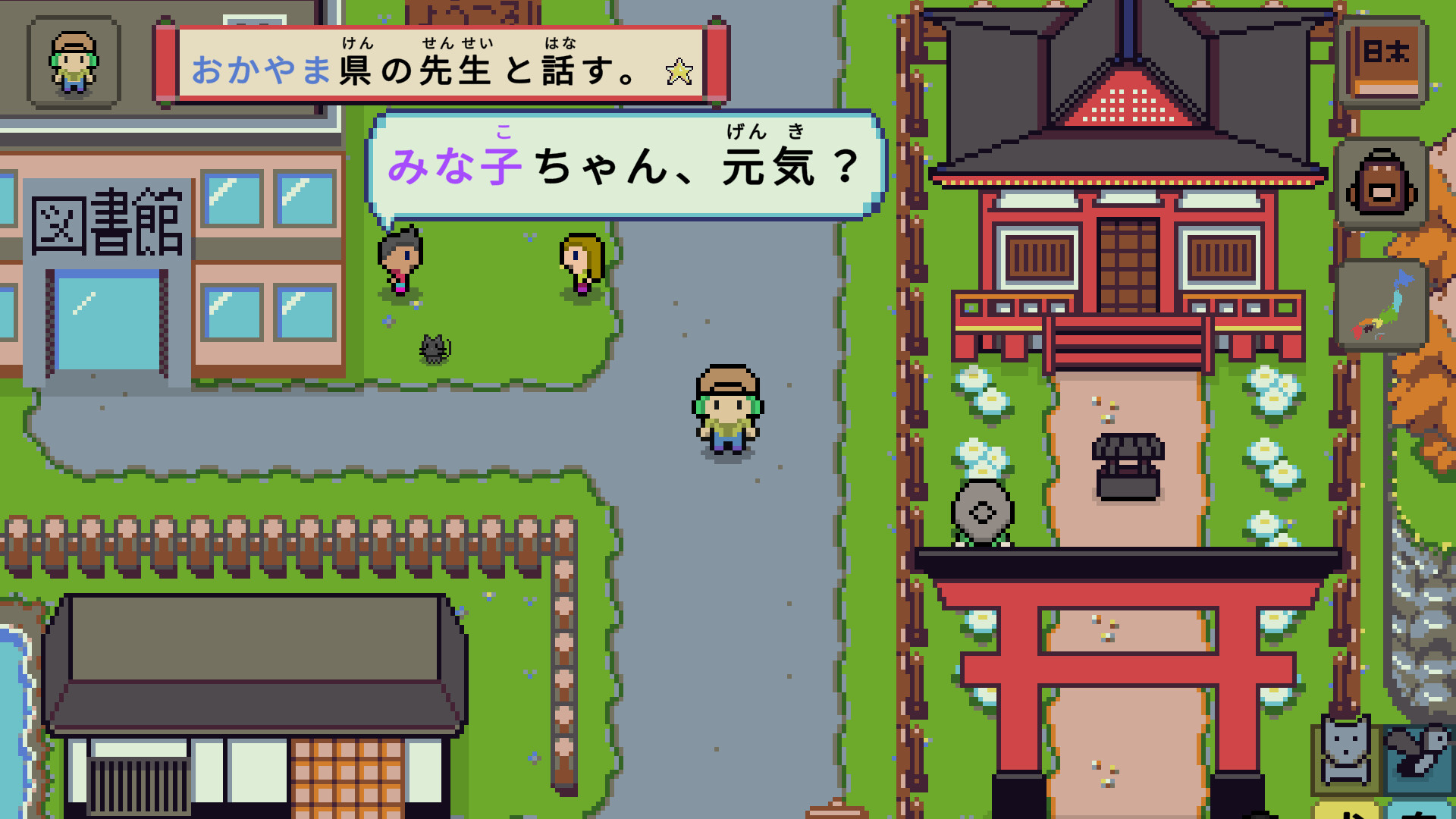
Strolling Through Japan, One Phrase at a Time
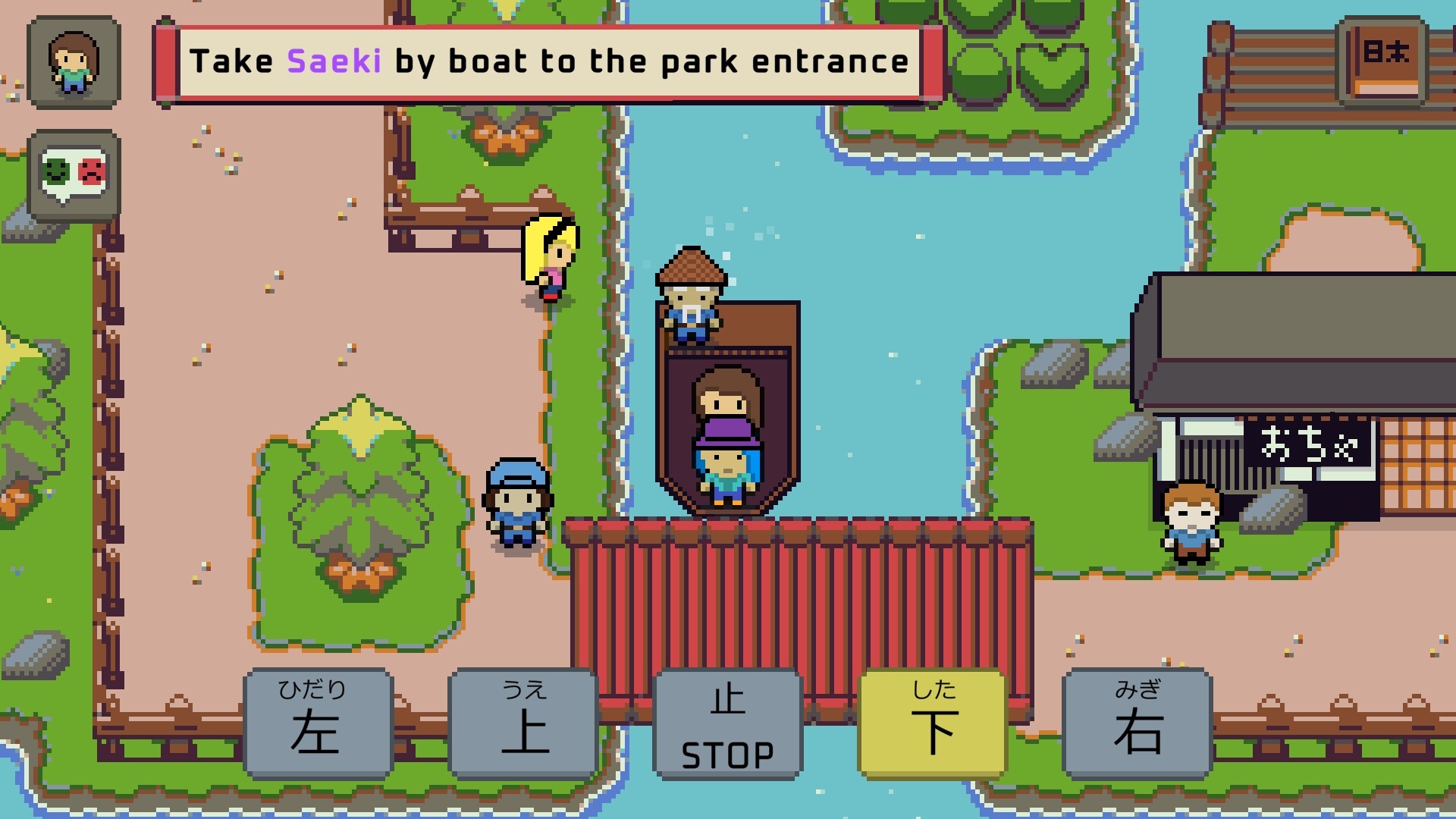
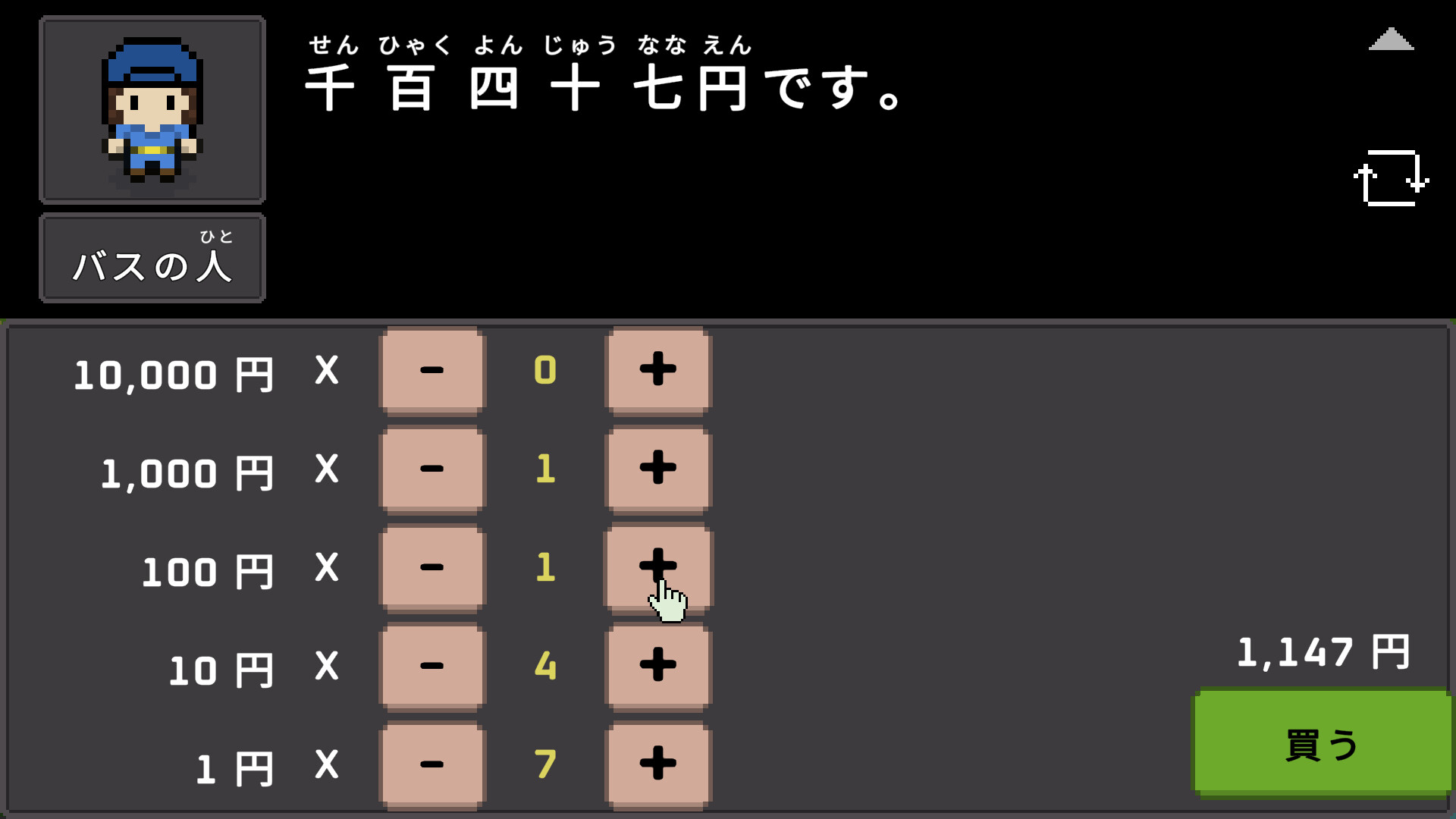
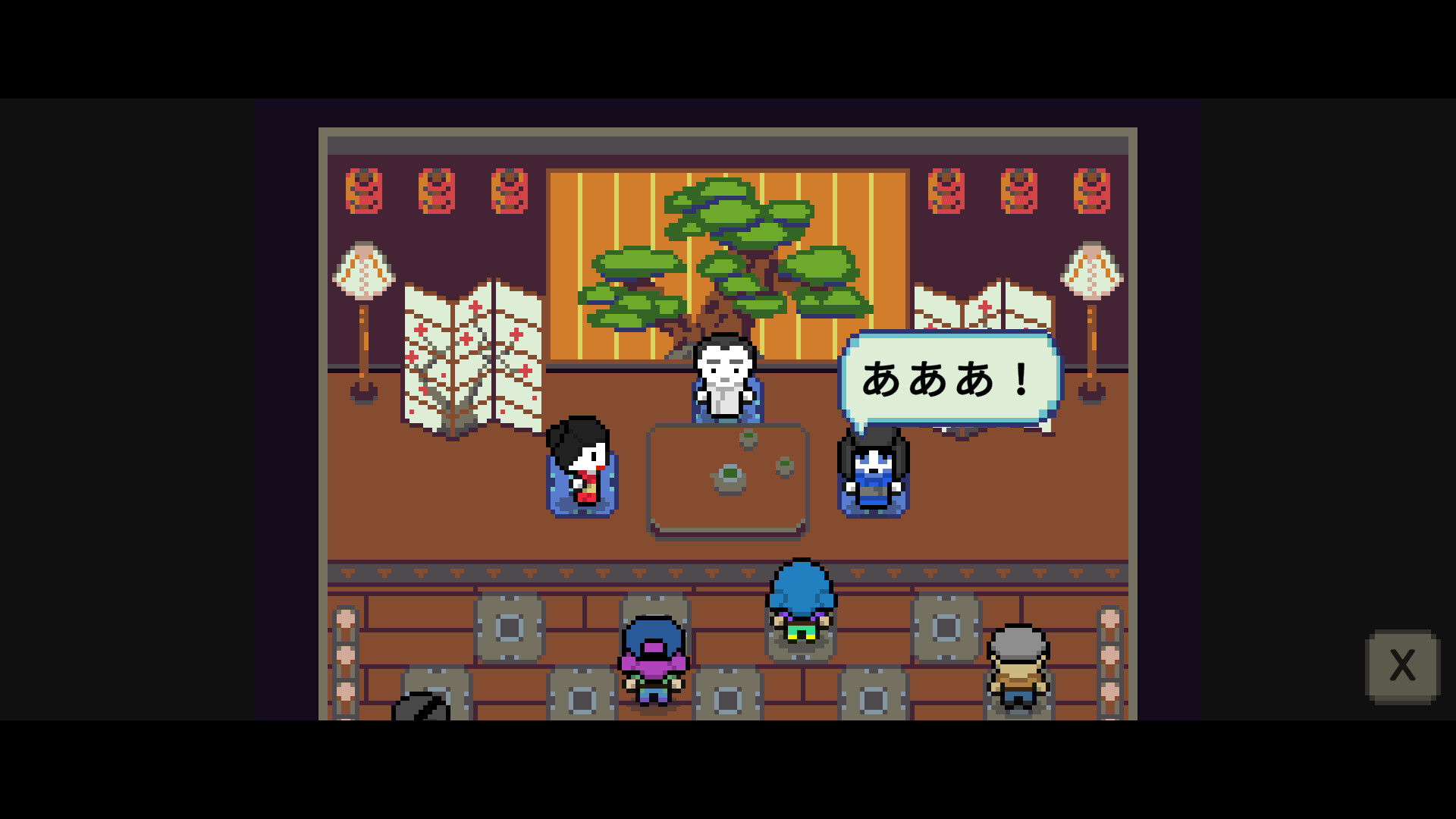
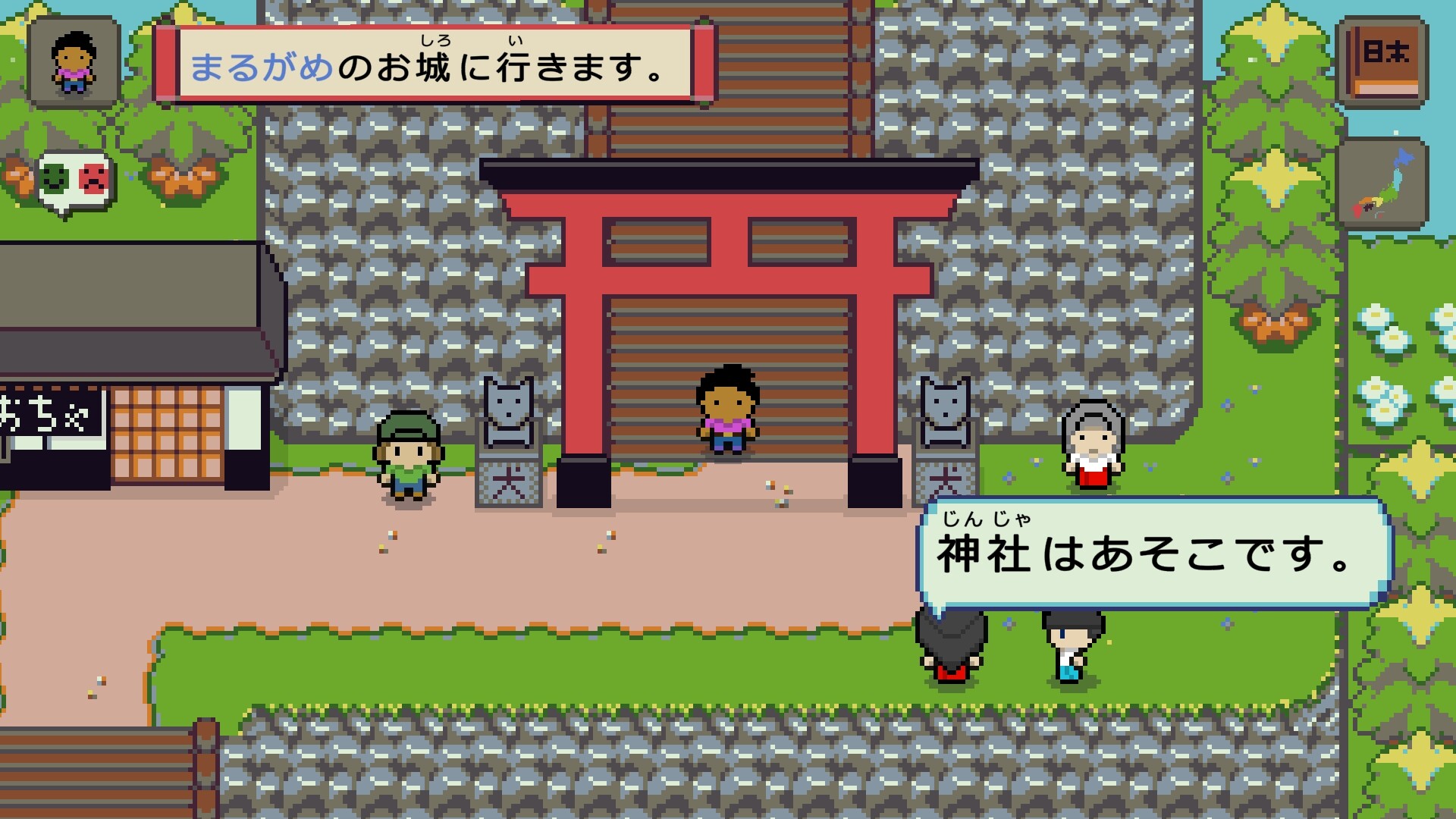
Wagotabi plays like a chilled RPG where progression isn't combat power but linguistic confidence. You customize a character, wander prefectures, and tackle quests that are essentially well-crafted language drills: ask for directions, order food, or negotiate prices — all in Japanese. Each interaction expects you to apply recently learned vocabulary and grammar, and success unlocks further conversations and areas. Rather than abstract word lists, the game forces you to use language in context; that means I was often pausing to jot down a sentence, then testing it later in a mini-dialogue. There’s a pleasant loop of learning, trying it in the field, getting corrected, and revisiting the lesson; it feels more like travel practice than rote memorization.
When Testing Feels Like Adventure
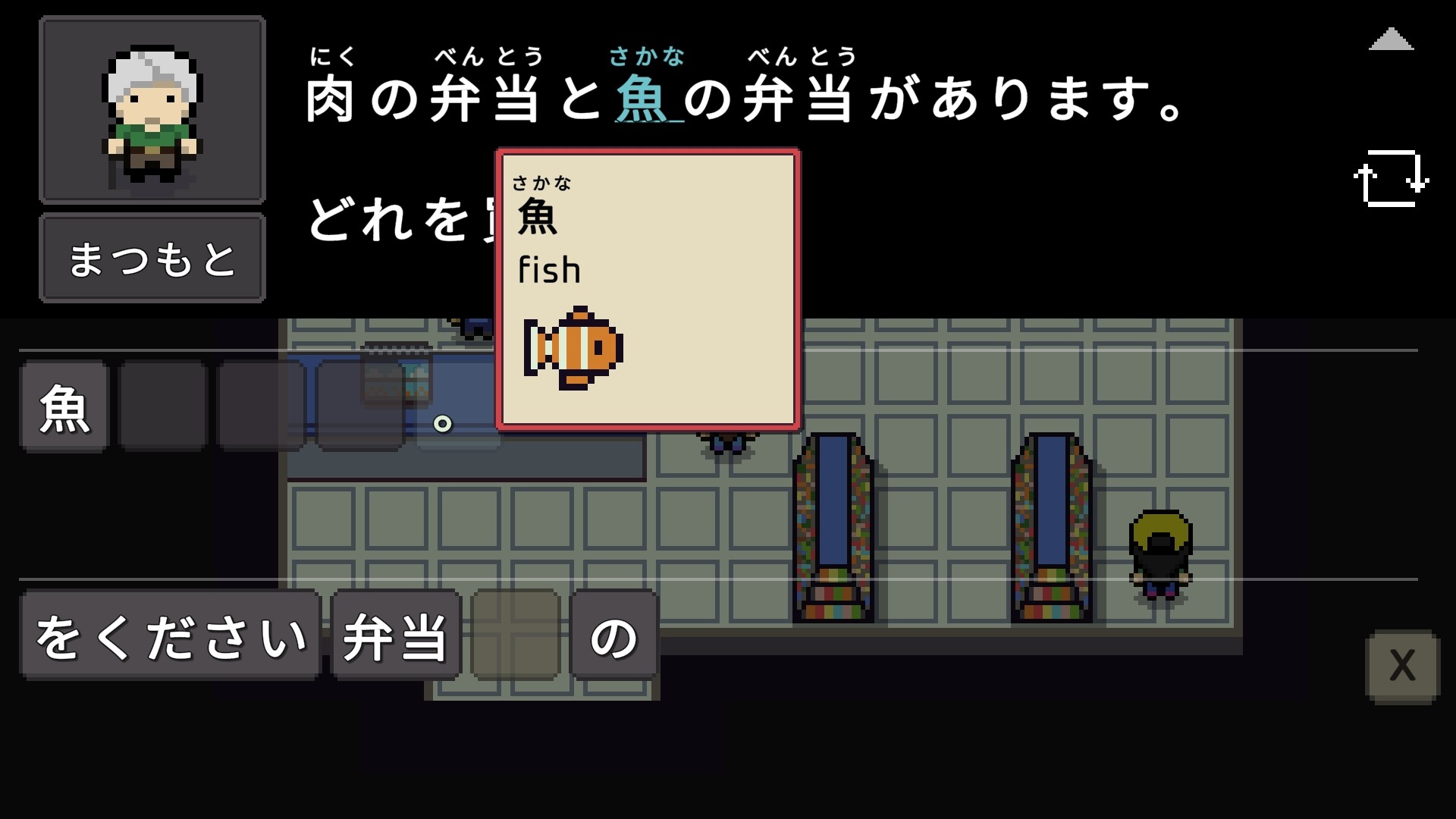
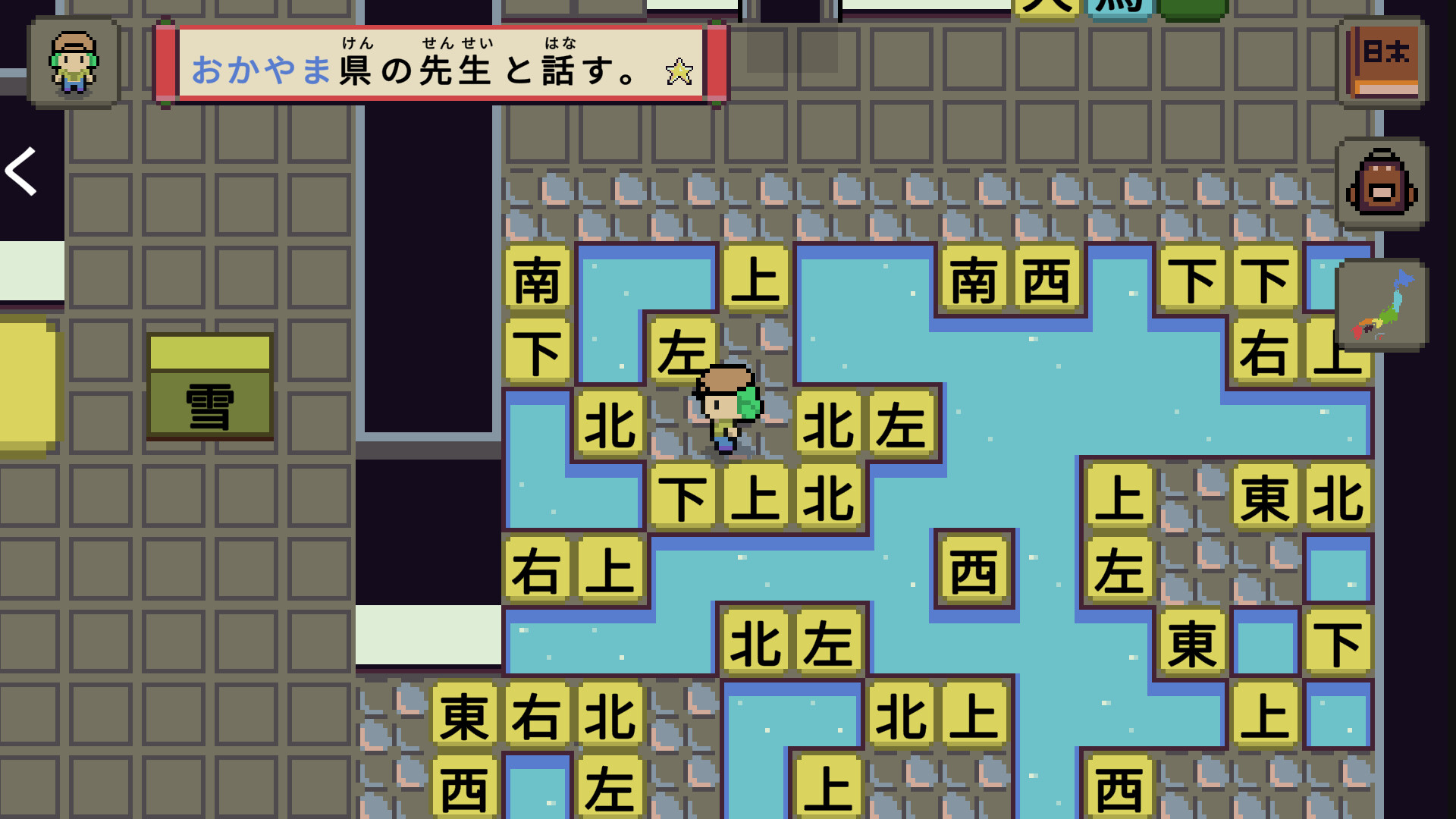
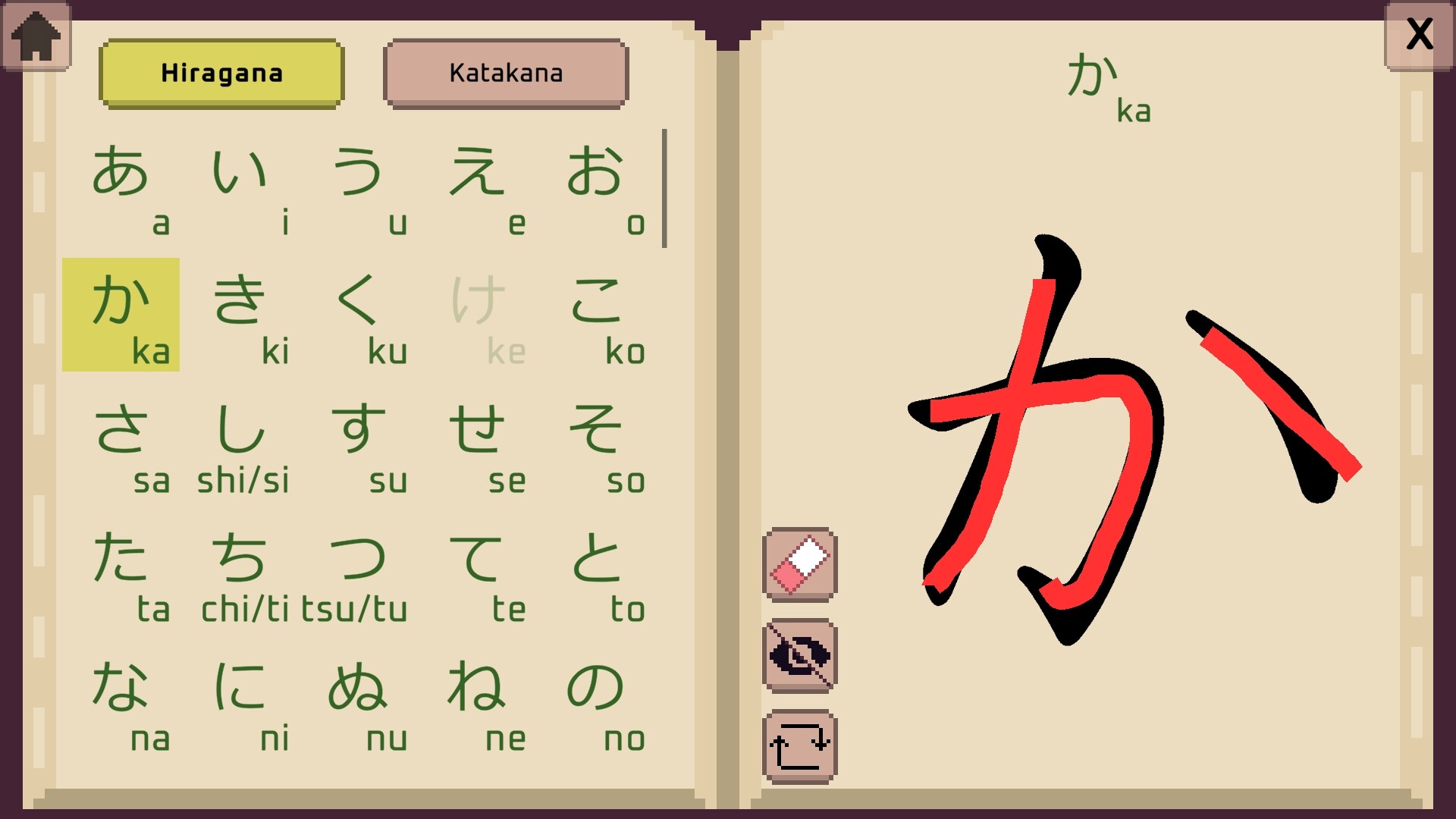
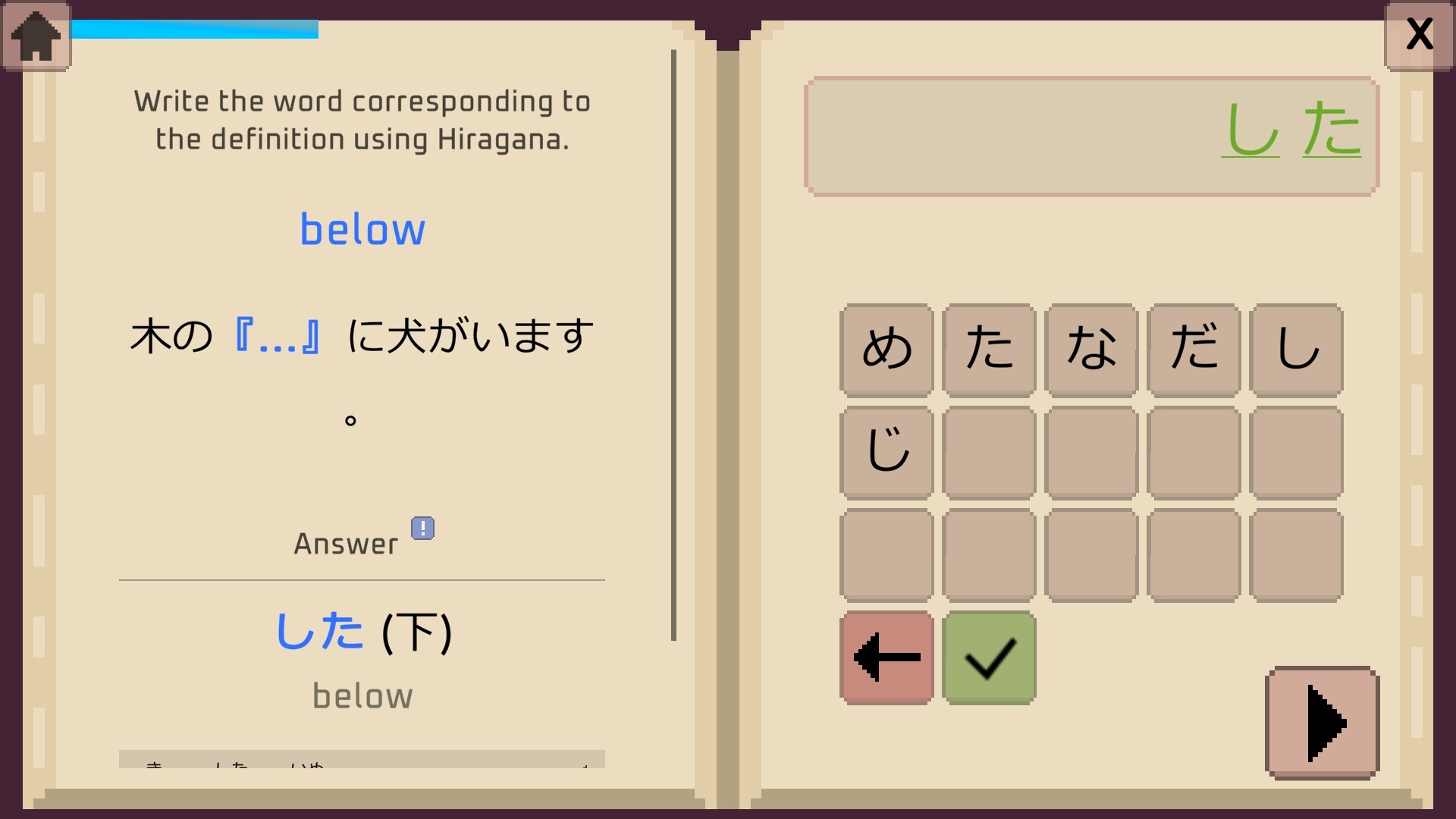
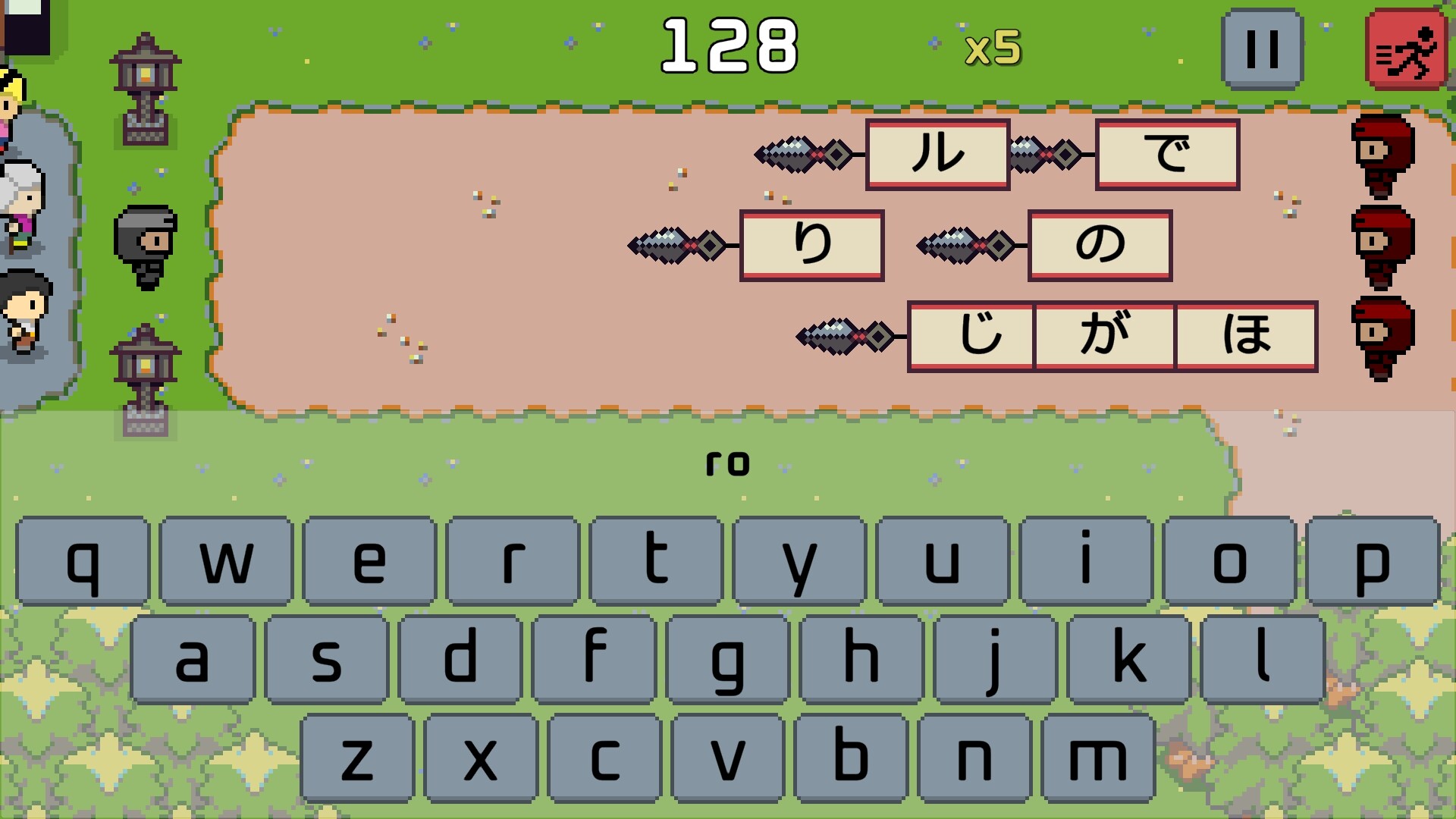
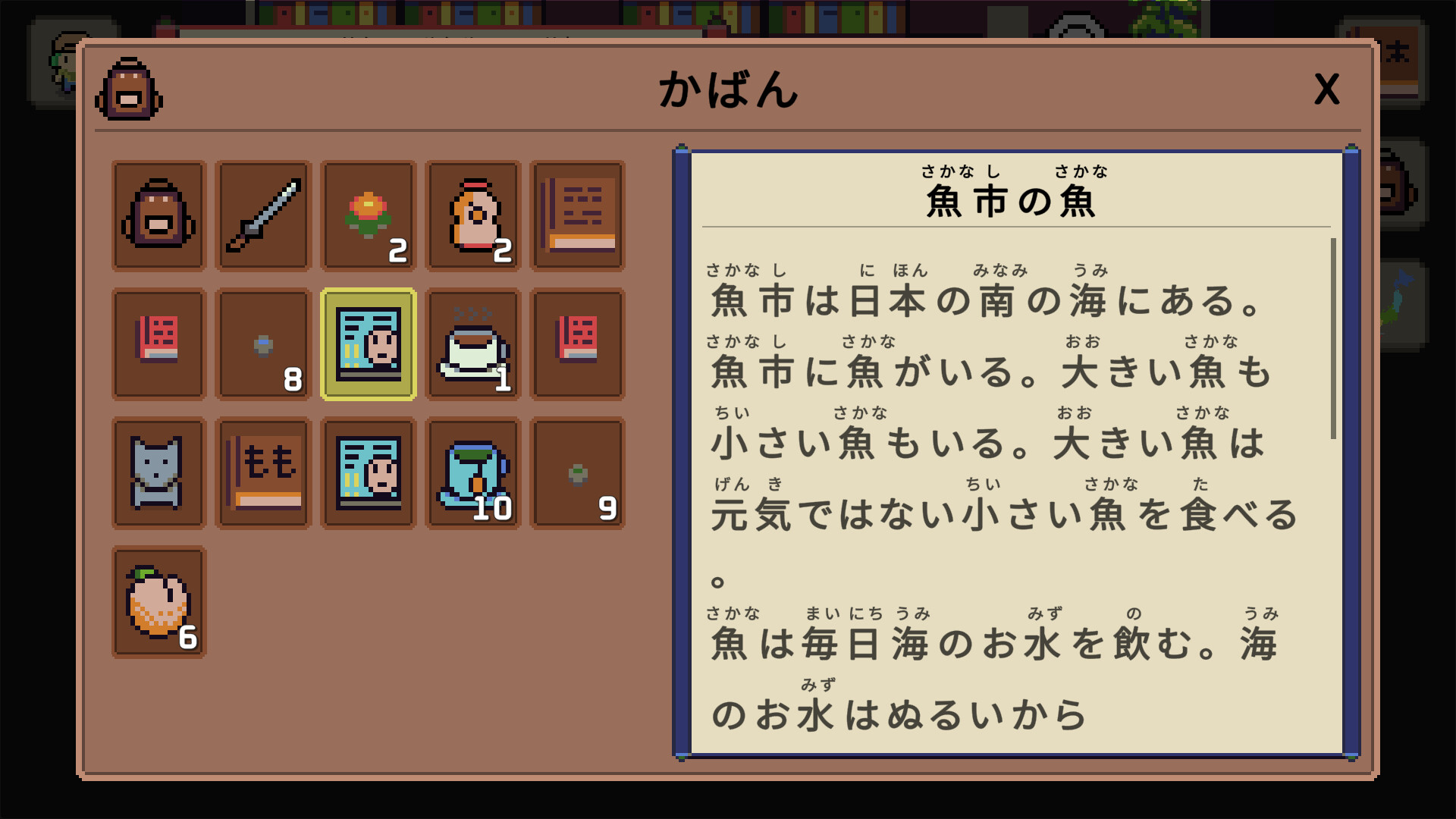
What sets Wagotabi apart is how it gamifies review without turning it into a shallow minigame spree. The built-in SRS (Spaced Repetition System) quietly curates what I struggle with, so flashbacks aren’t random but painfully specific to my blindspots. There are 15+ question types — building sentences, picking correct words, conjugation drills, and audio comprehension — and they’re integrated into the world as puzzles or “language battles.” I liked that the kana and kanji practice come in bite-sized, playful forms: stroke order and calligraphy exercises, a Kanji-collecting Kanjidex, and short boss-like challenges where you demonstrate what you’ve retained. It’s demanding in a good way: you will miss things, get nudged to review, and then feel genuinely rewarded when an in-game conversation goes smoothly.
A Cozy Presentation That Aids Learning
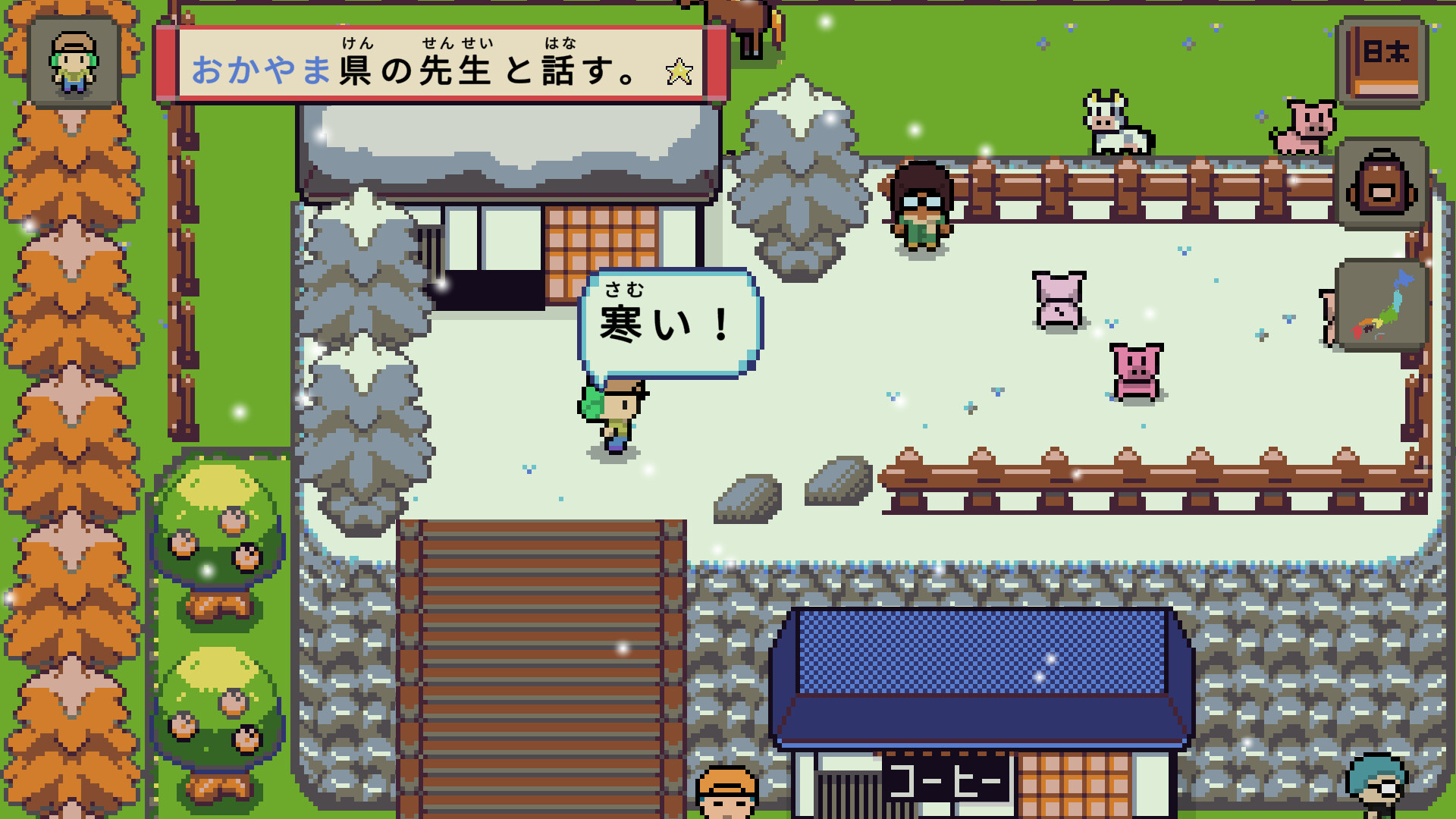
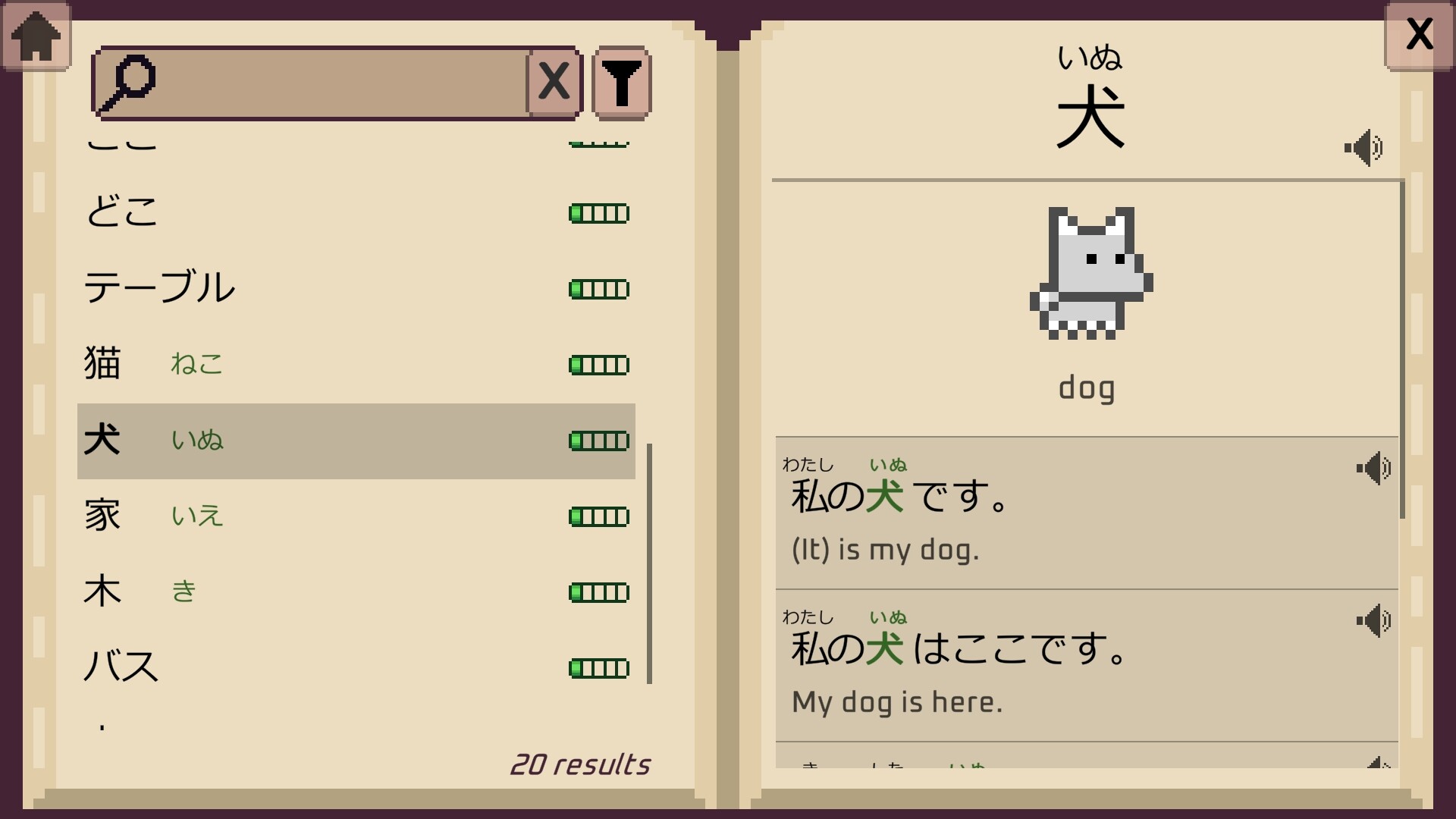
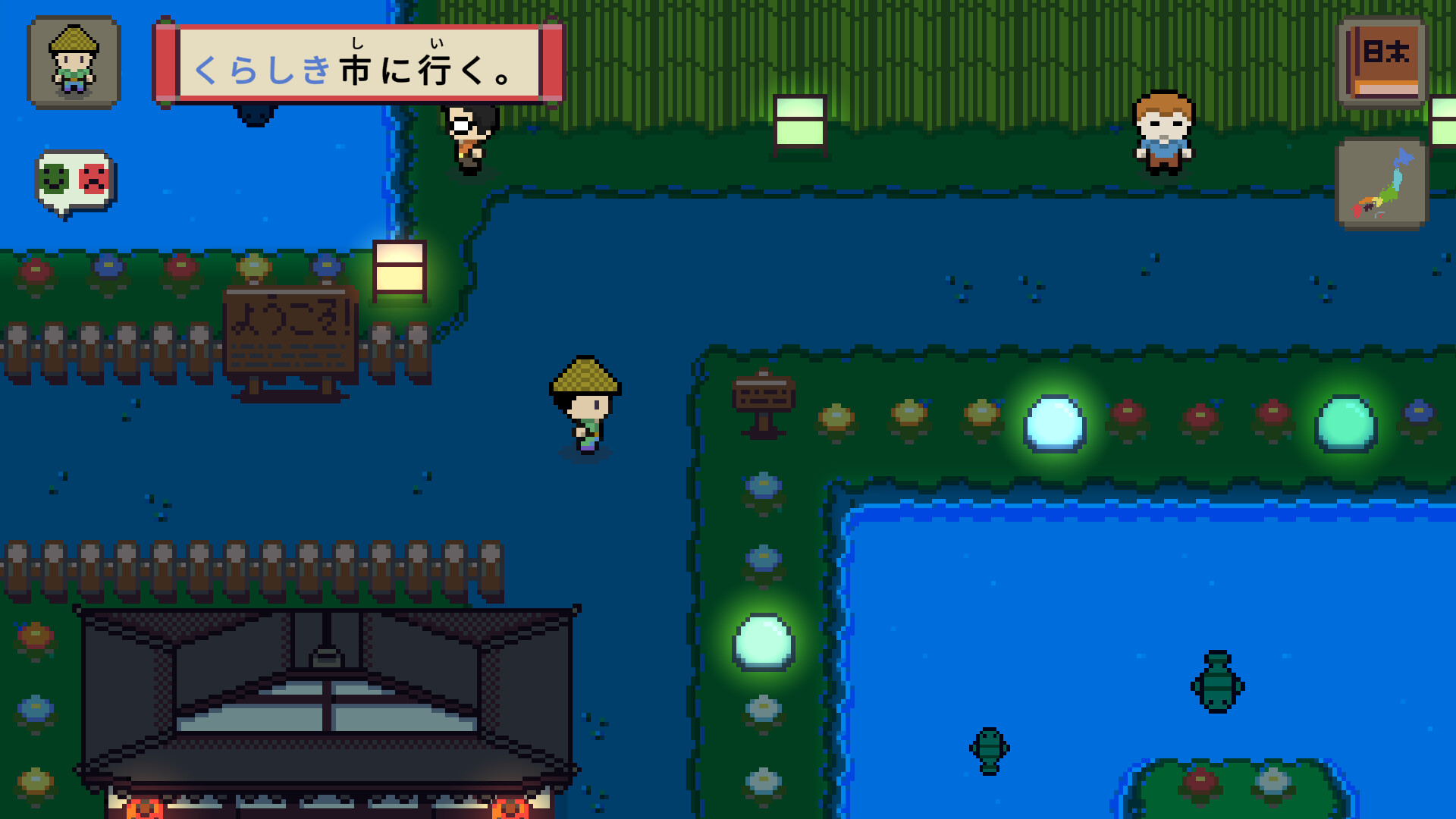
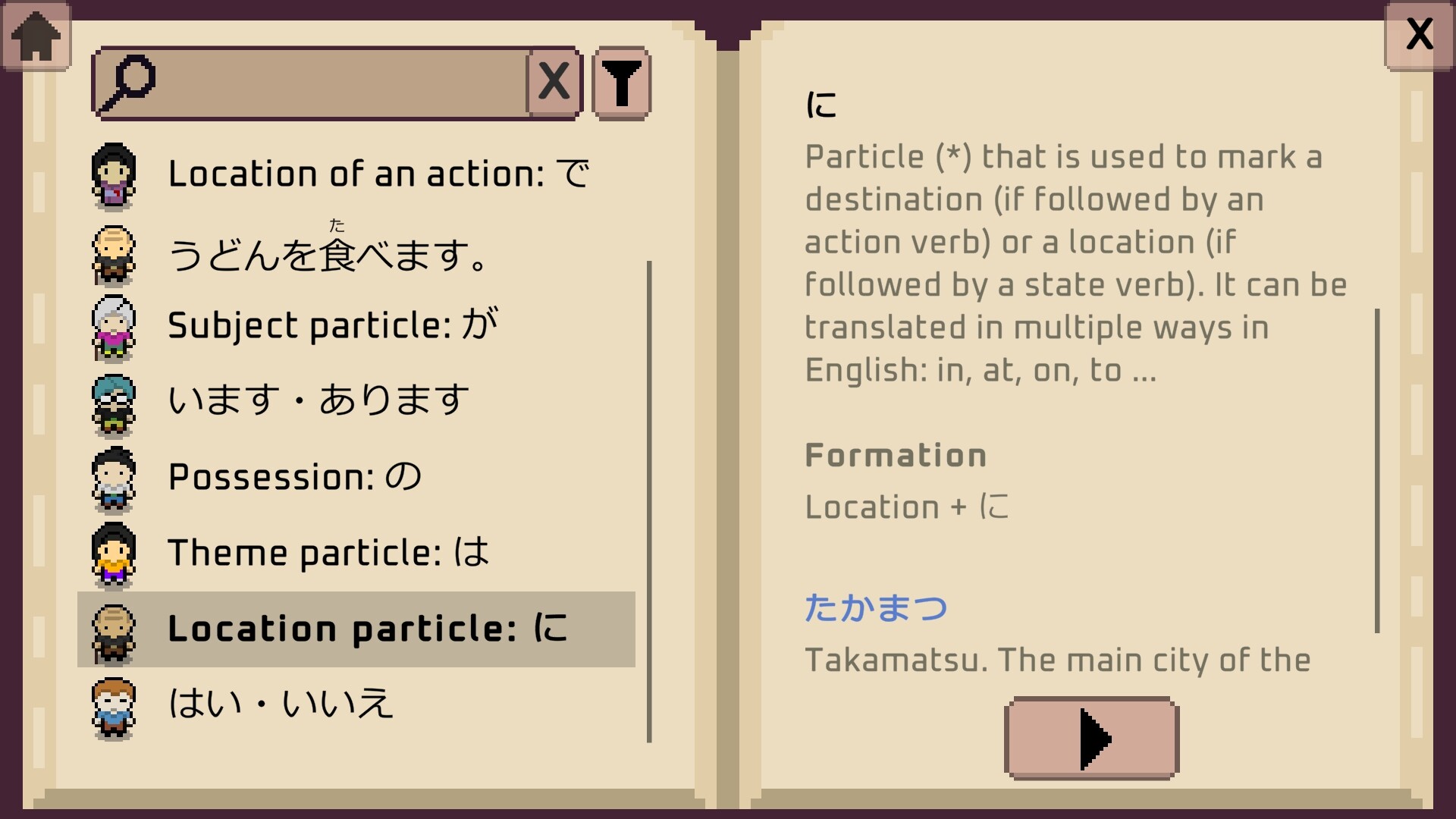
Visually, Wagotabi leans into a cute, approachable aesthetic — think Pokémon-lite town exploration but with real dialogues and cultural pointers. NPCs are distinct, the map teases regional sights, and the UI puts the dictionary and grammar notes a click away so you can look up words mid-conversation. Sound design is a standout: over 2,200 voiced lines mean you hear natural intonation and rhythm, which helped my listening comprehension more than silent reading ever did. Performance is solid on PC and the developers support cloud saves across platforms, so hopping between devices isn’t a nightmare. Accessibility-wise there’s furigana, replayable audio, and logs that make revisiting lessons painless, though some users warned the game can be steeper for absolute beginners who don’t know kana yet.
Wagotabi is not a miracle shortcut, but it’s one of the most thoughtful, playable tools for beginner Japanese I’ve tried. It excels at turning vocabulary and grammar into usable skills through conversation, SRS and clever mini-games. Recommended if you want a motivating, travel-flavored path to N5-ish competence — less so if you expect a spoon-fed, zero-prep course.
Pros
- Genuinely immersive, context-driven learning instead of isolated drills.
- Robust SRS and varied question types that target weak spots.
- Voiced dialogues and a smart dictionary with examples and tags.
- Fun mini-games (kana/kanji) and a charming, travel-like exploration loop.
Cons
- Steep for absolute beginners who don't know kana yet.
- Still expanding content-wise — some areas feel like 'work in progress'.
- Occasional UI jank and a few progression hiccups reported by users.
Player Opinion
Players praise Wagotabi for making practice feel meaningful — many reviewers say they retained more than from apps like Duolingo because dialogues are realistic and vocabulary is used in context. Multiple users highlight the kana/kanji minigames and the Kanjidex as addictive and useful. Teachers and learners appreciated the clear grammar explanations and the replayable voiced lines, which helped listening skills. Criticisms are consistent: newcomers without prior kana knowledge can hit a frustrating wall, and the game is still evolving so content and polish vary. If you like Duolingo but crave immersion, or if you’ve used Genki/Wanikani and want a playful supplement, Wagotabi is frequently recommended.