



Underboard Review — Tactical Roguelite Auto-Battler That Actually Clicks
Underboard mixes drafting, positioning and a surprisingly musical soul into a tactical auto-battler. Deep trait synergies, active spells and meaningful progression make runs tense and addictive.
I didn’t expect to get hooked so fast, but Underboard sneaks up on you. On paper it’s another auto-battler with drafting and traits, yet in practice it blends active decision-making—spells, positioning and map exploration—into the usual RNG stew. If you like the cerebral planning of TFT but miss a stronger roguelite progression, Underboard will feel like a fresh take: it’s about managing chances, squeezing synergies and dancing to a surprisingly catchy soundtrack.
Exploring the Underboard: Map, Movement and Risk-Reward
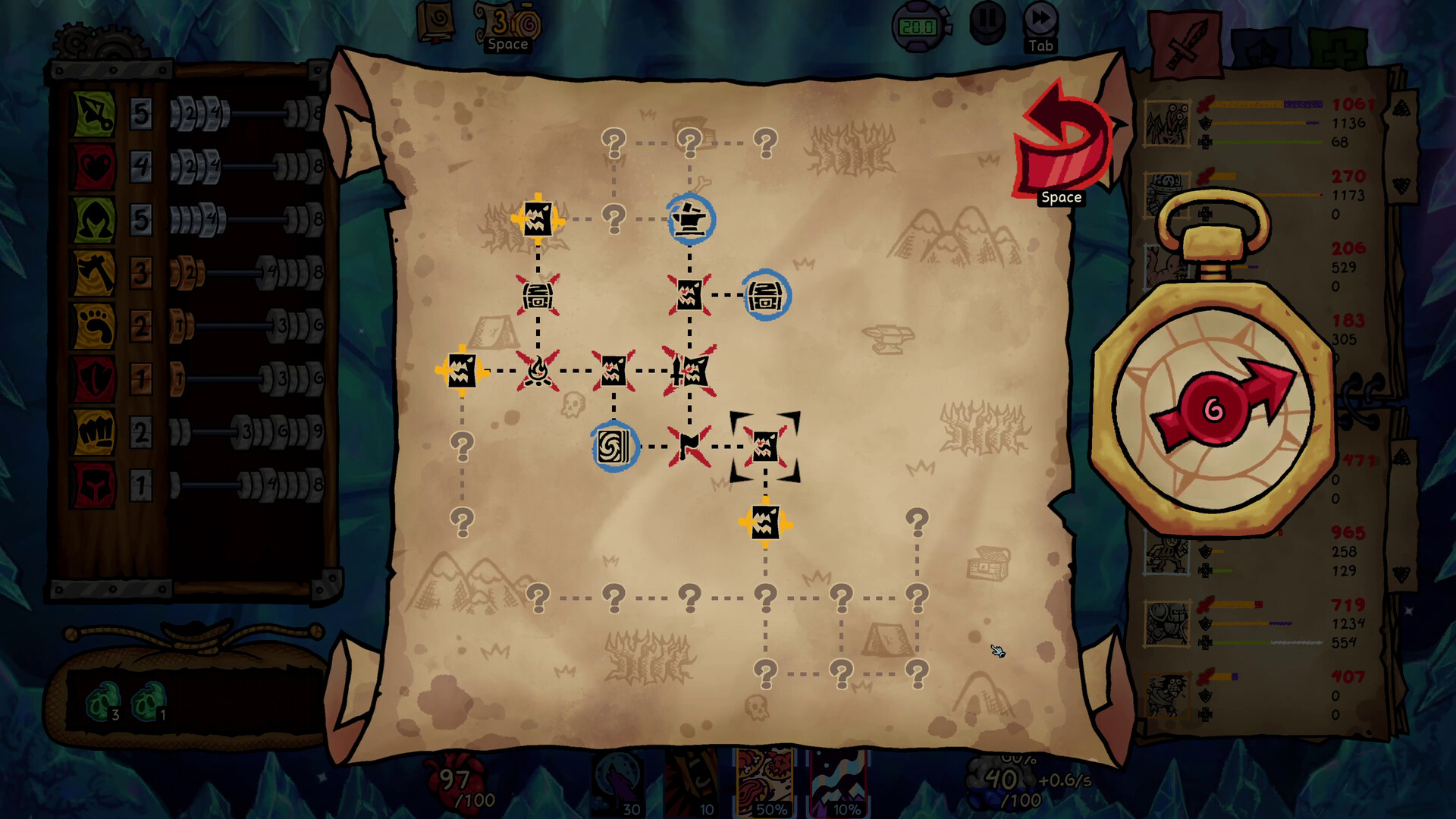
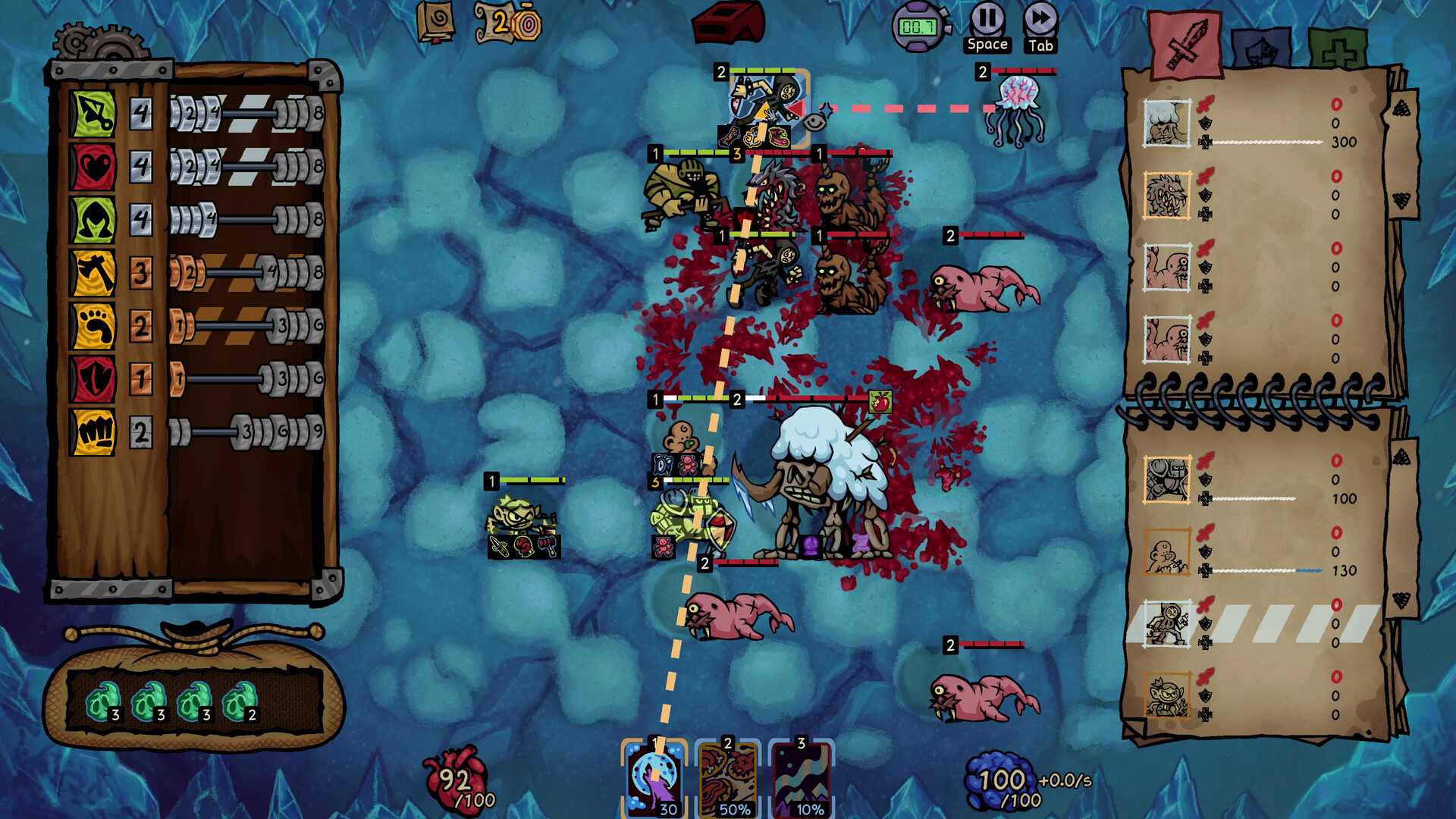
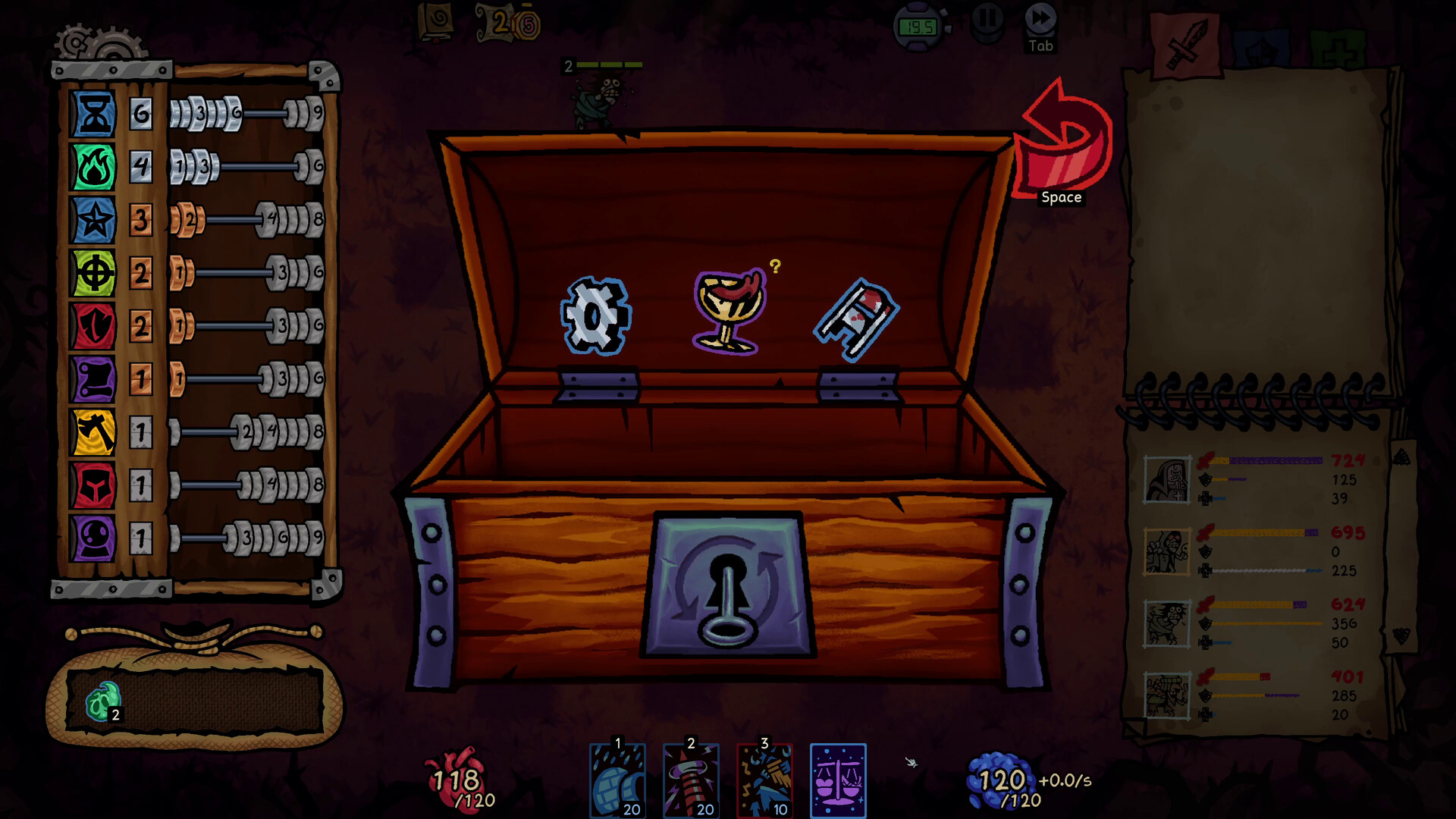
Underboard's exploration loop gives the game a breathing space between fights. You move across randomized maps shrouded in fog of war, choosing your path like a little dungeon crawler: recruit, chest, combat or special card events can appear, and every choice nudges your run in a new direction. There’s a fixed encounter budget per map which forces you to weigh combat against scouting for resources. I found myself pausing before every doorway, trying to calculate whether a detour for a chest was worth the extra enemy, while the game punishes sloppy movement with surprise ambushes. That sense of map-level tension is what lifts Underboard from pure autobattler fare to something more exploratory.
Building the Band: Drafting, Traits and Team Synergy
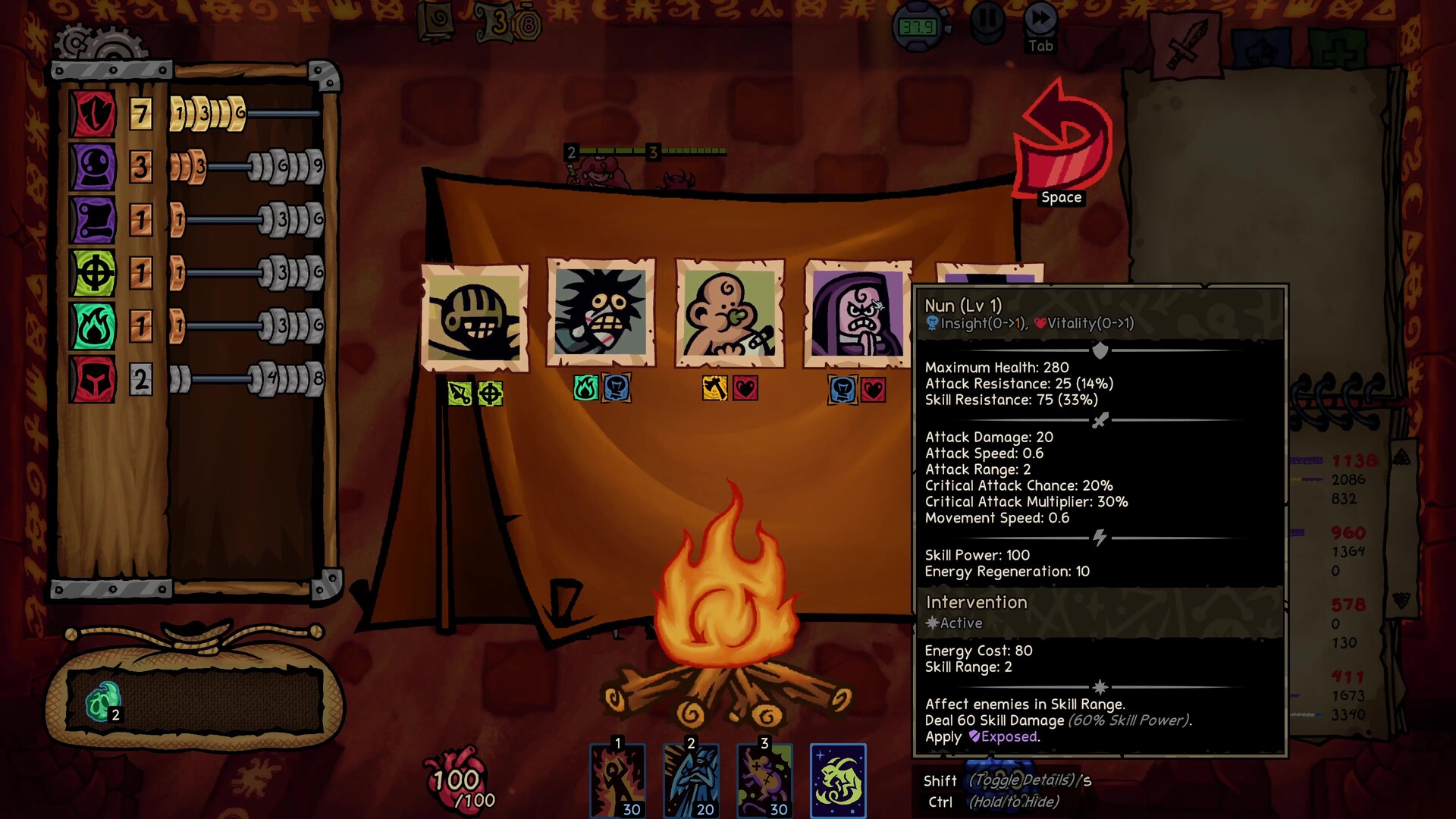
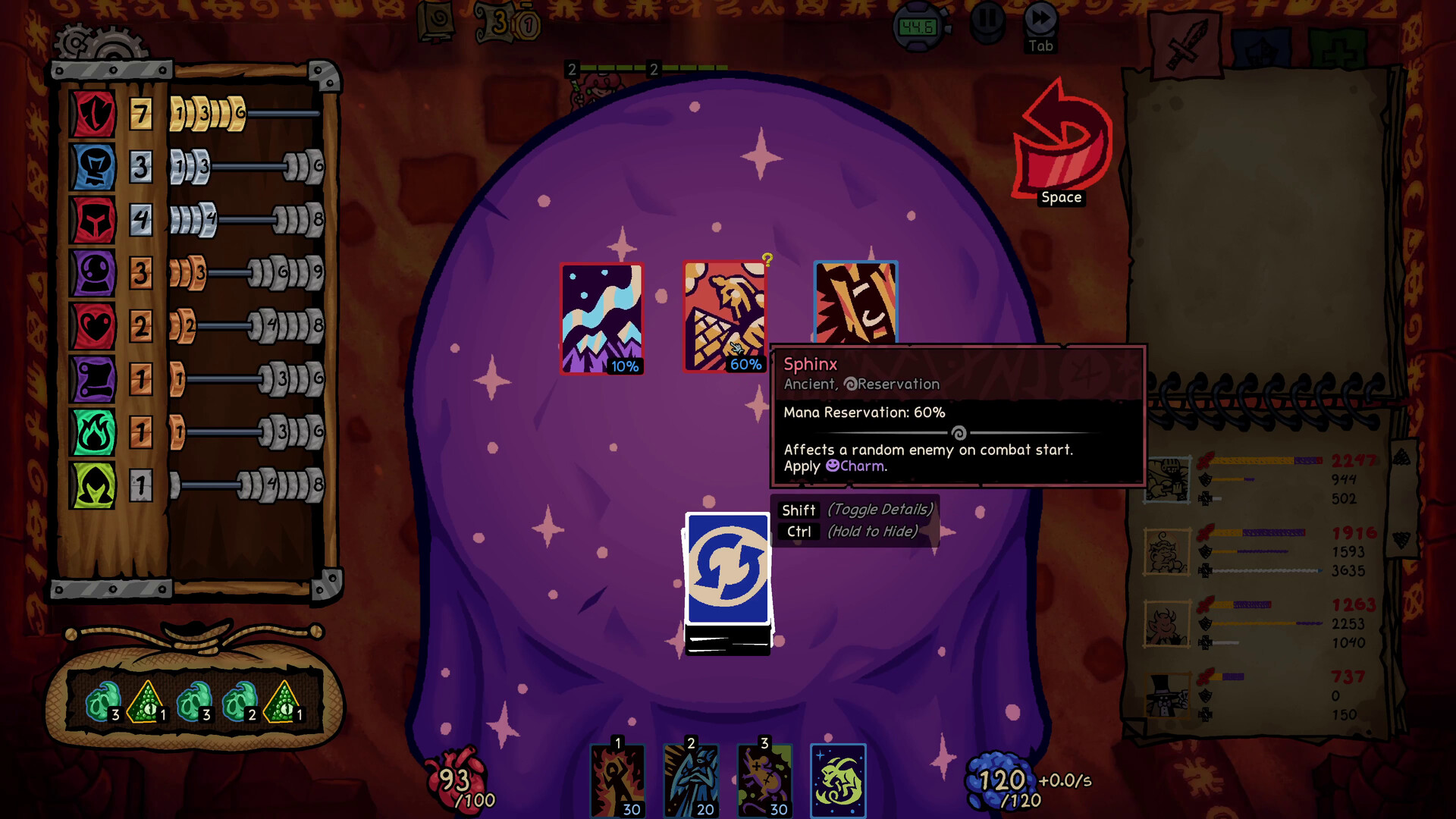
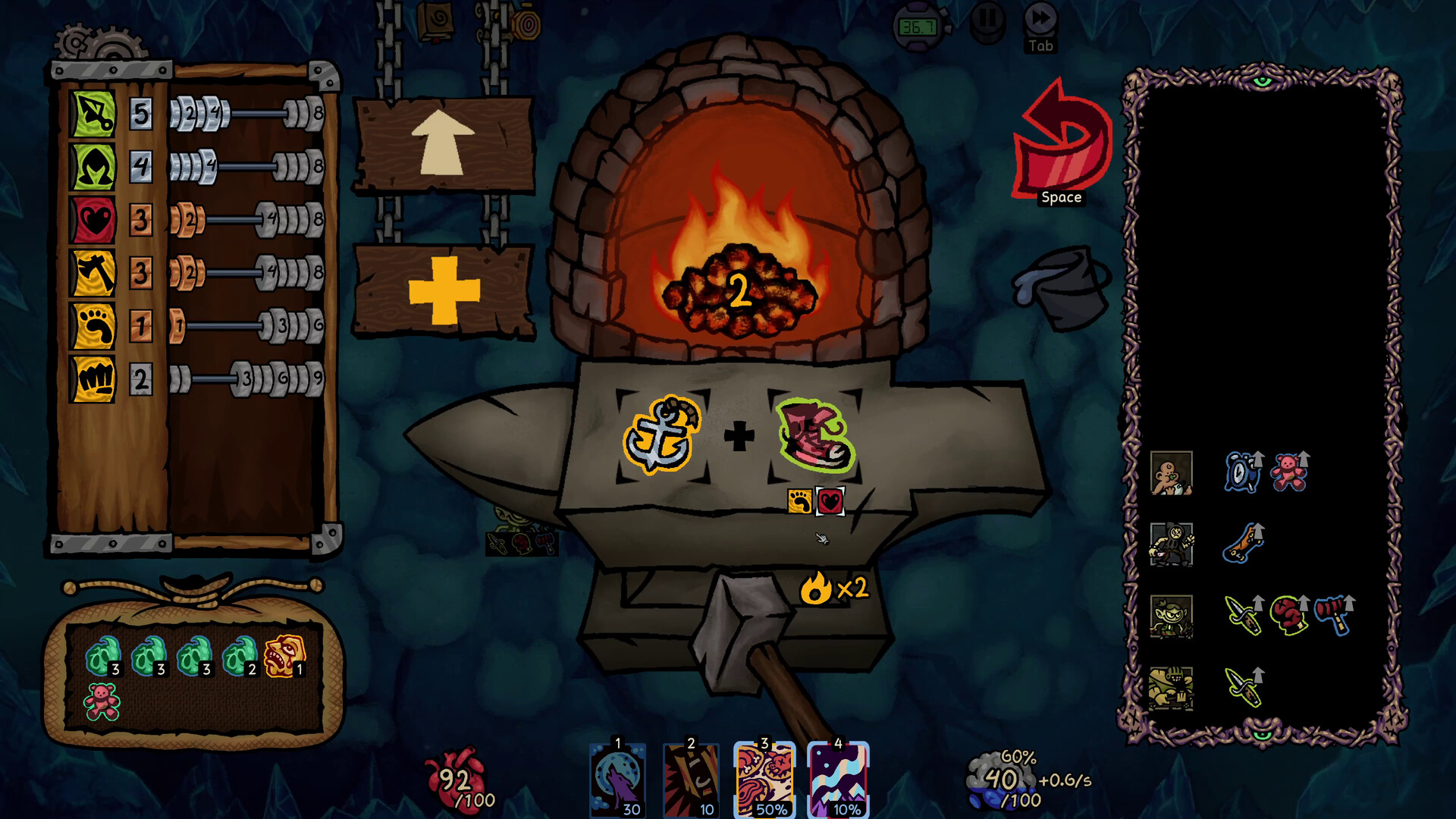
At its heart Underboard is a team-building puzzle. You draft units, each with randomized Traits, and stacking matching Traits unlocks powerful team-wide bonuses — so sometimes you pick a subpar unit simply to hit a Trait threshold. Leveling units through combat, evolving them by defeating bosses and equipping loot that can add stats or even extra Traits gives an enormous combinatorial playground. There are items you can forge and upgrade, spells you can raise or keep flexible, and Masteries that unlock long-term options across runs. I loved the moments when two oddball units suddenly clicked because of trait overlaps and an item propped them up — that “oh, that works” feeling happens often and keeps runs exciting.
Hands-On During the Fight: Spells, Positioning and Active Play
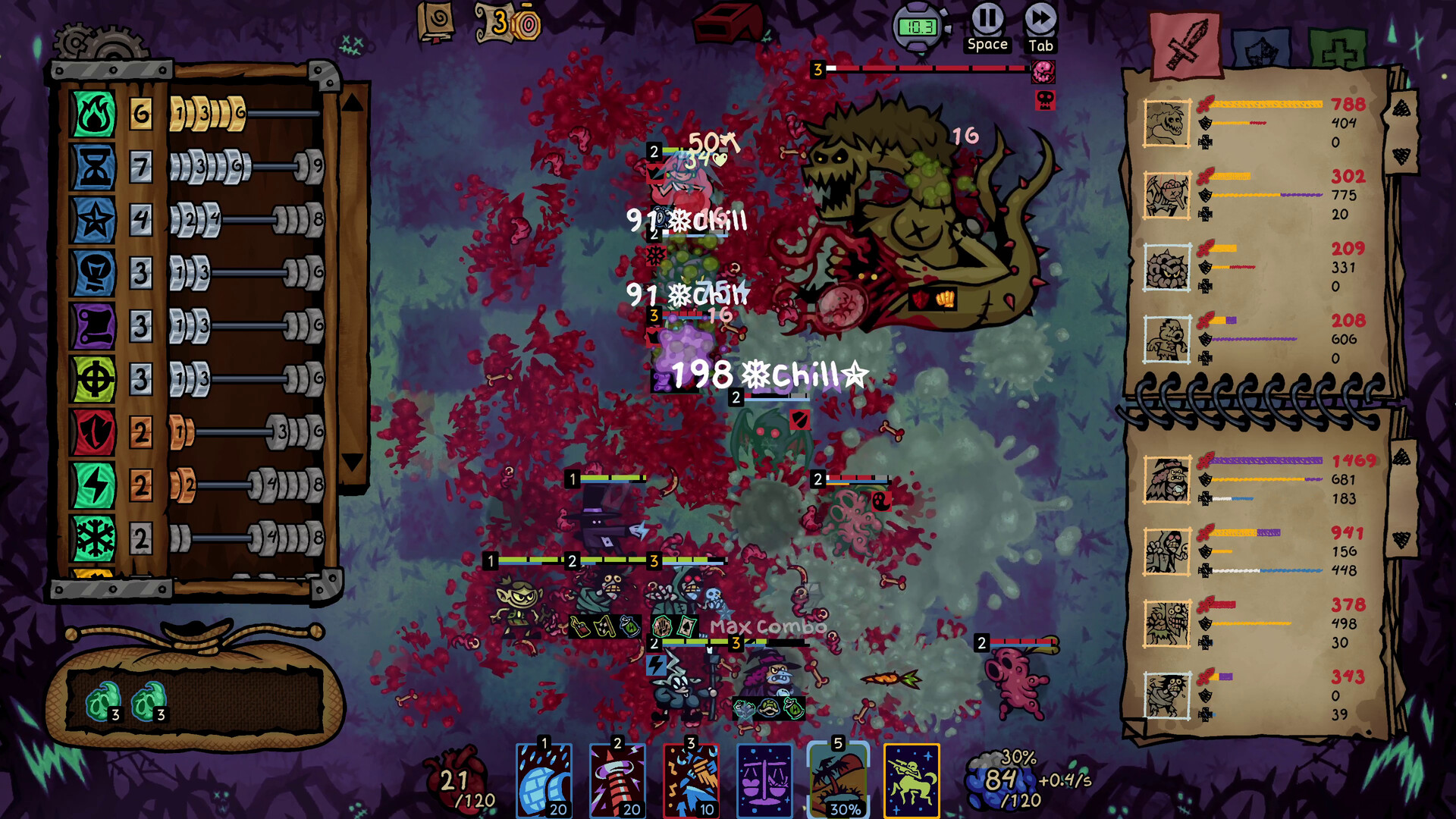
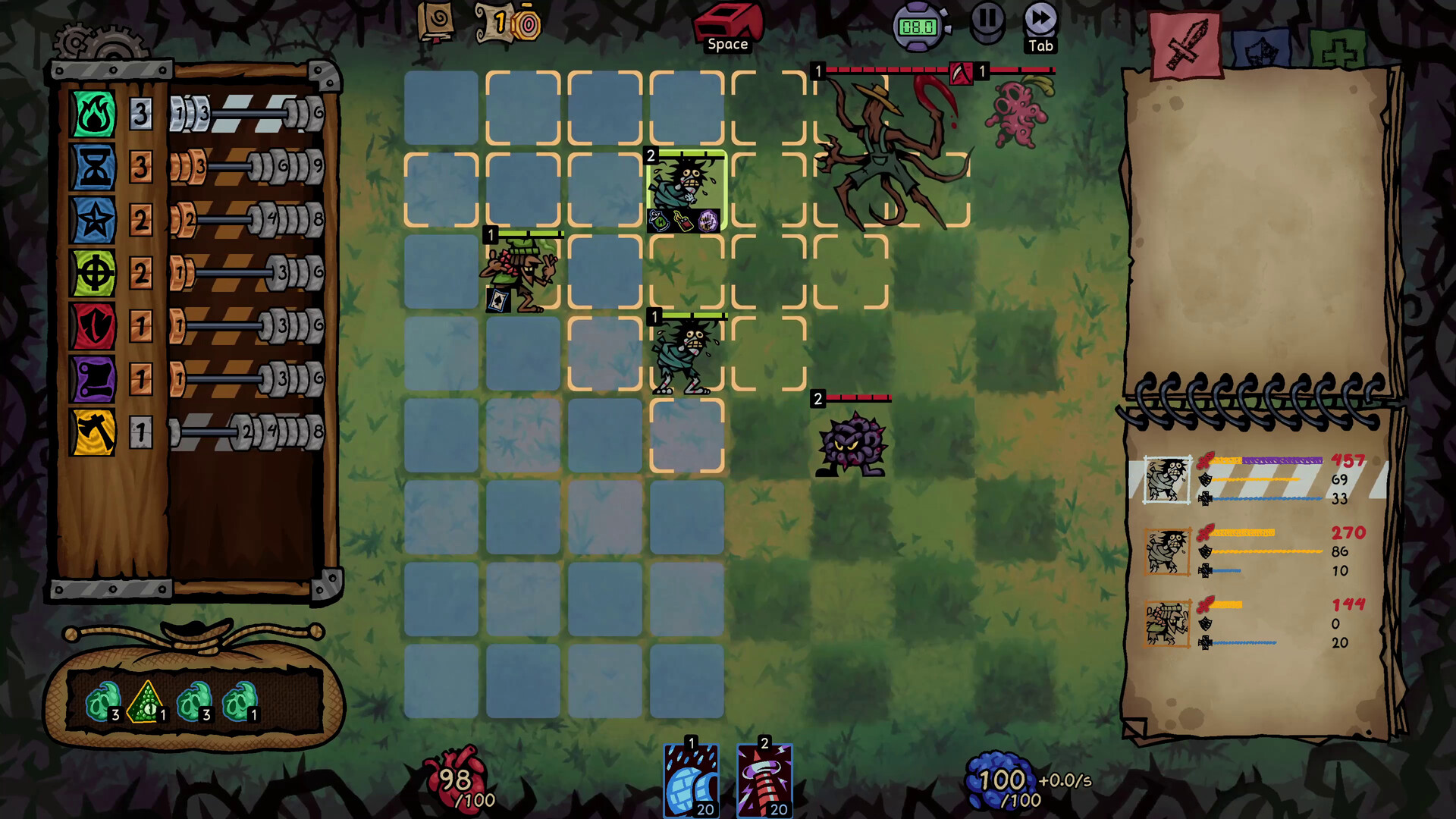
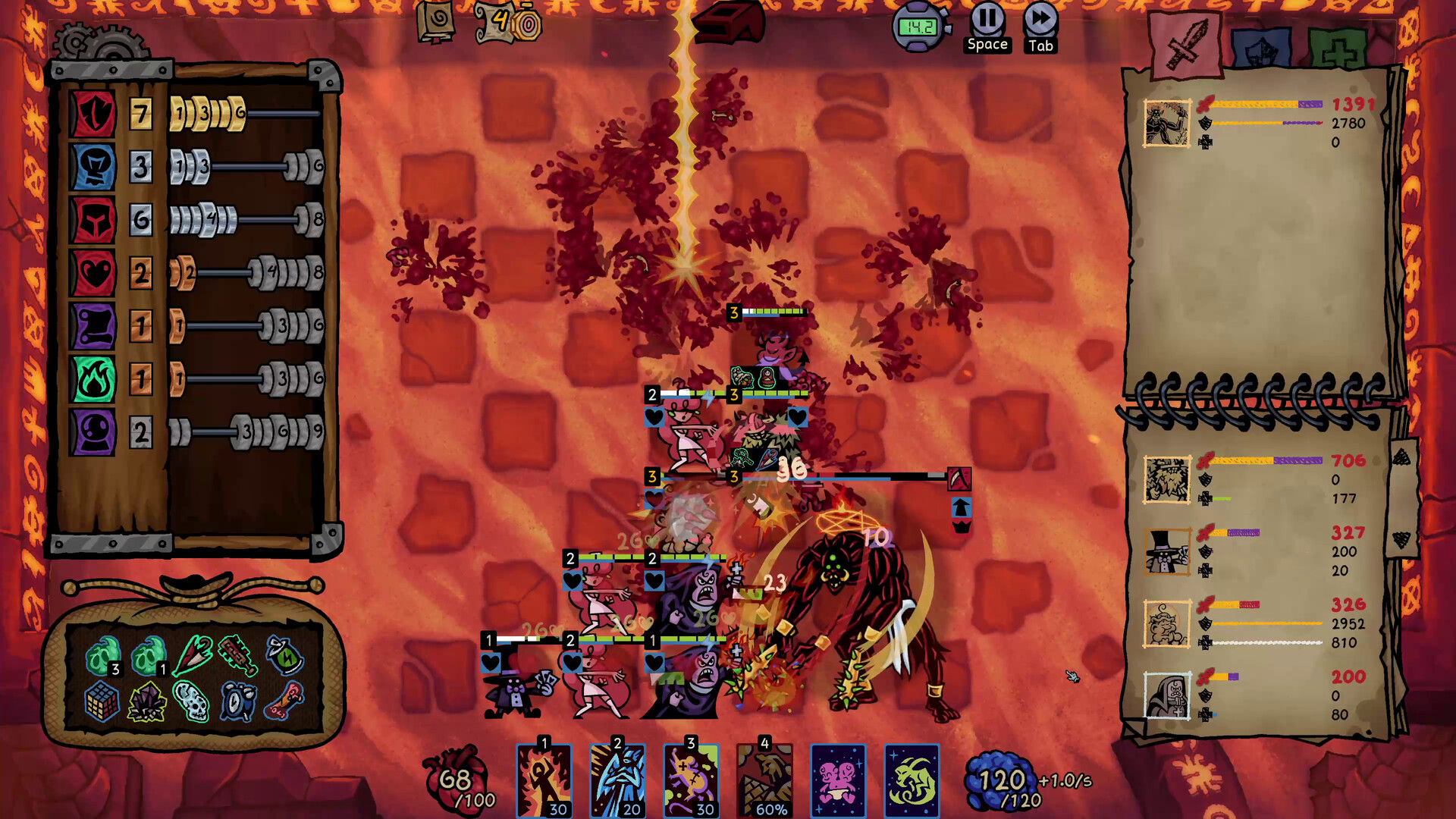
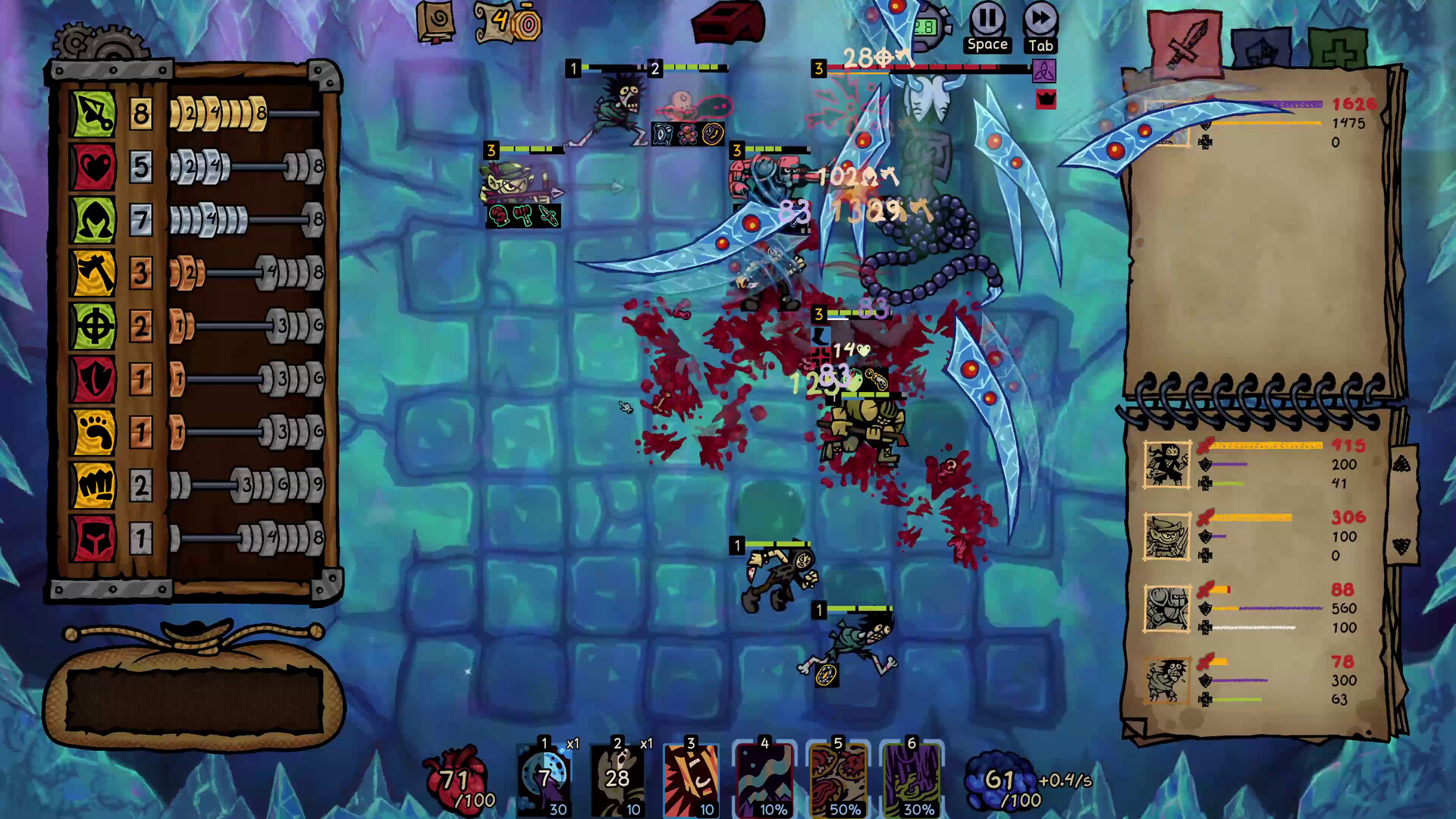
Combat isn’t pure autopilot: units do fight autonomously based on aggression and positioning, but your spellcasting and placement decisions matter a great deal. You can cast spells actively to turn the tide, or bank Mana to grant passive buffs — and choosing between upgrade and flexibility is a constant, delicious dilemma. Positioning felt tactile; frontlining the wrong unit or misreading enemy threats will punish you, and I learned the hard way that moving a visually similar unit with different Traits into the wrong slot can cost a run. Enemy variety and boss fights ratchet up the challenge in satisfying ways.
When Randomness Shows Its Teeth (and When It Doesn’t)
Randomness is baked into everything — unit rolls, traits, loot drops — and at times it can be brutal. Yet Underboard tempers the chaos with tools: reroll currencies, EXP tokens and mastery unlocks let you steer runs toward the builds you want, if you’re willing to take on harder encounters for those resources. Some players will call it a luck fiesta; I call it a negotiation with chaos where the better reader of options wins.
Audio-Visual and Technical Feel: The Grind Has Style
The art direction is charming without being precious: readable unit designs, clear feedback for abilities, and neat UI touches that make inventory and trait tracking feel crisp. The soundtrack? Wildly praised and for good reason — it loops a lot but it’s catchy and sets tempo for runs. Performance on Windows is solid in my playtime; no glaring bugs, smooth framerates and responsive controls. Accessibility isn’t exhaustive, but tooltips and explanations are helpful, and the tutorial does a decent job getting you into the loop.
Underboard is a clever, well-polished autobattler that rewards patient planning and experimentation. It’s not perfect — RNG and a few UI niggles can frustrate — but the depth of builds, active spell choices and an earworm soundtrack make it a standout indie. Pick it up if you like strategic, replayable team-builders; skip it if you hate randomness with a passion.
Pros
- Deep, satisfying team-building with meaningful trait synergies
- Active spellcasting adds real player agency to an autobattler
- Great soundtrack that surprisingly boosts the mood
- Strong progression systems (Masteries, forging, evolutions)
Cons
- Randomness can feel punishing; some runs hinge on luck
- Trait visibility and unit similarity can cause frustrating misplacements
- Loops can be repetitive if you prefer fully deterministic strategy
Player Opinion
Players rave about the depth and music — multiple reviewers say the soundtrack alone is worth the price of admission. Many praise the demo-to-launch improvements and highlight the satisfying reward loop of crafting, trait thresholds and boss evolutions. Recurring praise centers on the game's balance between RNG and player agency: reroll currencies and EXP often let you steer a run rather than purely hope for lucky drops. Criticisms are consistent too: some feel the RNG dominates certain runs and point out UX issues like traits not being shown clearly on the board, causing accidental misplacement. If you enjoy team-building roguelites and the tactile joy of positioning, community consensus suggests you’ll get hooked quickly.