





U.V.S. Nirmana Review – A Thoughtful Zach-like with a Meditative Spin
A compact, well-dressed Zach-like from Coincidence: 30 pipeline puzzles, a solitaire side game, and a short but satisfying pilgrimage through space and circuitry.
I approached U.V.S. Nirmana expecting another strict Zachtronics echo, but Coincidence delivers something gentler: puzzles that feel engineered rather than sandboxed. The game sets you on an Unreturning Void Ship visiting distant worlds, and—surprisingly—its tone is contemplative rather than competitive. If you like logic puzzles with a tidy scope, clean aesthetics and occasional hard slaps of difficulty, this pilgrimage will probably sit nicely in your backlog.
Pilgrimage Through Pipes and Signals
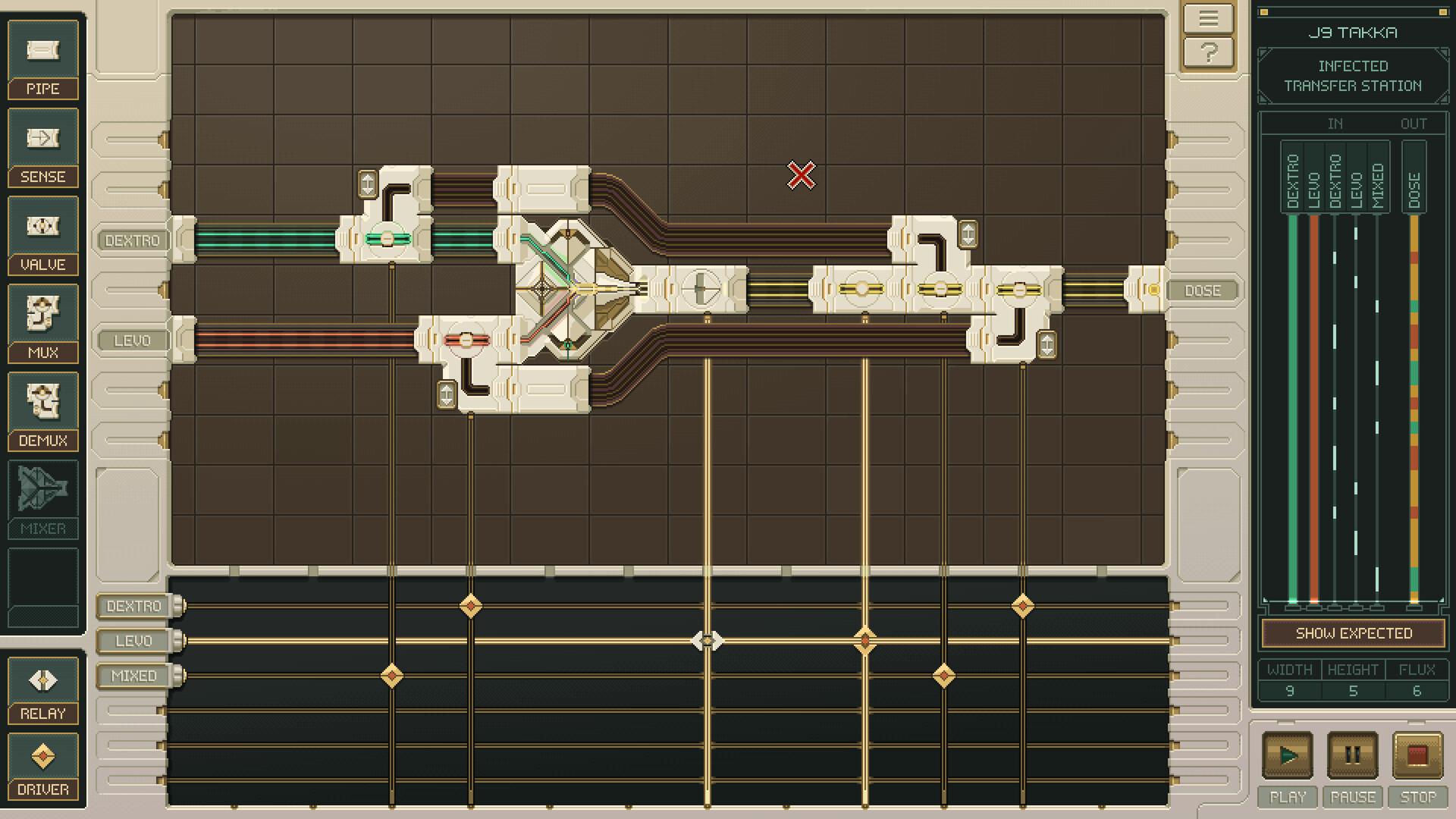
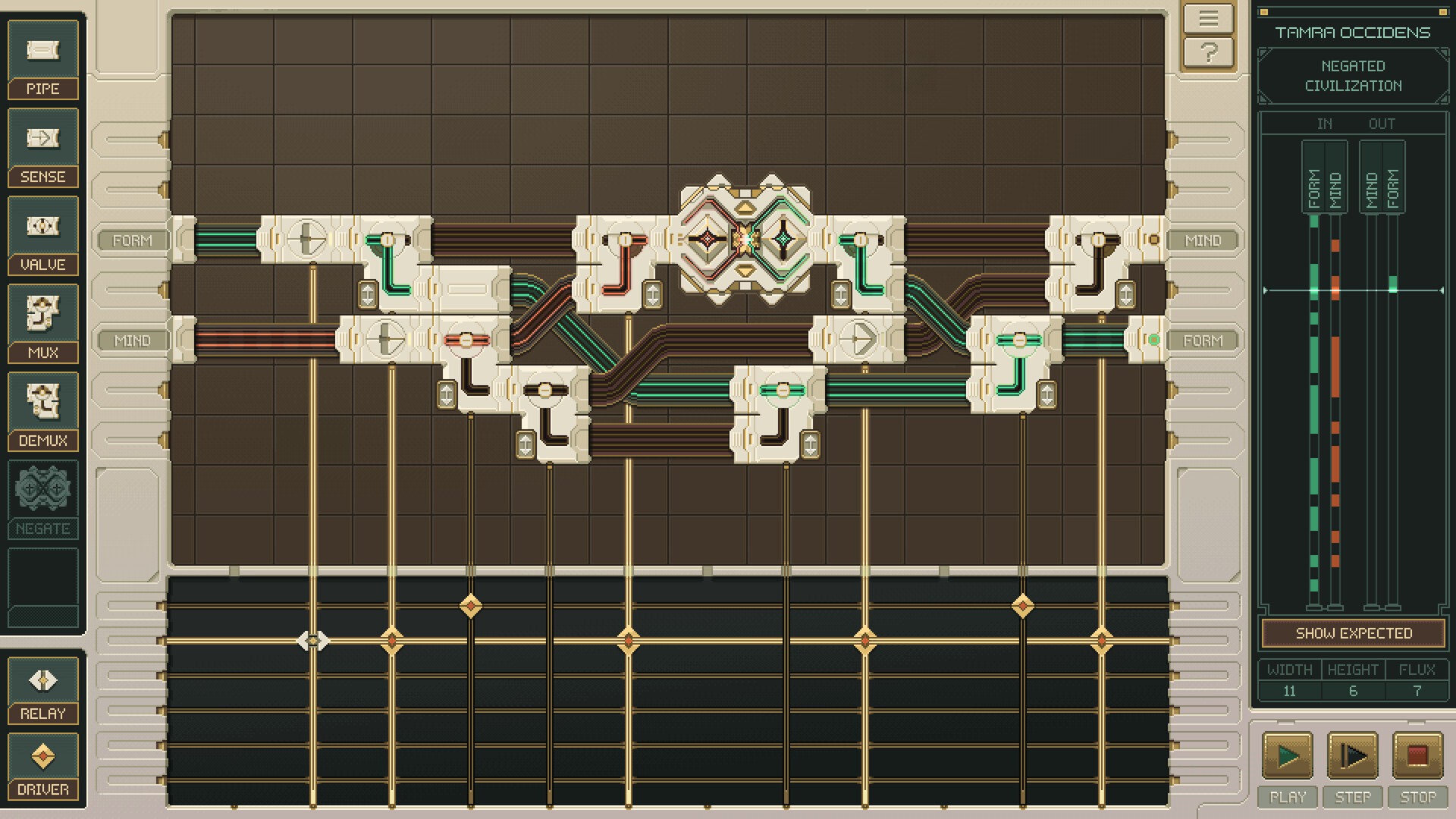
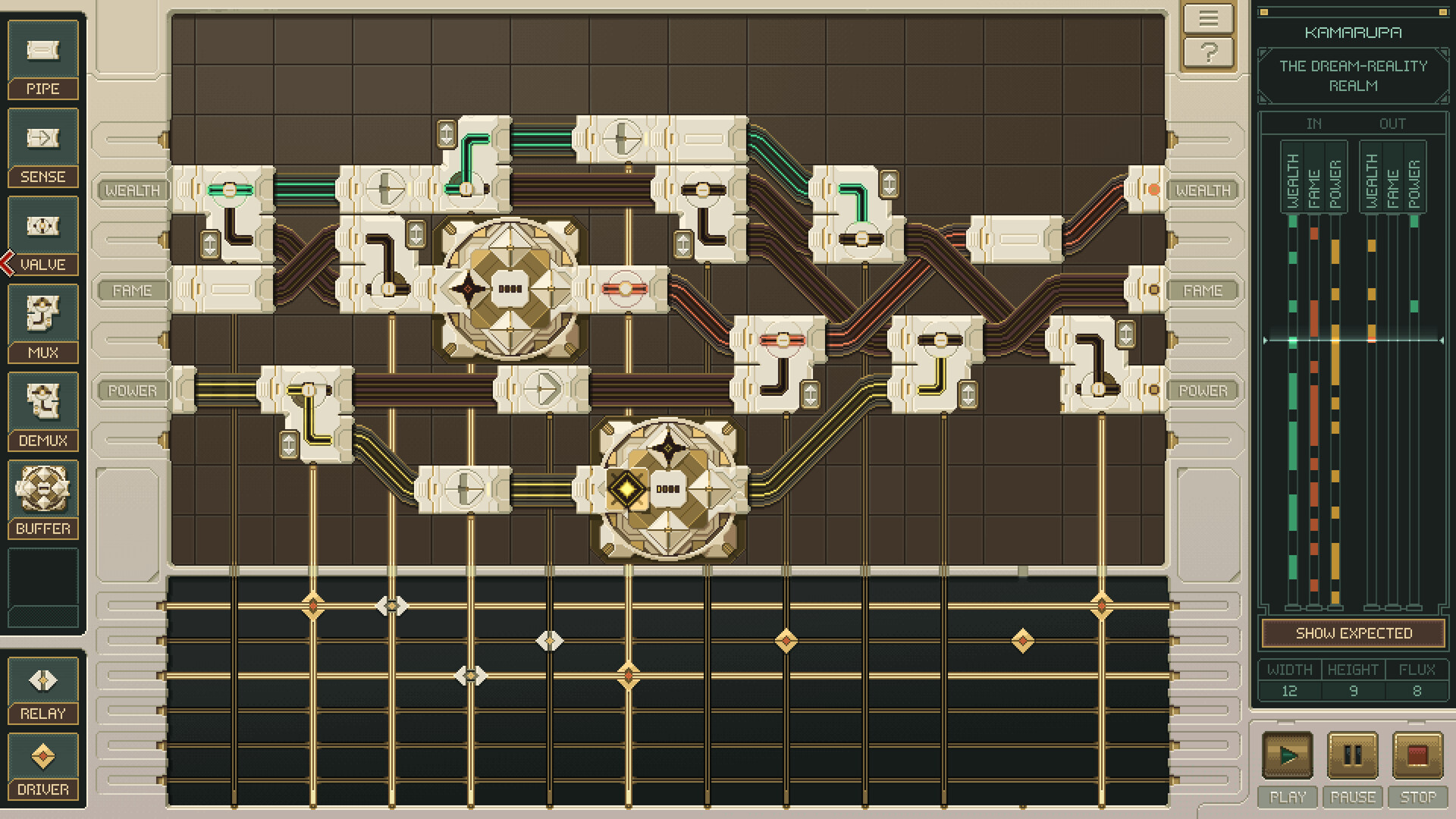
U.V.S. Nirmana's core loop is deceptively simple: you are presented with pipeline inputs and signal channels and must route, transform and multiplex flows to meet a given specification. Much like a Zach-like, you place modules left to right—valves, sensors, multiplexers—and watch the conduits carry colored energy from the vega drive and other sources. The everyday play feels like engineering on paper: drag pieces, rotate, nudge wires so they don't stretch past the 12-piece side limit, then run the simulation and learn from the flux. There's an emphasis on achieving an "intended" solution rather than inventing wildly different machines; that keeps the puzzle space tidy and focused.
When Constraint Becomes Character
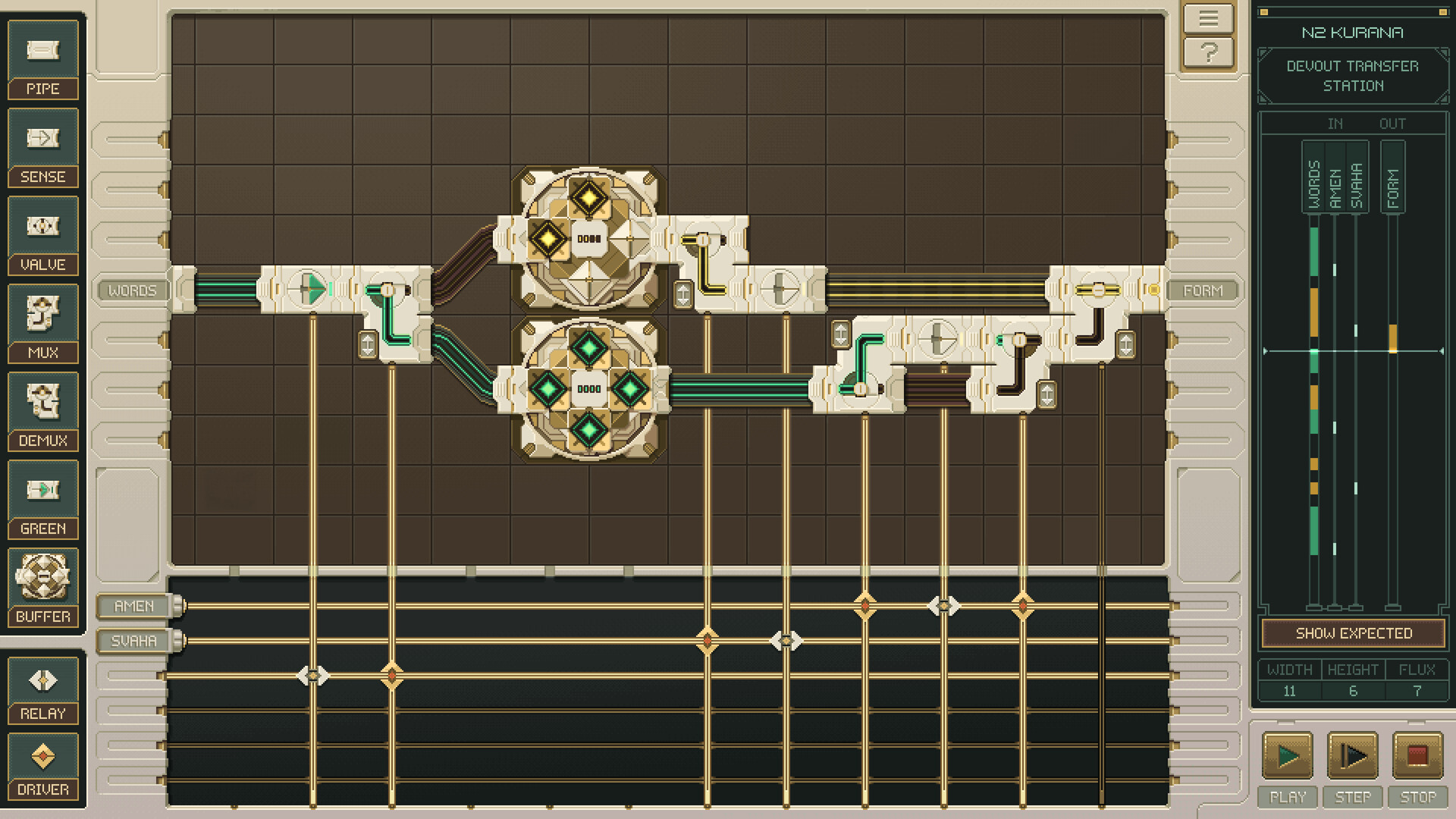
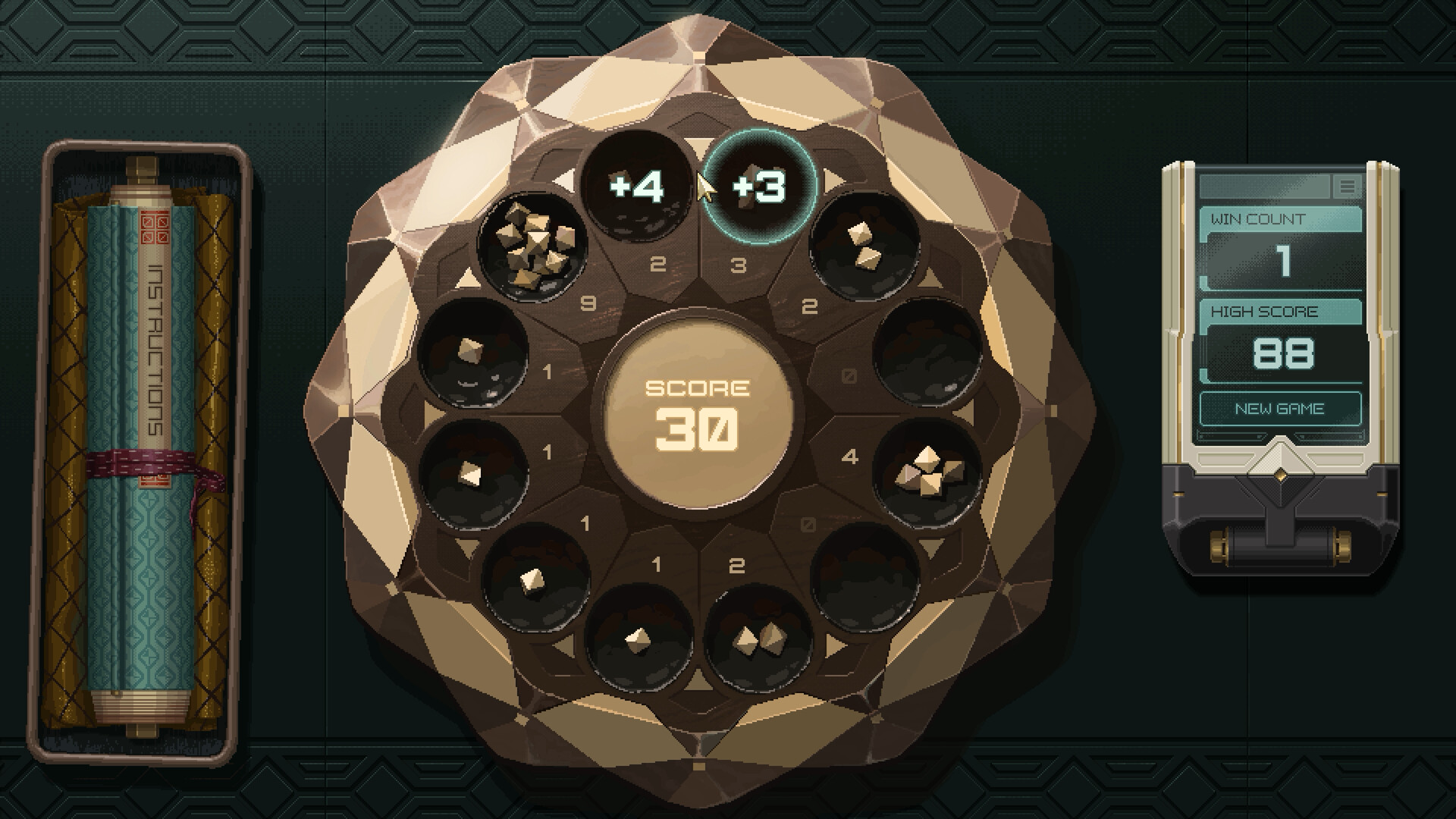
What sets Nirmana apart is how design limits become flavor. Twelve tools with constrained state (sensors, valves, multiplexers, comparators) force you to think in compact, elegant ways. Levels teach a new trick almost every time—combining a valve with a timed sensor here, rerouting a backup comparator there—so the learning curve feels like daily practice. The inclusion of a solitaire Oware variant and a custom puzzle system (puzzles as .txt files) adds longevity: if you want more after the 30 missions, you can craft or download community puzzles. Leaderboards and histograms reward optimization, though the game clearly intends completion over endless min-maxing.
A Small, Well-Dressed Engine Room
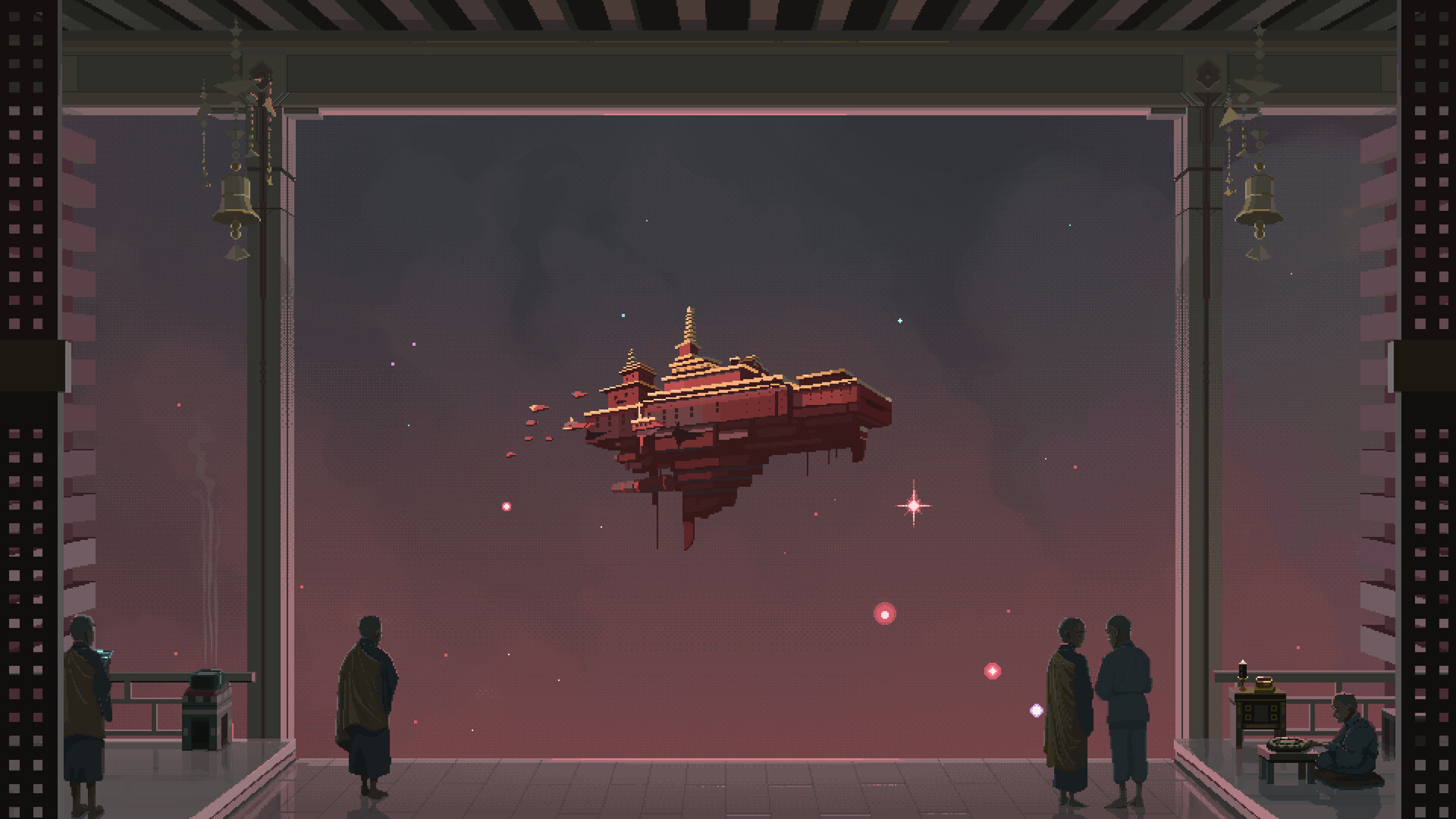
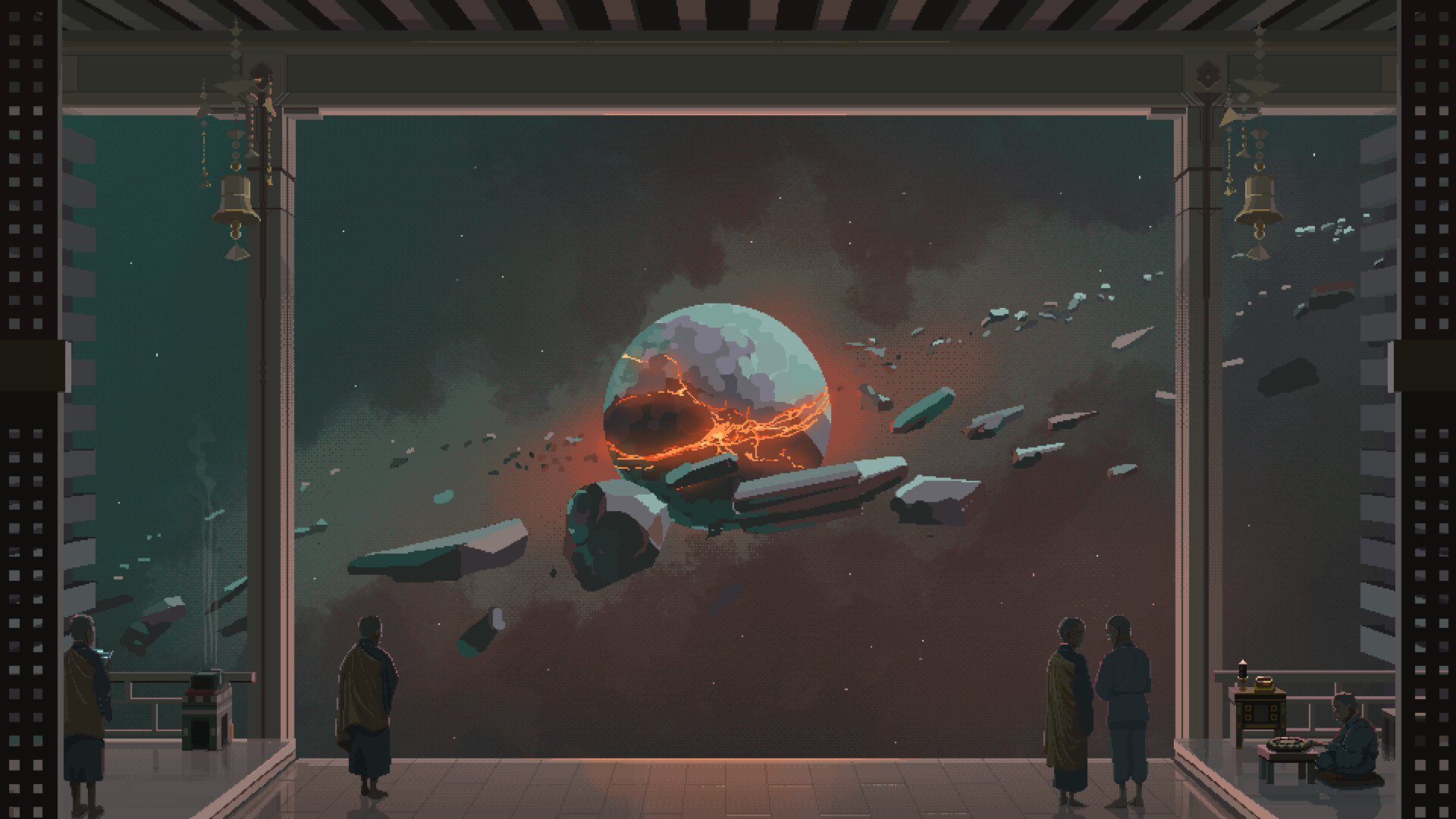
Visually the game is crisp: clean UI, striking planet art for each vignette, and a synth-y, meditative soundtrack that fits the pilgrimage vibe. Performance is solid across Windows/Mac/Linux; nothing glitched during my runs. UX-wise there are a few nitpicks—three solution slots only, awkward leaderboard access that requires running a solution, and color-reliant interfaces that hamper players who need better colorblind support. Still, the presentation is more than decorative: the art and ambient audio make the short runtime feel purposeful, and the level thumbnails alone are worth a screenshot or two.
U.V.S. Nirmana is a lovingly made, compact Zach-like that trades open-ended tinkering for crafted puzzle design and atmosphere. It's perfect if you want a focused, 4–6 hour puzzle pilgrimage with pretty visuals and solid fundamentals; it's less ideal if you crave sprawling optimization or robust accessibility options. Buy it if you enjoy tidy engineering puzzles and mood-driven presentation.
Pros
- Tight, well-paced Zach-like puzzles with a satisfying learning curve
- Beautiful, meditative presentation—art and sound fit the tone
- Custom puzzles and solitaire mode add optional replay value
- Plays well across Windows/Mac/Linux and runs smoothly
Cons
- Limited freedom compared to more open Zach-likes; many puzzles feel 'guided'
- Color-dependent UI with insufficient colorblind options
- UX annoyances: only 3 solution slots, awkward leaderboard access
Player Opinion
Players who've finished the game often applaud its pacing and artistic direction: the planets, lore blurbs and ambient soundtrack are repeatedly called out as highlights. Many veterans of the Zach-like scene note that Nirmana is more constrained than Opus Magnum or SpaceChem—solutions tend to be narrower and the optimization metrics feel limited—so it’s recommended if you want a shorter, completable puzzle campaign rather than an endless sandbox. A recurring criticism is accessibility: the color-reliant design and a so-called colorblind mode that merely swaps hues frustrate some users. Others complain about small UX regressions compared to previous titles: copying solutions, viewing leaderboards and only having three slots are common gripes. Overall verdict from community snippets: solid, pretty, short—great for newcomers and those who prefer tidy puzzles, less so for optimization addicts.