


Turnbound Review – Inventive Inventory Autobattler with Heart
Turnbound turns inventory management into an addictive puzzle-autobattler. Asynchronous PvP, grid-based tiles and playback tools reward experimentation and bright synergy thinking.
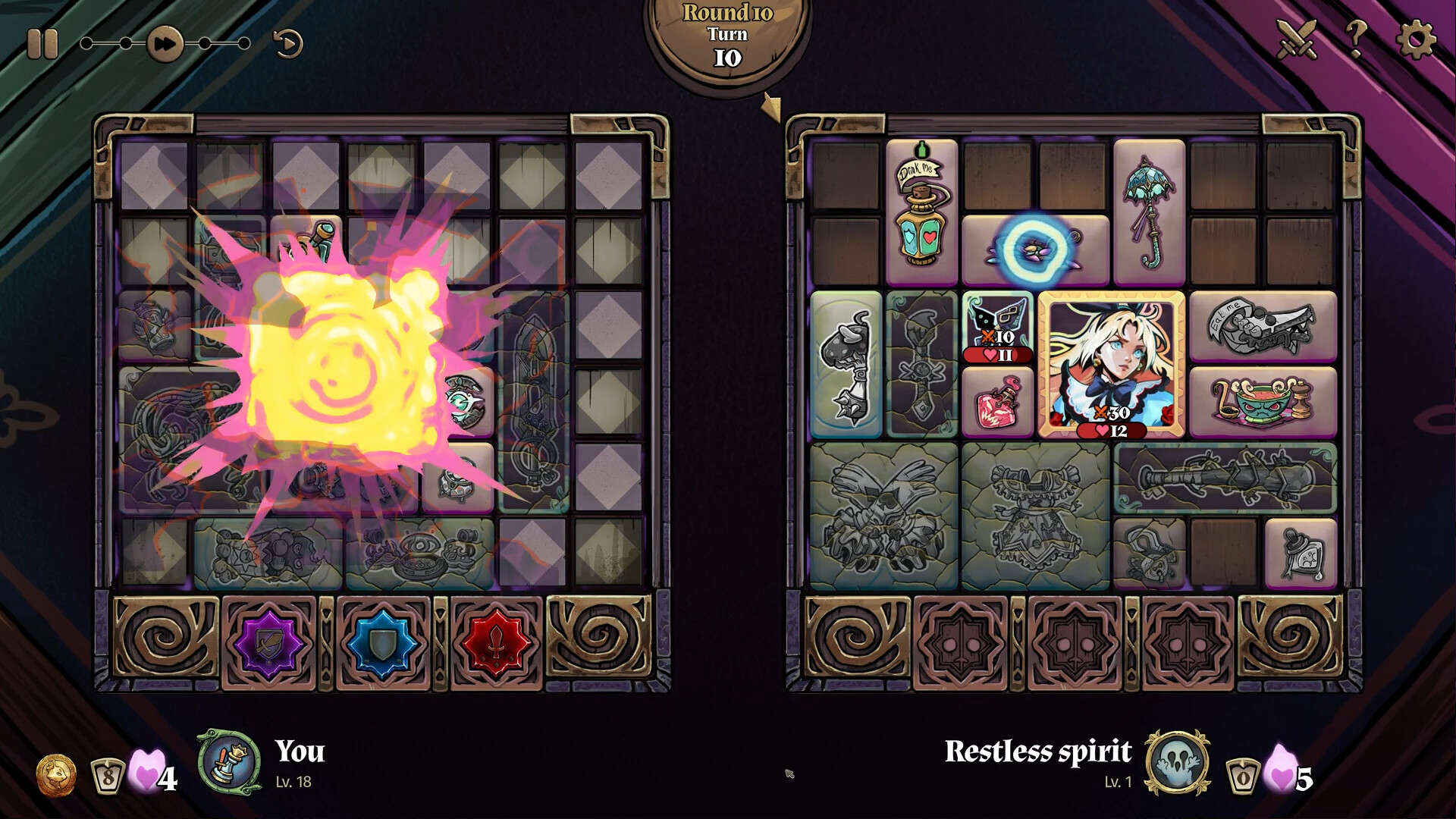
I didn’t expect to get emotionally invested in a haunted board game, but Turnbound quietly hooked me. It blends spatial puzzle thinking with autobattler thrill—think Backpack Battles meets Hearthstone Battlegrounds, but with its own spooky, cozy vibe. The core loop of drafting tiles, arranging a grid and then watching asynchronous battles unfold feels both tactile and strategic. If you like tinkering until the perfect combo clicks, this is your kind of chaos.
Tinkering Your Way Out of the Haunted Board
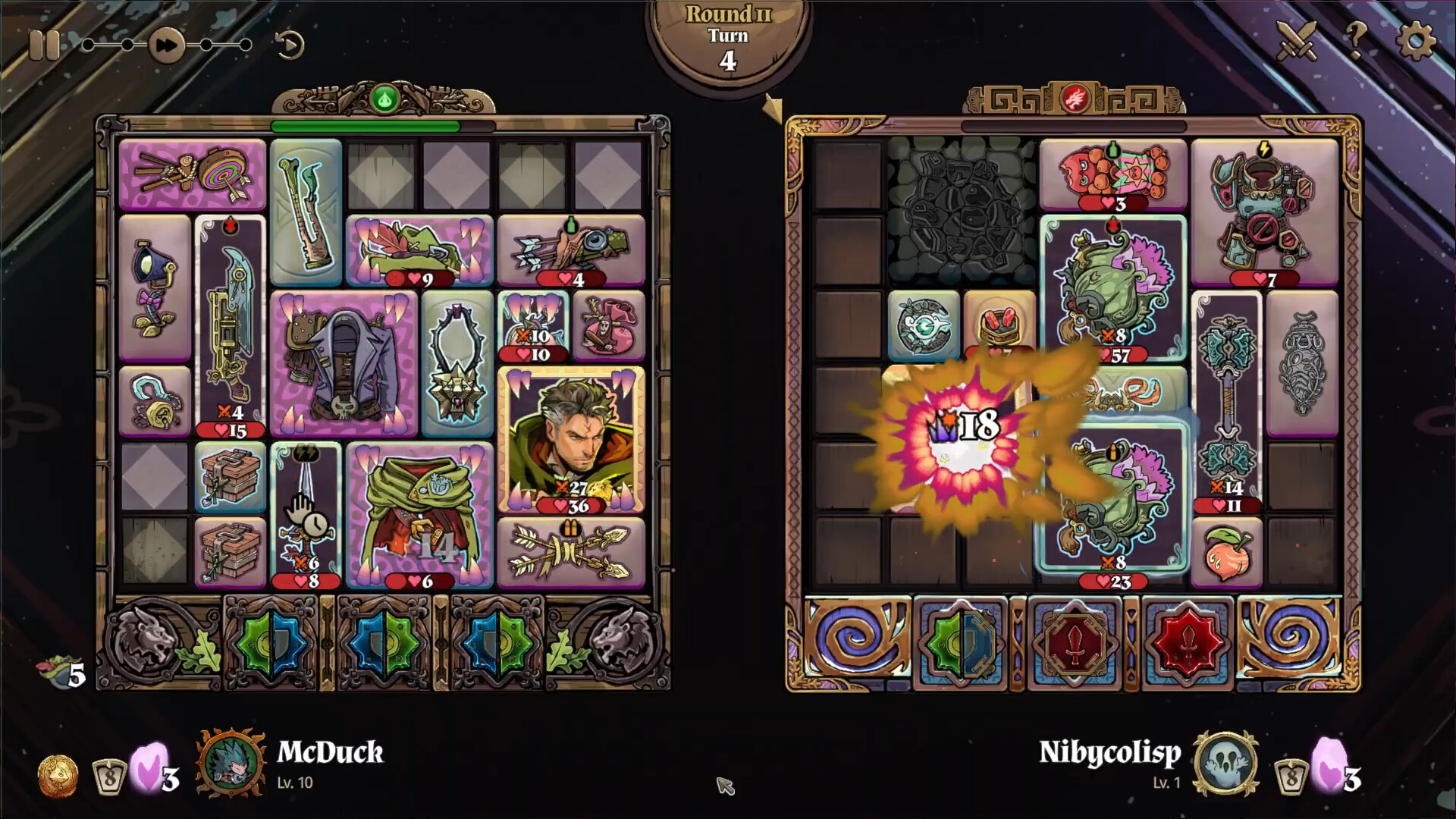
Turnbound’s day-to-day loop is gloriously tactile: you draft tiles (weapons, trinkets, armor), slot them into a grid inventory, upgrade or sell pieces, and then watch your creation fight on its own. The placing of tiles matters spatially—adjacency and orientation can trigger cause-and-effect loops that cascade through a battle. Matches are asynchronous, meaning you’re often facing builds left behind by other players’ ghosts, so meta awareness becomes a puzzle in itself. There’s no frantic timer in the shop phase, which makes the game great for slow, thoughtful play or obsessive tinkering. I found myself repositioning a single trinket forever, then cheering when its tiny chain reaction wiped the enemy. The satisfaction is weirdly mosaic-like: you’re creating patterns that behave like tiny machines.
When Other Players Become Your Sparring Partners
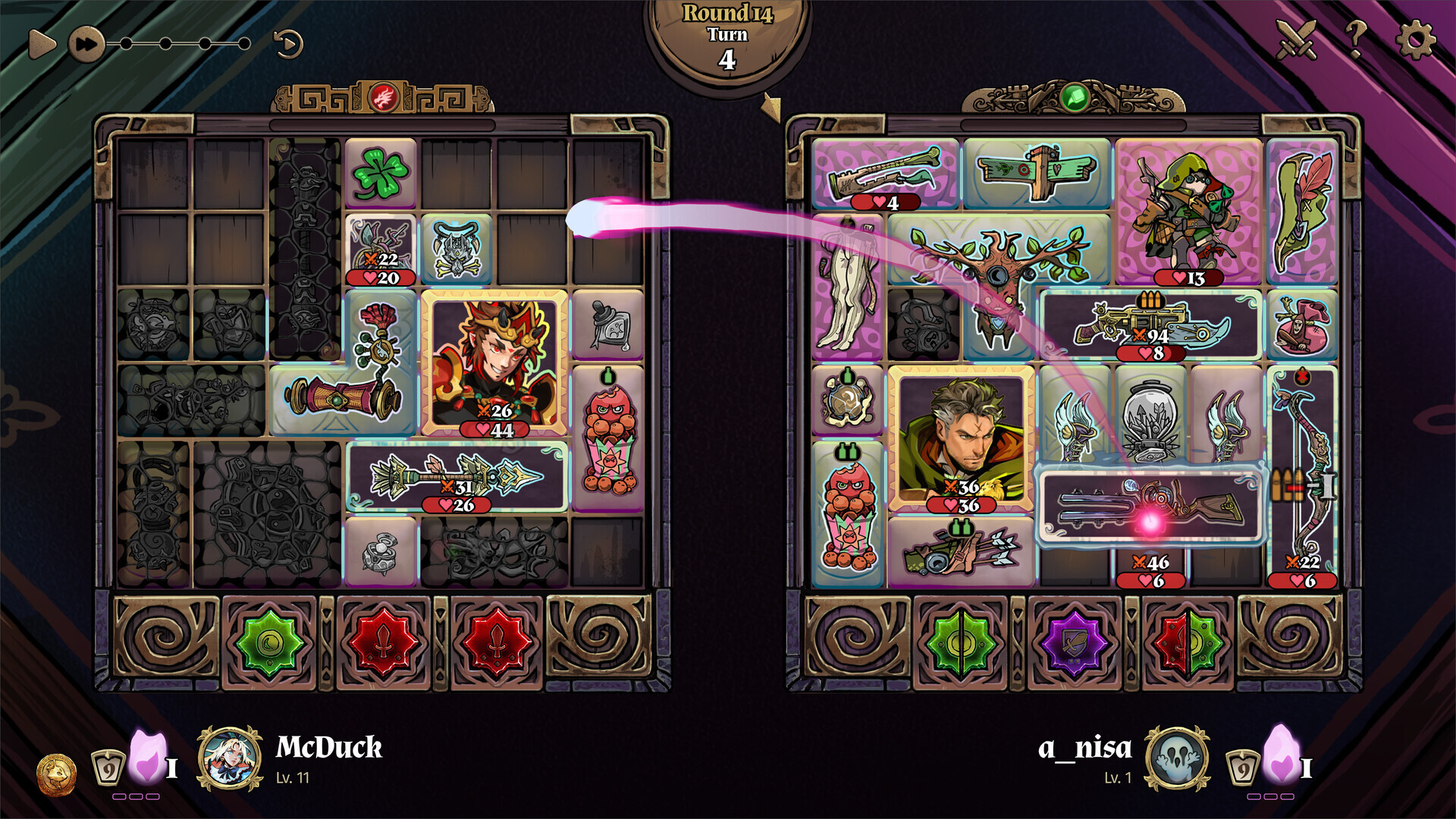
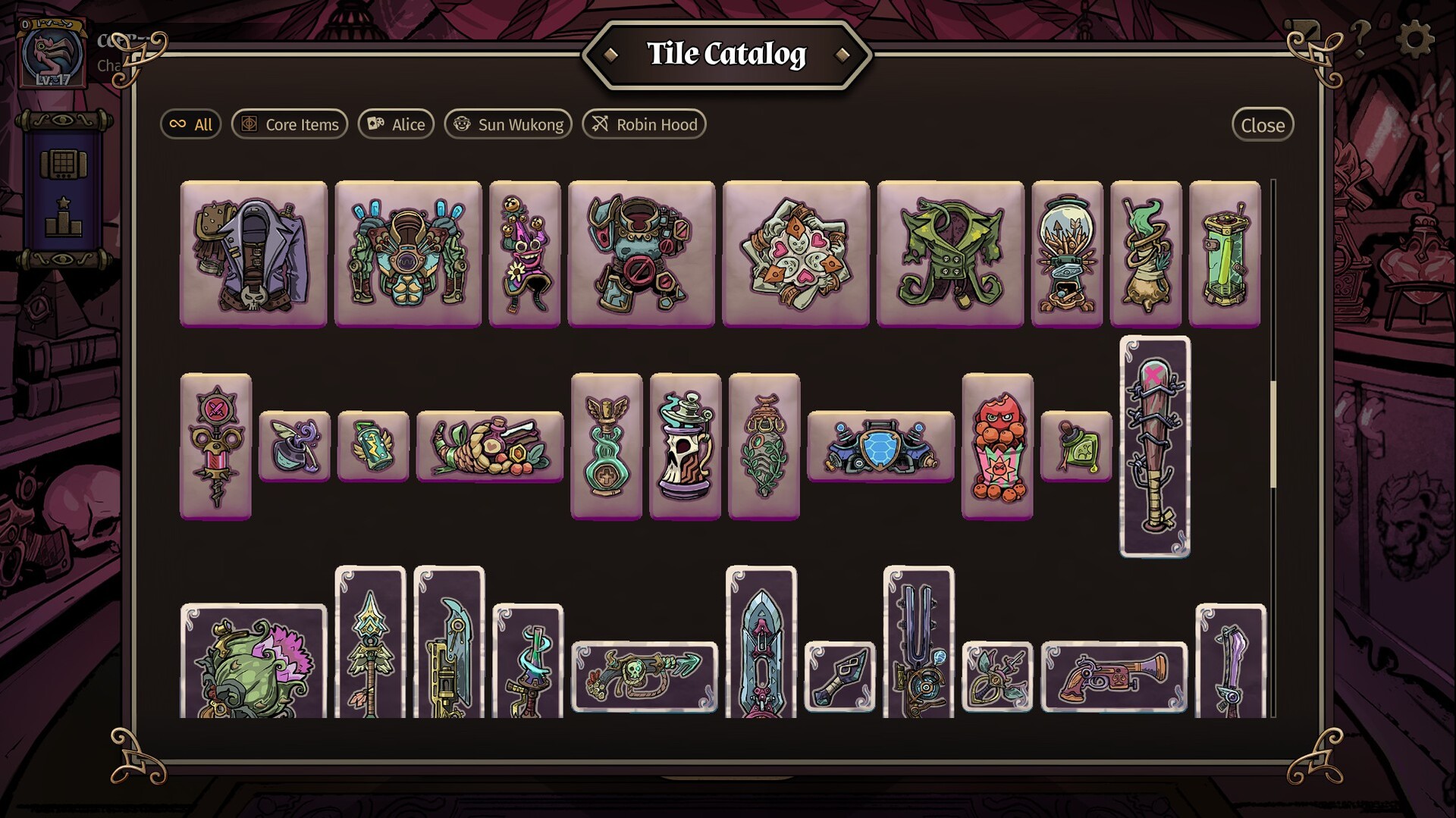
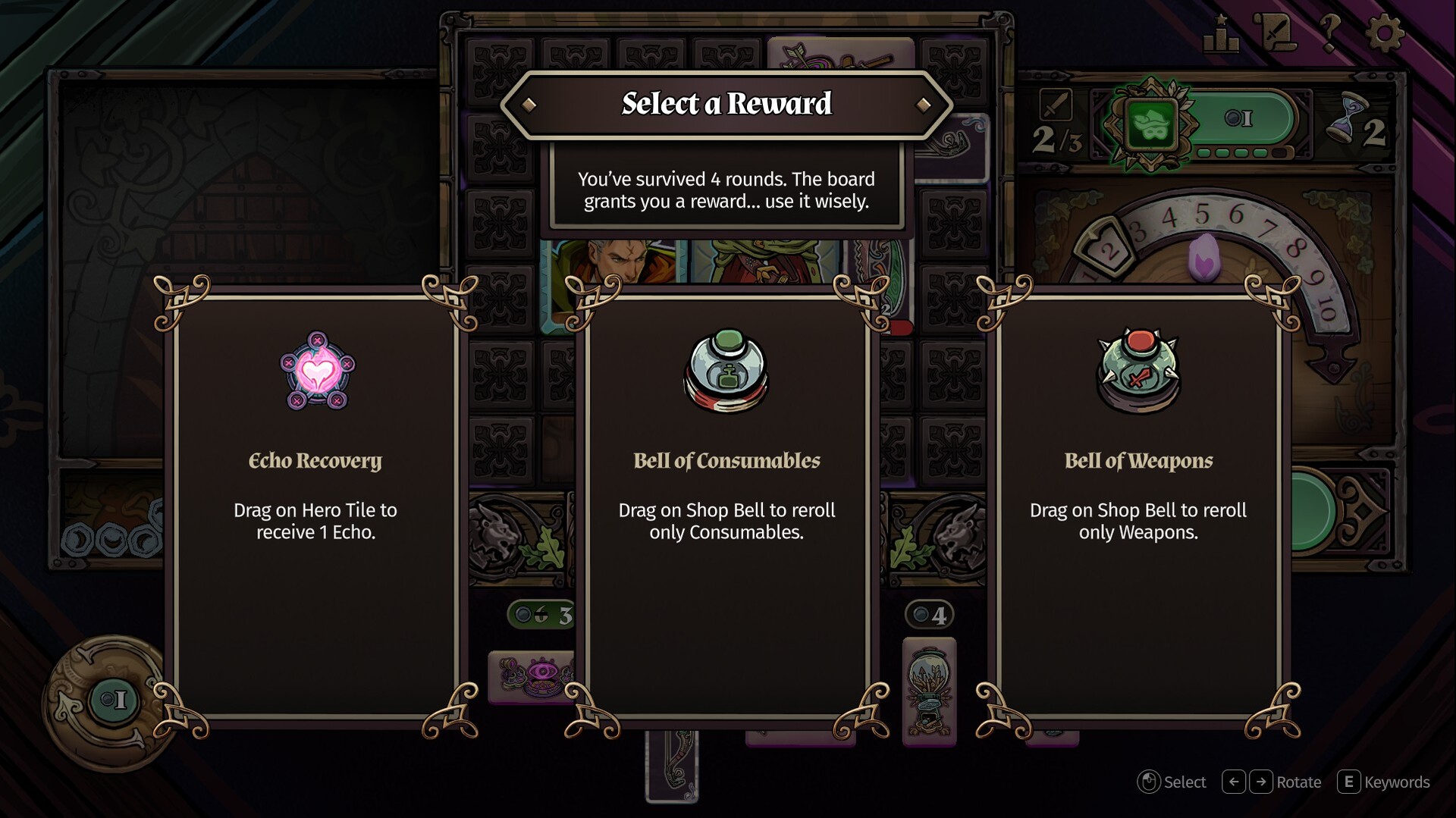
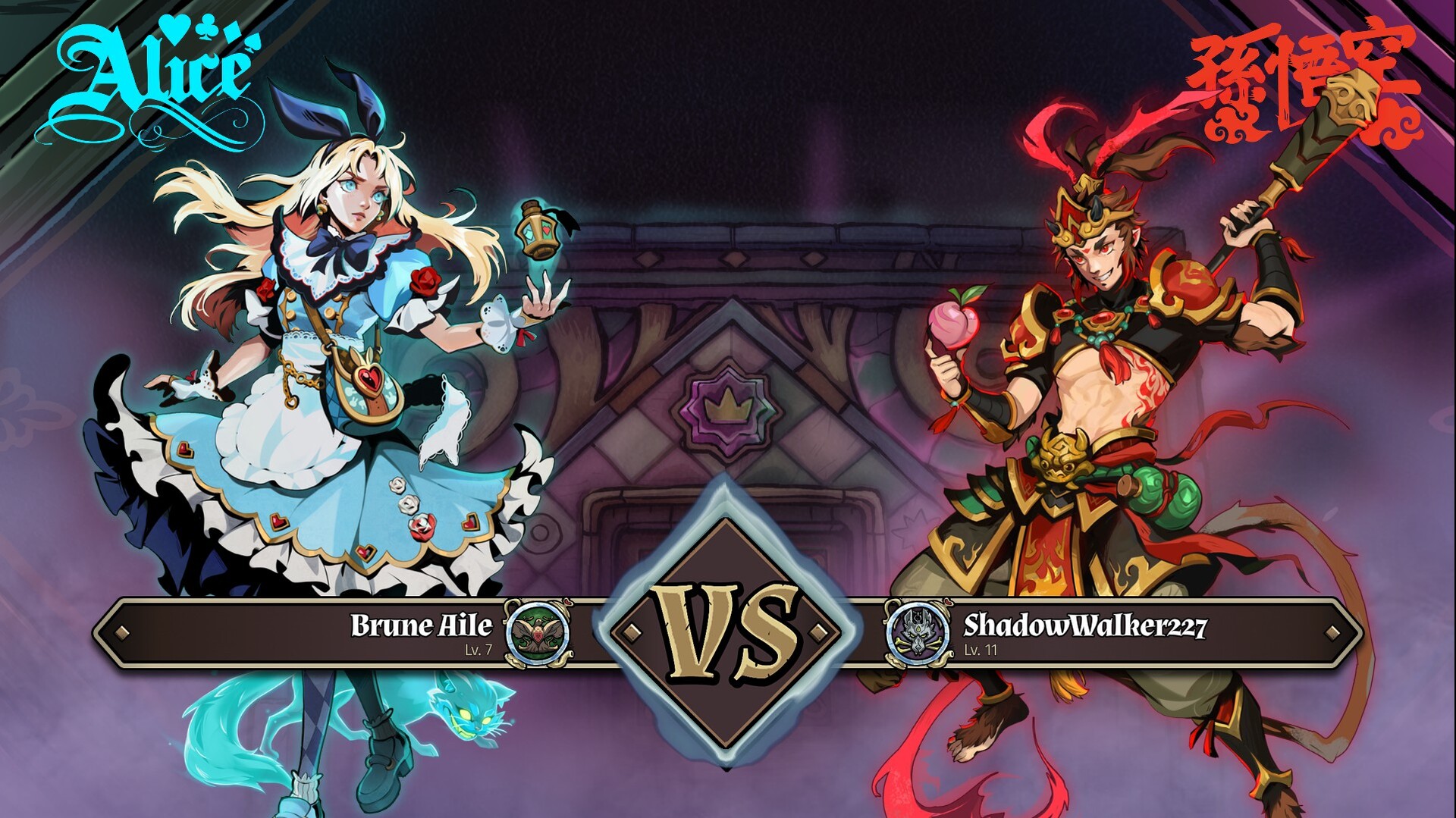
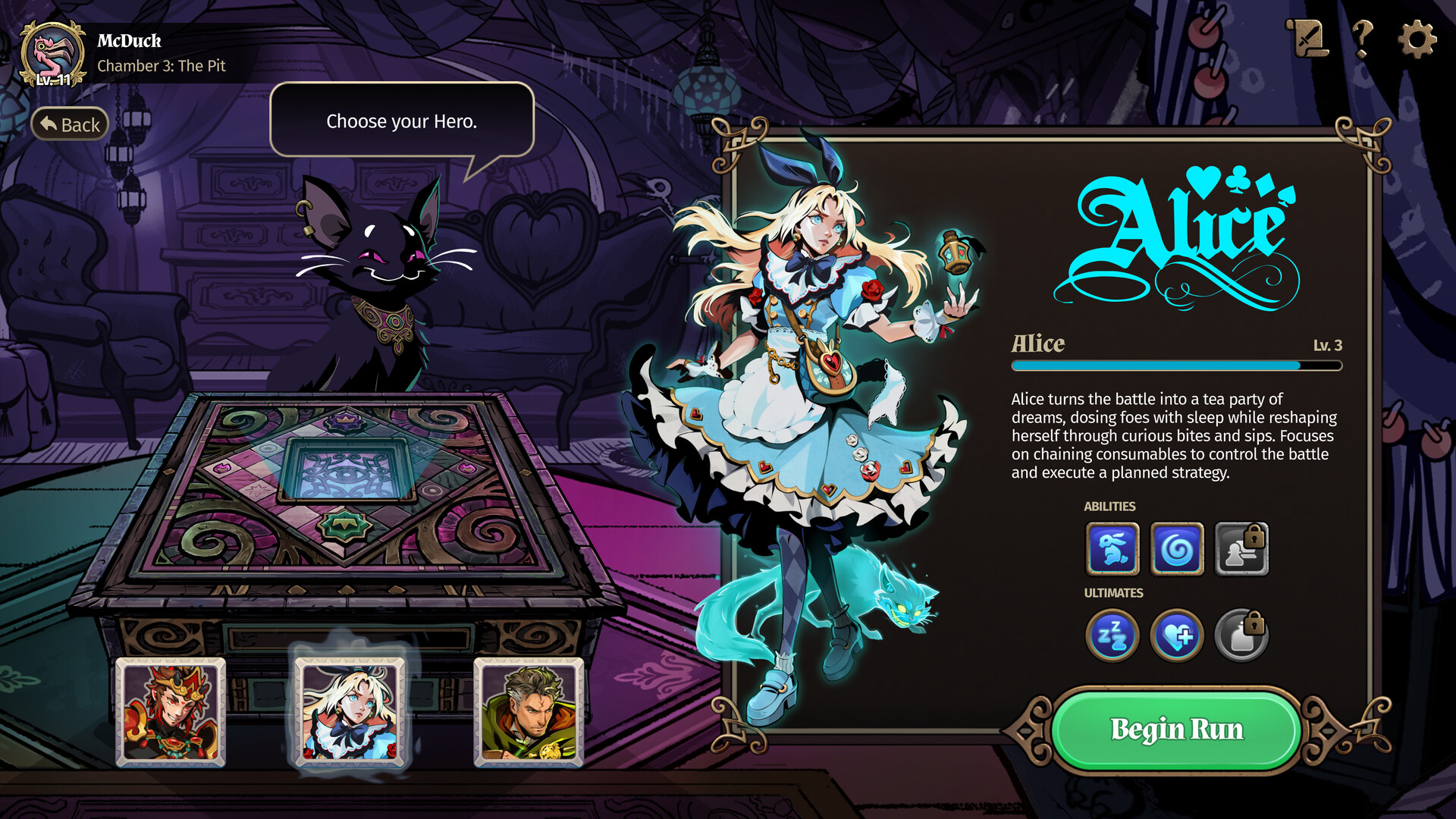
What sets Turnbound apart is how it turns other players’ choices into content. The asynchronous PvP and rematch/code-sharing features let you test a friend’s build or throw your set into ranked chambers to be used as a ghost opponent. The playback tools are excellent — you can scrub replays to learn why a board failed or why a clutch interaction worked. That learning loop makes theorycrafting addictive: I’d tweak a tile layout based on a replay, then come back and crush the same build. There are three heroes with branching abilities, dozens of trinkets and hundreds of items, so combos keep opening up instead of repeating. New characters like Robin Hood introduce fresh mechanics that change how you value space or item types.
A Charming, Clear Presentation That Lets Strategy Shine
Graphically Turnbound leans into bold, polished art with lots of personality — the boards, tiles and little particle pops when combos hit are delightful and readable. Sound design is understated but effective: every swing and proc has a satisfying thump that helps you follow combat during replays. Performance is solid across Windows, macOS and Linux, and players report great runs on Steam Deck, which suits the game’s pick-up-and-simmer pace. Accessibility is thoughtful — unlimited time in the shop and clear visual cues help new players learn without being punished by speed. Small QoL features, like rematch and code-sharing, make community discovery seamless and keep me coming back to test wild ideas.
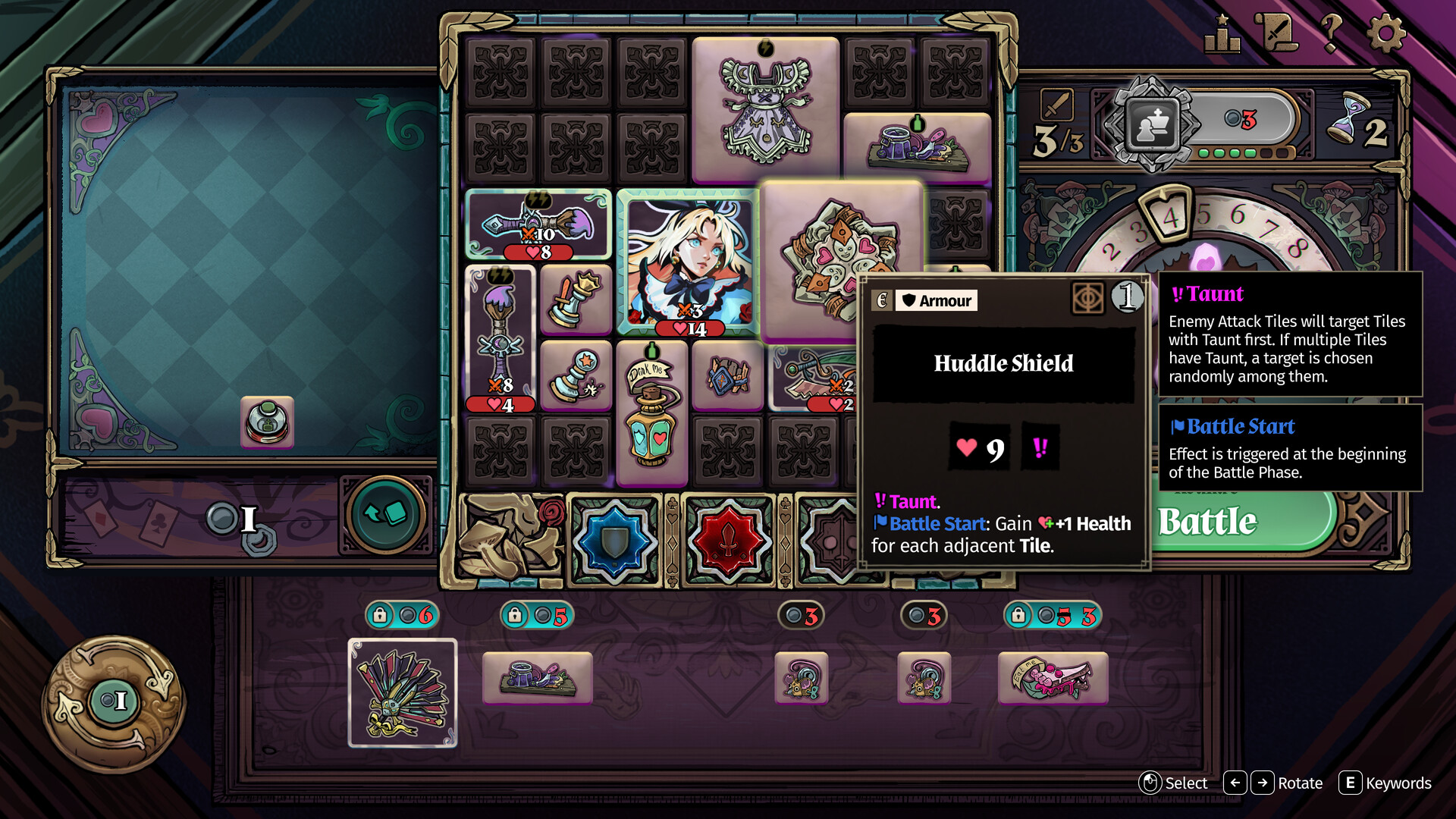
Turnbound is a thoughtful, well-crafted autobattler that rewards patience and curiosity. It’s perfect for players who love spatial puzzles, theorycrafting and slow-burn satisfaction rather than twitch reflexes. Buy it if you enjoy iterative design, community-driven builds and the odd spooky aesthetic — just expect continued balancing as Early Access evolves.
Pros
- Deep spatial inventory design that rewards creativity
- Excellent replay tools and asynchronous PvP for learning
- Polished art and satisfying audiovisual feedback
- Friendly pace — no shop timers, great for tinkering
Cons
- Some matches can feel opaque despite replays
- Risk of feeling similar to other inventory autobattlers
- Early Access still needs balancing and more heroes
Player Opinion
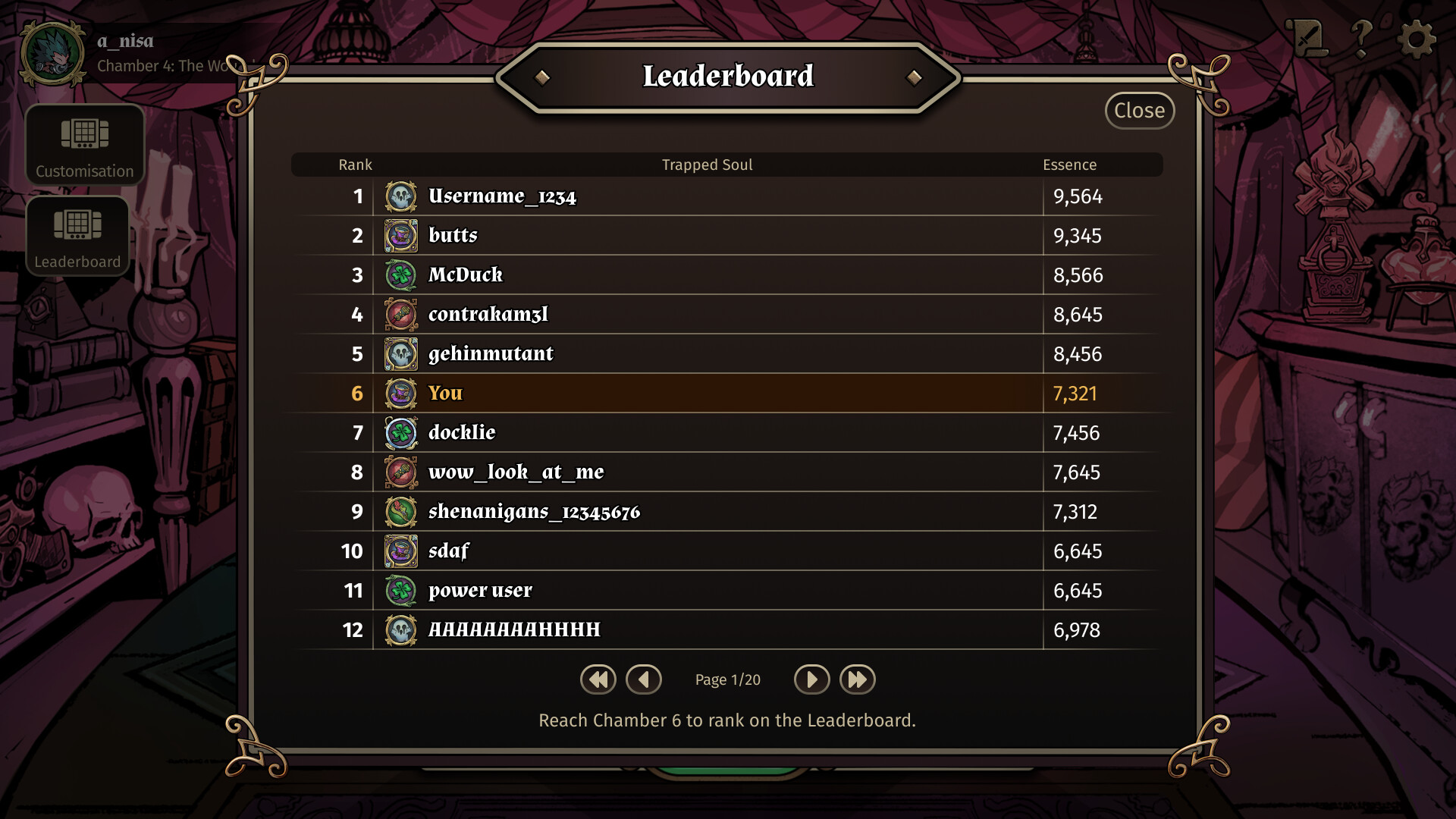
Players praise Turnbound for its addictive tinkering loop and satisfying visual style. Many comparisons to Backpack Battles and Hearthstone Battlegrounds pop up, but most reviews emphasize Turnbound’s spatial focus and clever replay features as differentiators. The community highlights how rematch codes and featured builds facilitate learning and that replays often teach more than wins or losses alone. Several players mention the game’s calming-yet-exciting feel, with one reviewer even describing it as life-changing during a low period. Criticisms are mostly about occasional opacity in big fights and the need for more heroes and balance tweaks as Early Access progresses. If you like puzzly strategy and iterative improvement, reviewers say you’ll likely be hooked.