






Tides of Tomorrow Review – A Wave-Making Narrative Experiment
A richly textured story-adventure from DigixArt that stitches singleplayer narrative to asynchronous 'Online Story-Link' echoes. Beautiful, flawed and impossible to ignore.
Tides of Tomorrow is the sort of game that announces itself the moment you sail into its neon-hued sea: it wants to connect players across time. DigixArt took the narrative strengths of Road 96 and spun them into something bolder — an 'Online Story-Link' where another player's choices can physically change your world. That premise alone makes every decision feel heavier, and every stray emote or saved resource read like a note left in a bottle. I jumped in expecting a strong story; I left with a messy, memorable experience that sometimes dazzles and sometimes grinds its teeth.
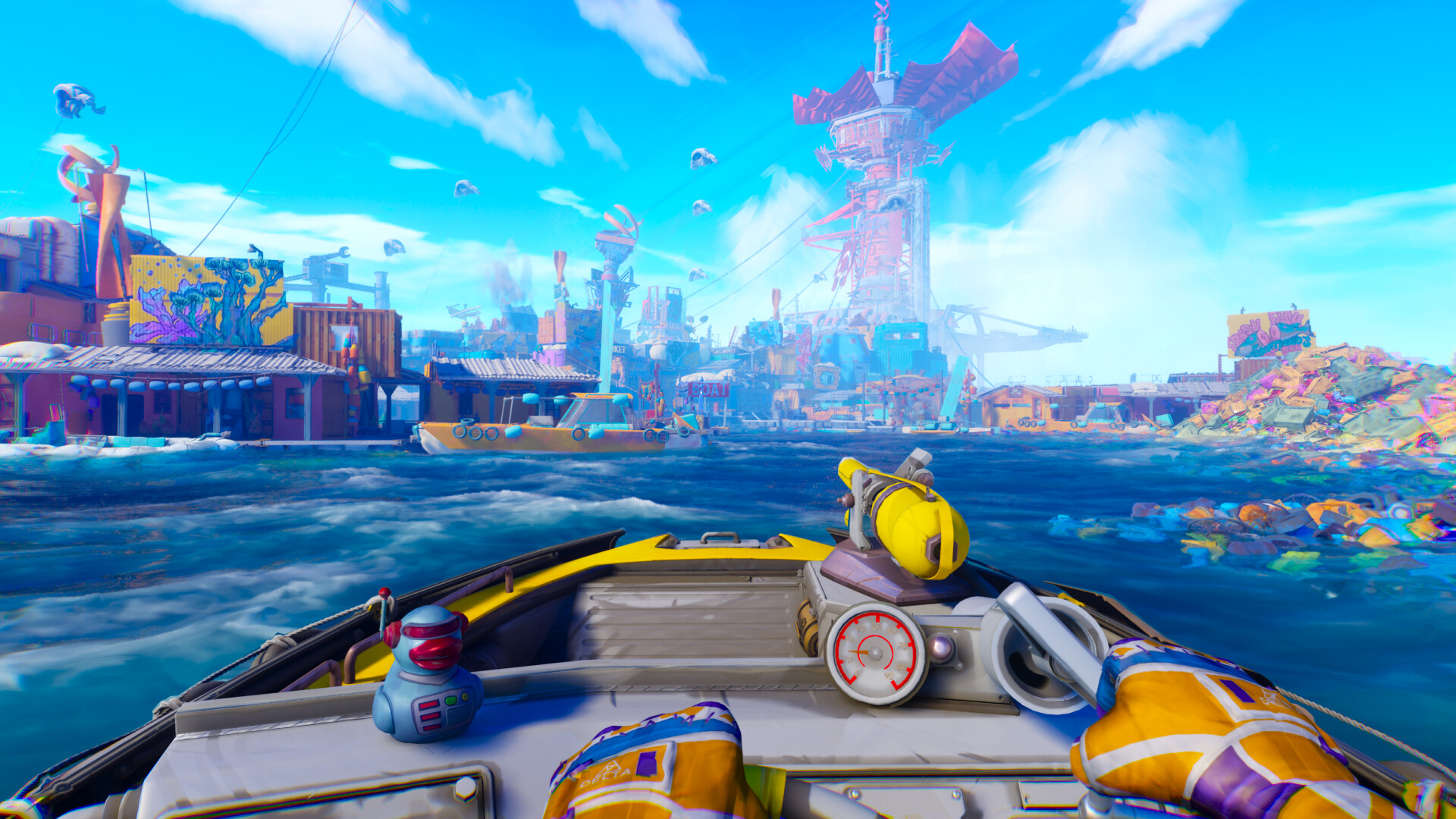
Sailing Into the Unknown
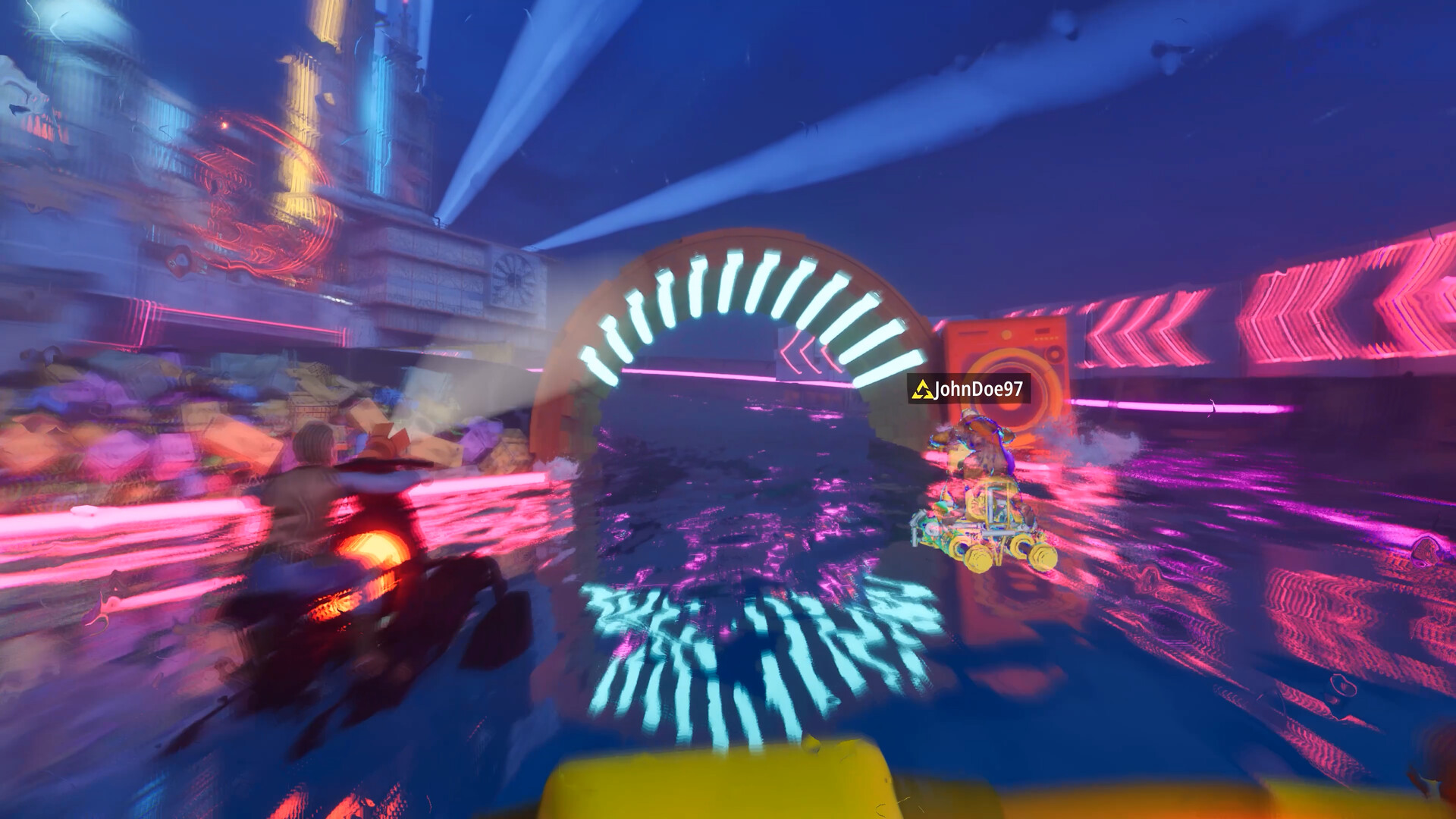
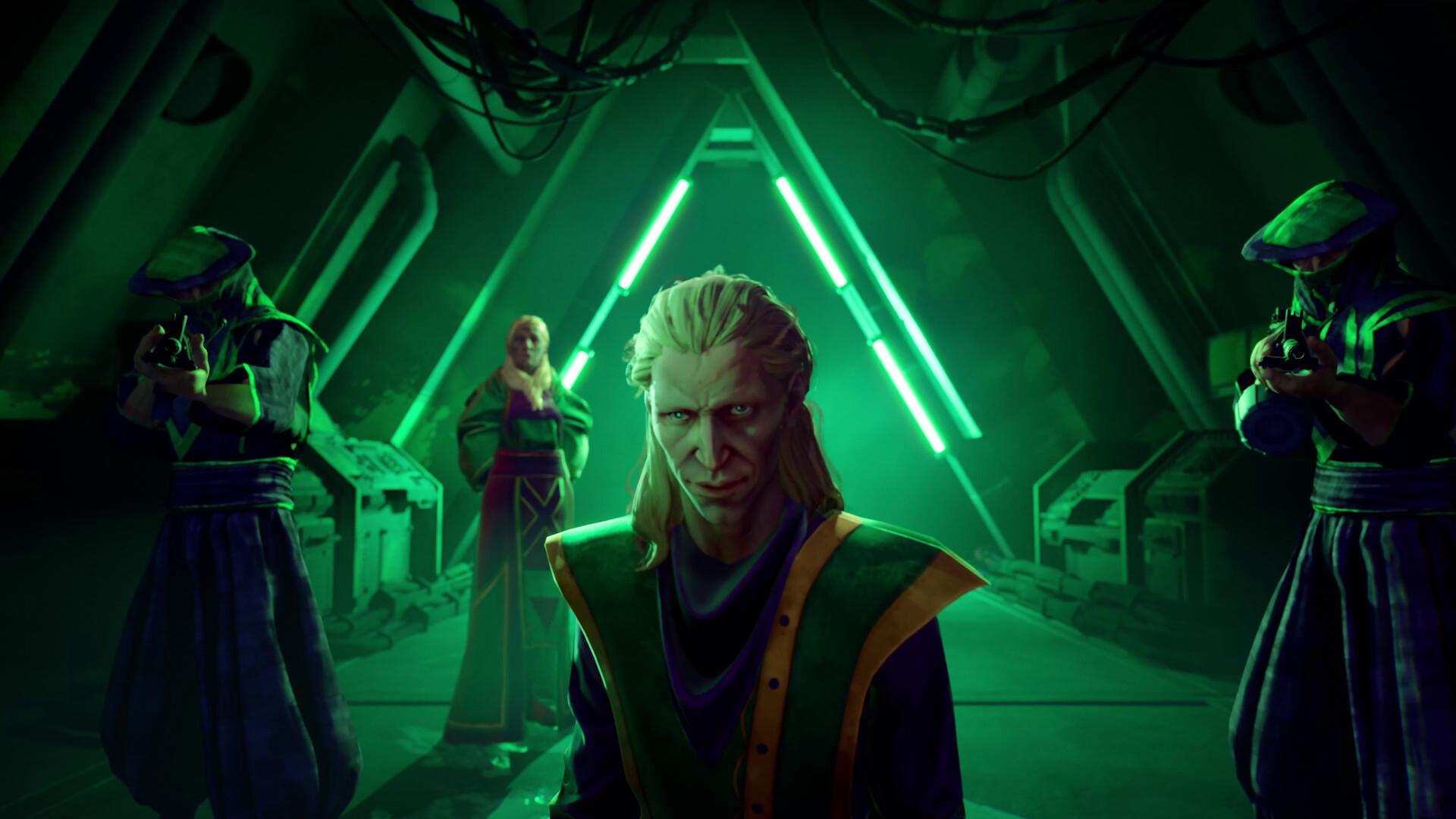
Gameplay in Tides of Tomorrow splits itself between exploration, short action sequences and a lot of choice-driven scenes. You play as a Tidewalker who hops between floating isles, scavenges scraps, negotiates with factions and occasionally races or fights other boats. Movement and traversal are surprisingly tactile — boat handling, races and infiltration segments break up the talking, and they usually feel responsive even when the camera or collision tries to argue otherwise. Resource management matters: Ozen is the currency of survival and social standing, and running out of it can turn a cozy hub into a cold, locked-down zone. The game nudges you toward multiple playstyles: careful barter and friendship with Reclaimers, blunt force with Marauders, or mystic alliances — choices that ripple forward to players who follow your Story-Link.
When Someone Else Wrote the Map
The Online Story-Link is the game's heart and its headline trick. You pick a Story-Link — a friend, a streamer, or a stranger — and the world you load will be altered by that player’s prior actions. NPC placements, faction strength, available shops and even entire level variants can be different depending on who came before you. The 'echoes' mechanic shows ghostly replays of previous players’ actions; sometimes they’re haunting, sometimes hilariously mundane (I watched someone repeatedly emote in a market like a confused mime). This makes each mission feel layered: you’re not just playing your story, you’re stepping into someone else’s leftover decisions and either cleaning up or profiting from them. It’s one of those ideas that sounds gimmicky until it actually changes how you plan a run.
Plasticpunk, Sound and Performance
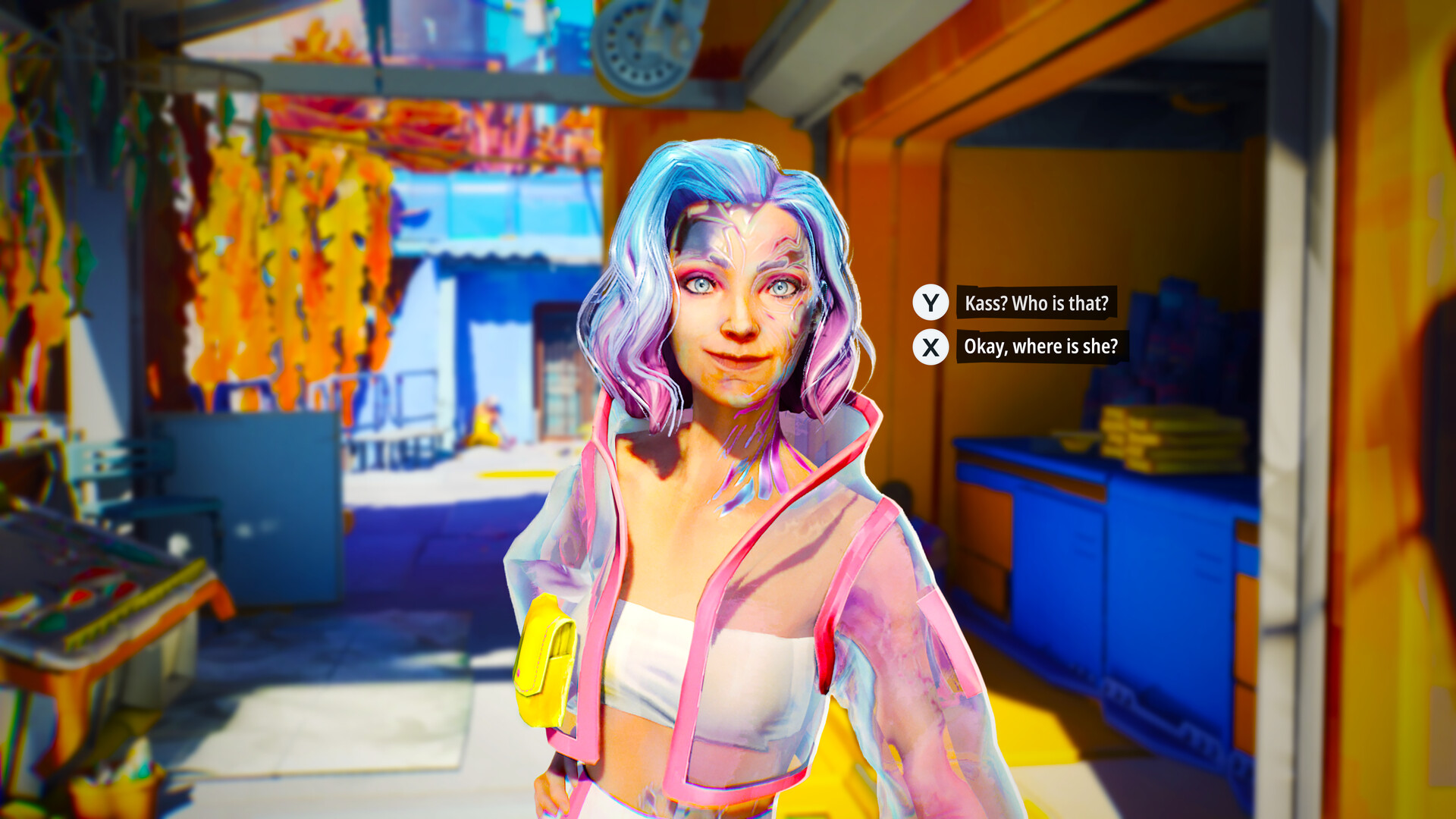
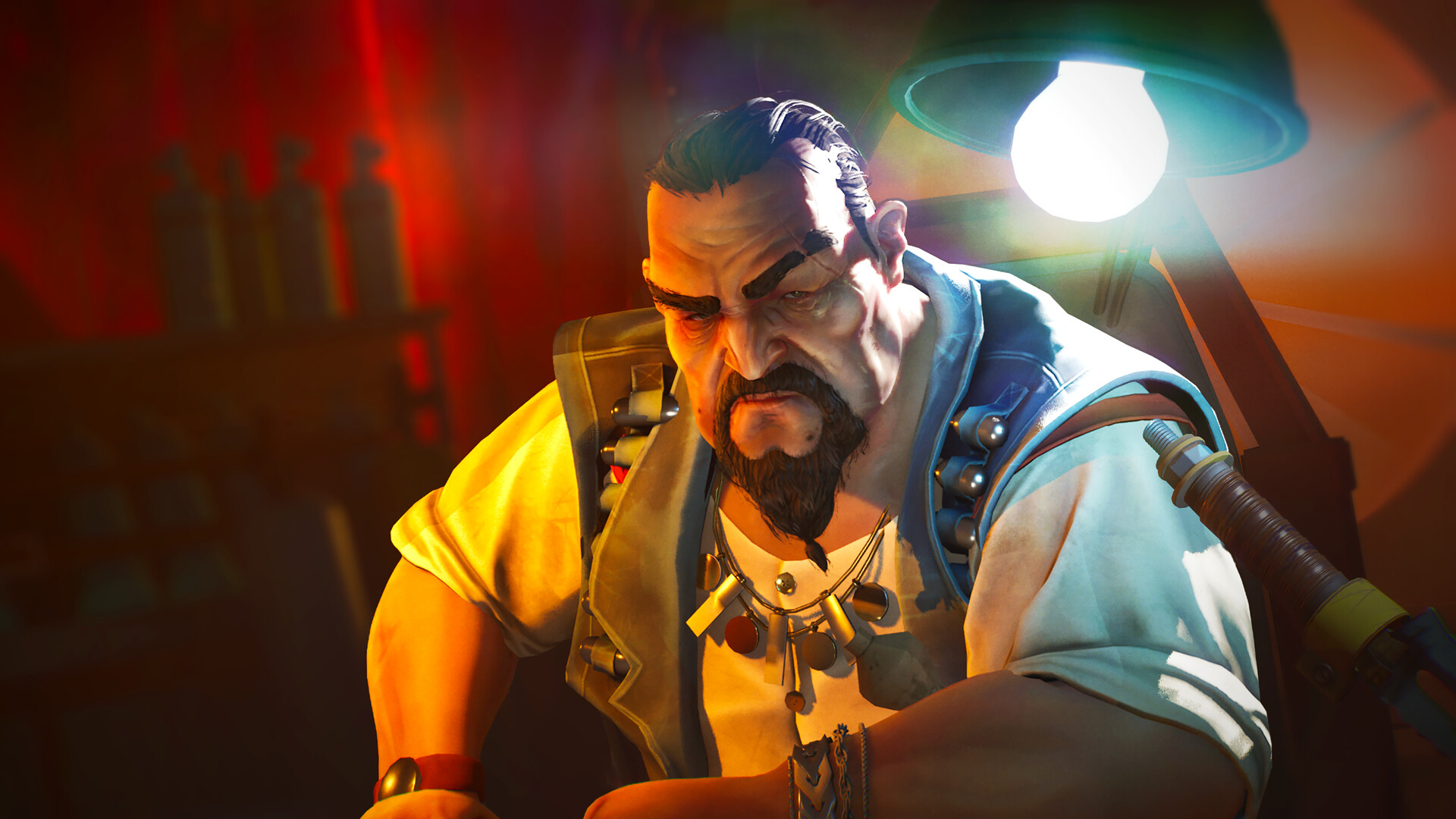
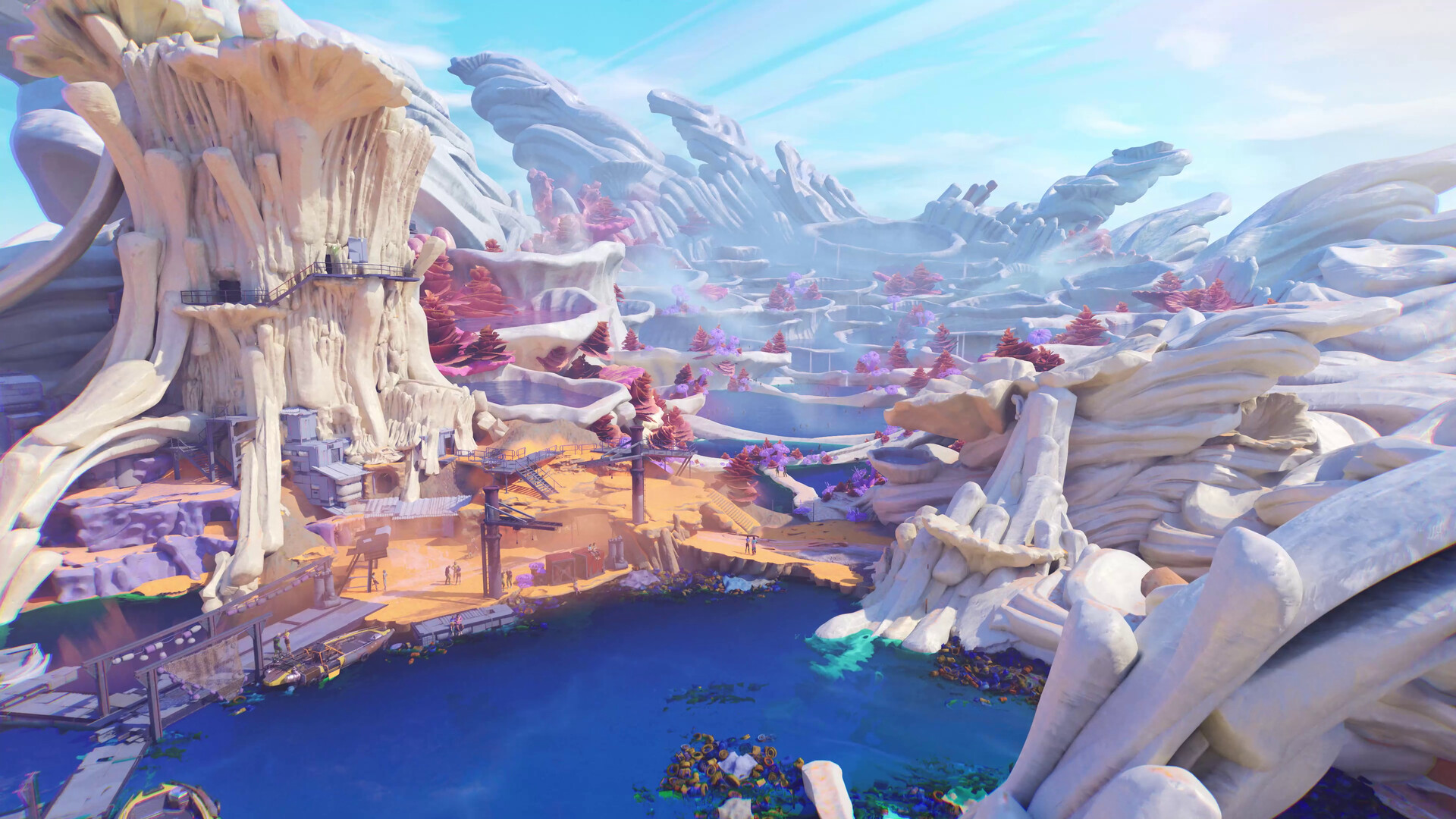
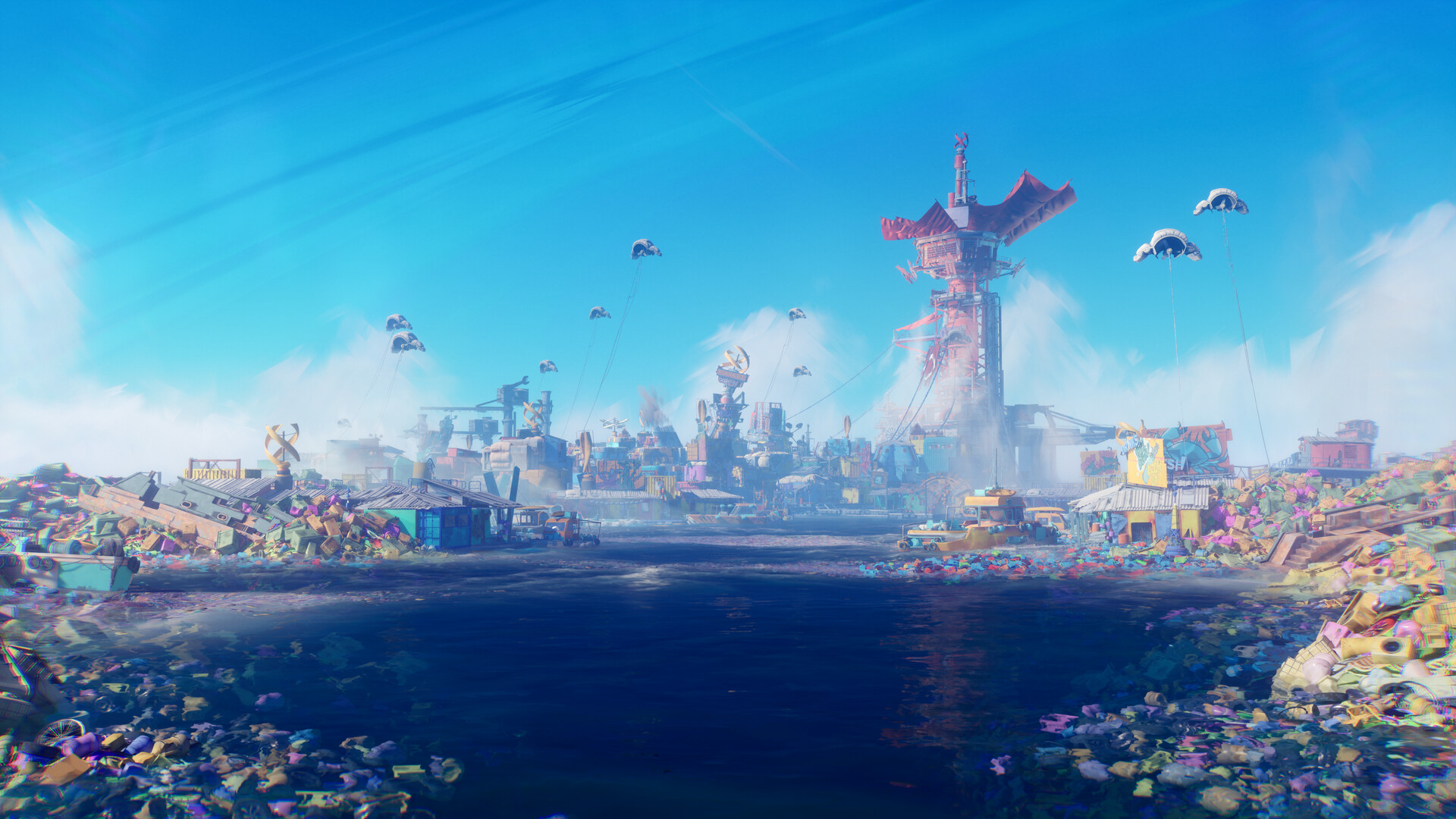
Visually, the game leans hard into a 'plasticpunk' palette — saturated colors, glossy raincoats and a world that feels like a coral reef dipped in neon. Some moments are genuinely gorgeous: lighting on puddles, character silhouettes against the horizon and inventive islet design. But the sheen sometimes exposes rougher edges: textures can feel soft, and voice acting is uneven in places. Sound design does heavy lifting during races and boat combat, though a few players have reported audio glitches and choppy lines on some systems. Performance is generally fine on capable PCs, but the game can be demanding — Steam Deck owners in the community noted heavy compromises. Accessibility options exist but a few QoL toggles (subtitles toggles, more camera options for boats) could use polish. Overall the presentation is bold, occasionally brittle and always interesting.
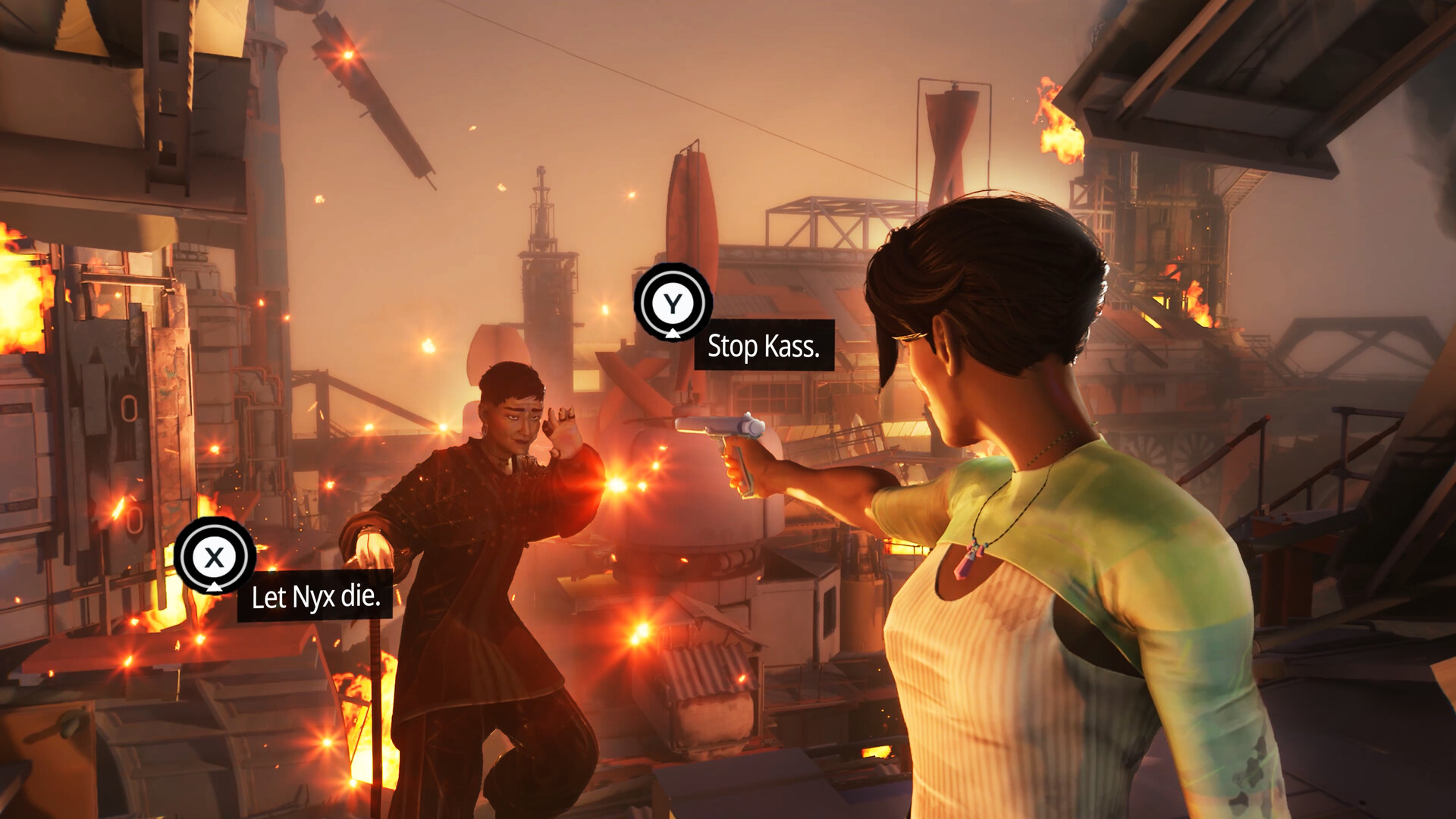
Tides of Tomorrow is an ambitious, imperfect triumph: a game that pushes narrative design forward with a wonderfully strange multiplayer-as-a-singleplayer trick. It's best for players who crave story-driven experiments, don’t mind a few technical rough edges, and enjoy the idea that your choices echo beyond your own playthrough. If you loved Road 96 for its narrative pulse, you owe it to yourself to try this one — but be prepared for moments where the shine chips away.


Pros
- Brilliant and fresh Online Story-Link idea that changes how choices land
- Striking, memorable art direction — plasticpunk that mostly works
- Varied gameplay loops: exploration, boat races, infiltration and social choices
- Meaningful resource and consequence systems (Ozen matters)
Cons
- Uneven voice acting and occasional audio/technical hiccups
- Some UI/QoL omissions (subtitles toggle, camera & boat options)
- Asynchronous system can feel exploit-prone — little incentive to be altruistic
Player Opinion
Player feedback paints a clear picture: most people love the Story-Link hook and the way choices cascade into visible world changes. Many reviews praise the visuals, the soundtrack and the expanded gameplay variety compared to DigixArt’s Road 96, especially boat races and mini-games that actually feel fun. Criticisms are consistent, too: performance can be rough on weaker hardware, some voice lines and animations feel off, and a few players find the incentive structure of the asynchronous system questionable — why help a stranger when it benefits you to be selfish? There are also reports of occasional bugs in dialogue or movement that required reloading. Overall, the community is enthusiastic; if you like narrative experiments with real mechanical teeth, players say this is a rare, worthwhile ride.