






Terraformental Review – A Time-Looped Incremental with Heart
I woke up in a broken terraforming facility and got hooked: Terraformental mixes time-loop incremental mechanics with exploration and a slow-burn sci-fi mystery. Short runs, clever meta-progression and real narrative payoff make this Early Access gem worth watching.
I didn’t expect to care so much about queues, oxygen meters and grey UI boxes, but Terraformental manages to make the mundane feel meaningful. From the moment you wake up with no memories in a derelict terraforming facility, the loop is the hook: die, reset, learn, repeat — but with steadily improving speed and smarter choices. It sits in the niche between idle incrementals and narrative exploration games, borrowing the loopy satisfaction of Increlution while nudging you toward clever problem solving rather than blind exponential growth. If you like methodical planning, little surprises and a slow-burn mystery, this one’s going to stick in your head.
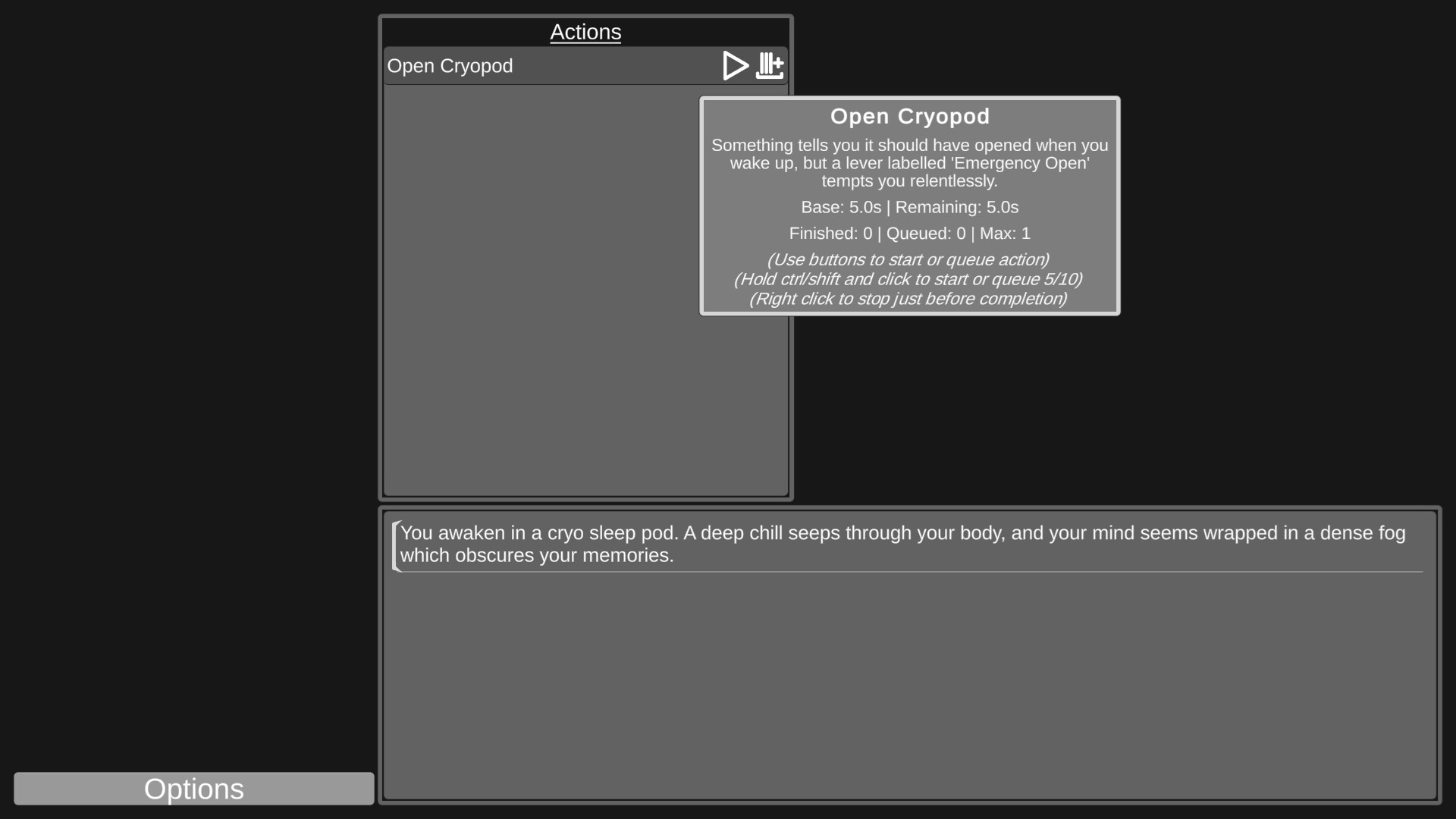
Waking, Running, and Learning the Loops
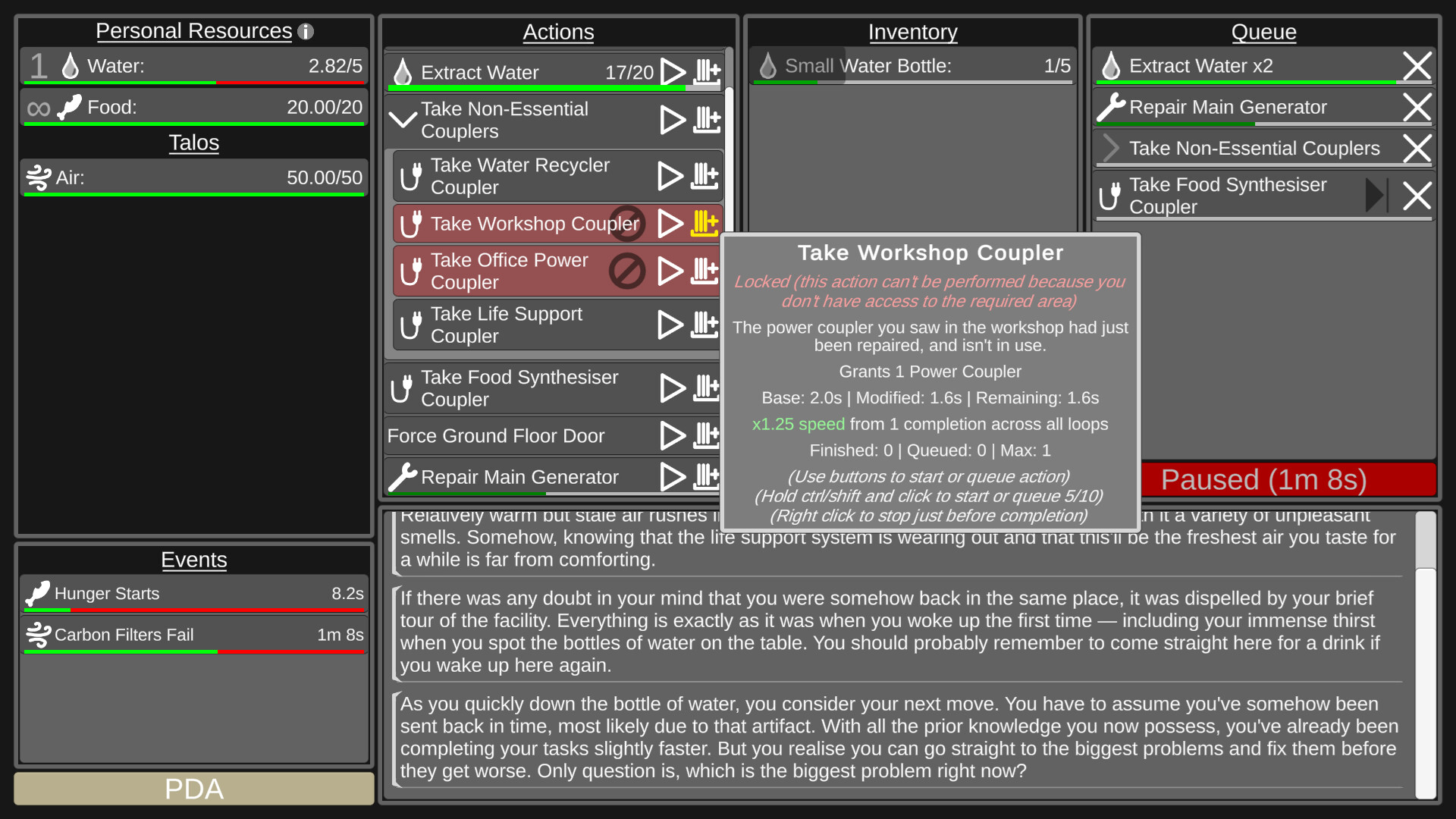
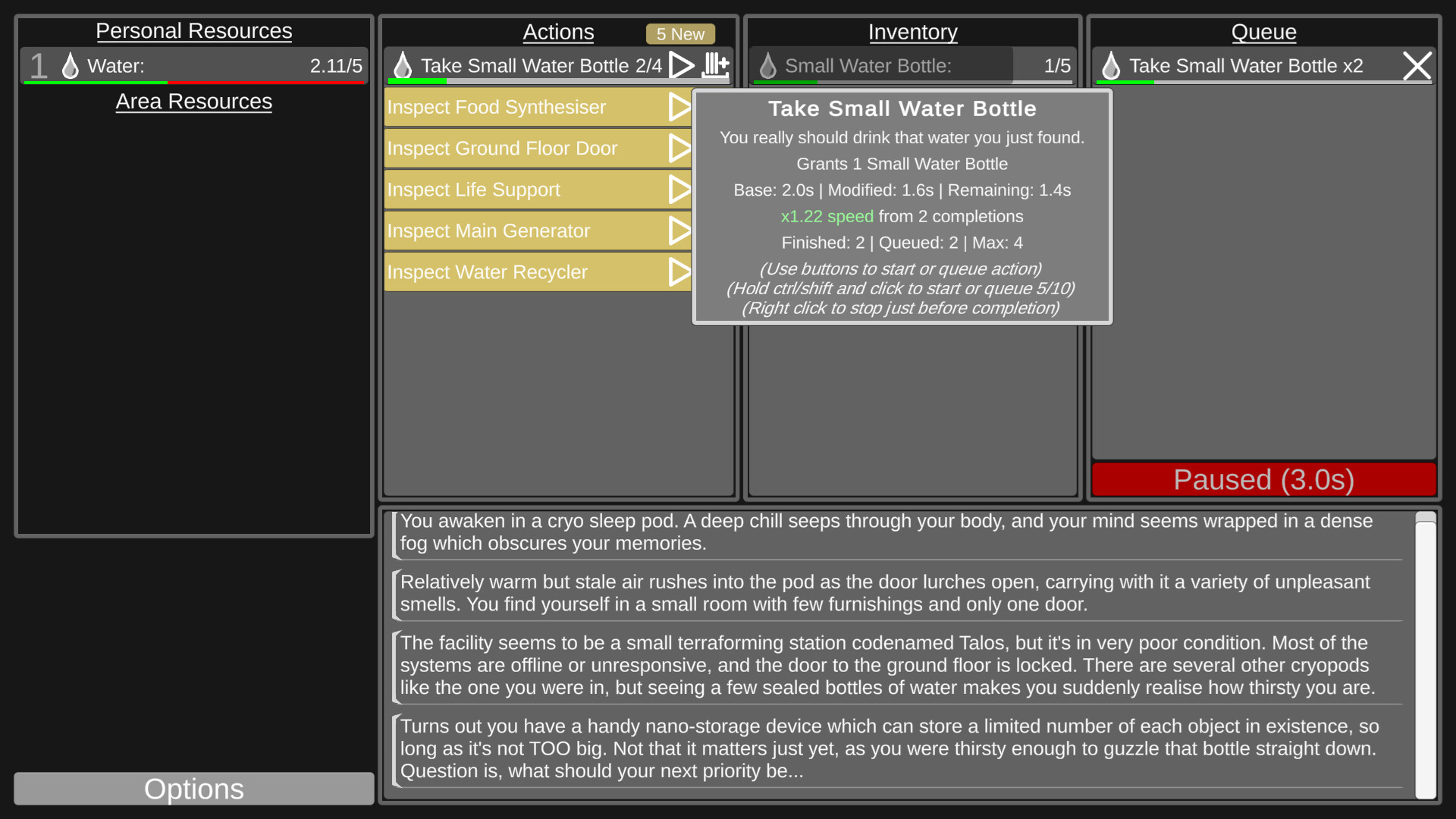
The core loop of Terraformental is beautifully simple on paper and delightfully intricate in practice: you wake up in a broken terraforming facility, queue up tasks, run the route, and when you die you come back to the same moment with more knowledge and slightly faster hands. Most of the gameplay is about planning and timing — choosing when to fetch air, water or food, which doors to pry open, which datapads to scan — and then watching how those small choices ripple across future loops. Tasks that you repeat become faster over time, and grouped actions eventually collapse into single, faster macro-actions, which gives you real satisfaction when multi-step chores become one neat shortcut. The active part isn’t twitch reflexes so much as route optimization and resource prioritization, so I spent more time smiling over elegant solutions than cursing bad RNG. There’s a subtle survival vibe: you can’t carry everything, and making hard trade-offs about what to bring to the next facility is often the real puzzle. Being able to visit facilities in any order means the game rewards curiosity — if one puzzle baffles you, a different ruin might hold the key.
When Repetition Becomes Strategy
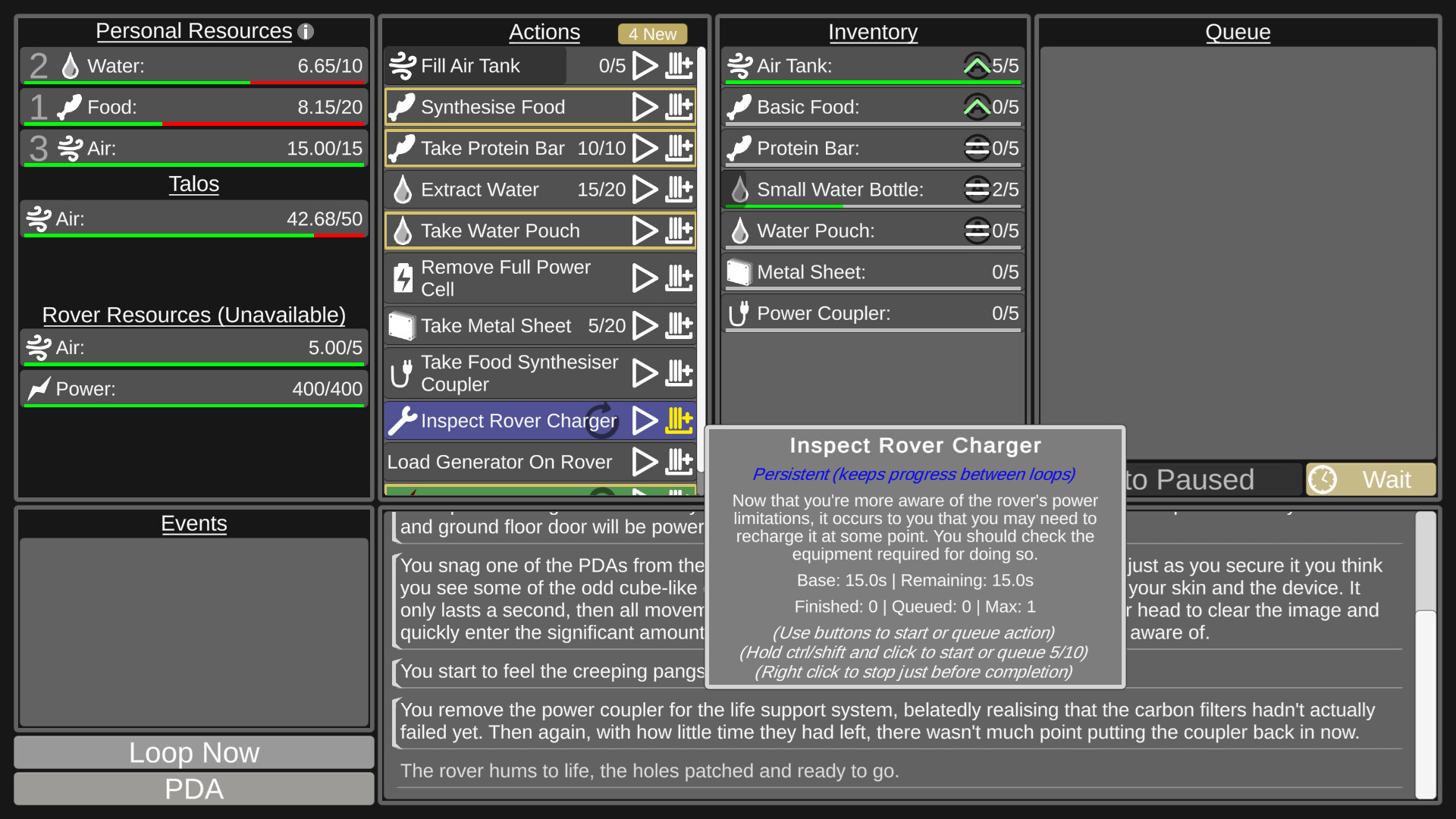
What lifts Terraformental out of the usual incremental rut is how it turns repetition into genuine tactical depth rather than just numbers. Each repeated action inches you forward in speed and often in reliability, but the designers smartly cap raw stat gains so you can’t brute‑force everything by grinding forever; eventually you must outthink the problem. The meta‑progression groups related tasks into combined actions when you’ve performed them enough times, which not only speeds things up but also opens new creative routes and puzzle solutions — I loved planning a day that would, by the third loop, execute like a tiny clockwork. There are also environmental puzzles and shortcuts you discover that change how a loop plays out, and sometimes learning a single overlooked piece of route knowledge lets you shave minutes off multiple attempts. Narrative beats are stitched through these mechanics: discoveries about the colonists and the planet come through notes, terminals and the curious state of the world, so progress feels like both mechanical gain and story reward.
A Lonely Planet with a Face
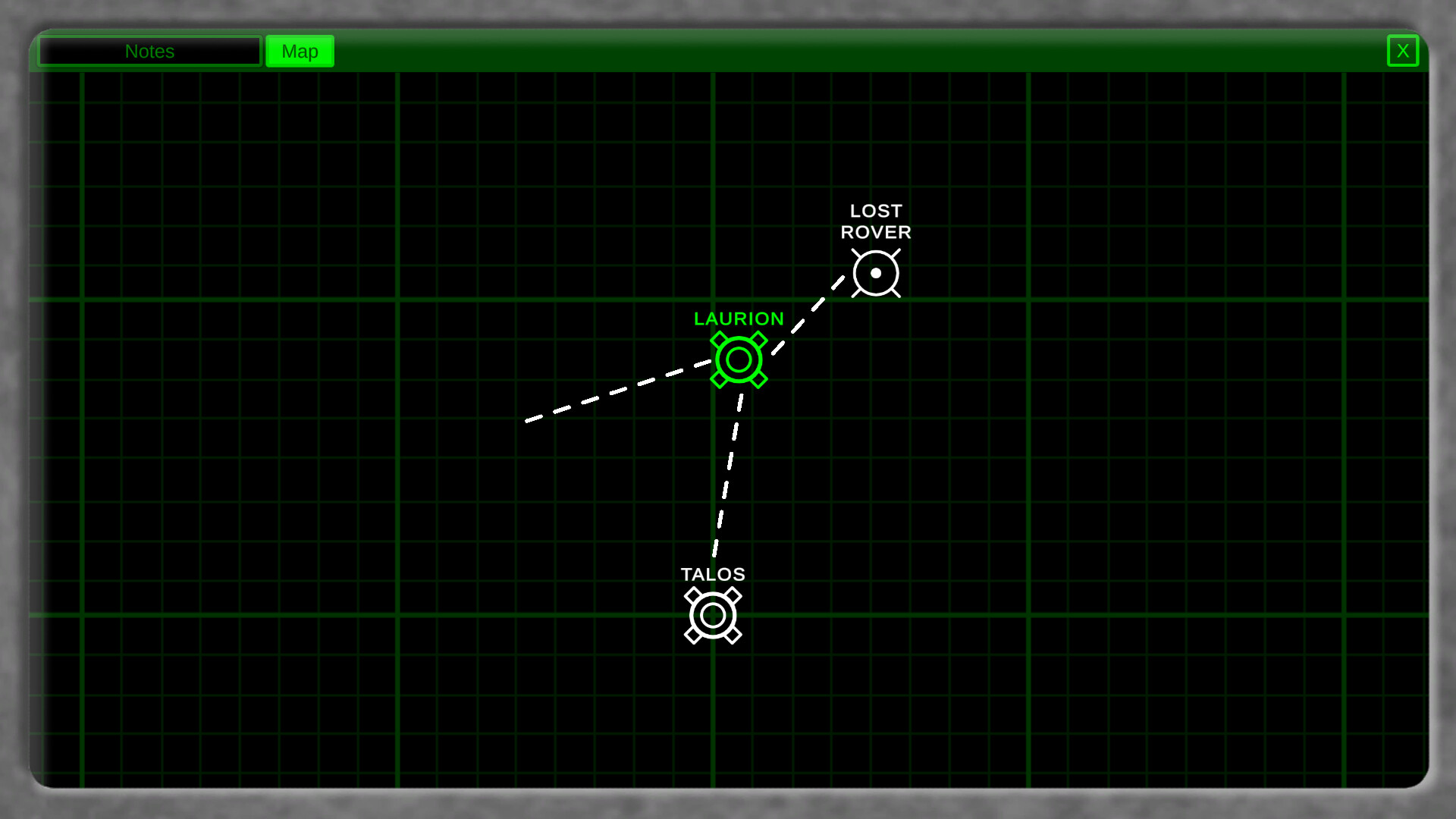
Graphically Terraformental is functional rather than flashy, leaning on cleaned‑up, utilitarian UI and readable icons so the loop stays the focus; yes, some reviewers (and I) wished the default grey boxes had more personality. Sound design and ambient noise do a lot of heavy lifting — creaking vents, distant alarms, and a sparse, eerie score that keeps you on edge in an otherwise calm routine. Performance is very light on modern PCs (Windows only at launch), which is exactly what this style needs: smooth simulation of dozens of queued tasks without hiccups. Accessibility is thoughtful: the pacing is forgiving, and the emphasis on planning over twitch inputs makes it approachable for players who prefer thinking to frantic clicking. Small QoL touches — demo progress carrying over to Early Access, clear tooltips, and an undoable queue — show the devs care about the player’s loop experience, even if update cadence and visual polish still have room to grow.
Terraformental is a thoughtful, low‑stress incremental that turns repetition into meaningful strategy and pairs it with a quietly intriguing sci‑fi mystery. It’s perfect for players who enjoy planning, exploring at their own pace and uncovering story through small discoveries; veterans of Increlution will feel at home, but new players will be pleasantly surprised. Buy if you like methodical loop games and supporting small dev teams, but be ready for modest visuals and a slow drip of updates.
Pros
- Smart time‑loop design that rewards learning and planning
- Satisfying meta‑progression where repeated tasks become real shortcuts
- Compelling slow‑burn mystery and non‑linear facility exploration
- Lightweight performance and thoughtful QoL features
Cons
- Visuals and UI lean utilitarian — could use more polish
- Update cadence is slow; players crave more content
- Windows‑only at launch (mac/linux missing)
Player Opinion
Players who followed Terraformental from itch to Steam repeatedly praise its handling of the time loop and the way knowledge carries forward, calling it one of the most interesting incrementals they’ve played. Many reviews highlight the satisfying combination of exploration, queue‑based gameplay and the slowly revealed sci‑fi story, and longtime testers appreciate demo progress carrying over to Early Access. Common criticisms are familiar: some UI elements are bland (grey boxes), updates and new content arrive slowly, and a few players worry about developer burnout. Overall the community tone is warm and supportive — if you liked Increlution, Idle Loops or the investigative feel of Outer Wilds, fans say you’ll find much to enjoy here.