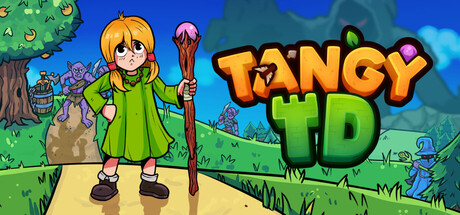




Tangy TD Review — A Zesty Twist on Tower Defense (Windows)
I played Tangy TD and got hooked: class-based towers, item-combining, huge skill trees and a moving witch hero make this indie roguelite tower defense stand out. Challenging, polished—flaws included—worth a try if you love deep TD loops.
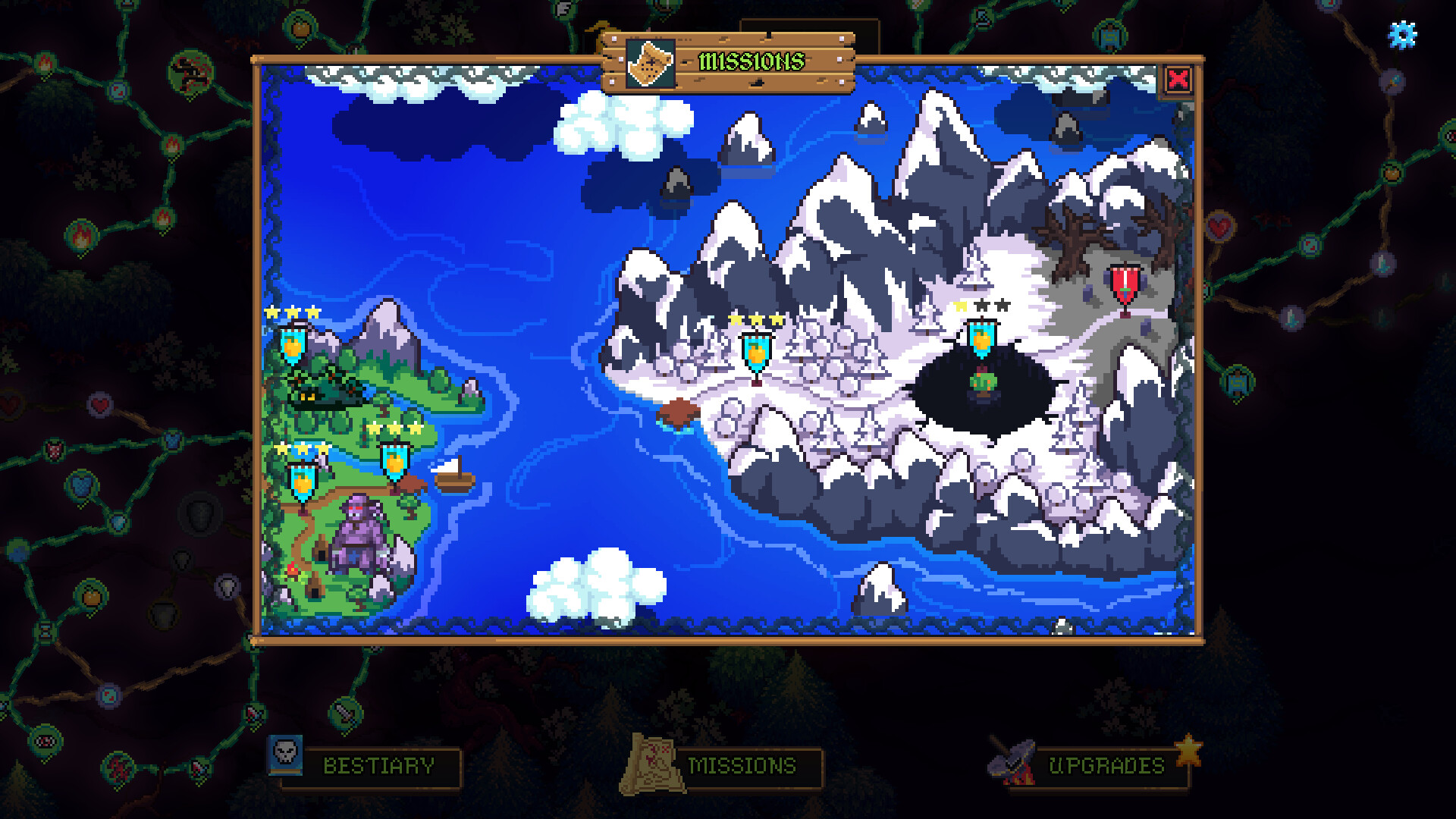
I didn’t expect to lose an evening to an orange-themed witch, but here we are. Tangy TD mixes classic tower defense pacing with roguelite systems—three distinct classes (Defender, Archer, Healer), a massive skill tree, and an item-combining loop that rewards experimentation. It’s made by a solo dev (shoutout to Cakez), and that care shows in the pixel art, soundtrack and surprisingly tight combat loops. If you like Kingdom Rush, Bloons TD or hybrid roguelites, Tangy TD has enough eccentricity and depth to keep you tinkering.
Moving Your Witch and Placing Chaos
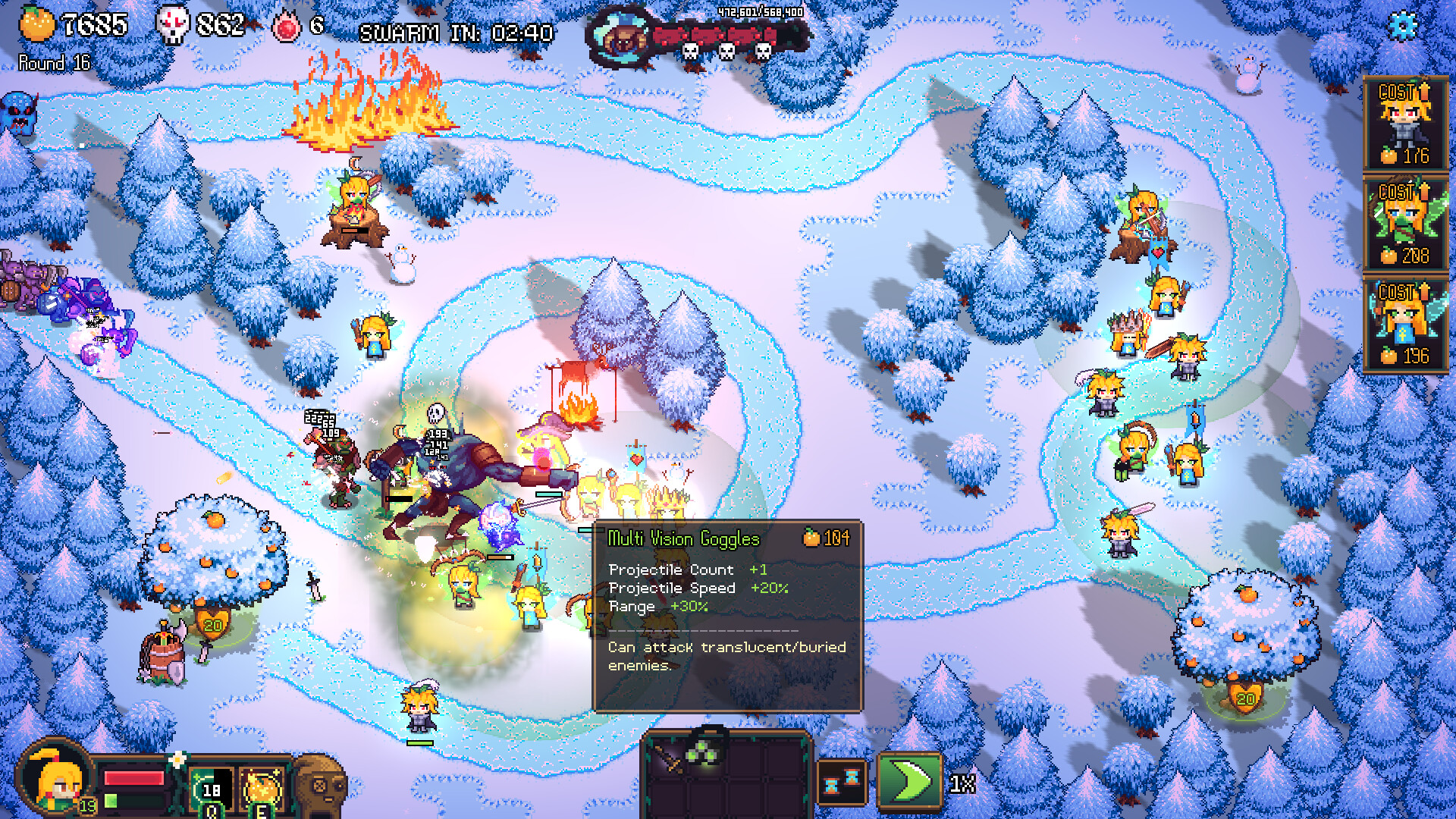
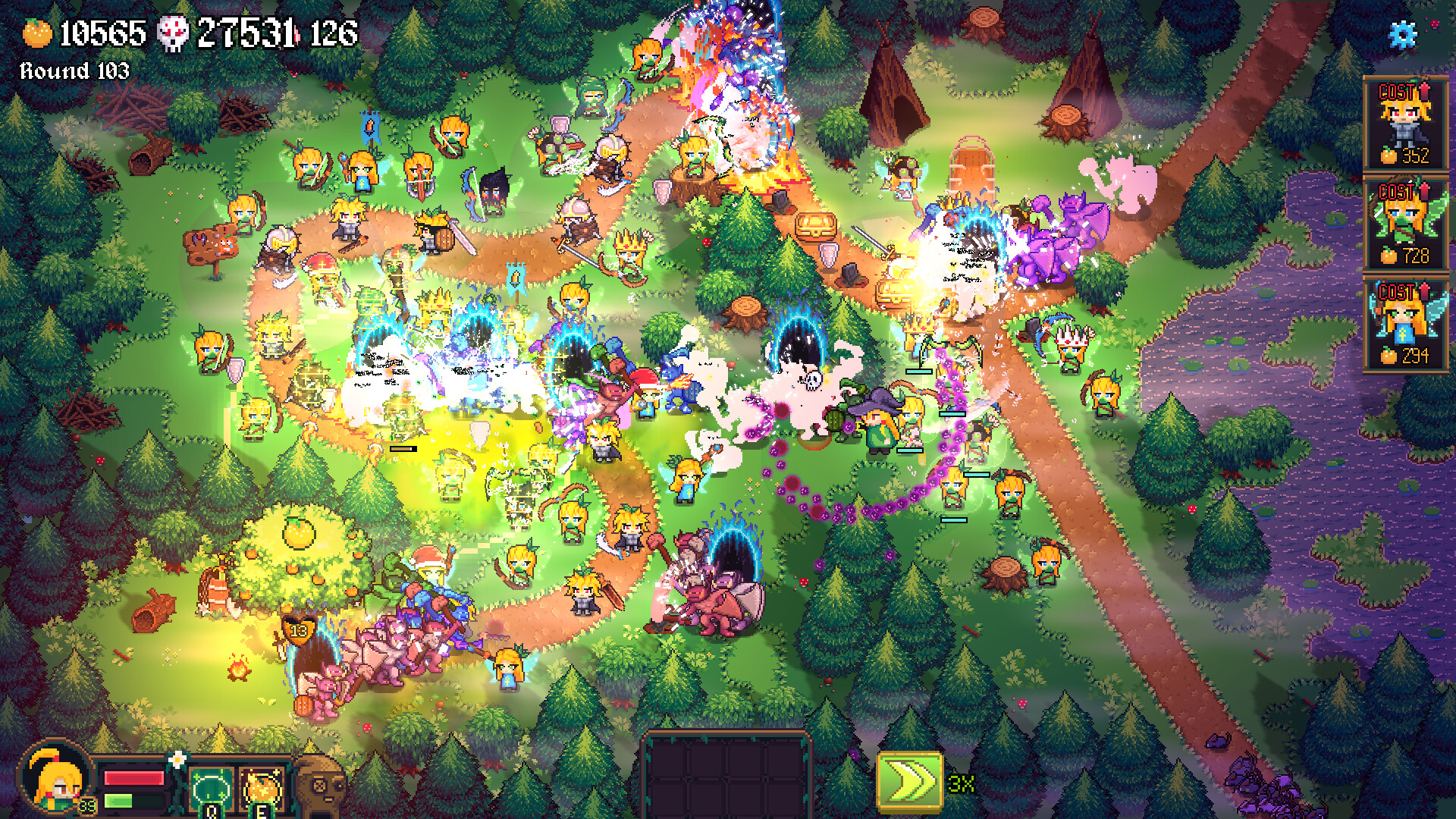
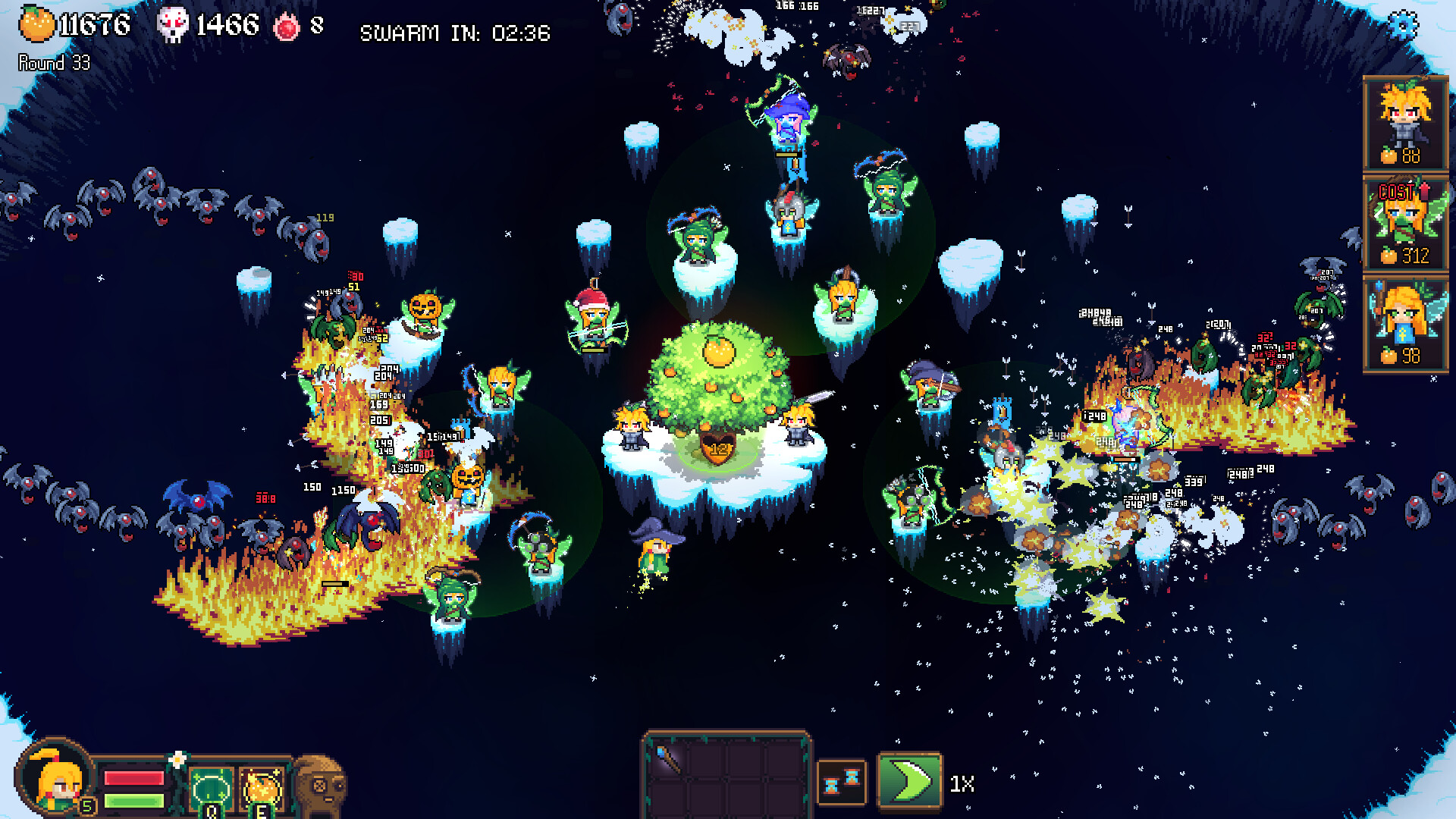
The core of Tangy TD is surprisingly kinetic for a tower defense: you control Tangy, a witch-hero who can move around the map, place and reposition towers, and occasionally jump into the fray. Gameplay consists of scouting waves, planting class-based towers (Defender, Archer, Healer), equipping them with items, and rearranging your formation between and during waves. Rather than static turrets that you watch from a distance, towers in Tangy TD feel like characters: they visually change when you equip items, they can be revived after a time, and your positioning choices matter a lot. I found myself sprinting across lanes to slide a defender into a choke point or to pull an archer back when a boss showed up—this mobility makes decisions feel fluid and often frantic in the best way.
When Items Become Your Toolbox
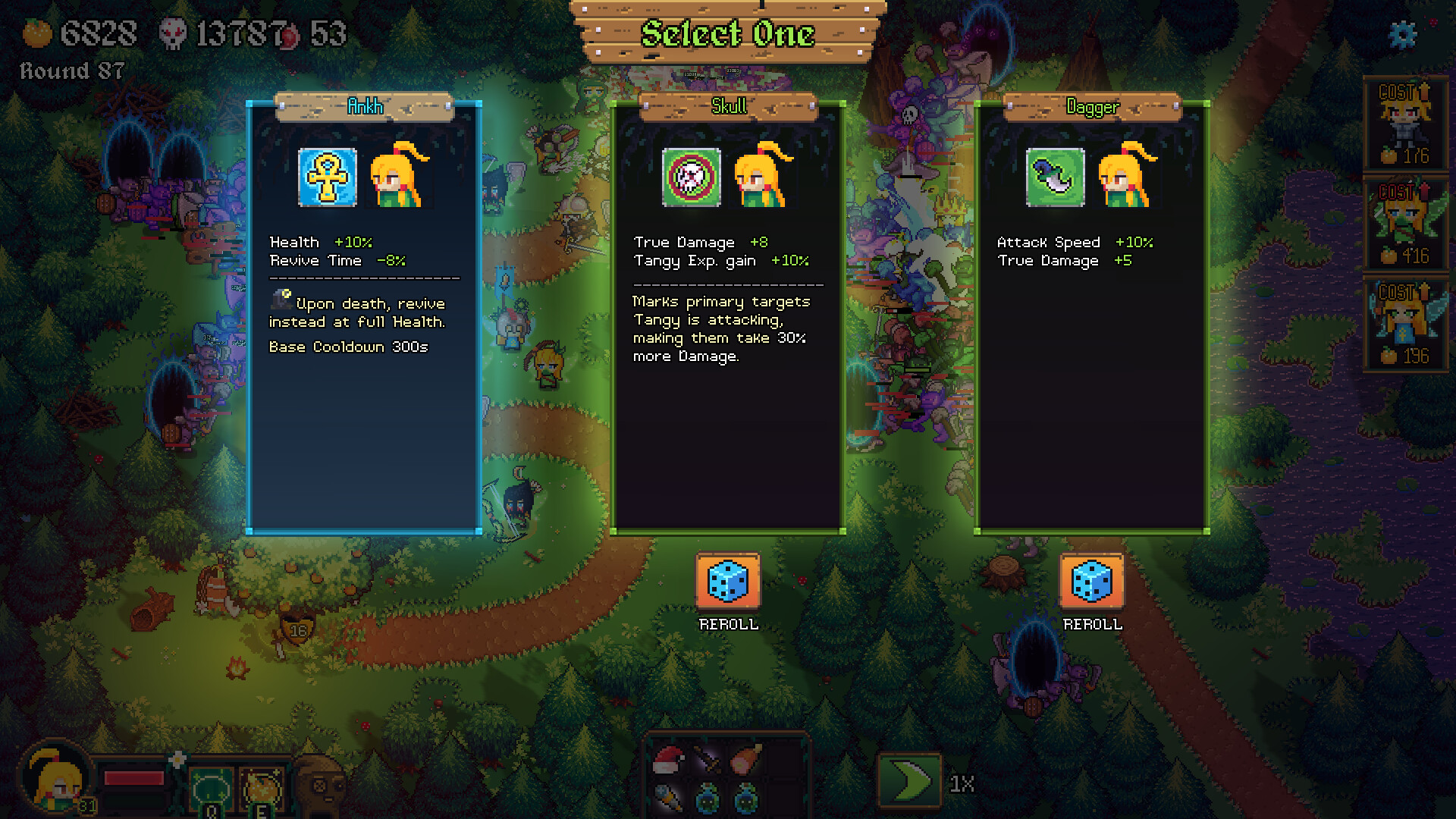
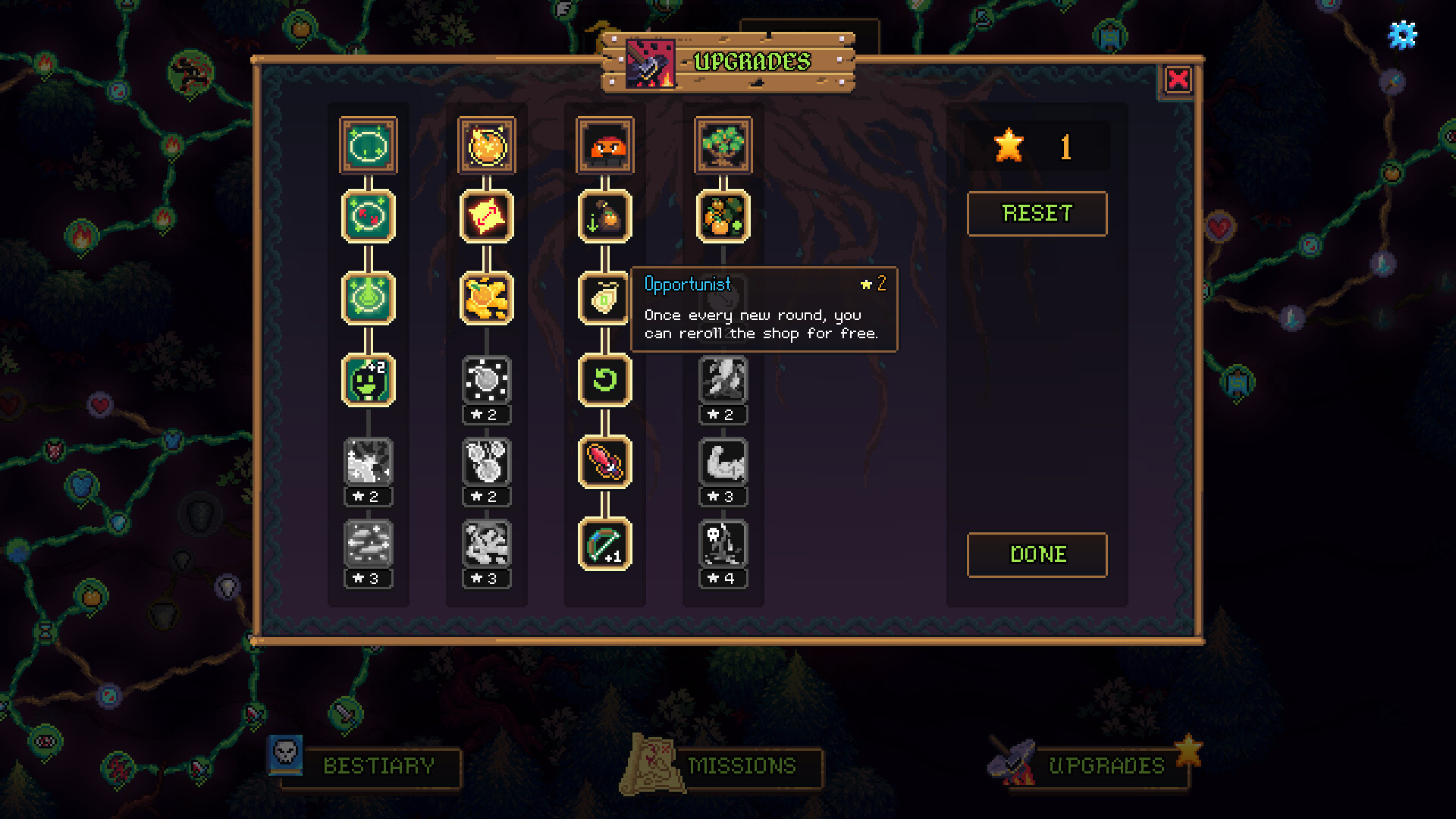
Where Tangy TD shines is the item system. You can equip over a hundred different items, slot them into up to four slots, and combine lower-tier components into powerful hybrids. Items not only tweak stats but grant unique abilities that change how towers behave—one combo turned my archer into a ricochet machine that carried me through a brutal boss wave. The skill trees for each class add long-term progression: spend skill points to specialize towers, unlock passives, or beef up your witch. Resetting skill points is free, encouraging me to test strange builds without punishment. The meta loop—run levels, earn points, pick new nodes, discover item synergies—hooked me like a good roguelite should.
A Cozy, No-Nonsense Presentation
Graphically, Tangy TD leans on detailed pixel art that’s both charming and readable in hectic fights. Animations are crisp, towers visibly change with items (which is delightfully satisfying), and the soundtrack sets a bouncy, slightly mischievous mood. Performance is smooth on many systems and several players report stellar framerates; I experienced solid responsiveness on Windows. The UI is mostly clear, though some players asked for clearer item-combine indicators and a smoother item-management UX. Accessibility and options are a bit barebones now—no custom keybinds or sensitivity tweaks—so expect a relatively bare but functional settings panel. Small polish notes remain (some want animated water; I secretly do too), but overall Cakez delivered an interface that supports the gameplay without getting in the way.
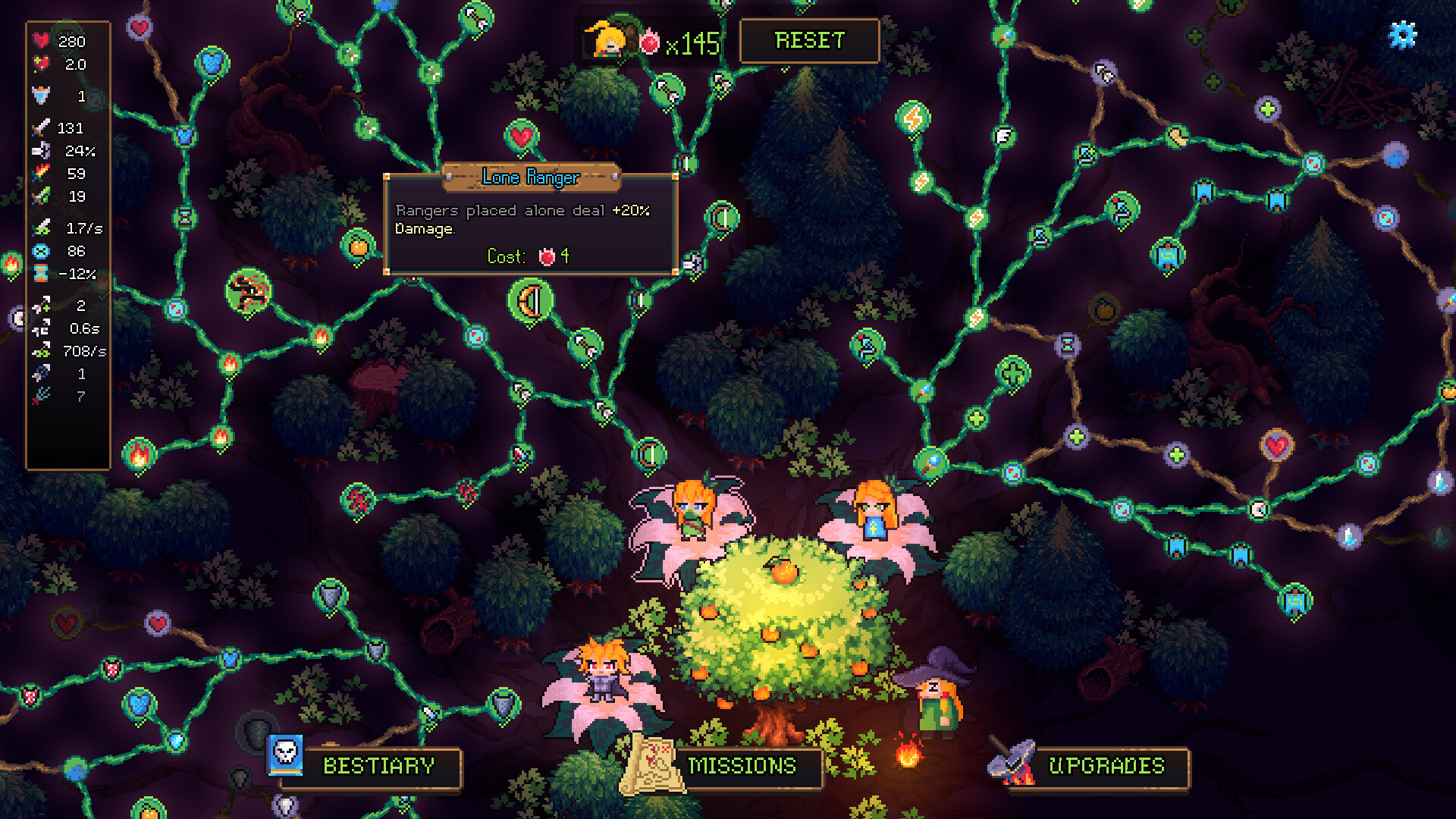
Tangy TD is a love letter to tower defense enthusiasts who enjoy tinkering: deep item combos, movable towers and huge skill trees make every run feel personal. It’s not perfect — the learning curve and some missing polish hold it back slightly — but for the price and passion on display, I recommend giving it a shot if you like strategic, experimental TD games.
Pros
- Inventive item-combining system that rewards experimentation
- Moving hero mechanic makes tower defense feel active
- Huge skill trees and class variety for replayability
- Polished pixel art and satisfying feedback loop
Cons
- Steep learning curve — lots of mechanics at once
- Some polish and accessibility options still missing
- Content amount vs. price criticized by a few players
Player Opinion
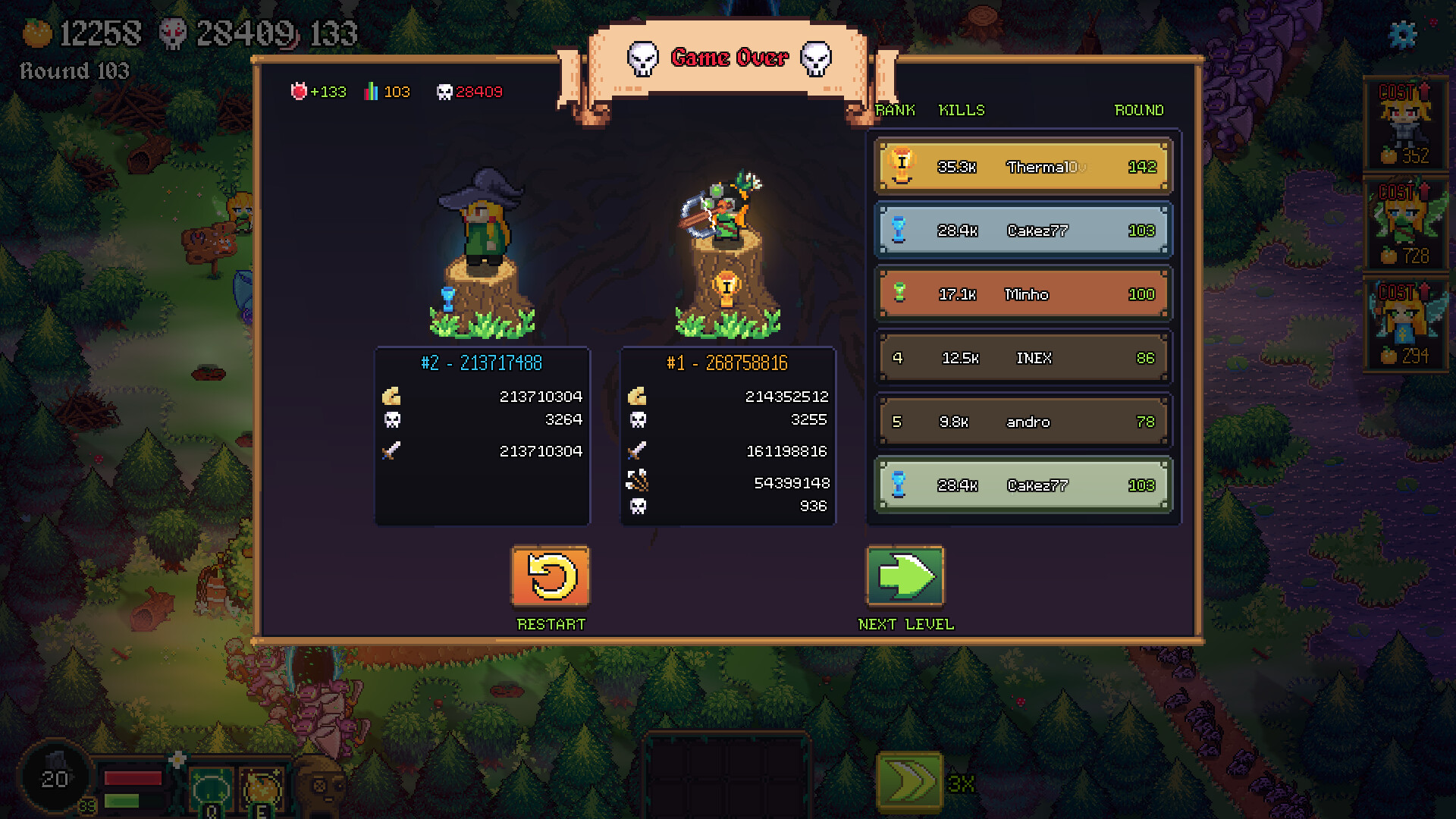
Players consistently praise Tangy TD for its charm and depth: the item combinations, visible tower transformations, and huge skill trees get called out as highlights. Many reviews cheer the solo-dev craftsmanship and the surprisingly smooth performance—several users specifically noted it ran well on various Linux setups or via Proton, even though Windows is the primary platform. Criticisms repeat as well: a few users hit crashes or bugs early on, the German translation needs work, and the onboarding can feel overwhelming with dozens of mechanics presented at once. There’s also chatter about content expectations—some want more maps, animated water or extra biomes. If you love Bloons, Kingdom Rush, or hybrid roguelites, reviewers say Tangy TD scratches that itch while offering its own oddball personality.