



TAMASHIKA Review – One-Level-a-Day Corridor Shooter That Demands Focus
A short, frenetic corridor shooter that trades content breadth for intense, repeatable 10-minute runs. Beautifully chaotic visuals, tight movement, and a controversial community make TAMASHIKA an experience you’ll either binge daily or play in short, furious bursts.
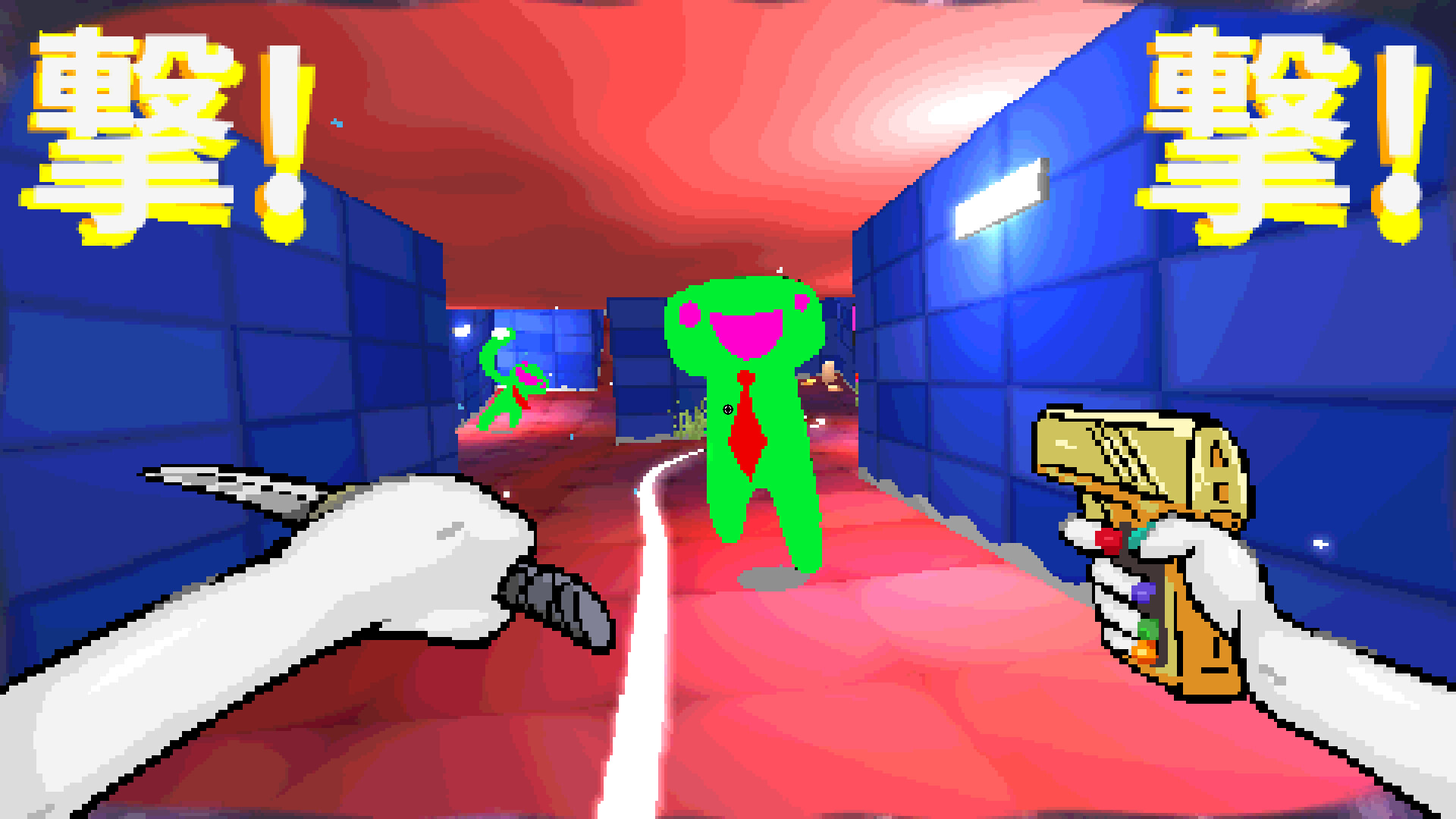
I didn’t expect to be back at my keyboard every morning for a ten-minute run, but TAMASHIKA has that pull. It’s a corridor shooter that strips everything away: one weapon, one blade, one procedurally generated level that changes daily. Think Post Void meets Hotline Miami’s velocity with a dose of neon nausea — in the best and most frustrating ways. If you like short, sharp arcade loops and leaderboards that tempt you into shaving off seconds, this one’s designed to be brutal and addictive.
Corridor Ballet: One Level, Infinite Focus
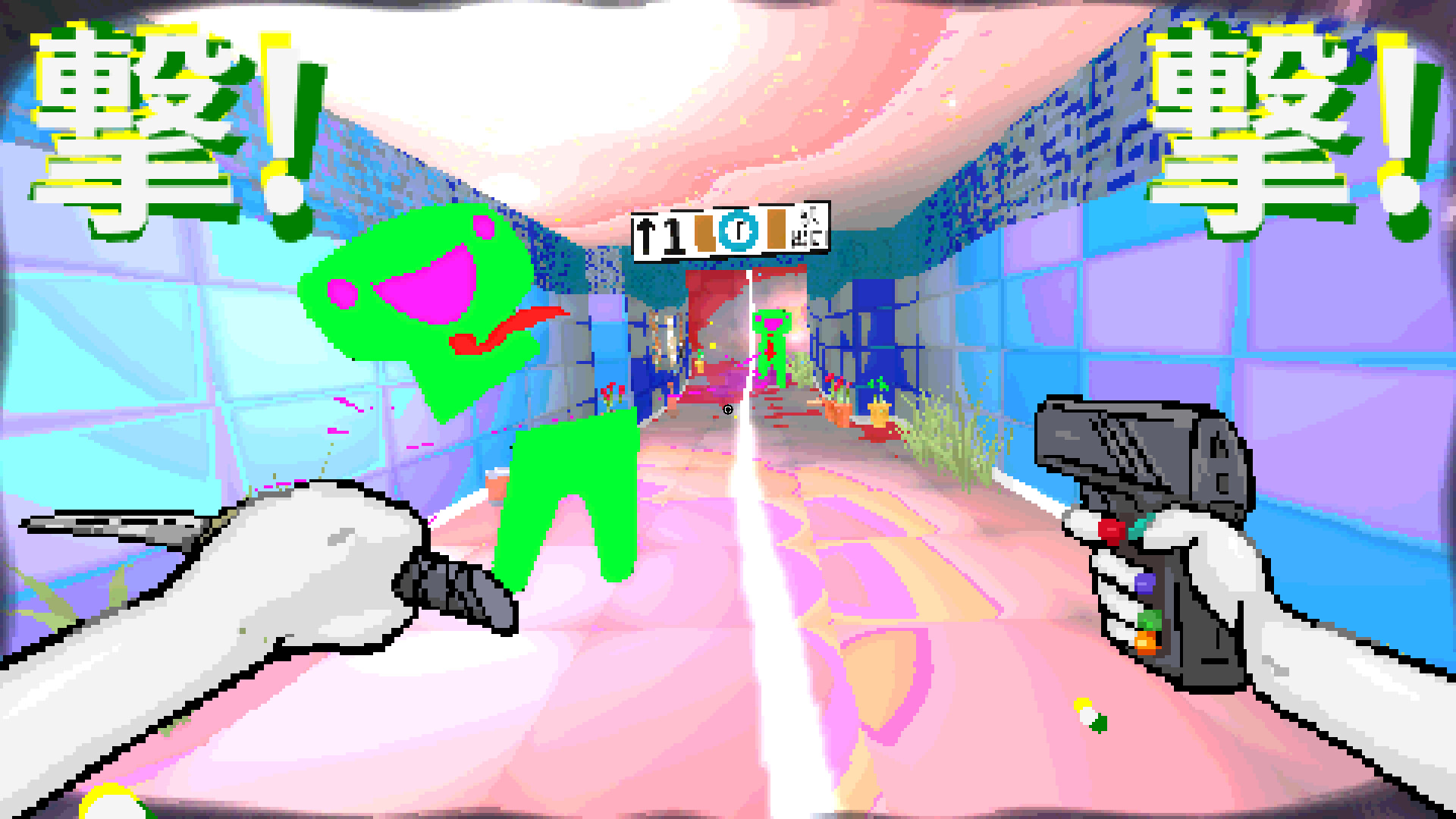
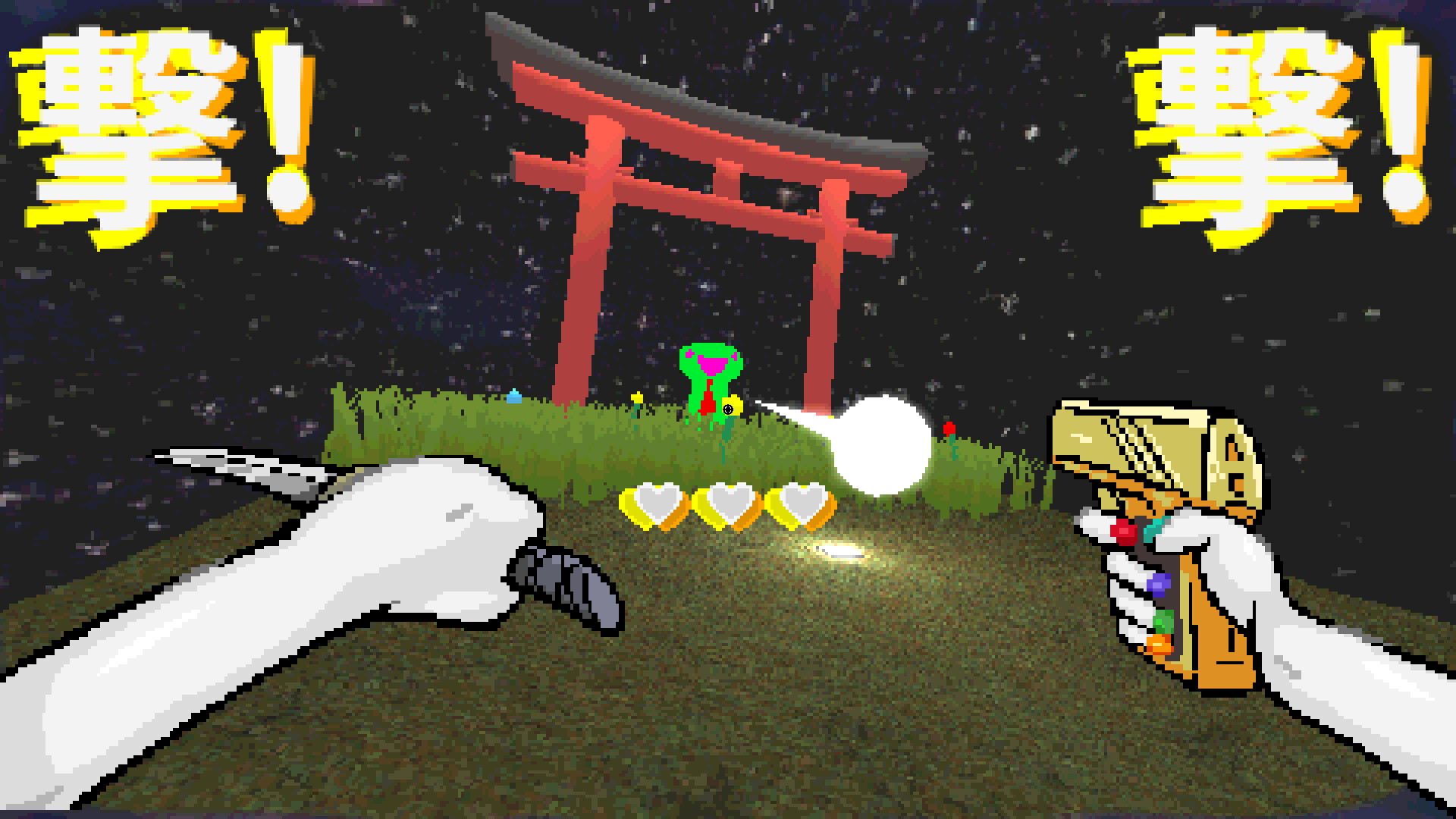
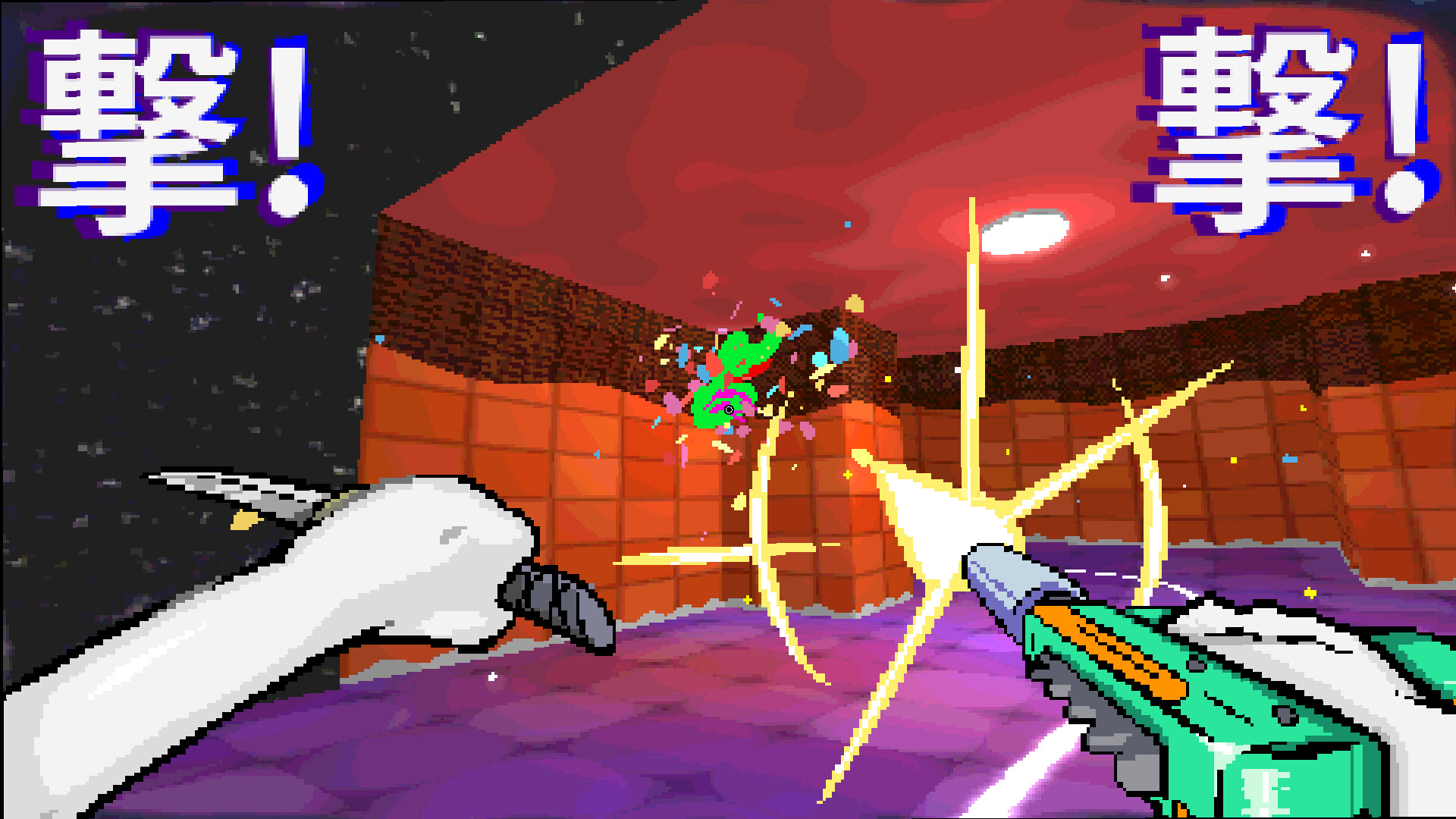
TAMASHIKA plays like a concentrated sprint. The loop centers on moving through a single, procedurally generated corridor, aiming, and deciding when to shoot, parry, or close in with the tantō blade. You only get a semi-automatic pistol and a knife, but the game forces you to wring variety from positioning, blink-teleports and split-second choices. Runs typically last about ten minutes from start to finish — no checkpoints unless you opt into Ascend Mode — which makes every engagement feel consequential. There’s an emphasis on precision: strafing, timing reloads, and using parry windows are the meat of the experience.
The Discipline of Simplicity
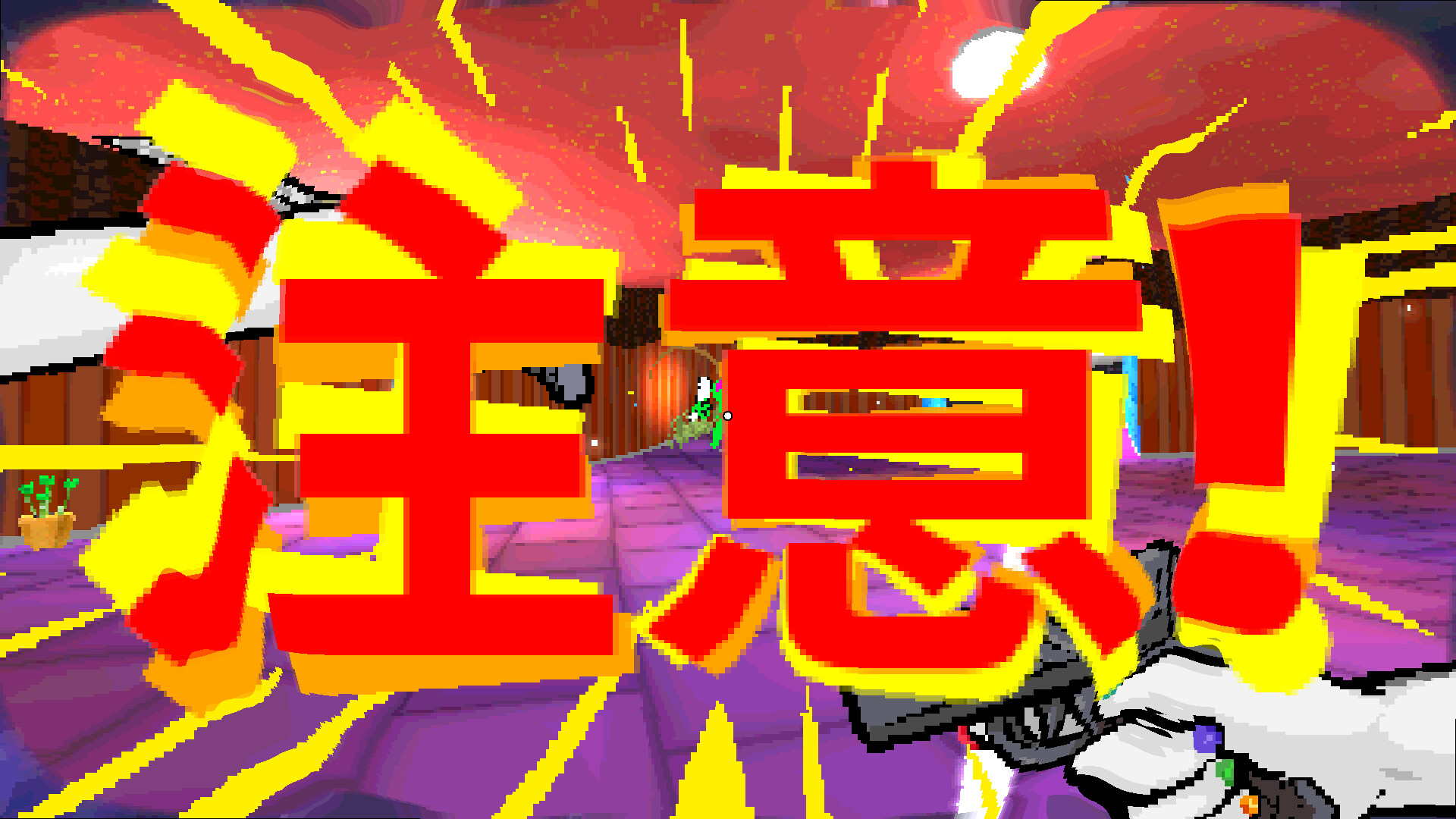
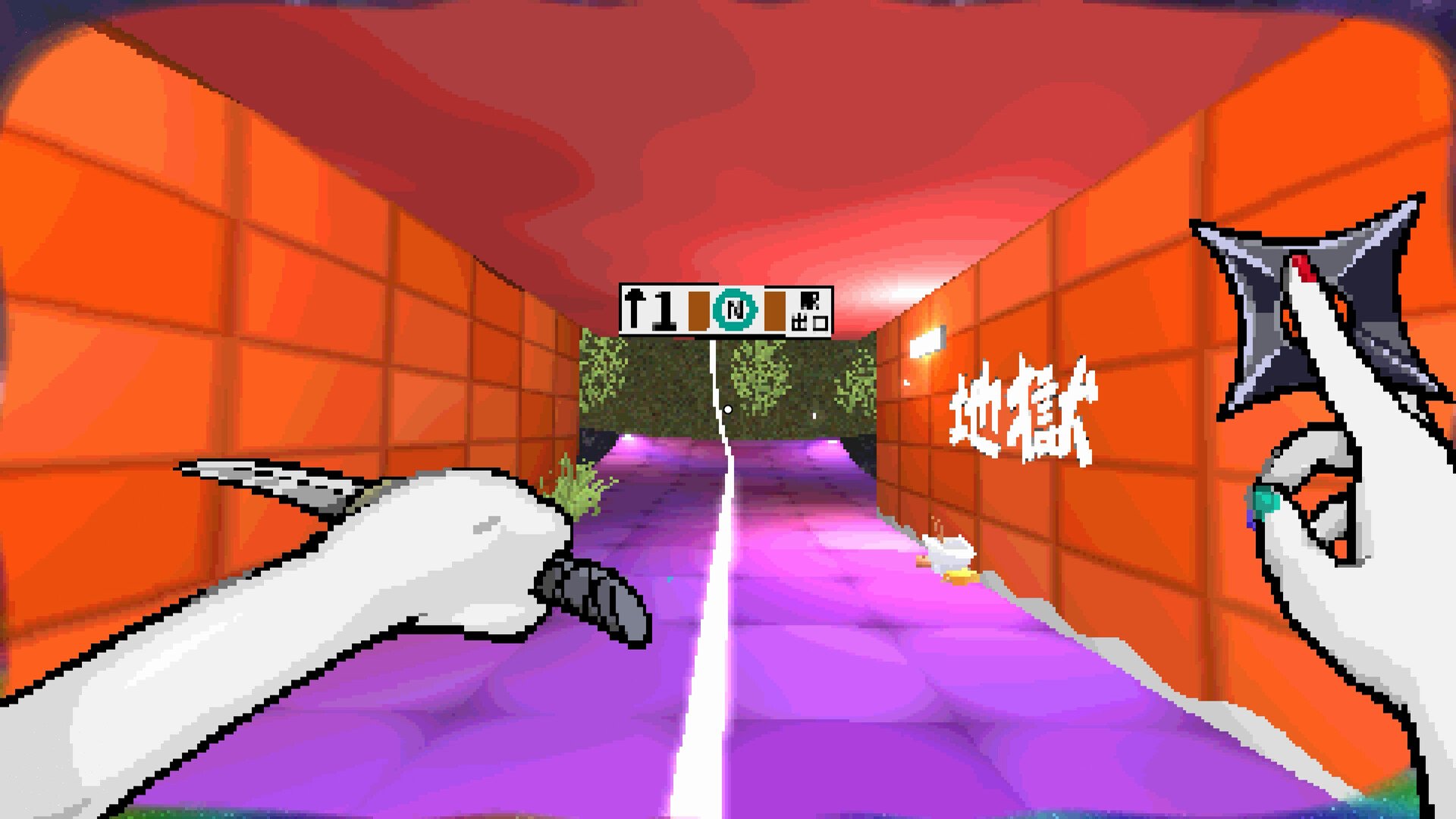
What makes TAMASHIKA special is its discipline. The one-level-per-day idea turns the procedural into ritual: a new layout daily means you chase leaderboard glory or a cleaner run rather than grinding for unlocks. The actions list is delightfully lean — walk, strafe, shoot, reload, melee, parry, blink, and astral projection — and the mechanics are tuned for fluid speedrunning. Parry and knife options create a satisfying risk-reward loop, though the parry’s implementation (with bright prompts and a very particular timing) has confused and frustrated some players. There are no unlocks, no cutscenes, and intentionally no padding; it’s an experiment in focus and flow.
Visuals That Punch Your Retinas
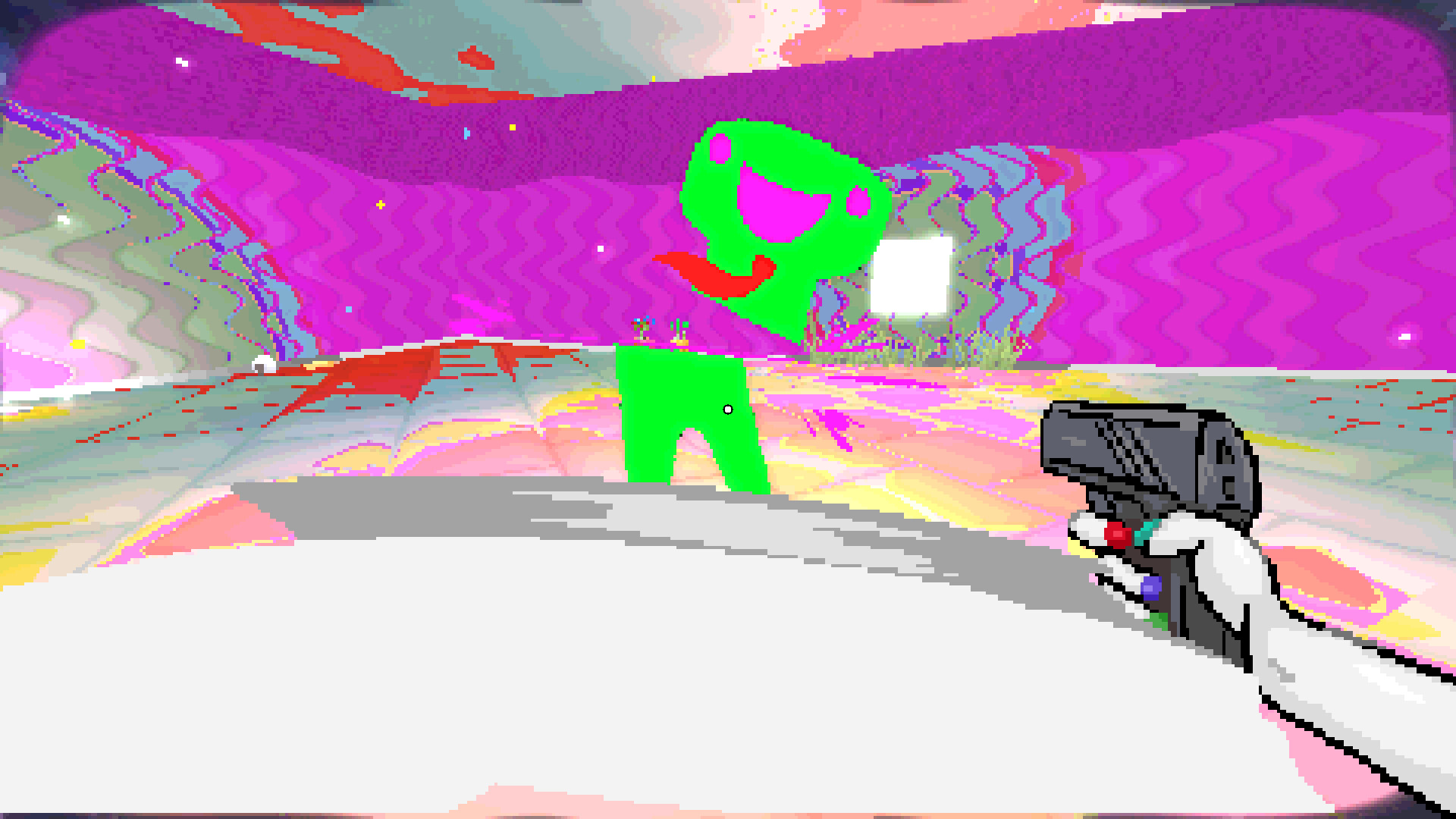
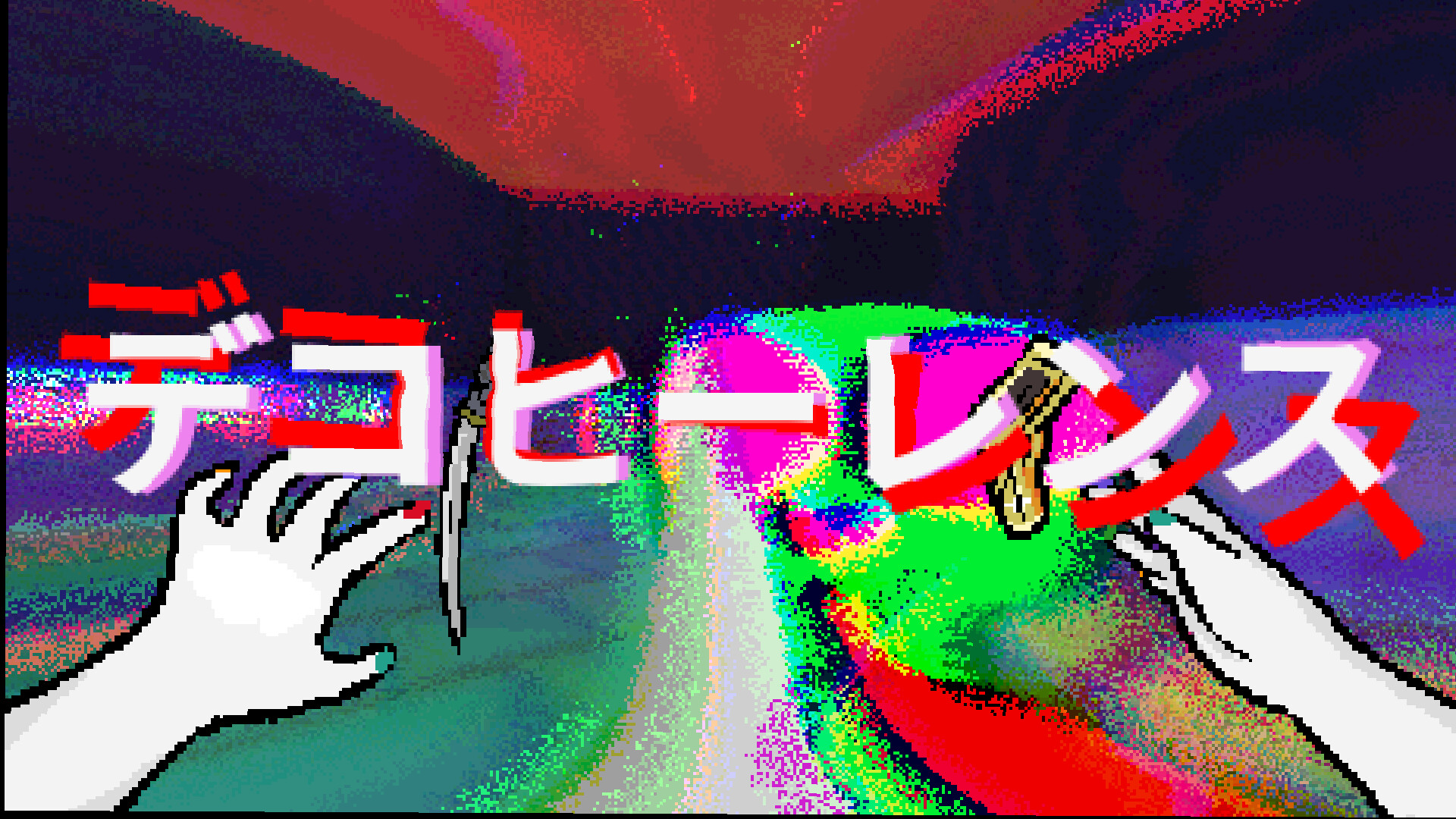
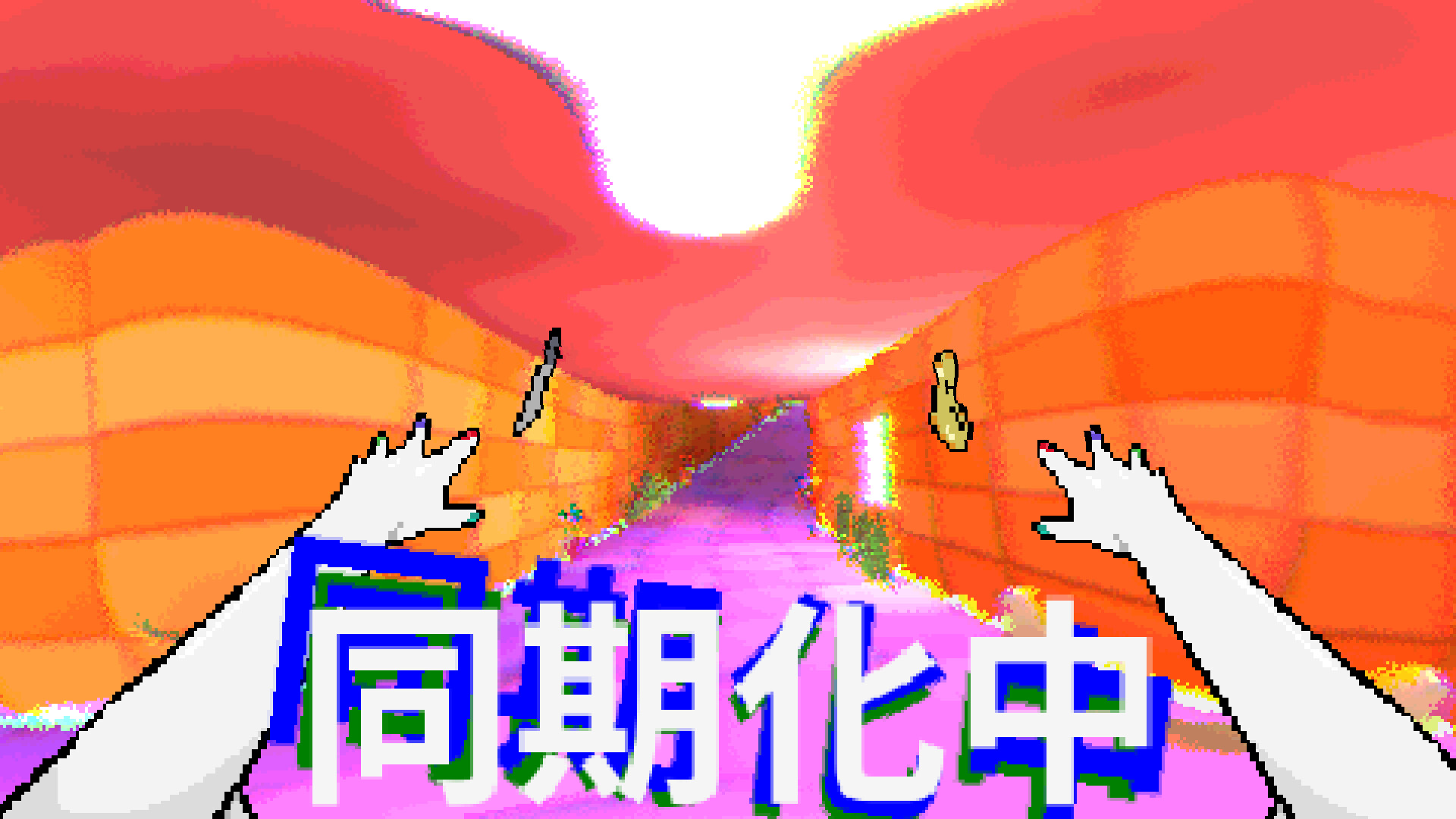
Graphically, TAMASHIKA is loud in a hand-drawn, nostalgic way. The art leans into sharp contrasts, saturated neon and rapid visual effects that sell a sense of speed. Sound design is equally on-point: tight weapon SFX, slap-happy melee sounds, and an upbeat soundtrack that pushes you forward. Practically, the game runs on Windows (no Mac/Linux builds at release), and the visuals are so intense that a fair share of players warned about nausea or seizure risk. Thankfully there are settings — some reviewers point to "dose" and "vibe" options to tune blur and music — but the default experience is made to be provocative and in-your-face. Performance-wise it’s snappy on modern hardware, but accessibility-minded toggles for flashing effects would be welcome.
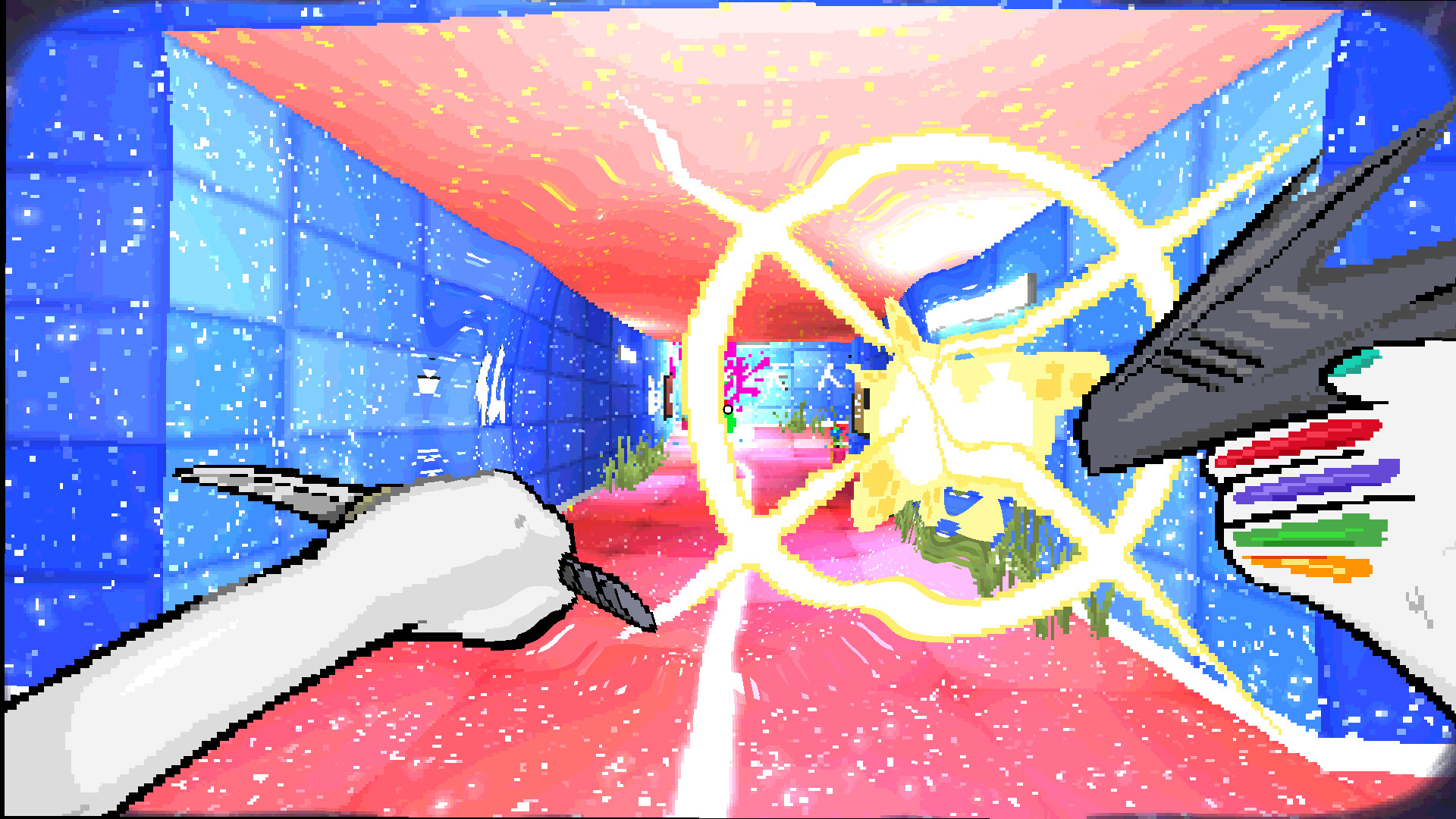
TAMASHIKA is a daring little experiment: a high-octane, art-forward corridor shooter that asks you to concentrate and adapt every single run. It nails immediacy and replay hunger, but stumbles on accessibility, content depth, and a parry system that divides opinions. Buy it if short, brutal arcade loops and leaderboard pressure light your fire; wait for a sale or updates if you’re sensitive to visuals or want more content for your cash.
Pros
- Tight, addictive 10-minute runs perfect for speedrunners.
- Striking hand-drawn neon visuals and punchy sound design.
- Simplicity as a design philosophy — one level, focused mastery.
- Daily procedural layouts create a compelling reason to return.
Cons
- Very intense visuals — accessibility and seizure concerns.
- Parry feels oddly implemented and can be unsatisfying.
- Short on content and some players find the $20 price high.
Player Opinion
Players are split but there are clear patterns. Many praise TAMASHIKA for being addicting, short and perfect for daily bite-sized sessions — several reviews rated replay value very highly and compared the rush to Post Void or Neon White. The visuals and soundtrack get consistent praise for being unique and energizing, though a non-trivial portion of players warn about nausea or seizure risks. Common complaints focus on the parry mechanic feeling awkward or telegraphed, and on the perceived lack of content for the $20 launch price. A minority of reviews bring up the developer’s public stances and call for boycotts, which has created some community noise. If you enjoy leaderboard-chasing, short arcade sprints, or speedrunning, most players recommend giving it a shot; if you’re sensitive to flashing visuals or want long campaigns, steer clear.