






Solar Expanse Review – Space Exploration Manager That Feeds the KSP and Tycoon Urges
I dove into Solar Expanse, an Early Access space management sim where you plan launches, mine asteroids and terraform worlds. It’s a love letter to orbital mechanics and spreadsheet fans — rough around the edges but already addictive.
I’ve spent hours shepherding rockets across an eerily realistic Solar System in Solar Expanse, and it scratched a very specific itch: what if Kerbal Space Program and a hard-core tycoon had a spreadsheet baby? SpaceOps teases the long arc of planetary colonization — from telescopes and probes to fuel stations and space elevators — and even in Early Access the game already feels like a proper little universe to manage. If you like careful planning, orbital ballet and slow-burn wins, this is the kind of game that sucks you into micro and macro decisions for far longer than you intended.
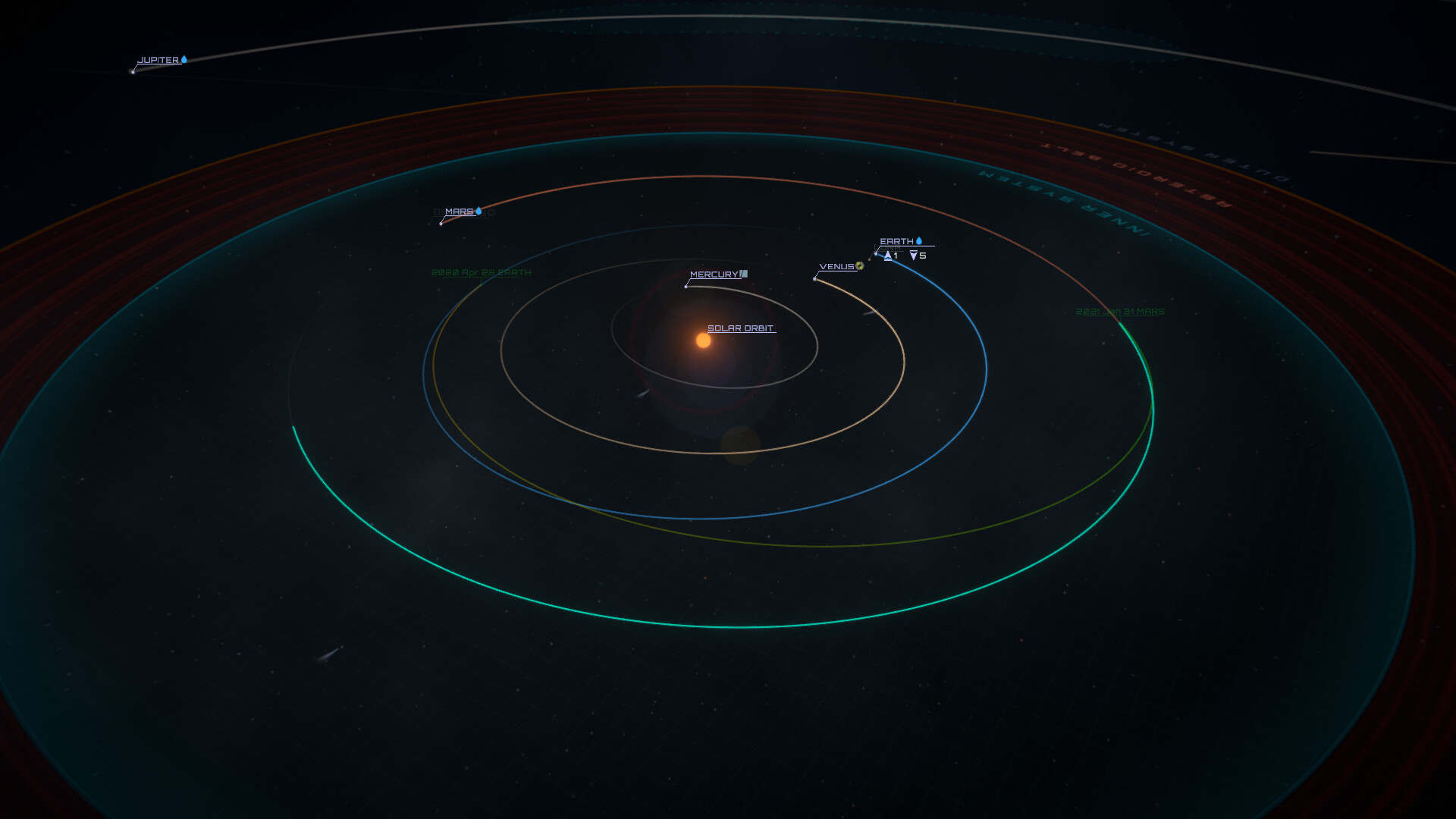
Mapping the Dance of Planets
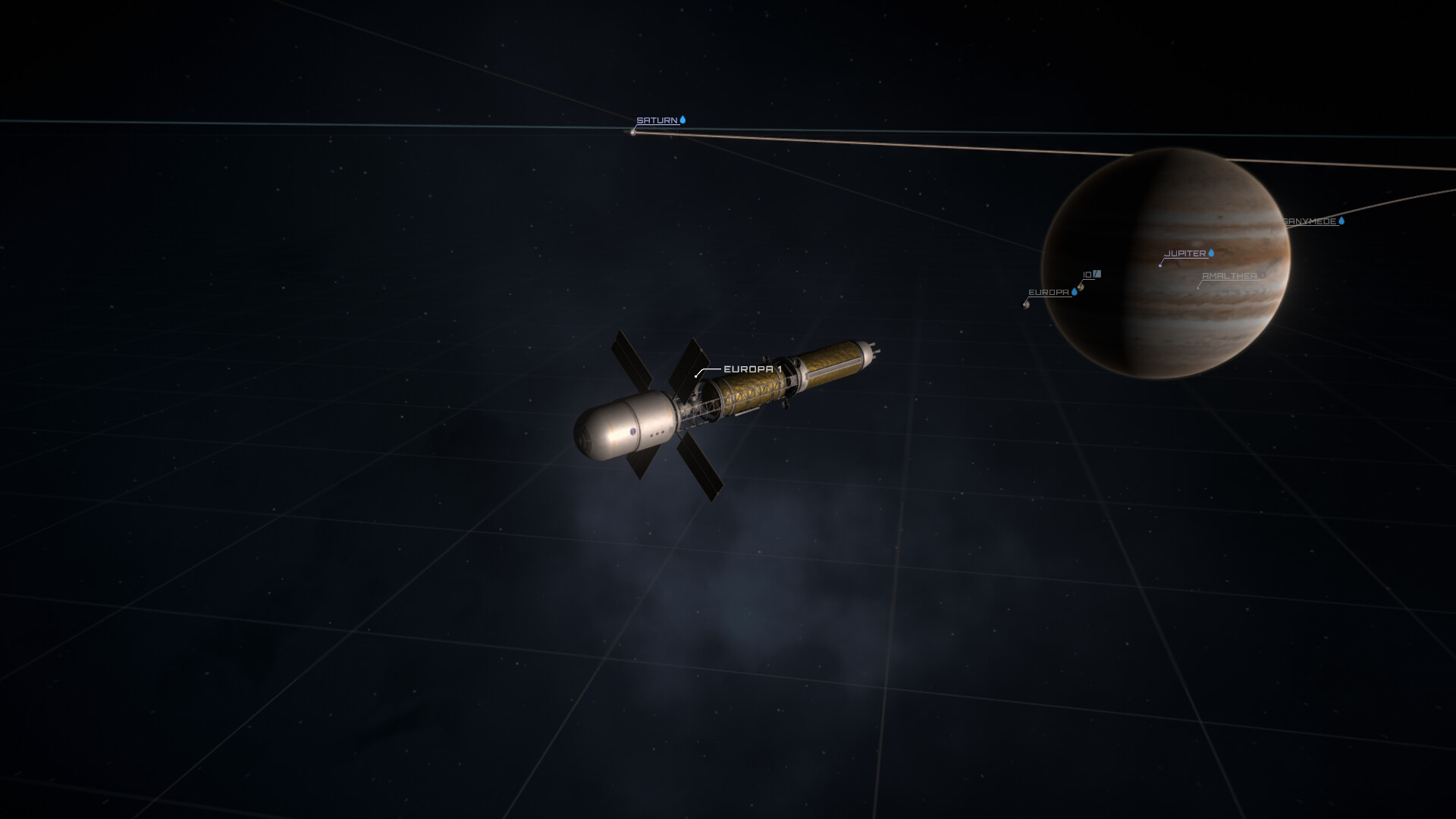
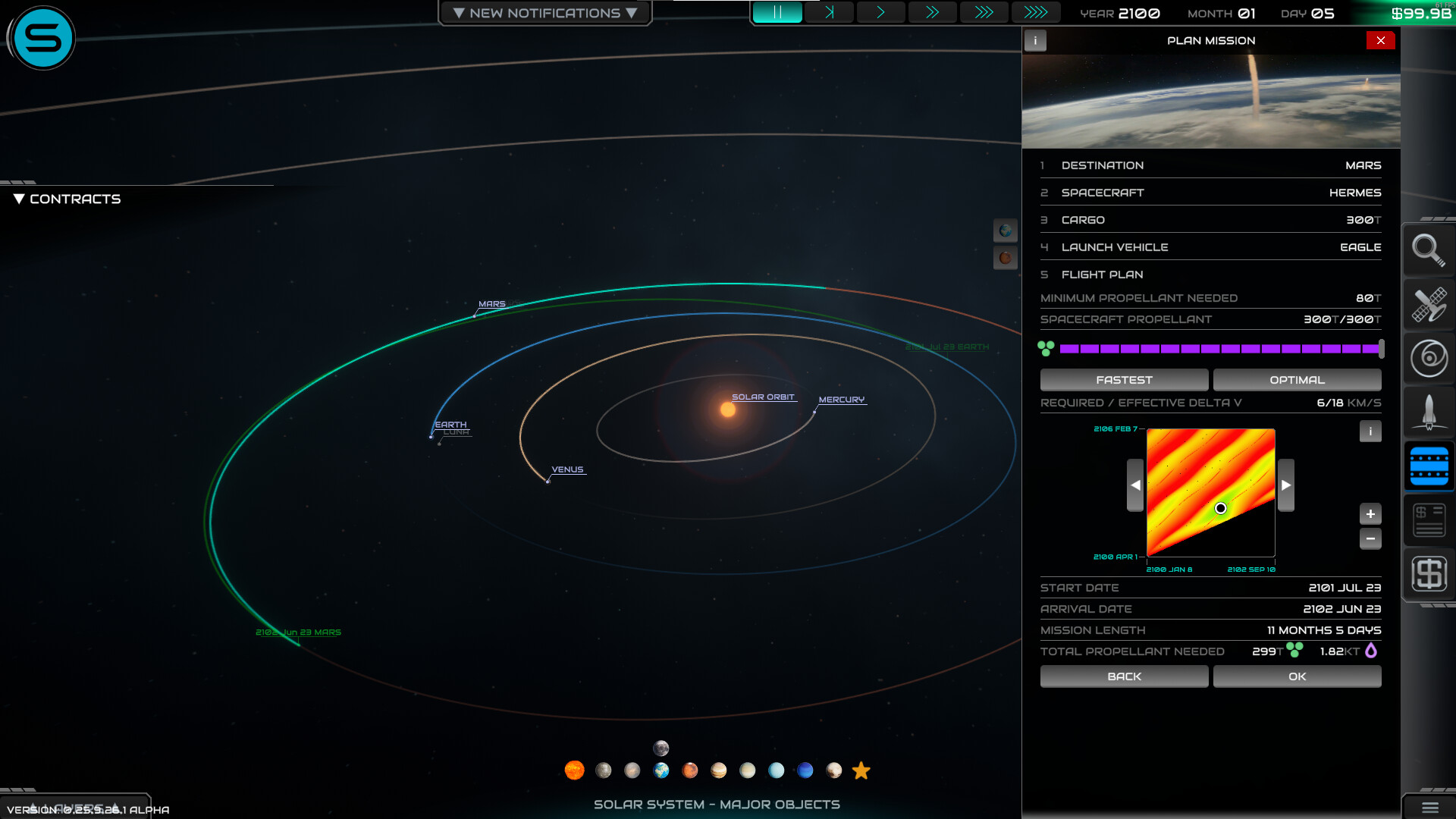
The core loop is gloriously methodical: scan, plan, build, launch and collect. You start with simple chemical rockets and telescopes, use arrays and probes to map resources in the asteroid belt, then schedule missions that must account for constantly moving targets. Each object orbits; distances change day by day, so timing and delta-v thinking matter. I found myself plotting slingshots and waiting for just the right transfer window like a pianist waiting for the beat — then cursing when I forgot a fuel margin. You don't fly rockets in first-person; you choreograph fleets, decide what craft to build, and route shipments back to Earth or to orbital depots. The satisfaction comes from watching a plan actually work: a probe lift off, loop the inner planets and return with ore, or a string of launches that gradually turns a tiny base into a bustling outpost.
When Numbers Become Narrative
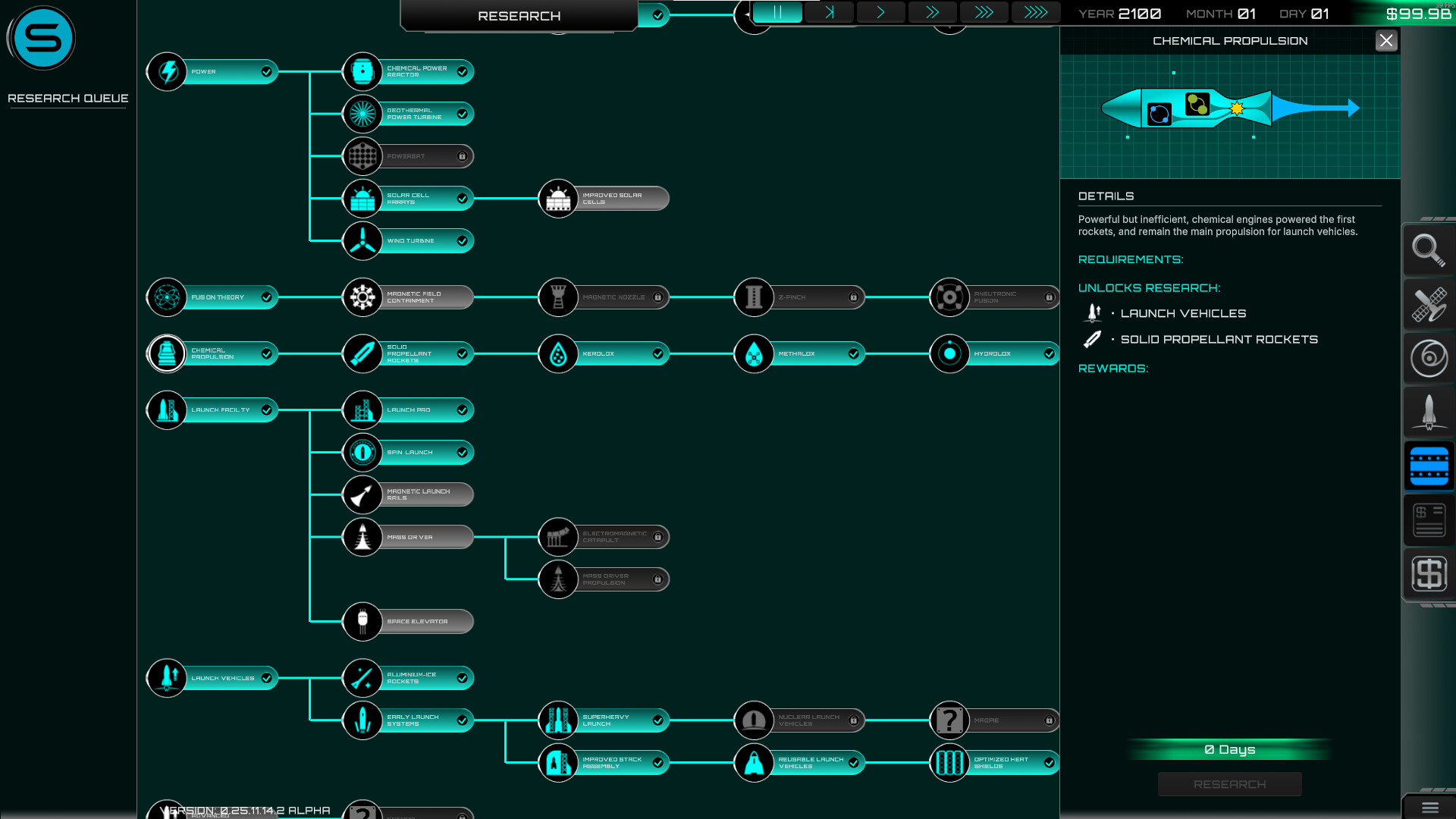
What sets Solar Expanse apart is how mechanical systems tell a story. The game leans into spreadsheety logistics but dresses them in space opera: telescopes reveal a promising water-rich asteroid, a slingshot saves fuel for your next rendezvous, and suddenly you’ve spawned a water-delivery pipeline to Mars. Research unlocks better engines and heavier lift vehicles; contracts push you toward building fuel stations, space catapults, or even elevators. The interplay of scanning tech, resource scouting and mission economics gives each decision weight — do I spend months building an orbital refinery now or do I milk shorter, profitable hauls? I liked that the sandbox can be approached as hands-off macro-management or as obsessive micro-optimization. Fair warning: it rewards patience and a taste for the satisfying click of routing resources and assigning modules.
A Solar System in the Screen
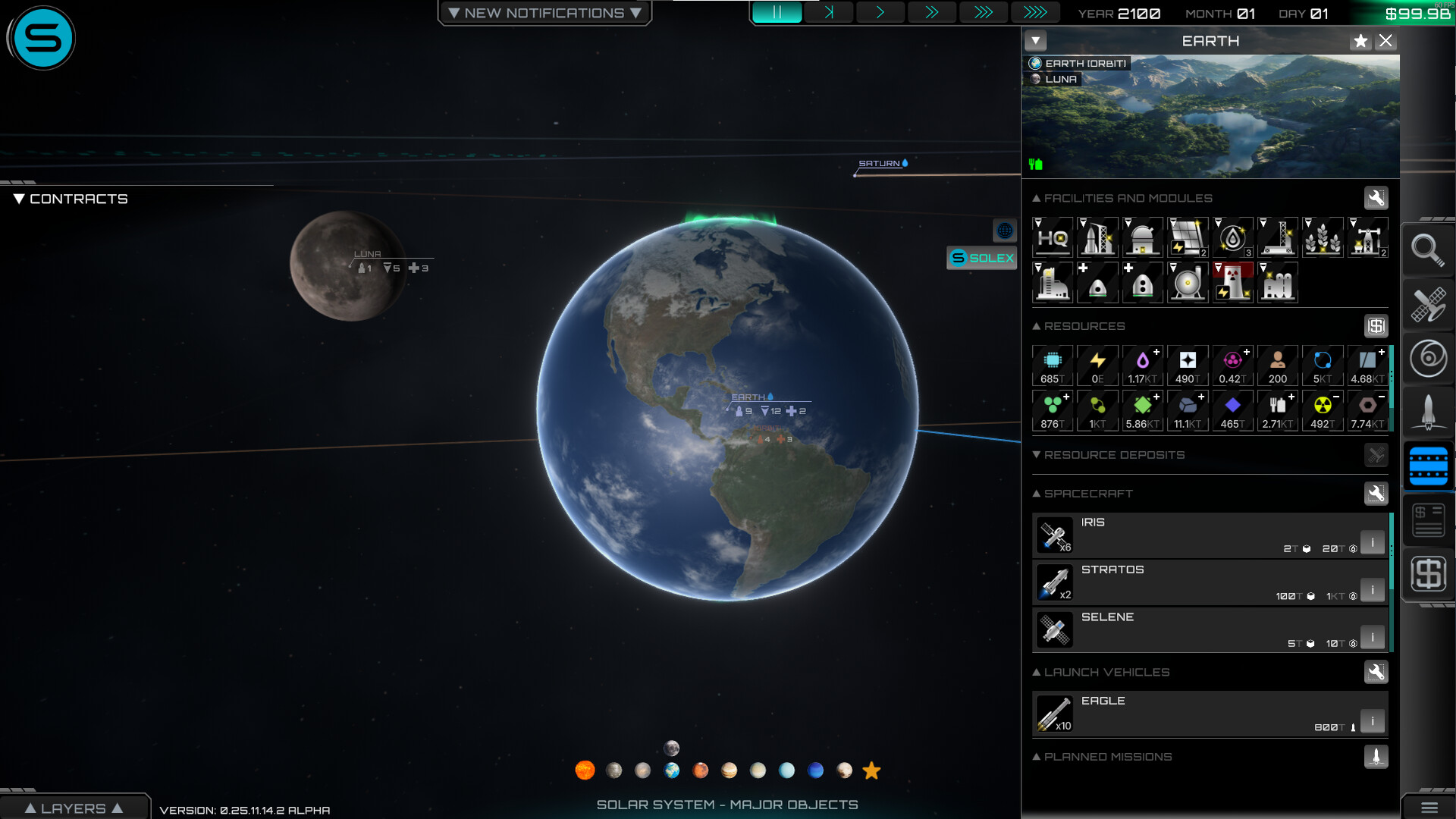
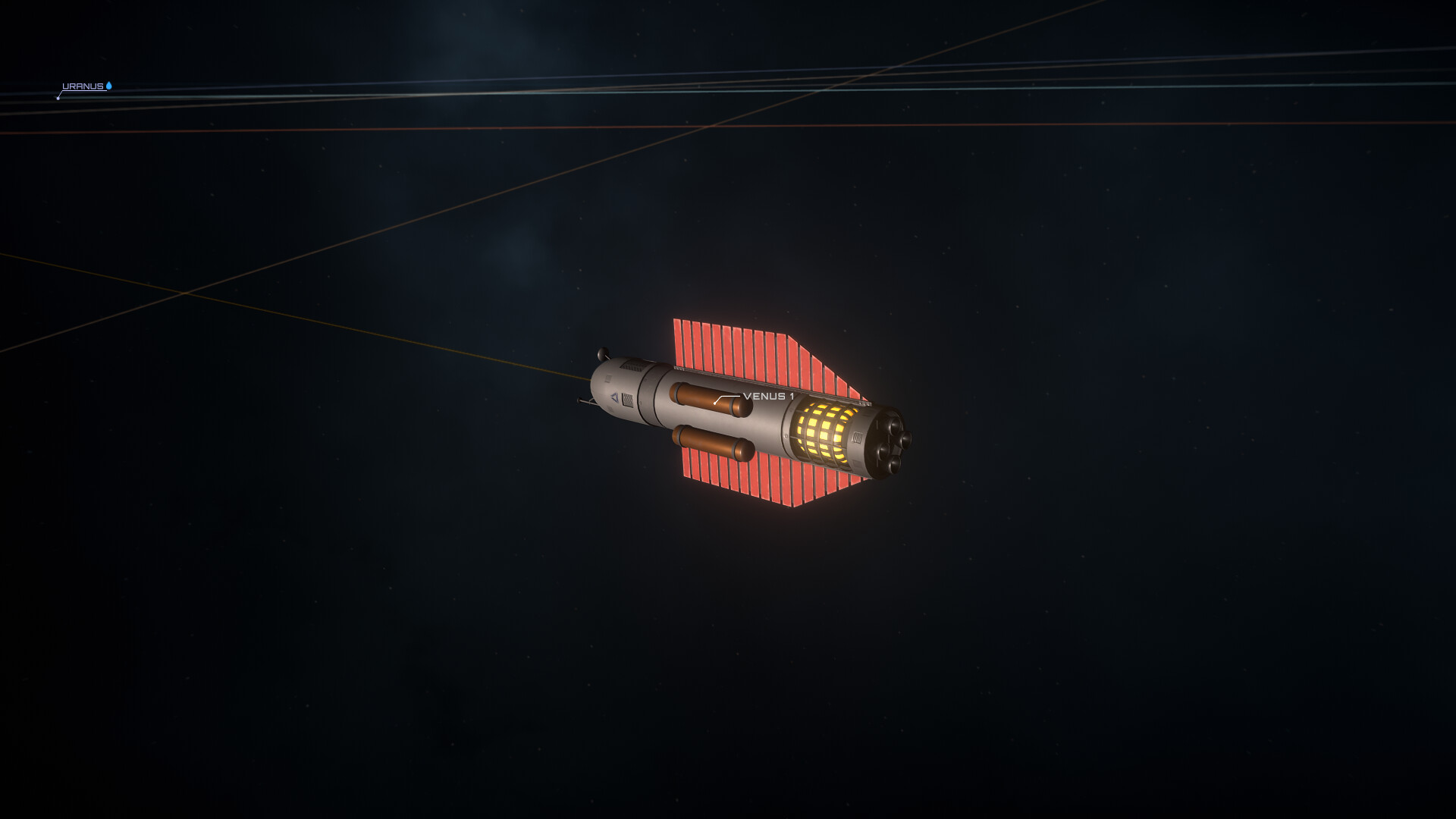
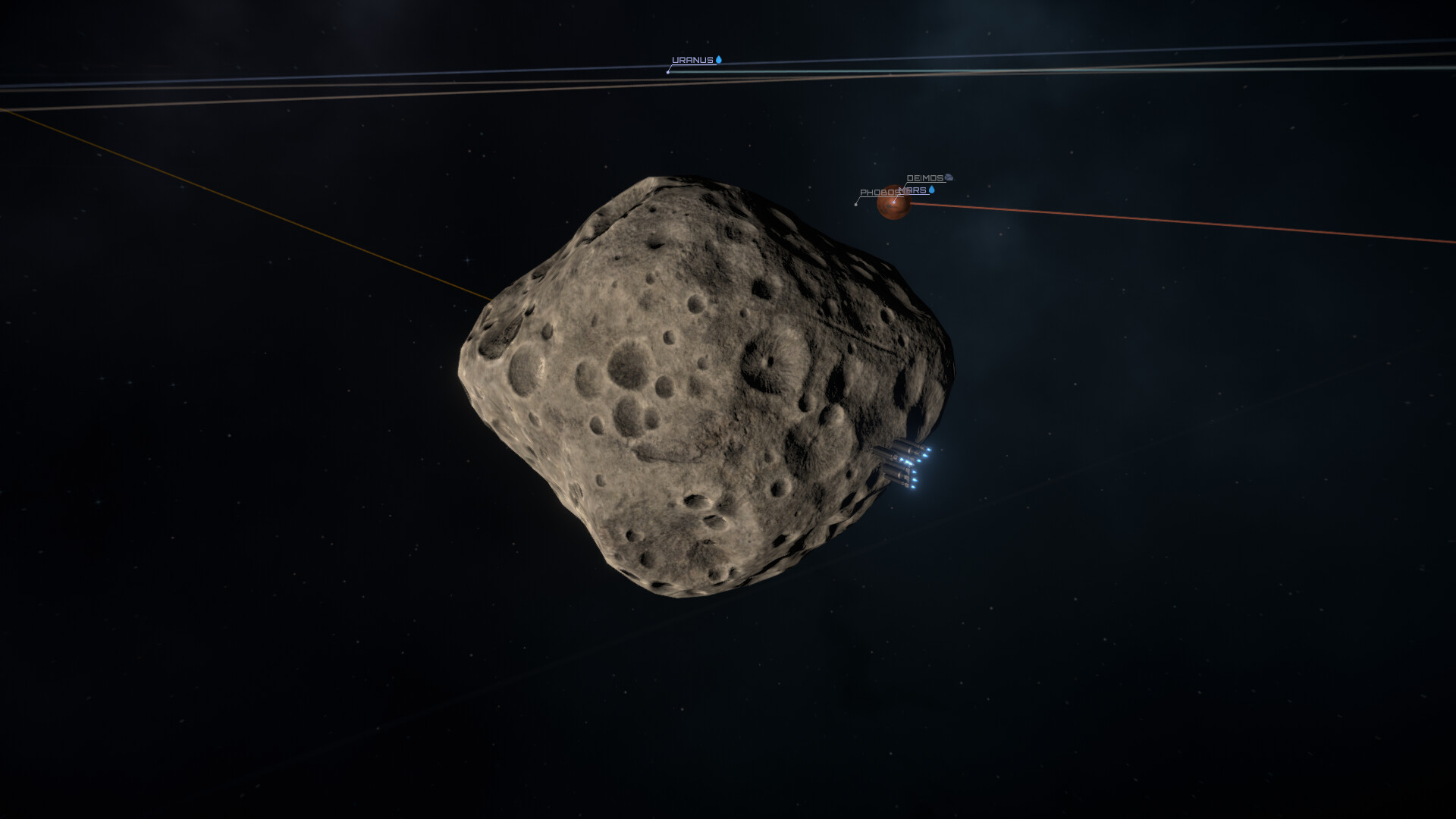
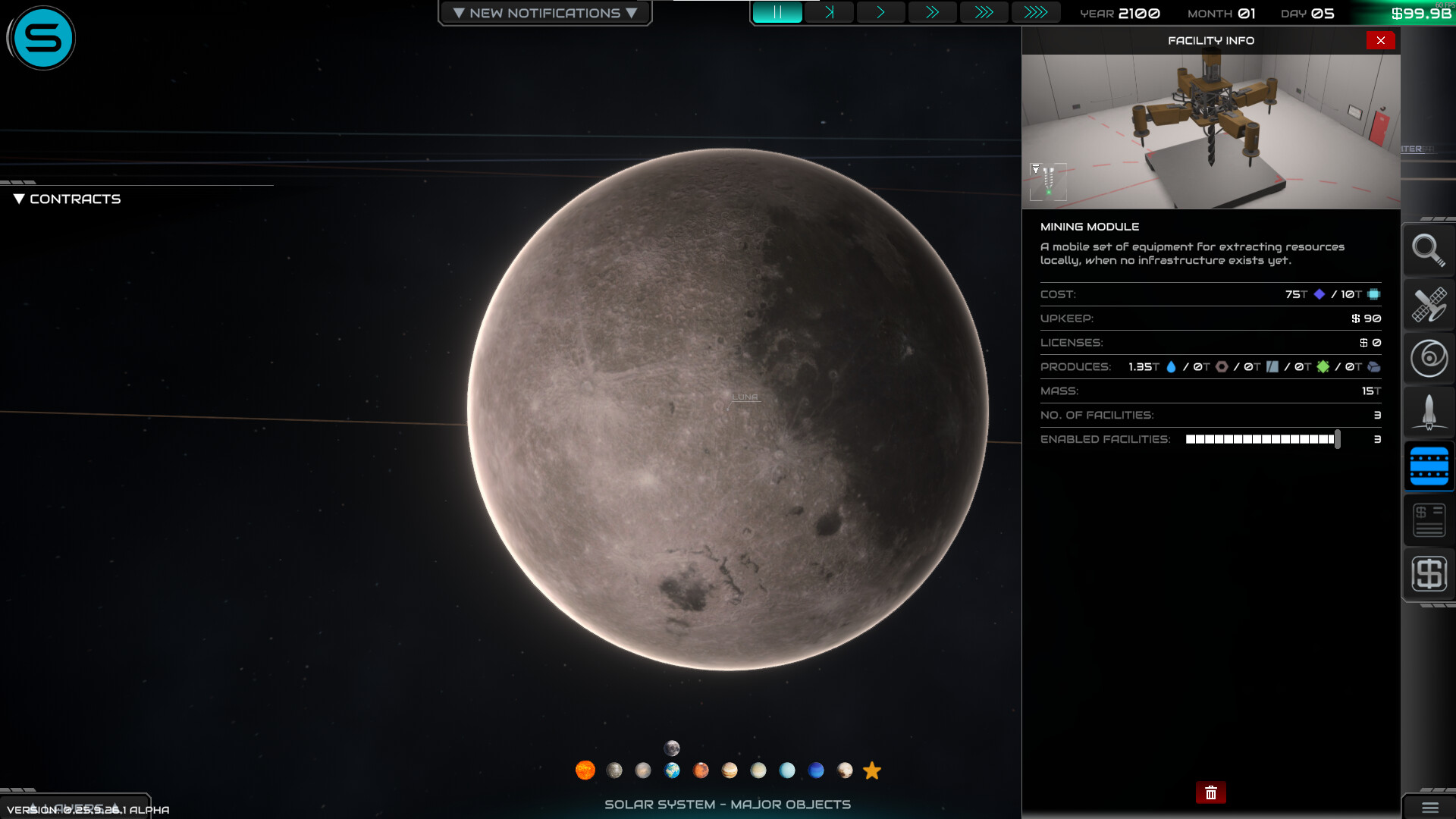
Visually Solar Expanse is functional and atmospheric rather than flashy. The planetary models and orbital motion look convincing — watching planets glide and launches trace arcs is oddly calming. UI and screens are dense: tabs for missions, research, marketplace and object lists wrap the interface, and while the tutorial does a solid job onboarding you, the UI can feel clunky during marathon sessions. Performance on my Windows rig was stable, but several users report dual-monitor and resolution hiccups — and some elements (icons, art) feel a little rough around the edges. Sound is subtle: ambient hums and interface blips keep the focus on planning. Overall it’s less about cinematic launches and more about the mental image of a growing industrial machine across the Solar System.
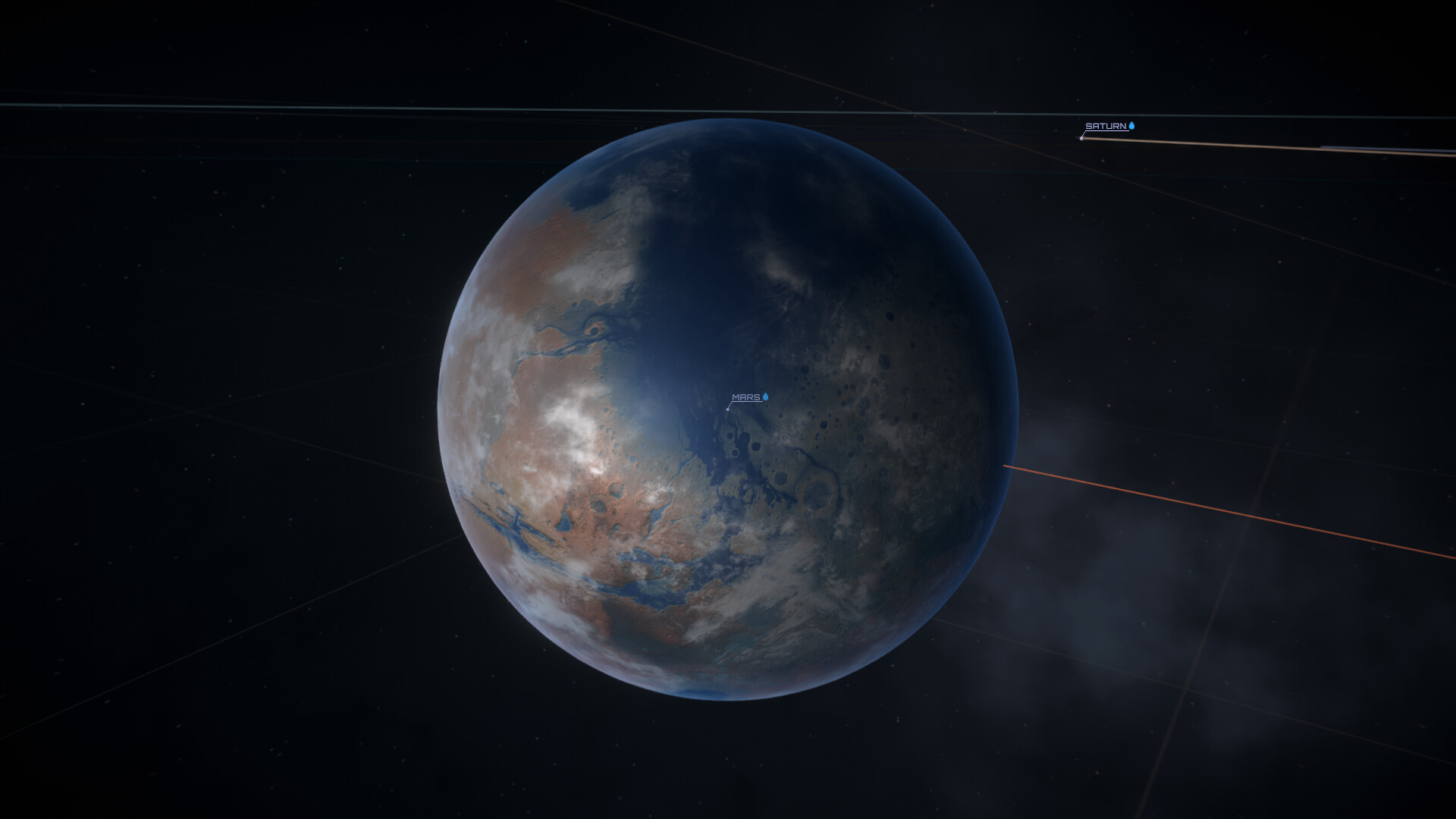
Solar Expanse is already a compelling space management sim: imperfect, clearly still growing, but full of smart systems and long-term goals that reward planning. Buy if you love logistics, orbital mechanics and slow-burn progression; wait if you hate Early Access quirks or need polished visuals right now. For me, the promise of turning solar rocks into a thriving colony is exactly the kind of carrot that keeps me coming back.
Pros
- Realistic orbital mechanics and satisfying planning loops
- Deep resource and logistics simulation with long-term goals
- Active, responsive devs and a welcoming community on Discord
- Great onboarding and tutorial for a complex simulator
Cons
- UI can be clunky and some art feels placeholder
- Still Early Access: bugs, dual-monitor/resolution issues reported
- Micromanagement can become repetitive without automation
Player Opinion
Players repeatedly praise Solar Expanse for its convincing, realistic approach to space logistics and how the game scratches that Kerbal/tycoon itch without forcing arcade-style flying. Many reviews mention a strong tutorial, steady improvements since alpha, and a responsive dev team active on Discord. Common criticisms are the clunky UI, occasional bugs (especially with multi-monitor setups), and repetitive manual resource routing — users often ask for more automation. If you like Stellaris’ grand strategy loops or KSP’s orbital puzzles but prefer macro control, you’ll likely enjoy this one.