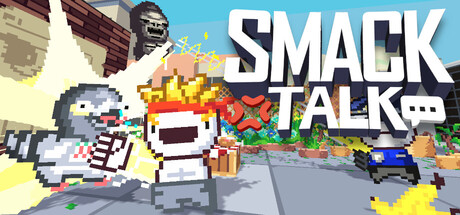





Smack Talk Review — Voice-Activated Platform Fighter for Friends
Smack Talk turns insults into weapons: a chaotic 1–4 player platform fighter where you shout moves to attack. Hilarious, social, and oddly strategic — but early access kinks like lobby bugs and balance issues remain.
I didn’t think screaming at my PC would be the highlight of my week, but Smack Talk pulled it off. It’s a party platform fighter where voice recognition is the primary input for attacks, ultimates and taunts — a gimmick that actually becomes a skill. If you grew up on Smash-style chaos and late-night mayhem, this game scratches that itch with a ridiculous grin. It’s delightfully silly most of the time, and maddeningly buggy at others — a true Early Access love letter with teeth.
Yelling, Jumping, and Chaotic Combos
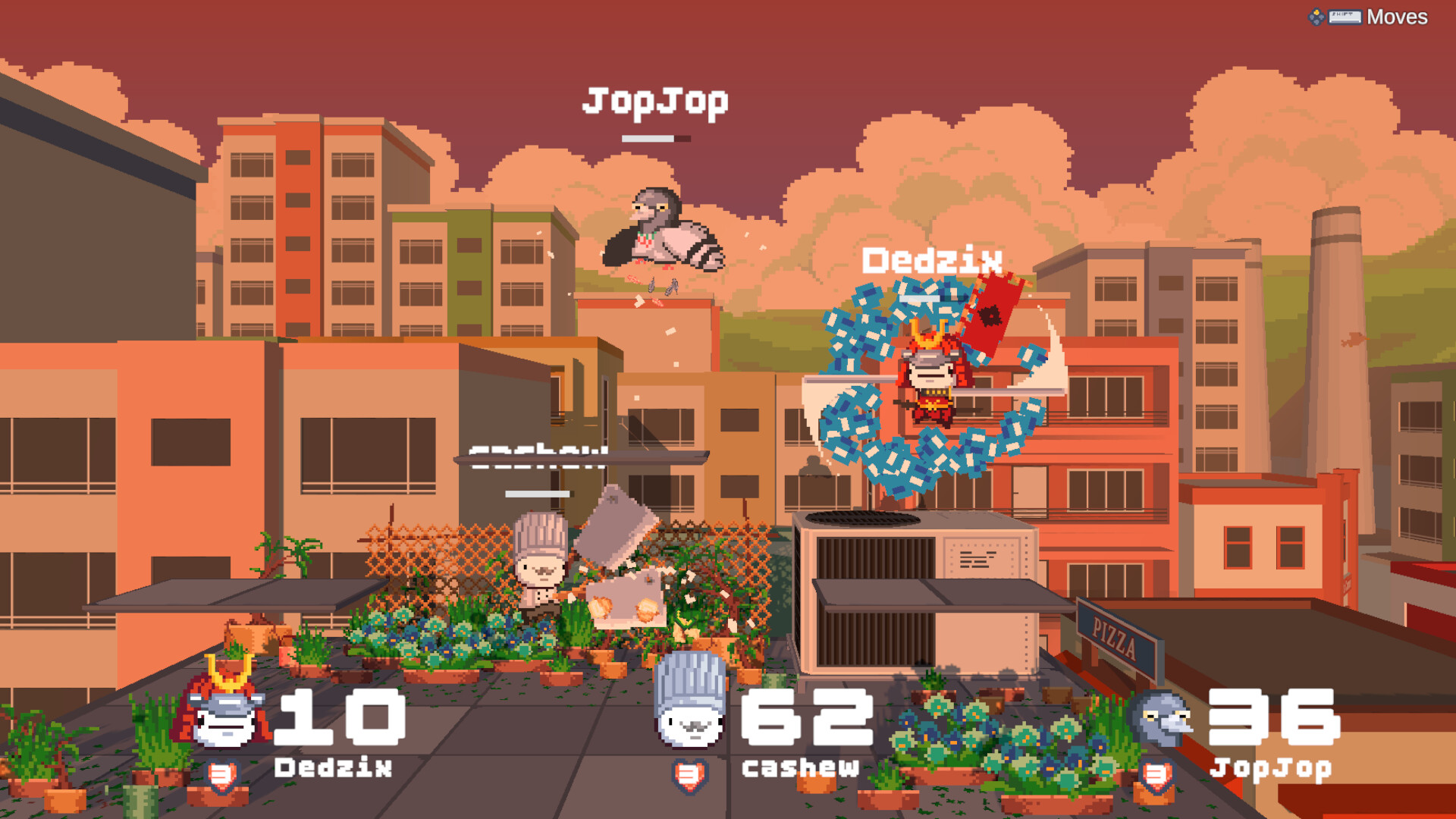
At its heart Smack Talk plays like a compact platform brawler: you move, jump, tech, and try to launch opponents off stage. The twist is that attacks are triggered by speaking specific phrases into your mic — everything from a short jab to a charged ultimate requires you to shout the line. That makes timing and voice control part of the skill ceiling: miss the line, or get muffled by a laugh, and you eat a punish. Matches are short, frantic rounds best with 2–4 players online; the goal is classic last-one-standing knockouts with a percent-based damage and knockback curve similar to Smash.
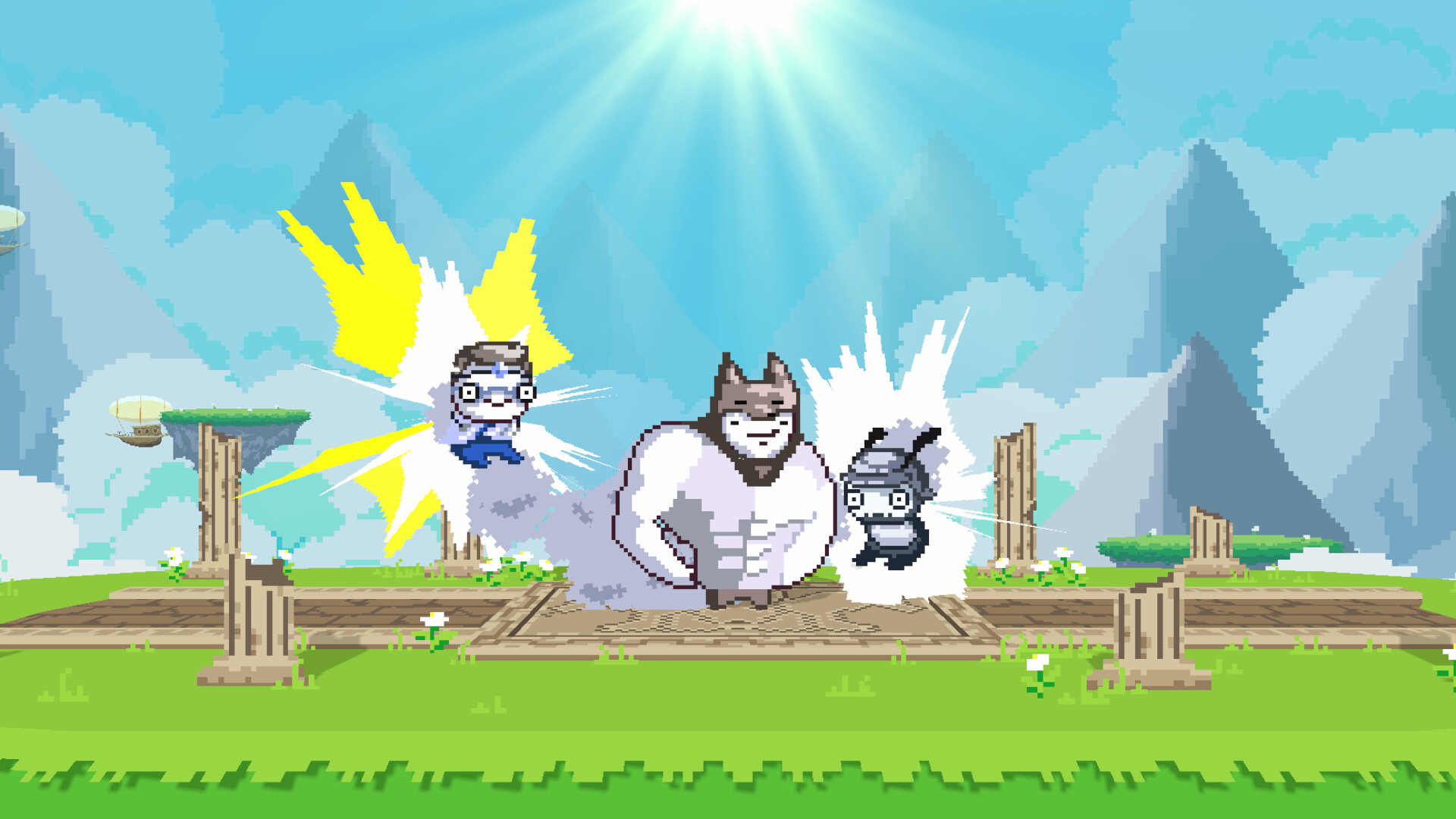
I found the movement surprisingly responsive — dash, aerials, and platform interaction feel familiar — while the voice commands add a layer of unpredictability. You’ll learn which lines are quick to spit out, which ones are awkwardly long, and how to weave verbal combos into movement. There are maps with different geometries that encourage stage control or camping, and each character has a unique cast of phrases and an ultimate that can swing a round.
When Insults Become Tools: Characters and Voice Mechanics
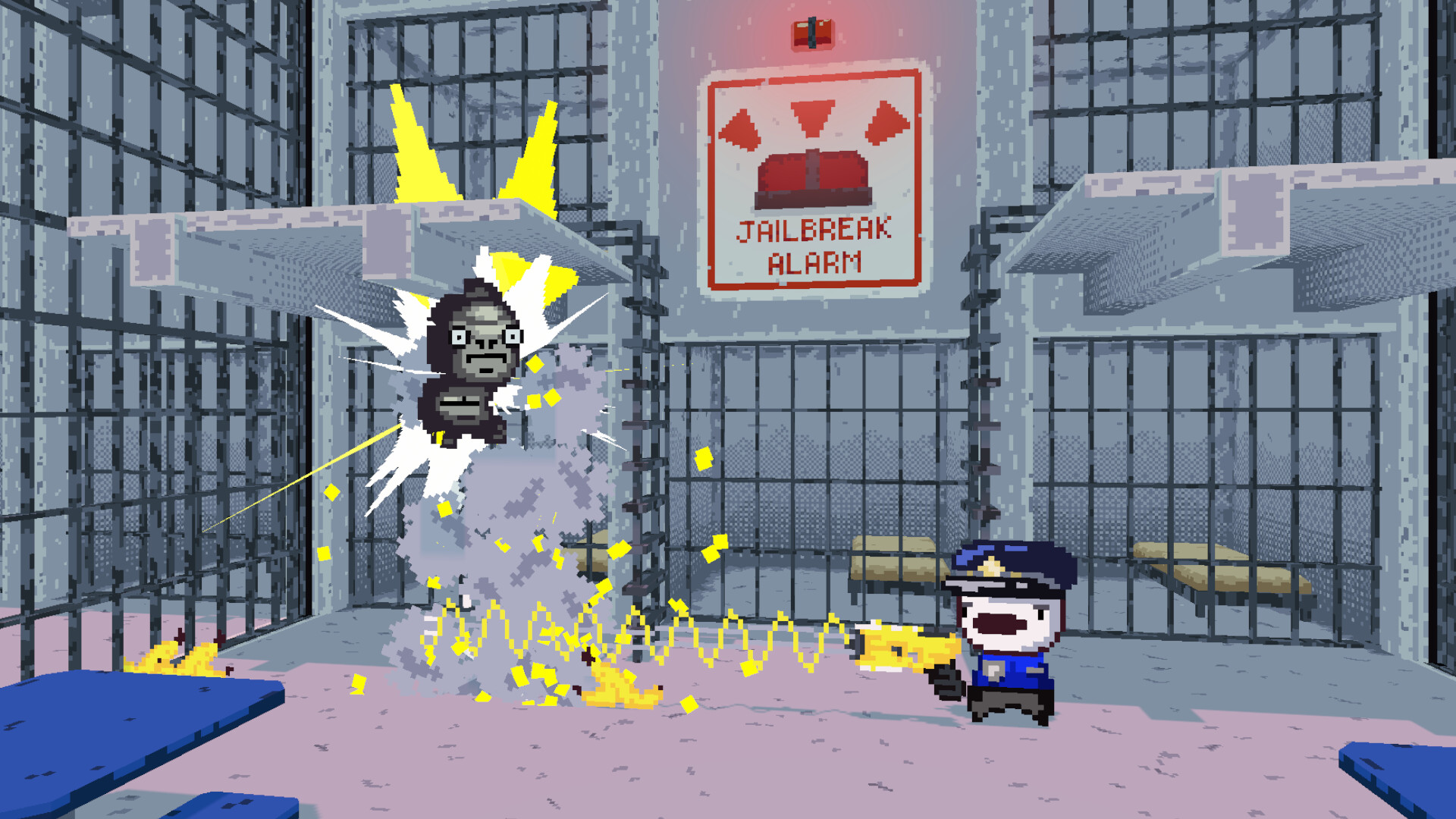
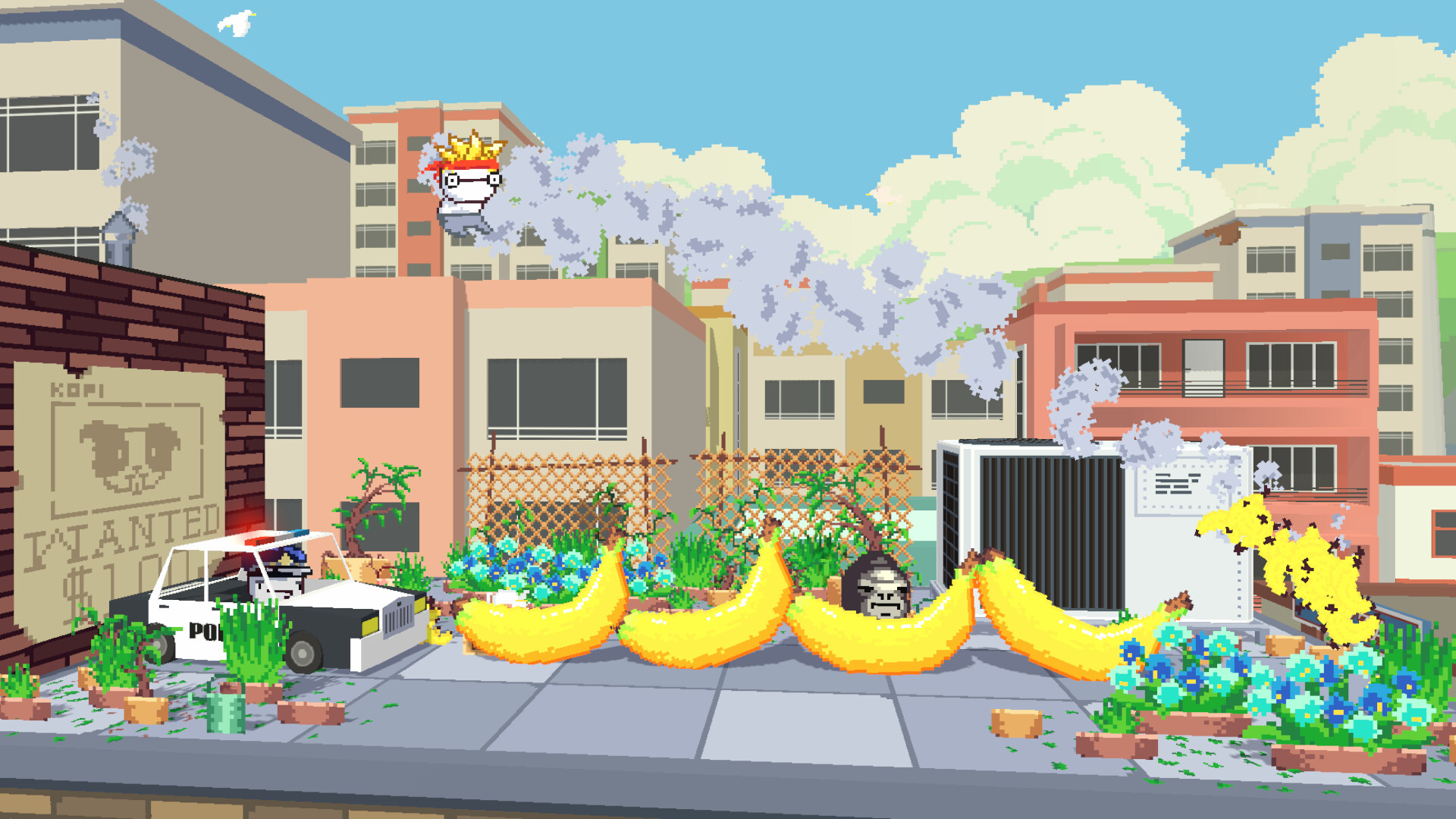
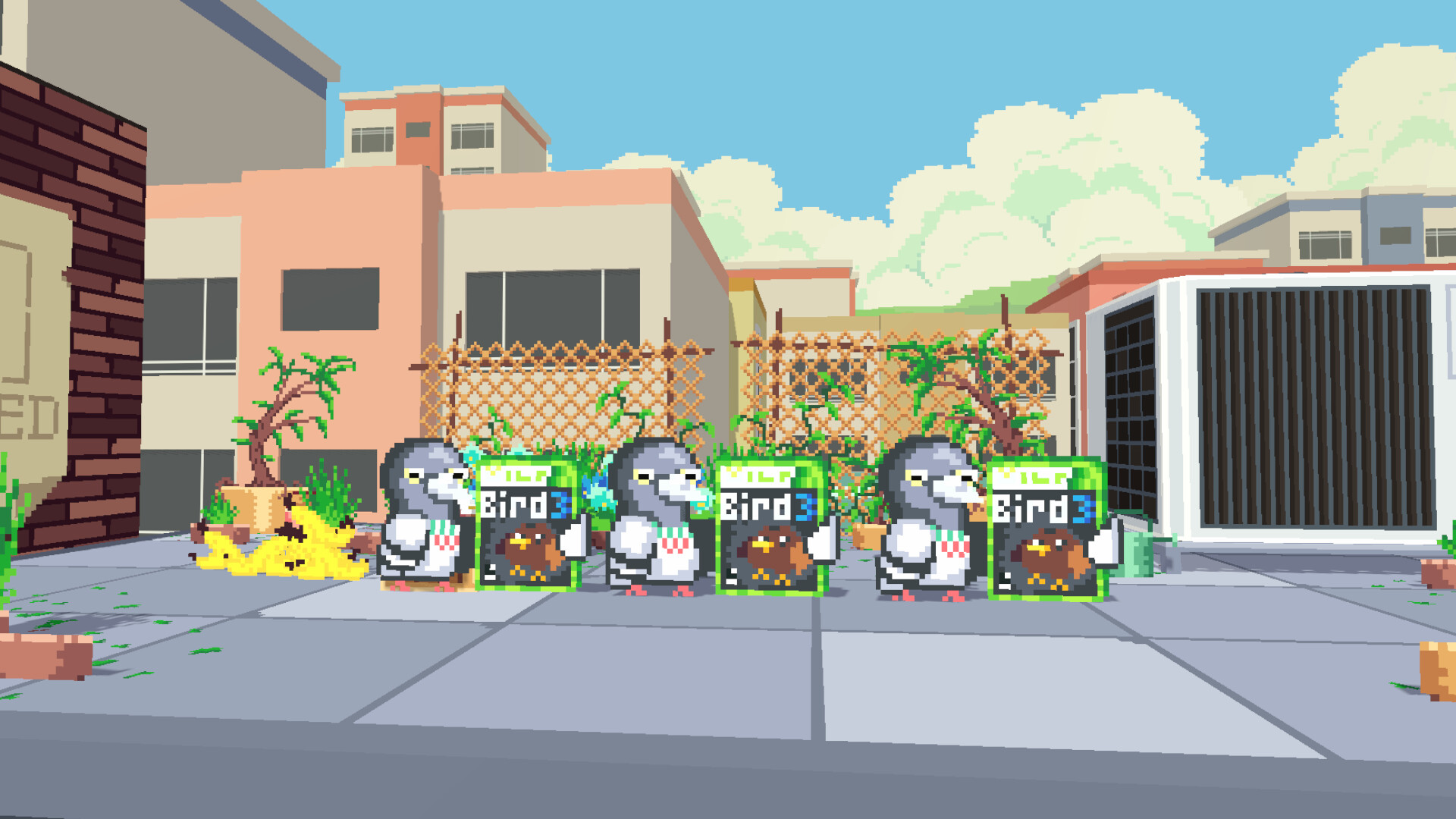
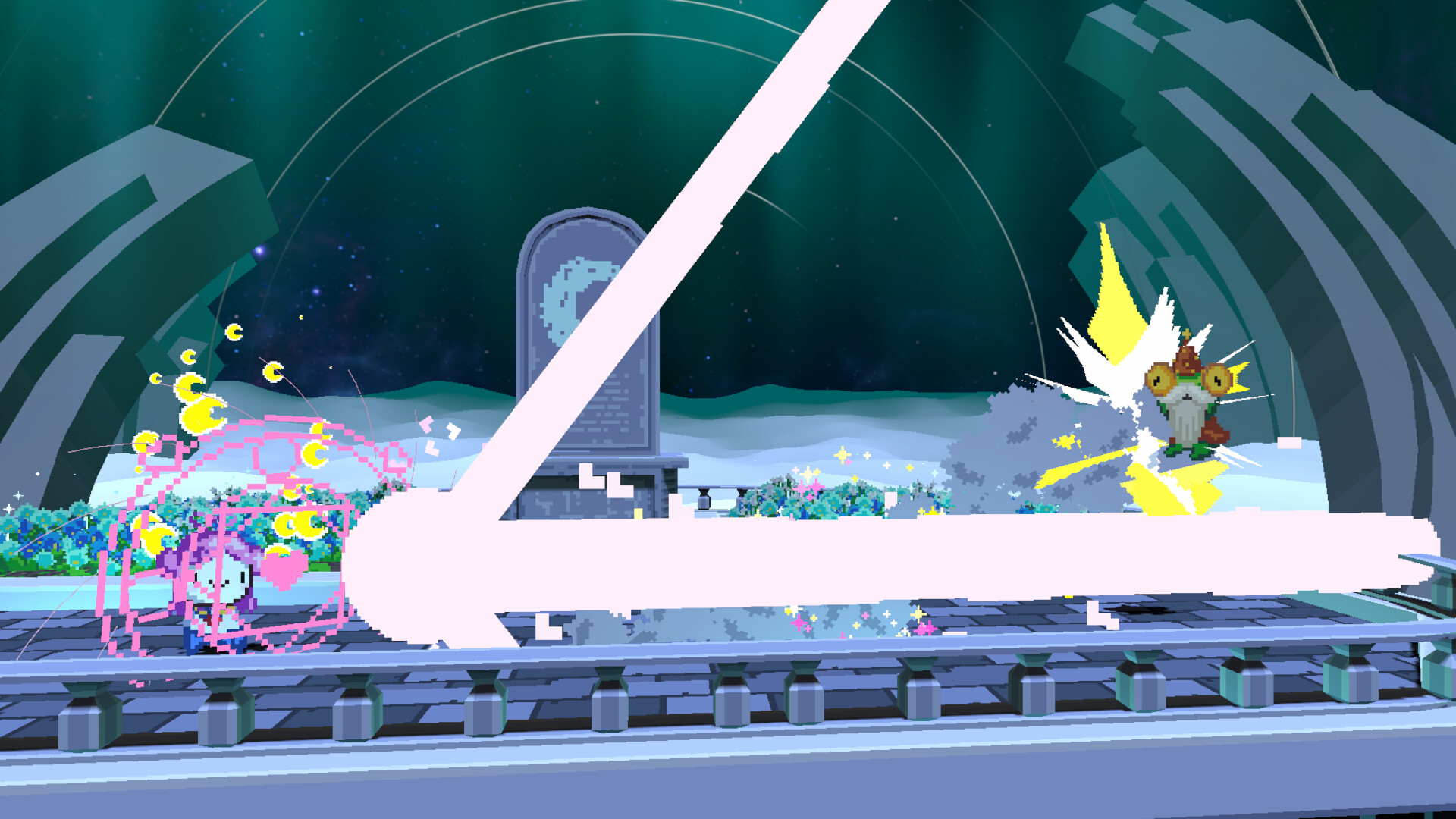
What makes Smack Talk stand out is the marriage of character design and voice lines. Each fighter has personality — from a pirate pigeon to a wizard frog — with signature moves that match their trope. Some characters are designed for spammy zoning (looking at you, cop), others for in-your-face burst combos. The developers clearly leaned into the comedy: some moves are deliberately absurd (and therefore memorably fun), while others feel unbalanced in practice. The voice-recognition engine is impressively tolerant: it usually picks up lines across different accents and setups, which is why so many players gush about the novelty. But there are moments where microphones, headsets or accent quirks break the flow and make attacks fail to register.
Beyond character quirk, the game encourages emergent antics: people invent chant-combos, lobby meta and silly team rituals. I loved discovering routes where short phrases chain into heavy knockbacks, and the social element — laughing at each other mid-combo — is the real draw.
A Slightly Rough but Charming Presentation
Visually Smack Talk uses a 2.5D pixel-art aesthetic: chunky, colorful sprites on slightly 3D maps. It’s charming rather than polished, and that tone matches the game’s goofy energy. Sound design is key — attack lines, grunts, and the triumphant clang of a knockout sell the chaos. Performance is lightweight; I ran it smoothly on modest hardware. Accessibility-wise there’s room to improve: more options for mic calibration, offline bots, and clearer UI for voice sensitivity would make it friendlier for solo players or streamers. Currently the game thrives in social sessions, but single-player or those without friends online can feel locked out by lobby problems.
Smack Talk is a brilliantly silly and original party fighter that turns voice into a gameplay mechanic. It’s an absolute blast with friends and offers moments of genuine hilarity, though Early Access roughness — matchmaking, occasional bugs and balance issues — means it’s not yet a polished competitive staple. Buy it if you want a cheap, chaotic party game for nights with pals; wait if you need flawless online matchmaking or solo content right now.
Pros
- Genuinely funny and social party gameplay built around voice controls
- Unique character roster with charming designs and memorable moves
- Lightweight performance; runs well on modest machines
- Excellent for local/online friend groups and game nights
Cons
- Public lobbies and matchmaking are still flaky and unreliable
- Some characters feel spammable or unbalanced; needs tuning
- Voice recognition can misfire depending on mic, accent or headset
Player Opinion
Players overwhelmingly praise Smack Talk for its chaotic fun and social energy — calling it a perfect party game and an original twist on the platform fighter. Many reviews highlight how well the voice recognition works in normal sessions and how hilarious combos feel when friends scream lines in unison. Common criticisms focus on technical kinks: public lobbies can be broken, joining sessions sometimes fails, and some users report crashes or their mic not being recognized. Balance is another recurring theme: several characters (cop, goose, etc.) are described as spammy and in need of nerfs. People also ask for more characters, offline bots, and better lobby options so solo players can enjoy the game without a friend group.