



Skeleseller Review – Cozy Idle-Lite with a Merchant’s Heart
I played Skeleseller end-to-end: a laid-back auto-battler where you run a town, hire adventurers, sell loot and relax. Charming art, catchy music and a short but satisfying loop—great for a cozy evening.
Skeleseller immediately hooked me with its premise: you die on a quest, return as a skeleton shopkeeper and build a business around other people's adventuring misfortunes. It's not trying to be an endless incremental; instead it delivers a compact, well-paced experience that respects your time. Think Moonlighter-lite meets a chilled out town-builder — with the soul of a merchant simulator that actually wants you to sell things. If you like cozy loops, easygoing strategy and a sense of closure when you finish, this one lands nicely.
Dead, Then Hired: Running the Skeleton Shop
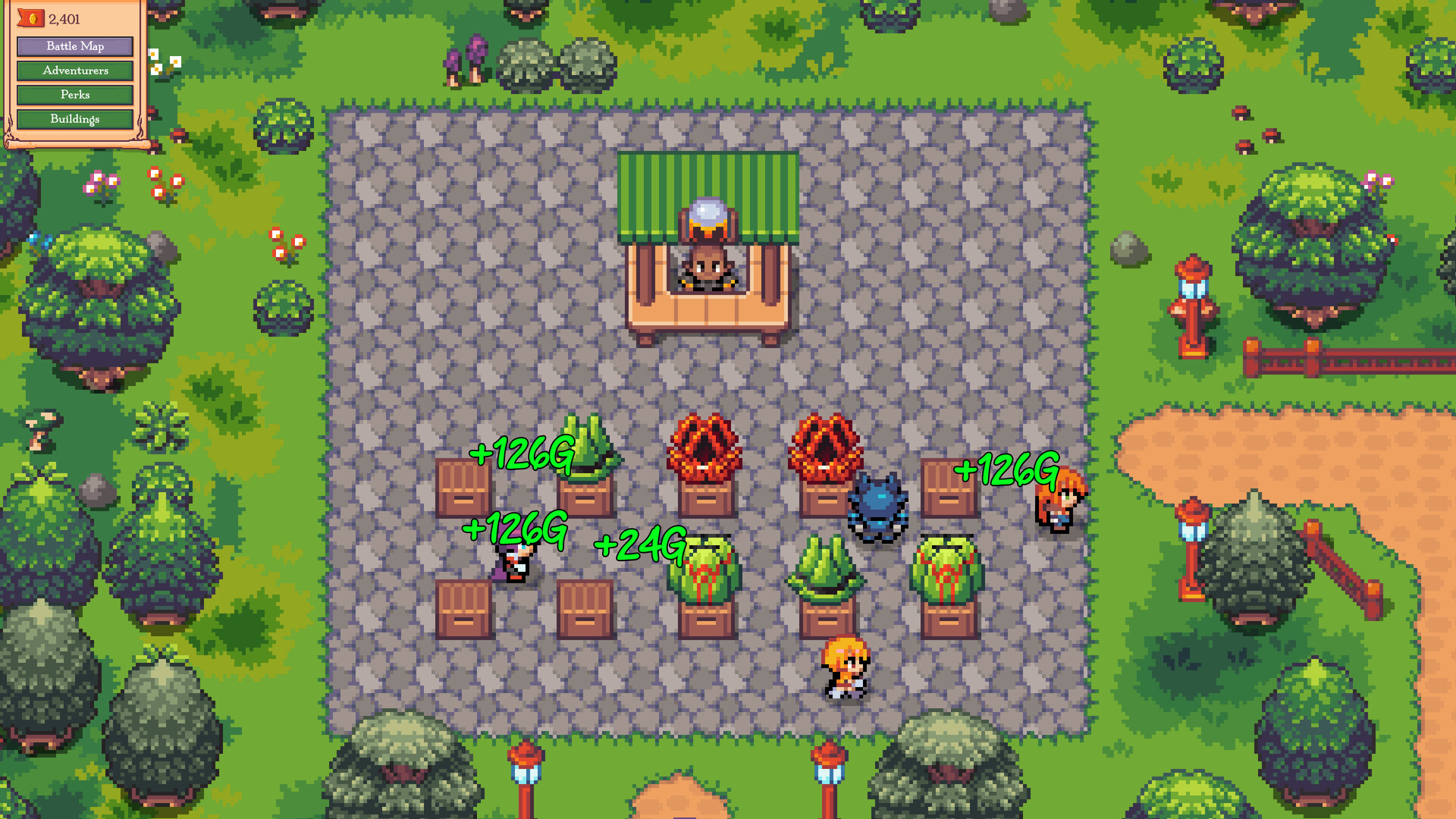
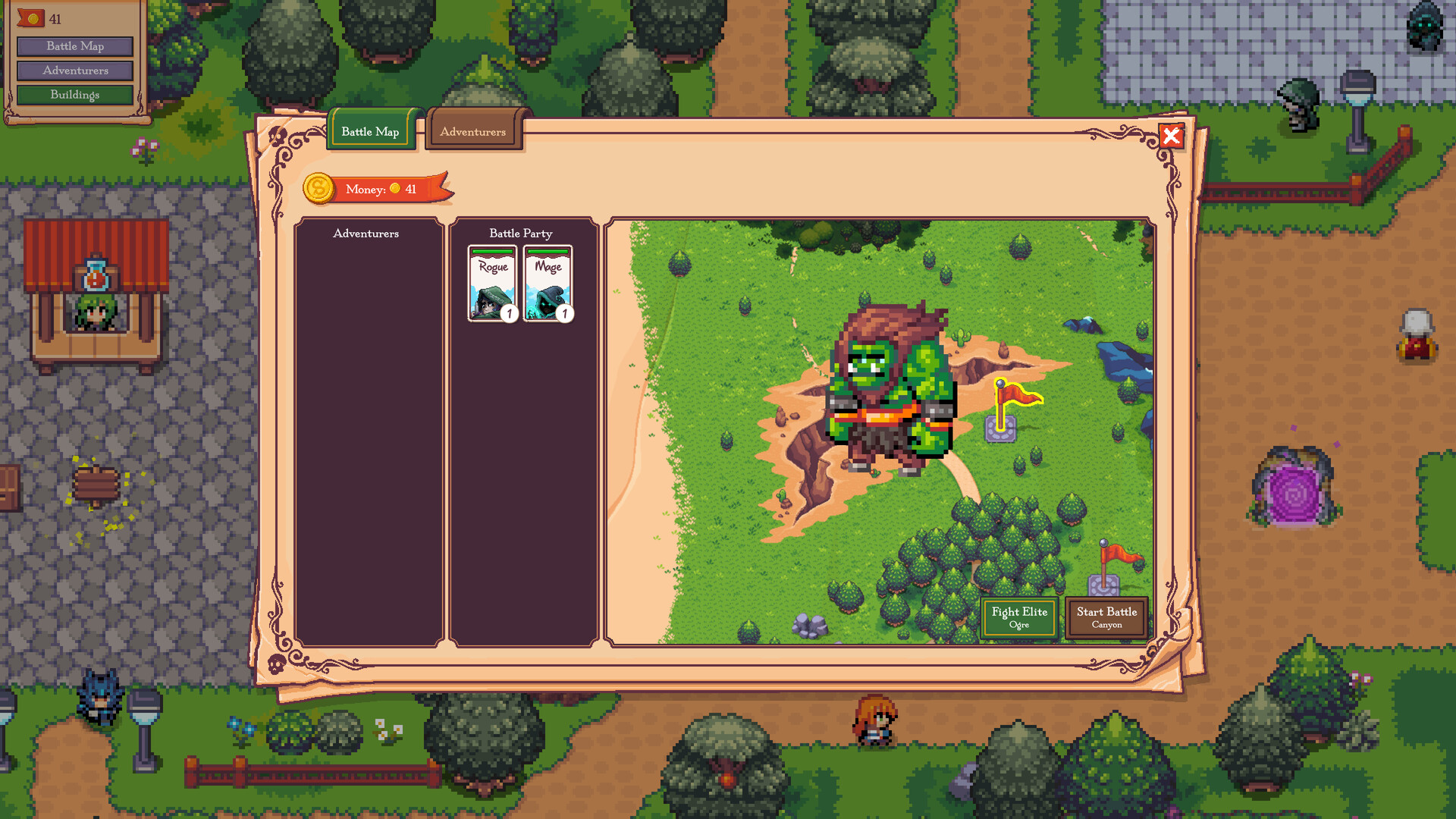
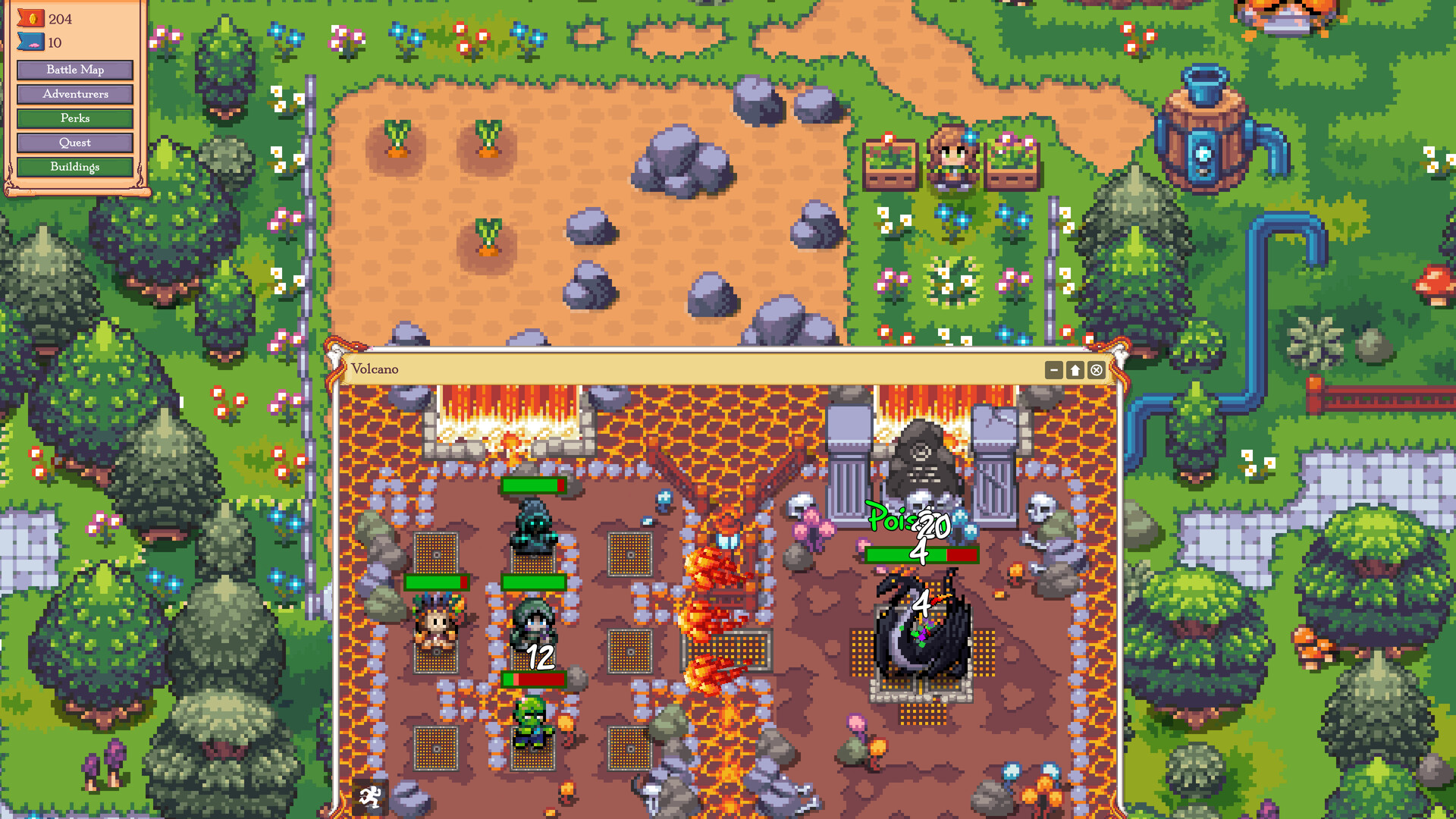
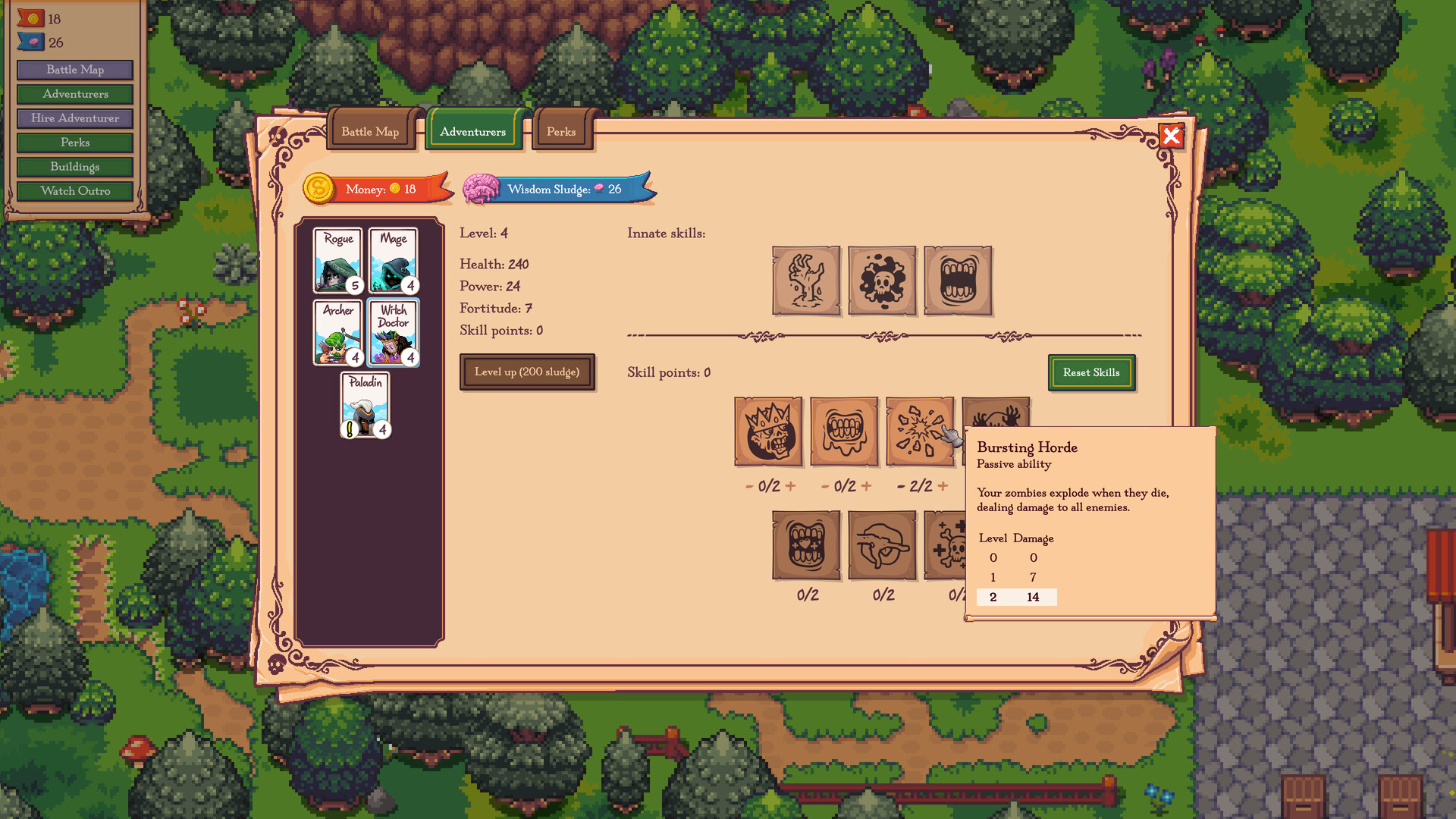
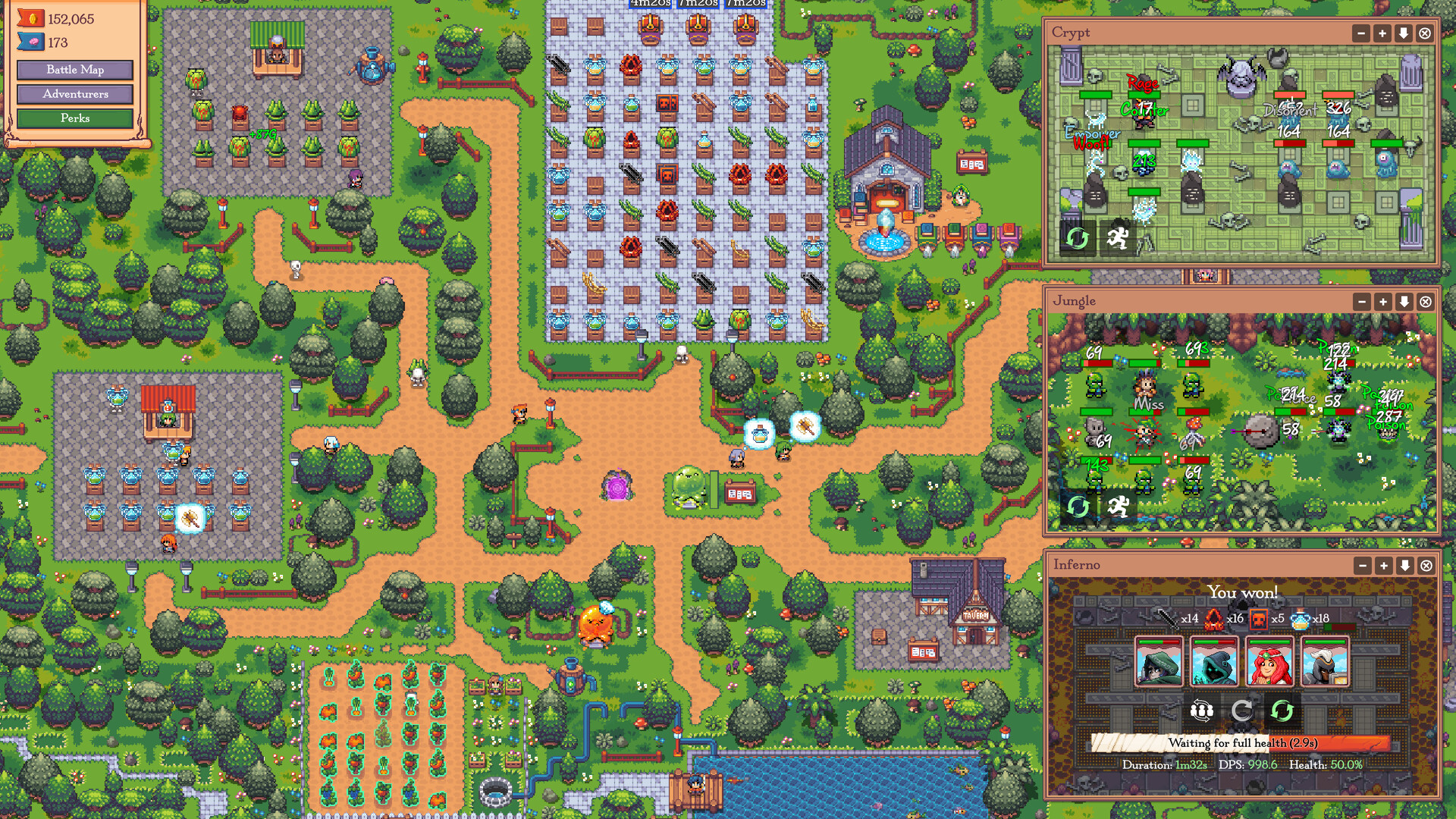
The everyday loop of Skeleseller is deliciously simple: hire adventurers, gear them with passive skills, send them into auto-battles, collect loot and sell it. I found myself smiling as my ragtag party of mercs clumsily slugged through slimes and skeletons while I prioritized which market stalls to upgrade. You’re never babysitting individual combat frames — the battles resolve automatically — but high-level decisions like party composition, skill swaps and where to send your teams matter. The pacing is relaxed; you can check in, tweak a few things, and log off without penalty. That makes it a perfect short-session game, or something to sip on while you watch a stream.
When Selling Feels Like Strategy
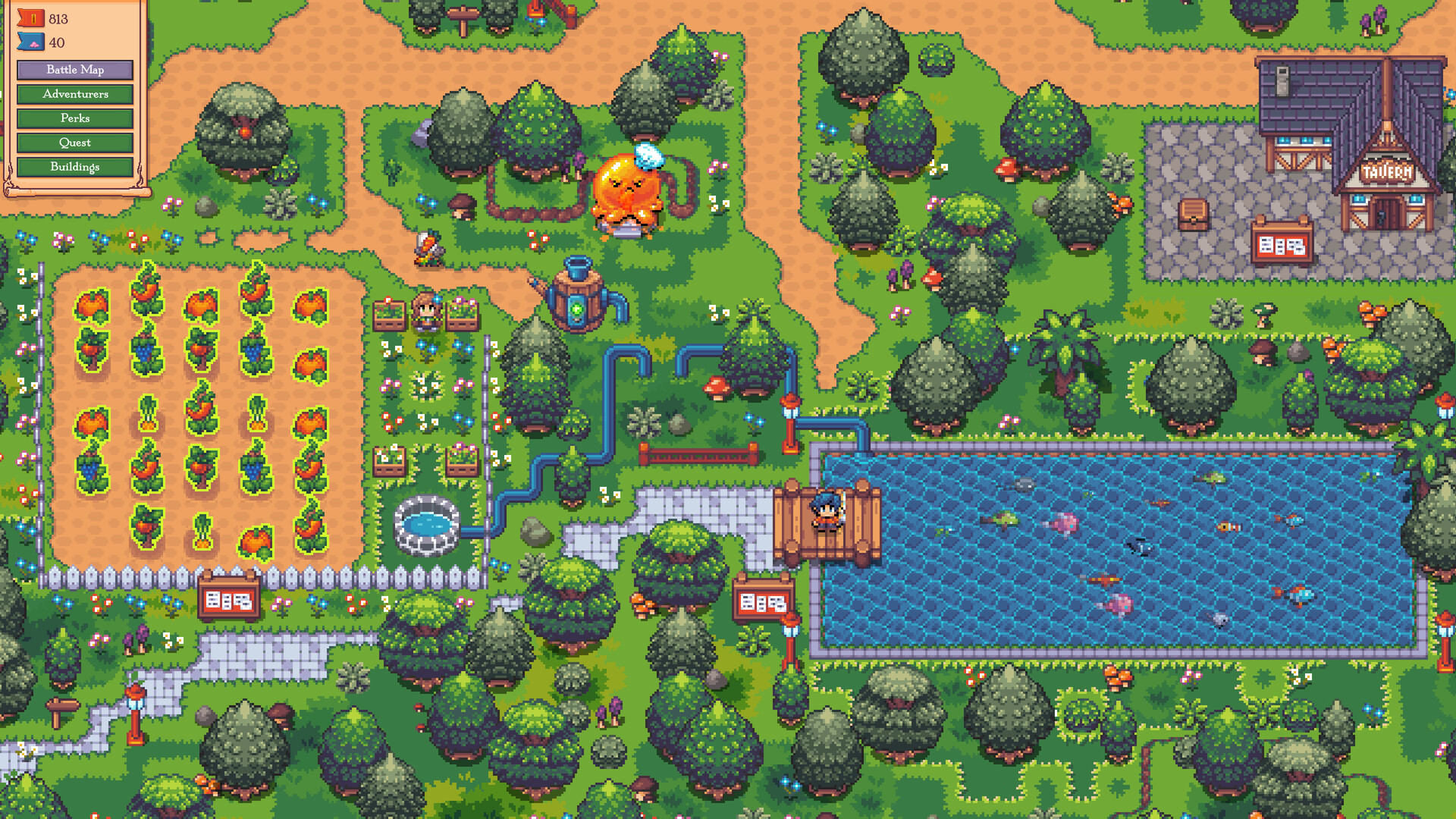
What sets Skeleseller apart from other idle-ish titles is how central the merchant loop is. Selling isn’t just a passive income number: it’s the engine of progression. Pricing, inventory management, and which vendors to staff become micro-strategies. I loved the little moments where I manually restocked a shop to push past a gate or harvested crops to afford a key upgrade — it felt tactile and rewarding despite the overall hands-off vibe. The game also intentionally avoids astronomical numbers and pointless prestige systems; everything stays readable and human-scaled. That design choice keeps experimentation fun: you can reassign adventurer skills freely to test combos without long-term punishment.
A Tiny World That Looks and Sounds Nice
Skeleseller’s pixel art leans into a classic JRPG aesthetic with chunky sprites and expressive NPCs. The soundtrack is quietly excellent — bouncy town tunes that loop without wearing out their welcome — and sound effects give fights and sales satisfying weight. Performance was rock-solid on my machine across Windows and Linux, and accessibility is thoughtful: repeated explanations and forgiving progression mean you won’t get stuck in obscure systems. Visually it isn’t trying to blow your mind, but the personality in the writing, the little flavor texts and the cute enemy designs (slimes! zbombies!) make the world feel alive. I did notice some UI crampedness when inventory piled up, but it never stopped the fun.
Skeleseller is a small, well-made gem: cozy, strategic in the right places and refreshingly finite. It won’t replace massive RPGs, but it’s perfect for players who want a bite-sized, polished experience with personality. Buy it if you like relaxed management, auto-battles with meaningful choices and a soundtrack you’ll hum on the bus. If you demand deep gear min-maxing or dozens of hours of content, wait for more updates.
Pros
- Cozy, readable progression that respects your time
- Lovely soundtrack and charming pixel art
- Meaningful merchant mechanics instead of pointless inflation
- Polished, runs well on Windows/Mac/Linux
Cons
- Story mode is short; some players will want more content
- Lacks deeper equipment/customization systems some expect
- Inventory/UI can feel cramped at times
Player Opinion
Players repeatedly praise Skeleseller’s charm, music and the relaxed pacing. Many reviews highlight how the game ‘respects your time’—you can finish the finite story mode in a few hours without feeling cheated, and then try challenge modes if you want more. The community also admires the developer’s responsiveness and polish; several reviewers mentioned following the dev’s streams and seeing the game evolve. Criticisms coalesce around length and depth: a number of players wanted an equipment/shop-building layer or more heroes and levels for extended replayability. Others don’t enjoy the extra challenge mode, but most agree the base loop is satisfying and well-balanced.