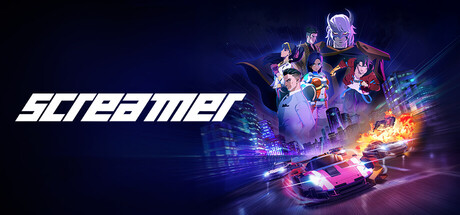




Screamer Review – Neon Combat Racing That Actually Demands Skill
I spent hours learning Screamer's twin-stick driving, its ECHO combat and its anime-flavored story — a risky, stylish arcade racer that rewards patience but stings your wallet.
Screamer is one of those rare racing games that actually tries something different: a visual‑novel framed tournament with cars that fight using an ECHO system and a twin‑stick driving scheme that takes time to master. If you’re tired of photorealistic festival racers and want raw, arcade chaos with 90s‑anime vibes and a thumping soundtrack, Screamer will grab your attention. It’s stylish, loud and occasionally brutal — a frontline experiment from Milestone that sometimes soars and sometimes stumbles. I went in skeptical and left with sweaty palms and a playlist on repeat.
Racing Like a Showdown
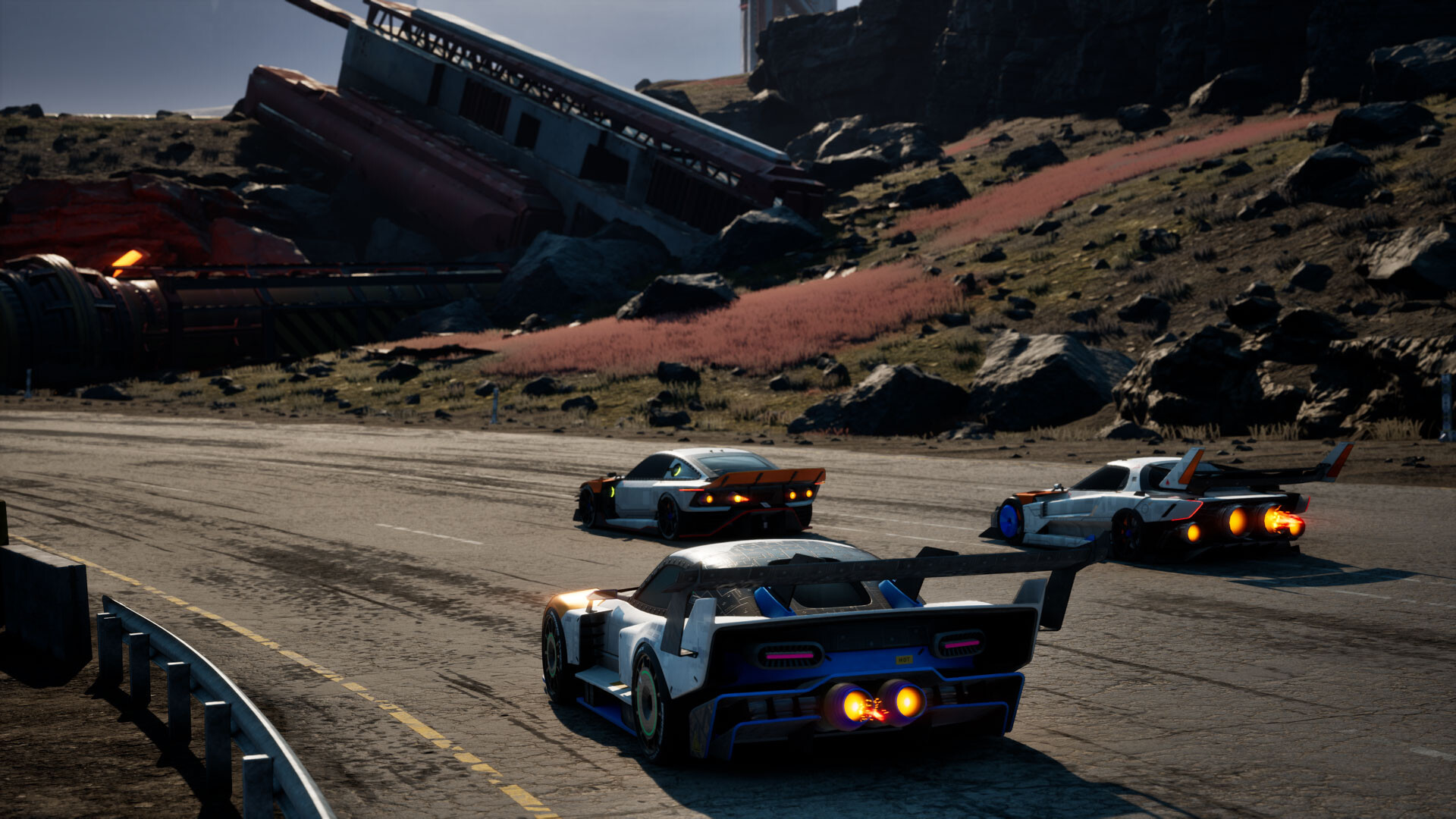
The core of Screamer is deceptively simple on paper but fiendishly deep in practice: you drive, you drift, you shift and you manage an energy system while trying to survive contact with other racers. Steering is split between the left stick for coarse direction and the right stick as a direct drift/angle control, which feels odd at first but becomes addictive once you learn the rhythm. Races are short, punchy and heavily moment‑to‑moment: perfect apexes, timed shifts and smart boosts matter more than holding the throttle down. There’s a heavy emphasis on aggressive driving — hits and gimmicks change position as much as lap pace does. You’ll alternate between solo time attacks, team races where points and takedowns matter, and the Tournament/story races that drip narrative between events. Expect a steep learning curve: the game will punish sloppy inputs and reward players who think like a fighter pilot with a gearbox.
The ECHO That Turns Cars into Weapons
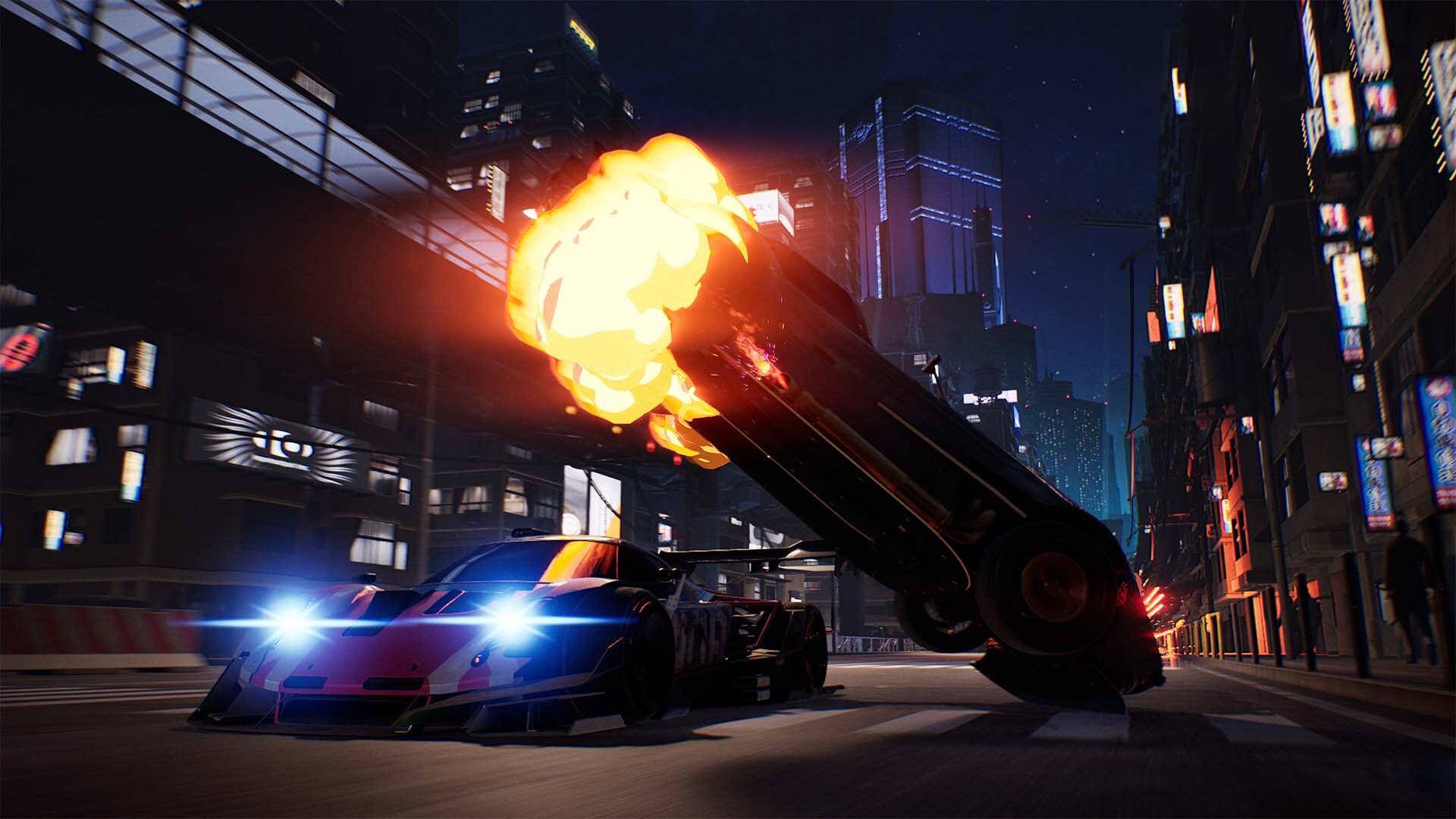
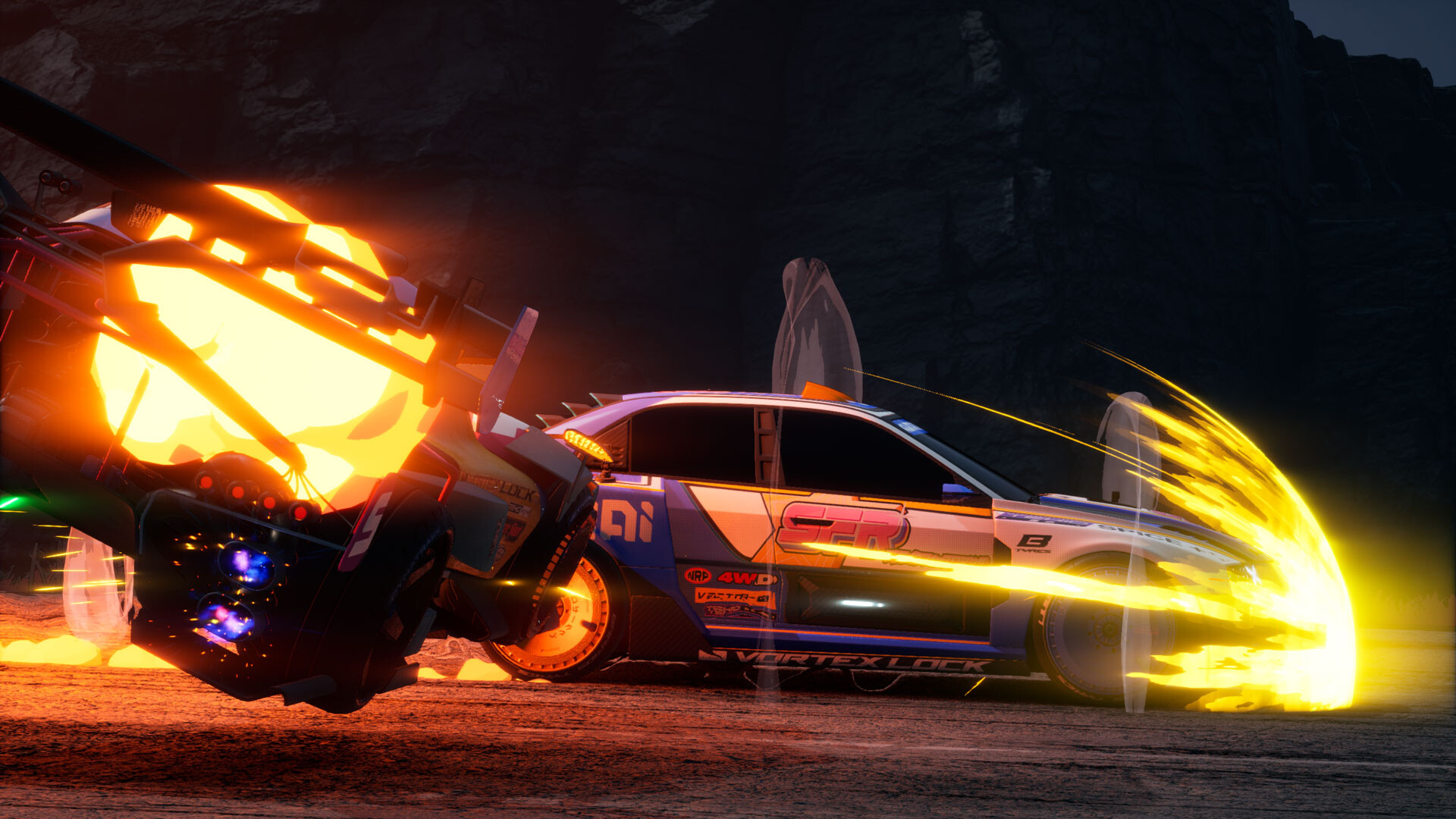
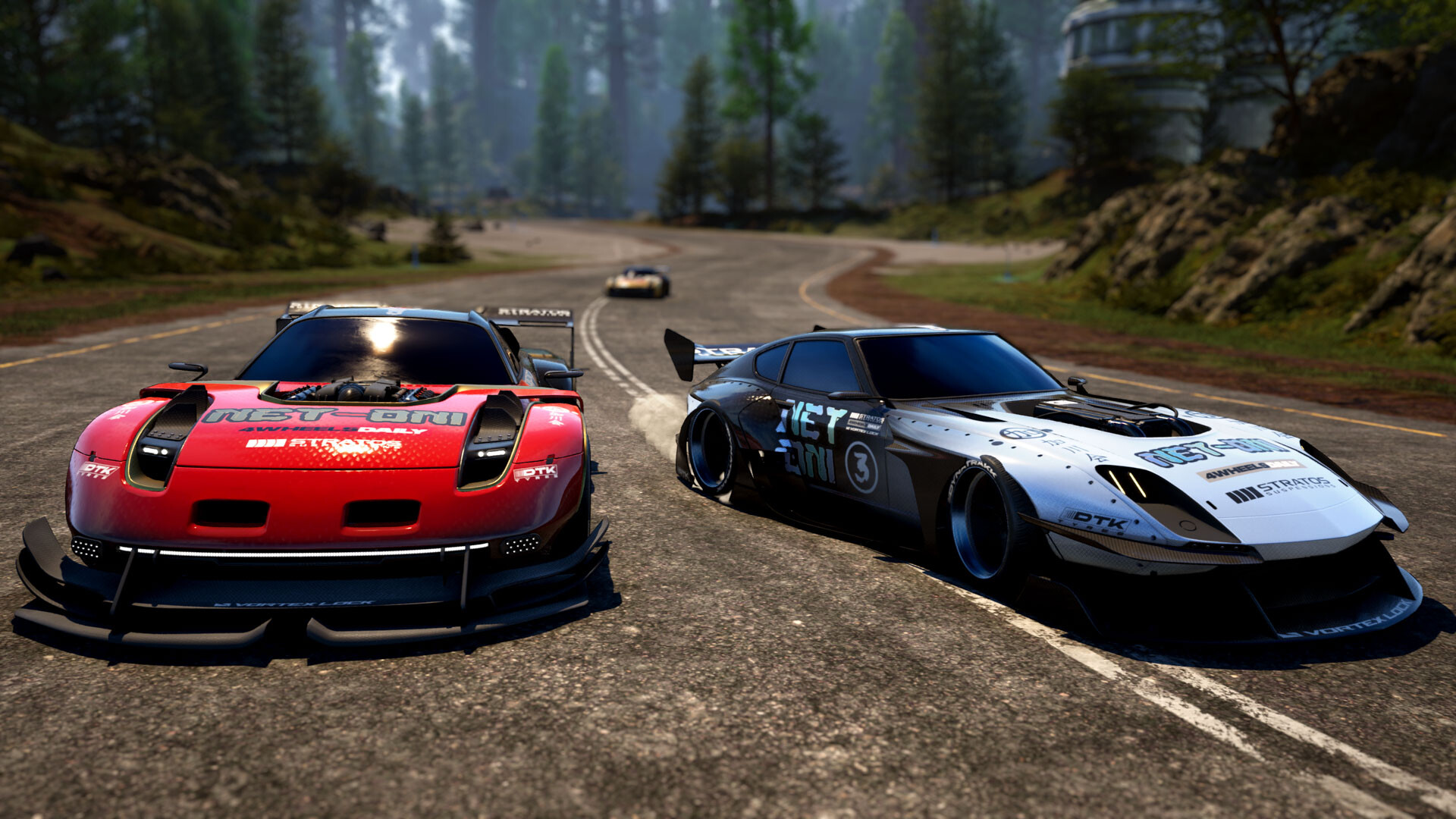
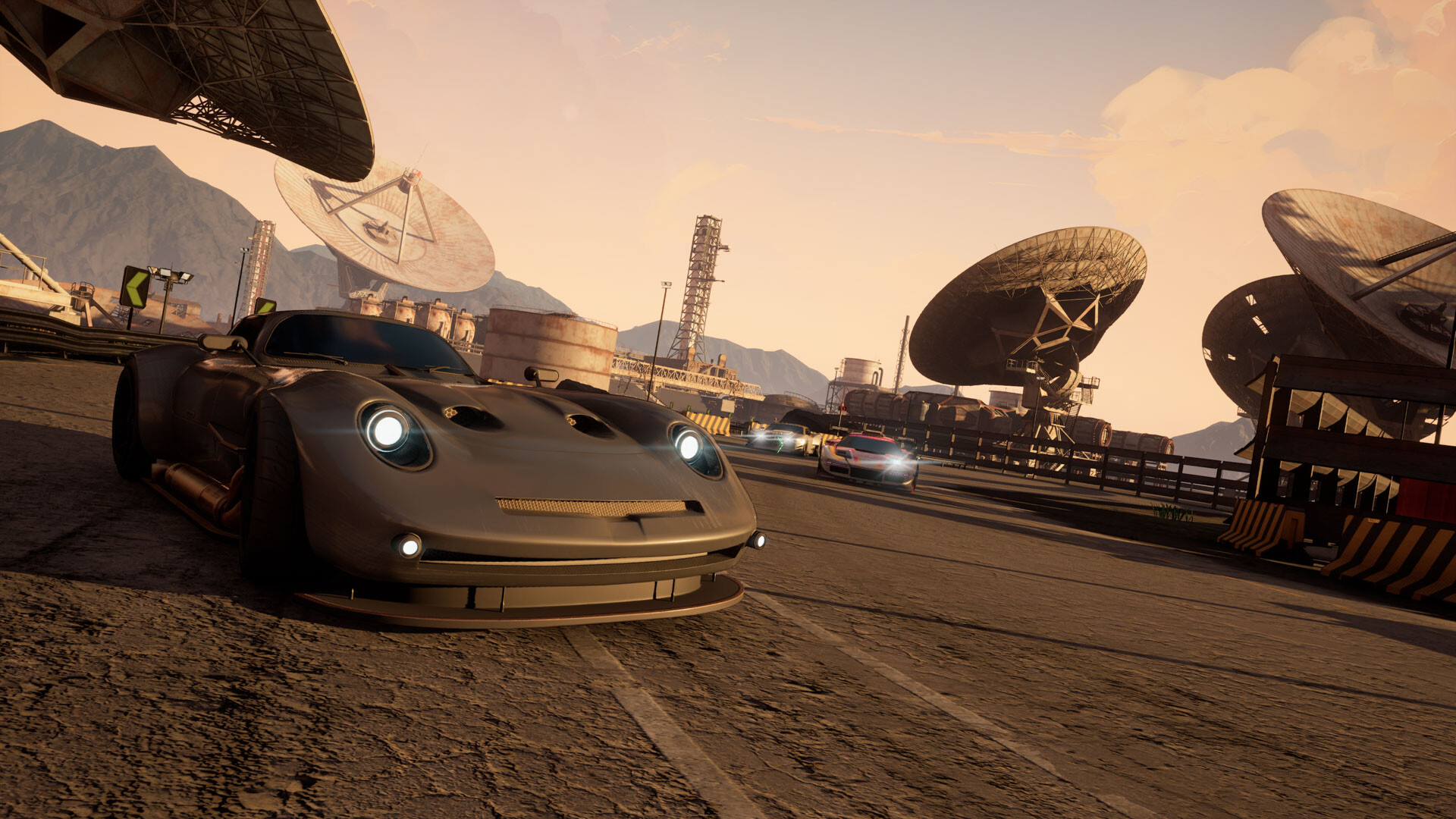
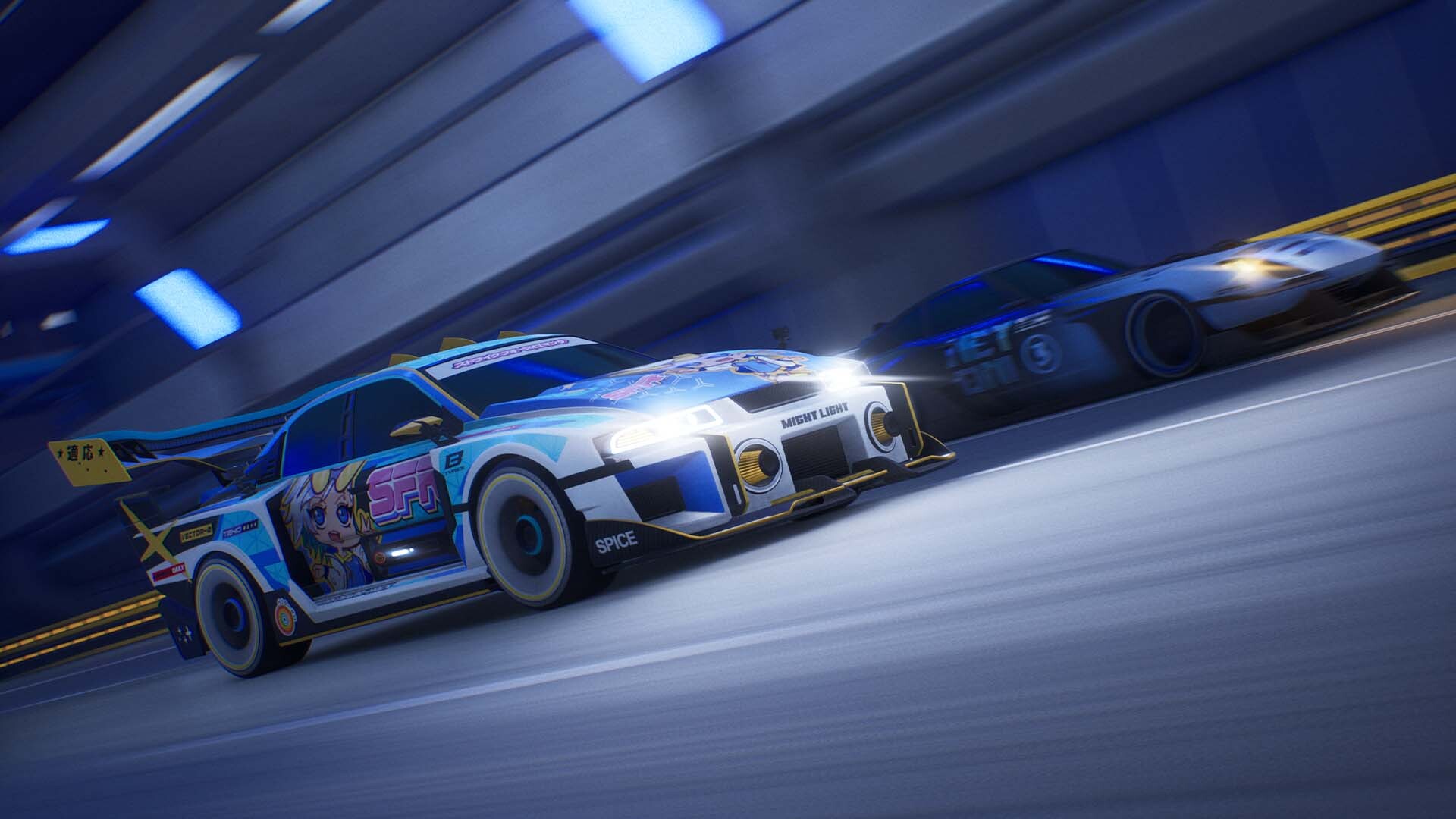
What makes Screamer stand out is the ECHO mechanic: Boost, Strike and Shield are the triad you juggle to create opportunities, and Overdrive is the all‑or‑nothing mode that turns your car into a missile with one fragile lifeline. Striking opponents and using boost ties into a risk/reward loop — remove rivals for points and energy but don’t overstay Overdrive or you’ll explode off a guardrail. Each character’s vehicle has its own handling quirks and a unique passive or active ability, so picking a driver changes how you approach corners and combat. Customization exists, but it’s cosmetic and intentionally limited; the game leans on mechanical variety rather than endless parts trees. Teamplay is actually meaningful in modes that reward coordinated takedowns, and split‑screen co‑op is a welcome throwback for couch sessions.
Neon, Noise and Performance
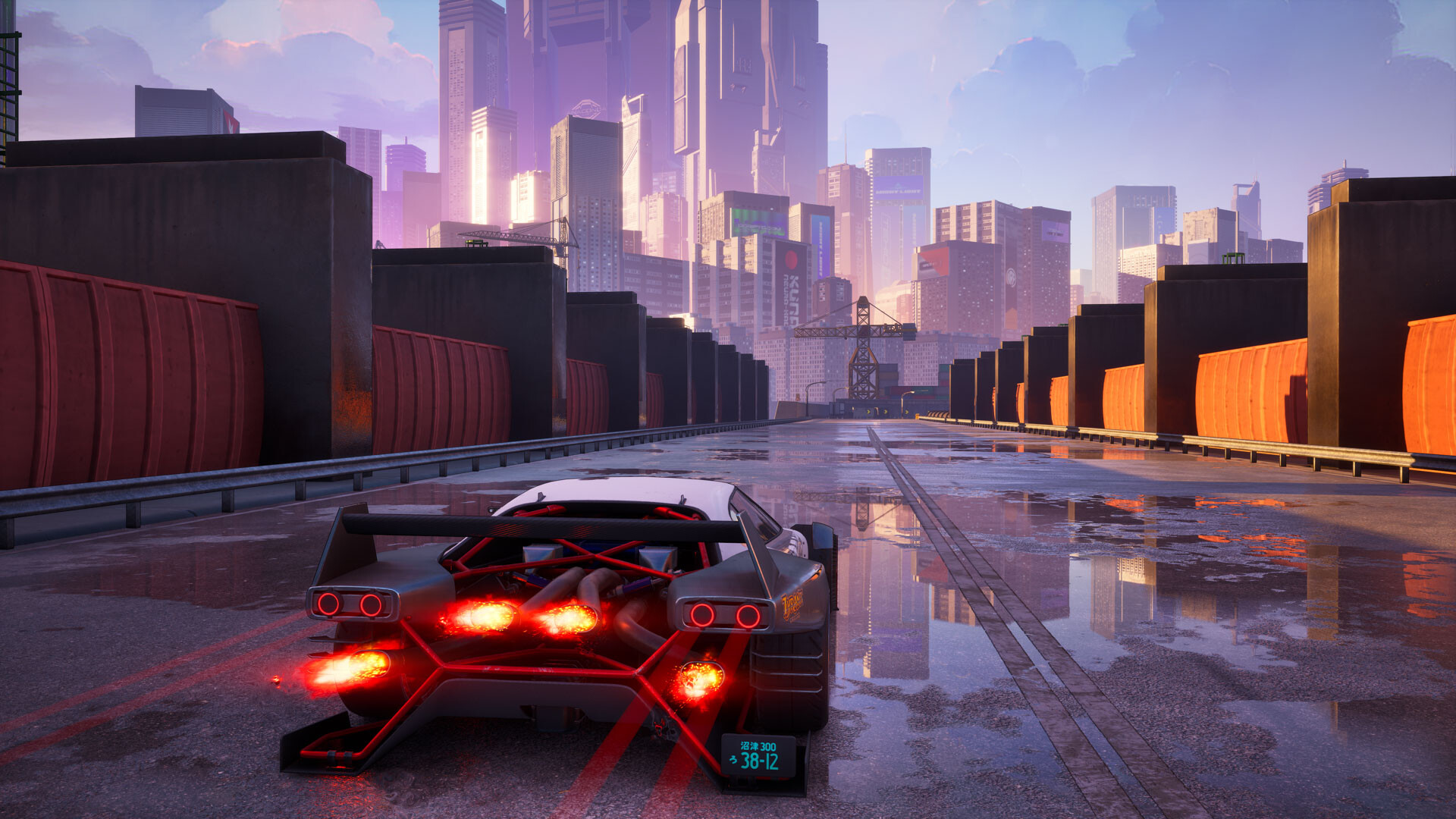
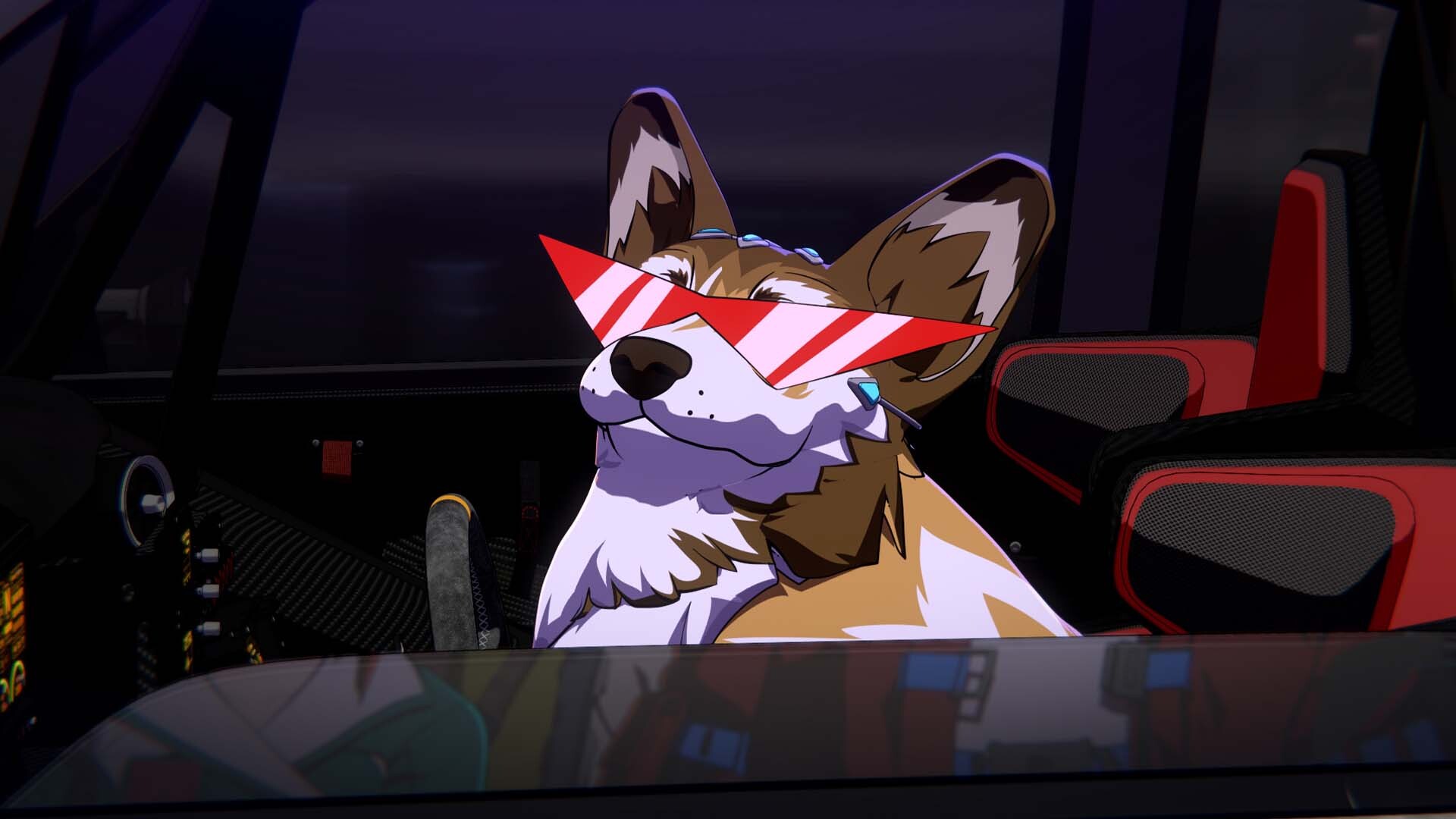
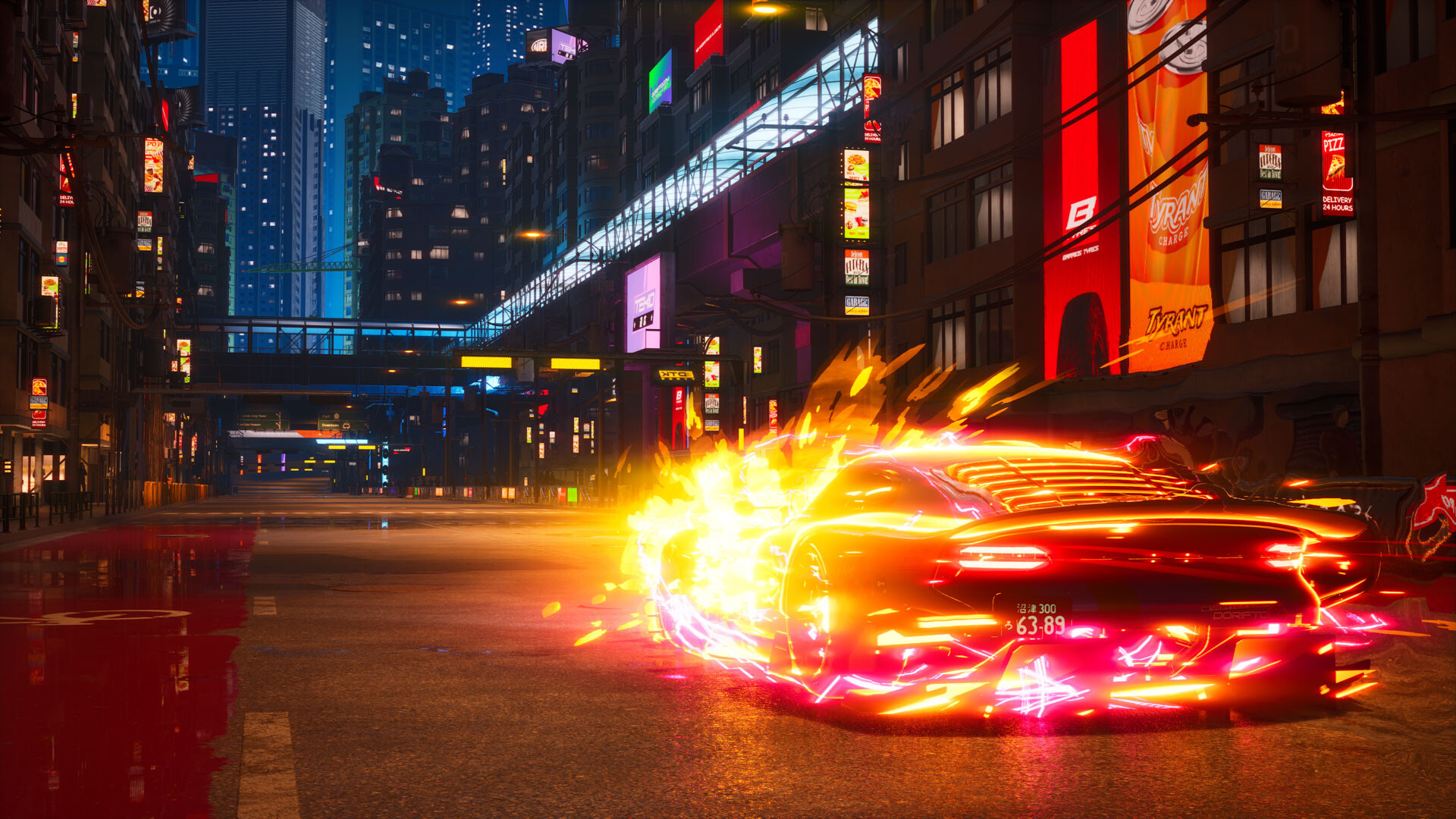
Screamer sells itself with loud visual personality: neon cityscapes, anime cutscenes and a soundtrack that reviewers rightly call a highlight — the music pushes every race into meme‑ready, heart‑racing territory. The presentation mixes fully animated anime moments with visual‑novel panels to stretch budget without killing style; some players will wish for more animation, but the art direction rarely disappoints. Technically it runs well on a wide range of PCs with DLSS/FSR options and has surprisingly decent Steam Deck support, though you’ll want a controller for the best experience. Online population and matchmaking stability are real concerns at launch for multiplayer fans, and some tracks currently allow exploitative wall‑riding that speedrunners have already abused — expect balance and design tweaks. All in all, the package looks and sounds like what Milestone promised: bold, arcade, and very opinionated.
Screamer is a confident, stylish rebuke to cookie‑cutter racers — loud, demanding and full of personality. It’s not a universal fit: the control scheme and price will divide players, but anyone who puts in the time will find a deeply rewarding arcade racer with one of the best soundtracks of the year. Buy on feel or wait for a sale if you’re price‑sensitive, but don’t ignore this bold experiment.

Pros
- Fresh, aggressive arcade feel with meaningful combat.
- Stellar soundtrack and striking 90s‑anime art direction.
- Twin‑stick control rewards mastery and feels unique.
- Local split‑screen and varied single‑player modes.
Cons
- Steep learning curve that can alienate casual players.
- Pricey at full AAA tag; value debate is real.
- Launcher/matchmaking and a few balance/exploit issues at launch.
Player Opinion
Players consistently praise the soundtrack, the bold art style and the satisfying risk/reward loop of ECHO and Overdrive — many call the music and sound design a highlight that carries races. That said, recurring criticisms pop up: the twin‑stick handling takes hours to gel for some, several reviewers complain about imbalance between cars and occasional AI rubberbanding, and price at launch drew lots of grumbles. Multiplayer population is thin in places and there are reports of wall‑riding exploits and a few matchmaking hiccups. Overall sentiment: if you love high‑skill arcade racers and don’t mind a learning curve (and the price), you’ll likely fall for Screamer; if you want instant pickup‑and‑play comfort, maybe wait for a sale.