






Scam Line Review – A Voice-Driven Social Deception Party
A messy, brilliant little social experiment: Scam Line pits 4–8 players in voice-only phone games where lies, alliances and timing decide who survives. Fun with friends, rough in spots—Early Access with big potential.
I jumped into Scam Line thinking it’d be another ‘Among Us but with phones’—and left with a grin, a bruised ego and a story about pretending to be a frog who ate beans. It’s a minimal, voice-first party game for 4–8 players that leans hard on social engineering: timing, bluffing and reading little tells over a crusty old mobile phone UI. For five bucks and a handful of friends, it’s instant chaos and surprisingly sharp psychological play. If you like games where talking is the mechanic and suspicion is the currency, this one will steal an evening from you.
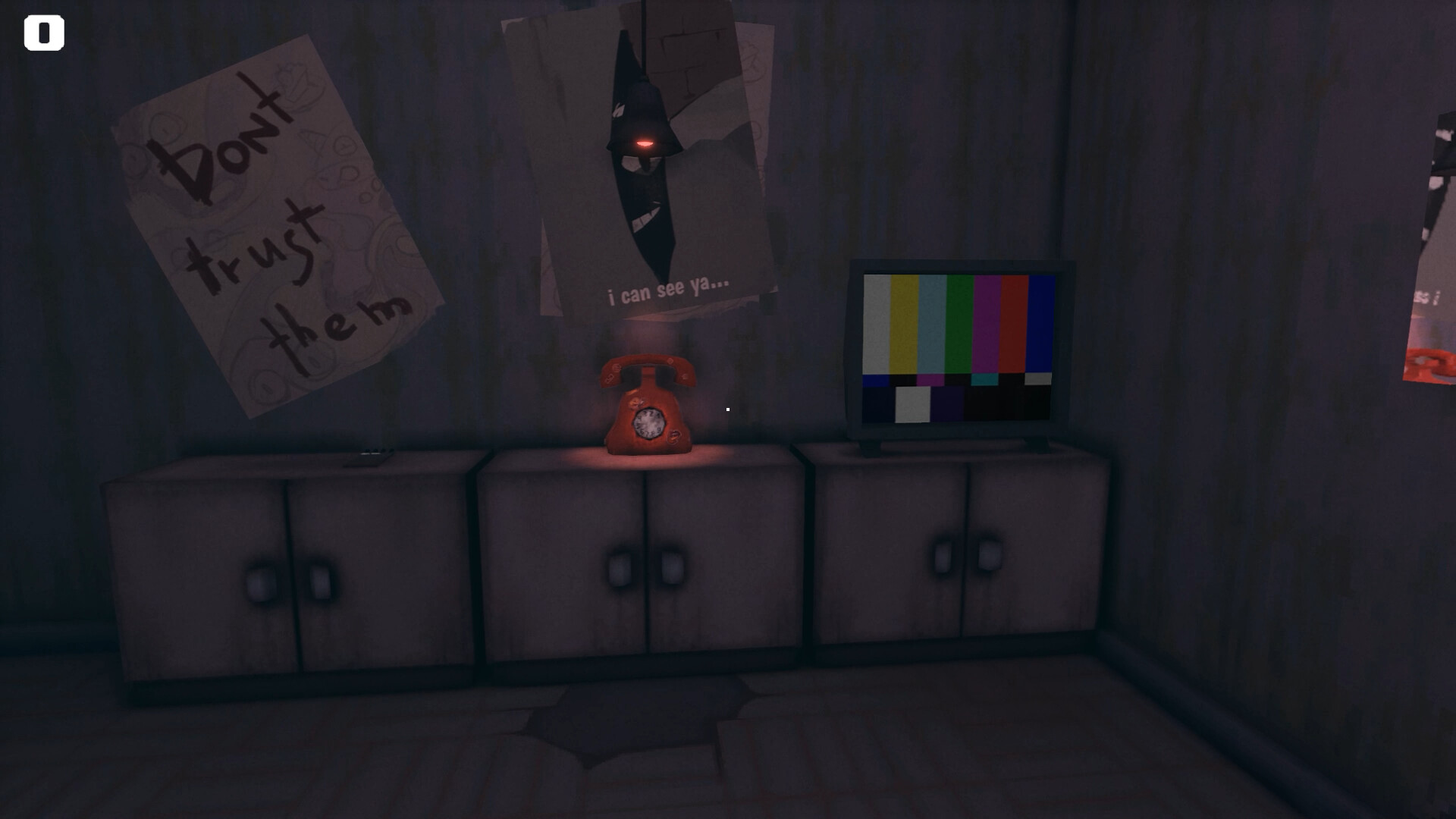
Phone Games in a Box
Scam Line drops you and up to seven pals into isolated rooms and hands you an old mobile phone as your only lifeline. The core loop is deliciously simple: pick up, call someone, trade information or lies, play mini-challenges, then watch the consequences. Rounds are short and punchy—you’ll be identifying odd clothes, learning room numbers, or playing Prisoner’s Dilemma variants while trying not to give away who you really are. Because communication is voice-only, the emphasis lands squarely on timing, tone and the little background noises that betray a player. I found myself leaning into cadence and deliberate awkward silences to bait people, which led to some of the best moments with friends.
Deceit, Deals and the Delicious Chaos
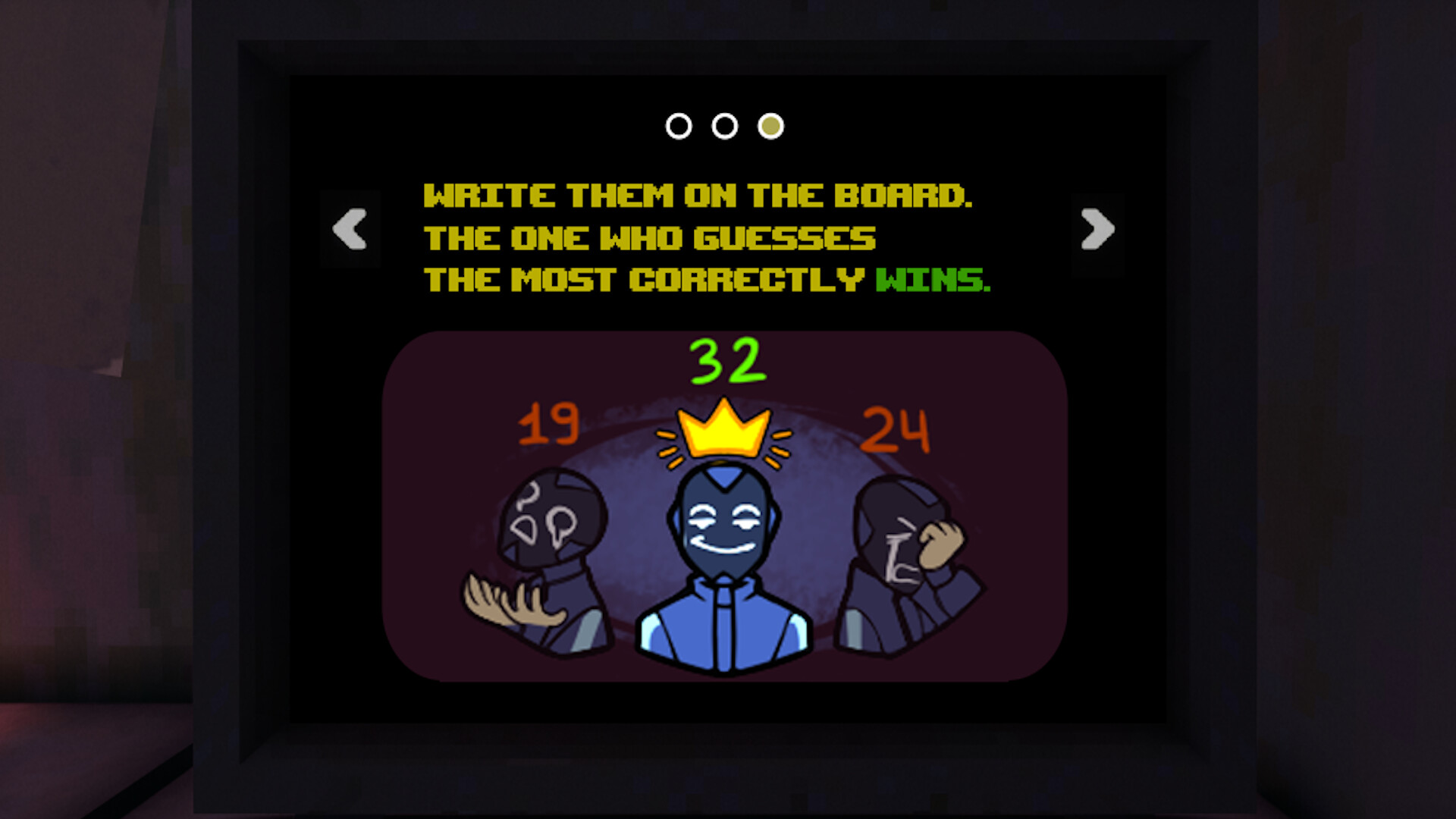
What sets Scam Line apart is how mechanical simplicity multiplies into social complexity. There are 12 social challenges in Early Access—everything from matching rooms to the classic ‘who’s different’ logic puzzles, plus rounds that force you to choose loyalty over self-interest. The game rewards reading other players: a cough, a laugh, or the way someone hesitates can be worth more than perfect answers. There’s also room for strategy beyond lying: forming short-lived alliances, orchestrating timing so two targets are busy, or deliberately being the noisy outcast to sow confusion. I appreciated how you can play honest and diplomatic or go full sociopath—both paths feel viable because consequences, not moral points, drive the results.
Bare Bones, Big Atmosphere
Graphically Scam Line is intentionally spare: simple visuals and an old-phone aesthetic that keeps focus on voices and social mechanics rather than flashy UI. That minimalism helps performance—my machine ran it like a charm—and keeps the game accessible to potato PCs, as the developers promise. Sound design is central: voices, ambient room noise and small audio cues are the game’s emotional language. That said, audio settings are currently a sore spot—there’s limited mic control and no system-wide player volume adjustments, so noisy mics or uneven volumes can ruin a round. For now this is mitigated by playing with friends you trust; a push-to-talk, noise suppression and per-player volume would make a huge difference. Overall, the presentation nails atmosphere—it's eerie, silly and tense all at once—and that low-fi coat conceals a surprisingly deep social toy.

Scam Line is a lean, mischievous party game with real social bite—best played with friends who can tolerate a little chaos. It’s rough around the edges in Early Access (audio tools and odd-player handling need work), but the core concept is addictive and endlessly replayable. Buy it if you want cheap, voice-driven multiplayer that rewards bluffing and timing; skip or wait if you need polished features and large regional lobbies right now.



Pros
- Brilliant social deception focus—voice-only interaction creates real moments.
- Short, replayable rounds that scale well for parties.
- Runs on low-end hardware thanks to simple visuals.
- Great Early Access potential and developer responsiveness.
Cons
- Audio options are limited—no push-to-talk, noise suppression, or per-player volume yet.
- Odd player counts can leave someone stuck as an outcast; matchmaking needs polish.
- Server/region population is thin—finding English players can be hit-or-miss.
Player Opinion
Players consistently praise Scam Line for being a hilarious, social experience—many call it a perfect cheap party game that produces memorable moments with friends. Common praise mentions clever mini-games, the thrill of deception and how each run can feel unique. Criticisms focus on audio shortcomings and issues with odd-numbered parties that leave a player unable to participate fully; multiple reviews asked for push-to-talk, noise suppression and per-player volume controls. Others note sparse regional player pools, meaning some people struggle to find English-speaking rooms. Overall, the community appreciates the developer’s engagement and the game’s potential, while asking for more content and QoL improvements to smooth out the rough edges.