




Rogue Factory Review – When Factory Sims Meet Bullet Heaven
A messy, brilliant mashup of Factorio-style automation and Vampire Survivors chaos. I spent hours tinkering with factories, and sometimes forgot I was supposed to be dodging bullets.
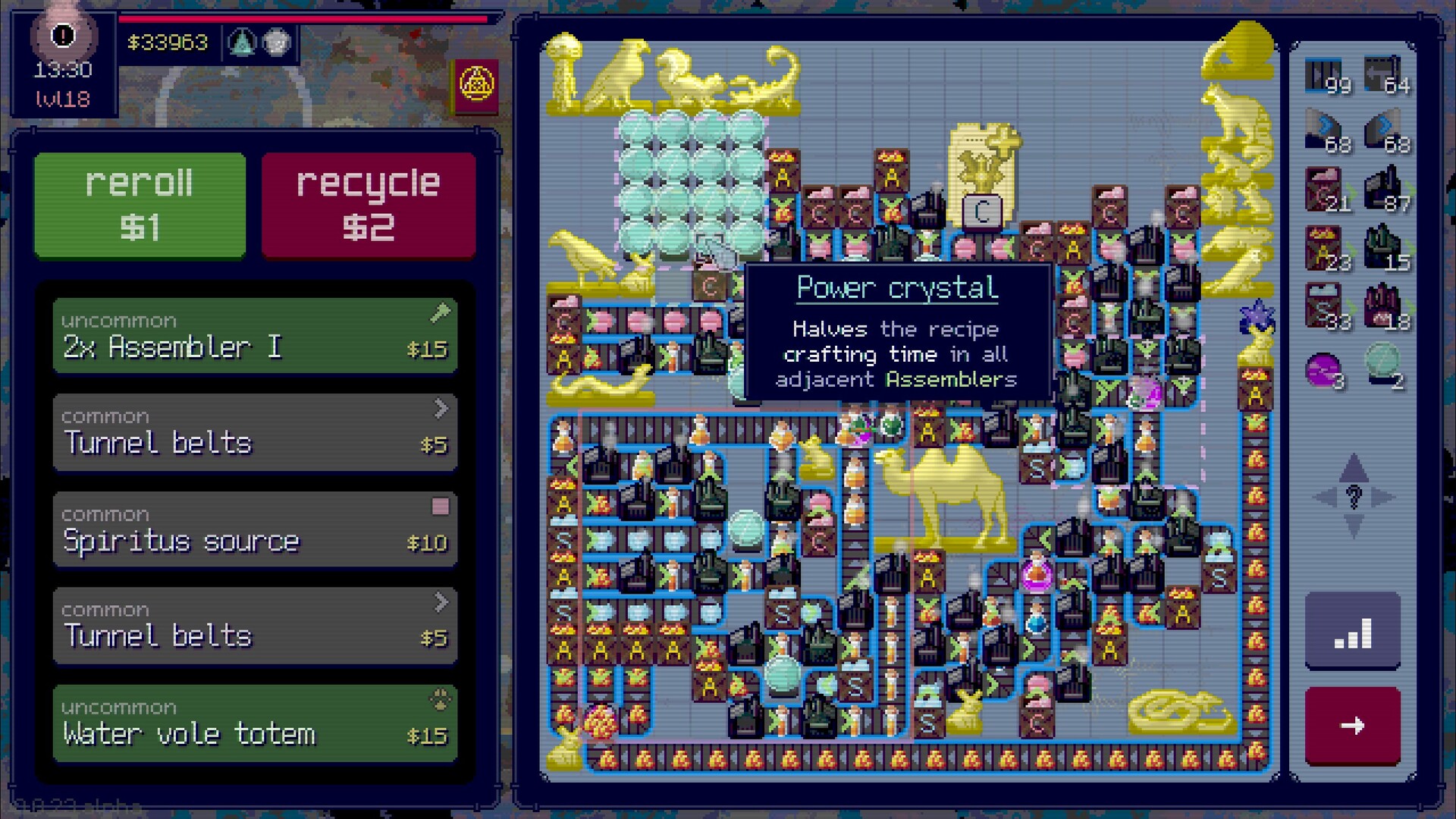
Rogue Factory is one of those oddballs that immediately grabbed my attention: part factory-builder, part bullet heaven, all roguelite chaos. On paper it sounds like Factorio and Vampire Survivors had a slightly deranged child — and that’s exactly the vibe. What sold me was the promise that the battle pauses while you tinker with your factory, so you can obsess over conveyor layouts without getting gibbed. It’s clever, occasionally clunky, and surprisingly addictive if you enjoy planning elaborate spaghetti machines that then vomit cannonballs at monsters.
Racing the Twenty-Minute Storm
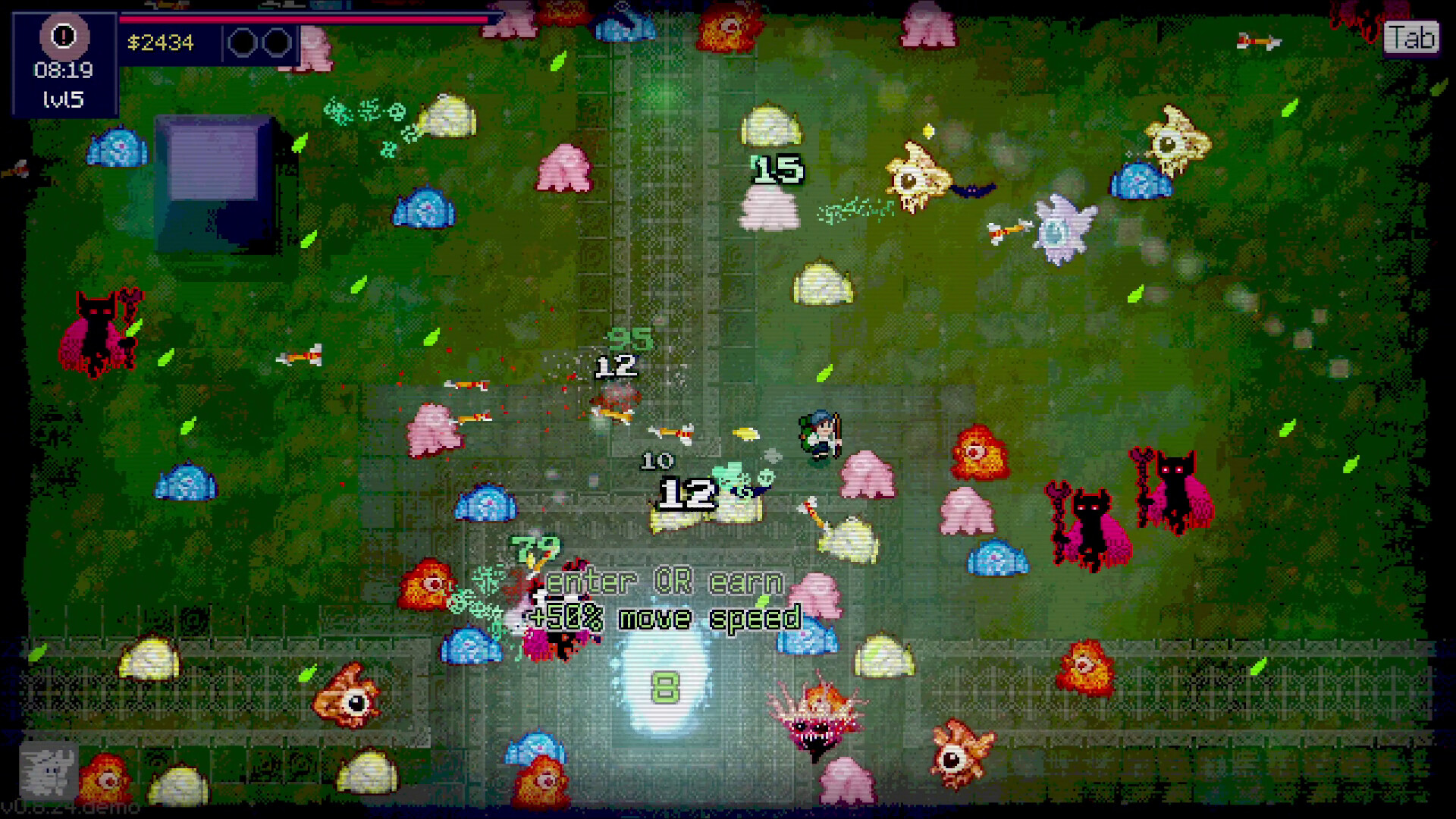
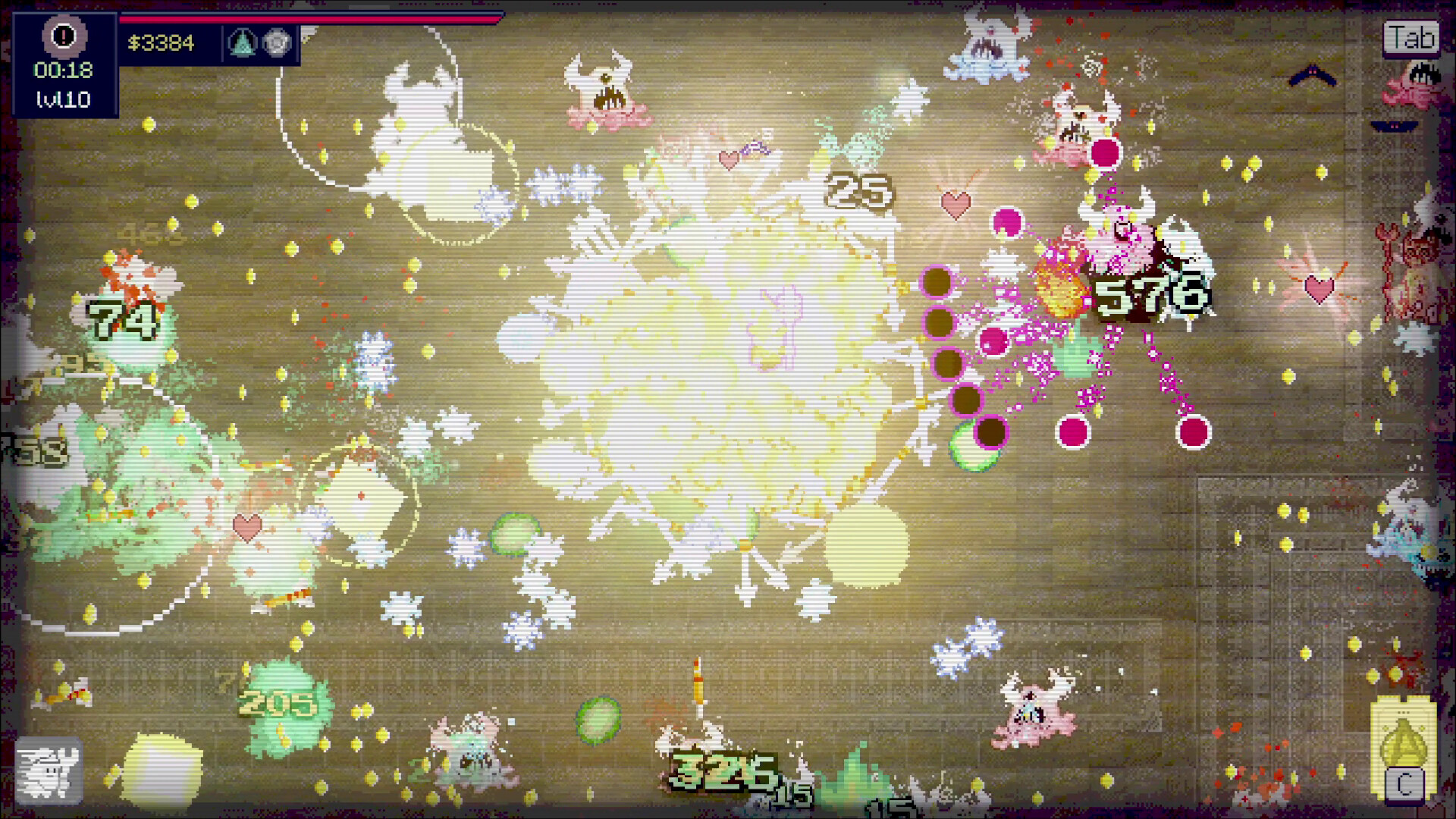
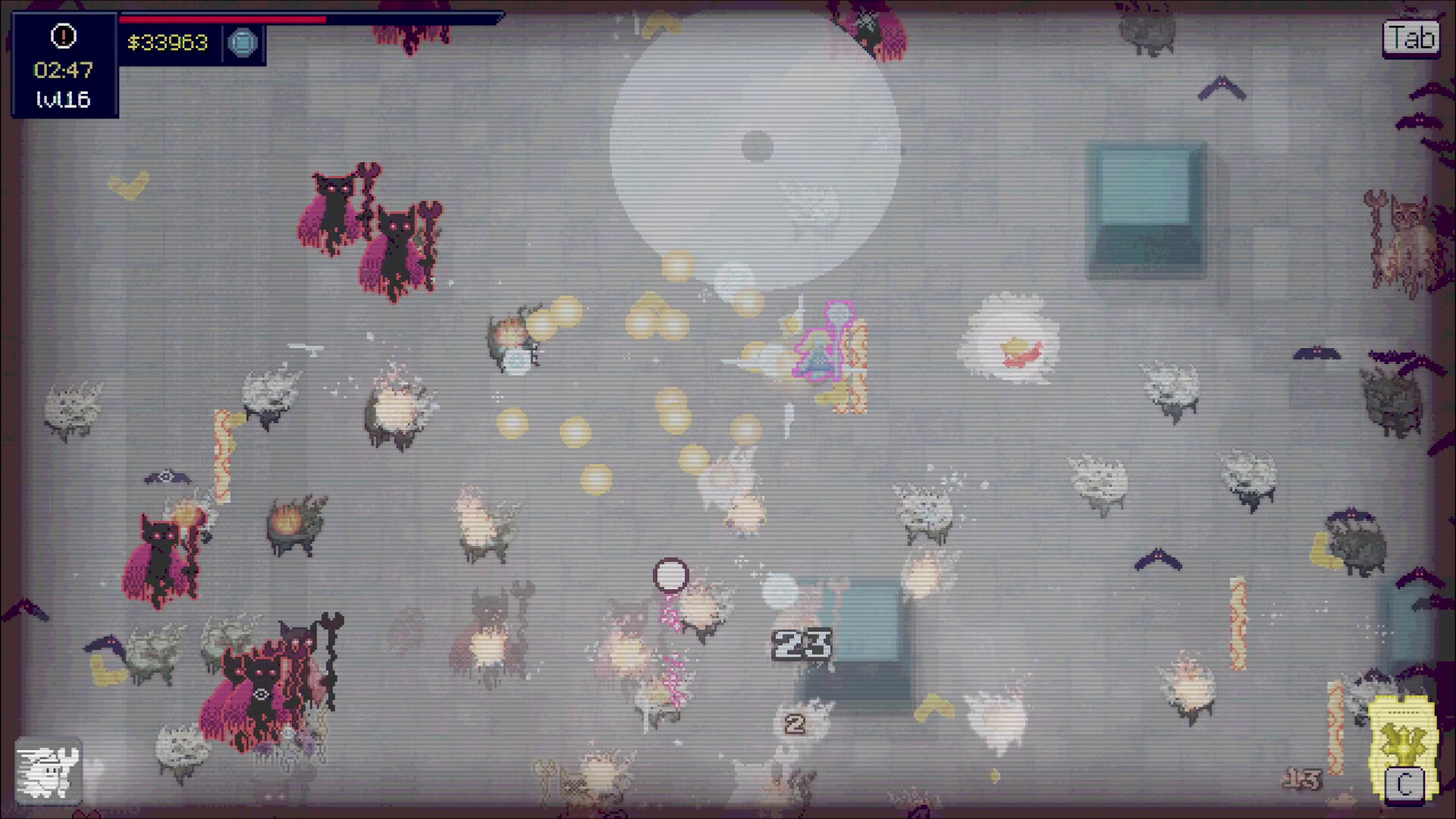
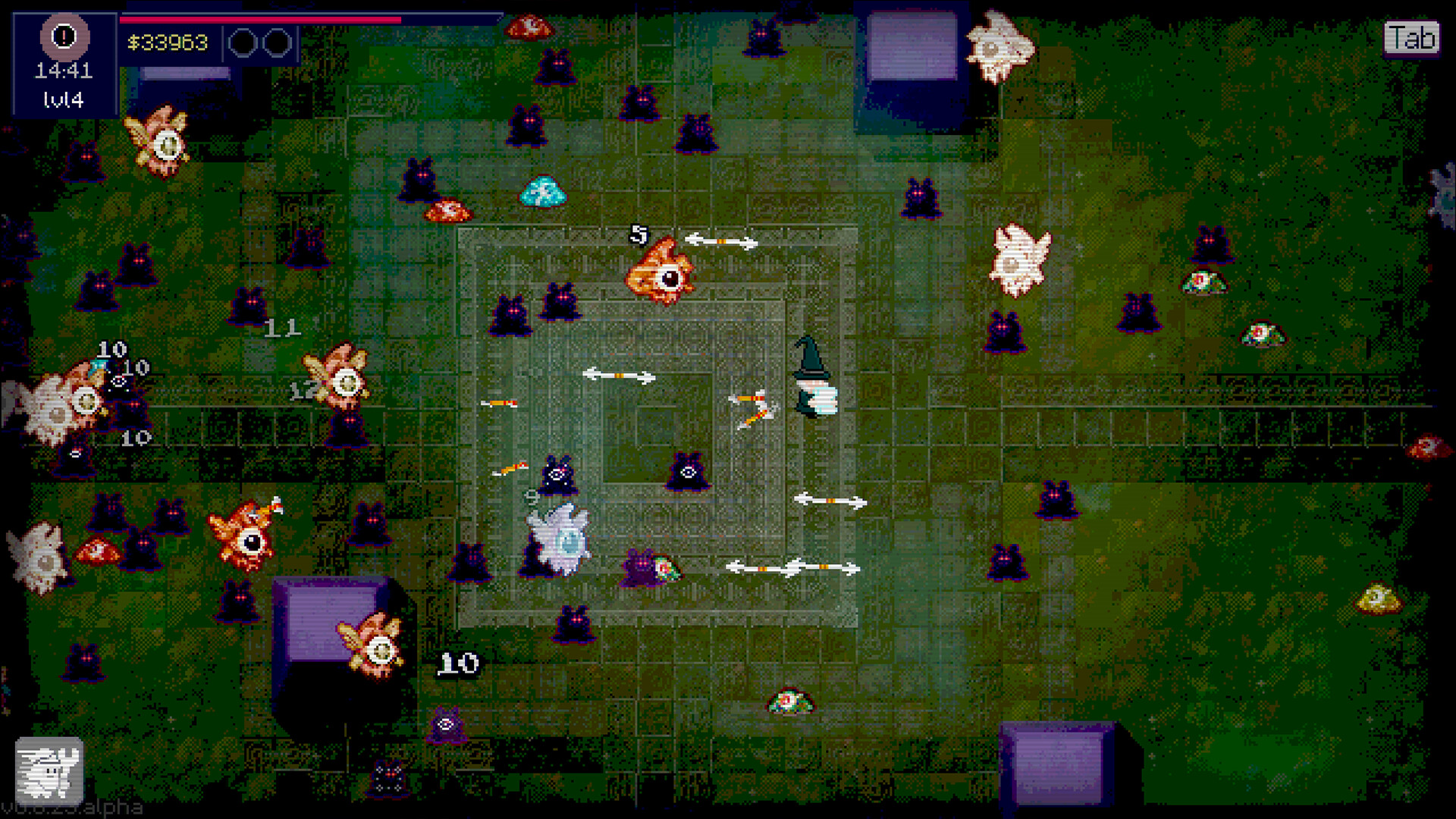
The core of Rogue Factory is a frantic two-act loop: survive waves in a 20-minute battlefield, then spend as much real time as you want in the factory editor while the action pauses. Most runs feel like a dance between chaos and tedium — you shoot, your factory supplies spells or weapons, waves approach, and you occasionally sprint to a portal to trigger the next phase. The shooter portion is deliberately simple: move, aim, cast. Where it gets interesting is how your factory output changes the whole feel of a run; a well-tuned assembler can turn you into a screen-clearing menace. I found myself alternating between “I’m fine” and “oh no, I need three more splitters” as waves escalated.
When Totems and Recipes Decide Your Madness
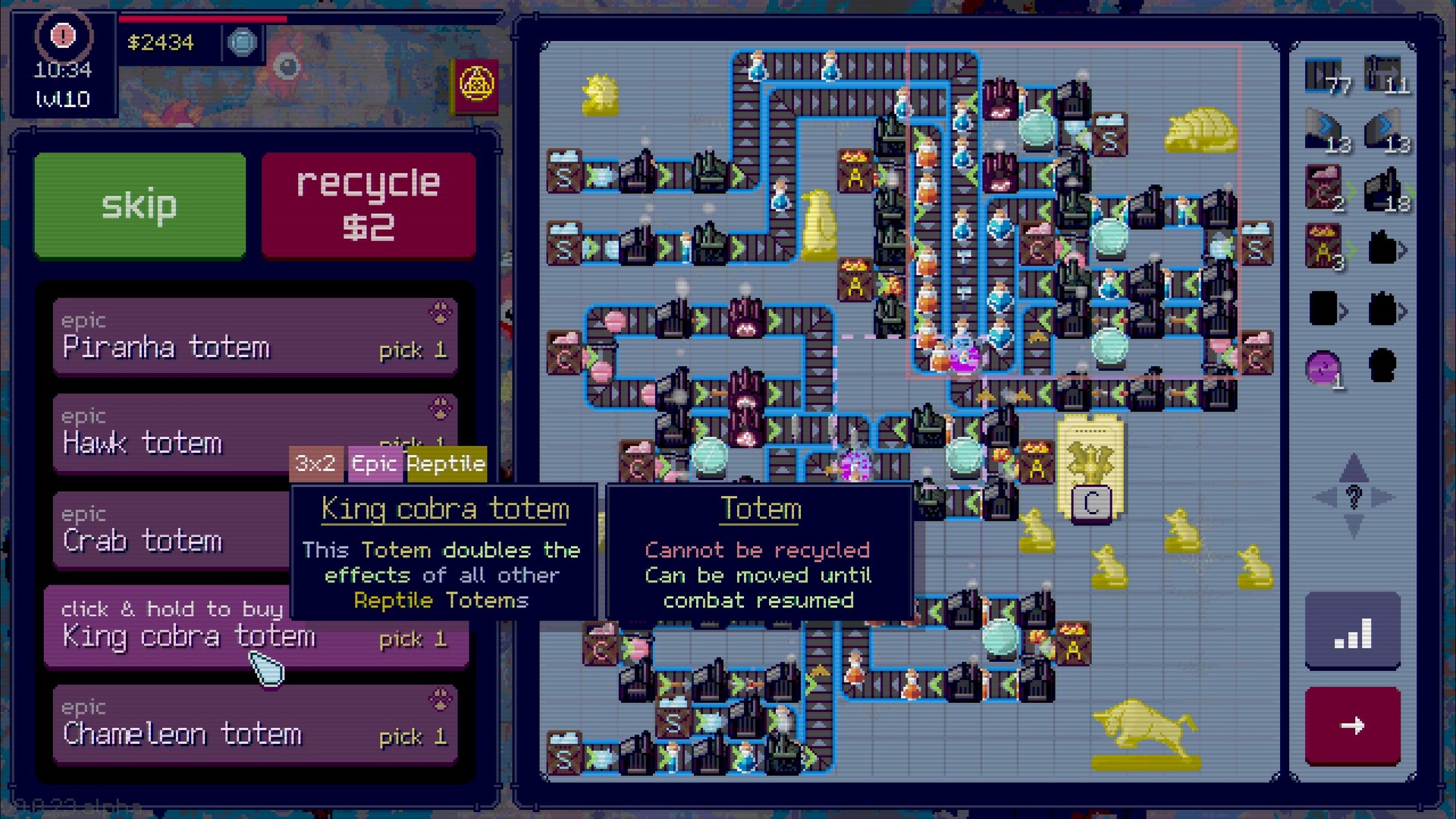
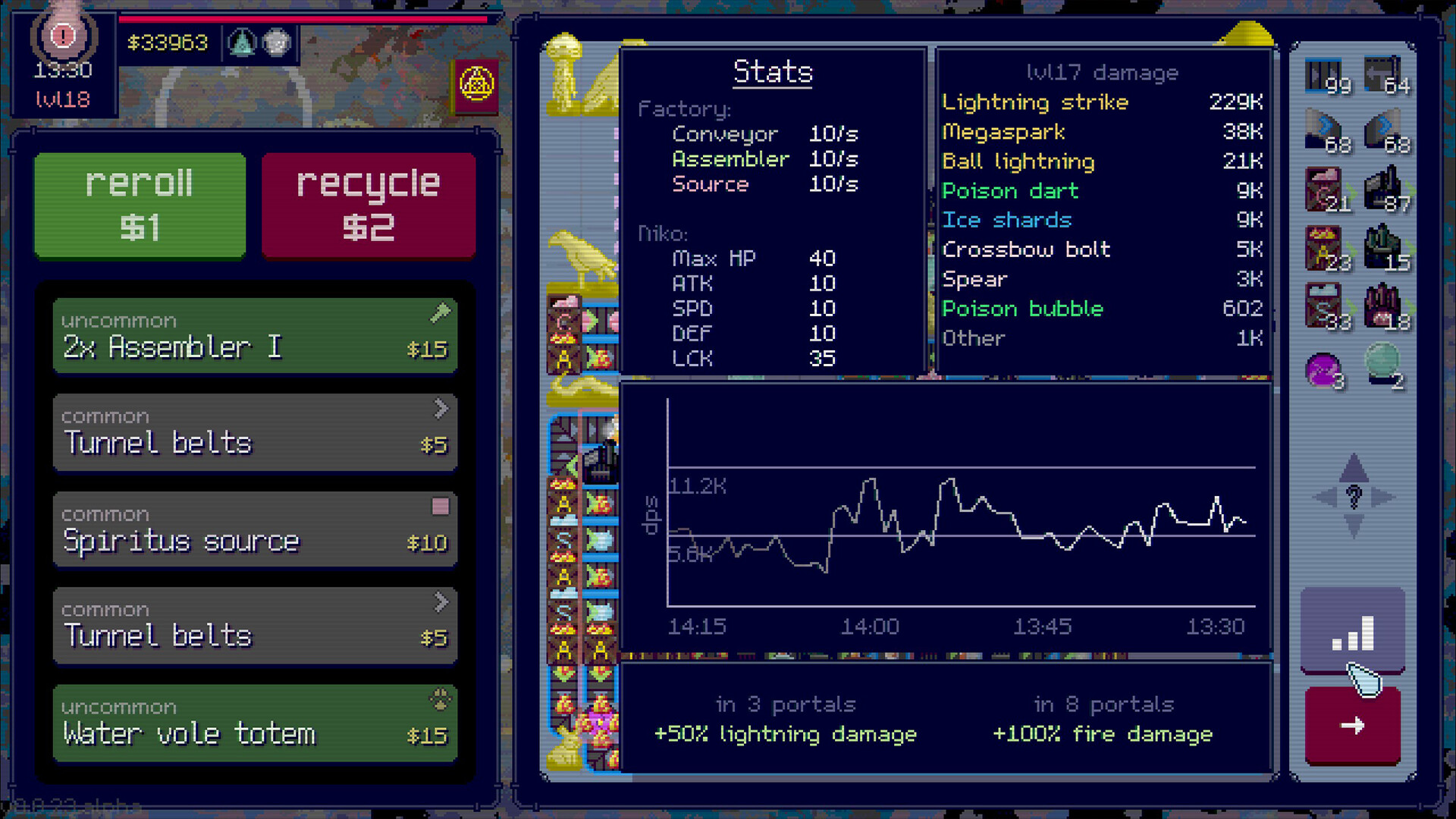
The spellbook and totem synergies are the real twist here. You don’t just pick a gun — you design an alchemical assembly line that churns out spells, projectiles, and modifiers. There are over 60 spell recipes and 100+ animal totems to draft, and those golden totems can dramatically alter your strategy: do you draft a totem that buffs fire effects, or one that multiplies projectiles? Totems add layers, but community feedback is fair: early totems can feel generic and run variance sometimes falls short, making it tempting to repeat the same powerful builds. Still, when a weird combo clicks — like flamethrower cannons plus a lightning crystal — the game rewards that creative planning with absurd, satisfying destruction.
A Workshop That’s Charming… and Occasionally Frustrating
Presentation is a mixed bag in a good way. The art hits a cozy, pixel-adjacent indie sweet spot with readable icons and pleasing particle spam during big clears. Sound design gives each factory whirr and each spell a satisfying thunk that makes you grin when your assembly line finally works. Performance is generally stable on Windows, though some users report launch hiccups or freezes (I had a brief hang once). My biggest nitpicks are UI and QoL: the splitter feels awkward, copy/paste or blueprint tools are sorely missed, and the recipe book could use better filtering. Controls can feel floaty if you’re used to controller play, and yes, controller support is currently missing which is an odd omission in 2026. Nonetheless, the game runs well enough and the pause-while-building design makes experimentation painless.
Rogue Factory is a curious, rewarding blend that will delight tinkerers and frustrate perfectionists. Buy it if you like factory puzzles, emergent combos and don’t mind some rough edges — especially the UI and control quirks. Skip it if you only want tight, twitch-based action; the game’s heart is in the workshop, not in the pure shooter loop.
Pros
- Unique mashup: factory design + bullet-heaven
- Deep recipe and totem synergies that reward creativity
- Pause-while-building mechanic encourages experimentation
- Great sandbox potential for obsessive builders
Cons
- Runs can lack variety; early totems feel generic
- Clunky UI and missing QoL tools (no blueprints/copy-paste)
- No controller support and occasionally floaty controls
Player Opinion
Players are split but consistent in what they praise and complain about. Fans love the building loop — many compare it to Factorio meets Vampire Survivors, celebrating the joy of creating over-the-top spell factories. Several reviewers say the demo hooked them for 20+ hours and that the factory sandbox is the highlight. On the flip side, common criticisms pop up: repetitive runs, clunky splitter mechanics, and a recipe book that needs better filters. Performance and small launch hiccups were mentioned but seem rare. If you value creativity and planning, you’ll probably enjoy this; if you came purely for twitchy, polished action, expect to be underwhelmed.