






Rest Area Simulator Review – The Chill (and Chaotic) Roadside Management Sim
A cozy yet surprisingly deep management sim where you run a rest area solo or with friends — from mopping floors to dodging inspectors and playing the economy.
I didn’t expect to get emotionally invested in a gas-station-style sim, but Rest Area Simulator sneaks up on you. It’s part chill ’manage-your-own-business’ vibe and part chaotic multiplayer friendslop — imagine Overcooked if they traded kitchens for fuel pumps and price tags. The charm is in the small, unpredictable daily stories: power outages, inspectors, and customers who insist the cafe owes them change. It’s not flawless, but its moments of silly teamwork and satisfying systems kept me coming back.
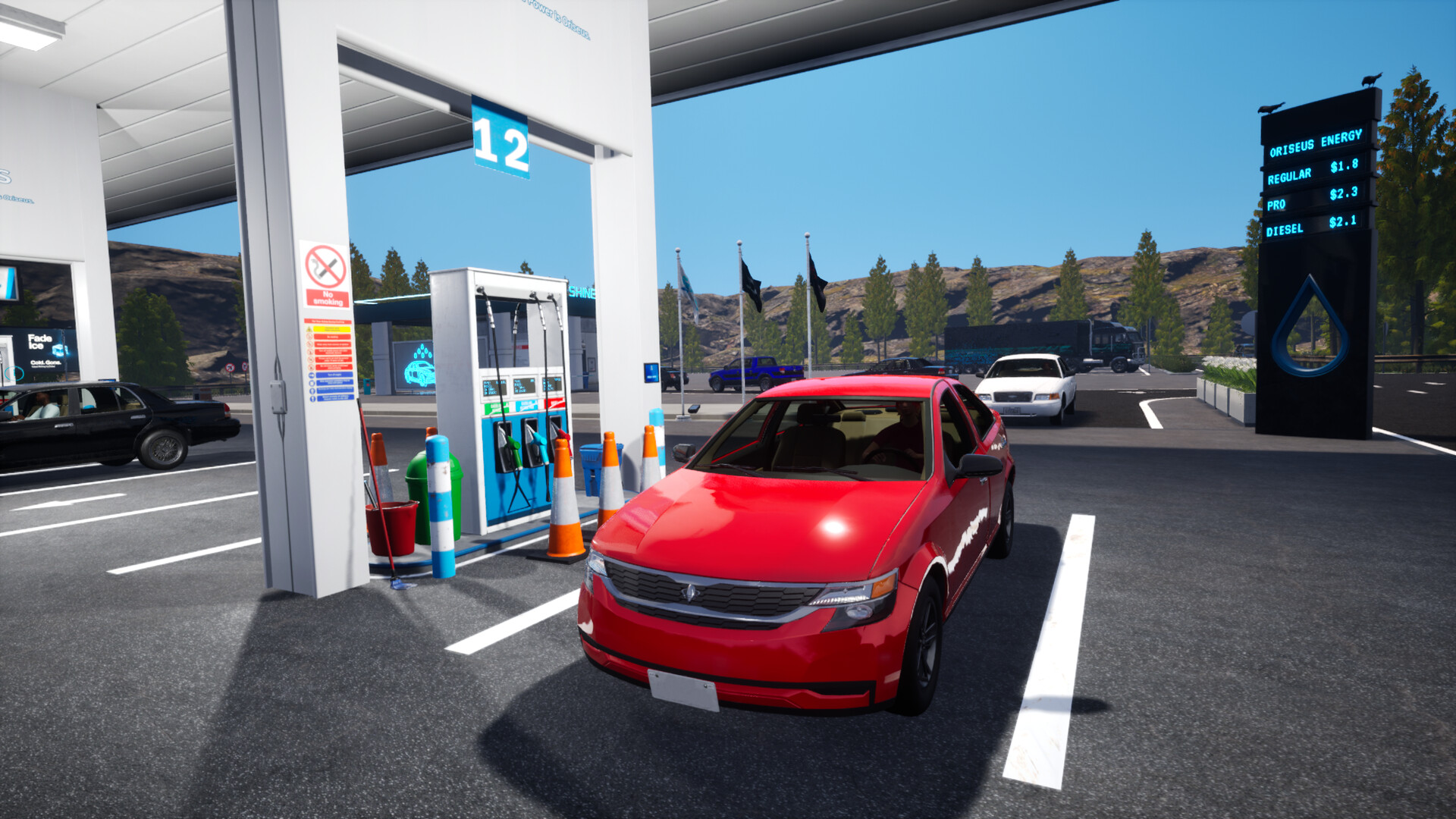
Morning Shift: Running the Rest Area
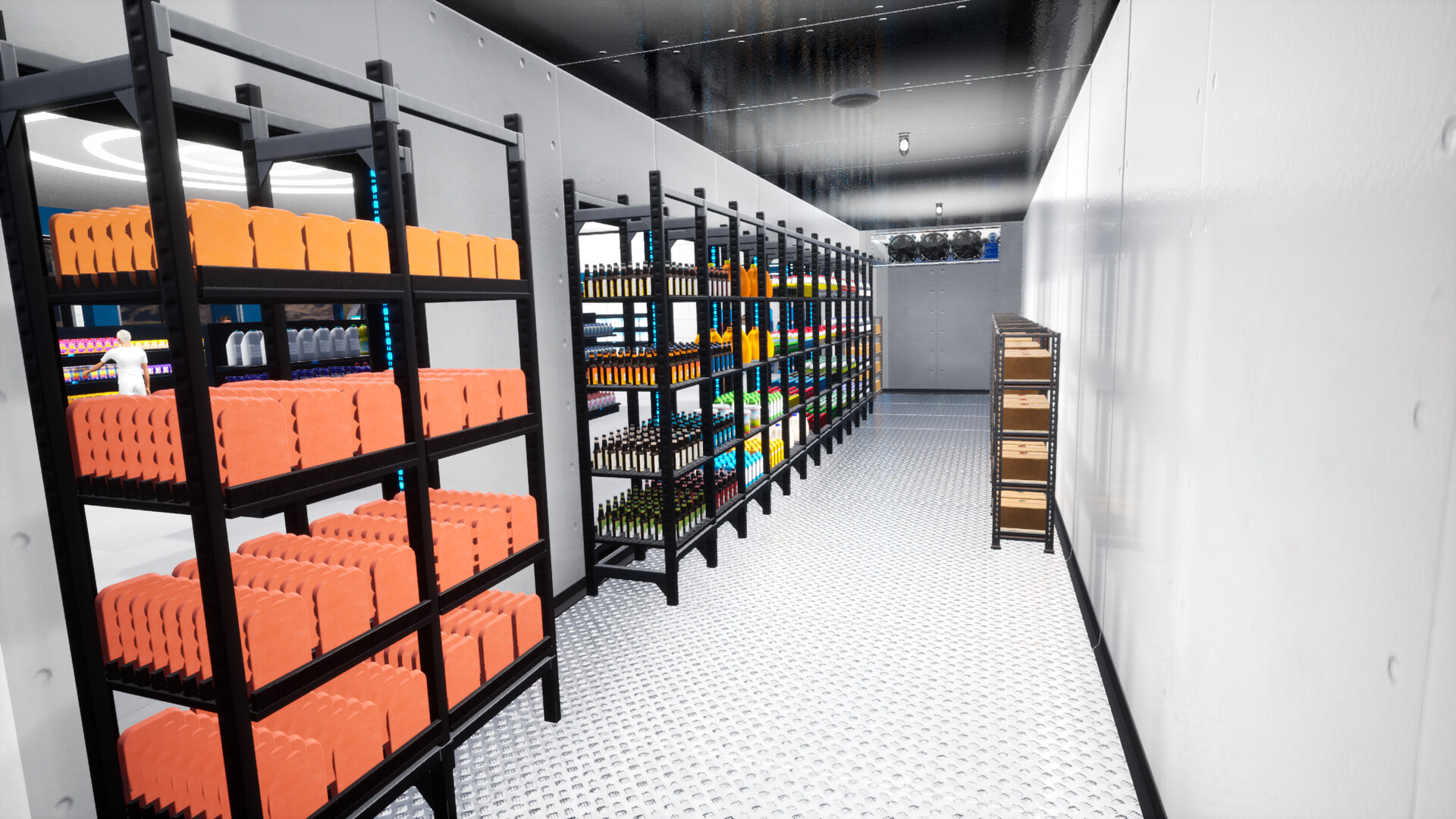
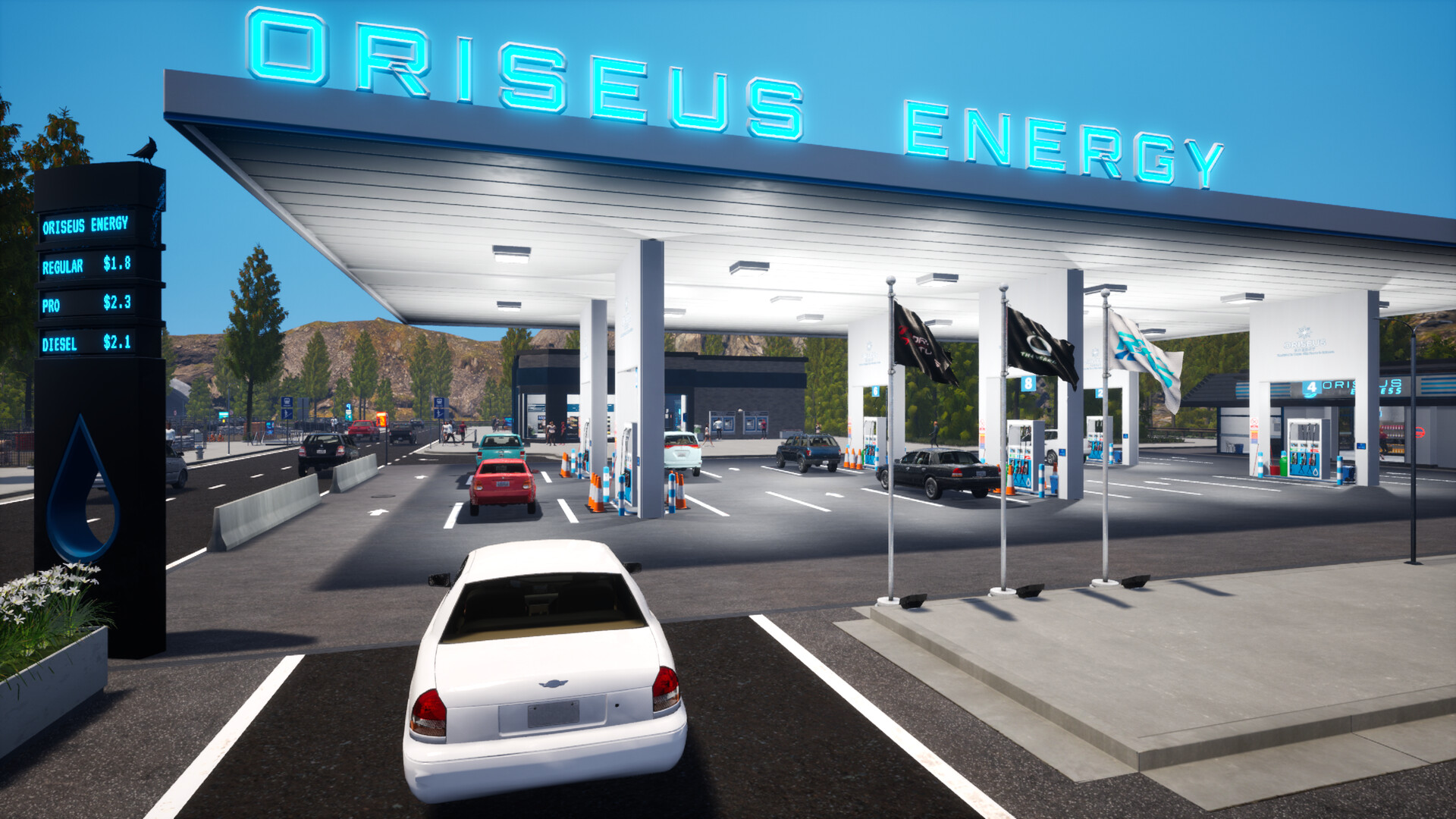
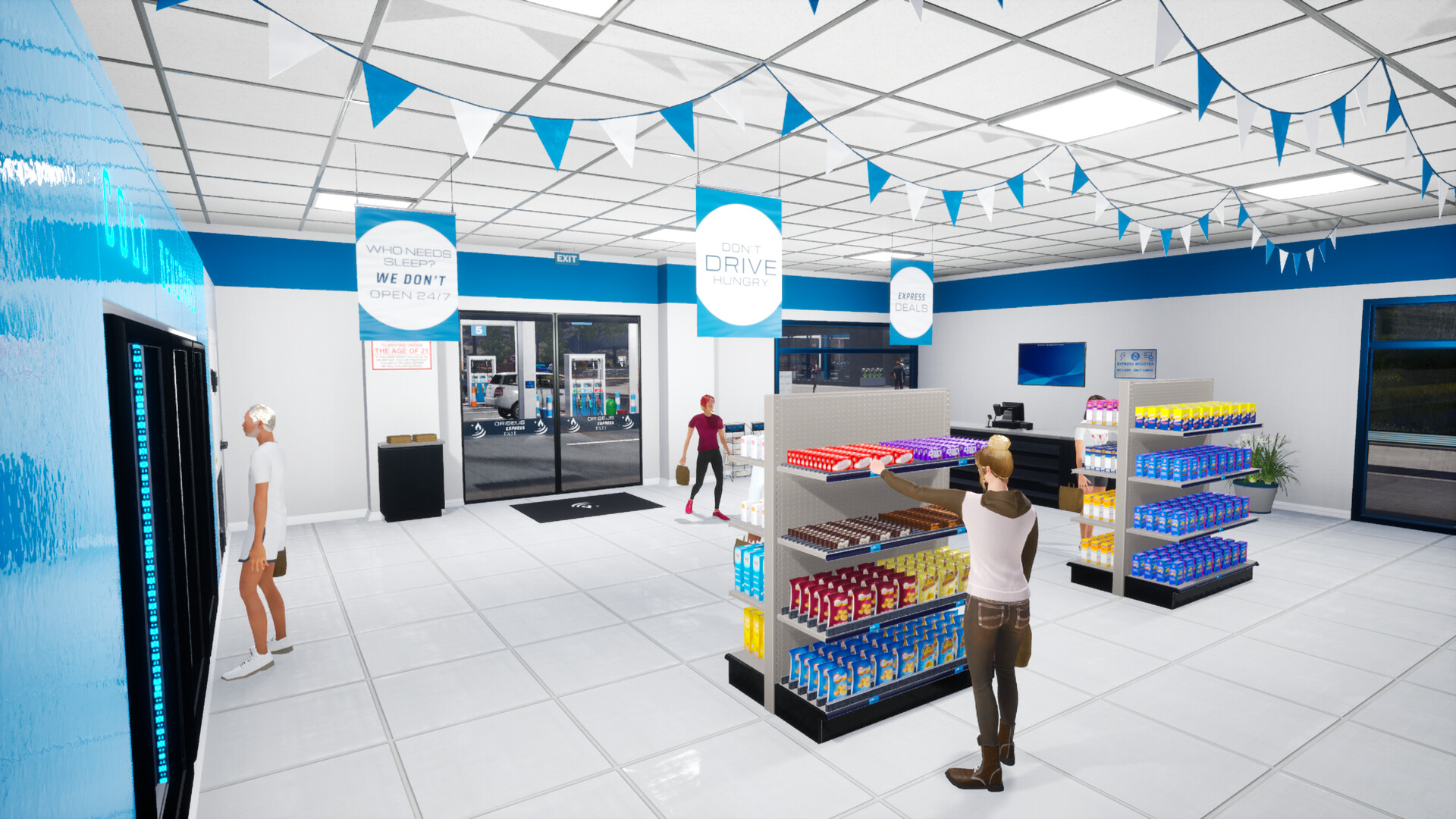
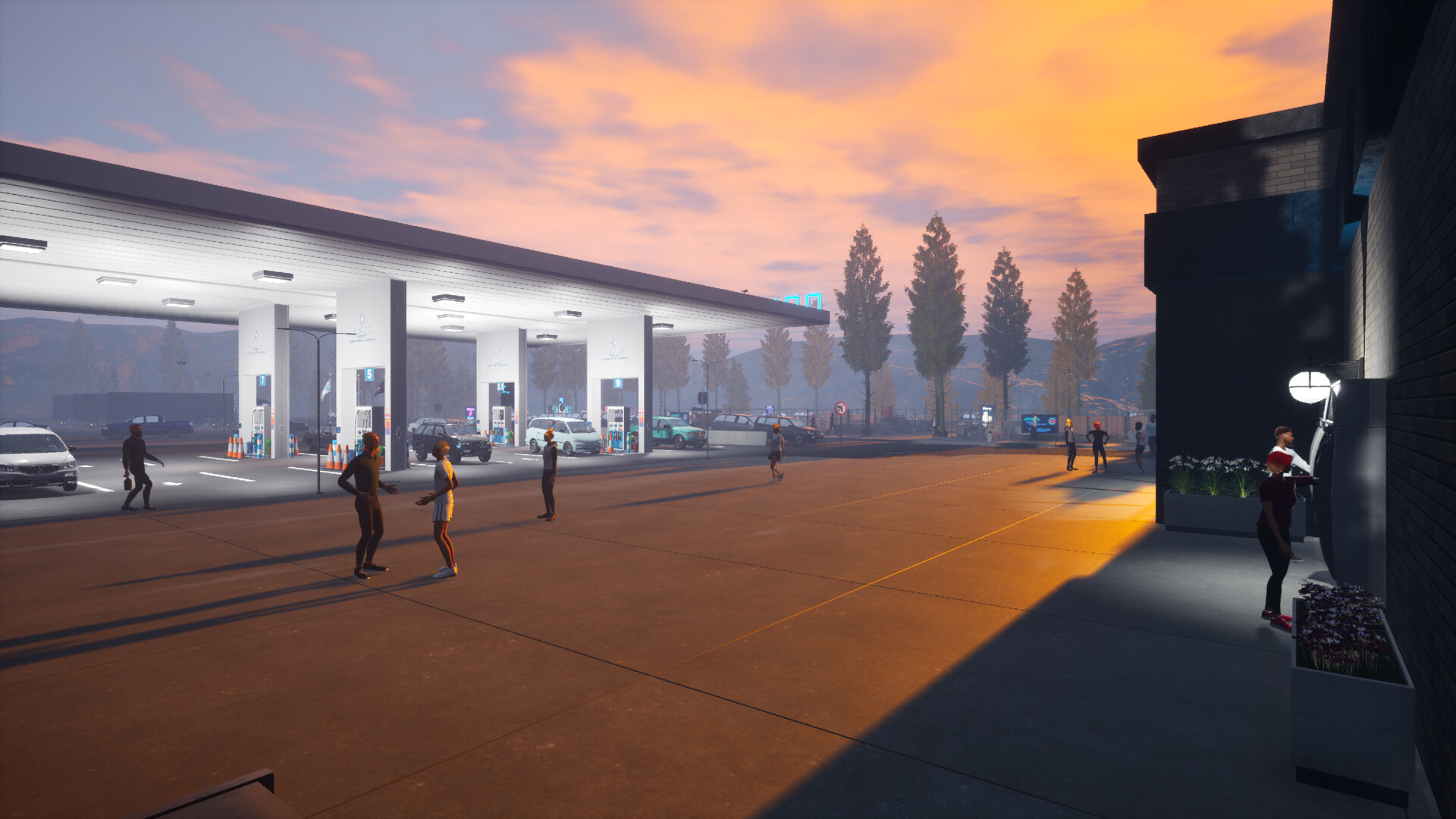
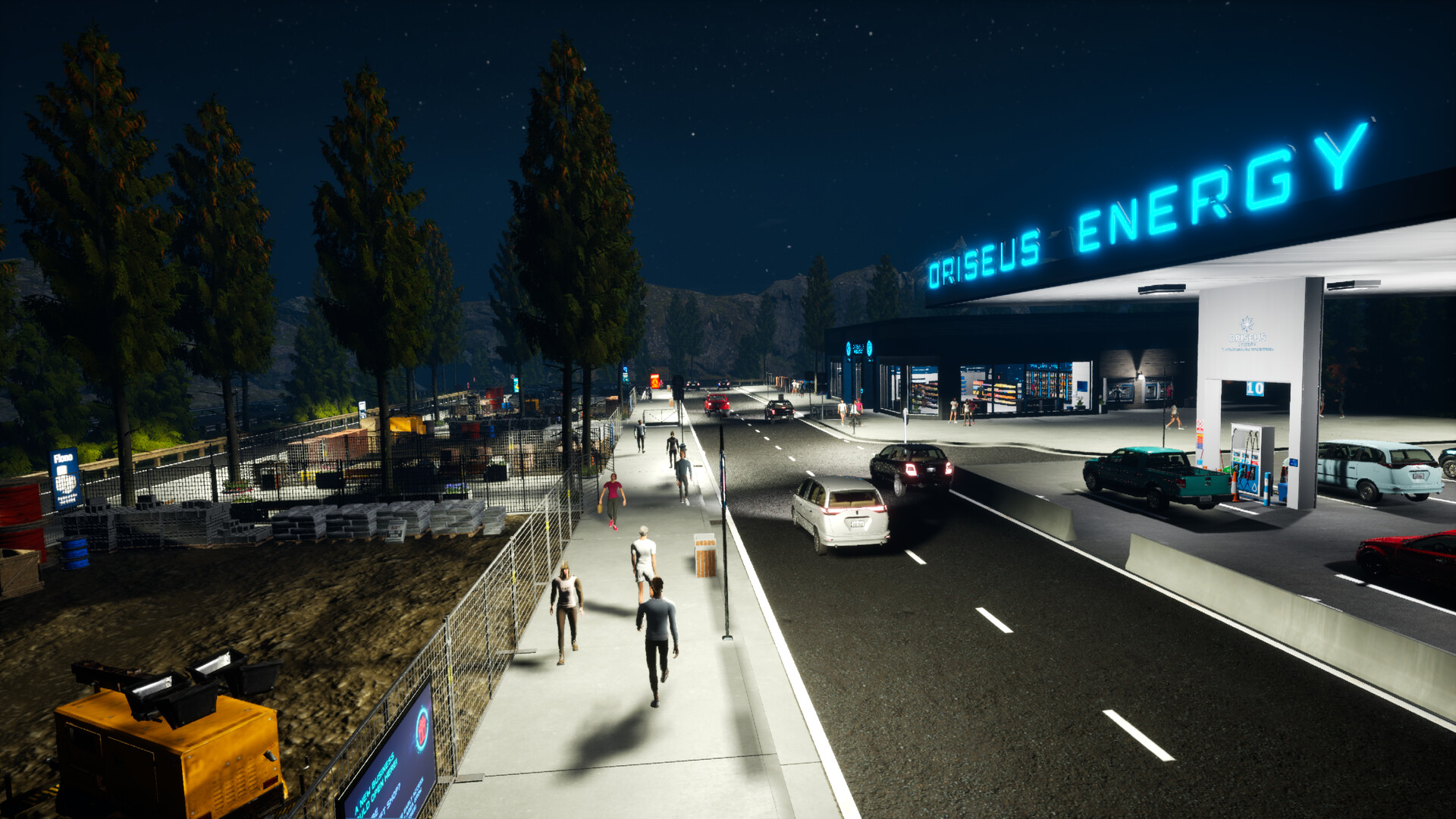
Days in Rest Area Simulator feel structured but lived-in. You open in the morning, assign tasks, and watch visitors arrive by car or metro with their own routines — some sit at benches and chat, others swarm the market. The core loop is delectably simple: sell products, clean, repair, and keep reputation high for each business. You’ll spend time refueling cars, restocking shelves, fixing pumps and pulling out a mop (yes, the mop is a repeated joke among players). There’s genuine satisfaction when everything clicks and the day flows smoothly, but the game also throws curveballs that force improvisation.
The Little Systems That Punch Above Their Weight
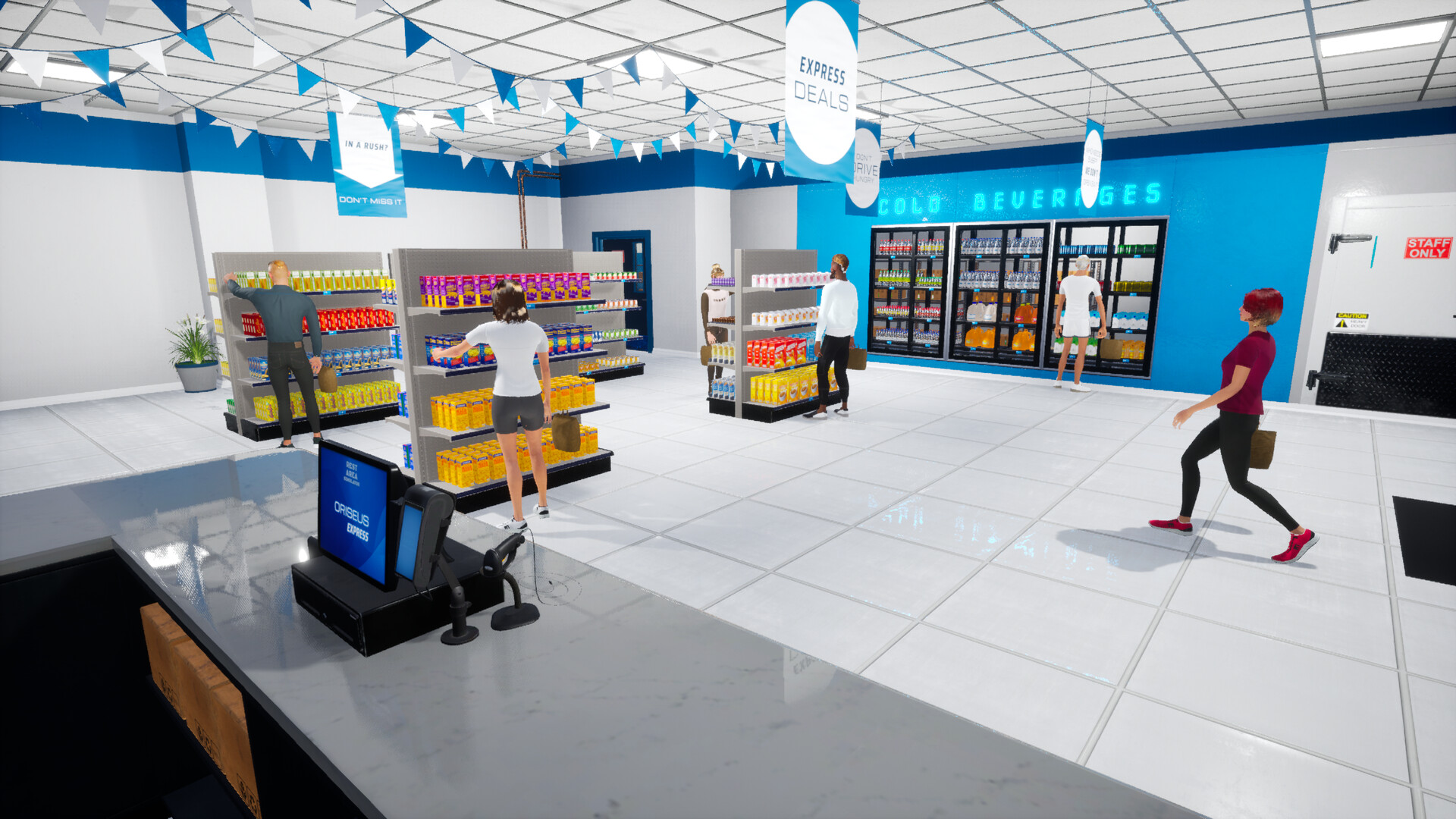
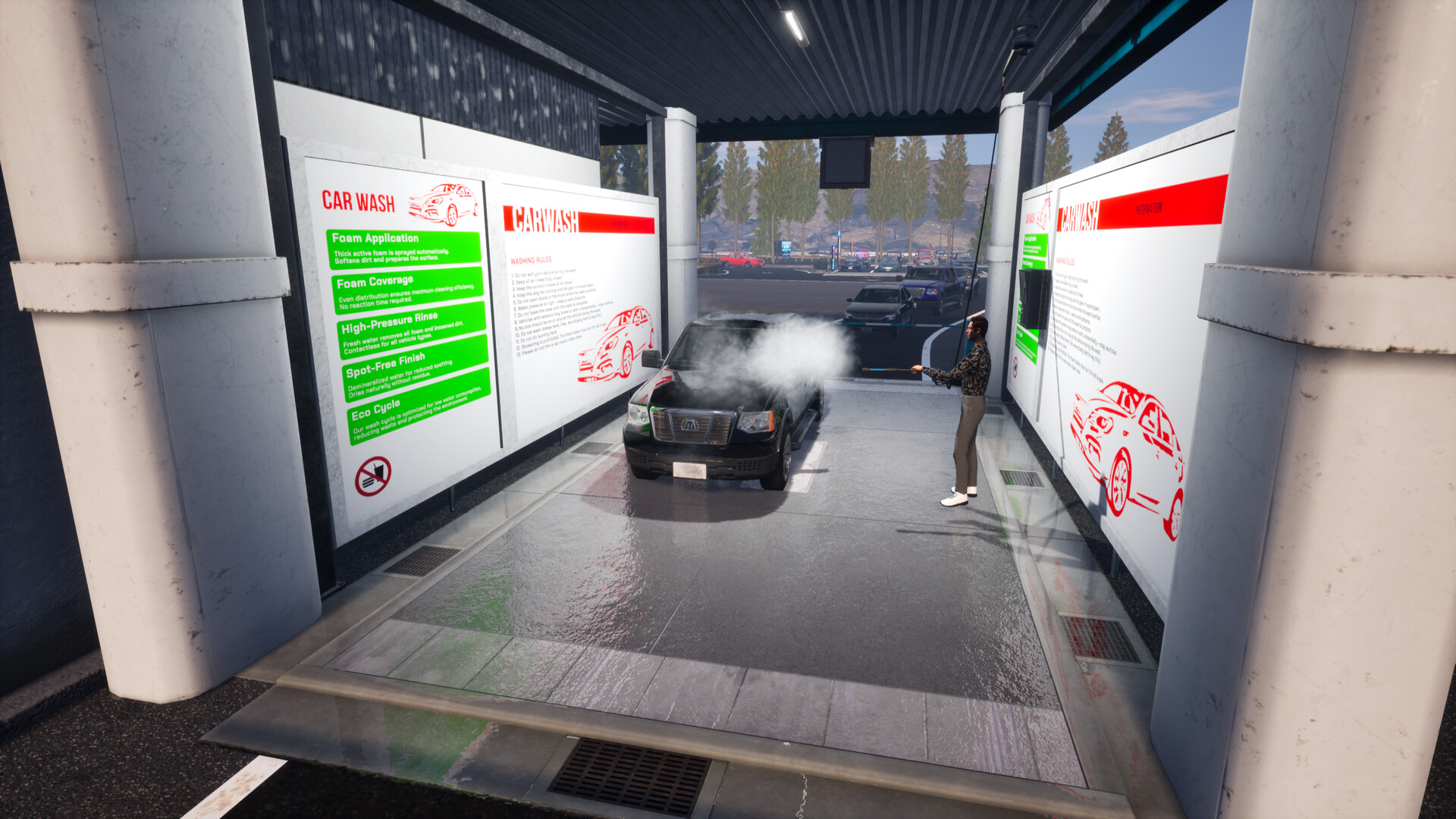
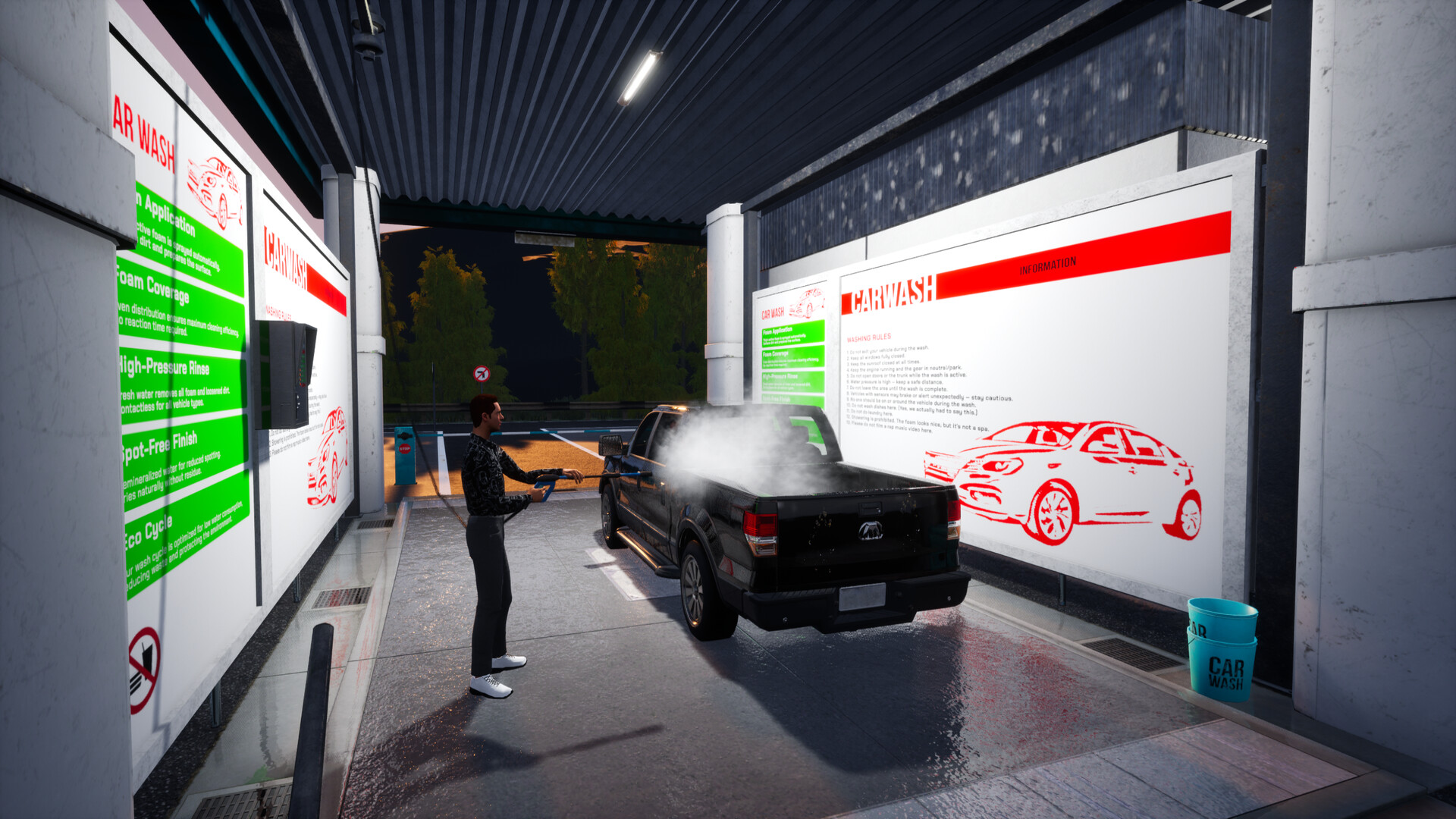
What sets Rest Area Simulator apart is how small mechanics compound. The dynamic economy reacts to buying and selling: bulk purchases can raise prices or reduce margins, so you can’t just spam restocks without thinking. Businesses level up via experience earned from tasks, unlocking new licenses and storefronts like supermarkets or car washes. The Illicit Profit System adds a delicious moral itch — water down fuel or overcharge customers for bigger gains, but risk inspections and reputation loss. Those risky choices create memorable stories: a successful gamble pays off, a failed one costs you dearly and leads to frantic recovery.
A Cooperative Mess (and Its Tools)
Co-op for up to four players is where the game truly shines and occasionally grinds. Playing with friends turns mundane chores into coordinated chaos: one person fuels, another mans the register, someone patrols for trash and a fourth handles repairs. When it works, teamwork is hilarious and efficient. However, multiplayer can be fragile — reports of desyncs, restock bugs and session quirks have popped up in early days. The developers are active and responsive, but expect occasional hiccups if you plan long cooperative runs.
Visuals, Sound and Technical Presentation
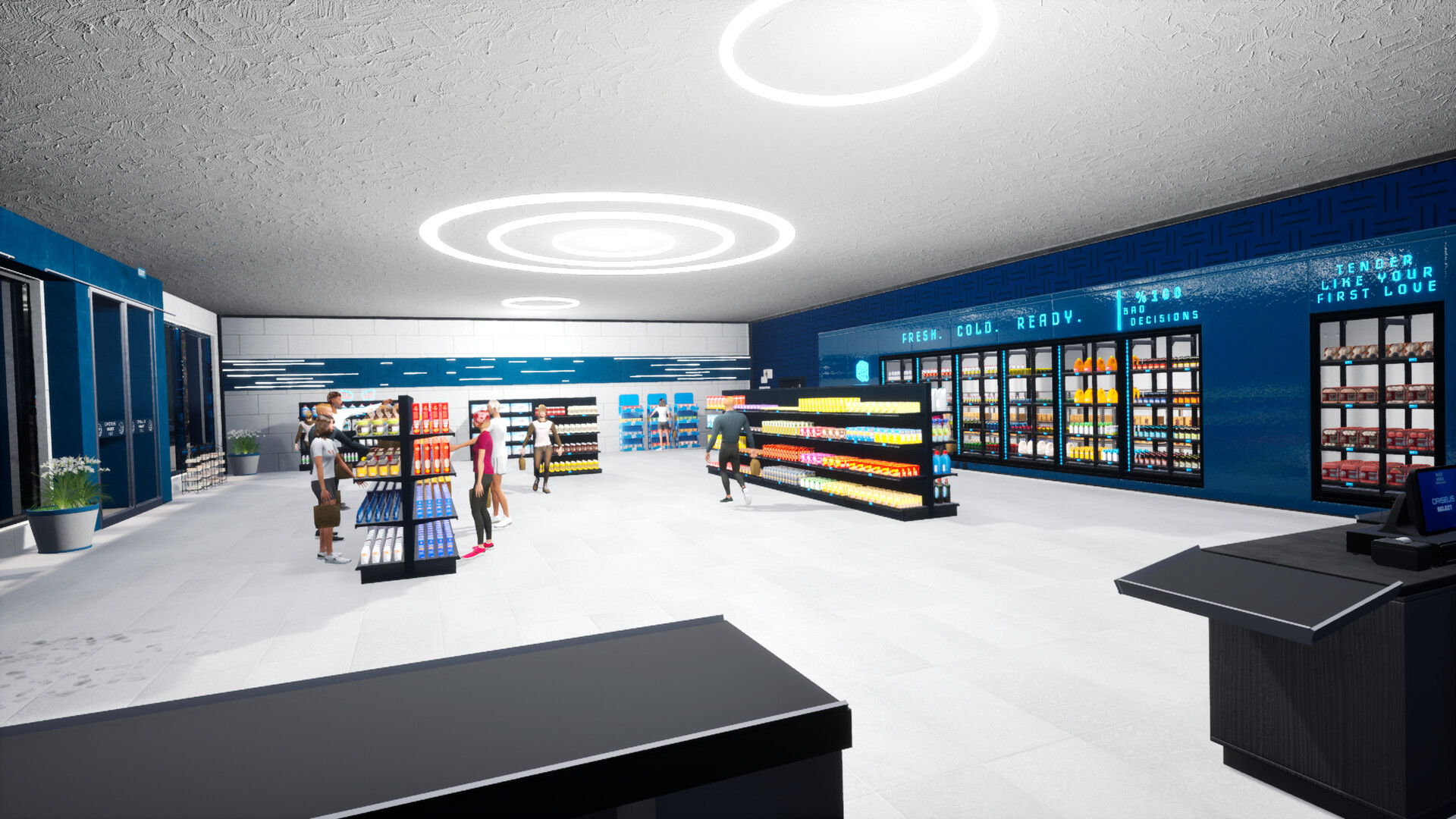
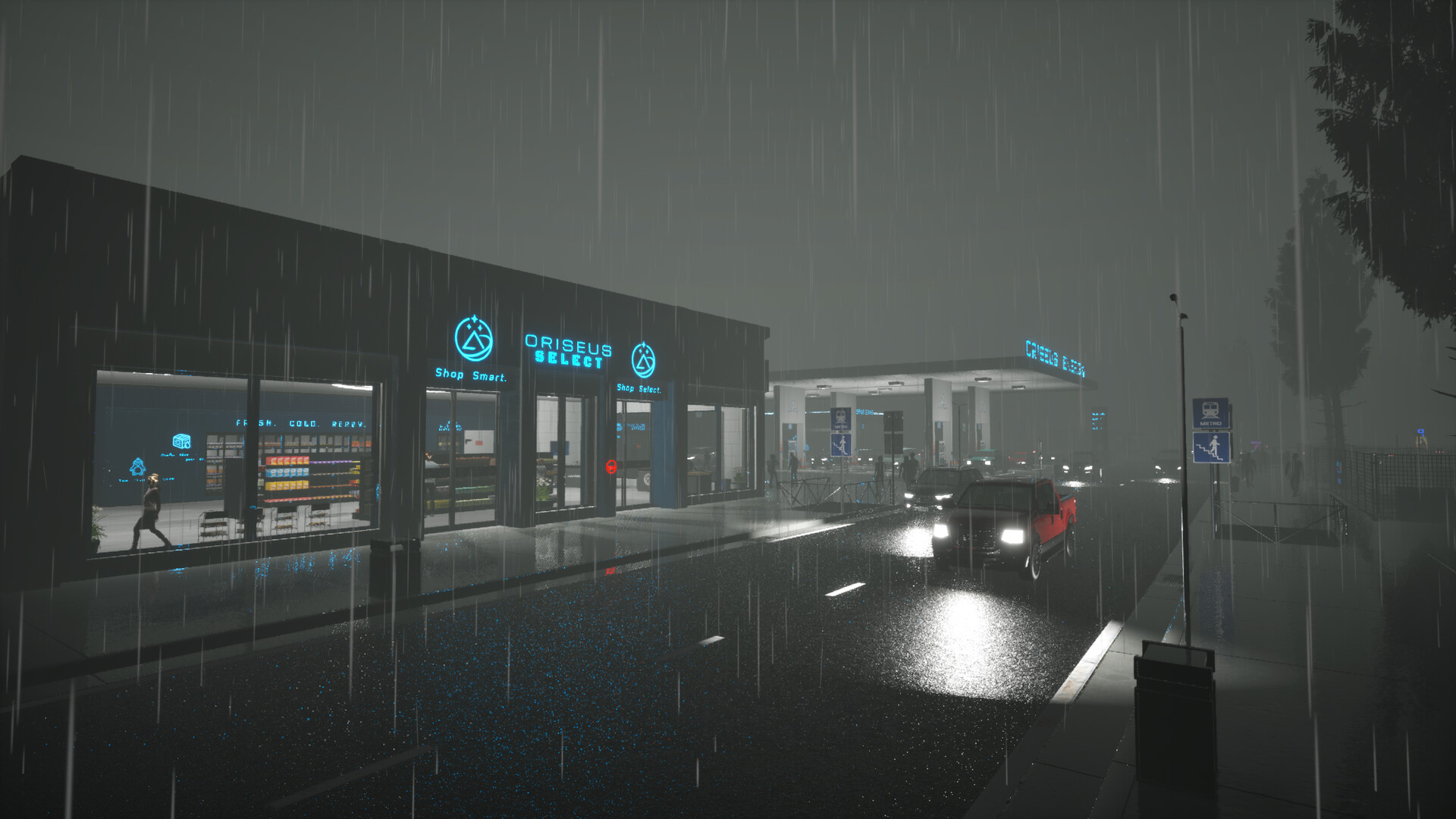
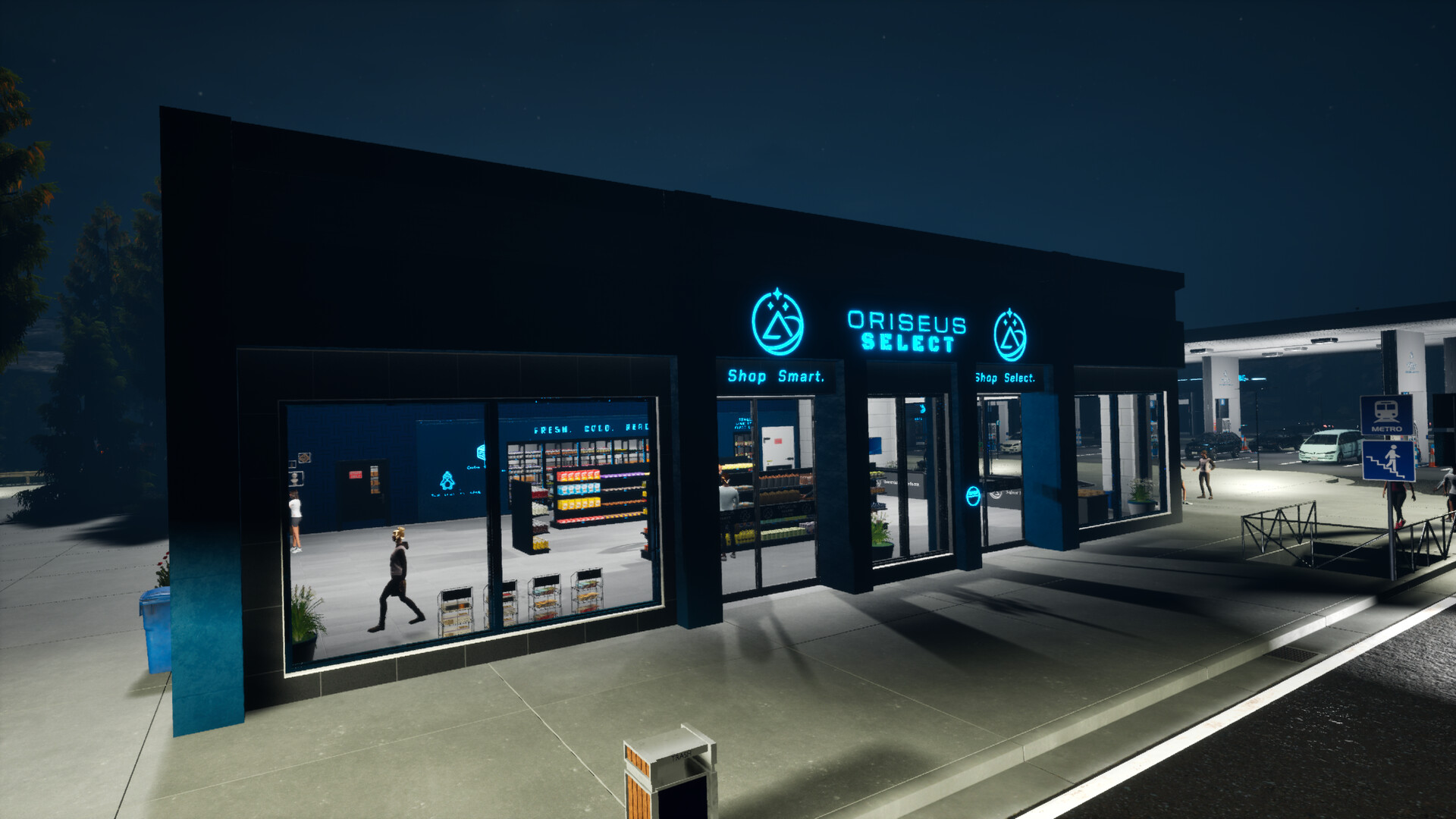
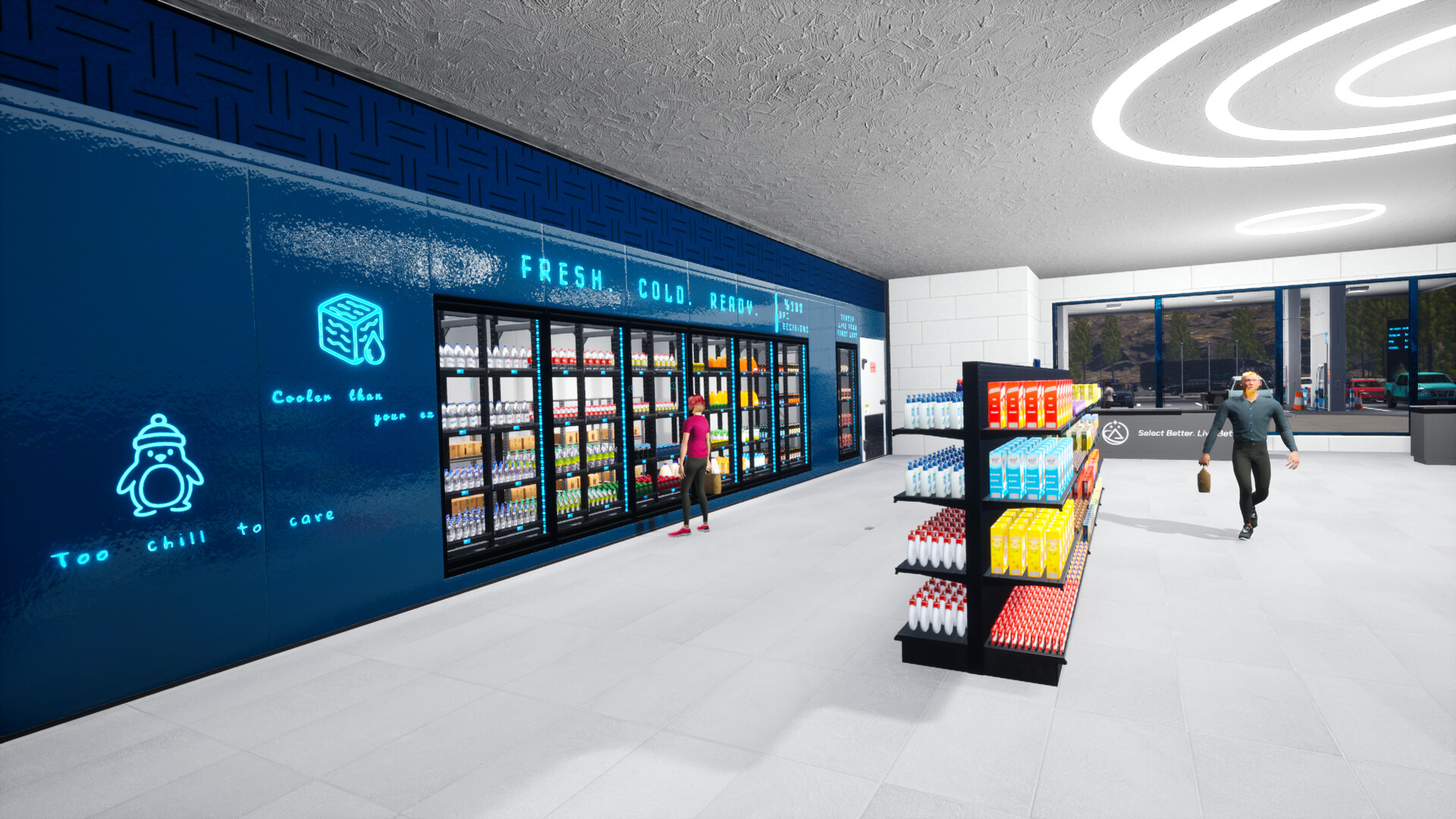
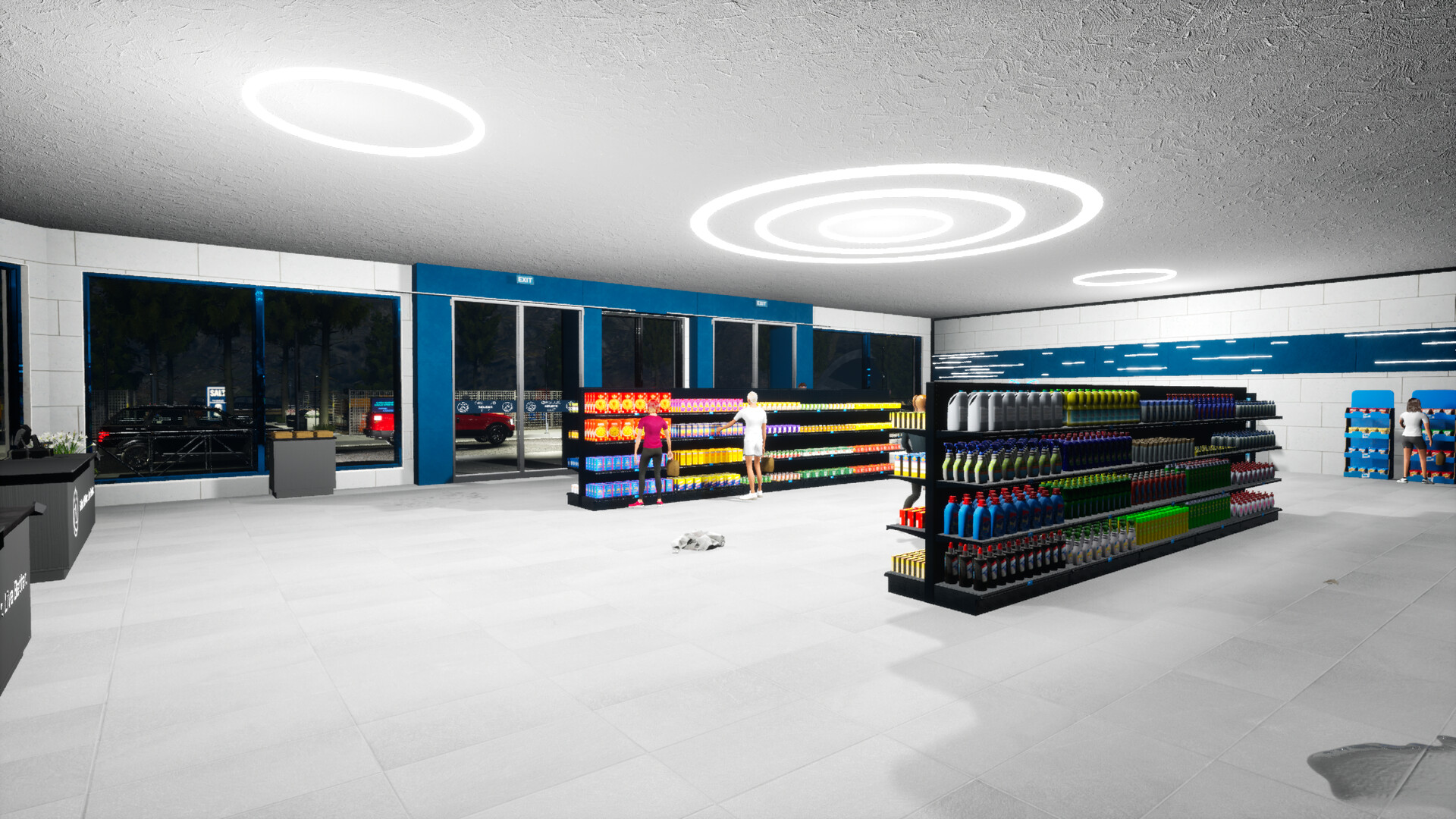
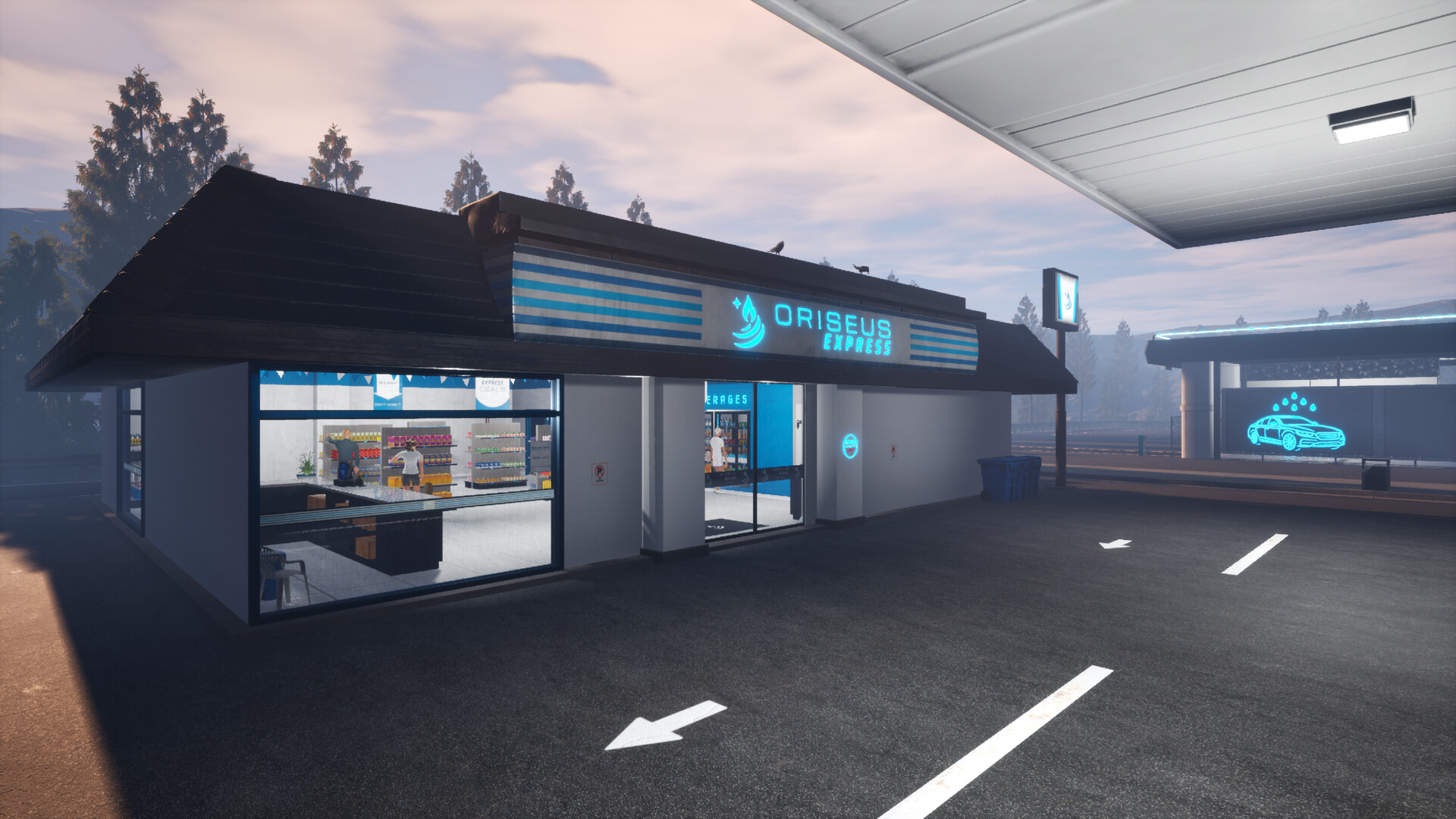
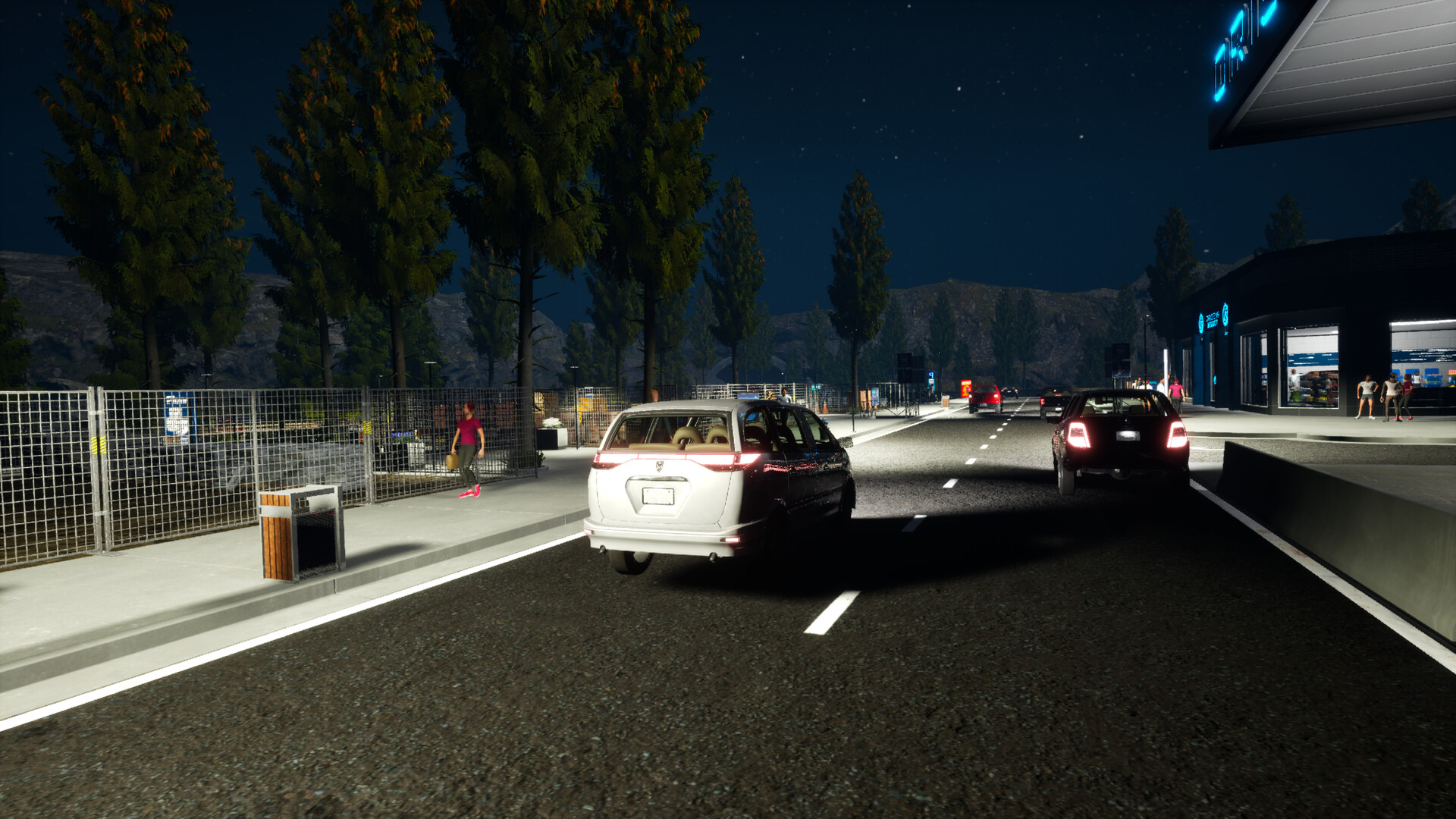
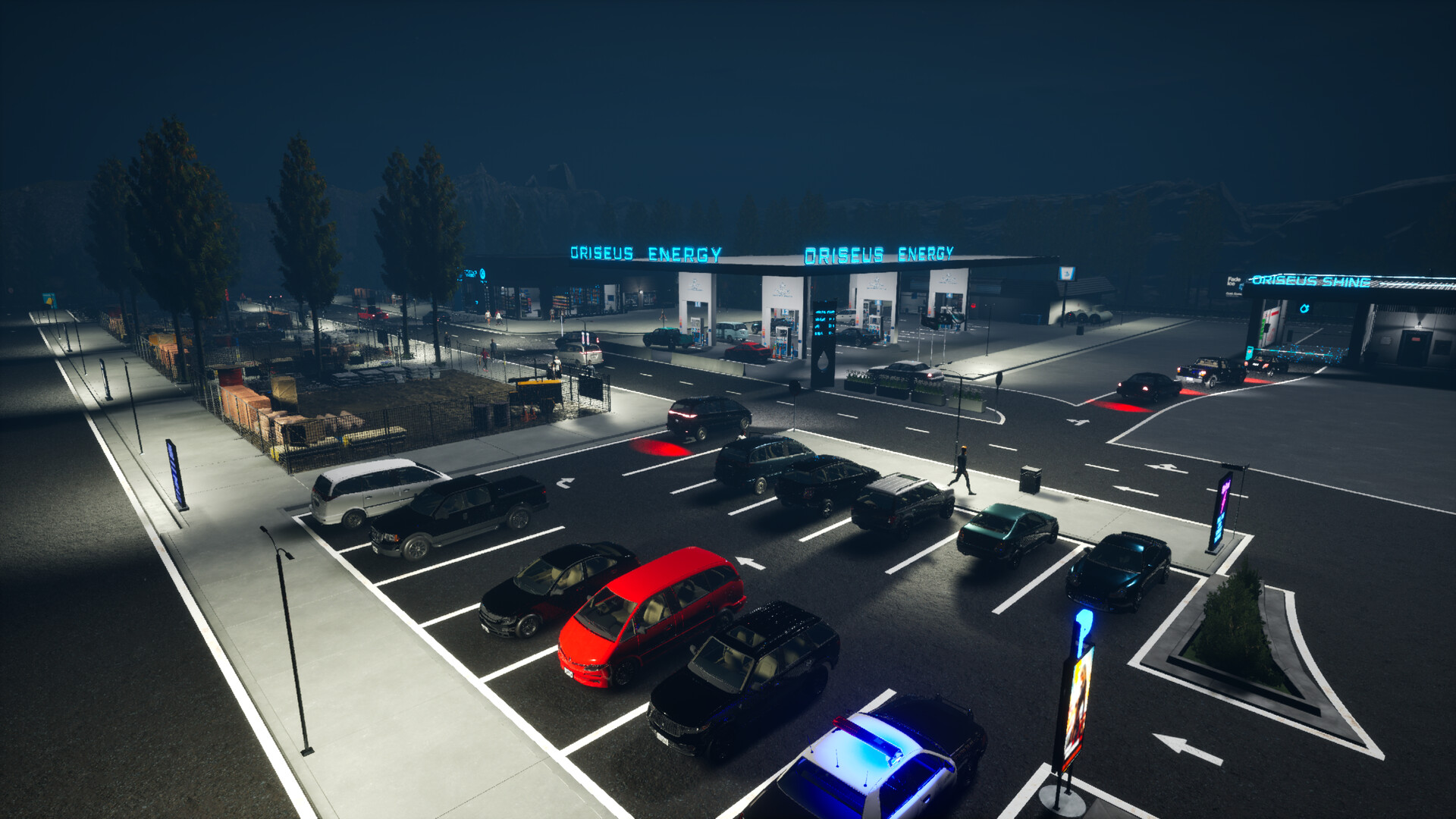
Graphically, the game aims for a soothing, semi-realistic stylized look: clean environments, readable UI and enough detail to make each business feel distinct. Audio is functional and atmospheric — ambient chatter, car sounds and upbeat music that fits the calm-but-busy tone. There has been community chatter about some assets (ads, graffiti, even music or voices) feeling generative or low-effort; whether that bothers you depends on how much you prize handcrafted flair versus gameplay. Performance is generally solid on Windows, and accessibility options are serviceable though some QoL tweaks (proper progress bars for refueling, clearer restock feedback) would help polish the experience.
Systems Loop and Longevity
There’s real progression: earn experience to unlock better products and buy new businesses, hire staff when the workload grows, and invest in upgrades like generators or security cameras. Randomized daily events — storms, inspections, machine breakdowns — keep the routine fresh. For players who love sims with emergent storytelling, this game scratches that itch: it’s easy to lose hours optimizing prices, deciding when to risk illicit profit, or perfecting a four-person run. At launch there are a few rough edges, but the core is rewarding enough that I kept playing through them.
Rest Area Simulator is an enjoyable and sometimes unexpectedly deep sim that shines in co-op and emergent moments. It’s not without flaws — buggy multiplayer bits and some low-effort assets hold it back — but the core systems and developer engagement make it worth trying, especially with friends. Buy it if you love management sims with personality; wait for patches if you need rock-solid multiplayer reliability.




Pros
- Relaxed yet deep management loop with emergent stories
- Great co-op chaos — satisfying teamwork moments
- Dynamic economy and risk/reward systems like illicit profits
- Active developer communication and clear roadmap
Cons
- Occasional bugs and multiplayer desyncs at launch
- Some assets (ads/graffiti/music) feel low-effort or generative
- Minor QoL issues like unclear restock feedback and UI decimals
Player Opinion
Players praise the core gameplay loop and how satisfying co-op runs can be — many say time flies while managing pumps, markets and repairs. Several reviewers highlight the developer’s responsiveness and the game’s potential as updates add new businesses. On the flip side, recurring criticisms include bugs in multiplayer (desyncs, duplicated charges or empty restocks) and some assets feeling like AI-generated placeholders; that detracts from the handcrafted vibe some players expected. If you enjoy casual management sims and cooperative chaos, fans recommend this title; seasoned players of the genre note it’s promising but not yet perfect.