






Outworld Station Review – A Chill but Ambitious Space-Automation Sim
Build interstellar supply chains, mine asteroids and automate a station-spanning empire. Outworld Station blends cozy automation with occasional combat and sci-fi toys—fun for newcomers and satisfying for vets.
I jumped into Outworld Station expecting another factory game with conveyor belts and late‑night spreadsheets, but Trickjump Games surprised me with a belt‑less, station‑centric take that feels both welcoming and clever. It mixes asteroid mining, automated freighters and wormhole logistics into an experience that's sometimes peaceful, sometimes hectic—usually in a good way. If you like Satisfactory’s scale or Riftbreaker’s feel but want something more forgiving and more focused on interstellar supply chains, this one deserves a spot on your must‑try list.

Mining, Building and the Joy of Scalability
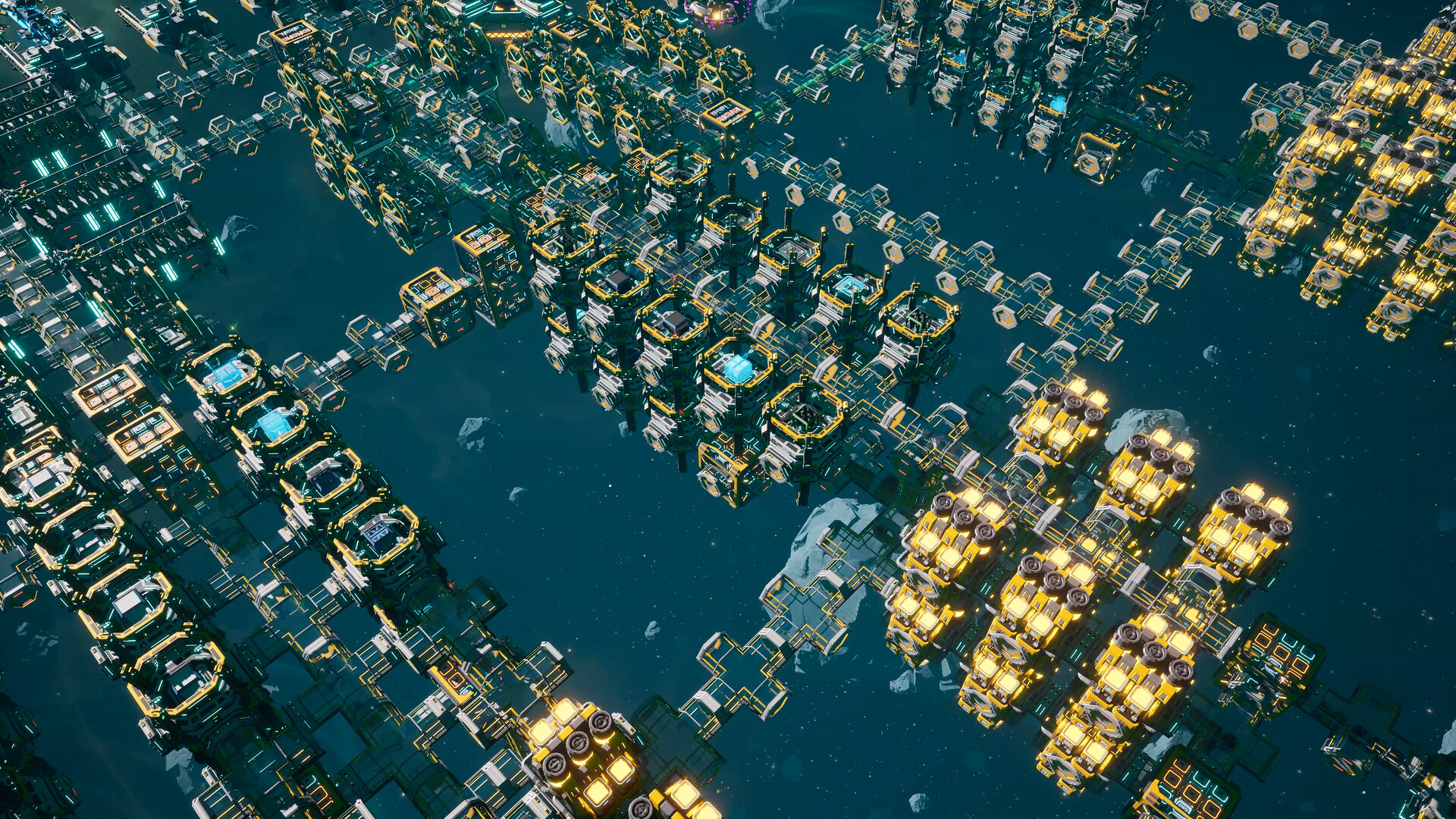
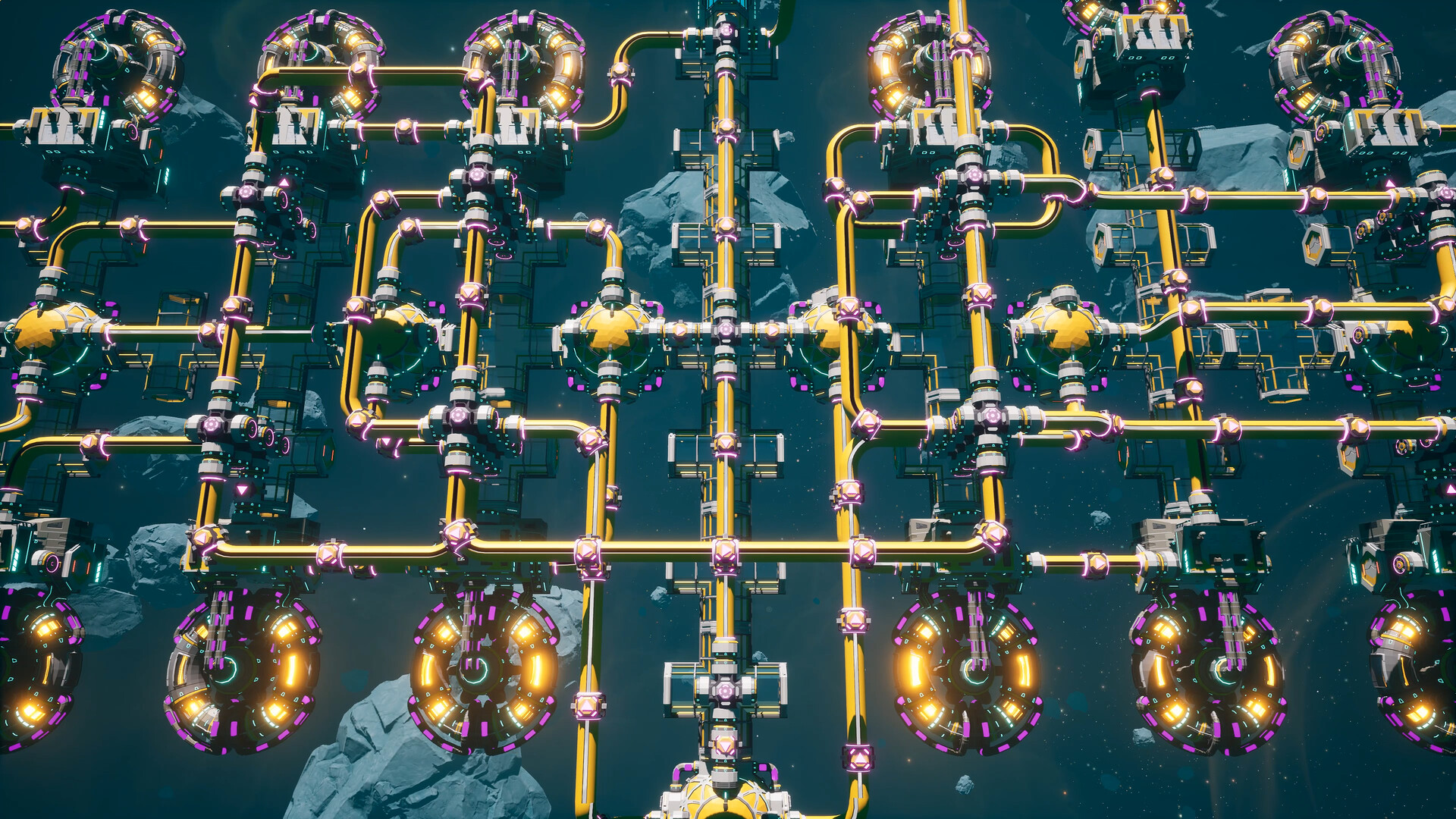
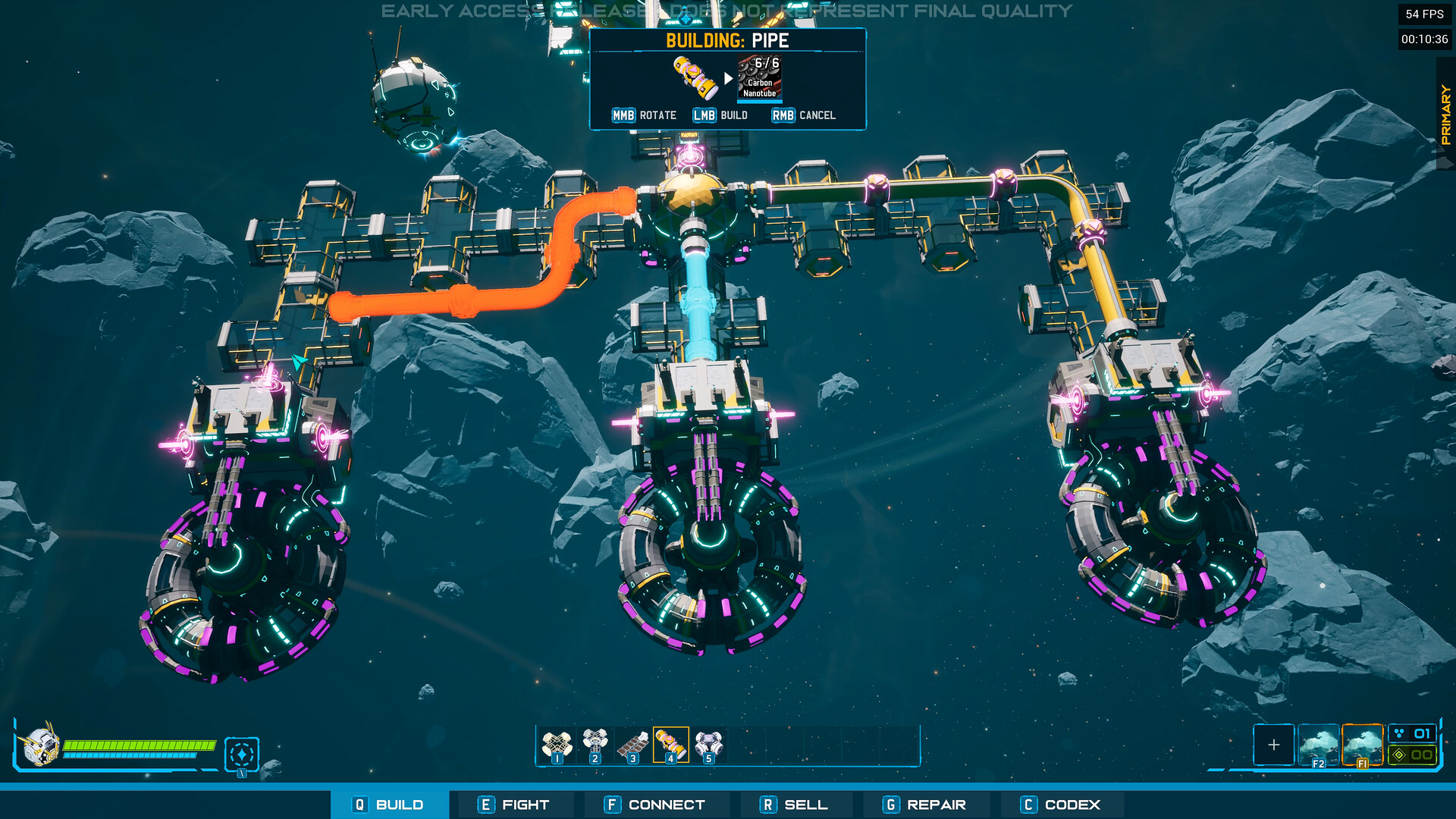
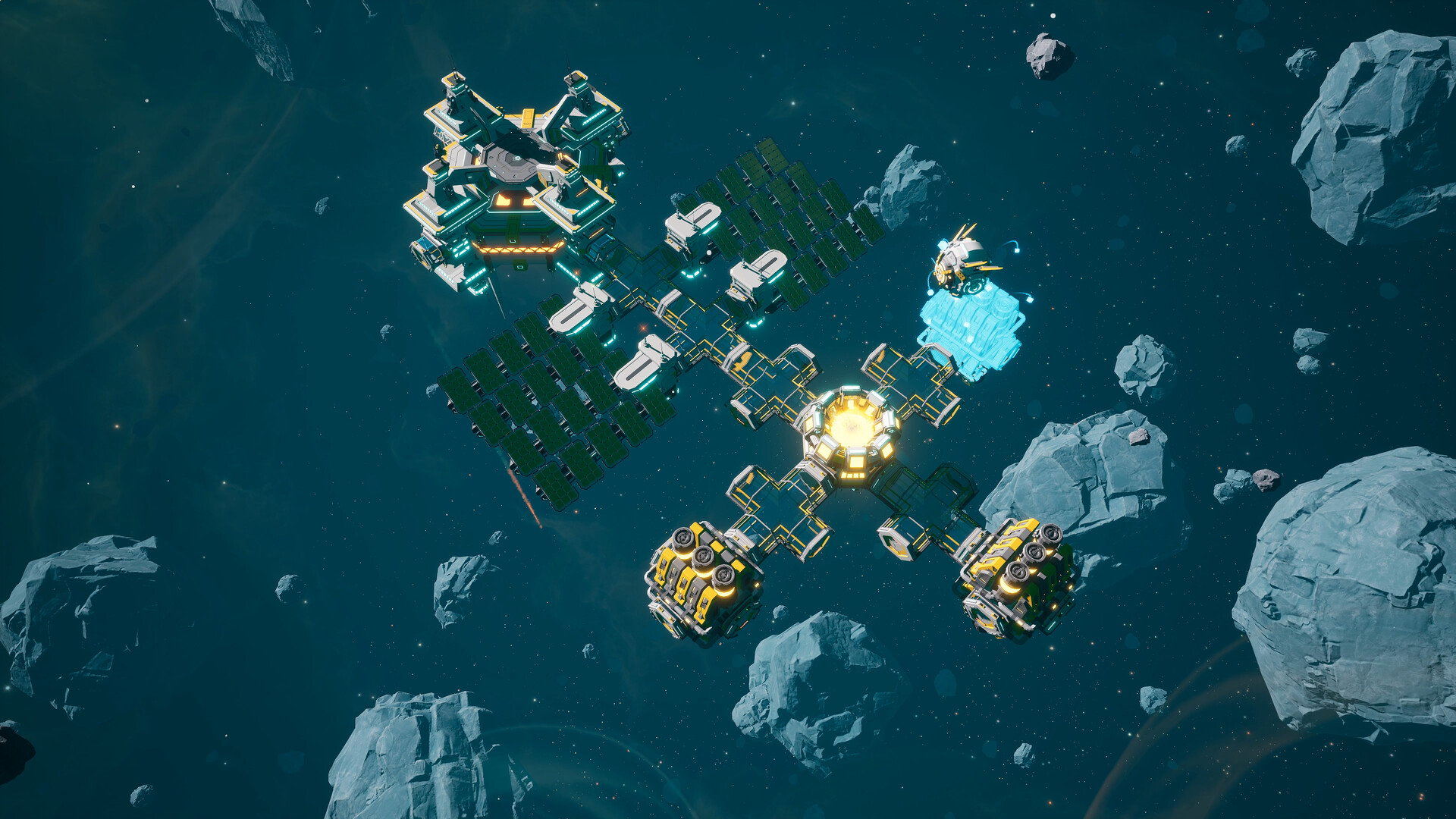
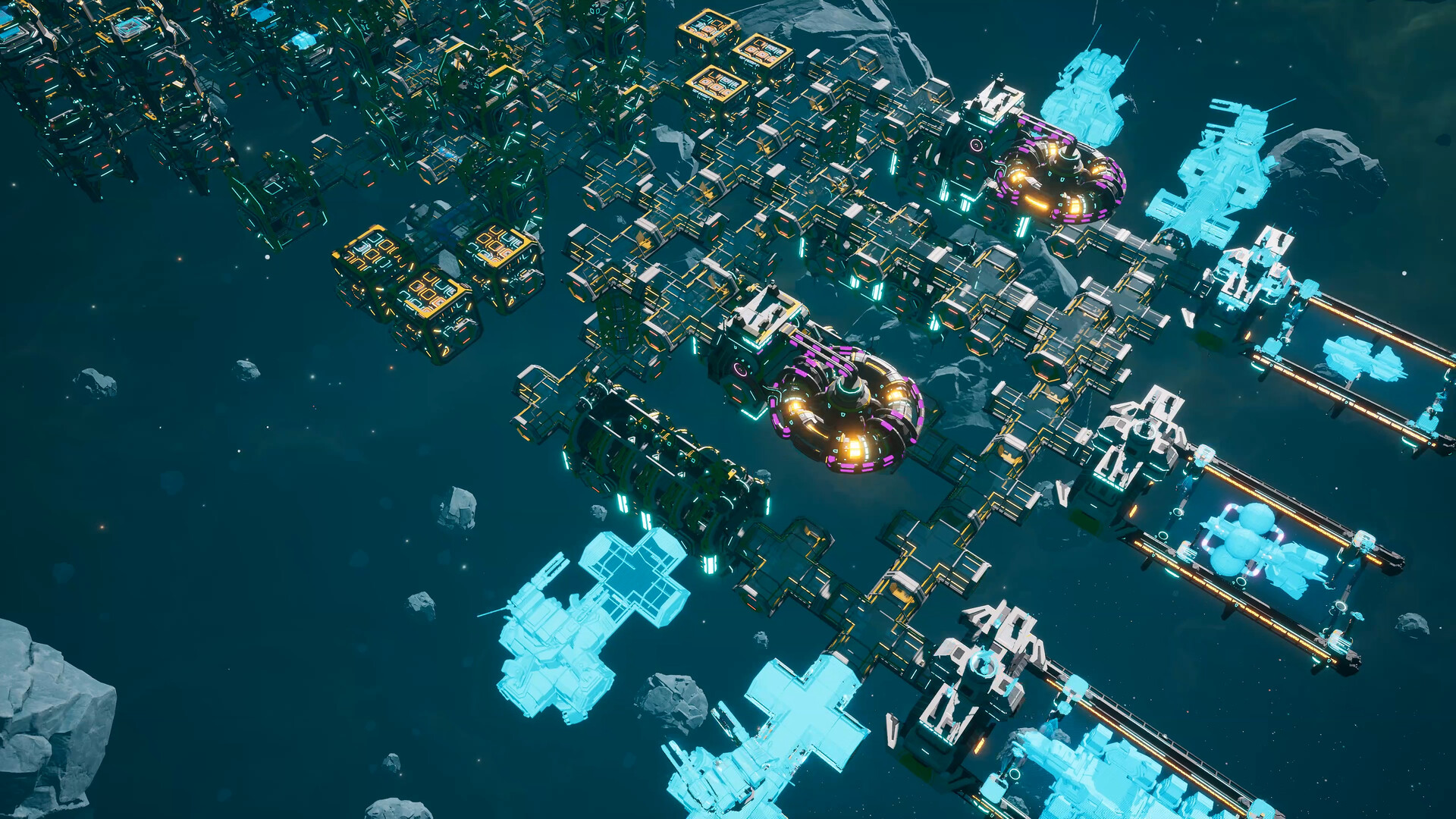
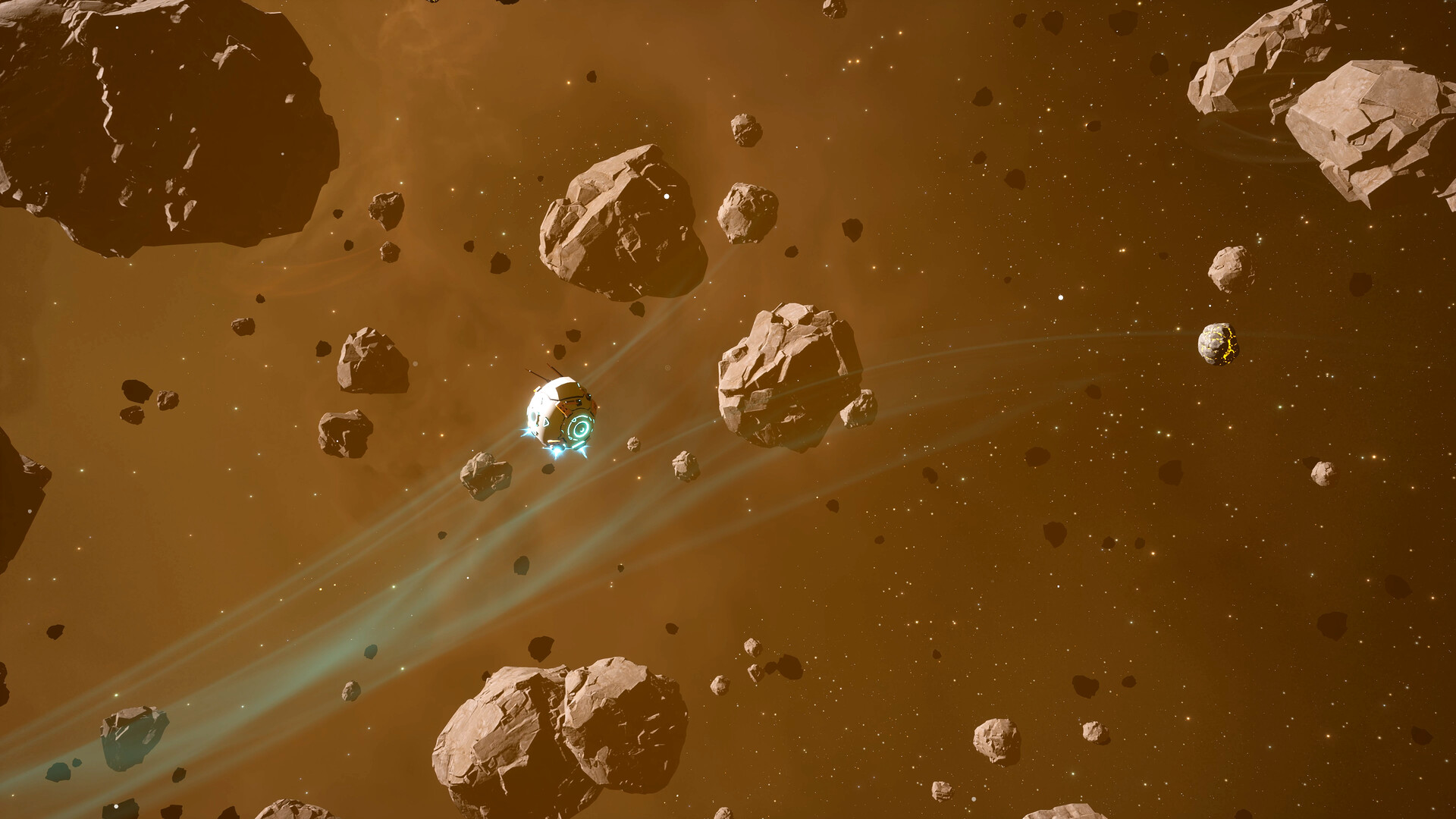
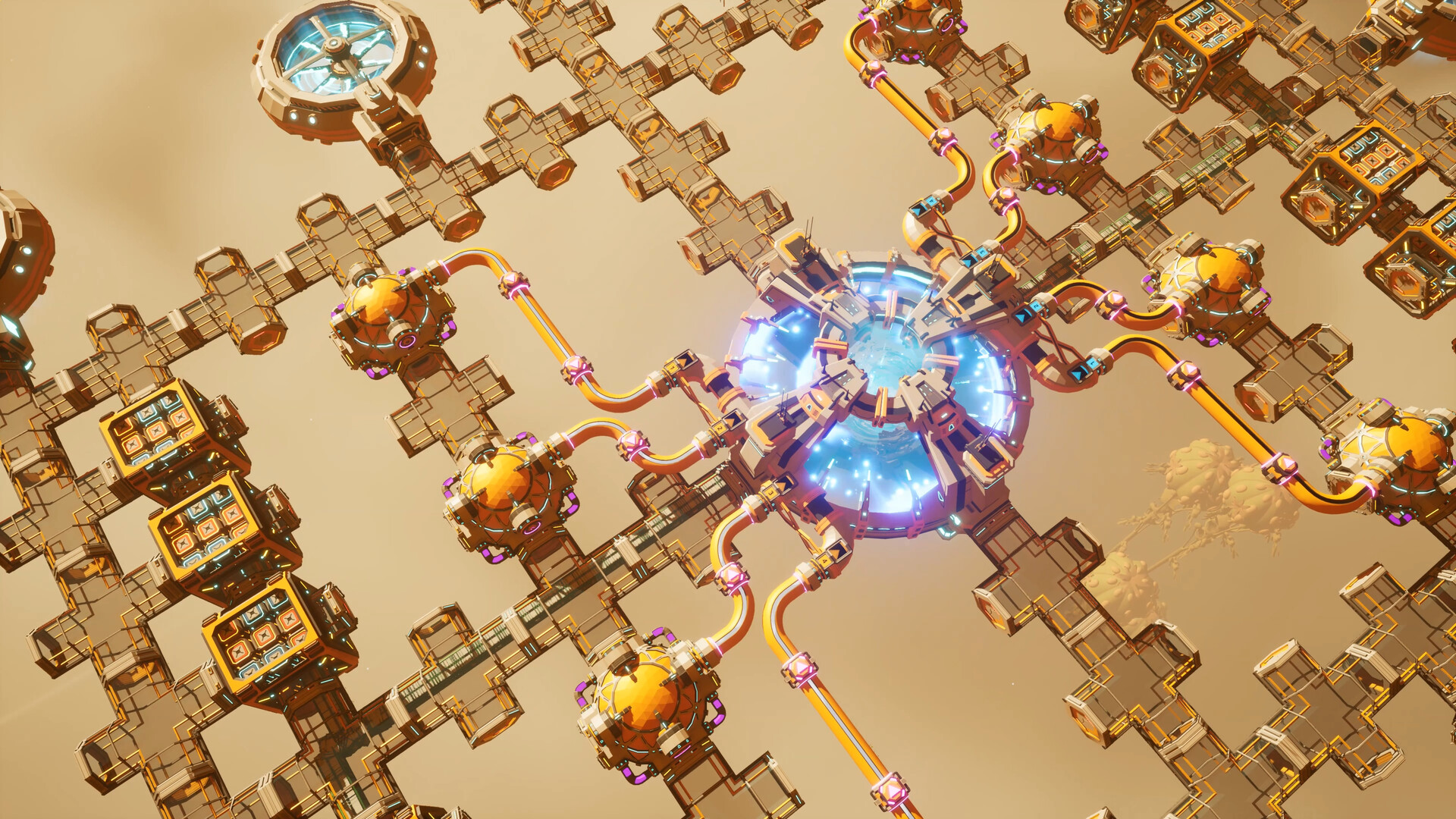
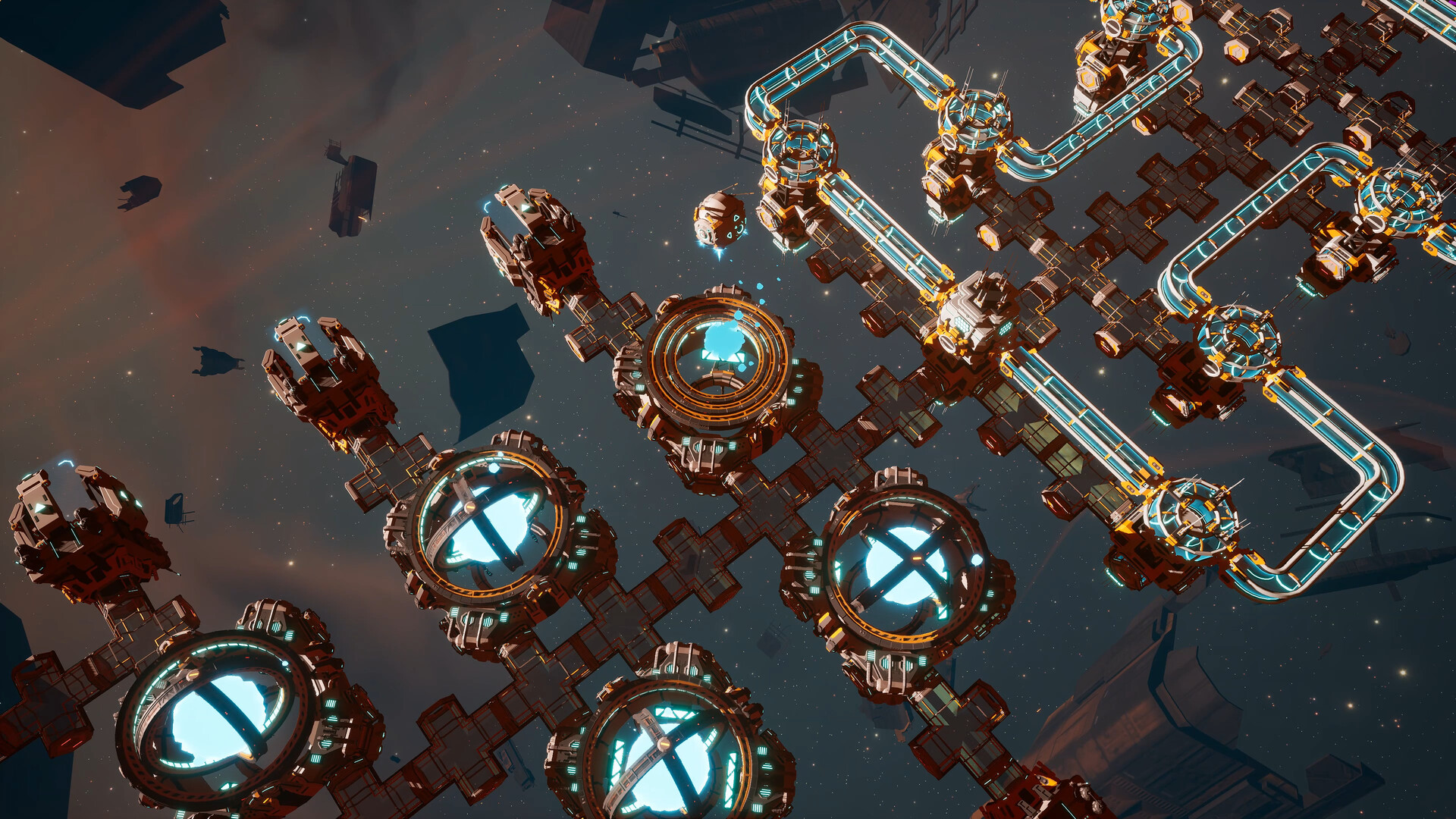
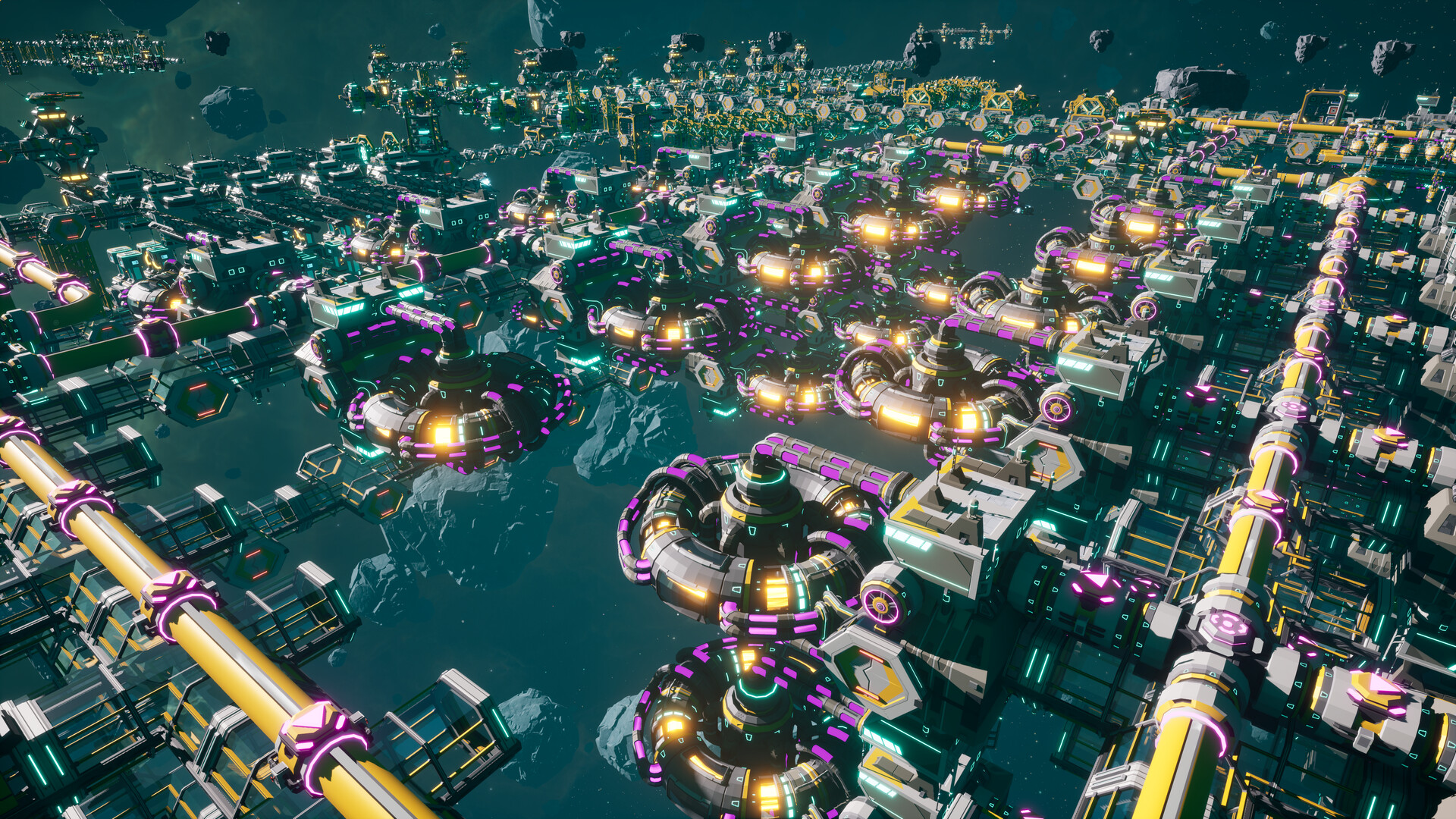
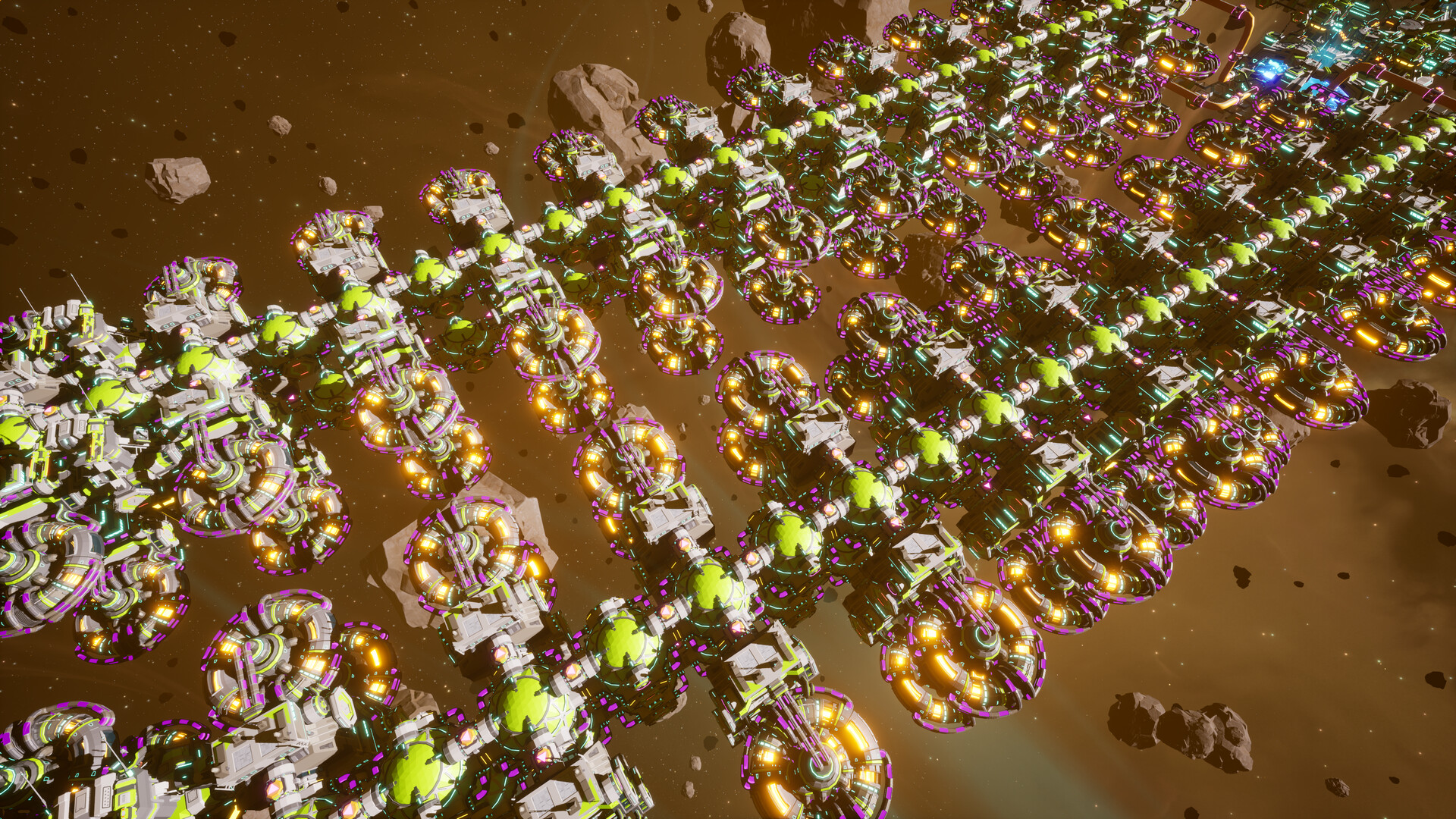
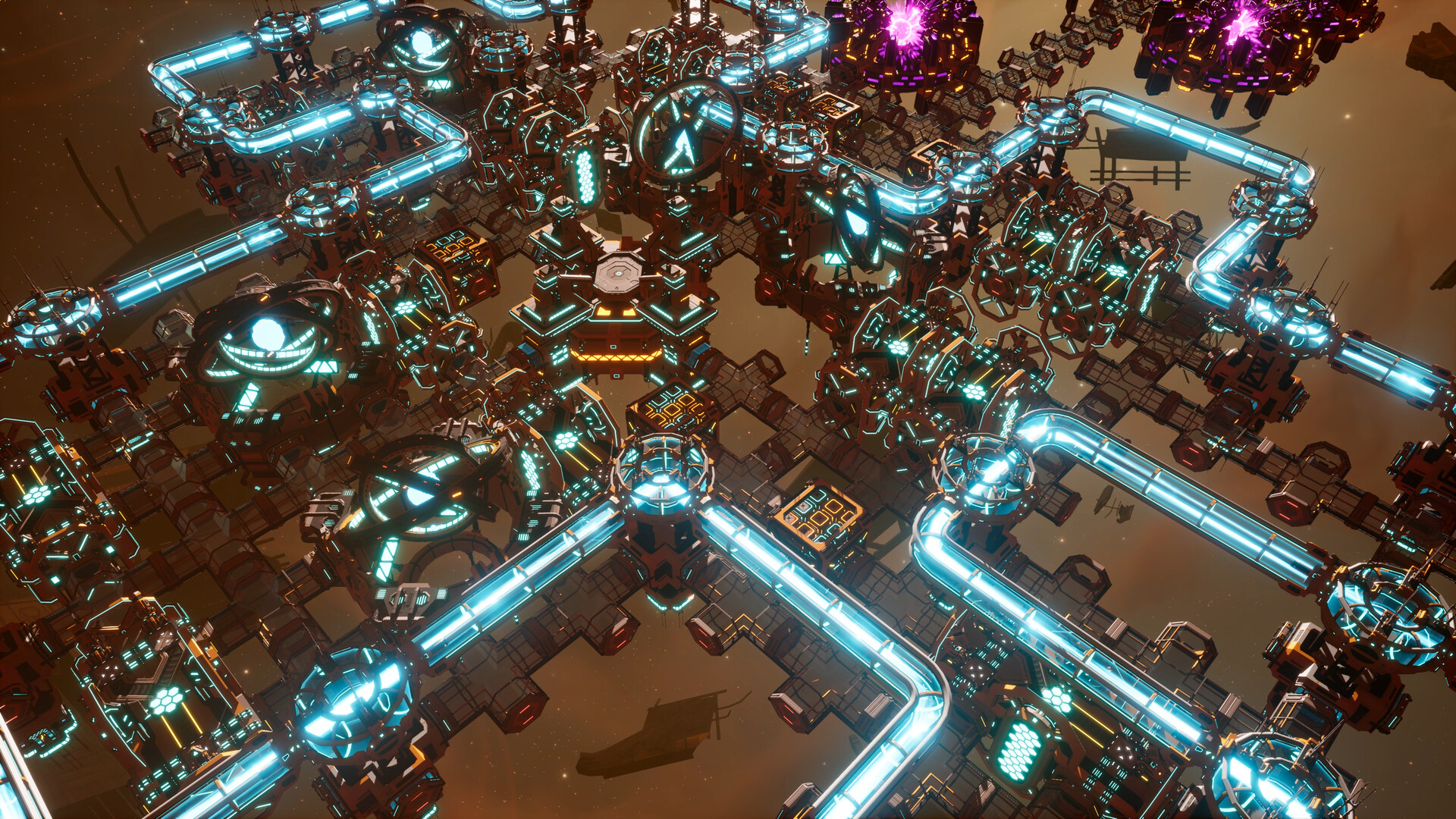
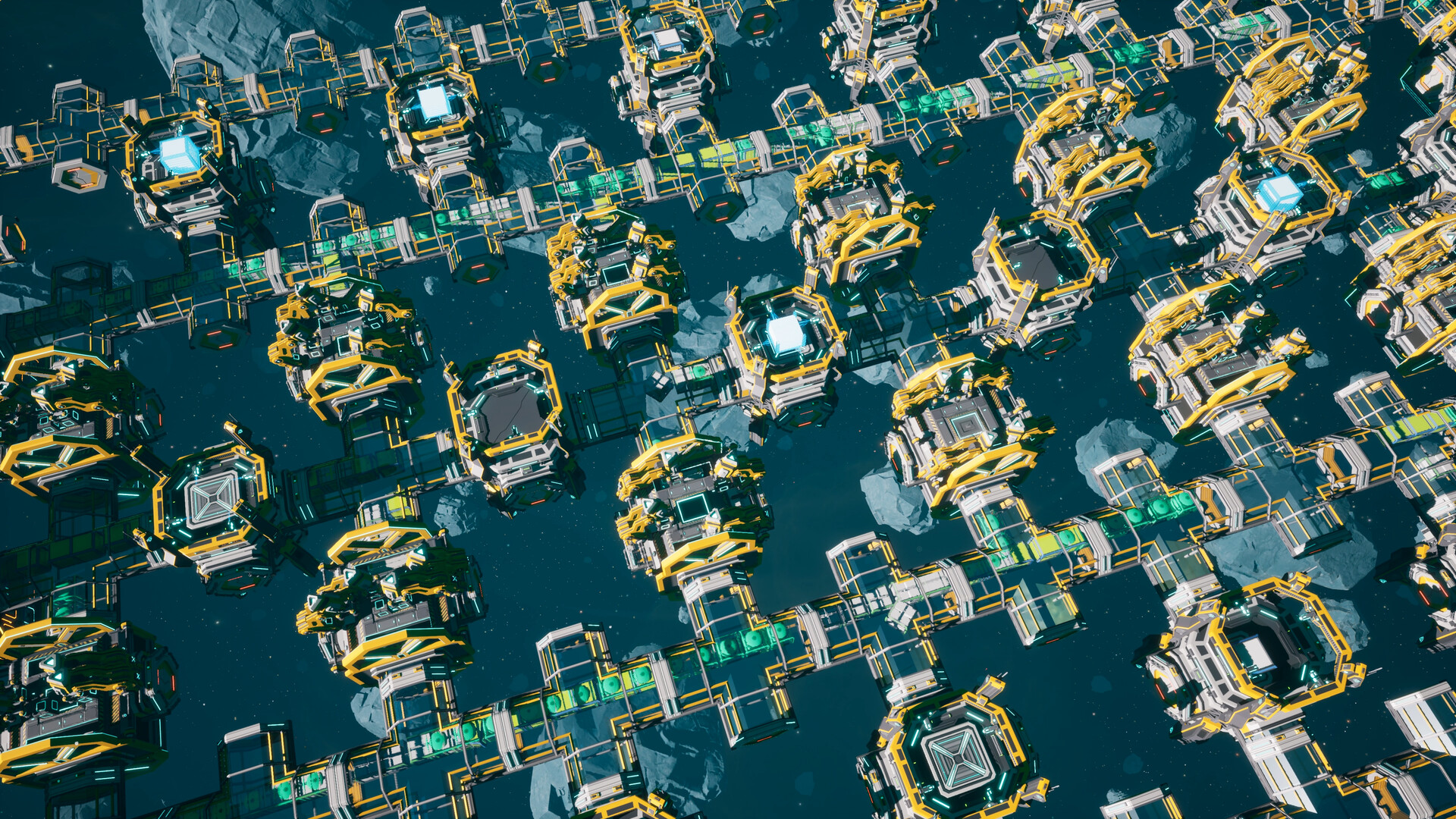
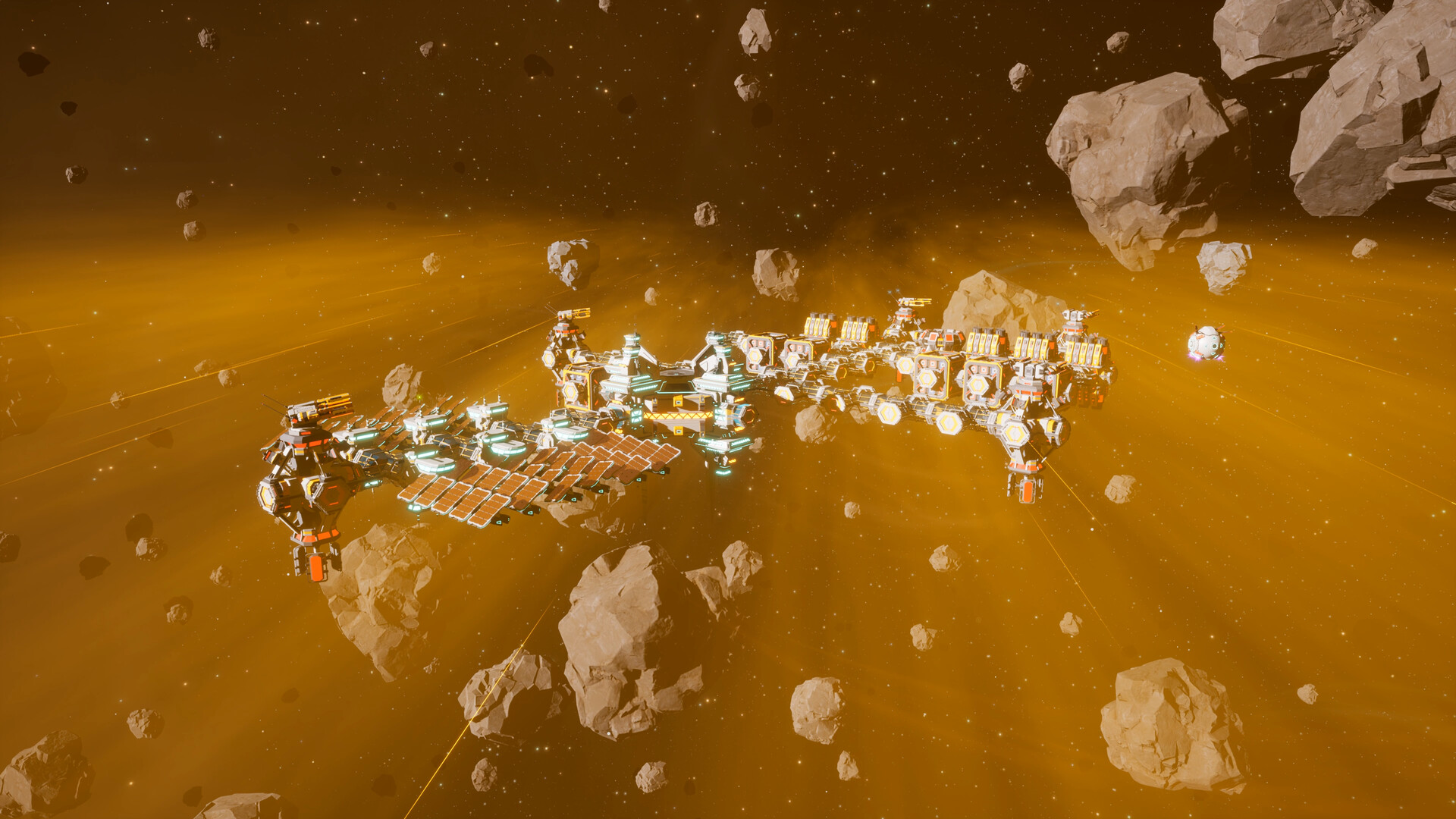
Outworld Station makes the everyday tasks of a Station Commander feel satisfying. You start by dragging small asteroids to a station, setting up miners and cloud‑collectors, and then slowly sculpting production chains that stretch across planets. Instead of endless conveyor spaghetti, the game leans on modular stations, robots and freighters that shuttle goods through wormholes — it’s more about macro layout and scheduling than micro‑routing. I found myself obsessing over where to place an antimatter plant or how to slot a new reactor without disrupting my oxygen production. There’s a pleasant rhythm: set something up, watch it hum, then tinker when a bottleneck appears.
When Logistics Go Galactic
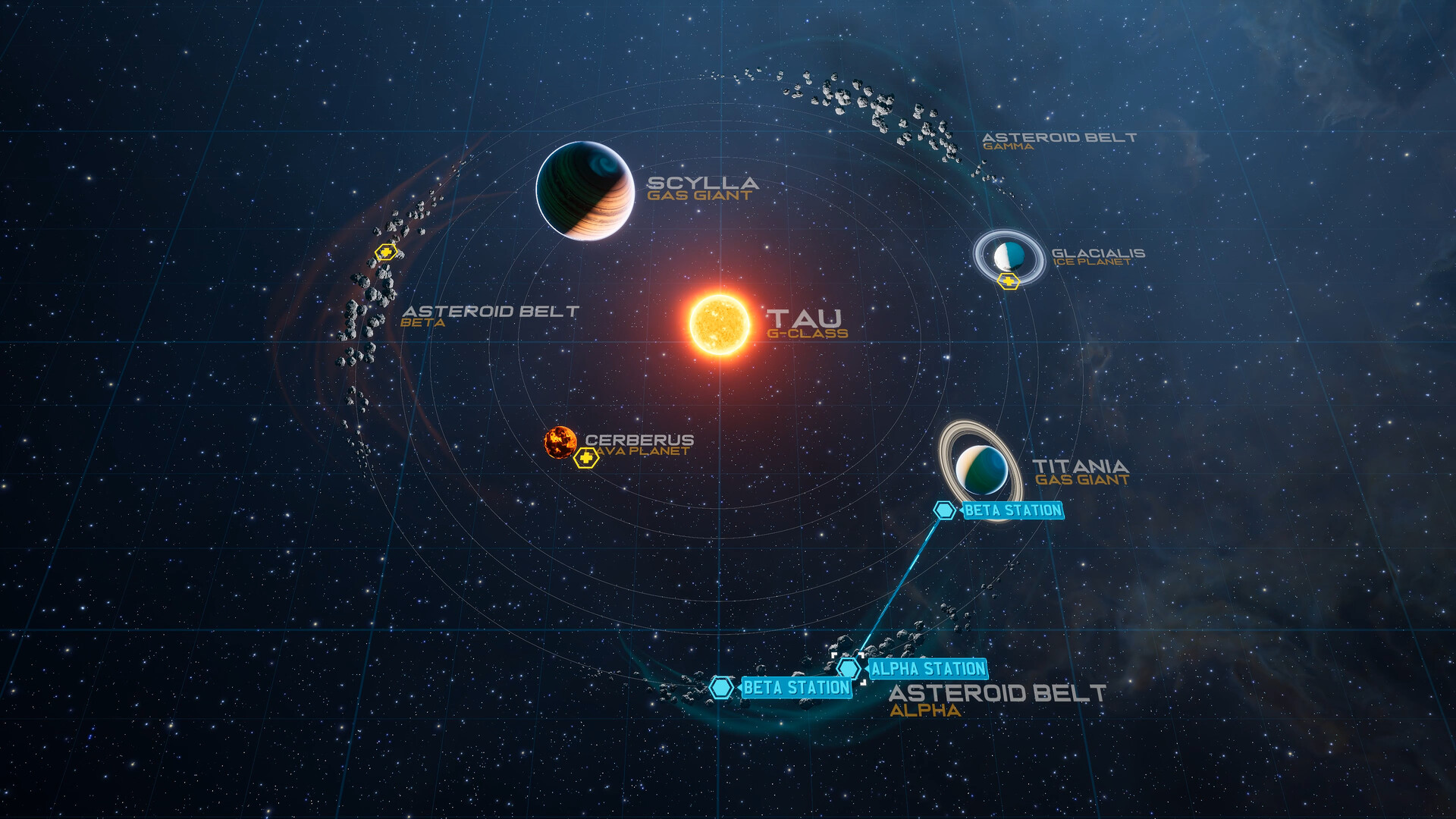
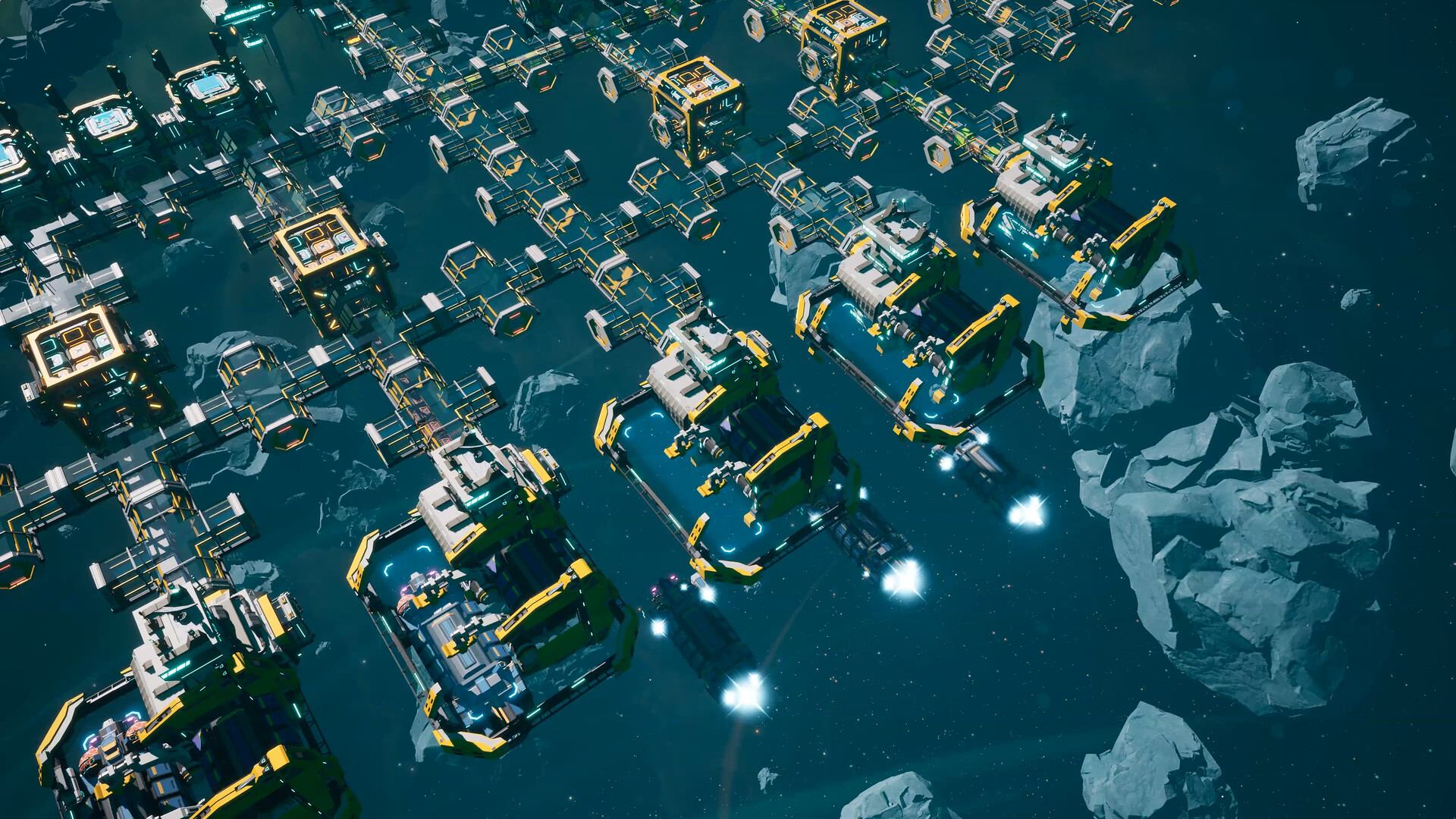
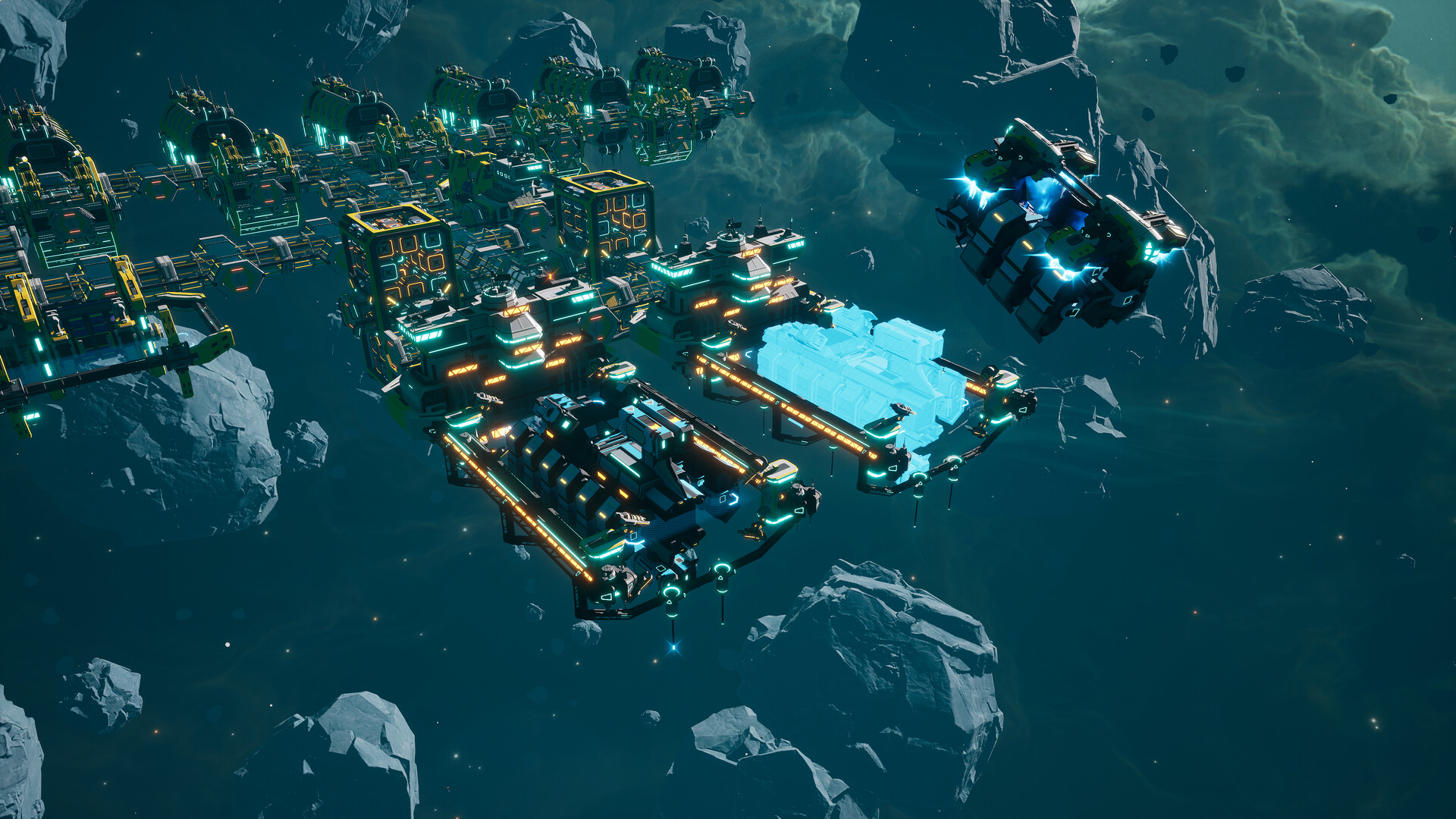
What sets Outworld Station apart is how it treats logistics as an interplanetary puzzle. You don’t just build on one map — you found multiple stations across planets, each with different resources and hazards, and link them with wormholes and robot freighters. The supply‑chain design encourages creative problem solving: should you pipeline rare ore back to the main hub or construct mid‑level assembly on the resource planet? Military and civilian starships introduce another layer: building certain vessels requires bespoke production flows and can expose your stations to threats. I loved the wormhole math — balancing delayed deliveries against building redundancy with extra freighters felt strategic and cinematic.
A Living Station: Combat, Upgrades and Co‑op
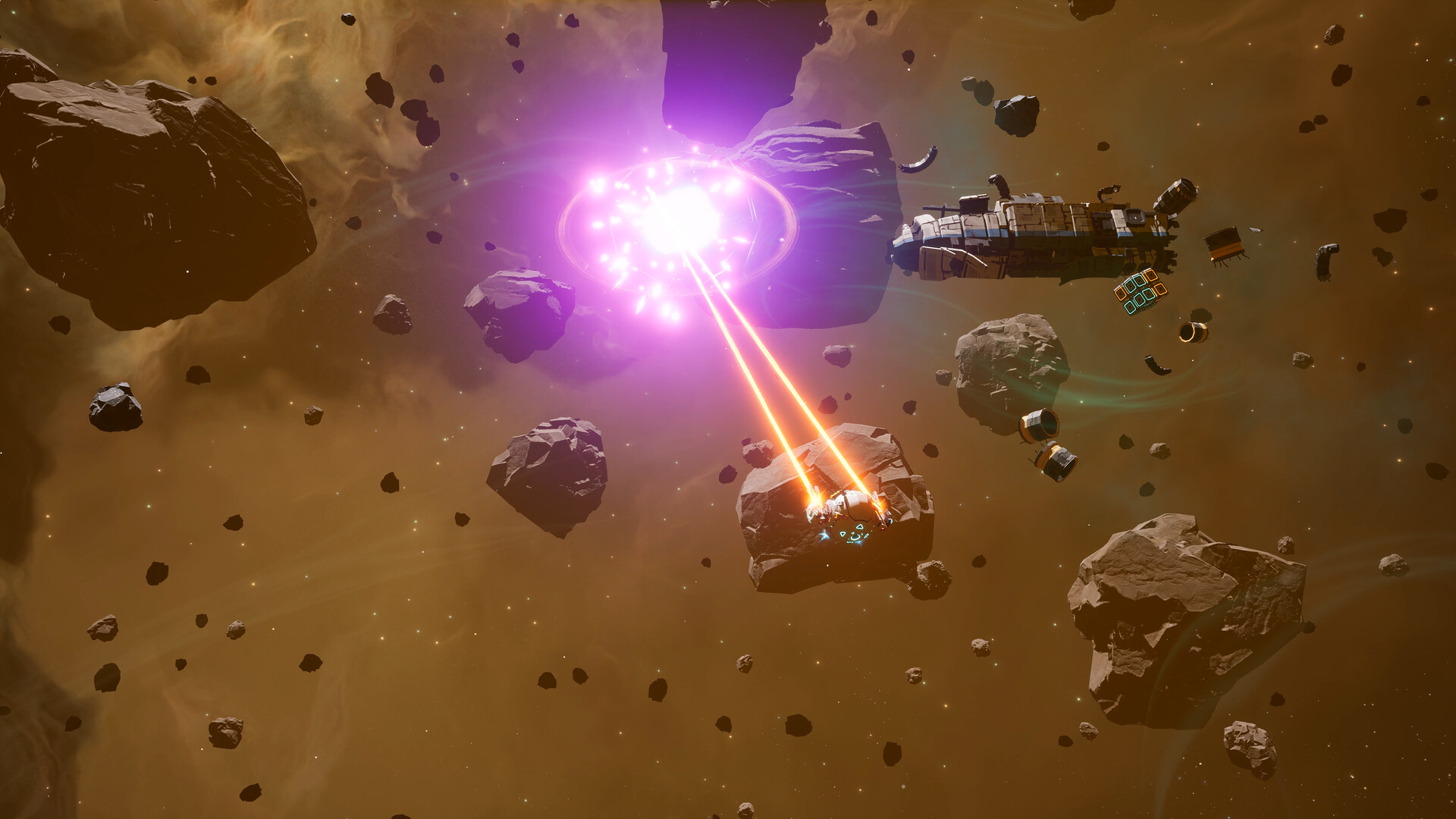
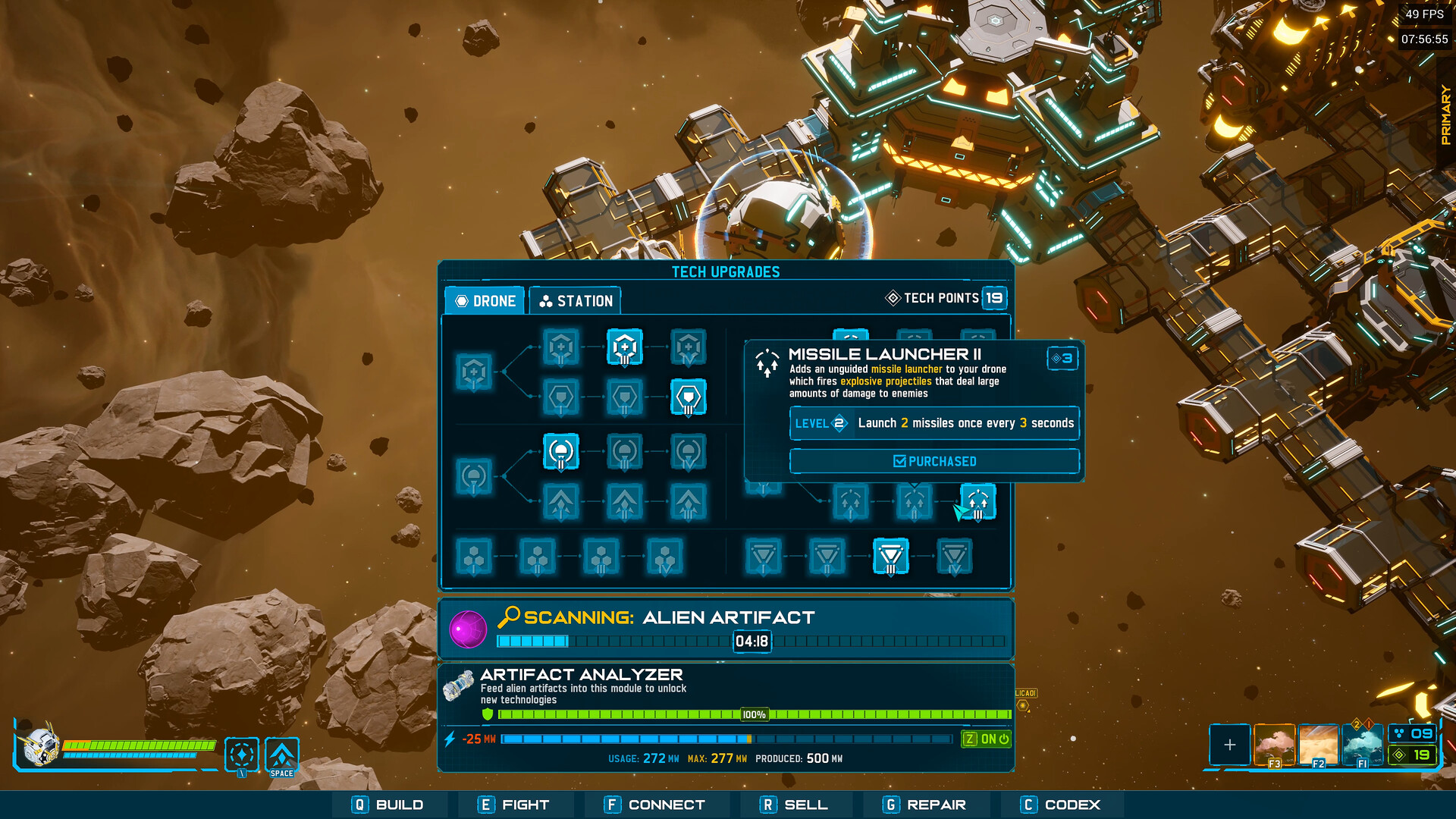
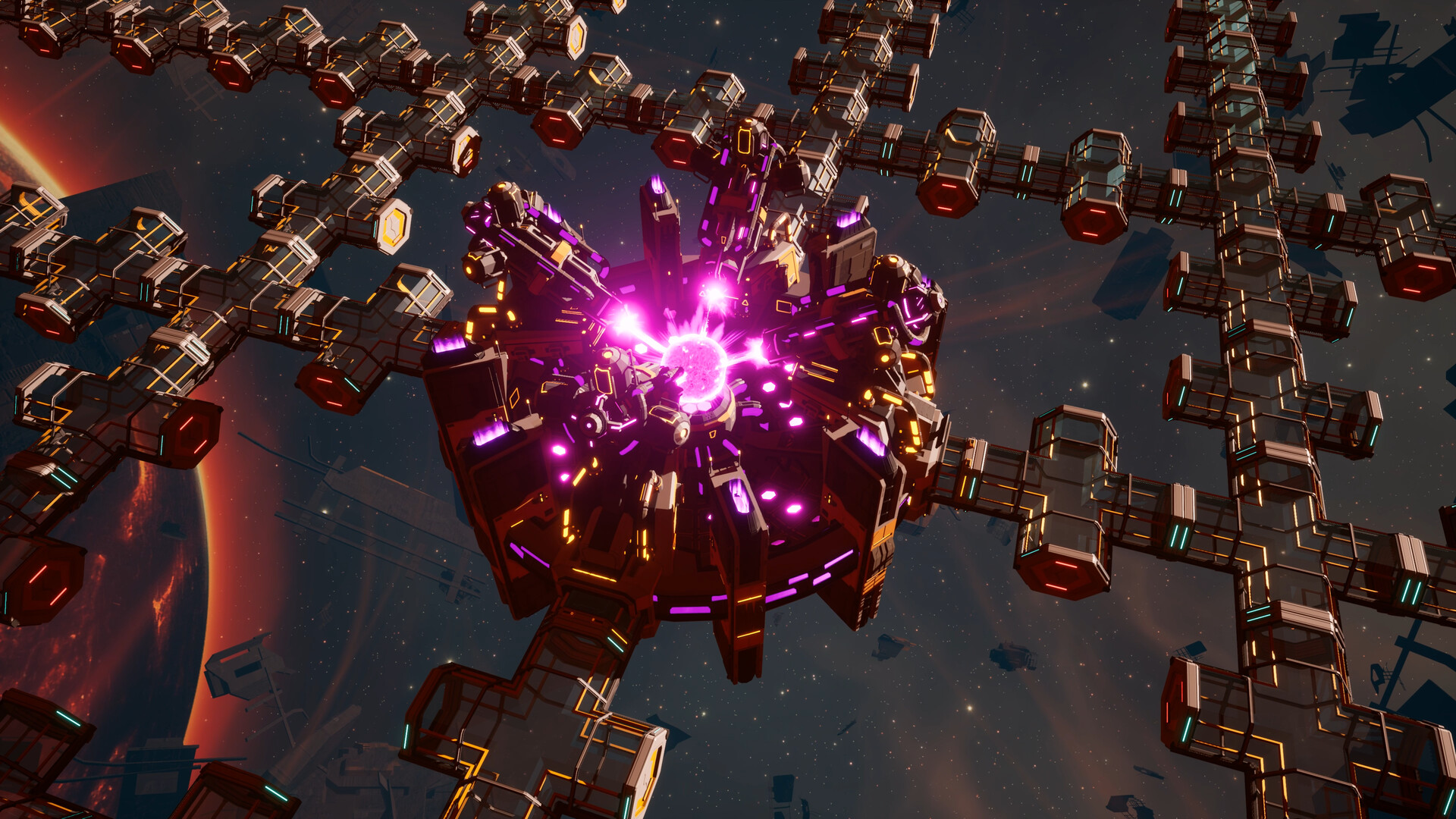
Outworld Station isn’t just peaceful industry; there’s danger in the TAU System. Particle storms, hostile encounters and timed objectives force you to think about defense, shields and ship upgrades. Recovering alien artifacts adds an RPG‑lite progression, letting you buff drones, weapons or efficiency. The upgrade pacing is generally good — it teases new toys at steady intervals — though some players feel certain upgrades are gated too much behind campaign steps. Co‑op for up to four players works well in principle: sharing to‑do lists and dividing roles (one builds, one defends, one runs logistics) makes the loop very social and often hilarious when someone accidentally reroutes antimatter.
A Visual and Sonic Toolkit for Planning
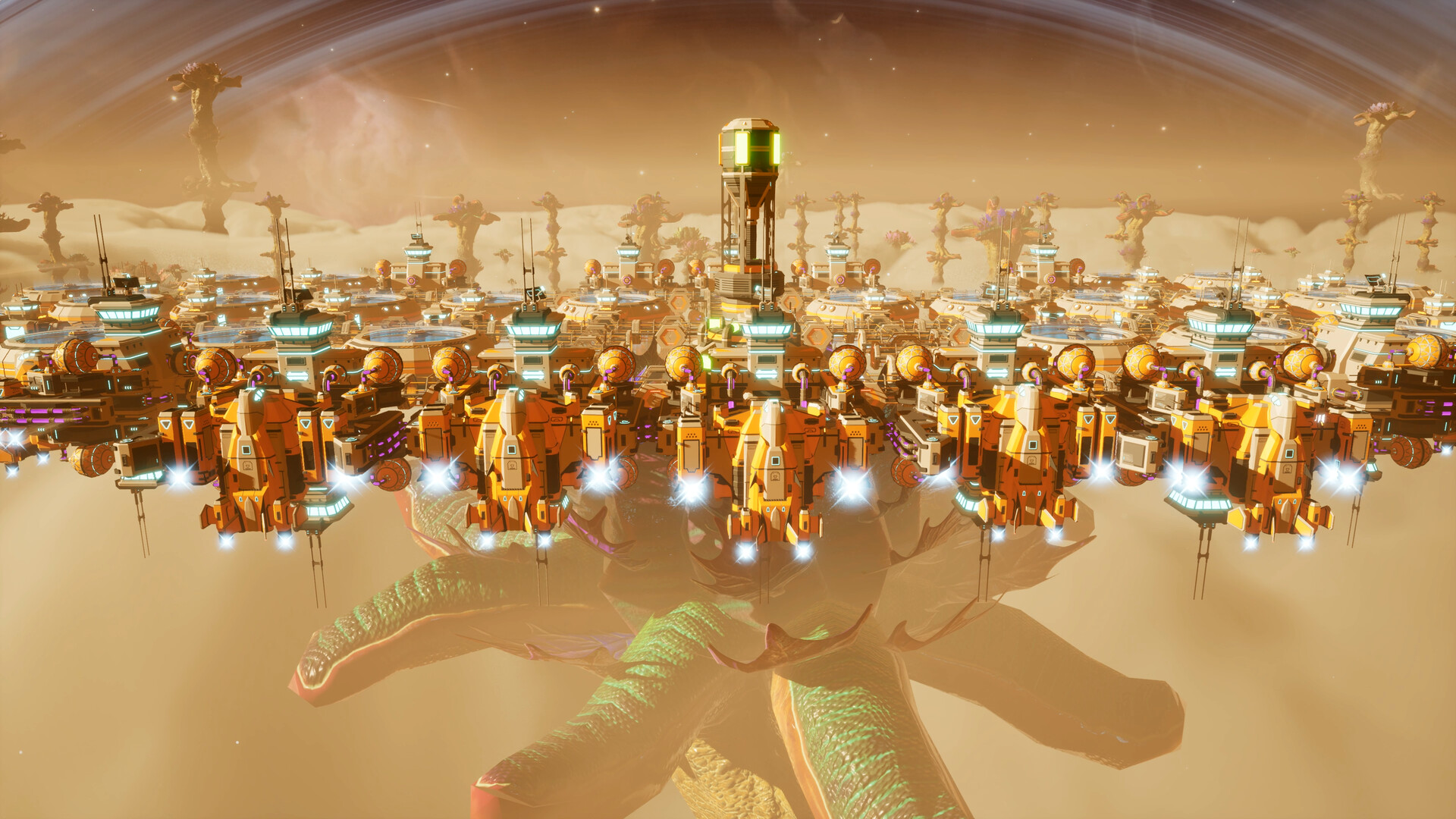
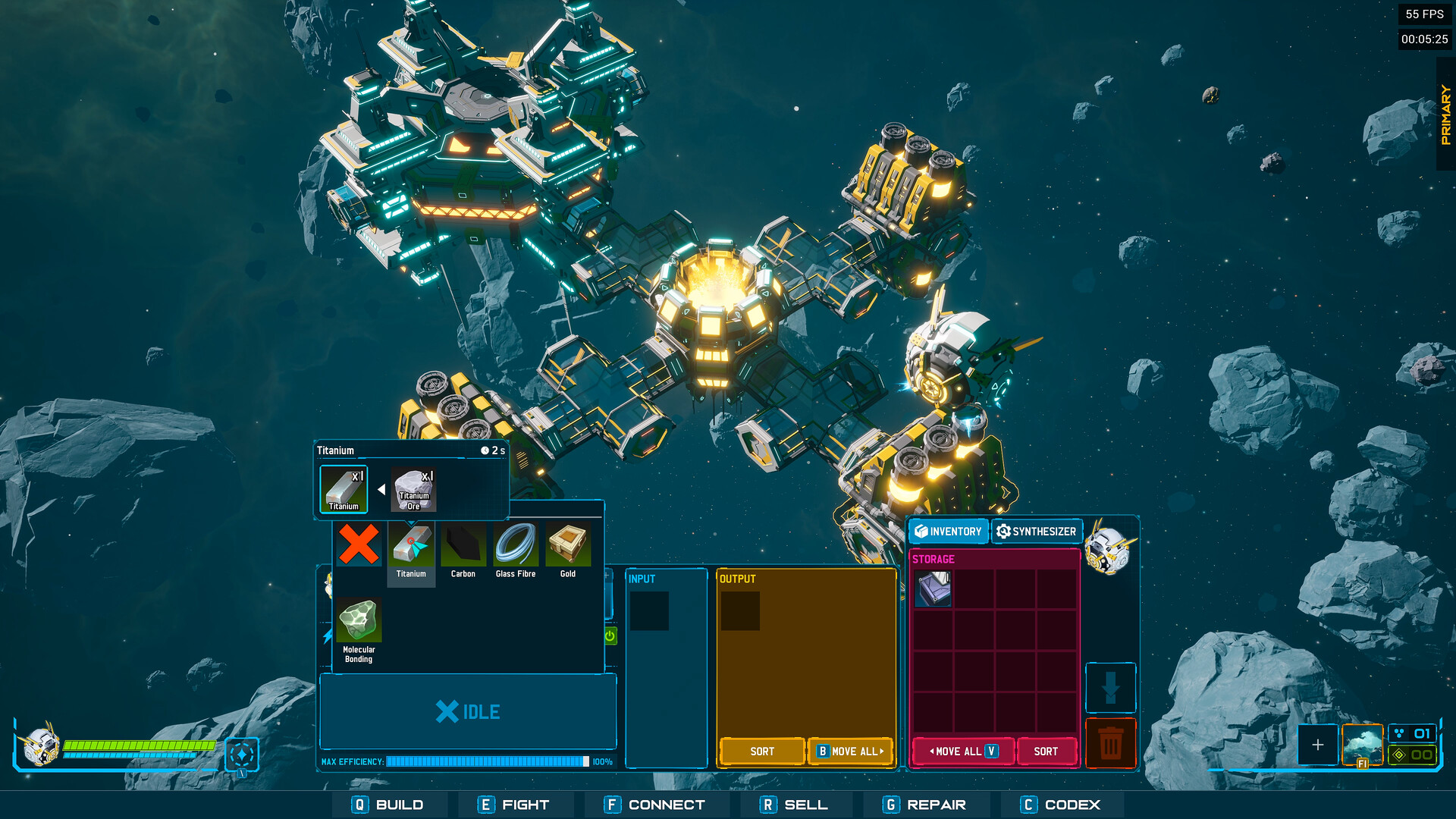
Graphically the game is clean and readable rather than flashy, which suits its management focus. Icons are intuitive, the UI tutorial is helpful, and the overall style skews cozy sci‑fi rather than cold hard engineering. Sound design does the job — hums, alerts and the occasional dramatic alarm give feedback without being obnoxious — though some players reported voice work in the tutorial that felt off or synthetic. Performance is solid on my rig, but community reports of random lag spikes and a particularly nasty purple cloud harming FPS are worth noting. Accessibility options and clear tooltips make the experience approachable for newcomers while still offering depth for optimization nerds.
Outworld Station is a charming and clever take on space automation: approachable for newcomers, deep enough for veterans and improved by cooperative play. It still has rough edges — performance and a few design choices could be better — but the core loop of mining, building and interstellar logistics is compelling. If you enjoy factory sims with a sci‑fi twist and like tinkering more than micromanaging conveyor belts, this is worth your time.




Pros
- Accessible belt‑free logistics with satisfying scaling
- Strong pacing of tech unlocks and satisfying progression
- Co‑op adds real fun and division of labour
- Clean UI and intuitive automation for newcomers
Cons
- Some performance issues and reported FPS spikes
- A few upgrades feel too gated by campaign progress
- Tutorial voice work polarises some players
Player Opinion
Players praise Outworld Station for being a cozy, well‑polished entry in the automation genre that’s welcoming to newcomers. Many compare it fondly to Satisfactory, Dyson Sphere Program and Riftbreaker, noting that its belt‑free logistics and interplanetary wormholes give it a distinct personality. Common criticisms in reviews include occasional optimization hiccups (lag spikes, frame drops tied to visual effects) and a tutorial voice some find robotic. Several players also wish for more vertical expansion of bases and less gating on certain upgrades. Overall the community repeatedly calls it addictive, chill, and great value for the price — especially for those who love tinkering with supply chains.