




MINOS Review – Maze-Building Roguelite with Deadly Creativity
You are the Minotaur, builder and defender of a shifting maze. MINOS mixes maze construction, trap combos and roguelite progression into a tense, satisfying cat-and-mouse puzzle.
MINOS flips the classic dungeon fantasy on its head: instead of hiring minions or storming rooms as a hero, you are the monster who built the maze. The hook is deliciously simple — drag walls, gates and corridors to funnel greedy adventurers into your handcrafted deathtraps. Visually and thematically it borrows a bit of Hades’ mythic vibe, but mechanically it leans into puzzle‑y, planning‑heavy design. After dozens of runs I still get a thrill when a chain reaction I set up goes exactly as planned — or spectacularly wrong.
Custom Maze Mastery
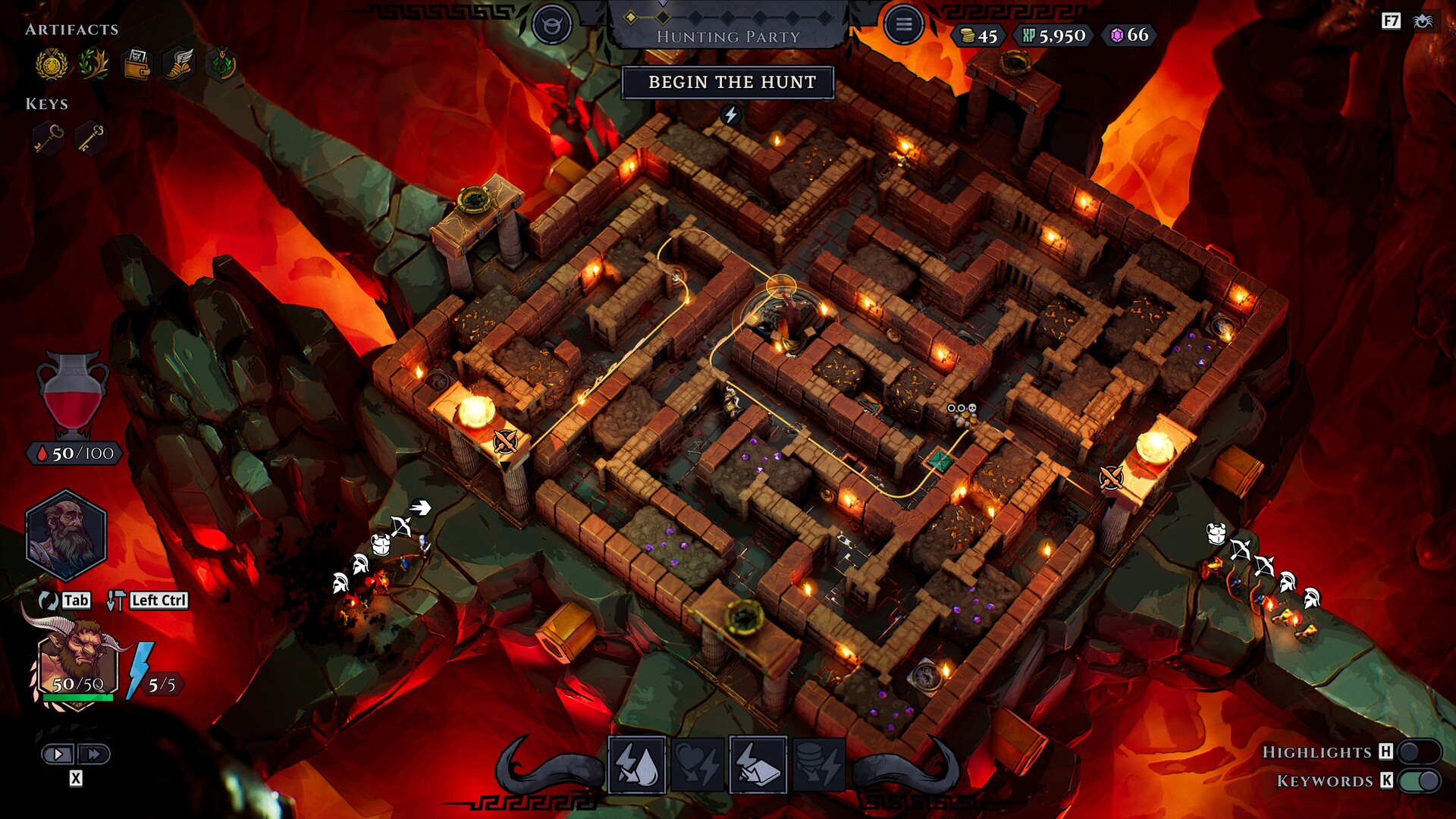
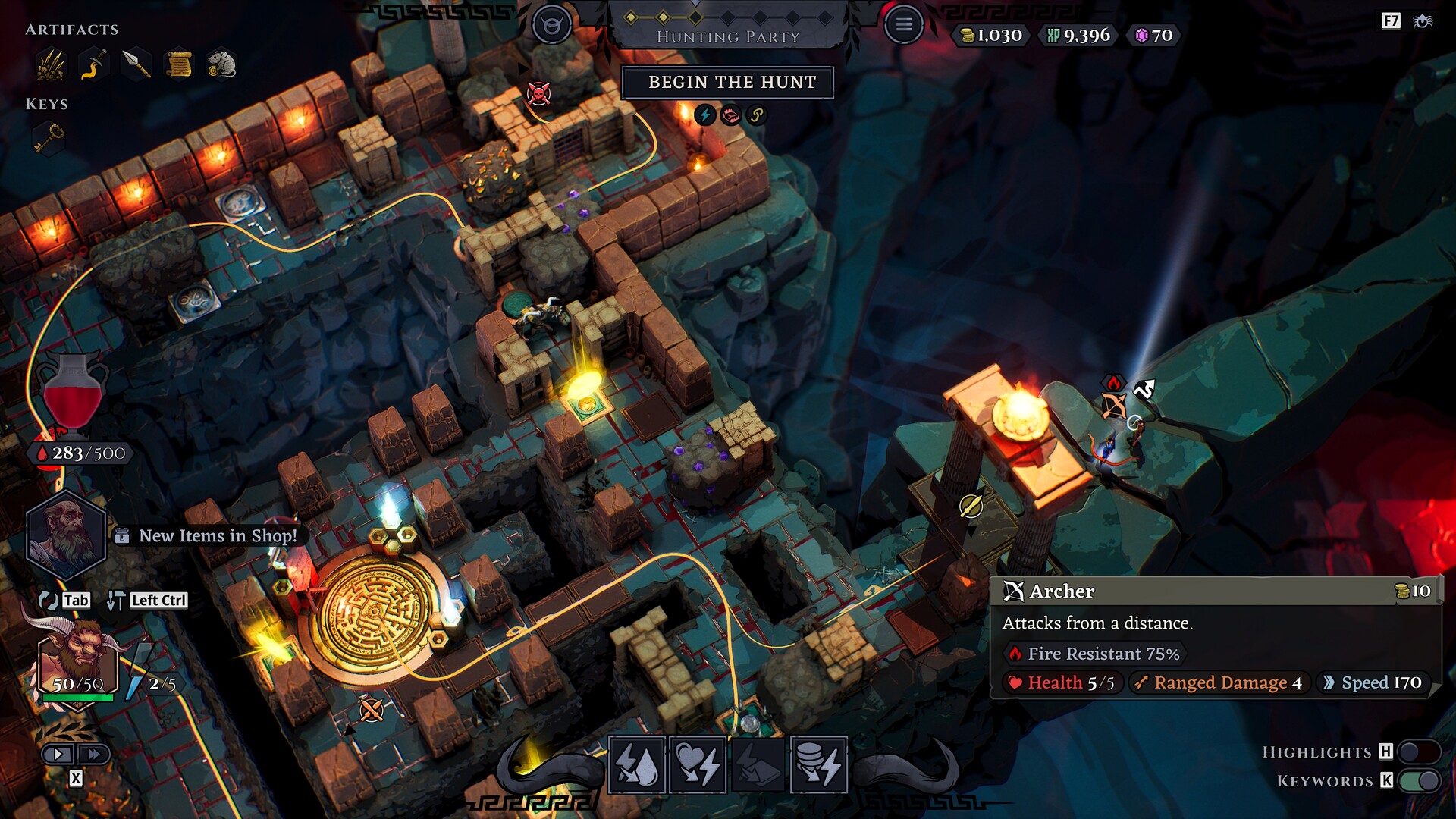
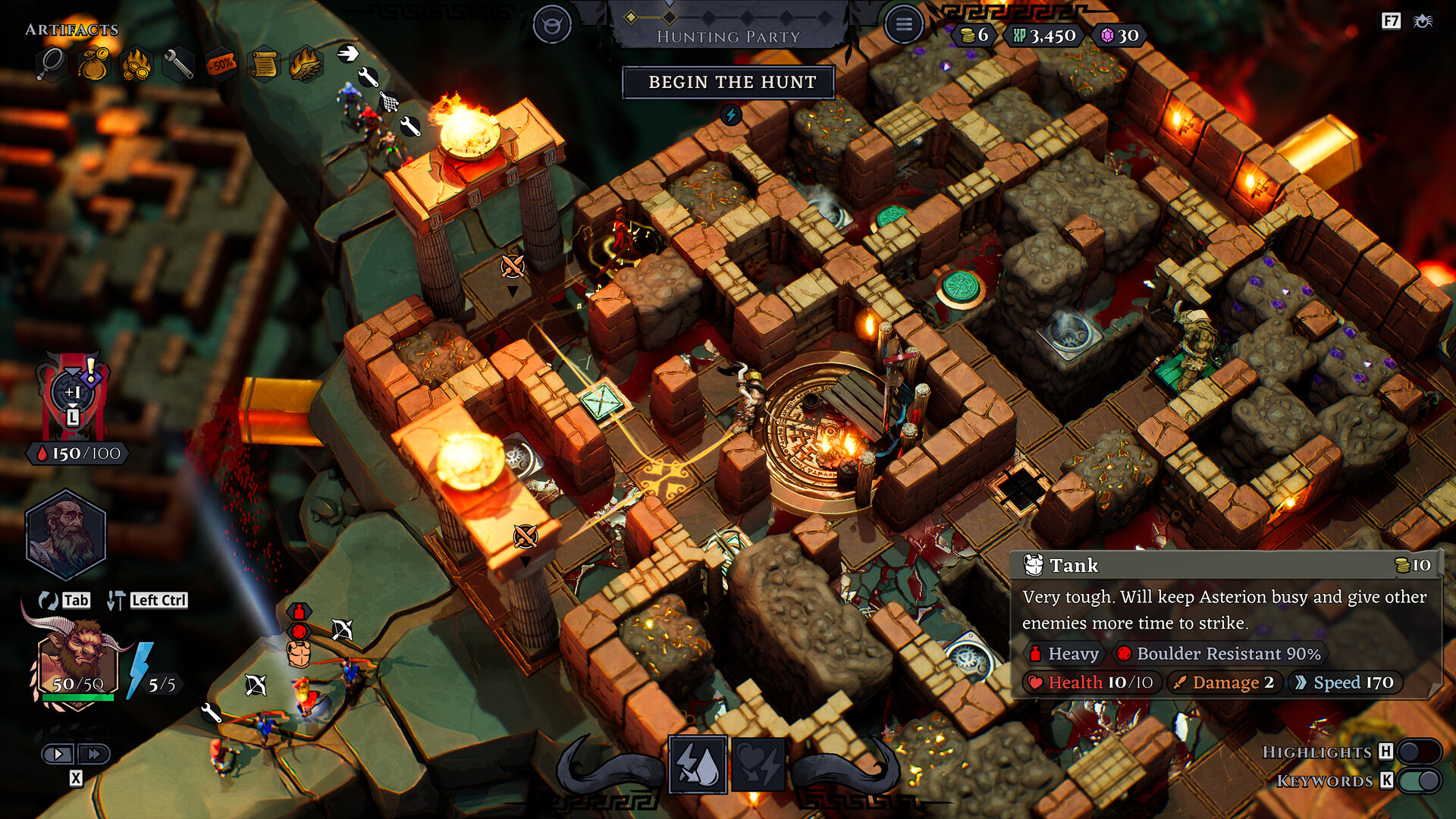
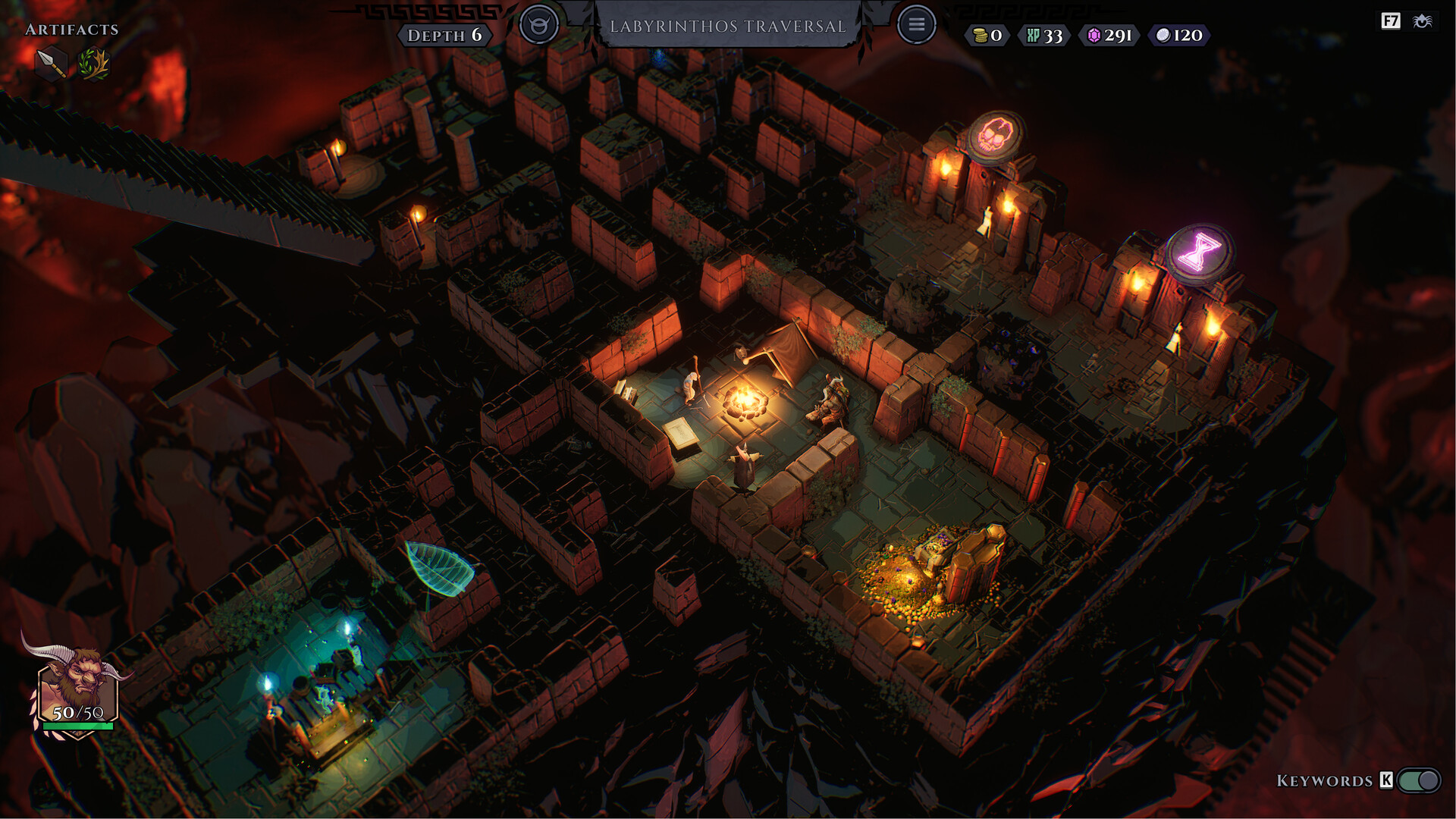
The core of MINOS is an elegant, drag‑and‑drop maze editor that plays in real time between waves. You don’t just watch traps do their work from a distance: you sculpt corridors, snap rotating passages in place, close gates to split groups and occasionally join the fray as the Minotaur yourself. Movement and combat for the Minotaur are straightforward — axe swings, a shove, and a few upgradeable abilities — but the real game is in how you shape enemy paths. Early on I learned the hard way that a straight corridor with a single spike trap is boring; mix a choke point, a pressure plate and a collapsing floor and suddenly three heroes become a glorious bloodbath. The editor can feel fiddly in tight spaces, but its flexibility is satisfying: long winding mazes, tight funnels or multi-entrance puzzles all feel viable.
Cascades of Carnage
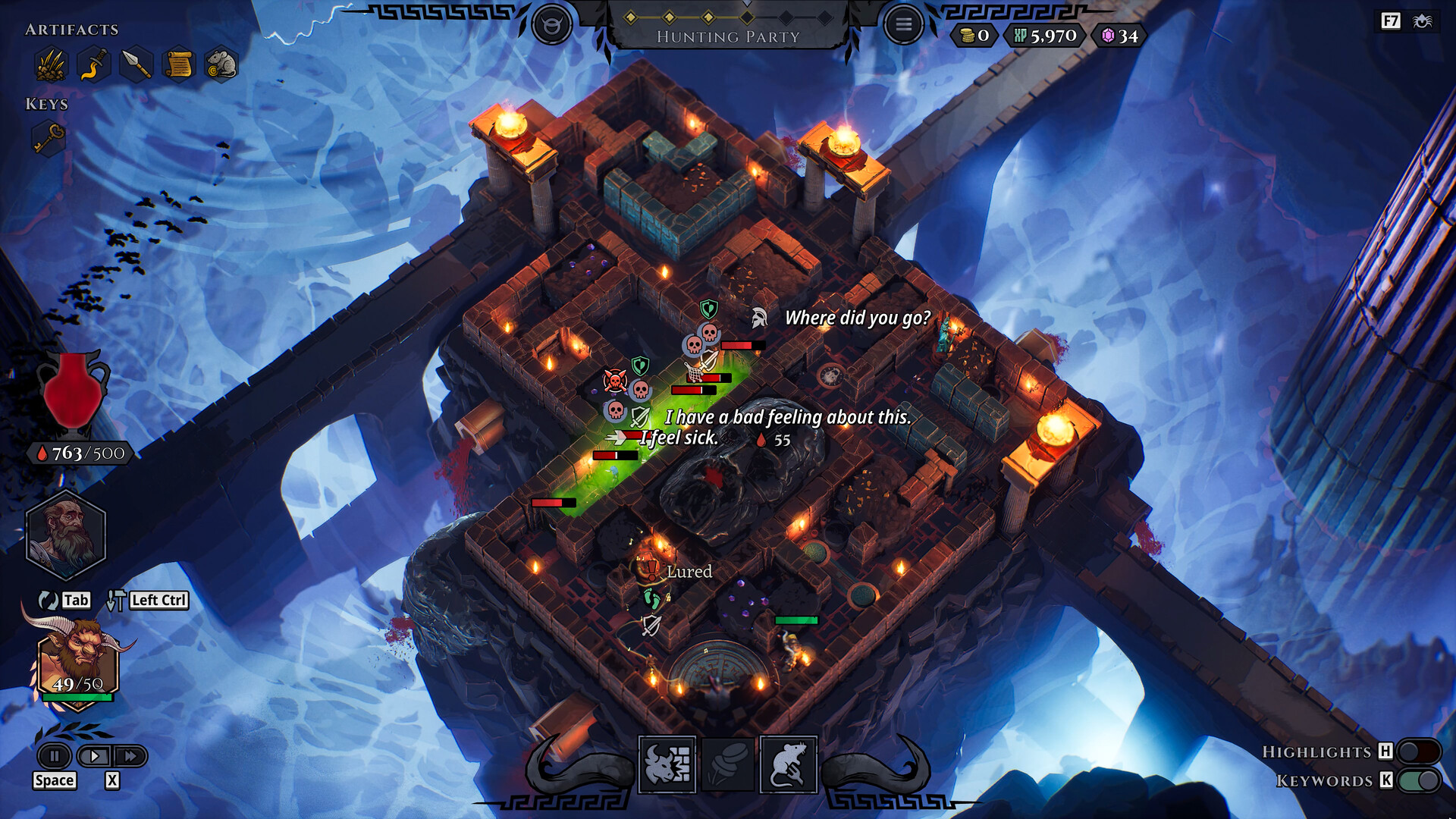
What sets MINOS apart is its trap interaction system. Traps are not isolated toys: pressure plates, falling boulders, spinning blades and fire channels can be wired into sequences so one trigger sets off a chain of death. A combo I’ve used often is pressure plate → retracting floor → rolling stone → flame jet — it's textbook satisfying when the sequence finishes with the party leader flung into spikes. Traps live in a deck/pool you expand between runs: you unlock variants and then draw from that pool when you enter the next layer, which creates a light deckbuilding loop. Crucially, you can manually trigger or rearm some traps, so planning and timing matter — it's not a passive tower defense where you watch from the sidelines. Players who enjoy puzzle logic and emergent interactions will find a lot to experiment with.
Looks, Sound & Performance
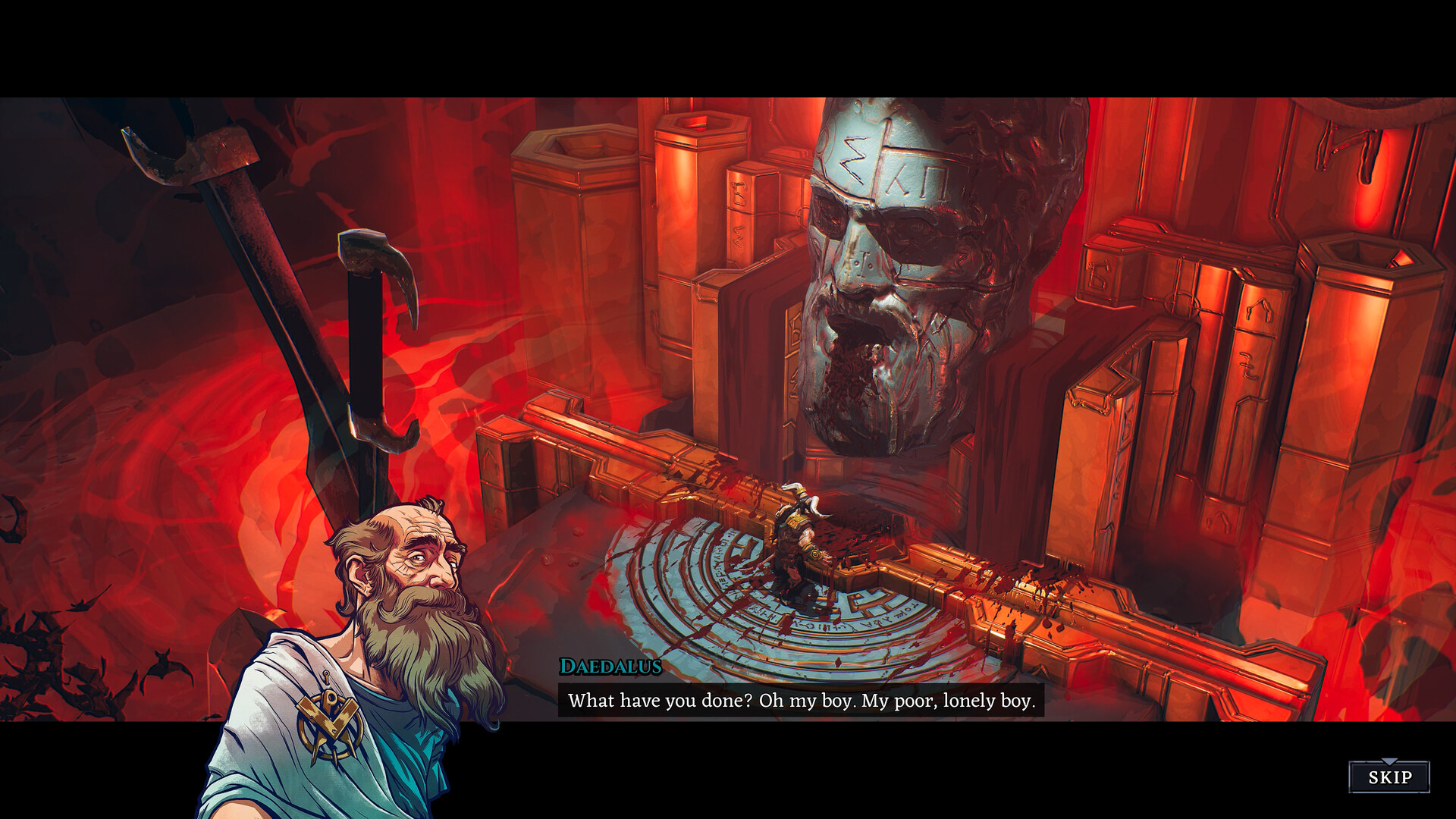
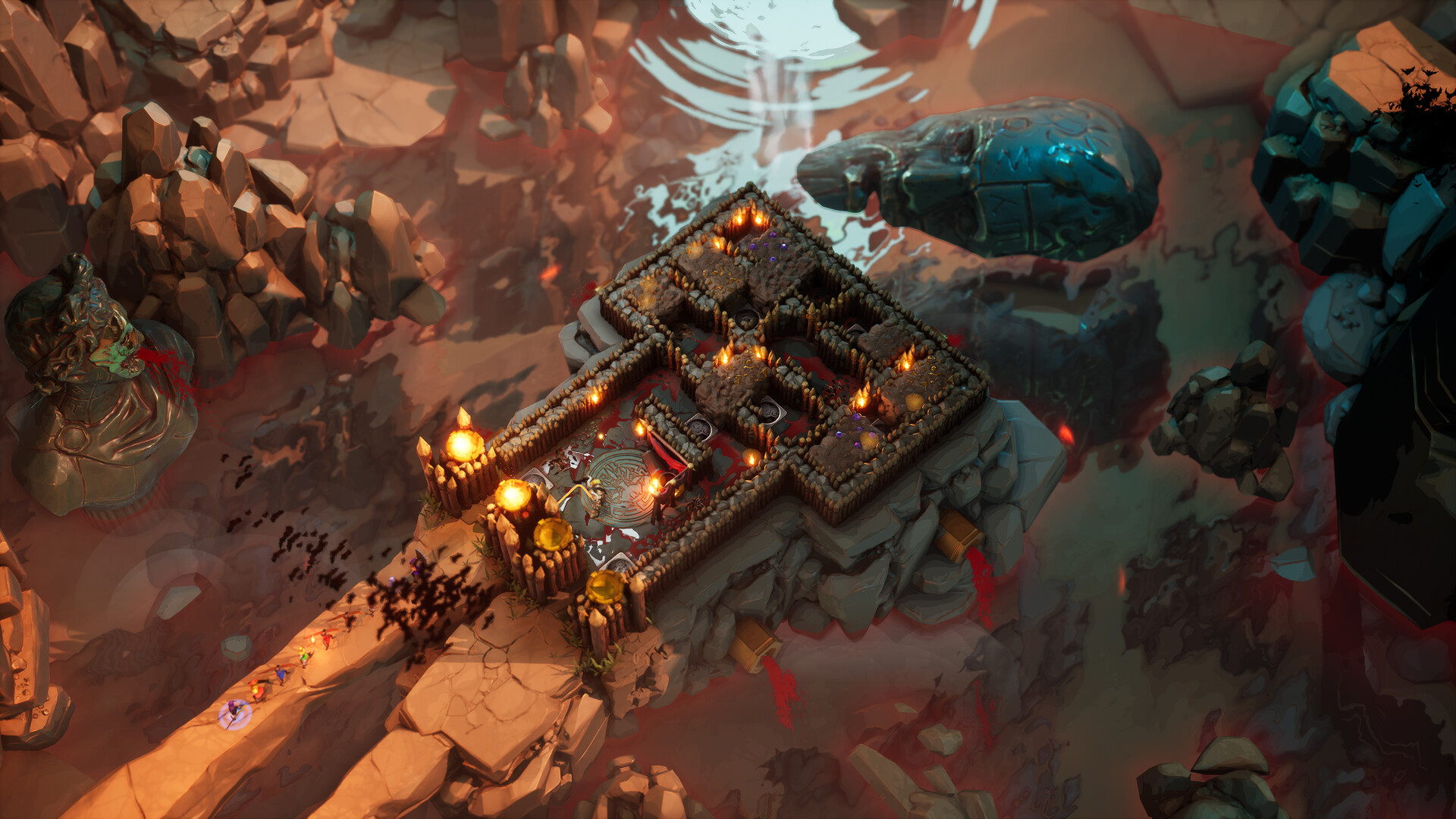
MINOS is polished: a painterly art style that sells the mythic, cramped-claustrophobic vibe of a labyrinth and character designs that lean into grim humor. The narrator adds personality (and occasional snark) which helps ground the progression. I tested the game on Windows 11 with an NVIDIA RTX 3070, Ryzen 7 5800X and 32GB RAM on an SSD — frame rate was consistently 60fps at 1440p, with short loading times and no major stutters on mid/high settings. Controller support is present and works well for both editing and combat; mouse/keyboard feels more precise for layout fiddling. A few small annoyances: the path‑snap when placing rotating passages can be unintuitive, and some trap descriptions could be clearer about manual triggers, so expect a learning curve. Accessibility options include remappable keys and some HUD toggles, but I’d like a more detailed tutorial for trap wiring.
MINOS is a clever, well‑polished twist on dungeon games: part maze builder, part puzzle and part roguelite. It shines when you commit to experimenting with trap chains and layout theory, but it can frustrate when the UI gets in the way or progression feels thin. I recommend it to players who like methodical planning, emergent combos and a darkly humorous take on myth — less so for those wanting deep tower‑defense micro‑management or lengthy meta progression. At its best MINOS is a joyful exercise in cruel creativity.
Pros
- Inventive trap‑interaction system that rewards planning
- Satisfying maze editor that supports multiple playstyles
- Polished presentation, strong art and narrator adds charm
- Runs feel fresh thanks to trap pool / deck mechanics
Cons
- UI quirks — path‑snap and placement tools can be unintuitive
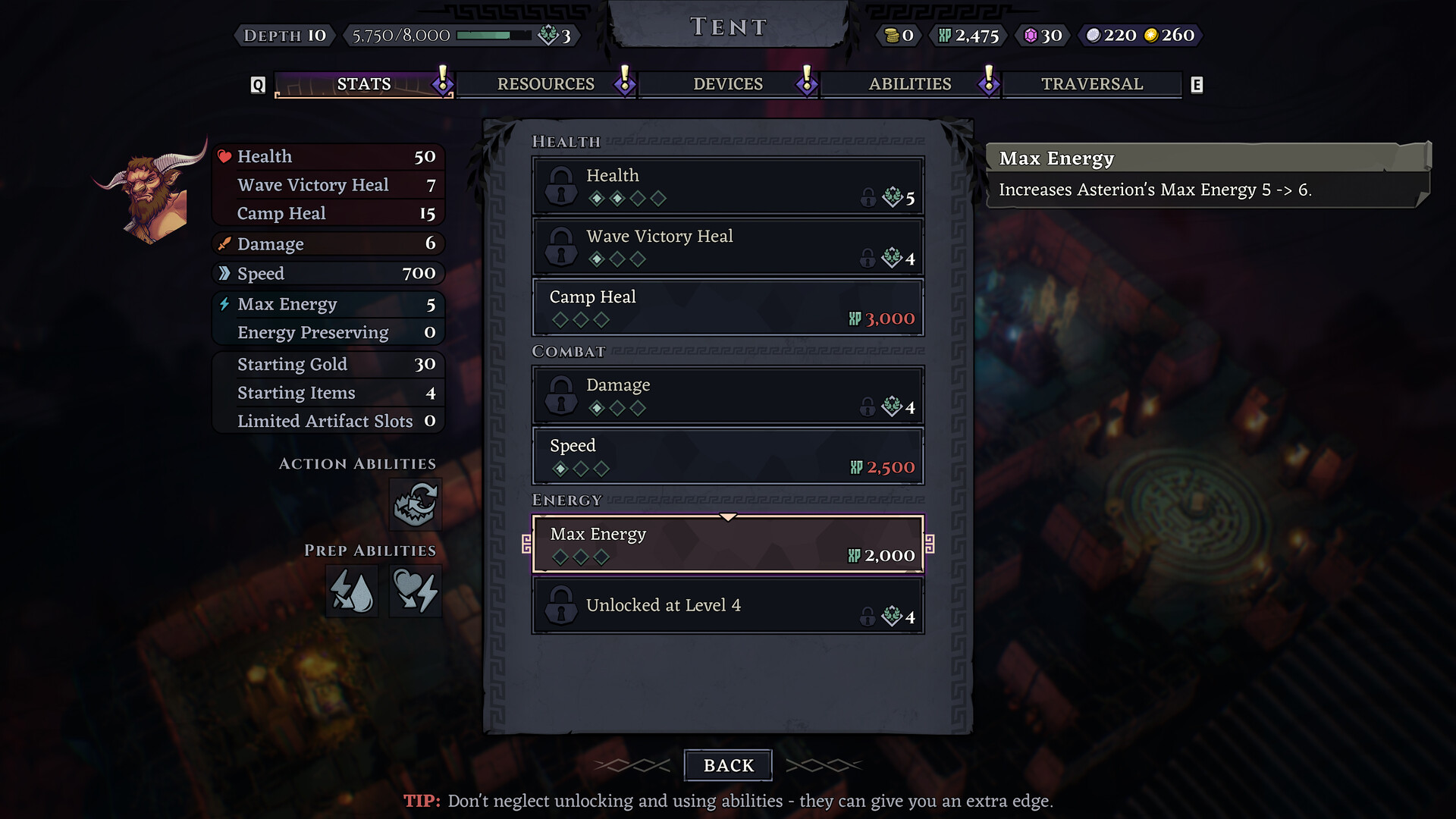
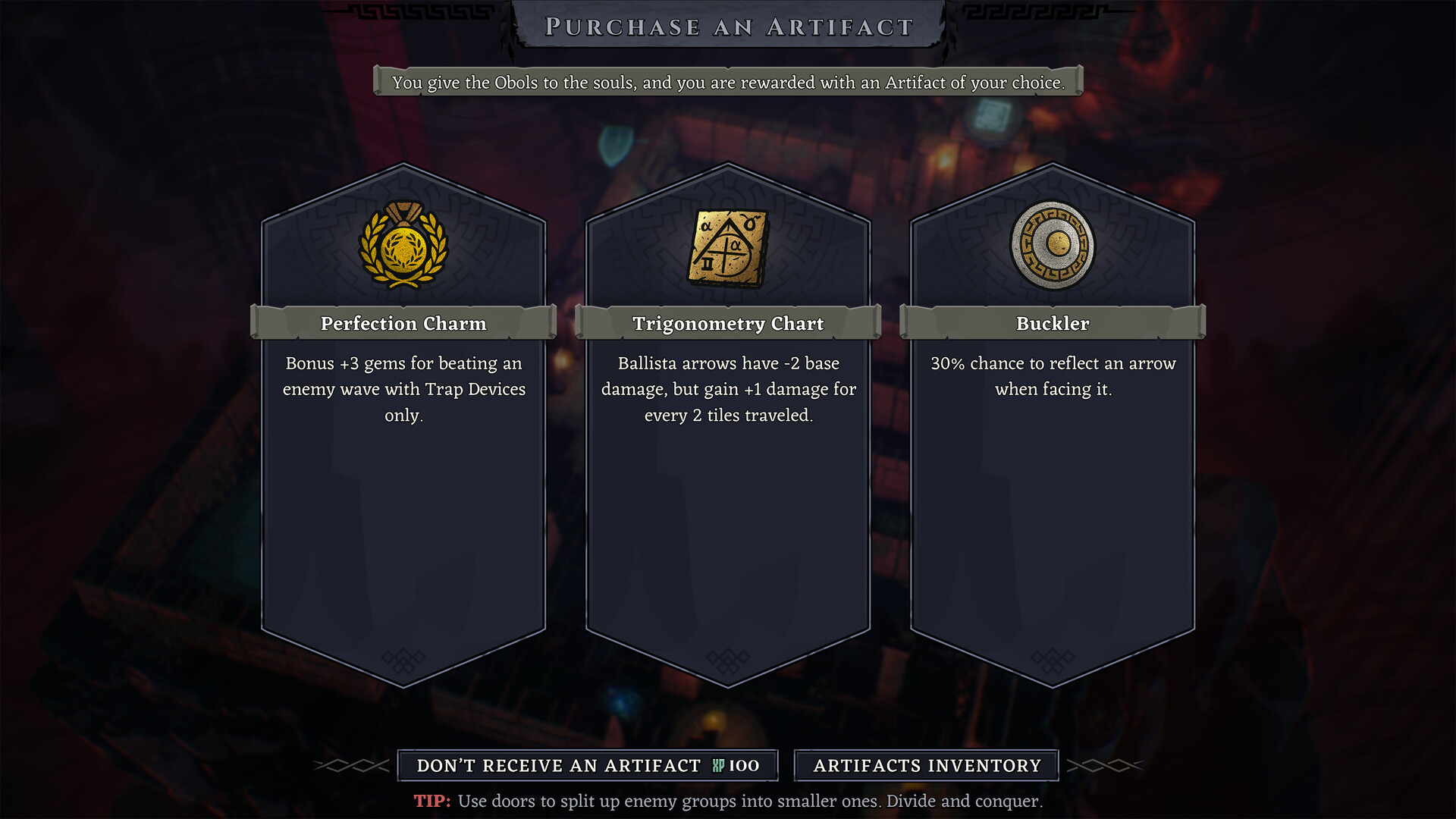
- Progression feels light at times — artifacts and rewards are sparse
- Some trap descriptions lack clarity about manual triggers
Player Opinion
Player feedback on MINOS is broadly positive with recurring themes. Many praise the mix of puzzle, strategy and roguelite pacing — the demo hook translated well into the full release for a lot of players. Reviewers repeatedly mention the joy of discovering combos (pressure plate → collapsing floor → rolling stone is a fan favourite) and the satisfaction of watching an ambush unfold. Criticisms pop up around the UI: several users find the path editing and rotation/pivot controls confusing at first, and a few expected a deeper ‘tower defense’ progression or more frequent artifacts per floor. Performance and polish get high marks — players report smooth framerates and crisp presentation — and a vocal portion of the community calls it a surprising hit for the year. If you enjoy experimental strategy with emergent solutions, you’ll likely find the same replayable fun most reviewers describe.