



Last Man Sitting Review – Chaotic Roguelite Office Mayhem
A fast, punky roguelite that turns office furniture into weapons. Great movement, co-op and PvP; some rough edges and a wish for more maps.
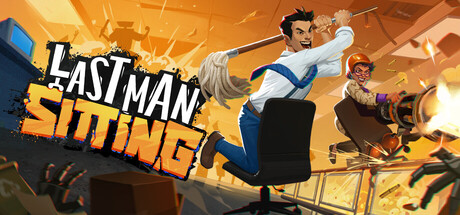
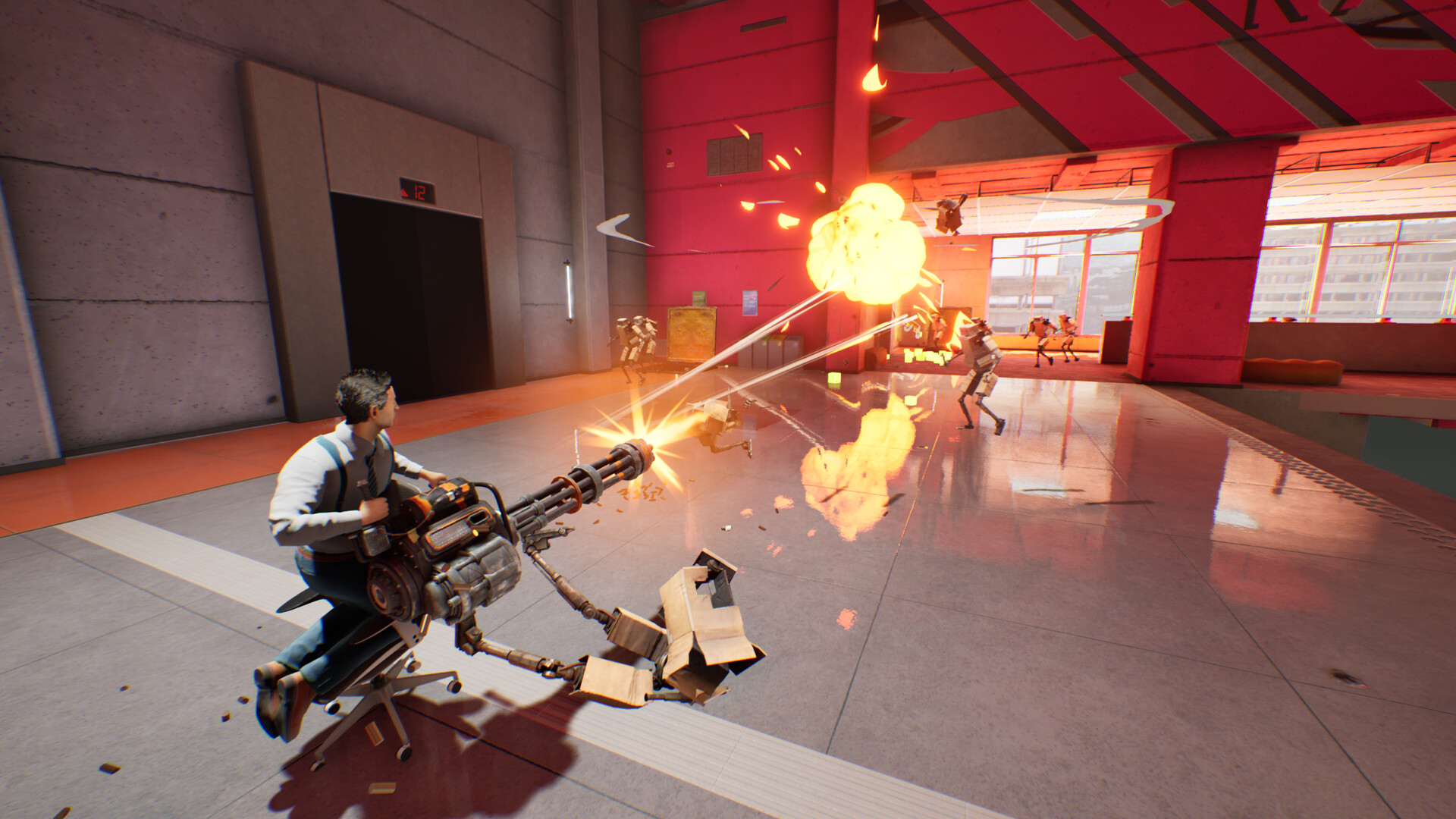
Last Man Sitting is one of those delightful oddballs that smells faintly of '00s arena shooters and a punk soundtrack. You hop into a souped-up office chair, grind across desks, double-jump over vending machines and shoot waves of sentient appliances until the world makes sense again — or doesn't. It’s instantly approachable: pick a loadout, draft from a big pile of Power-Ups, and learn what combinations actually break the game in the best way. If you liked Sunset Overdrive’s movement or the chaotic feel of Megabonk, this will probably scratch that itch — with an office-themed grin.
Flying Desks and Office Warfare
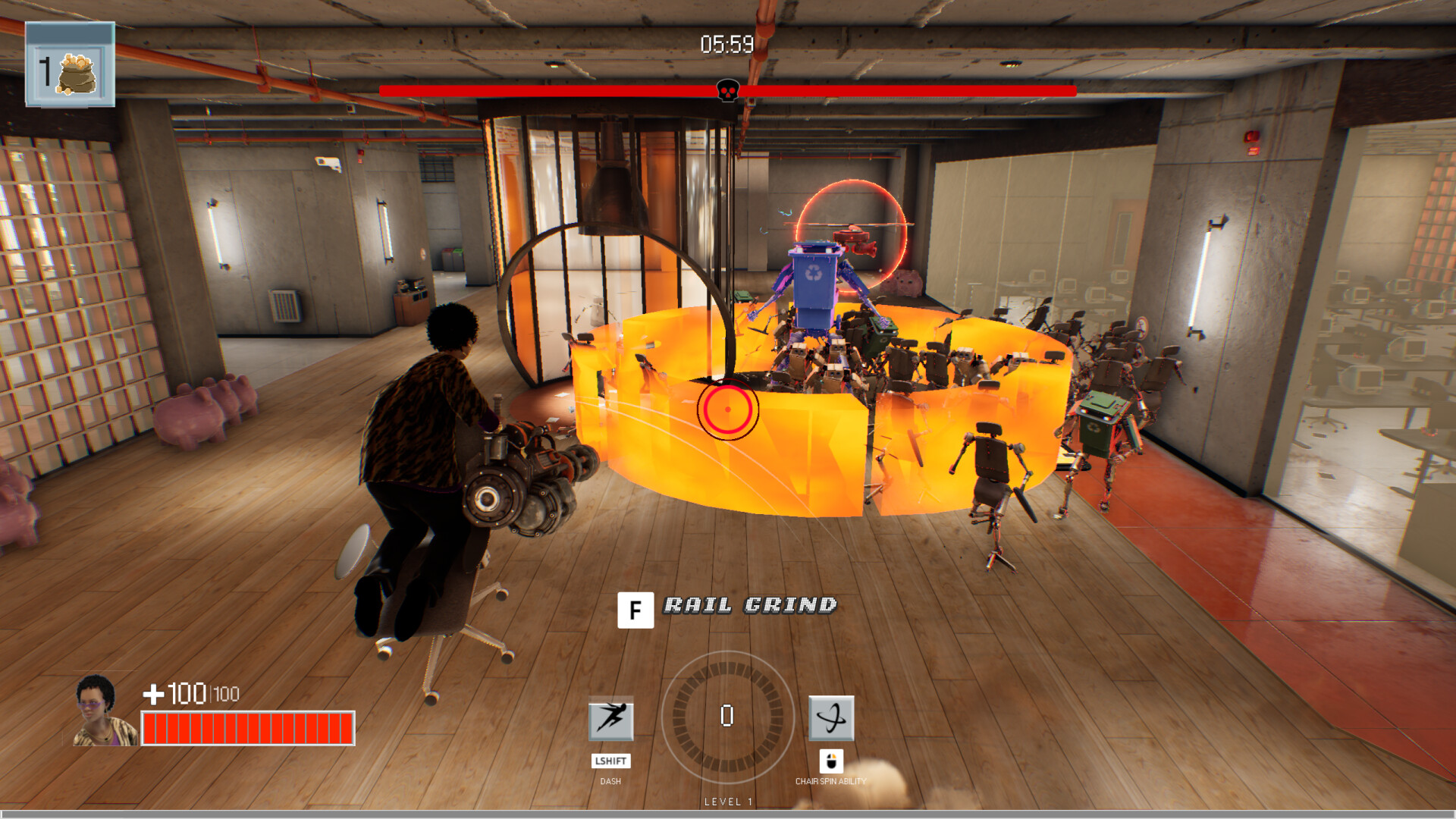
The core loop is gloriously simple: drop into a timed level, survive waves of enemies and boss encounters, collect XP and draft Power-Ups between waves. Movement is the real star — double jump, roll, and a grinding mechanic let you surf over the map in a way that feels fluid and often absurdly fun. Combat blends gunplay and melee in a third-person perspective: you’ll chain shots, abilities and quick slashes while repositioning on chairs or using environmental hazards. Runs are short and punchy, designed for quick lunchbreak sessions or longer co-op sprees. I found myself learning through repetition — what synergies matter, which power-ups to avoid, and how to handle miniboss patterns.
When Chairs Make the Build
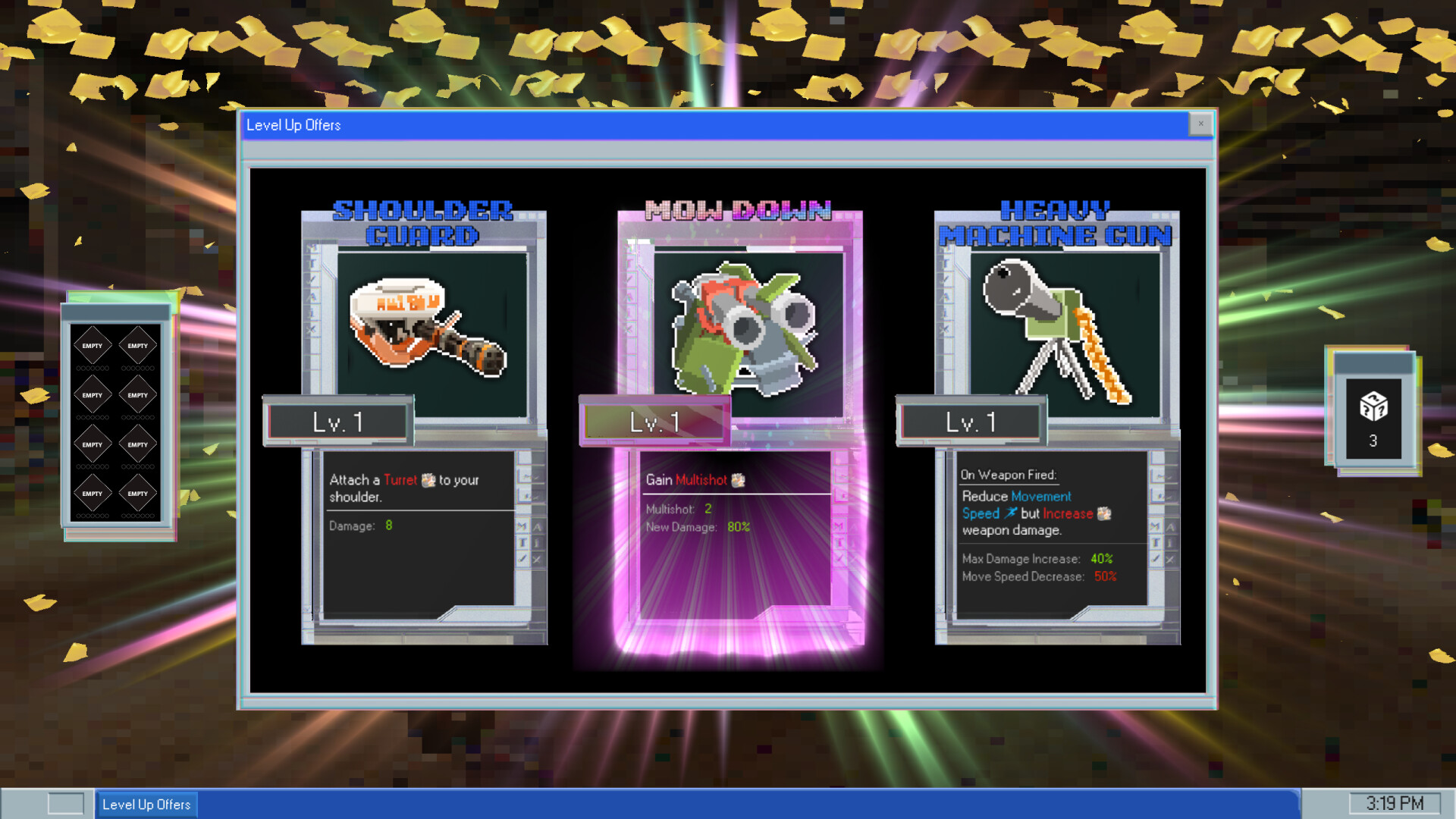
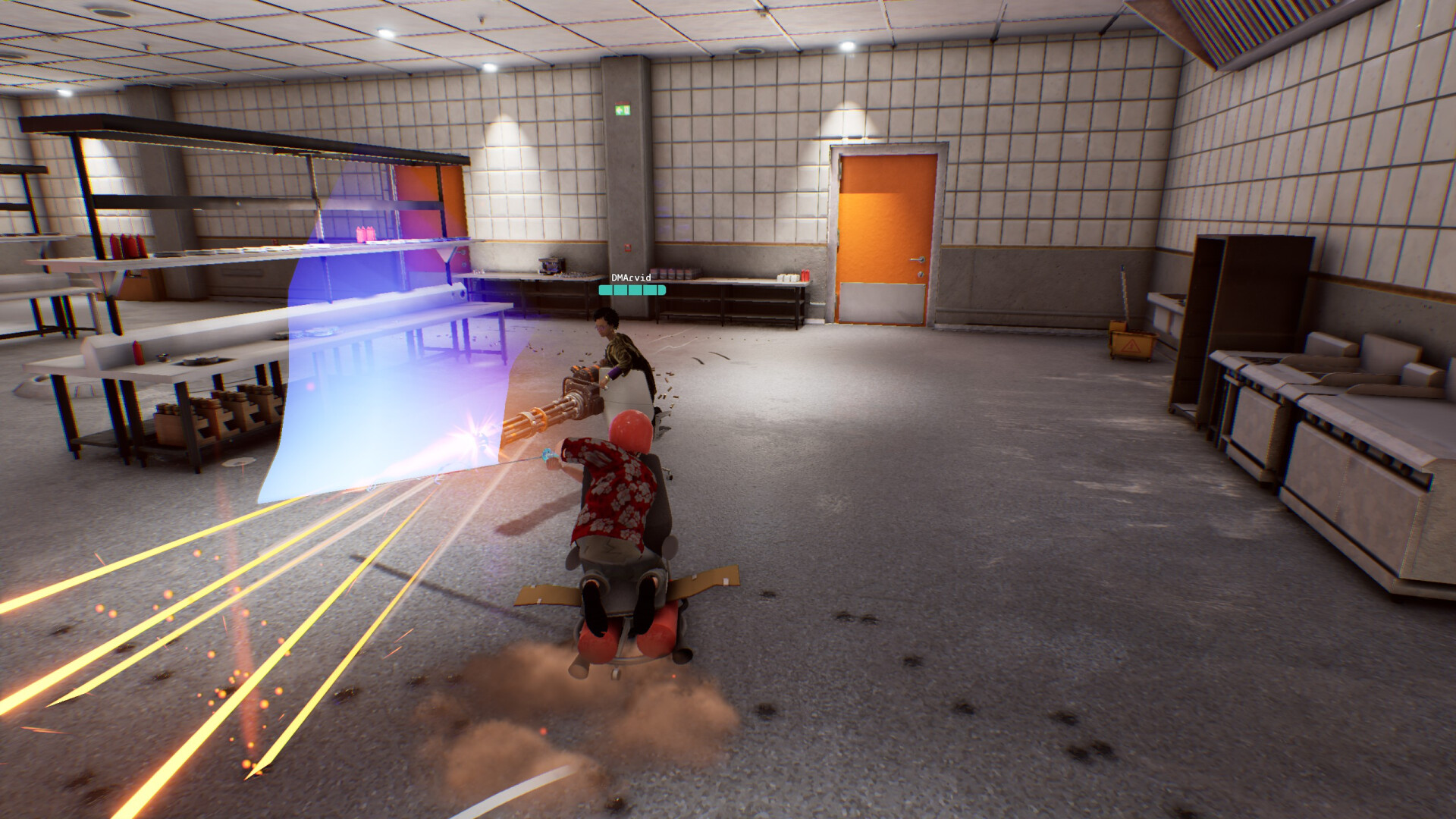
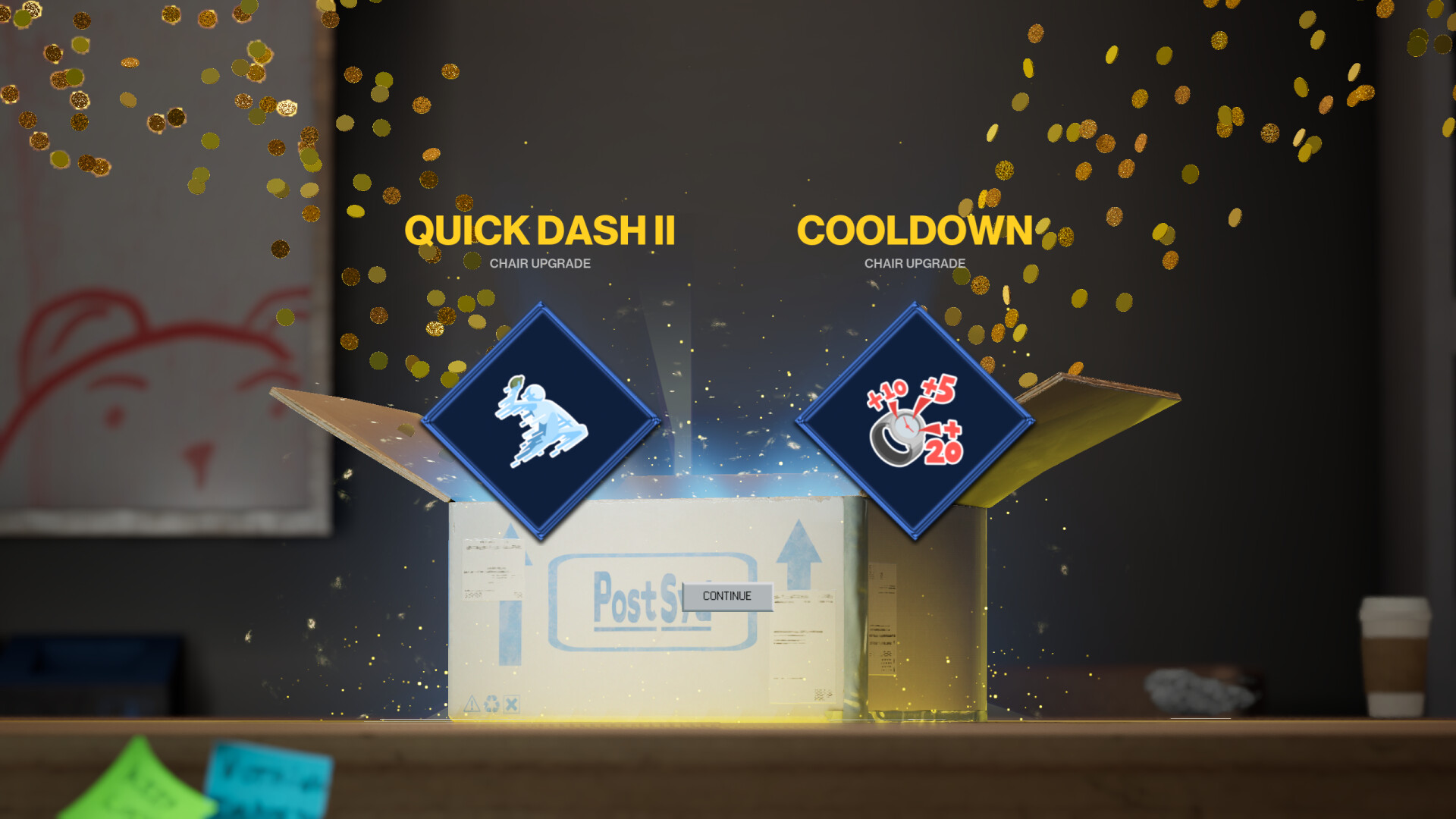
What sets Last Man Sitting apart is the cosmetic-meets-mechanical chair system and an enormous pool of over 200 Power-Ups. Chairs are not just skins: they grant upgrade slots and passive traits that shape builds. The drafting system between rounds is satisfying — sometimes you get a wildly overpowered combo that makes the rest of the run a joyous destruction spree. There’s a surprising variety of weapons (gatling-like guns, blades, weird sticky tools) and the way some Power-Ups interact creates memorable moments — one of my runs turned a whip-like weapon into a literal crowd-control nightmare. PvP arena mode is a cheeky addition: it turns those imba combos into ways to mess with friends in short king-of-the-hill rounds.
Soundtrack, Style and Rough Edges
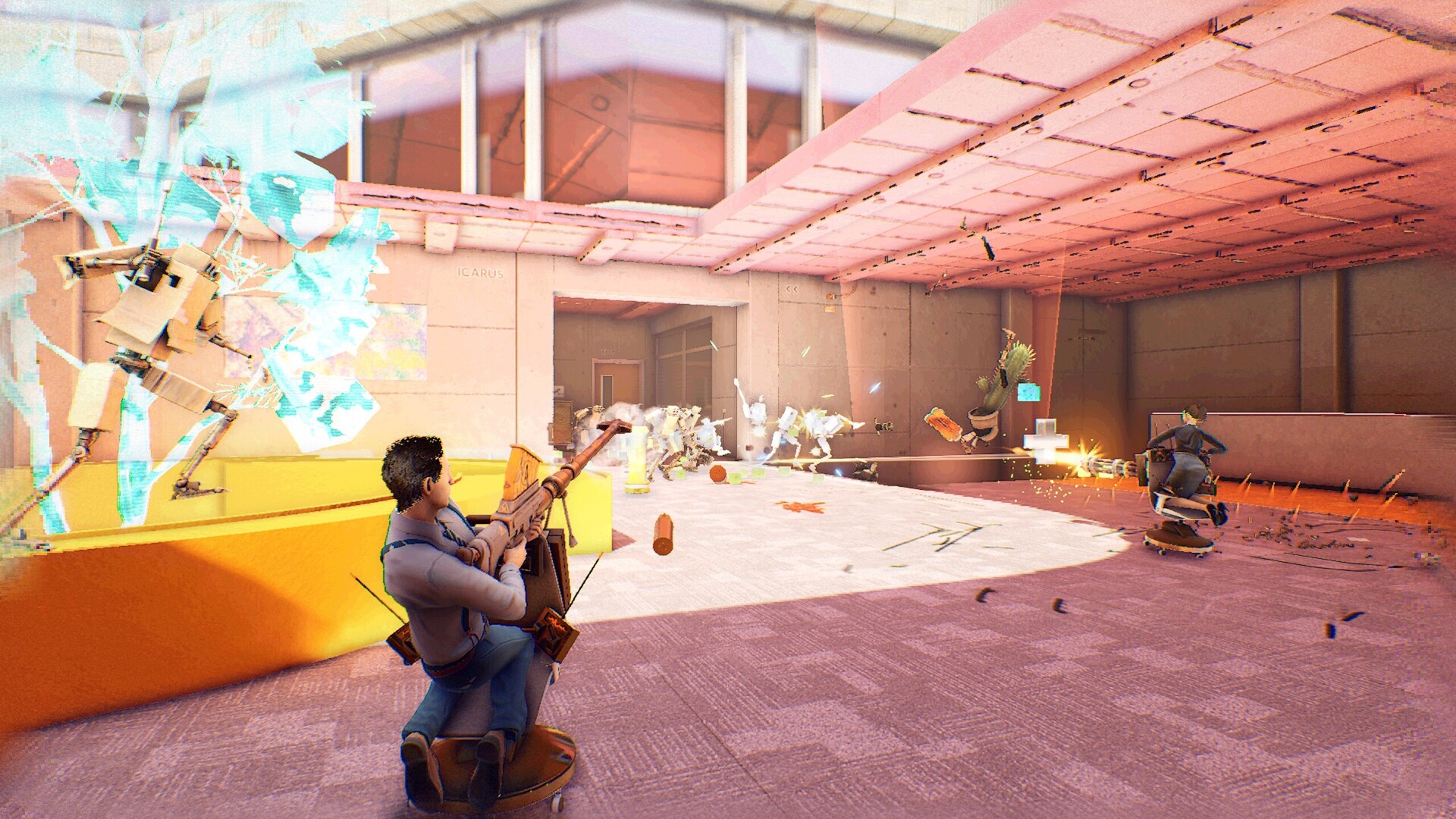
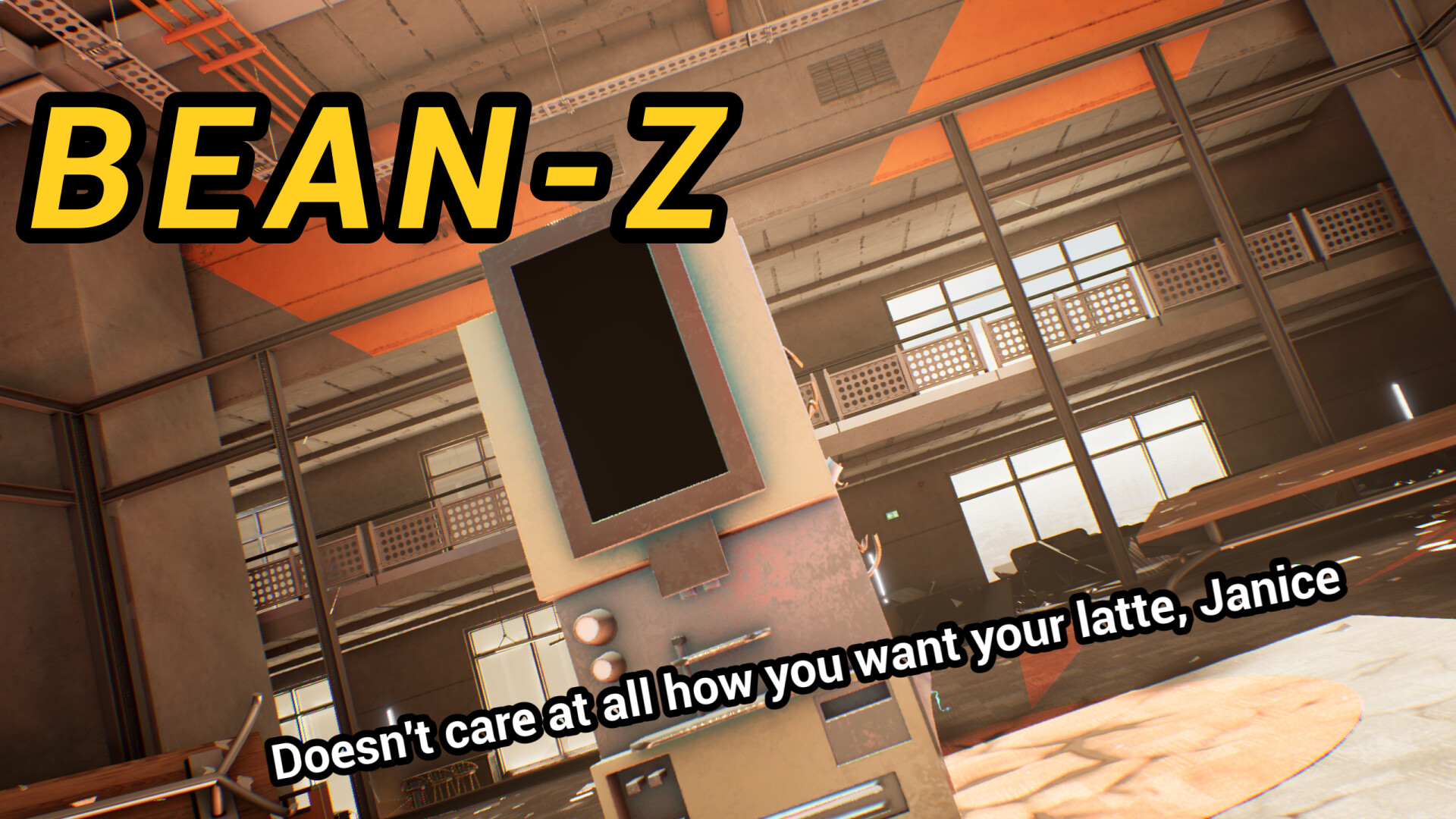
Visually it’s loud and proud: neon-tinged corporate palettes, punky character designs and goofy robot enemies that somehow look both menacing and adorable. The soundtrack leans punk/billypop/breakcore, which matches the manic gameplay — I often found myself nodding along while my chair caught fire. Performance on Windows has been solid in my sessions; animations are punchy and the maps load quickly. That said, some maps feel small and claustrophobic, and a few weapon variants can feel like palette swaps rather than truly new toys. There are also occasional visual bugs and QoL gripes that pop up in multiplayer — text chat and an auto-shoot toggle were common requests from players, and I agree they'd help. Still, the game nails a particular vibe and mostly backs it up with satisfying mechanical chops.
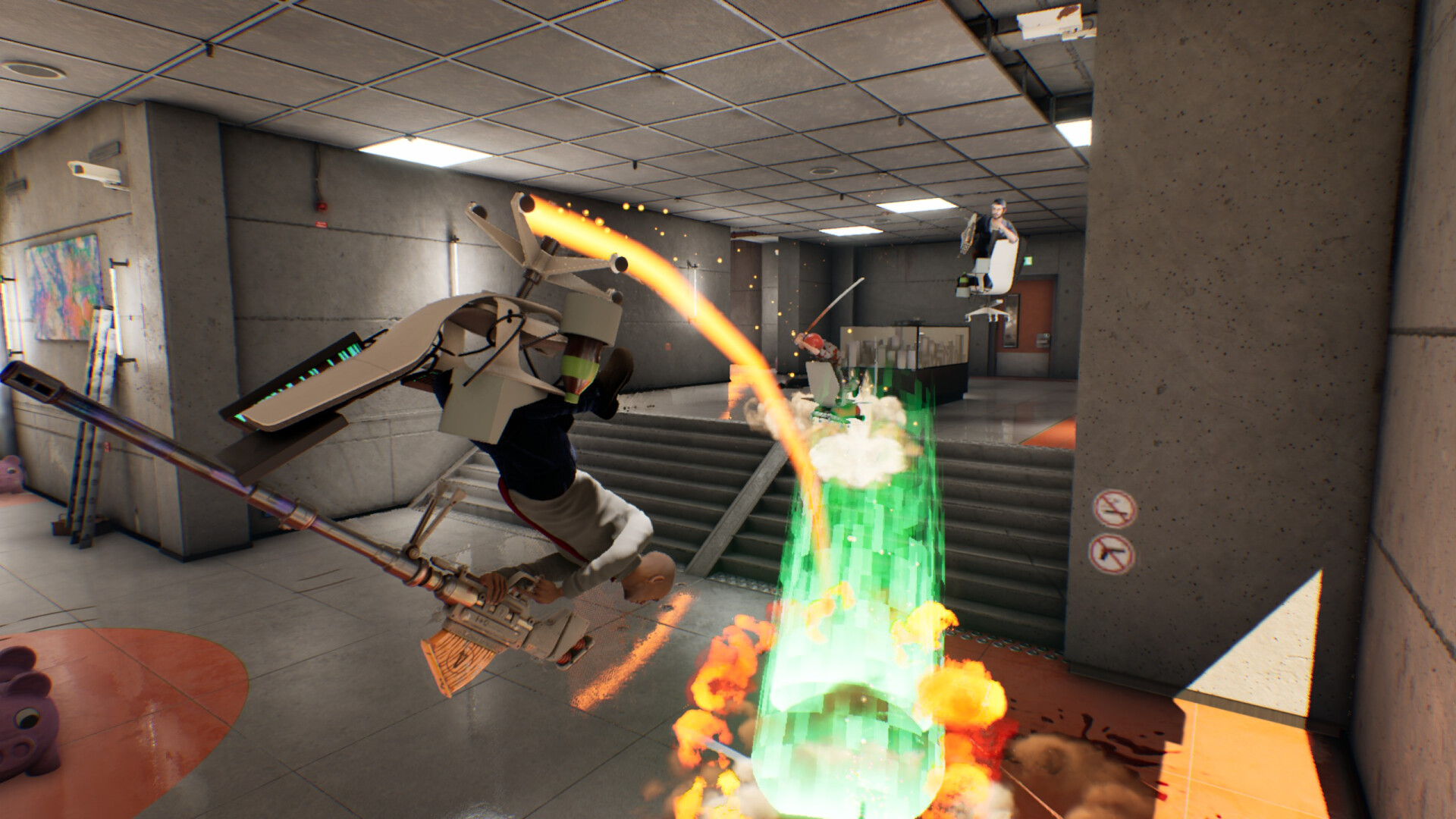
Last Man Sitting is a joyful, slightly messy roguelite that nails movement and build creativity. It’s ideal for players who like fast, repeatable runs, co-op chaos with friends, or short PvP showdowns — and it’s charmingly weird. If you want polished competitive depth or huge maps right now, temper expectations; but for $9-ish players get a lot of zany bang for their buck and a solid base that should improve with updates.
Pros
- Satisfying, fluid movement and grinding mechanics
- Huge variety of Power-Ups and build synergies
- Fun local/online co-op and bite-sized PvP arenas
- Punky soundtrack and strong, quirky aesthetic
Cons
- Maps can feel small and sometimes claustrophobic
- Some weapons feel like palette swaps; occasional bugs
- Multiplayer lacks a few QoL features (text chat, auto-shoot)
Player Opinion
Players praise the movement and build diversity — many reviews mention the grind, double-jump and chair mechanics as standout aspects that make combat feel dynamic. Co-op is repeatedly called a highlight, with groups of friends reporting long sessions and addictive runs. The soundtrack and aesthetic also get regular praise for matching the manic gameplay. On the critical side, some users find maps too small and the pacing too easy at times; concerns about palette-swap weapons and a few visual bugs show up in multiple reviews. Requests that keep popping up include more maps, larger-scale PvP options, and quality-of-life additions like text chat and an auto-shoot toggle.