






Kumitantei: Old-School Slaughter Review – A Bloody, Card-Fueled VN
A passionate throwback to '80s anime and Danganronpa-style murder games: great art, a clever card-debate system and a few rough edges. My honest take after Episode 1.
Kumitantei: Old‑School Slaughter hooked me from the first eerie bunker shot and hasn’t really let go. Mango Factory blends ’80s anime vibes — think Urusei Yatsura aesthetics — with the murder‑mystery DNA of Danganronpa and Ace Attorney. What makes it stand out is an ambitious card‑based debate system layered into classic investigation and courtroom beats, plus a genuinely expressive art and soundtrack that sell every creepy, cute moment. It’s rough at times, but the passion bleeds through in the best possible way.
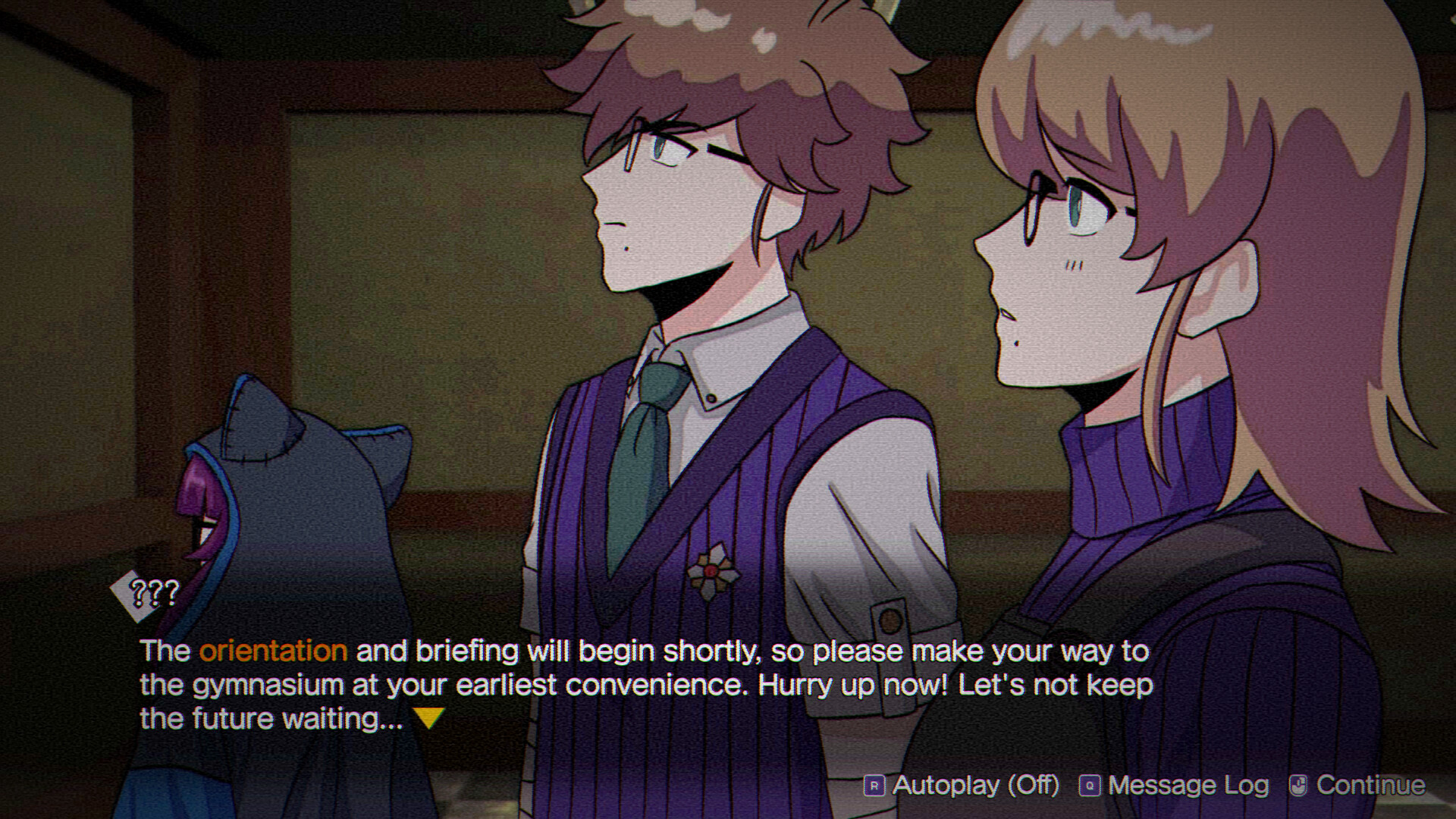
Surviving the Bunker, One Clue at a Time
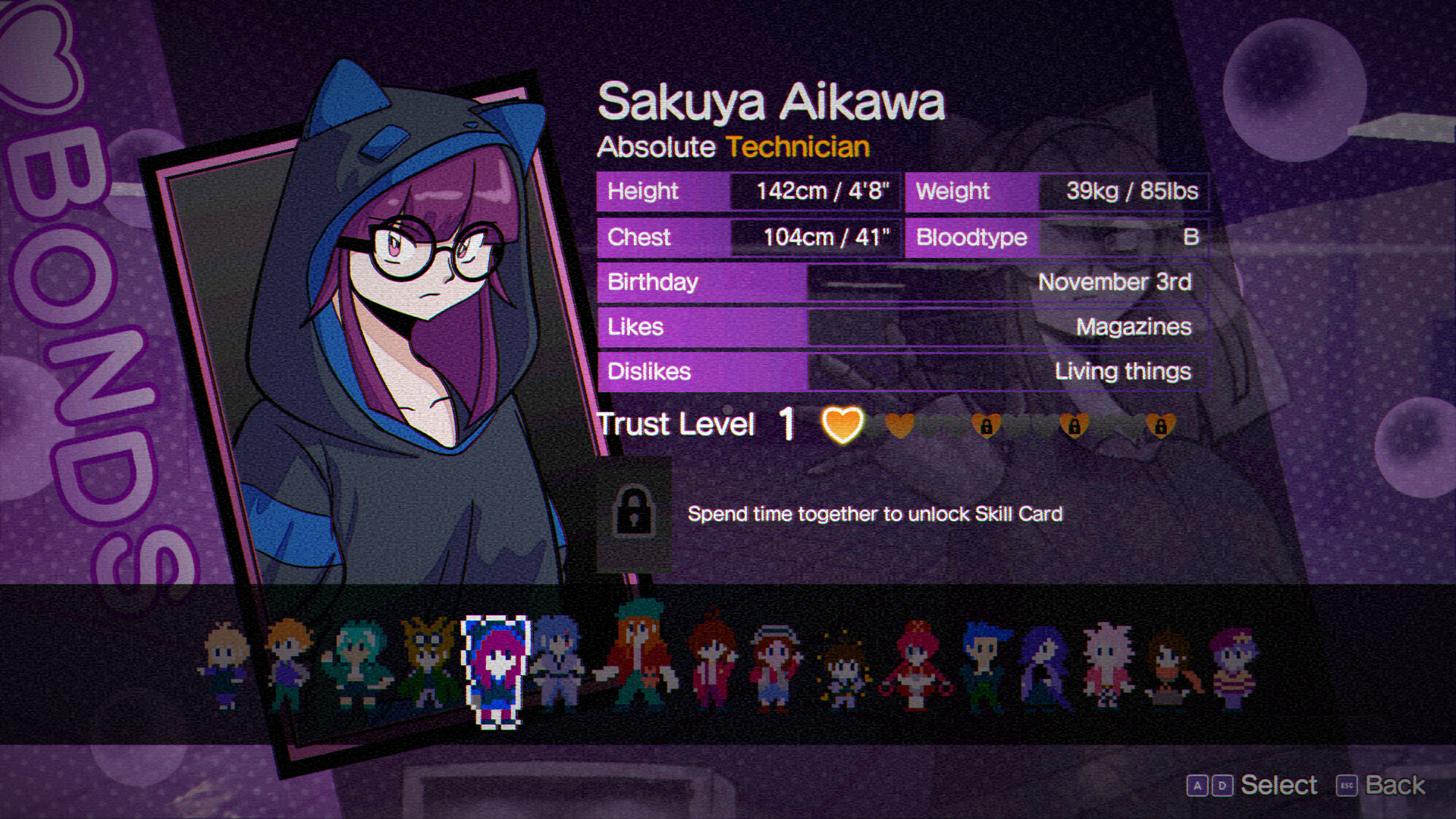
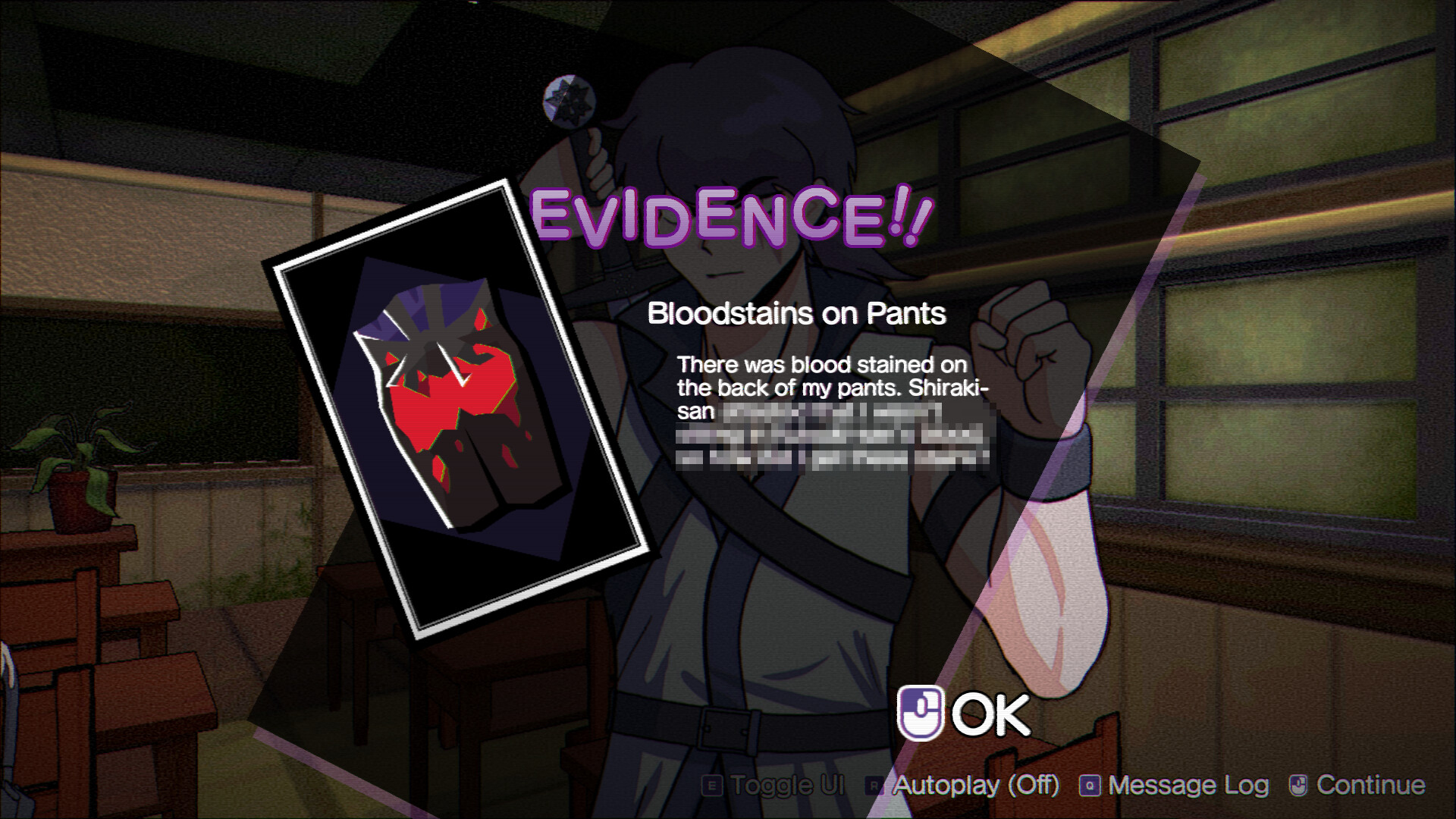
Gameplay centers on three looping pillars: free‑time bonding, methodical investigations, and high‑stakes clinical trials. You play as Himari Sanada and spend lots of time talking to classmates, giving gifts, and unlocking skill cards that are usable in the debate segments. Investigations feel like classic visual‑novel point‑and‑clicks — search rooms, collect evidence, interrogate classmates — and the game forces you to piece the timeline together before the bell summons you to trial. The pacing is deliberate; I enjoyed the slow burn of building context, though some players might find the early tutorial on the card system a little front‑loaded. When the trial begins, everything shifts into a hybrid: part courtroom argument, part card battler, part arcade riff.
When Cards and Accusations Collide
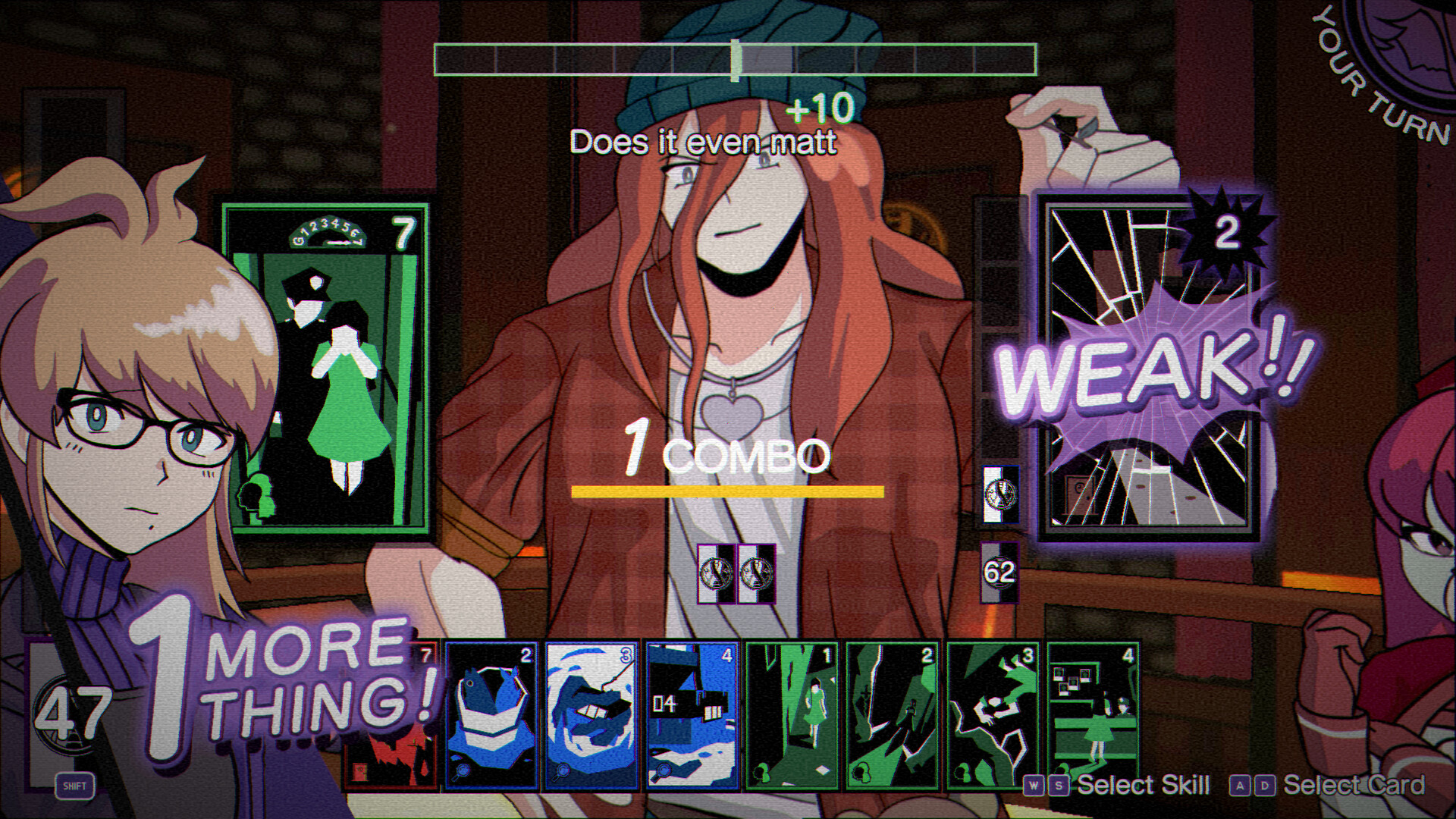
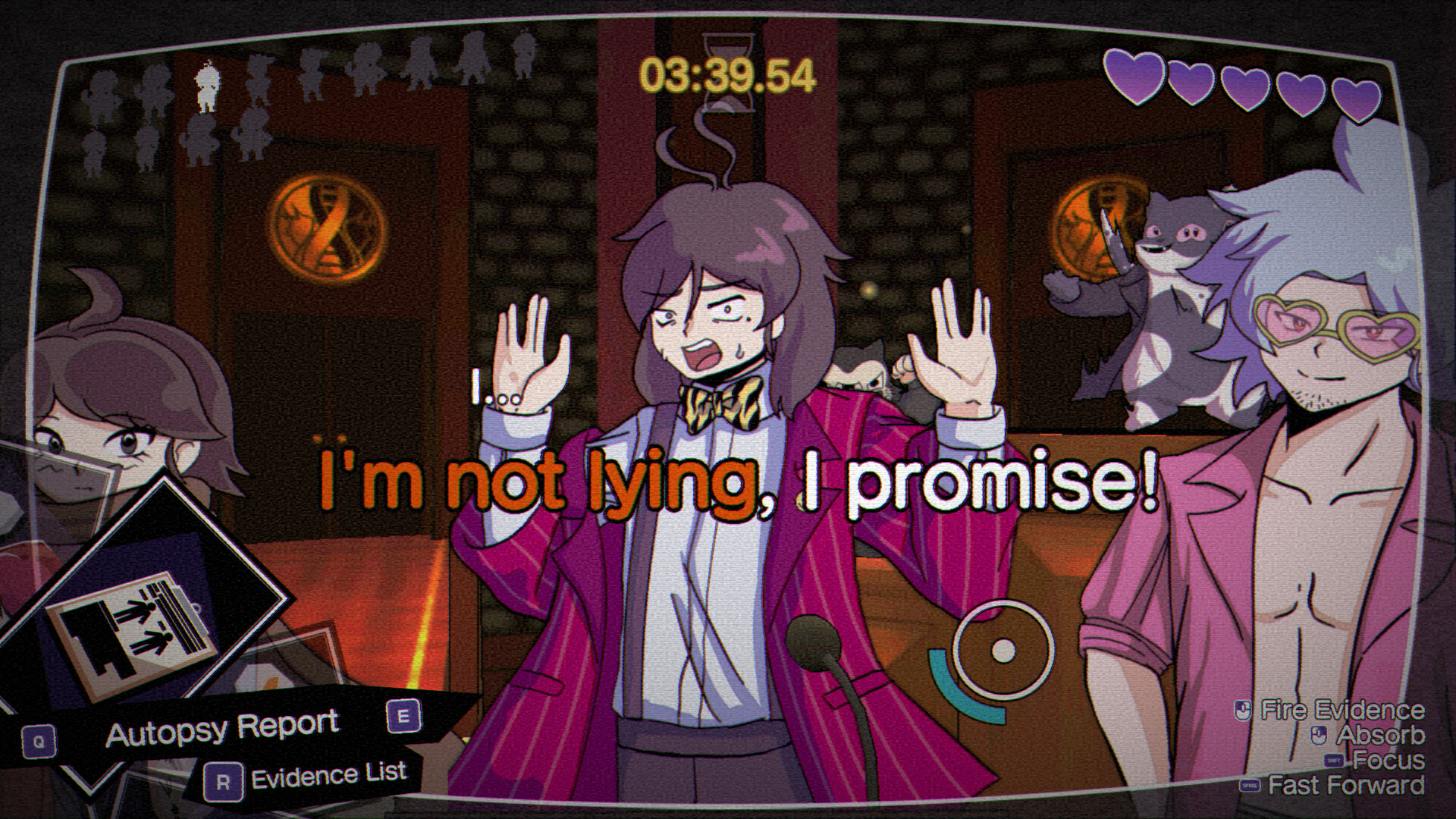
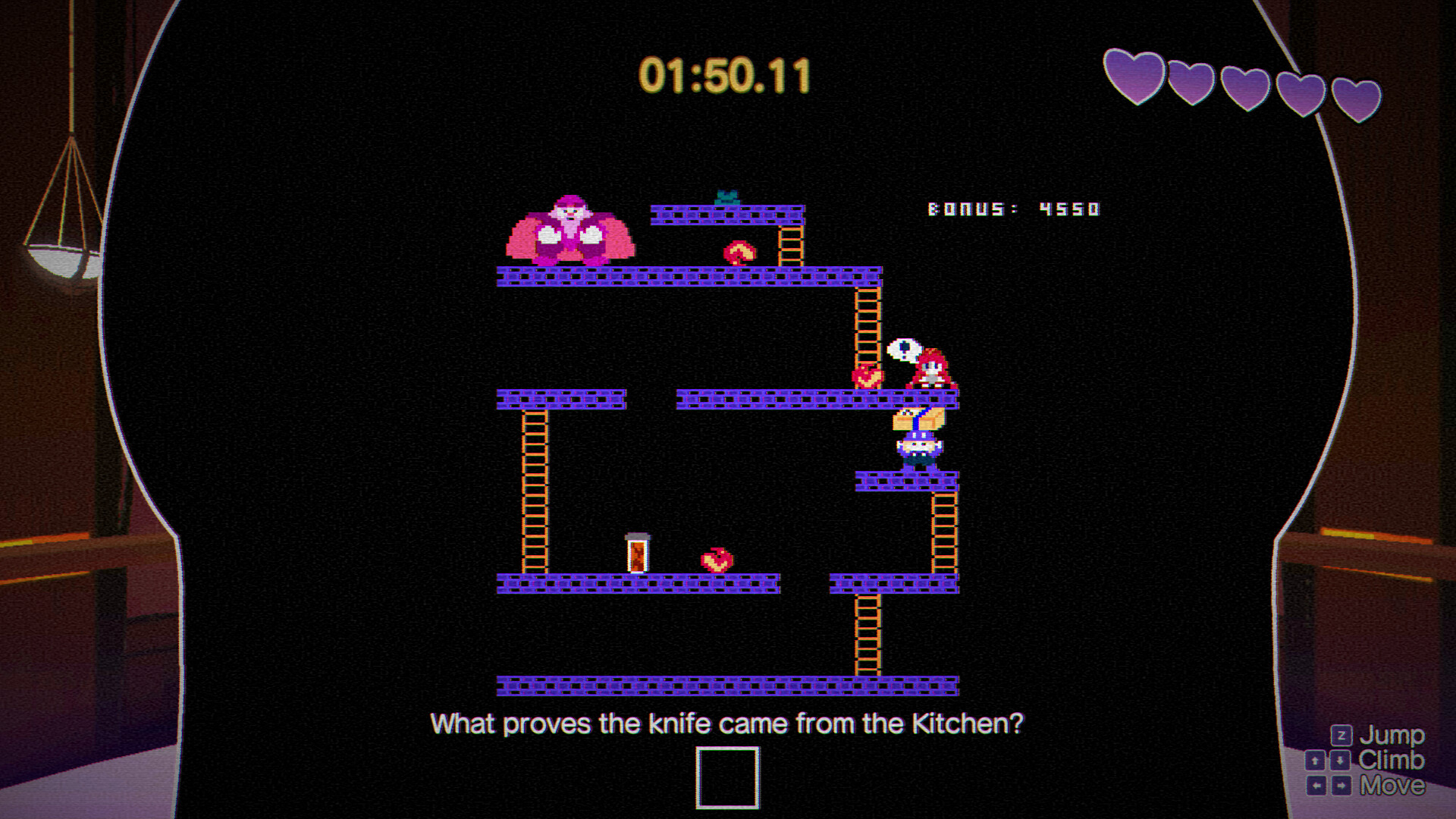
The card system is the game’s boldest twist. Instead of purely timing‑based shouting matches, you assemble a deck of skill cards earned through bonds and exploration, then use combos and counters to break down opponents’ defenses during debates. It rewards planning — good cards and synergies make arguments feel tactical — but there’s an RNG element in draws that can swing tense moments. Mini‑games pepper the trials (spelling, shooting, old‑school arcade riffs) and they’re charmingly retro, though not all of them land equally: some feel meaningful and kinetic, others slow the momentum. Still, the fusion of deckbuilding and deduction often produced some of my favorite trial moments because you’re solving both social puzzles and mechanical ones.
A Stylistic, Noisy Presentation
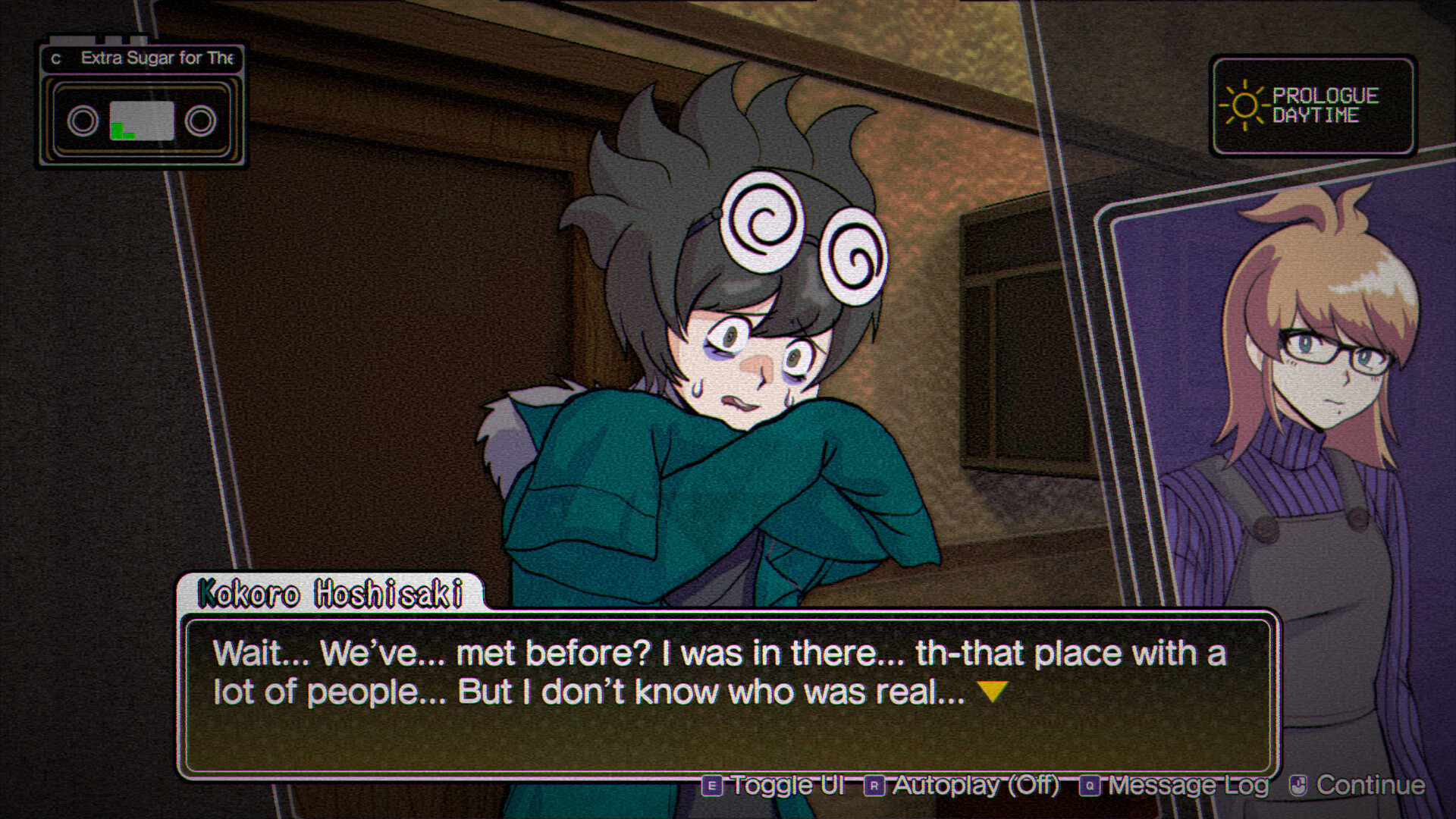
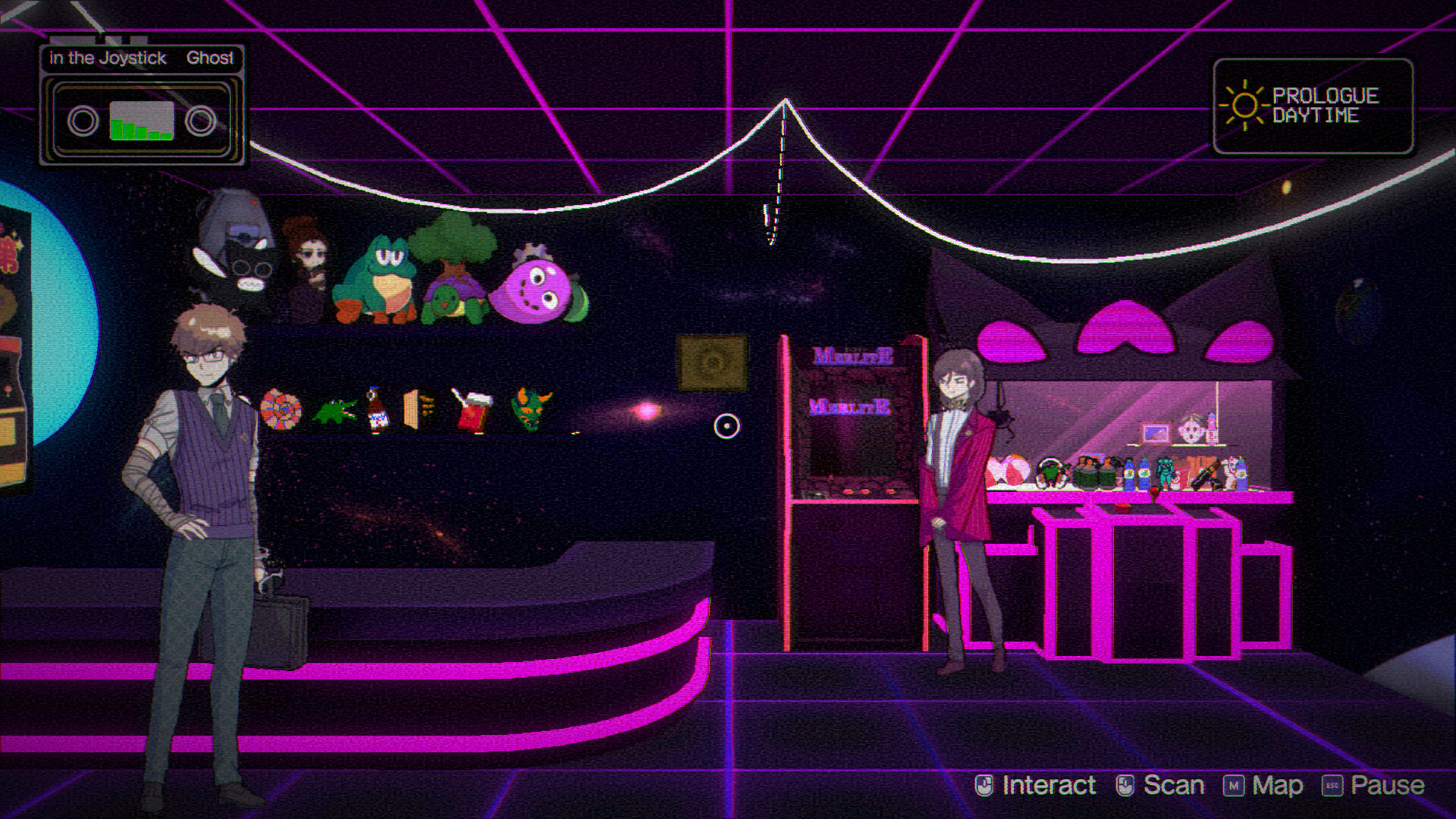
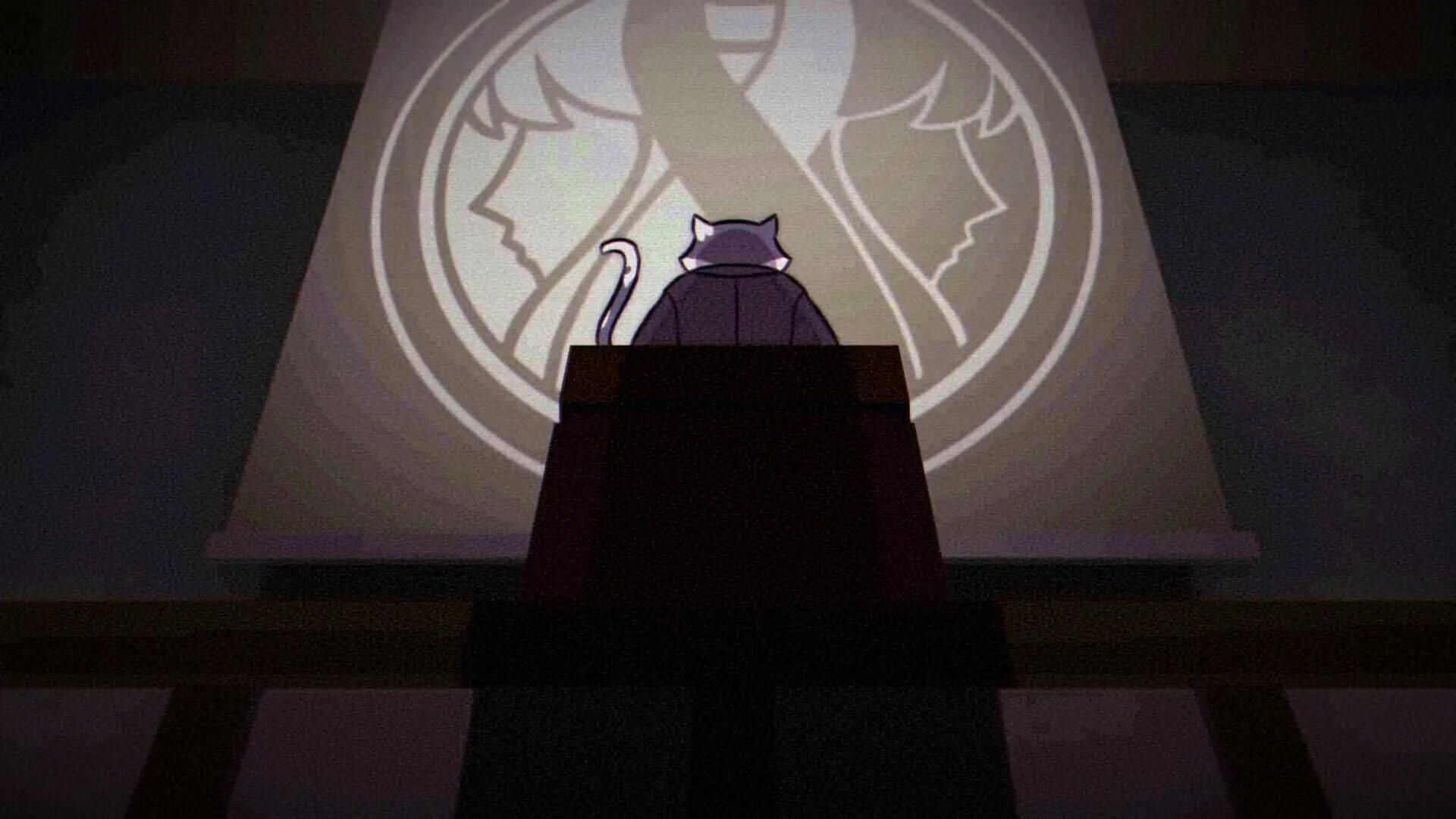
Visually and sonically, Kumitantei is confident. The art channels 80s anime with exaggerated silhouettes, expressive faces, and nicely animated cutscenes; the soundtrack deserves special praise for mood work that ranges from melancholy piano to unsettling synths. Voice acting appears selectively at key beats and tends to lift emotional scenes — a smart way to get max impact without voicing every single line. On the technical side, performance on Windows and Steam Deck is solid for me, but there’s a notorious flicker/scanline filter complaint: it gives the game its retro sheen but strained my eyes after long sessions. Accessibility options need expansion (filter toggle, faster text skip/turbo tweaks) so that sessions don’t become physical chores. All told, it’s a polished indie package with clear heart, even where it stumbles.
Kumitantei: Old‑School Slaughter is a heartfelt, ambitious indie that earns its spooky, retro charm with standout art, music and a novel card‑debate twist. Episode 1 is uneven in places — trial minigames and a persistent visual filter hold it back — but the narrative, characters and core systems show real promise. If you love character-led murder mysteries (Danganronpa/Ace Attorney fans especially), buy it with a minor caveat: expect polish patches and future episodes to refine the rougher edges.

Pros
- Stunning '80s anime‑inspired art and expressive character animation
- Unique card‑based debate system that rewards planning and deckbuilding
- Great soundtrack and selective voice acting that amplify key moments
- Strong narrative hooks and memorable, well‑written classmates
Cons
- Flicker/scanline filter can cause eye strain — needs a toggle
- Some trial minigames feel slow, clunky or unnecessary
- Card RNG and occasional bugs can frustrate tight runs
Player Opinion
Players universally praise the visual direction, soundtrack, and the evident passion behind the project — many call the art and music highlights and compliment the voice work at key beats. Fans of Danganronpa and Ace Attorney repeatedly say the game scratches a familiar itch while offering its own twists, especially via card battles and bonding mechanics. Criticisms cluster around the trial minigames (some find them slow or clunky), the aggressive visual filter that causes eye strain for a minority, and occasional bugs or pacing issues in the first chapter. If you like character‑driven VNs and don’t mind a few rough edges or RNG in card draws, reviewers say you’ll likely enjoy Episode 1.