






KuloNiku: Bowl Up! Review – Cozy Cooking Meets Tactile Mini‑Games
A charming, tactile cooking sim that mixes cozy service, creative recipes and competitive meatball brawls. Great for Cooking Mama fans who want personality, not stress.
I didn’t expect to get hungry while reviewing a game, but KuloNiku: Bowl Up! sneaks up on you like a delicious broth. You inherit your grandma’s meatball shop and slowly rebuild it with quirky townsfolk, hands‑on cooking minigames and unexpected “meatball brawls.” It’s cozy when you want to relax, but also has enough bite to satisfy players after a deeper, competitive loop. If you love tidy, tactile inputs and character-first indie sims, this one’s worth a look.
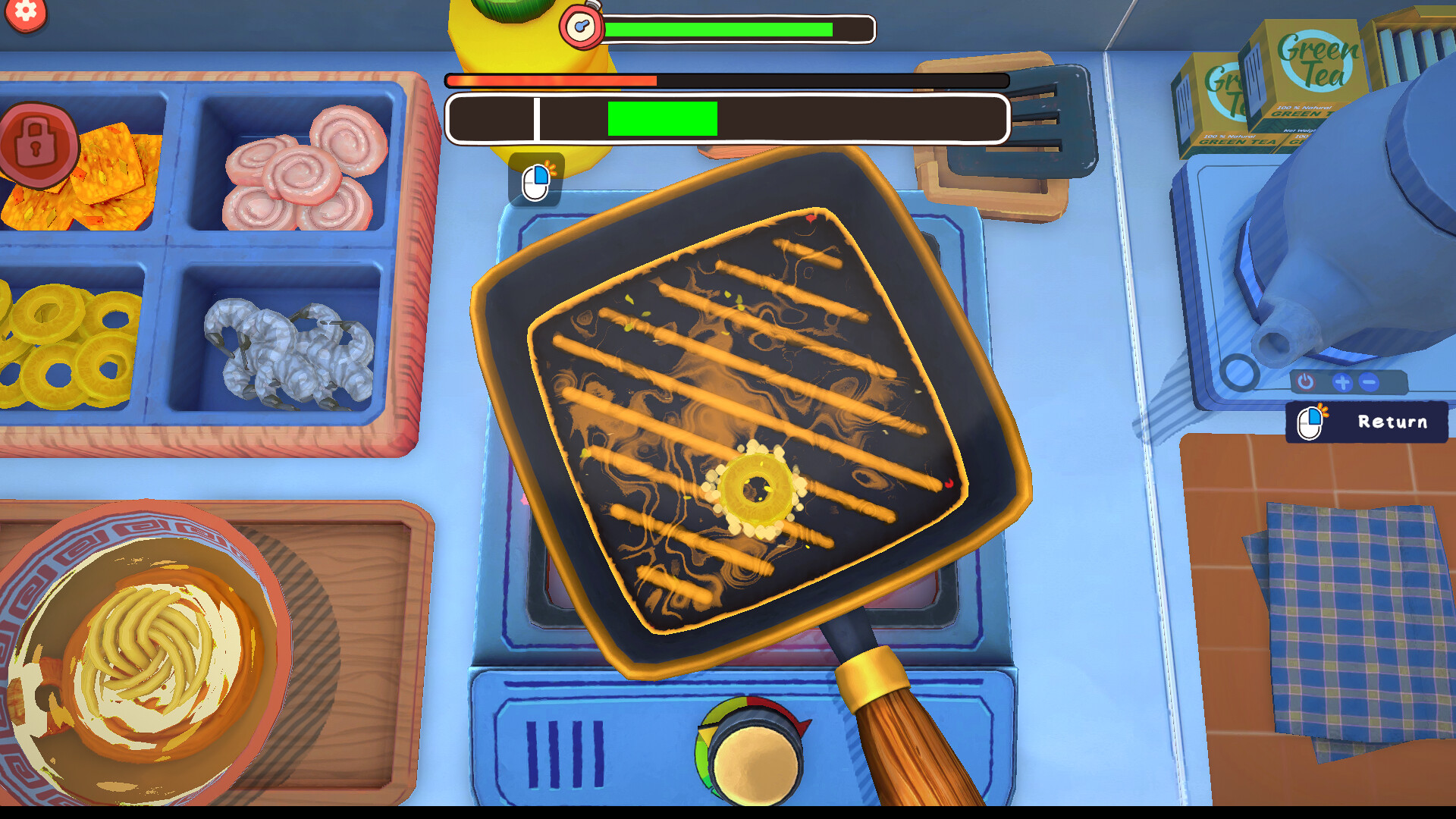
Stirring, Chopping, and the Joy of Doing Things By Hand
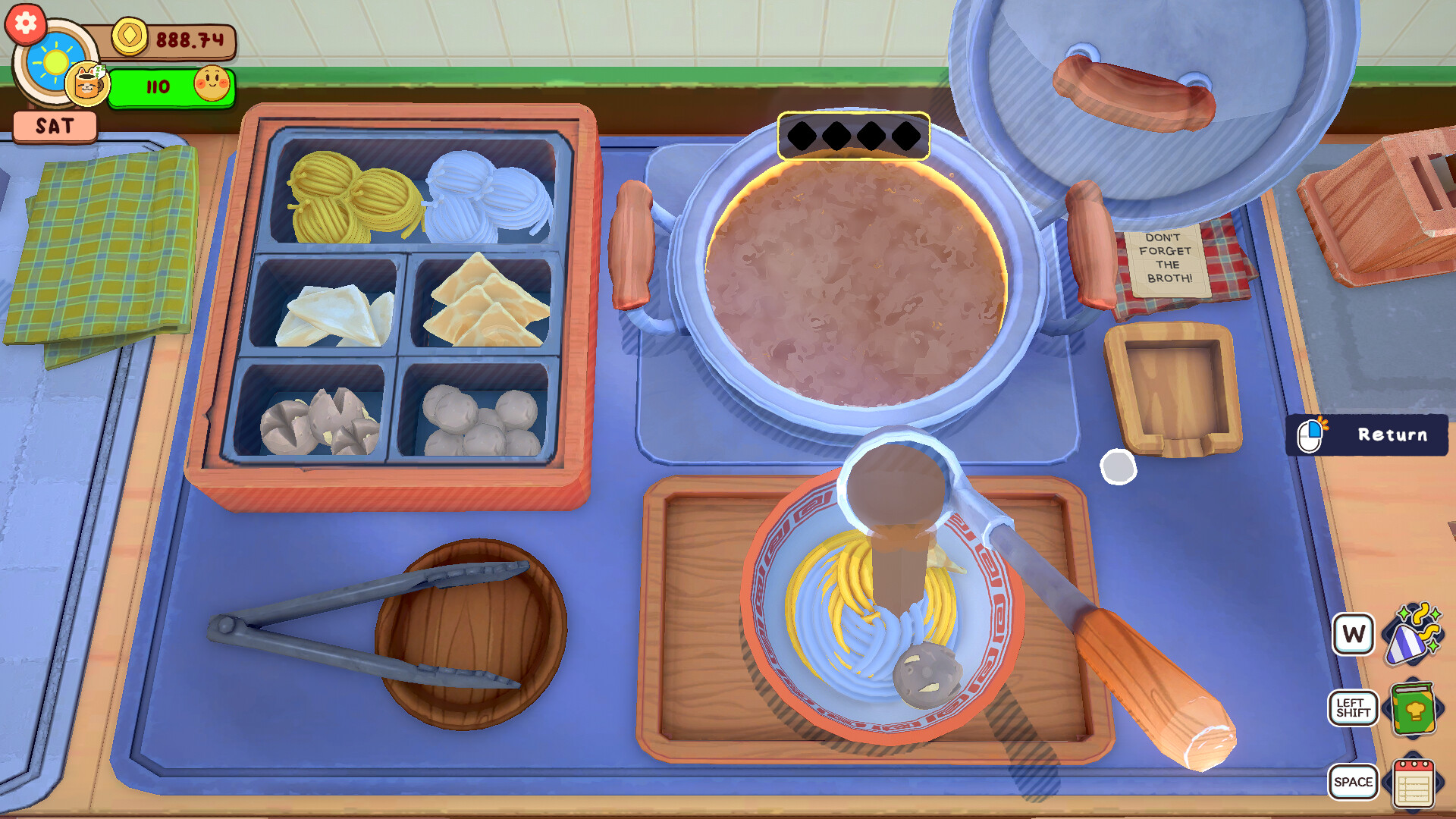
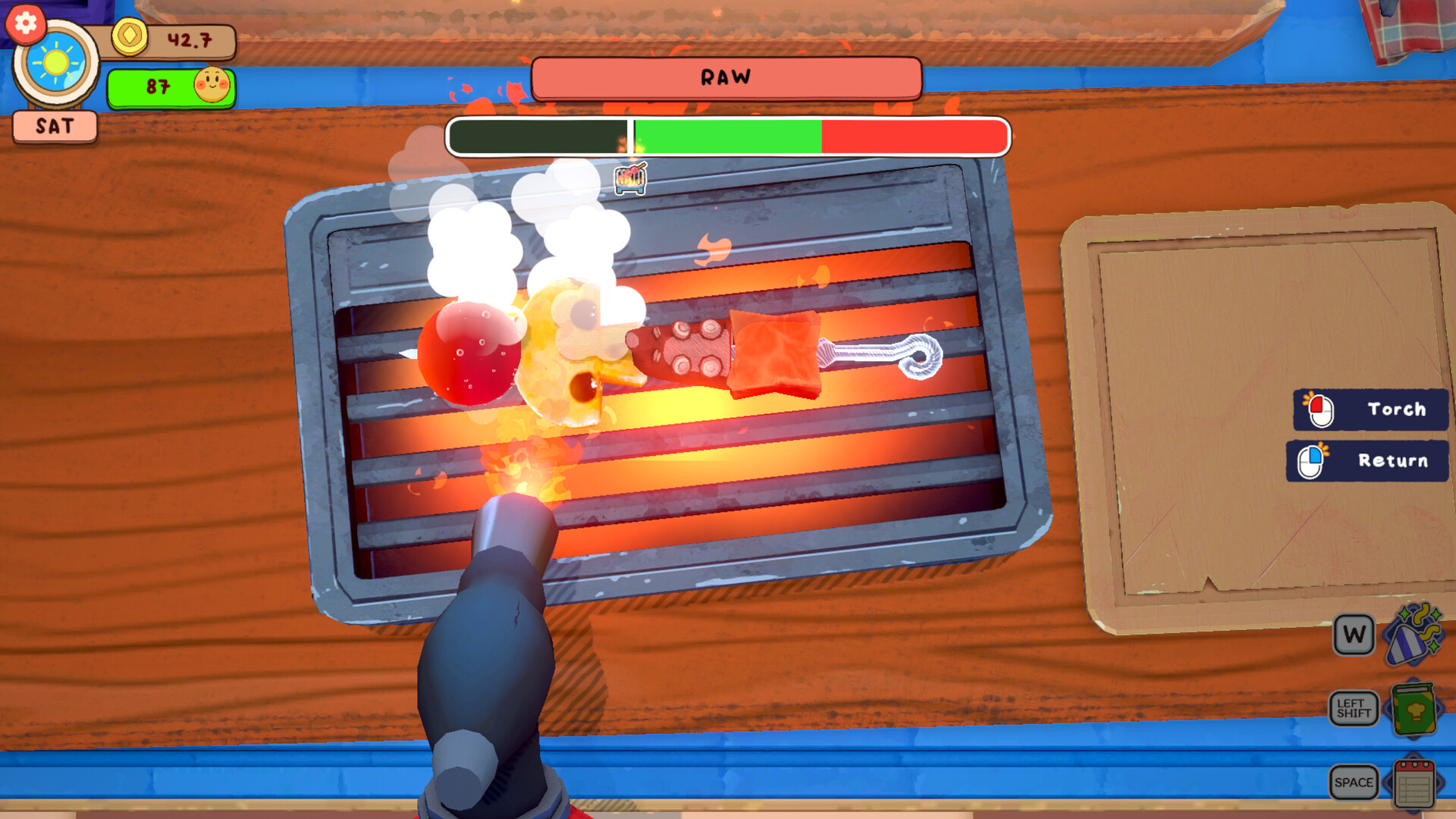
The core loop is gloriously tactile: you chop, boil, fry, skewer and season with little flourishes that actually matter. Each dish has multiple valid ways to prepare it, so there’s room for experimentation — I once flambéed a bowl just to see the judge’s face. The controls feel like Cooking Mama with a little extra weight; timing matters but the game rarely feels unfair. You manage your station, upgrade tools, and decide whether to hustle for tips or take a slower, craftier approach in cozy mode. Regular service days and festivals alternate, which keeps the rhythm fresh instead of turning everything into a one-note grind. Mini‑puzzles inside orders force you to read between the lines and, honestly, that deduction adds charm more than frustration once you get used to the wording.
When Meatball Brawls Become the Main Event
The meatball brawls are the game’s spicy garnish: timed head‑to‑head cookoffs where creativity, speed and judge preferences collide. They introduce a layer of strategy — it’s not only about pouring the requested ingredient but also about tailoring the dish to fickle judges and live audience shoutouts. I appreciated that brawls aren’t purely reflex tests; you can plan and adapt, and higher stakes rounds force you to think several steps ahead. Some players found the UI for ending turns a bit unclear early on, and I agree that the tutorial could be crisper, but once you know the rhythm, those cookoffs are a delightful stress spike. They also change the pacing of the campaign, giving you a break from the shop loop and a reason to upgrade equipment and ingredients.
A Warm Look and Sound That Sells the Food
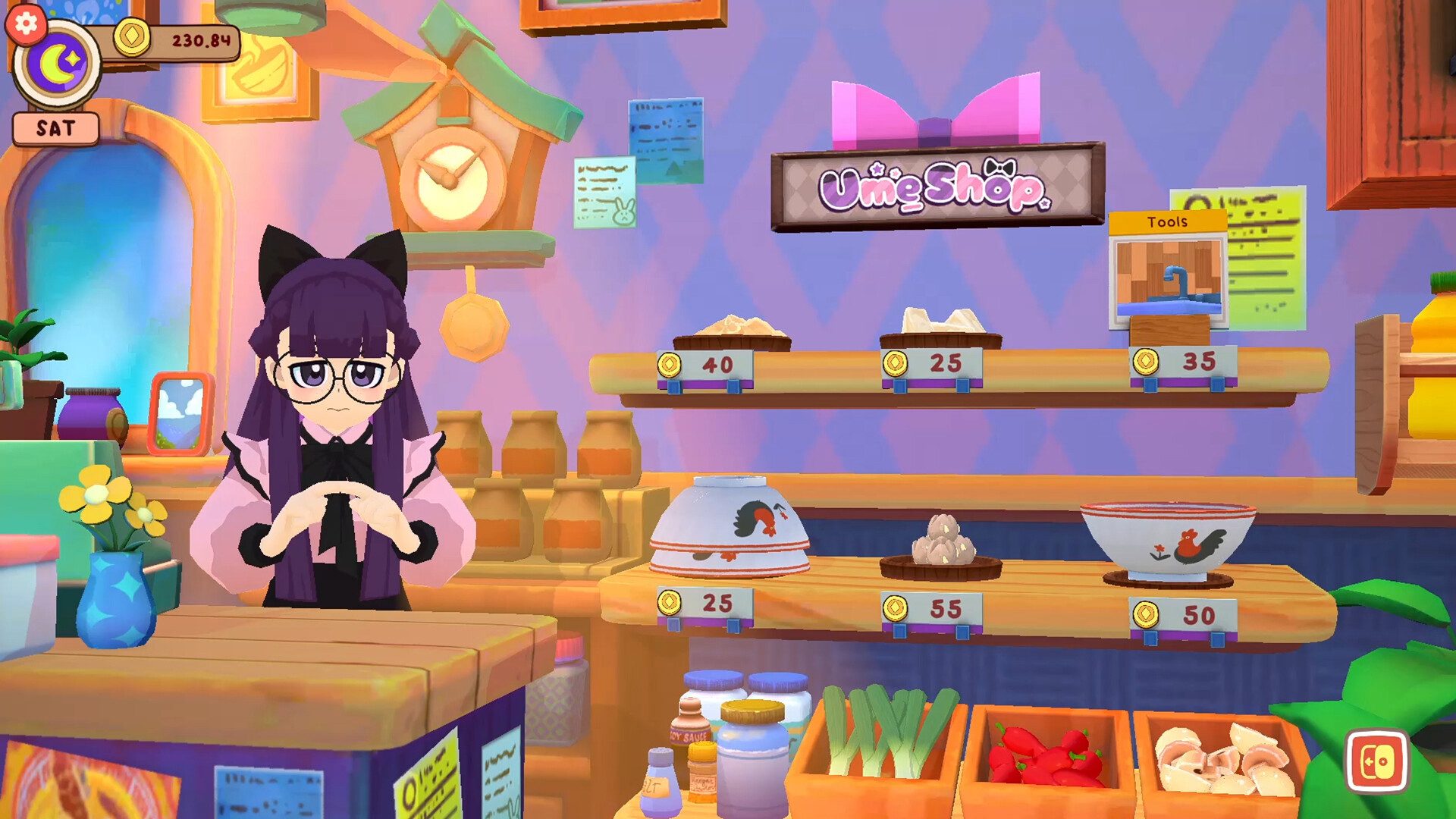
Visually, KuloNiku goes for a colorful, character‑forward aesthetic that made me smile more than once. The art style is cartoony but textured, with expressive NPCs who react when you place dining tables or decorate the place — small touches that make the restaurant feel lived in. Music is bouncy and cozy; it does the sandwiching job of keeping things upbeat without overstaying its welcome. Performance on Windows and Mac has been solid in my playtime, and localization (English especially) feels polished — no rough machine translation here. Accessibility options like Cozy Mode are a thoughtful inclusion: I switched it on when I wanted to relax and off when I wanted a bit more tension, and both experiences felt intentional.

KuloNiku: Bowl Up! is a delightful, well‑polished cooking sim that balances cozy vibes with bite-sized competitive moments. It’s ideal for fans of Cooking Mama, cozy sims, or anyone who likes tactile mini‑games and characterful worldbuilding. Buy it if you want a game that’s warm, funny and full of tasty little surprises.


Pros
- Tactile, satisfying cooking mechanics with room for creativity
- Charming characters and visuals that give the restaurant personality
- Cozy Mode and accessibility options for different playstyles
- Meatball brawls add competitive spice without feeling tacked on
Cons
- Begins a bit repetitive until new ingredients unlock
- Some UI tutorials (especially for brawls) could be clearer
- Linux support is absent at launch
Player Opinion
Players love how cozy and tactile KuloNiku feels — many comparisons to Cooking Mama and praise for the art and music appear repeatedly. Fans highlight Cozy Mode as a lifesaver when they want to avoid the stress of timed orders, and several reviews celebrate the game's polish and lack of release bugs. Recurrent criticisms mention early‑game repetition and occasional confusion in brawl mechanics or UI, but many say quality‑of‑life updates have already improved those issues. There's a clear sense of community pride, with several players glad to support an Indonesian indie studio. If you enjoy character-driven sims that slowly unlock new tools and recipes, other players say you’ll enjoy this one.