



Kiln Review – Smash, Sculpt and Score in Double Fine's Pottery Brawler
Kiln is a joyful multiplayer brawler that turns pottery into weapons: sculpt custom pots, jump into chaotic 4v4 matches and decide whether you want to create or crush. Creative, quirky and occasionally rough around the edges.
I didn’t expect to find a pottery-based party brawler on my wishlist, but Kiln is exactly that — a weird, wonderful mash-up of sculpting and slapstick PvP. Double Fine leans into their trademark eccentricity: you shape a pot, that pot becomes your avatar, and then you try to dunk, bash or outplay the opposing team. If you like Splatoon’s colorful madness and Fall Guys’ chaotic charm, Kiln sits somewhere between those vibes with a creative twist. It’s light on seriousness, heavy on personality — and sometimes heavy on framerate complaints, too.
Wheel-to-Weapon Combat
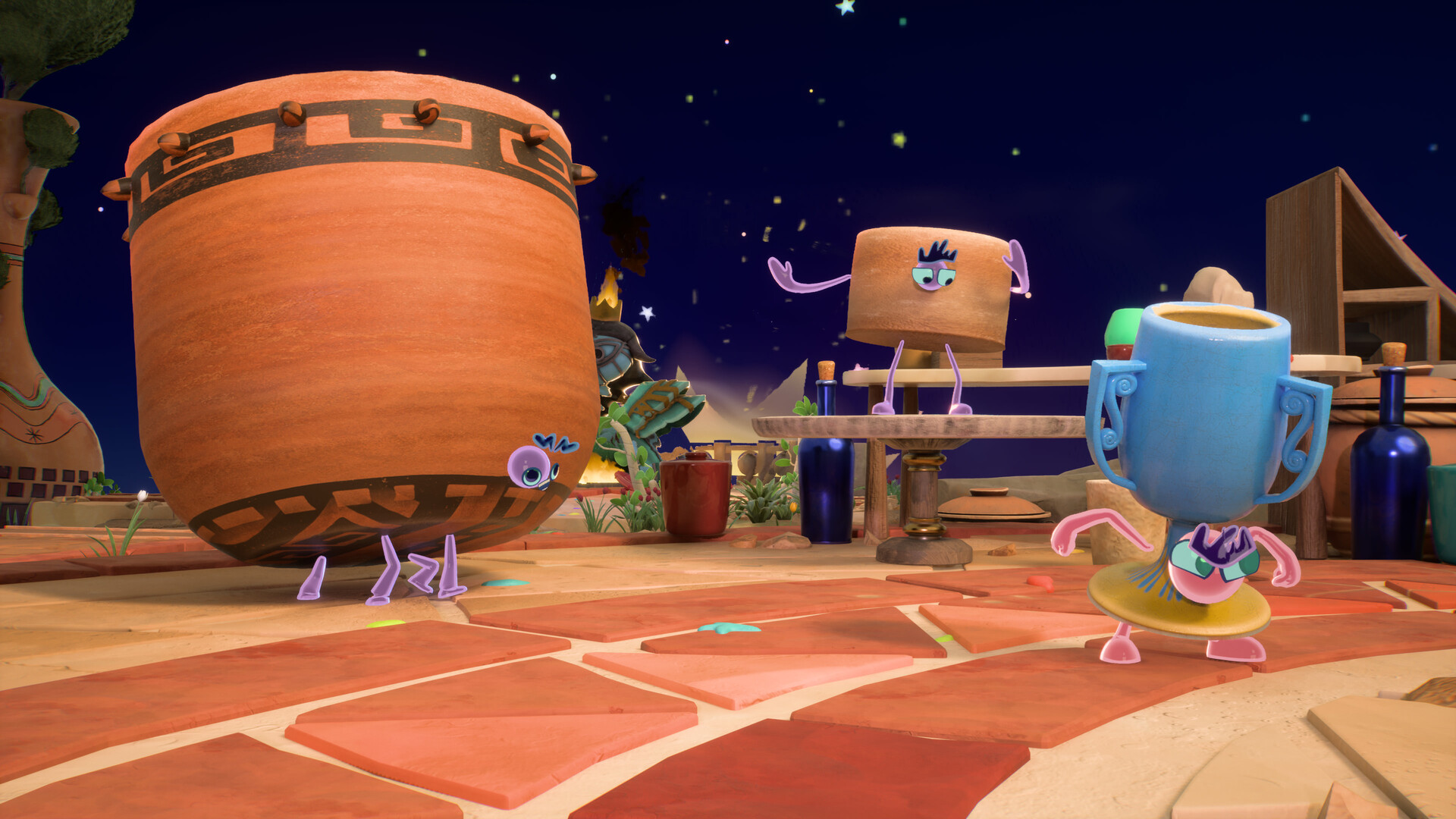
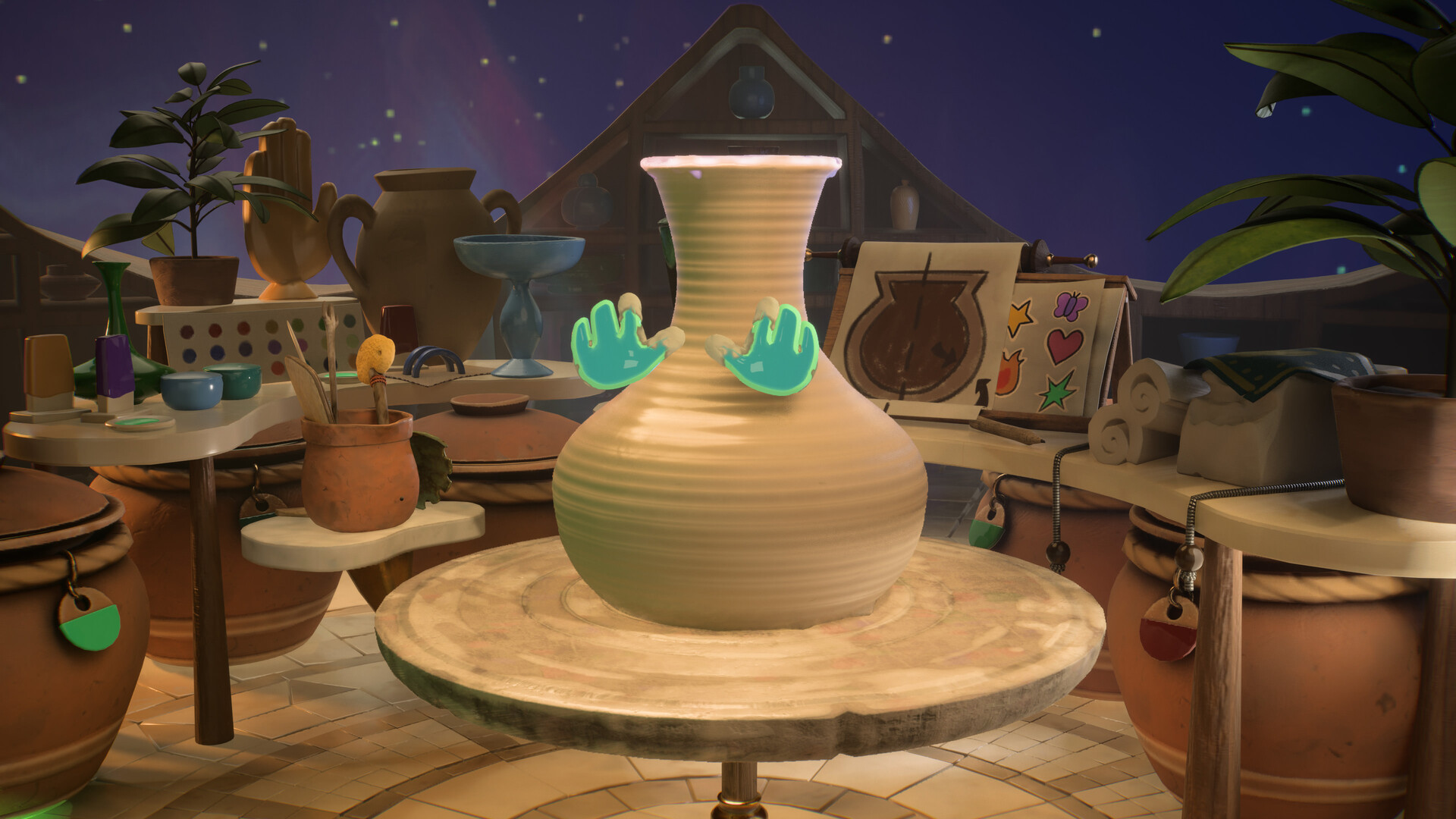
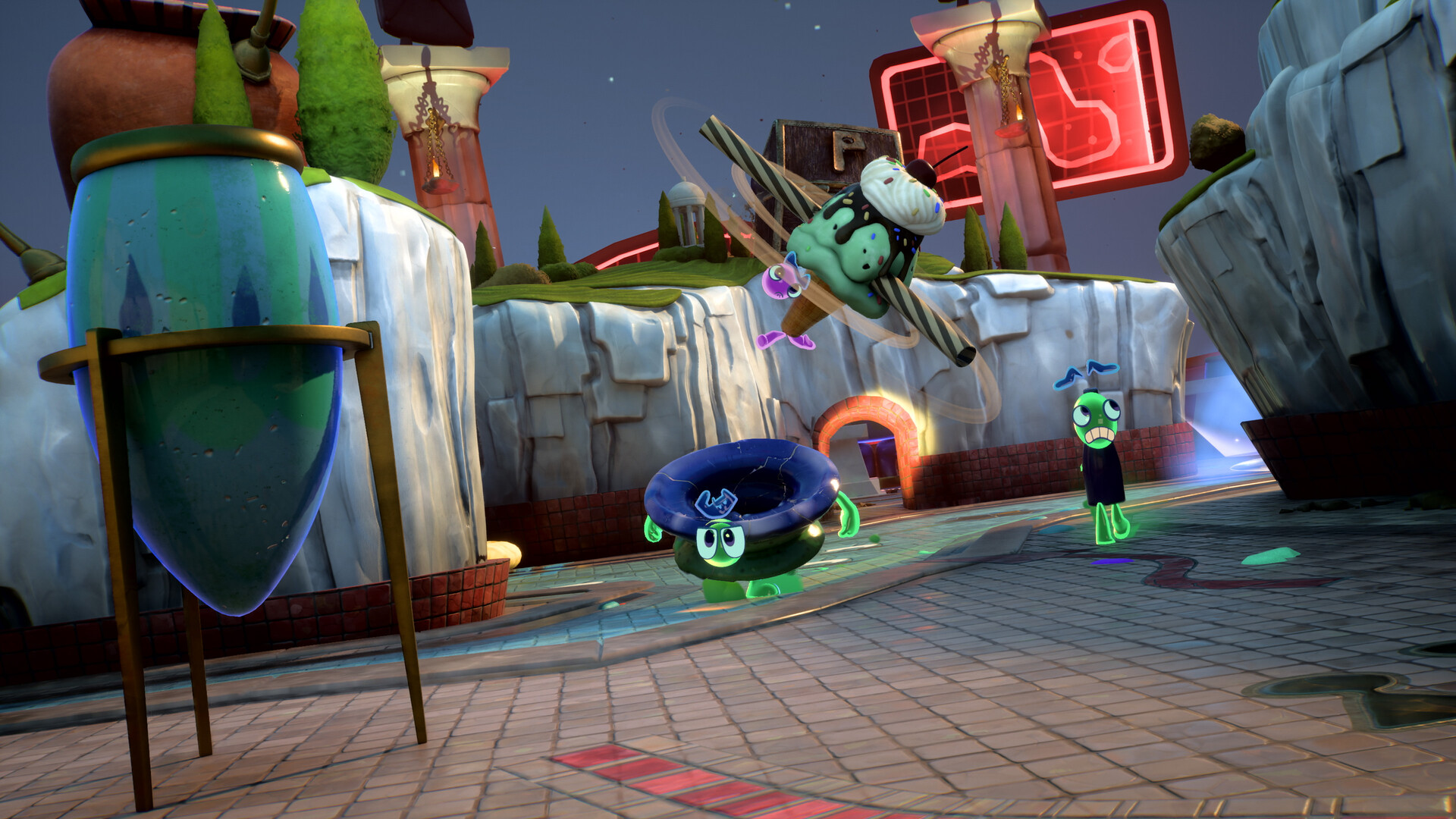
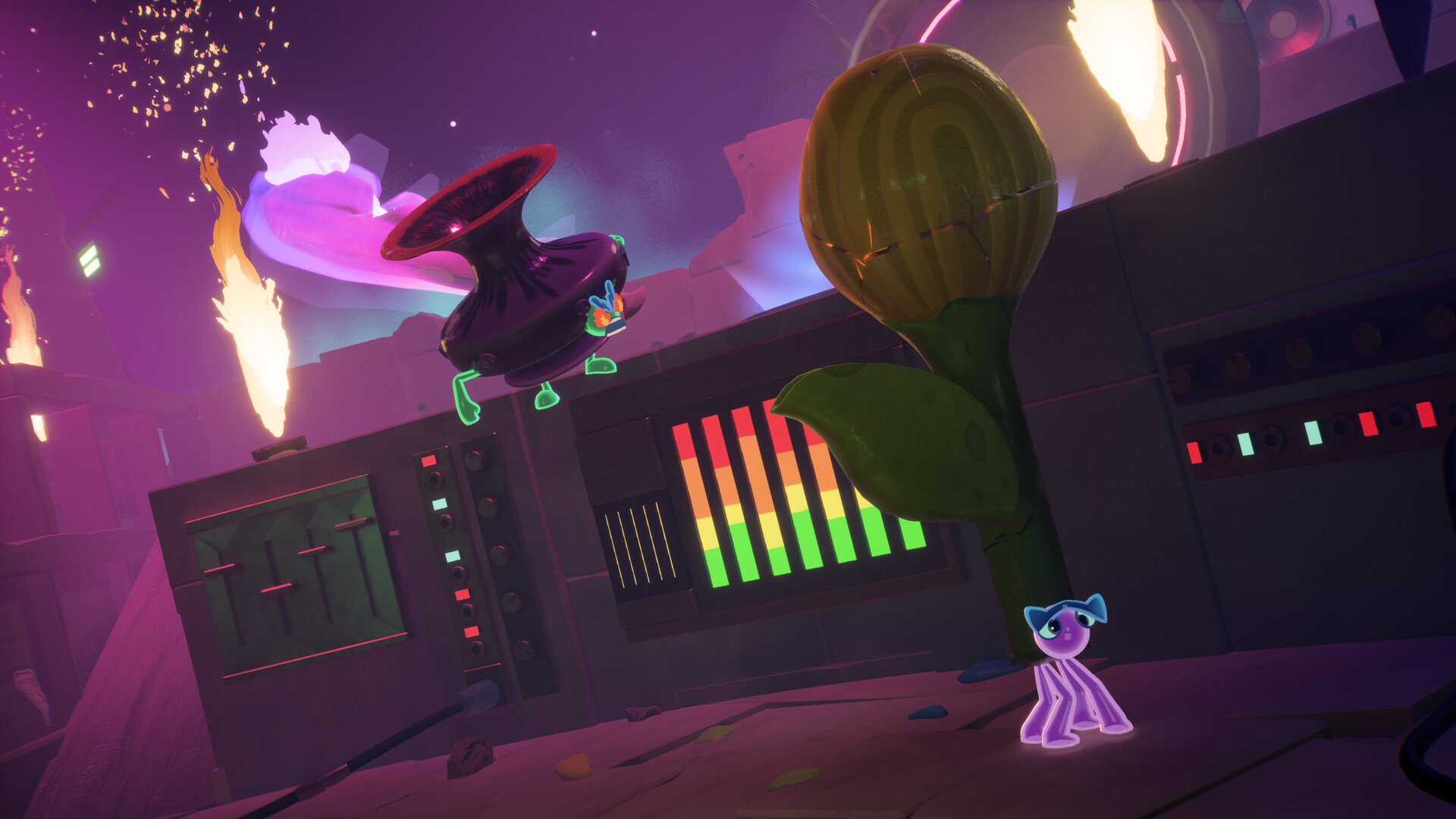
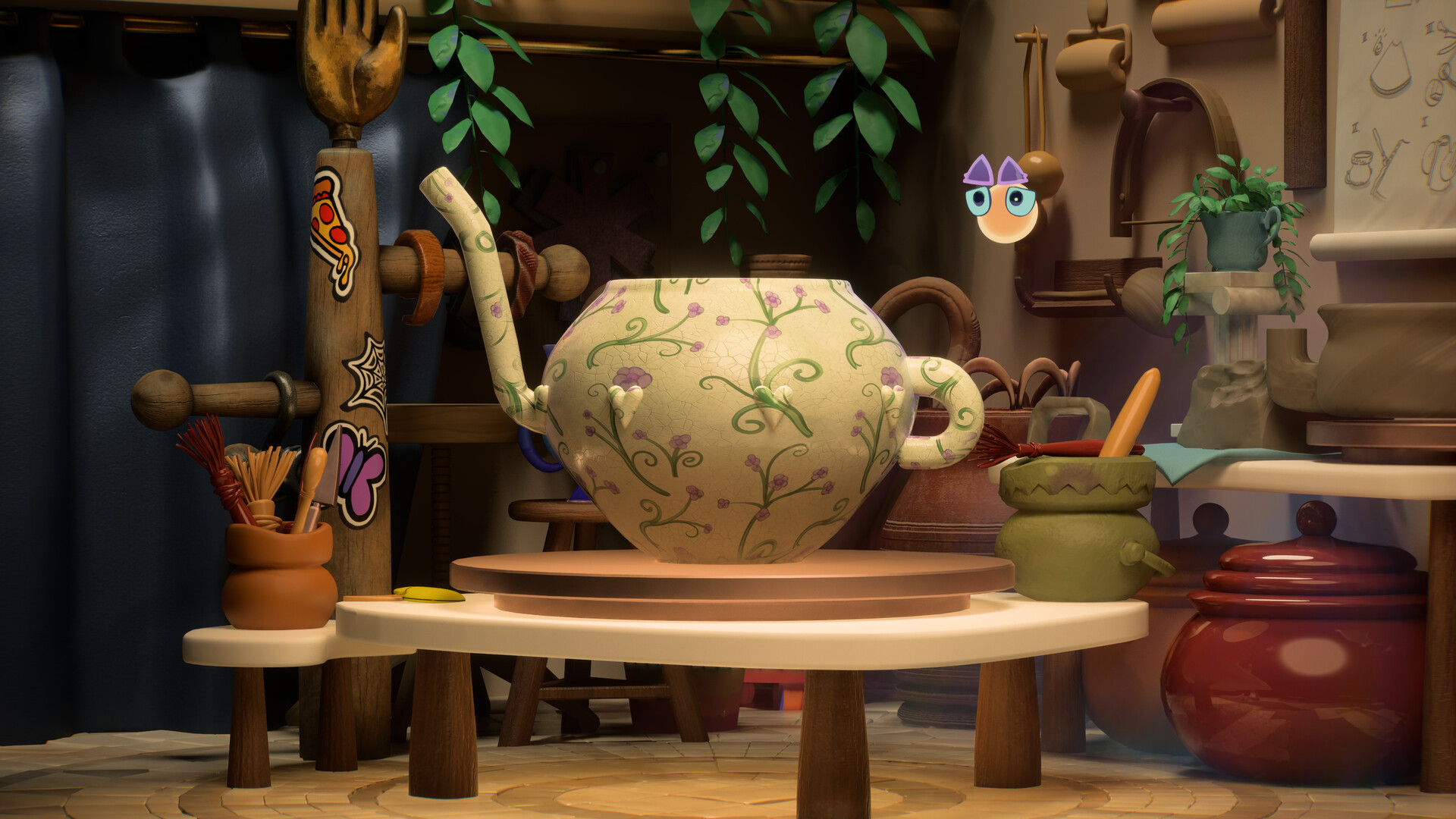
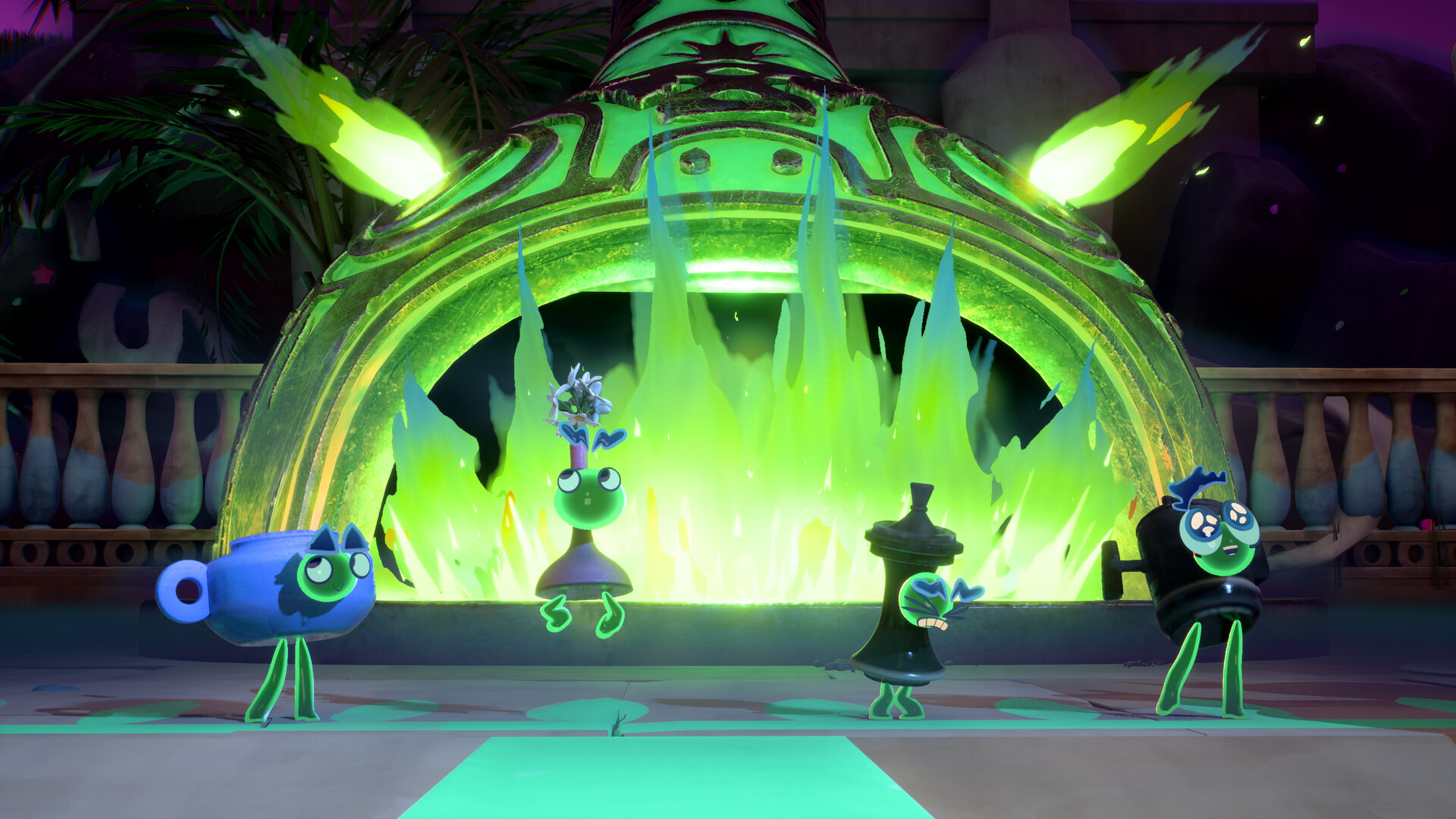
The core loop of Kiln is gloriously simple and weird: you spend time at the pottery wheel crafting a pot — a plate, jug, cup or weird abstract vase — and then that shape determines your stats and abilities in Quench mode. In matches you run around collecting water, bashing other pots, using special abilities tied to your pot class and trying to douse the enemy kiln. Matches are quick, frantic 4v4 affairs where positioning and teamwork matter more than twitch aim; a tiny cup might be fast and vicious while a broad bowl carries more water and soaks up hits. I loved the tactile feeling of shaping a silly-looking jug and immediately testing whether it could actually carry enough water to win a match.
When Shape Is Strategy
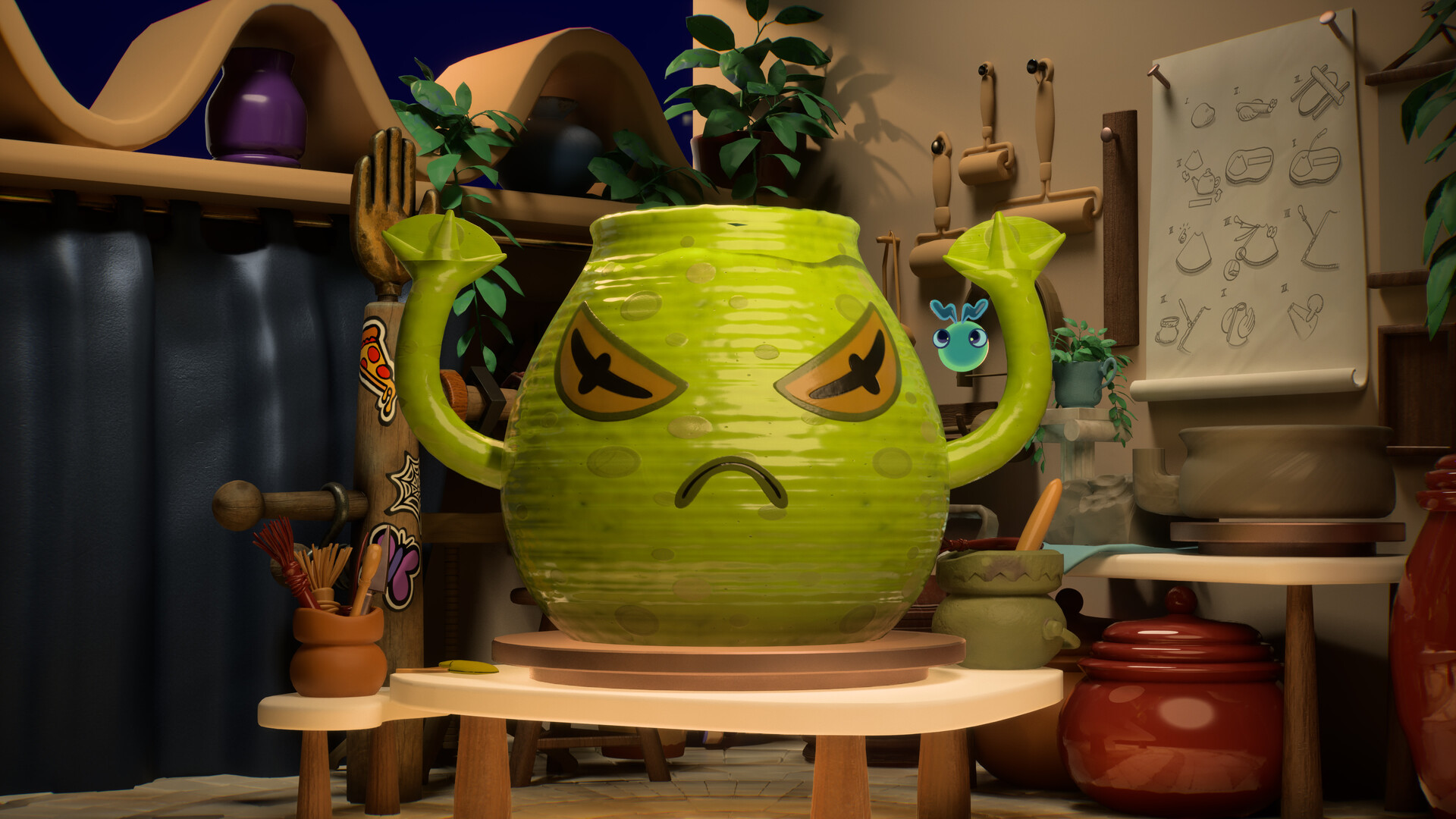
What makes Kiln stand out is how the pottery system feeds into meaningful gameplay choices. The height, width and lip of a pot change your mobility, health and carrying capacity, and Double Fine has layered distinct ability kits on top of those physical traits. There are over twenty classes already, each with a distinct role — some excel at crowd control, others at mobility or objective play. Decorating your pot is not just vanity: painting and attachments let you show personality and occasionally signal intent to teammates. It feels like an experiment playground; I’ve spent as much time perfecting a ridiculous vase as I have learning to clutch a match with a tiny cup. The asymmetries make team composition interesting: two heavy carriers and two agile scouts can perform very differently than a balanced spread.
A Studio-Stamped Presentation (and Performance Caveat)
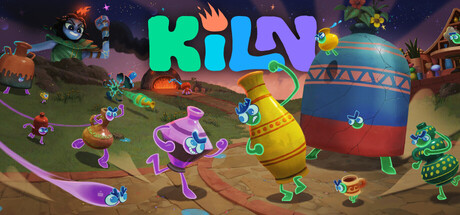
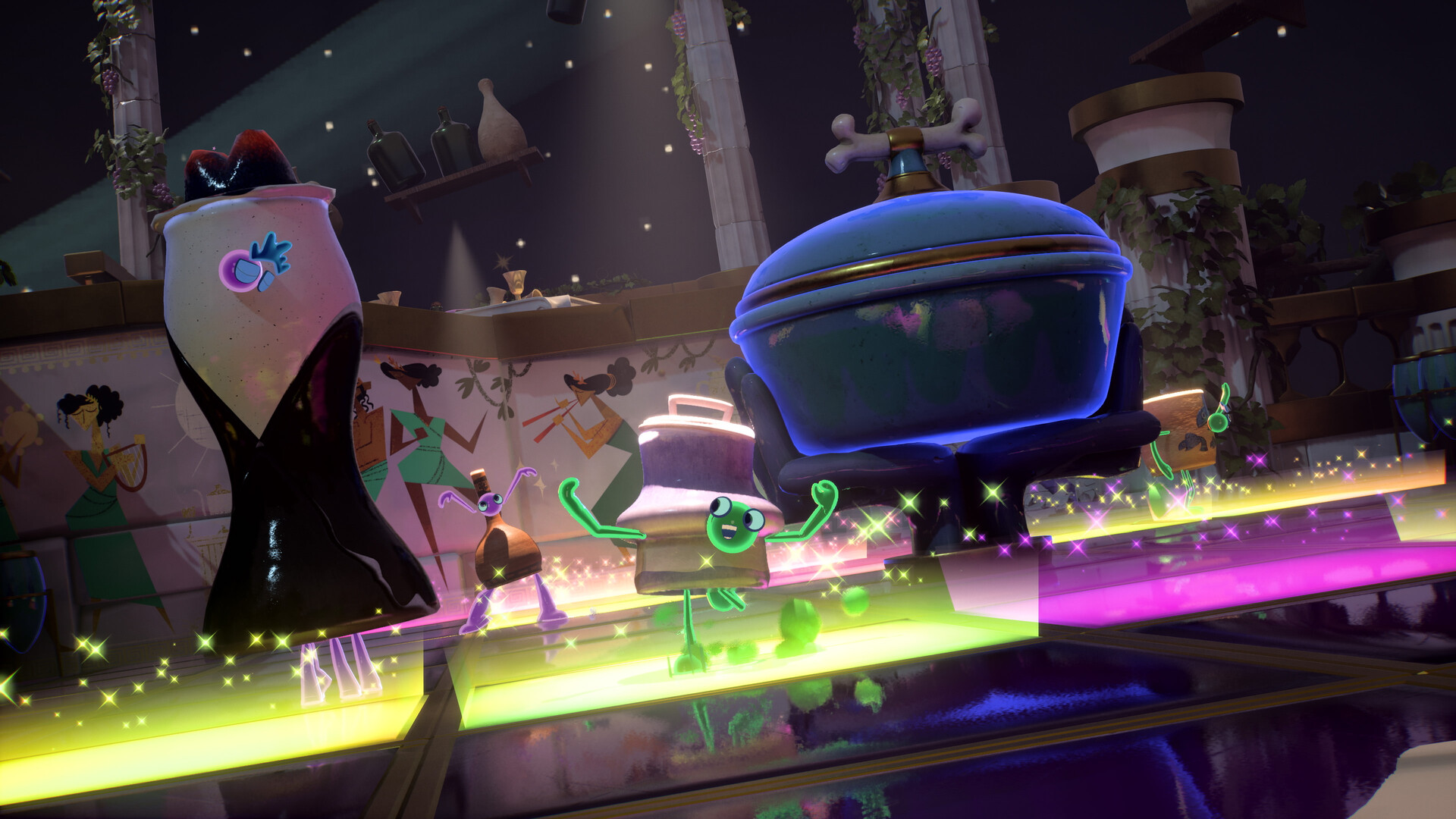
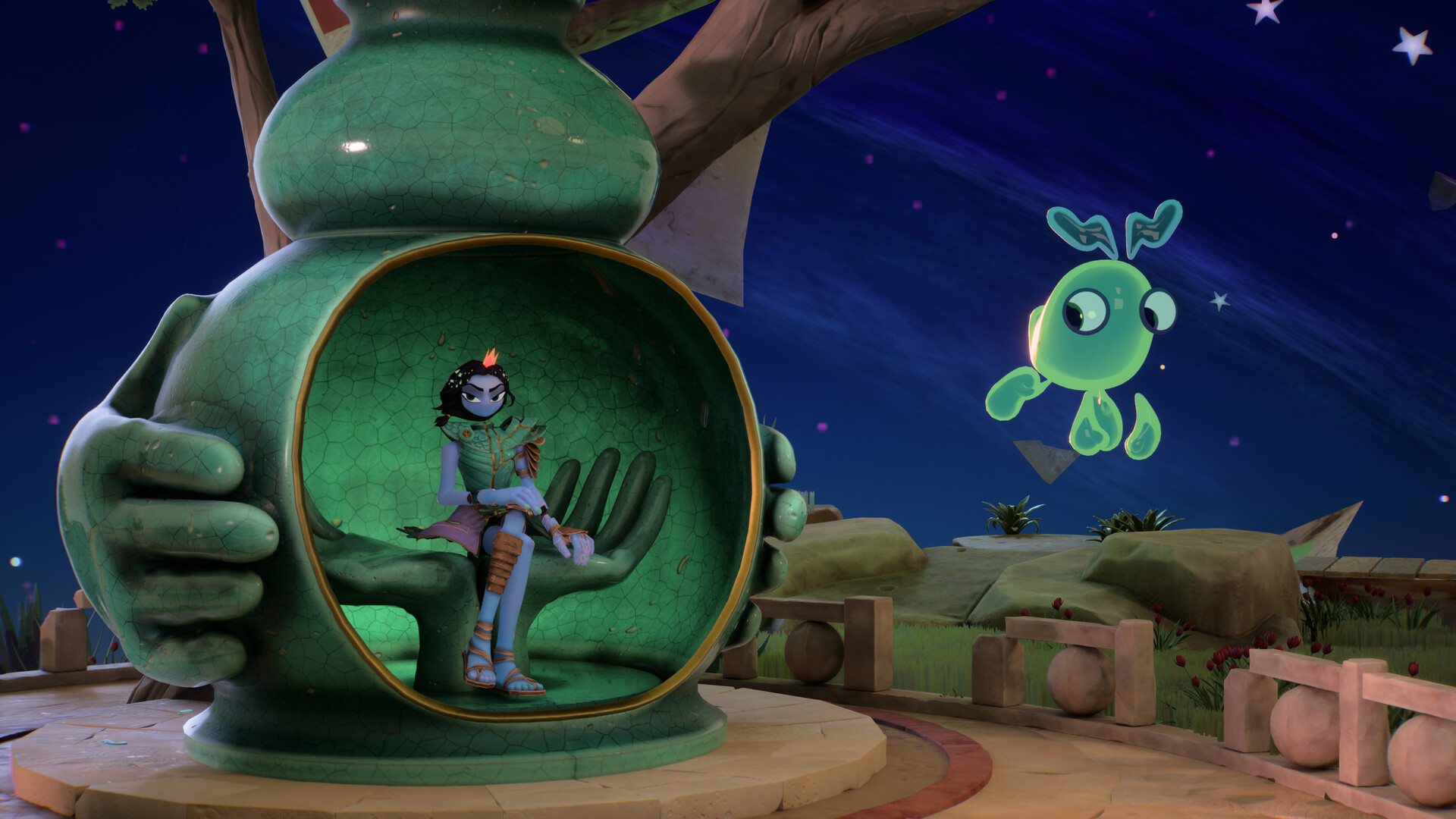
Kiln looks like a Double Fine love letter: cheerful character designs, bold colors and playful particle effects make the arenas inviting and readable. The pottery wheel is satisfyingly tactile — clay squelches and stretches in a way that made me chuckle out loud more than once. Audio and UI keep the mood light, with bouncy music and clear feedback during fights. My biggest gripe, echoed in many player reports, is optimization: some users (including me on certain settings) saw stuttering or low FPS even on mid-range GPUs. That’s a real issue for a twitchy multiplayer game, and it hurts the moment-to-moment joy. Aside from that, controls can feel slightly floaty compared to tighter platform-brawlers, but that looseness fits the game’s playful tone most of the time.
Kiln is one of those rare indie experiments that actually delivers fun and personality: sculpting is satisfying, matches are energetic and the concept is delightfully bold. However, performance problems and a slim lineup of modes at launch temper the praise—fix those and Kiln could become a staple of casual multiplayer nights. Buy it if you want a goofy, creative 4v4 with charm, but be prepared for some rough edges until patches arrive.
Pros
- Genuinely creative concept — sculpting directly impacts gameplay.
- Accessible, chaotic 4v4 matches that are great for casual play.
- Deep customization and a satisfying pottery wheel experience.
- No microtransactions or battle passes — buy once and play.
Cons
- Optimization issues on a range of PCs — performance can be rough.
- Limited game modes at launch; may need post-launch content to stay fresh.
- Controls feel a bit loose at times; some players report floaty movement.
Player Opinion
Players consistently praise Kiln’s originality and the pottery builder — many say they spend as much time crafting weird designs as they do in matches. Reviews compare it to Splatoon and Fall Guys for its colorful, chaotic multiplayer vibe, and fans love Double Fine’s quirky charm and the absence of microtransactions. On the flip side, a recurring complaint is performance: numerous users report low FPS and stuttering even on decent hardware, making matches frustrating for some. Others ask for more modes, custom rooms and snappier controls. Still, the general sentiment is optimistic: if the devs support Kiln with fixes and fresh content, the community thinks it could become a long-running, delightfully oddball party game.