





Gambonanza Review — A Chaotic, Clever Chess Roguelike
Gambonanza turns chess into a bite-sized roguelike: tiny boards, 150+ rule-bending Gambits, tile upgrades and an off-board reserve. I got hooked, annoyed, and delighted in equal measure.
When I first booted Gambonanza I expected a chessy novelty—what I found was a tight, sometimes cruel, puzzle-roguelike that borrows the soul of chess and then gleefully mangles the rules. It’s like Balatro and Slay the Spire had a chess baby that learned to gamble. Small boards and snackable rounds make this perfect for quick sessions, while the Gambits and tile upgrades keep me scheming for hours. If you like thinking several moves ahead but also love the chaos of unexpected synergies, Gambonanza speaks your language.
Snackable Chess, Huge Decisions
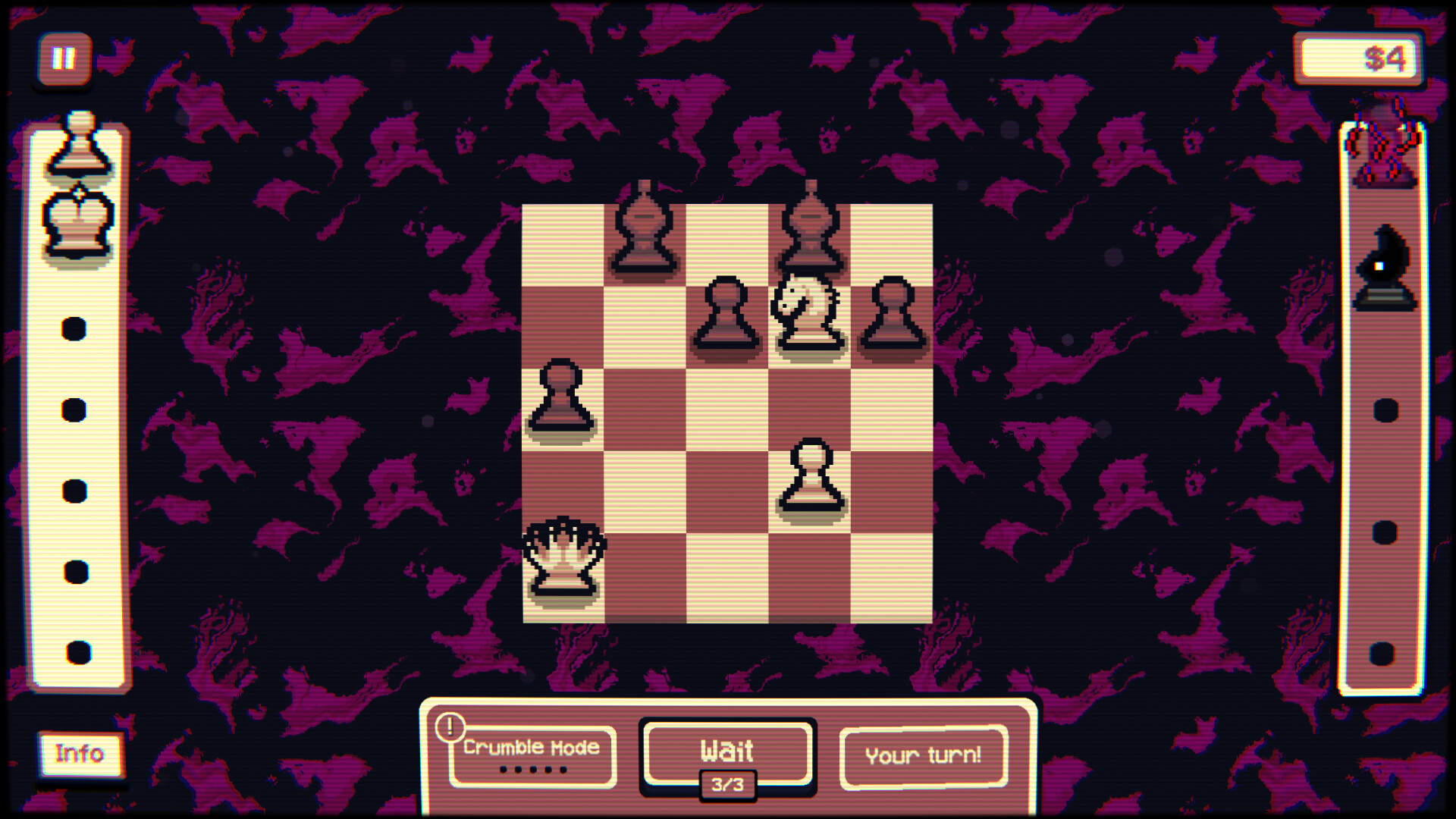
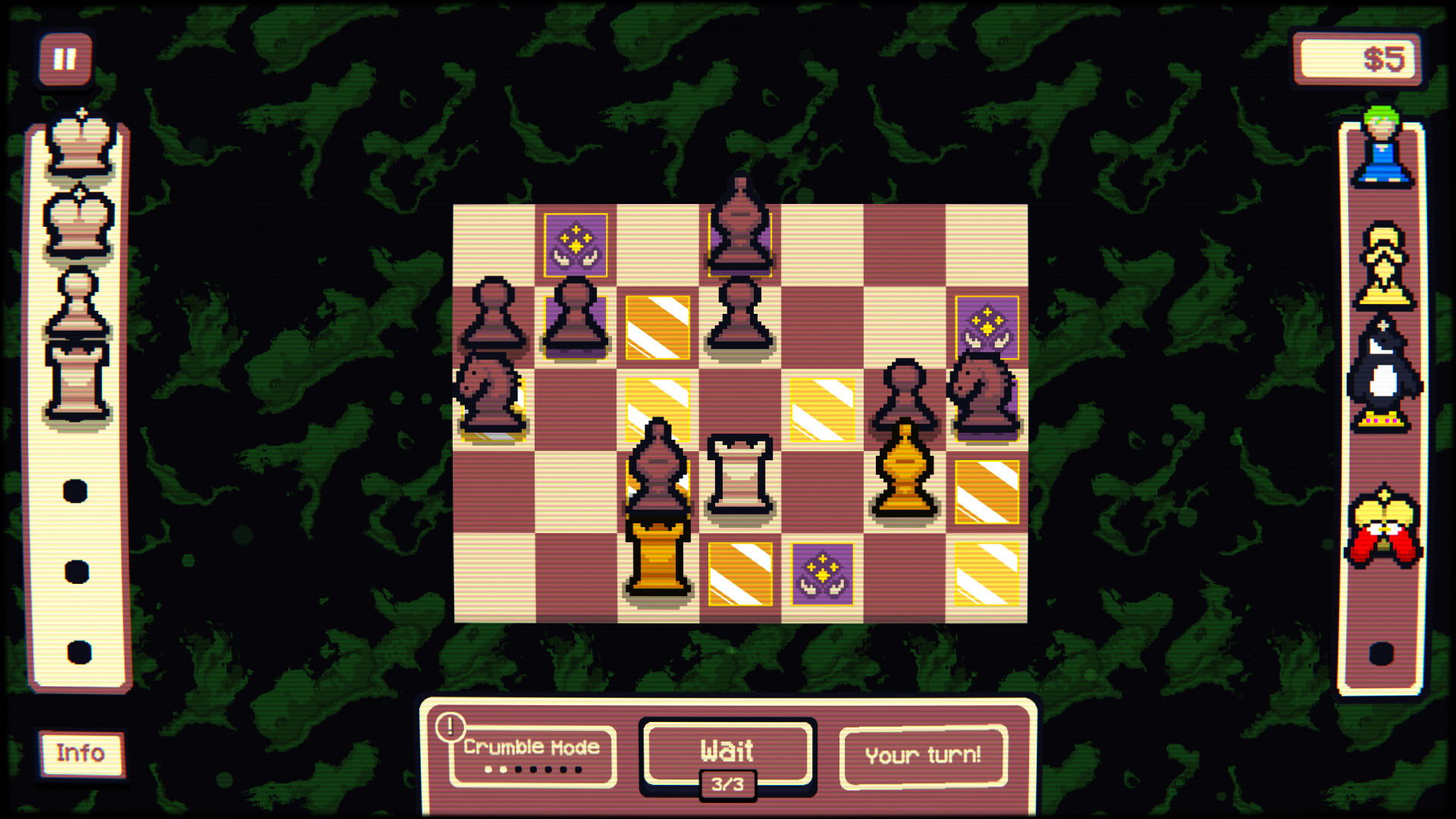
Gambonanza compresses chess into fast, tense skirmishes on a tiny board, and that compression is where the fun lies. Each run hands you a handful of pieces and a limited number of moves before the board literally starts to crumble — so every move feels meaningful. You place your starting pieces, study the opponent’s layout, and then spend your turn juggling captures, positioning and investments. Capturing all enemy pieces, not just a king, becomes an intoxicating goal that pushes you toward creative plays rather than orthodox tactics. The reserve system adds a late-game layer where I’ve pulled a perfectly-timed rook from off-board to swing a boss fight. Battles are short but rarely simple: even a pawn can become the linchpin of a snowballing strategy.
Gambits, Tiles and the Off-Board Wildcard
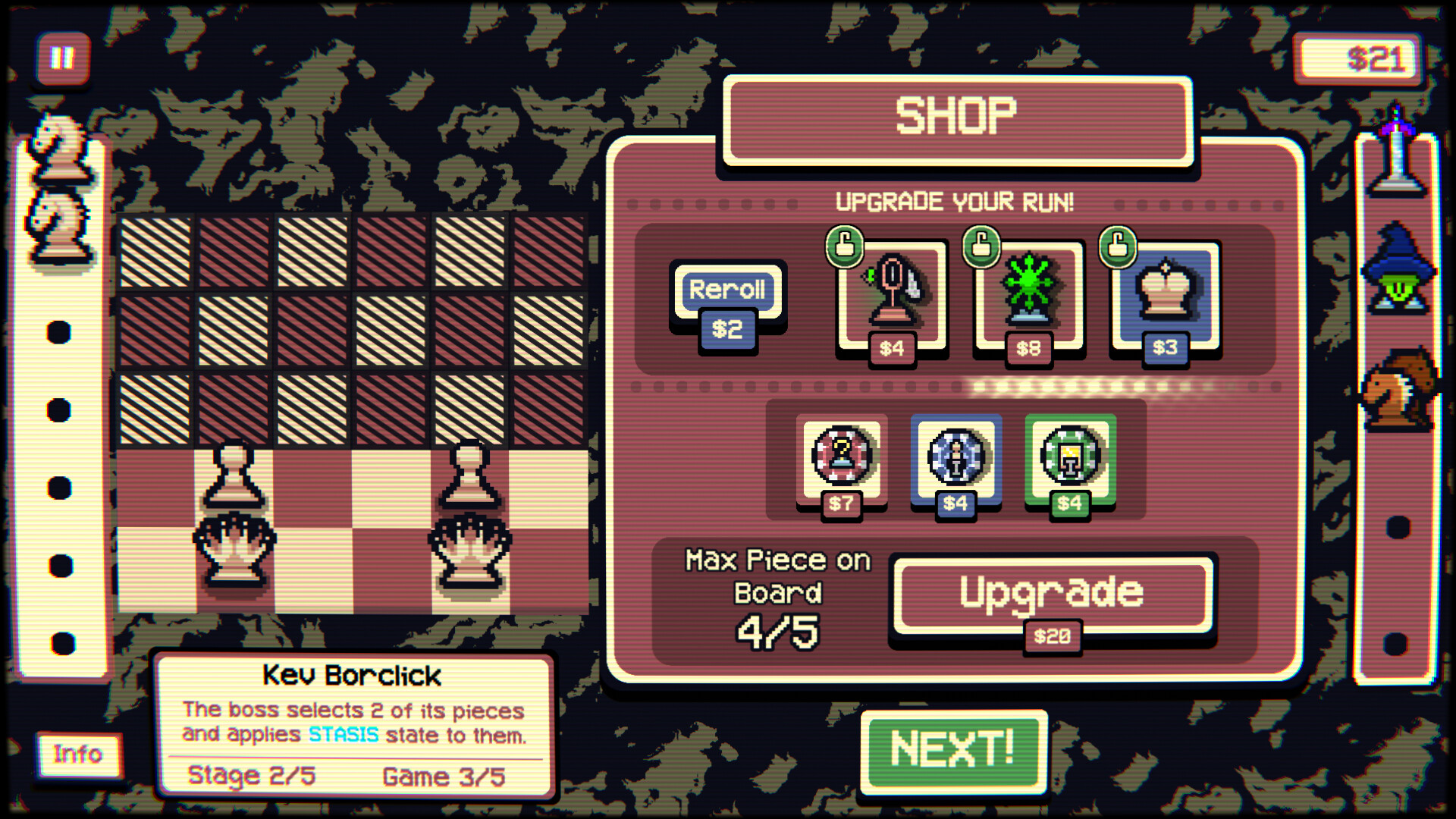
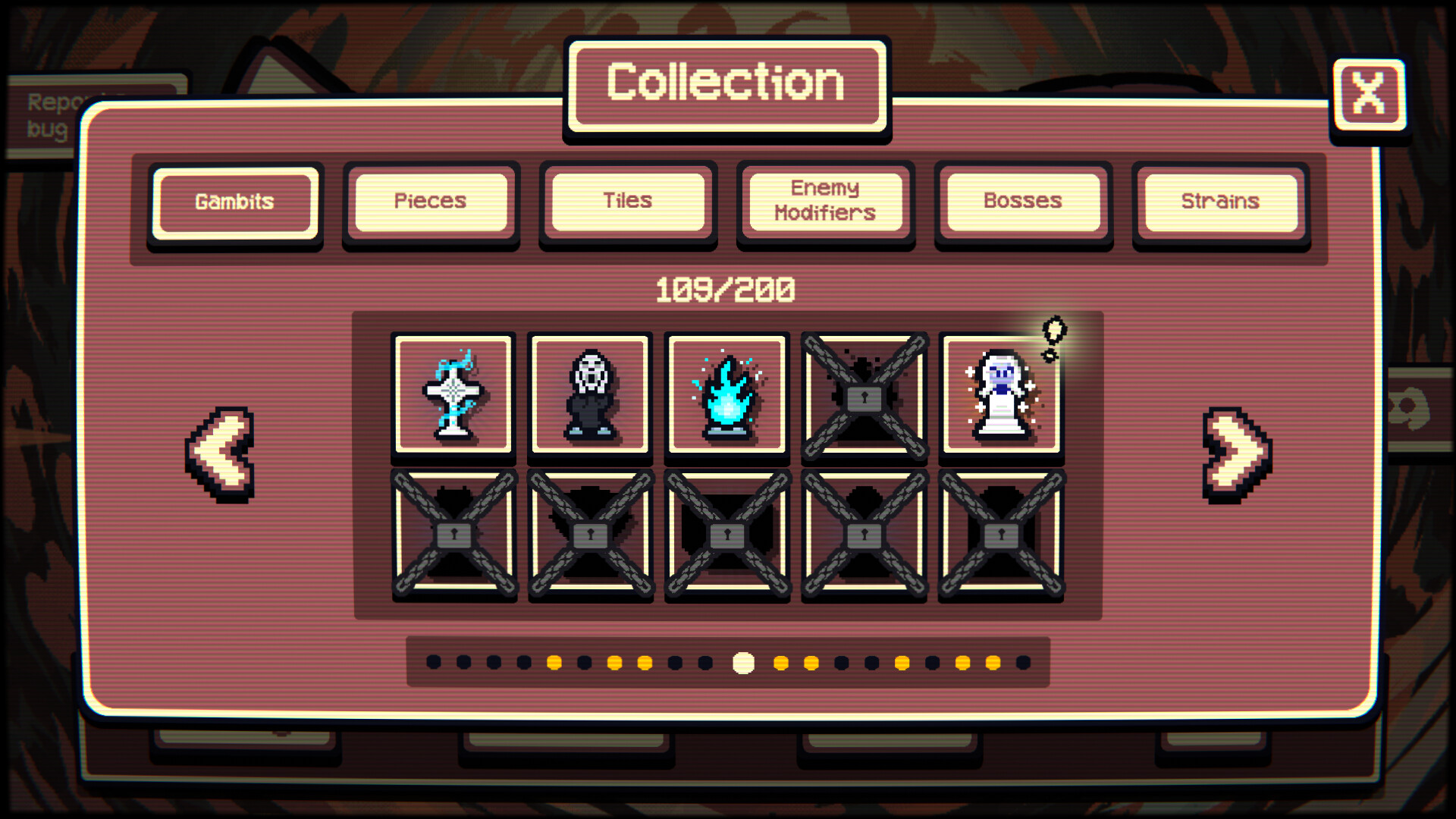
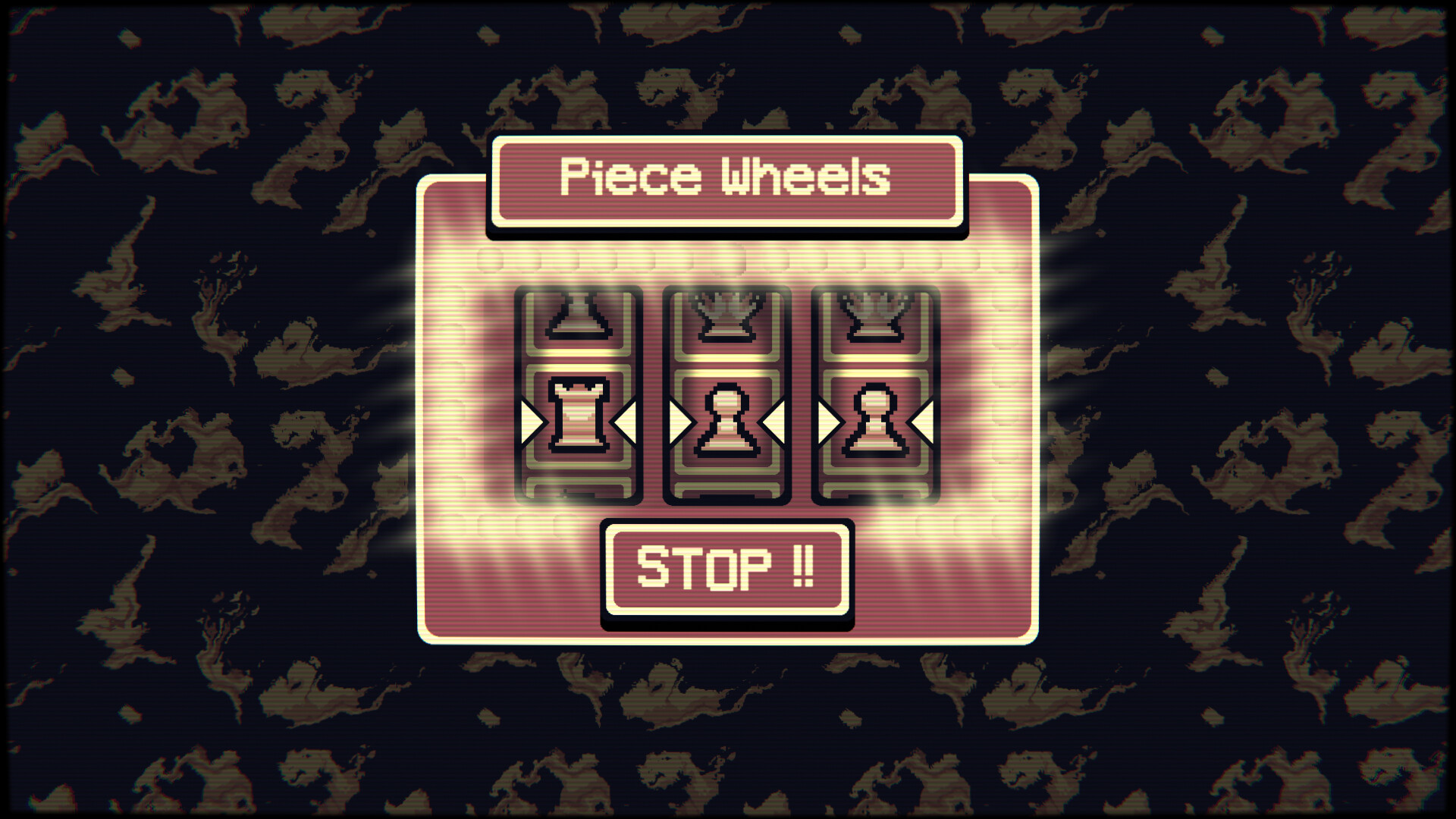
What really sets Gambonanza apart is its Gambit system — over 150 modifiers that bend rules, buff pieces or introduce hilarious annoyances. I once built an “infinite queen” strat that felt utterly broken in the best way, and other runs punished me for buying too many chance-based Gambits that didn’t trigger. Tile upgrades (golden squares, traps, blessing tiles) let you sculpt the battlefield itself, turning choke points into money-makers or deathtraps. The dynamic reserve means you’re constantly deciding whether to commit now or save a surprising piece for later. Combine all three systems and the game becomes a laboratory for absurd combos; sometimes they click perfectly, sometimes they fizzle — and both outcomes are part of the joy.
Pixel Carnivals and Tight Performance
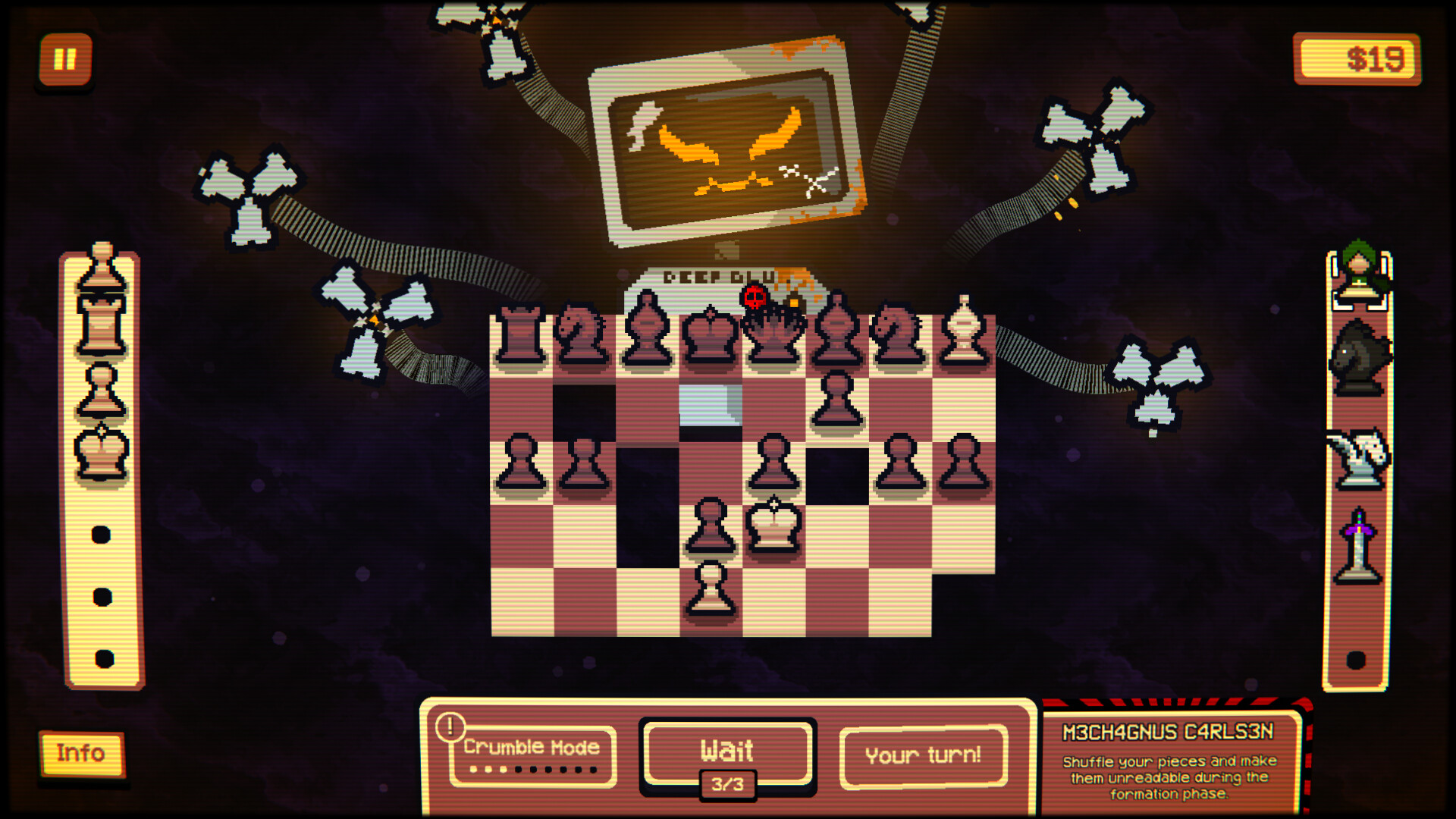
Visually, Gambonanza leans into a playful retro aesthetic with vibrant pixel art and a CRT-style ambiance that sells the fairground vibe. Animations are satisfying (captures feel crunchy in a good way) and the UI is clean: I never fought the controls, which is a blessing in a strategy game full of precise moves. Audio does its job with quirky sound effects and a soundtrack that keeps the tension light rather than brooding. I tested on Windows and didn’t hit performance hitches; the game feels polished and runs smoothly even when the board gets chaotic. Accessibility-wise, it helps that you can play without deep chess knowledge, though mastering synergy takes time. There are a few rough edges — some Gambits feel under-tuned or overly luck-dependent — but the presentation largely supports the manic strategic design.
Gambonanza is a clever mash-up that takes chess ideas and turns them into a frantic, rewarding roguelike. It’s polished, stylish and full of emergent moments that make me grin (and occasionally curse). Recommended for strategy fans, curious chess players and anyone who likes to experiment with game systems — but expect some RNG teeth and the need for balance patches down the line.
Pros
- Innovative Gambit system with massive combo potential
- Snackable rounds perfect for quick sessions
- Polished pixel aesthetic and satisfying animations
- Accessible to non-chess players while offering deep strategy
Cons
- Some Gambits feel luck-dependent or overpowered
- Boss design and variety could use more polish
- Repeated puzzle stages may harm long-term replayability for some
Player Opinion
Players often compare Gambonanza to Balatro—and that comparison keeps popping up in reviews. Fans praise the addictive buildcrafting, the sheer number of Gambits and the feeling of discovery when a synergy finally clicks. Many players also note how approachable the game is for non-experts in chess, while still punishing sloppy play. On the critical side, several users mention that some Gambits feel overpowered or too chance-driven, and a few complain that stages repeat too often, which could hurt replayability. A recurring gripe is the ‘three draws equals loss’ rule that some find baffling and frustrating. Overall, the community is enthusiastic: recommenders love the depth and aesthetic, while critics ask for balance tweaks and more varied boss encounters.