






FATAL FRAME II: Crimson Butterfly REMAKE Review – A Beautiful, Divisive Revival
A heartfelt look at Koei Tecmo’s remake: stunning visuals and sound, faithful story, but combat and PC quirks will split fans. Read my hands-on impressions.
I grew up with the PS2 original of Fatal Frame II, so the remake landed squarely in my nostalgia sweet spot — and then promptly shoved a few new teeth under the kimono. On paper, this is everything fans wanted: rebuilt visuals, improved sound design and the Camera Obscura as the series’ soul. But Team Ninja’s modern tweaks—dodging, stamina and an enraged-ghost mechanic—turn some of the classic tension into a more action-leaning rhythm. I loved wandering Minakami Village again, but I also found myself muttering at the stamina bar in ways I didn’t expect.
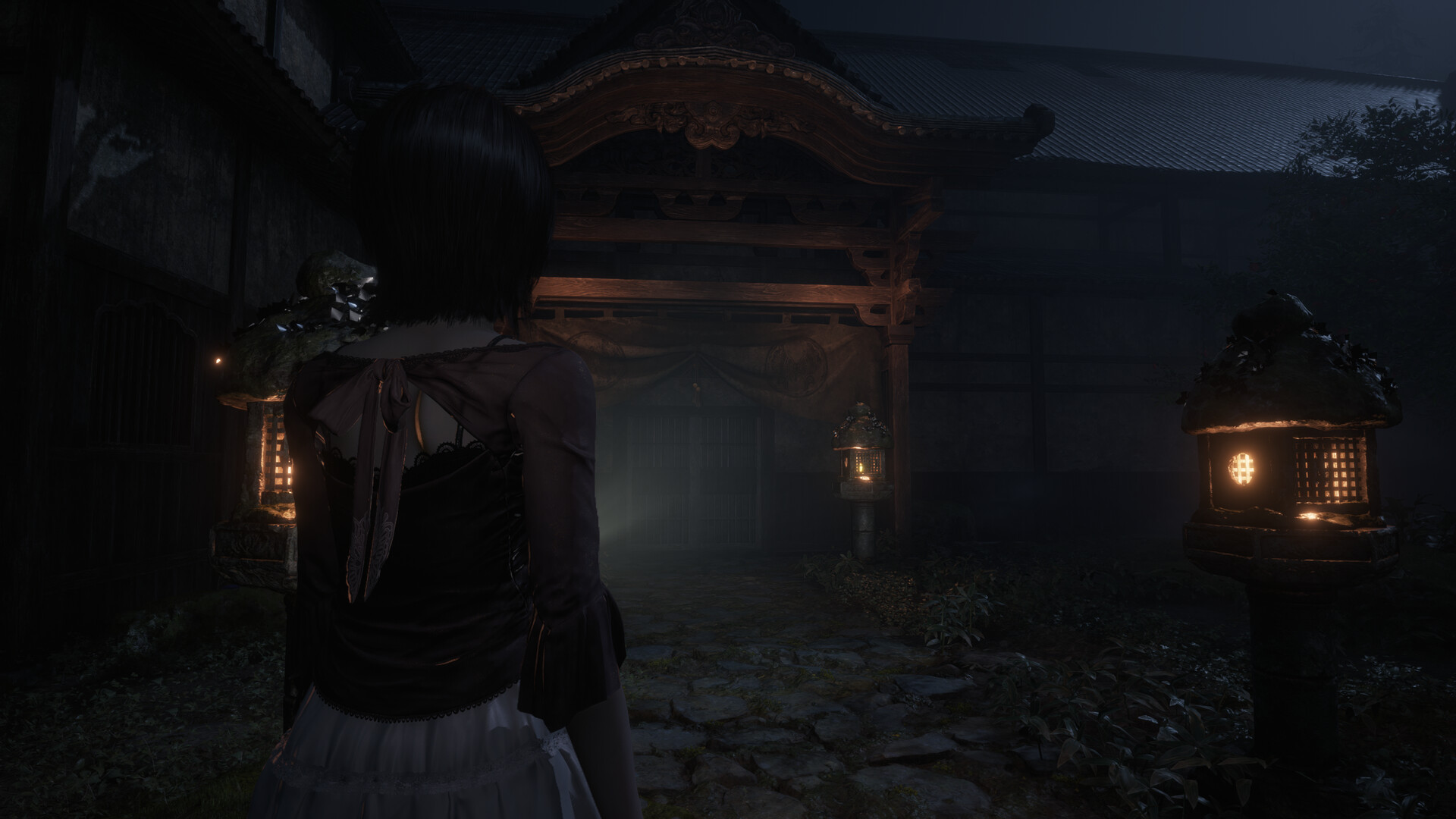
Stalking the Night: Camera-First Survival
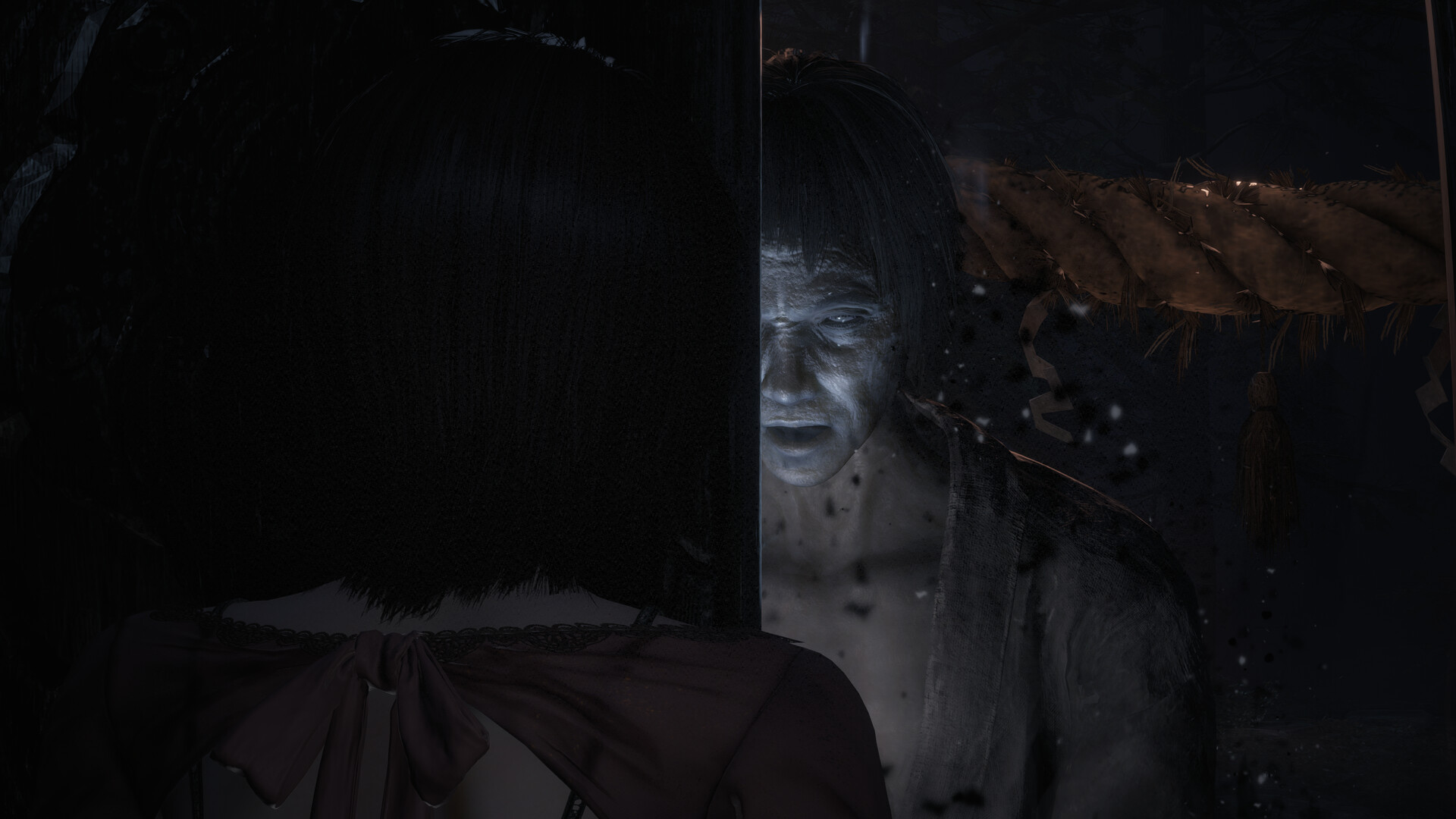
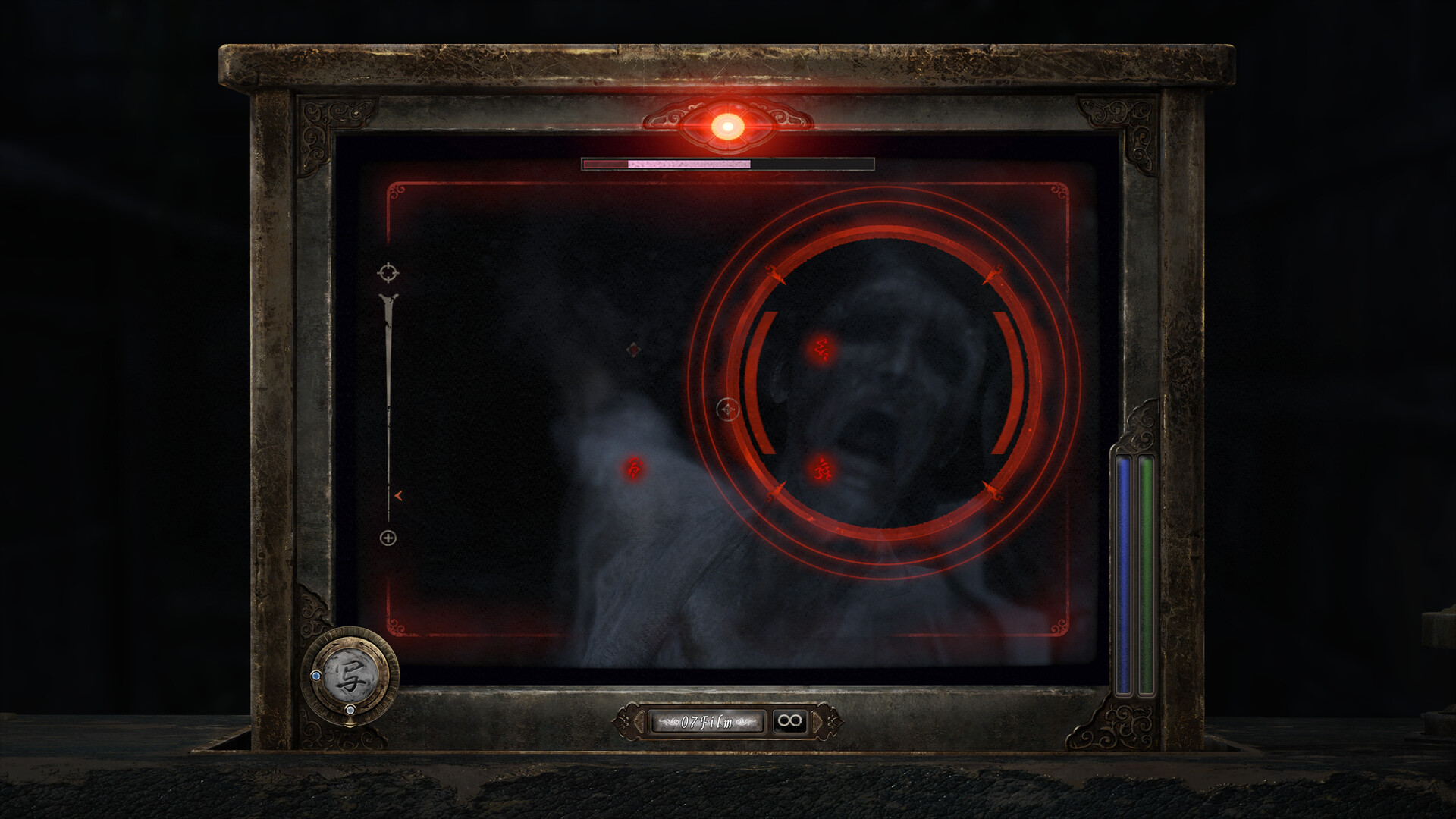
At its heart I still spent most of my time lifting the Camera Obscura, framing ghosts, and trying to time that satisfying fatal frame. The core loop remains: explore eerie buildings, collect film and items, then face spirits in up-close photographic encounters rather than gunplay. What’s changed is pacing—dodging and a stamina meter now sit alongside reload times, so fights have a more dance-like rhythm of shoot, step, dodge, and wait. That rhythm can be rewarding when it clicks, but early chapters felt like a slower slog because enemies have higher HP and regenerations can undo progress. Exploration still rewards patience: notes, side stories and environmental details are full of the franchise’s melancholic dread. Overall the Camera is still the weapon and puzzle key, but the choreography around it is noticeably modernized.
When the Camera Gets New Tricks
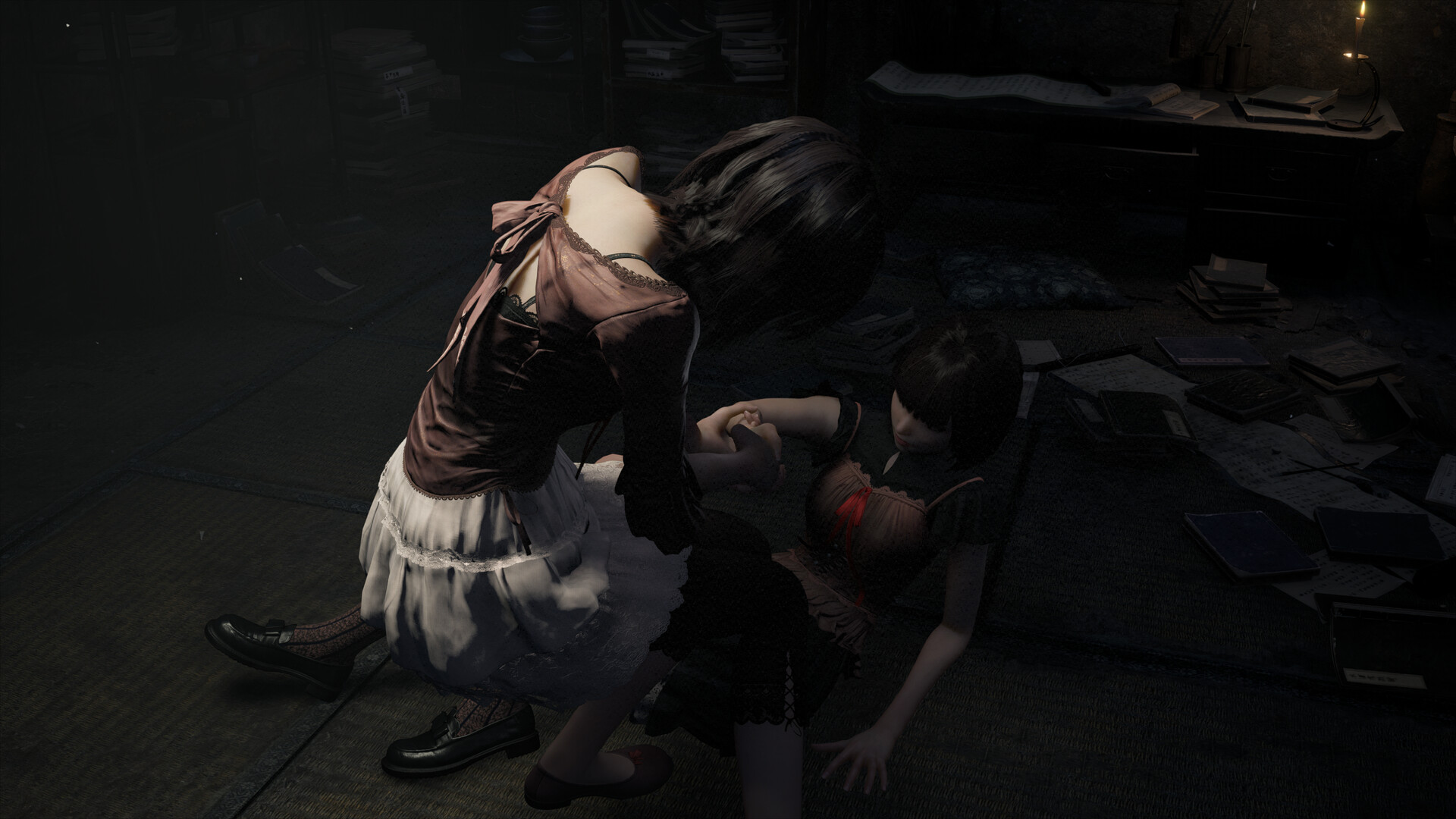
The remake layers new toys on the old formula: filters, zoom, focus control and the “Holding Hands with Mayu” mechanic that deepens the sisters’ relationship in gameplay and narrative. Filters matter for combat and exploration—some reveal hidden things or change damage properties—which makes swapping film and filter a small tactical game in itself. Side missions and added areas expand the village beyond a straight retread, giving fans new corners to get lost in and newcomers more context. However, those mechanical additions also introduce balance questions: stronger film is rarer early on and some fights feel padded, and the enraged-health mechanic (where spirits regain or buff themselves) creates spikes of frustration. If you like micromanaging gear and tweaking loadouts, these changes will appeal; if you wanted the PS2’s minimalist tension, some tweaks will grate.
Shadow, Sound and Texture: A Haunting Presentation
Visually the remake is gorgeous—character textures, fabric details and careful light-and-shadow work make houses feel lived-in and rotten at once. The 3D sound design is a highlight; with headphones you’ll hear murmurs and footsteps with unnerving proximity. Performance and settings are the sticky part on PC: many players report a 60 FPS cap, occasional stutters, and grain/film options that require toggling for clarity. Despite that, the remake nails atmosphere better than most modern horror releases, because it respects the silence and lets the audio cues do the scaring. In short: it’s a technical spectacle that sometimes needs polish, but when the audio-visual gears mesh the result is haunting and beautiful.
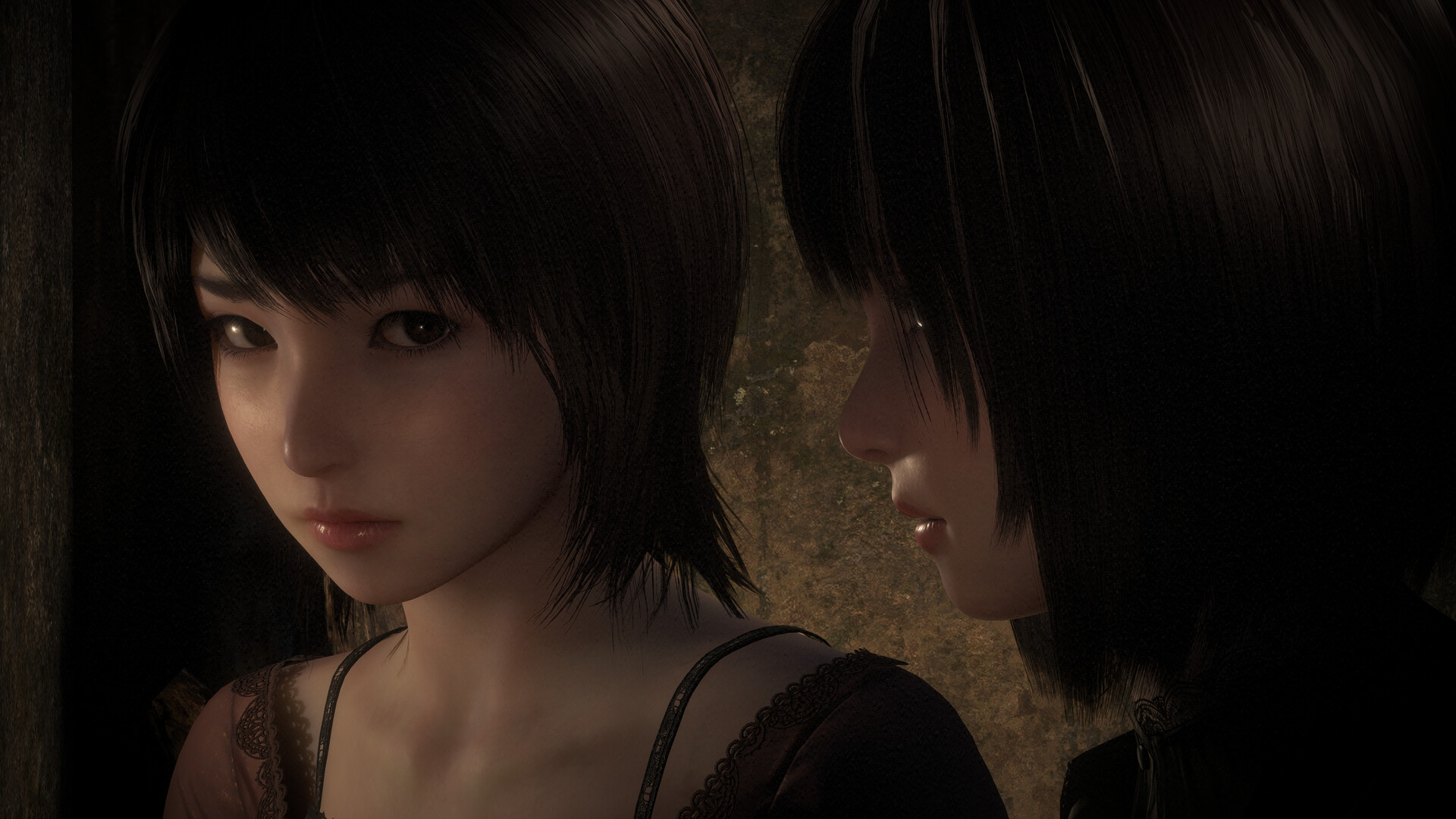
FATAL FRAME II: Crimson Butterfly REMAKE is a lovingly rebuilt classic that sometimes trips over modern design choices. If you want the story, atmosphere and the Camera Obscura reborn with next‑gen polish, buy it — but go in knowing the combat and PC port will provoke opinions. Fans craving an exact PS2 re‑experience might prefer to wait for options or patches; newcomers and those open to tweaks will find a haunting, rewarding game. In short: beautiful, divisive, and worth trying — especially if the demo convinces you.
Pros
- Stunning visuals and 3D sound that rebuild the village brilliantly
- Camera Obscura remains a satisfying, unique core mechanic
- New side stories, filters and holding‑hands mechanic add emotional depth
- Faithful story adaptation that honors the original’s mood
Cons
- Combat changes (stamina, regen) may alienate series purists
- PC port has annoying technical quirks: 60 FPS cap, stutters for some
- Permanent minimap and modern UI choices can break immersion for veterans
Player Opinion
Player opinion is loud and split: many reviewers gush about how beautiful and faithful the remake feels, praising the sound design, character models and new side content. At the same time a large, vocal slice of the community dislikes the combat rework—stamina, dodging and the enraged-regeneration feel like action-game grafts to some, turning tense camera duels into longer sponges. Performance chatter is constant: folks report a 60 FPS cap, occasional stuttering and film-grain complaints, though others say the game runs fine on higher-end rigs and that DLSS helps. Repeated themes: love for the story and atmosphere; frustration with combat balance and early enemy HP; and requests for toggles that let you play closer to the classic experience. If you adored the PS2 original, expect a different flavor; newcomers might find the remake a great entry point.