




Dragonkin: The Banished Review – A Hidden ARPG Gem with a Clever Skill Grid
An honest look at Eko Software’s Dragonkin: The Banished — deep buildcrafting, snappy combat, and a shared city that grows with you. Great for ARPG fans hungry for alternatives to the big names.
I stumbled onto Dragonkin: The Banished and felt that giddy ‘why didn’t I find this sooner?’ excitement. It isn’t trying to out‑Diablo Diablo — it pitches itself as a compact, thoughtfully designed ARPG with a few unique tricks: the Ancestral Grid skill system, a wyrmling companion, and a city you actually build up. If you like theory‑crafting your way to overpowered builds and co‑op runs that feel social rather than transactional, this one deserves a spot on your radar.
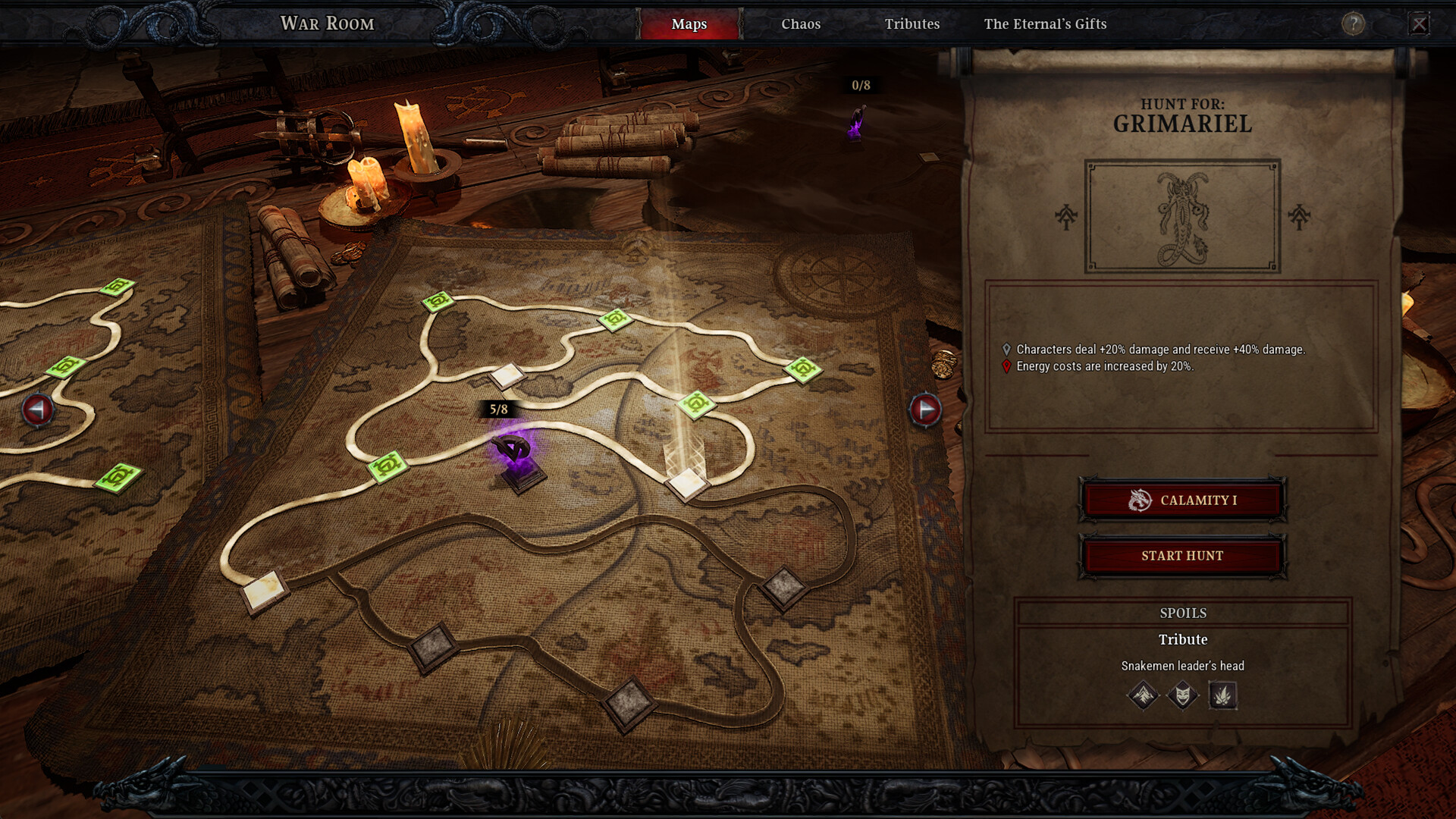
Hunting the Dragonkin — Blood, Steel and Hexes
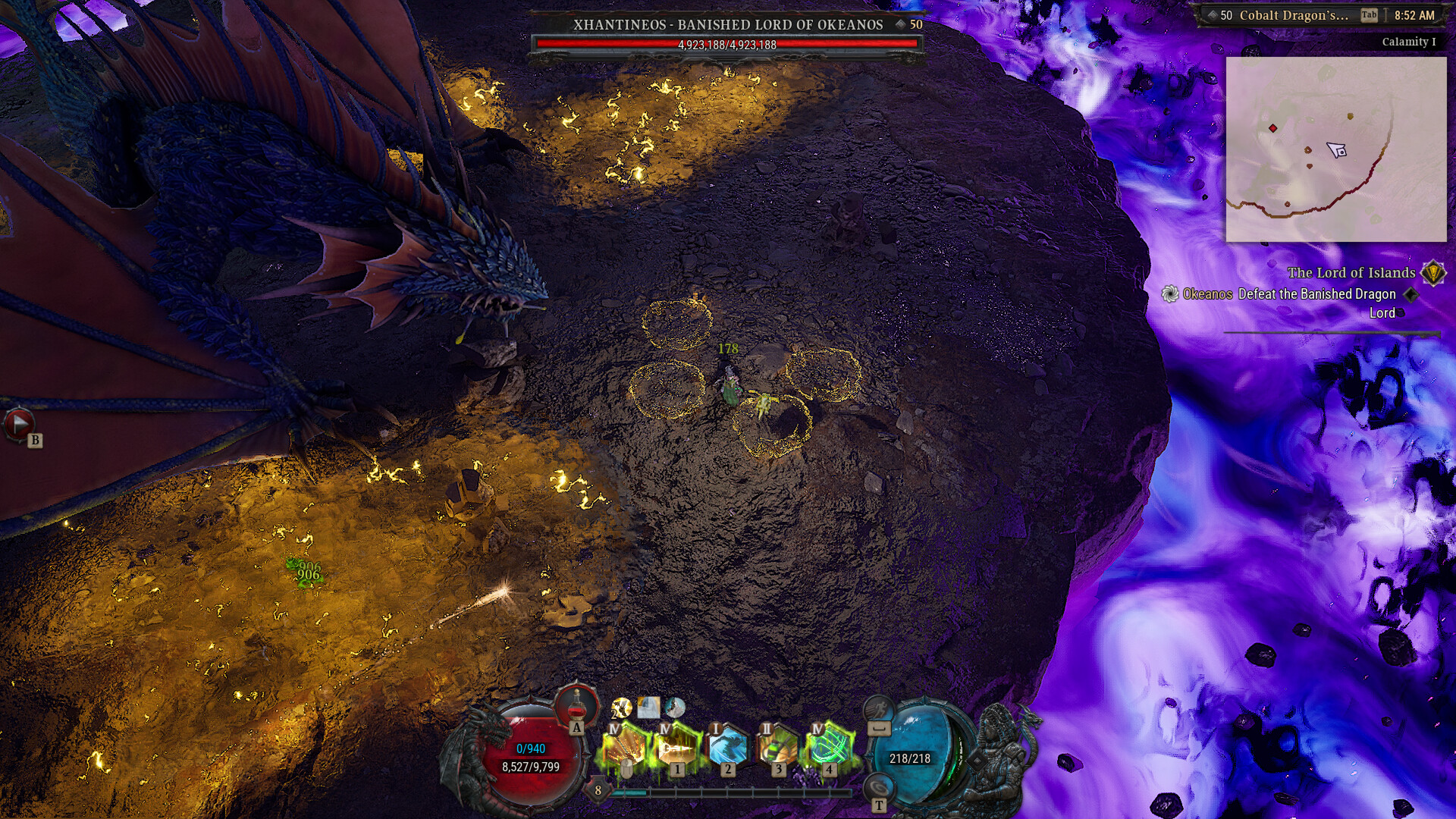
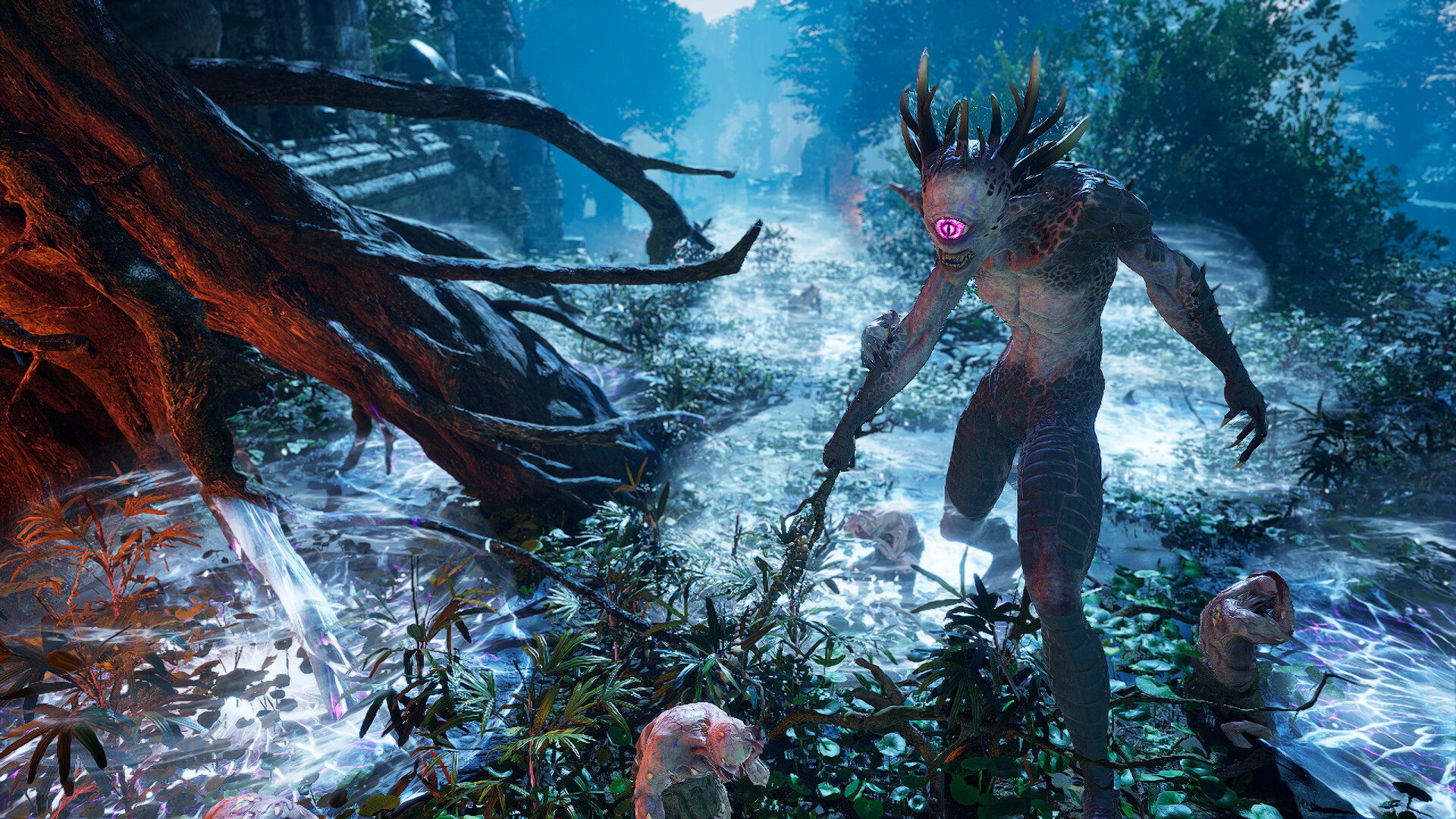
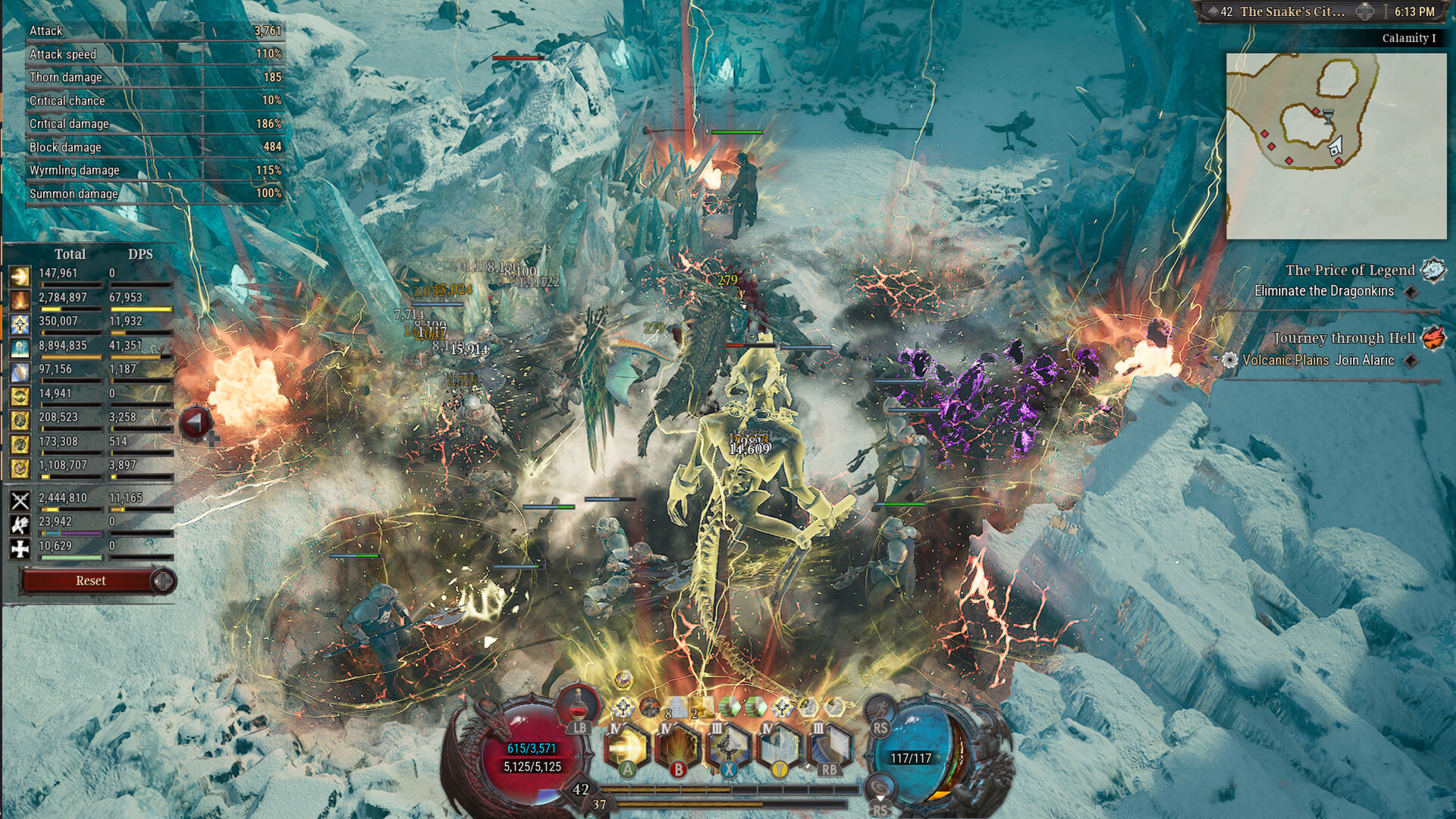
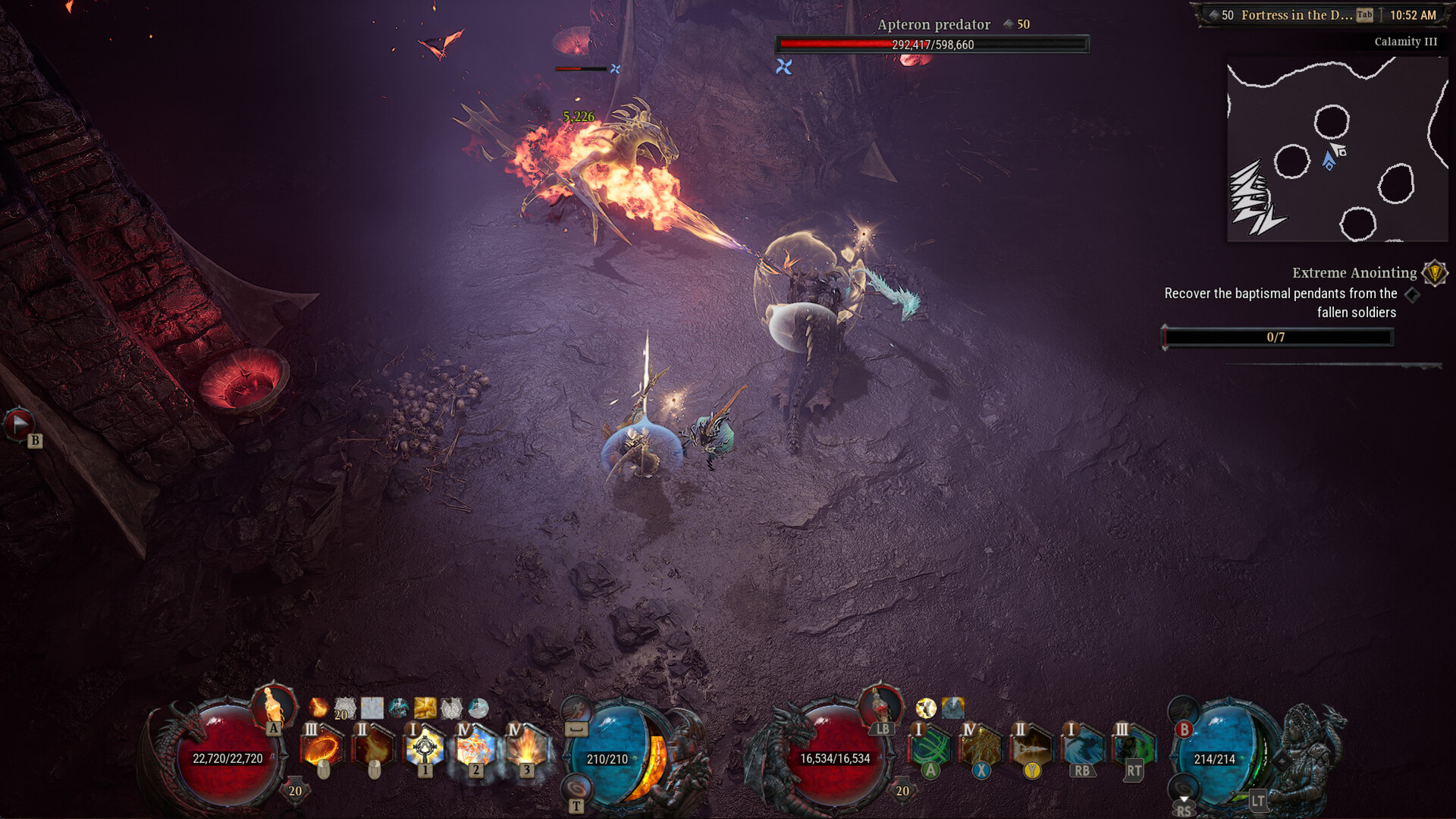
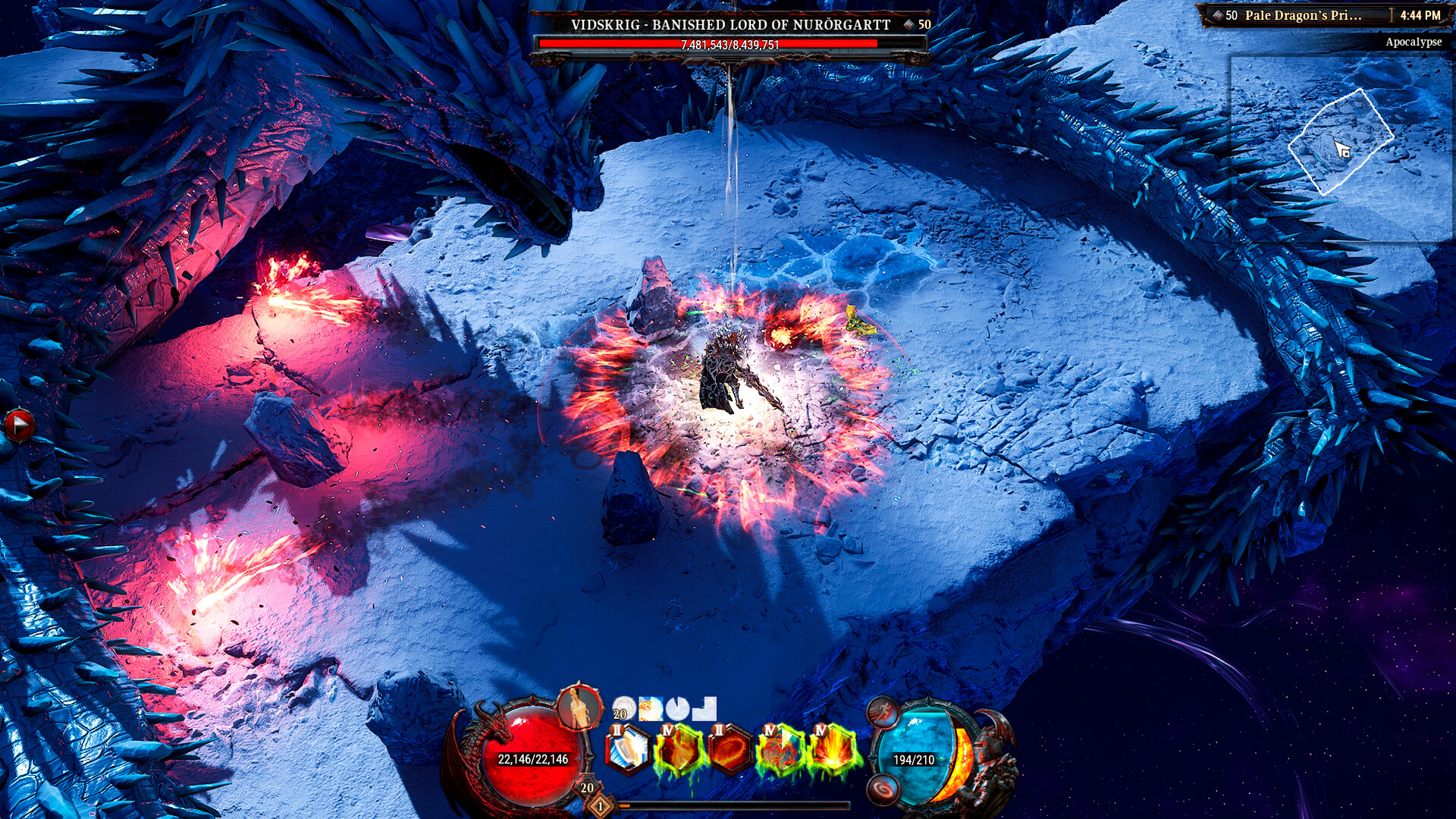
Combat in Dragonkin is immediate and gratifying: you swing, you cast, you watch enemies ragdoll in satisfying ways, and you keep moving. I spent most of my time up close with the Knight and Barbarian because melee in this game feels snappy and weighty; ranged classes like the Oracle and Tracker (Archer) carve out space with projectiles and tactical play. Encounters reward positioning, cooldown management and knowing when to pop a wyrmling ability. The campaign funnels you into the endgame fairly quickly, but that’s by design — the hunts and map-based endgame loops are where the game shines. You’ll be doing standard ARPG things (kill hordes, loot, upgrade), but the feedback loop is tight enough to make each run feel purposeful.
The Ancestral Grid — Puzzle Crafting Meets Skill Power
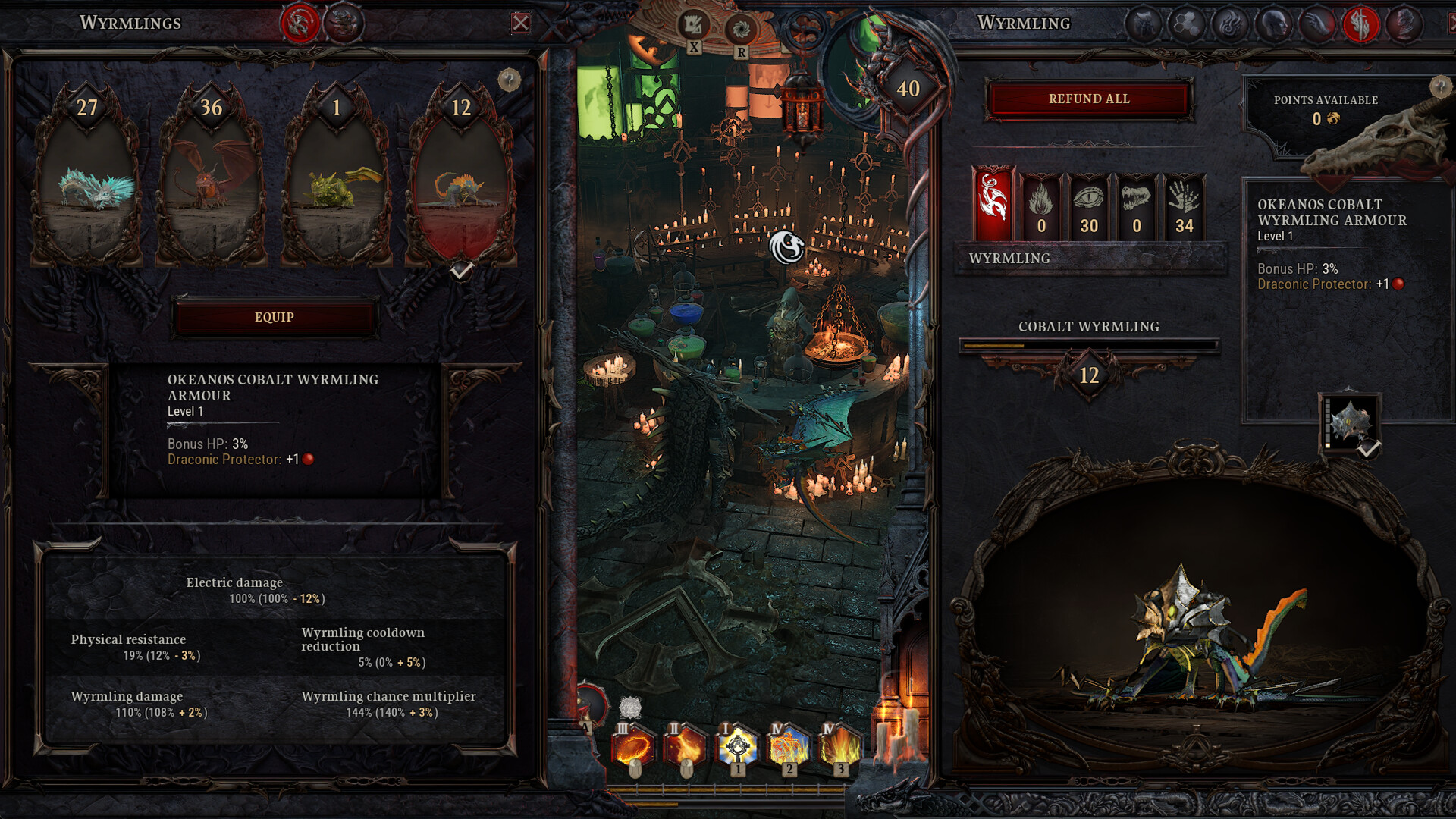
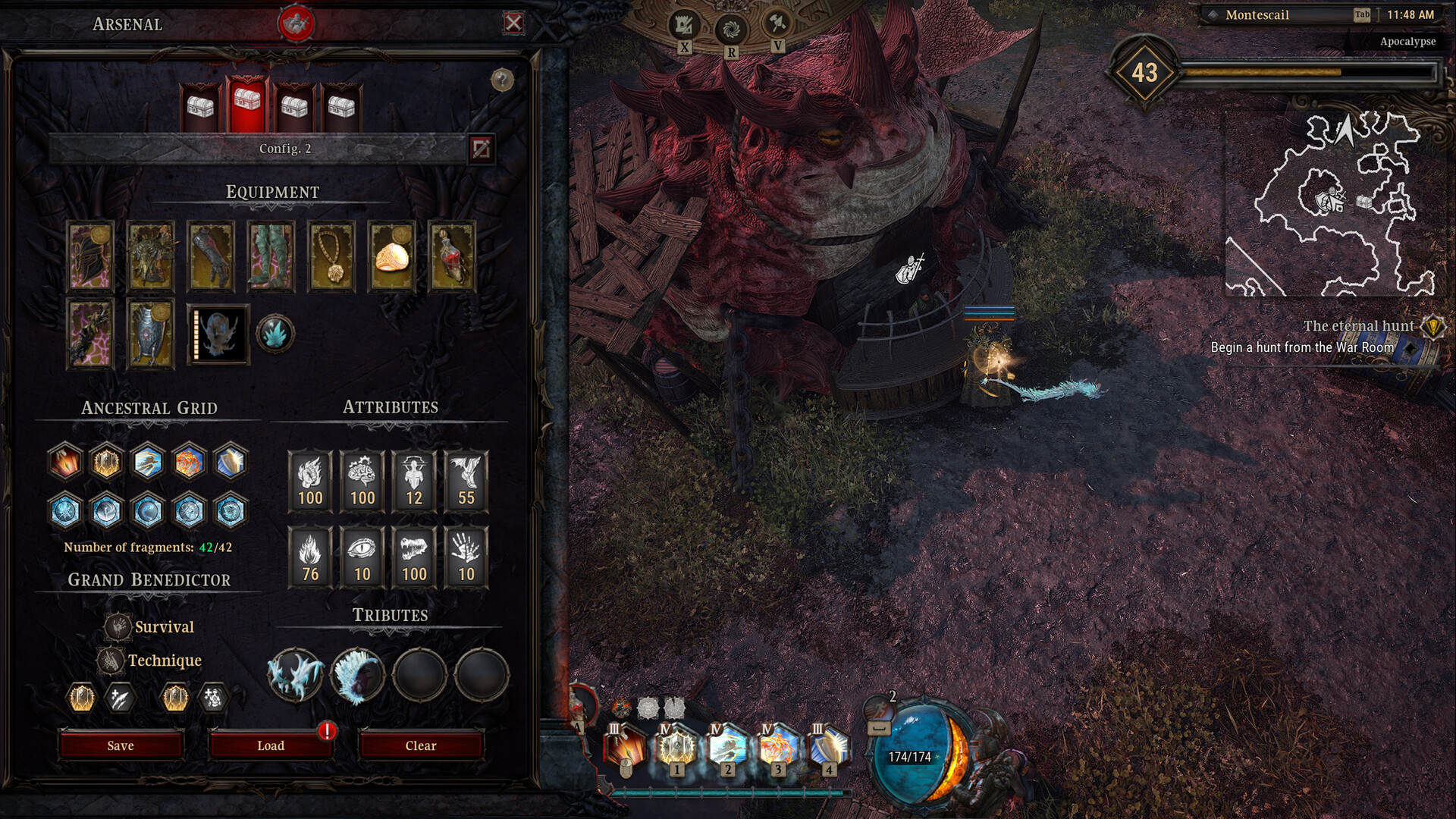
The real hook is the Ancestral Grid. Imagine a hex‑tile puzzle where skills drop as loot and you place modifiers around them to change behavior: more projectiles, extra AoE, cooldown tweaks, elemental shifts. It’s fiddly at first — I cursed at the grid more than once — but when a combination clicks and your favorite spell suddenly behaves exactly the way you pictured, it’s glorious. Add the wyrmling system (a tiny dragon that can trigger sub‑skills) and the Grand Benedictor/crafting hooks, and you get dozens of viable build concepts per class. Free respecs and an Arsenal that saves loadouts make experimentation frictionless; I ended up keeping half‑finished builds because swapping between them is trivial.
Montescail and the Visual/Audio Dressing Room
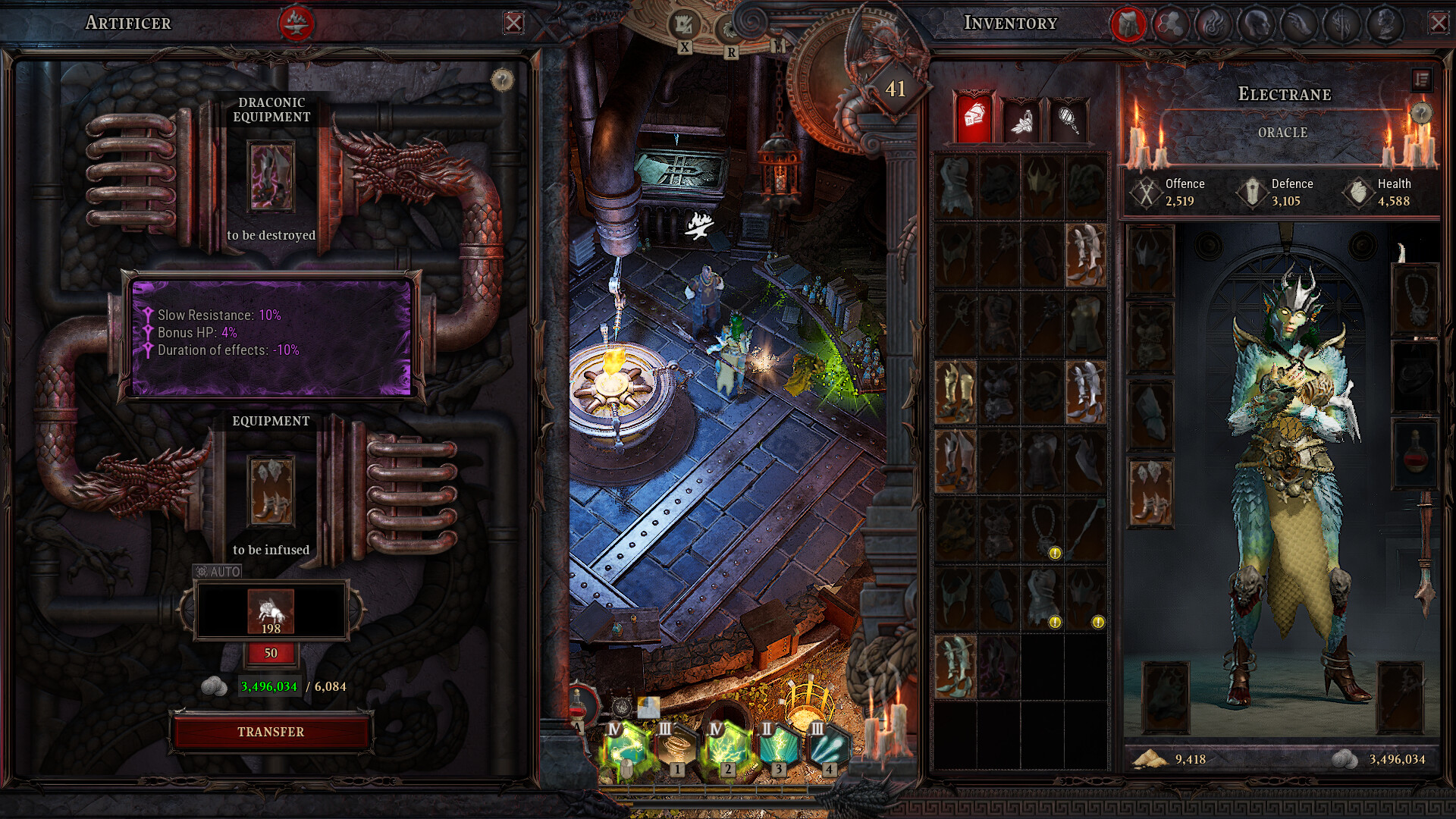
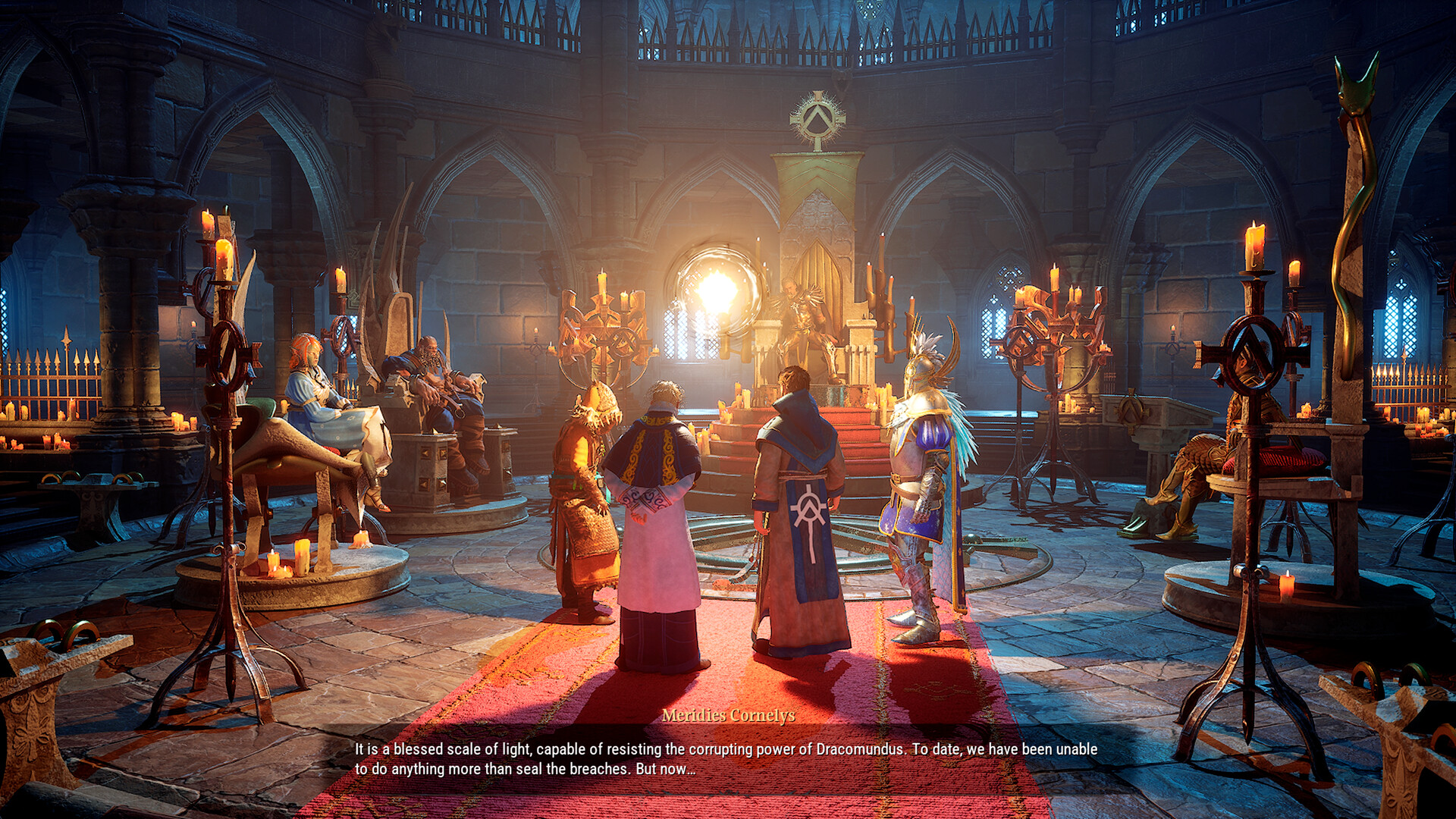
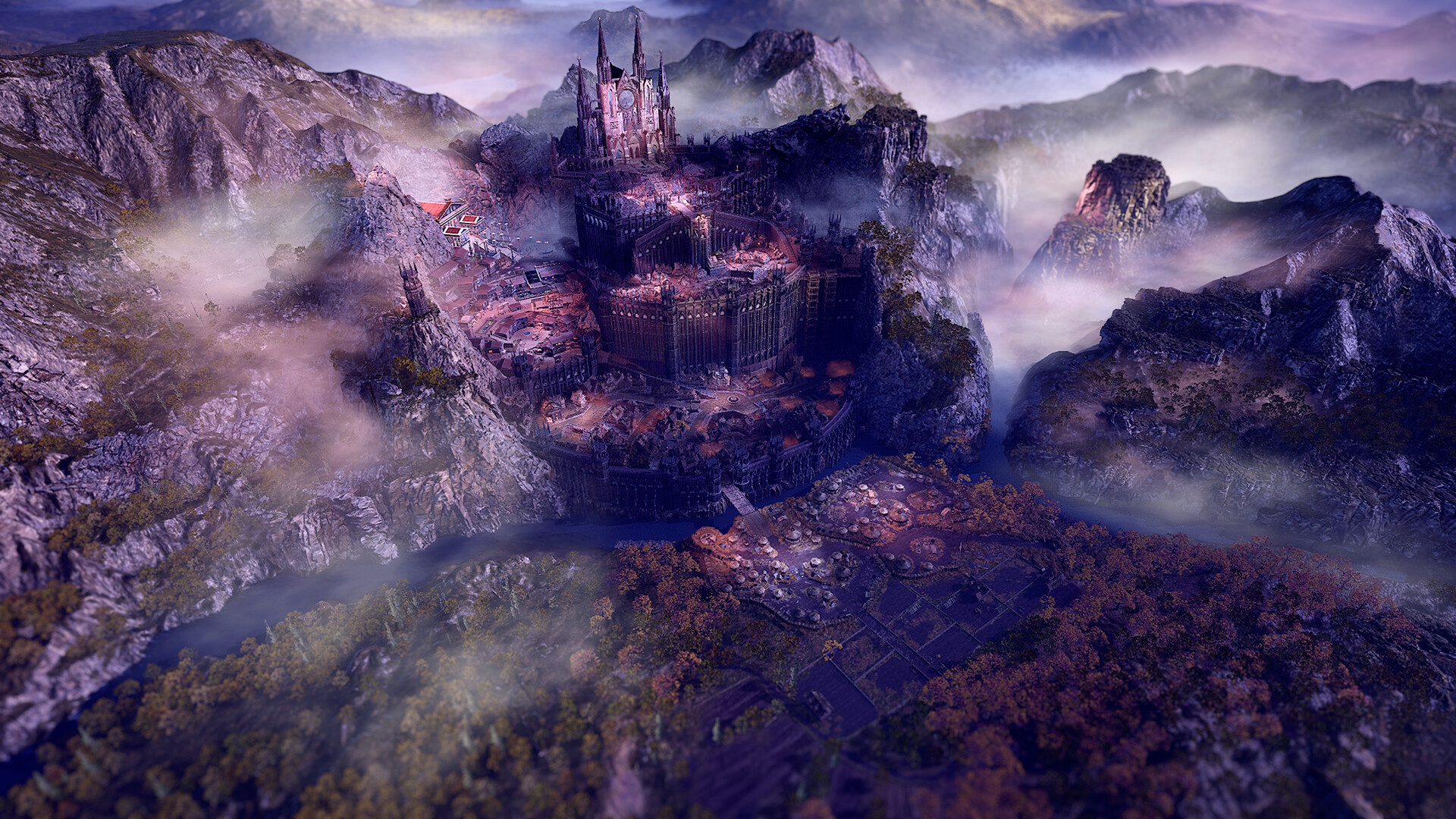
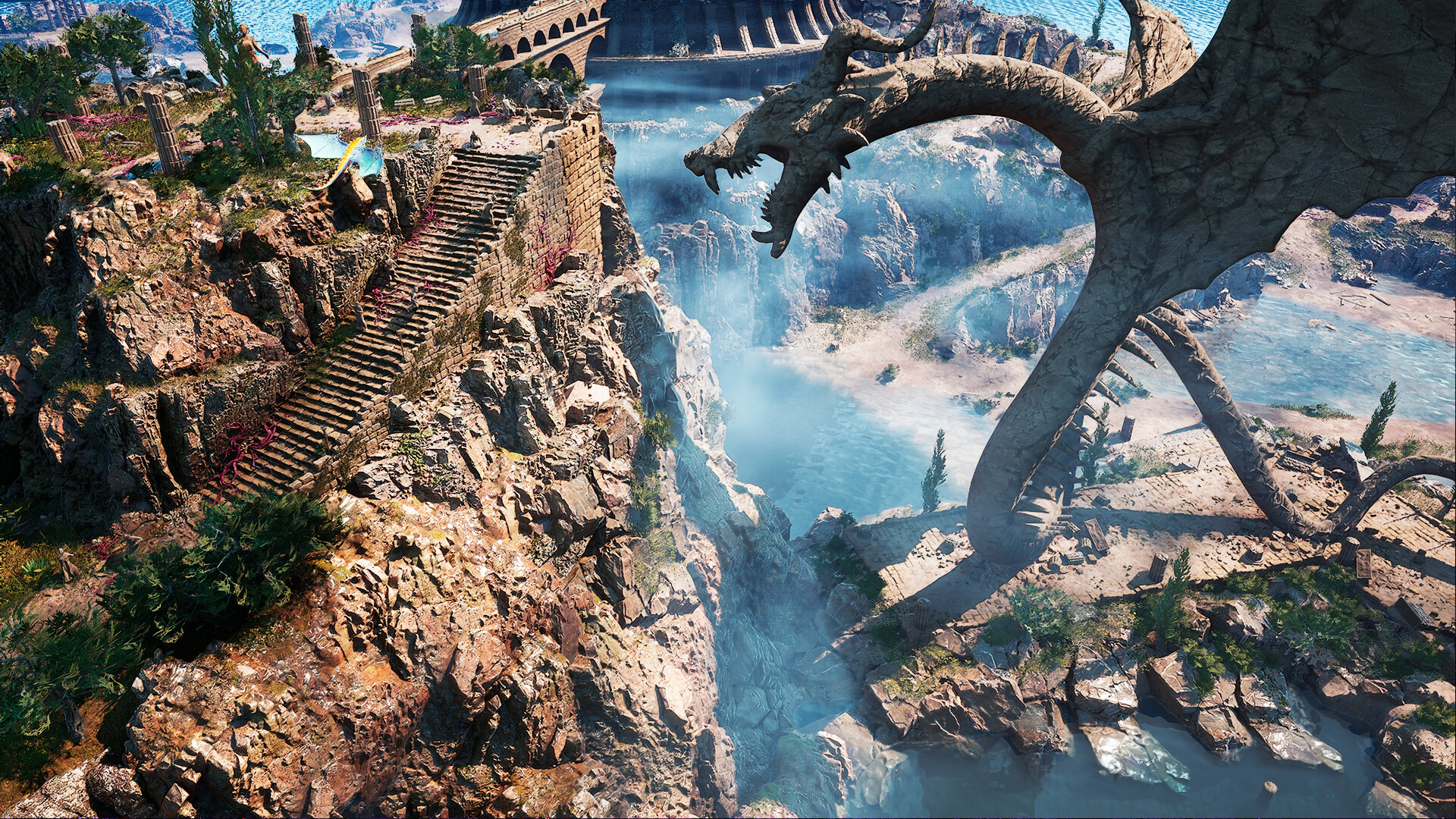
The City of Montescail acts like a meta‑progression hub: you upgrade buildings, open services, and choose development priorities that benefit all characters tied to that city. It’s oddly rewarding to watch your town grow and to see friends loitering in the same space — the social element sells the multiplayer. Technically, the game runs solid on PC with decent performance and some nice quality‑of‑life features (instant in‑town fast travel, detailed battle logs, loot filter with convert options). Visually it’s competent rather than jaw‑dropping — art direction is clear and readable, though textures and some animations feel a step below AAA polish. The soundtrack and combat SFX do a lot of heavy lifting: they make hits feel good even when visuals aren’t pushing boundaries.
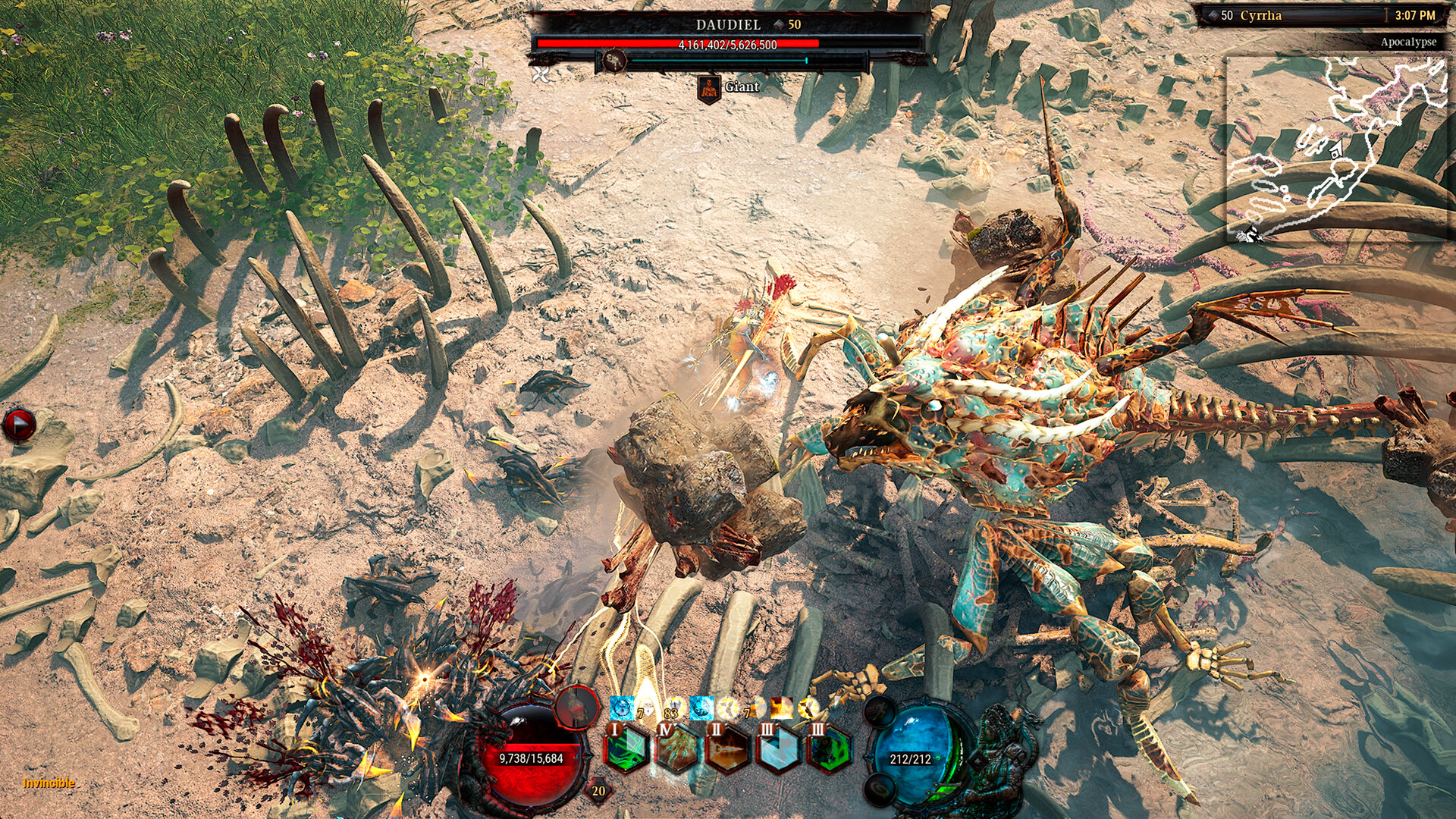
Dragonkin: The Banished is a robust ARPG from a small studio that punches above its weight. It’s perfect for players who love tinkering with builds, co‑op runs with friends, and a non‑seasonal experience that respects your time. Buy it if you crave mechanical depth and forgiving experimentation — just don’t expect AAA visuals everywhere.
Pros
- Deep and original Ancestral Grid skill system that rewards experimentation
- Tight, satisfying combat with good feedback and controller support
- City progression and co‑op add social progression and meaningful meta goals
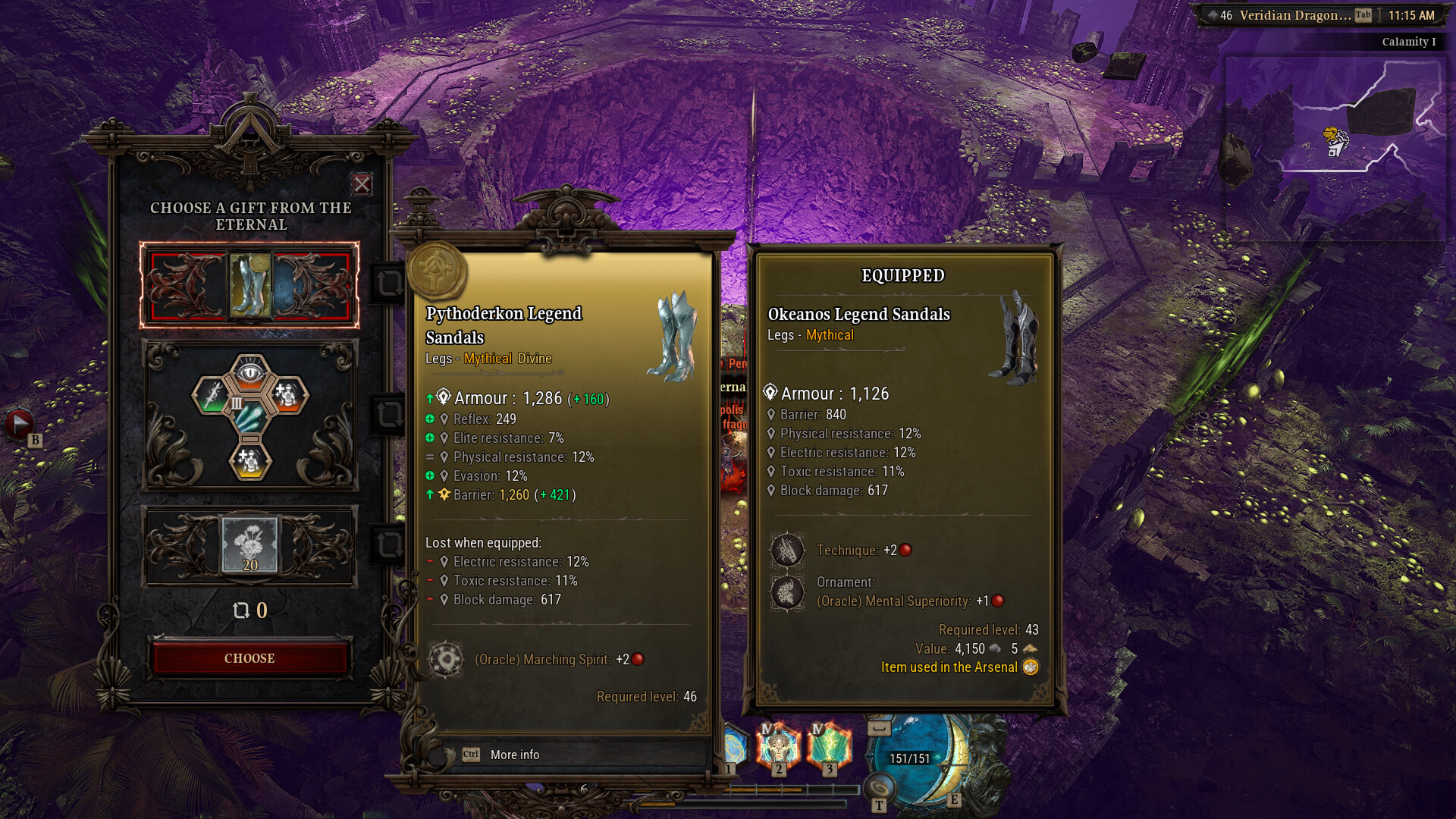
- Excellent QoL features (free respecs, instant vendor travel, loot filter)
Cons
- Campaign is short and the story feels thin compared to endgame depth
- Art/animation polish and some boss fights could use more variety
- Minor UI oddities and occasional rough edges from Early Access heritage
Player Opinion
Players routinely praise Dragonkin for its inventive skill grid, the rewarding endgame hunts, and the quality‑of‑life touches that make grinding less tedious. Many reviews call it a hidden gem — a full‑priced, non‑microtransaction ARPG that’s easy to pick up but deep to master, with free respecs and an Arsenal that invites testing. Criticisms that pop up often are a short campaign, occasional wonky animations, and the need for more polish on some bosses or visual fidelity. A recurring theme: the multiplayer and city systems elevated the game for groups of friends, while solo players still get great buildcrafting. If you like Grim Dawn or Titan Quest’s DNA but want modern conveniences, reviewers agree Dragonkin is worth trying.