





Dice Gambit Review — A Dice-Driven Dynasty with Glorious Peaks and Tumbleweed Valleys
A tactical RPG that mixes dice-rolling Yahtzee vibes with lineage-building. Charming art and characters meet occasionally broken balance and some technical rough edges — delightful, flawed, and worth a look on Windows.
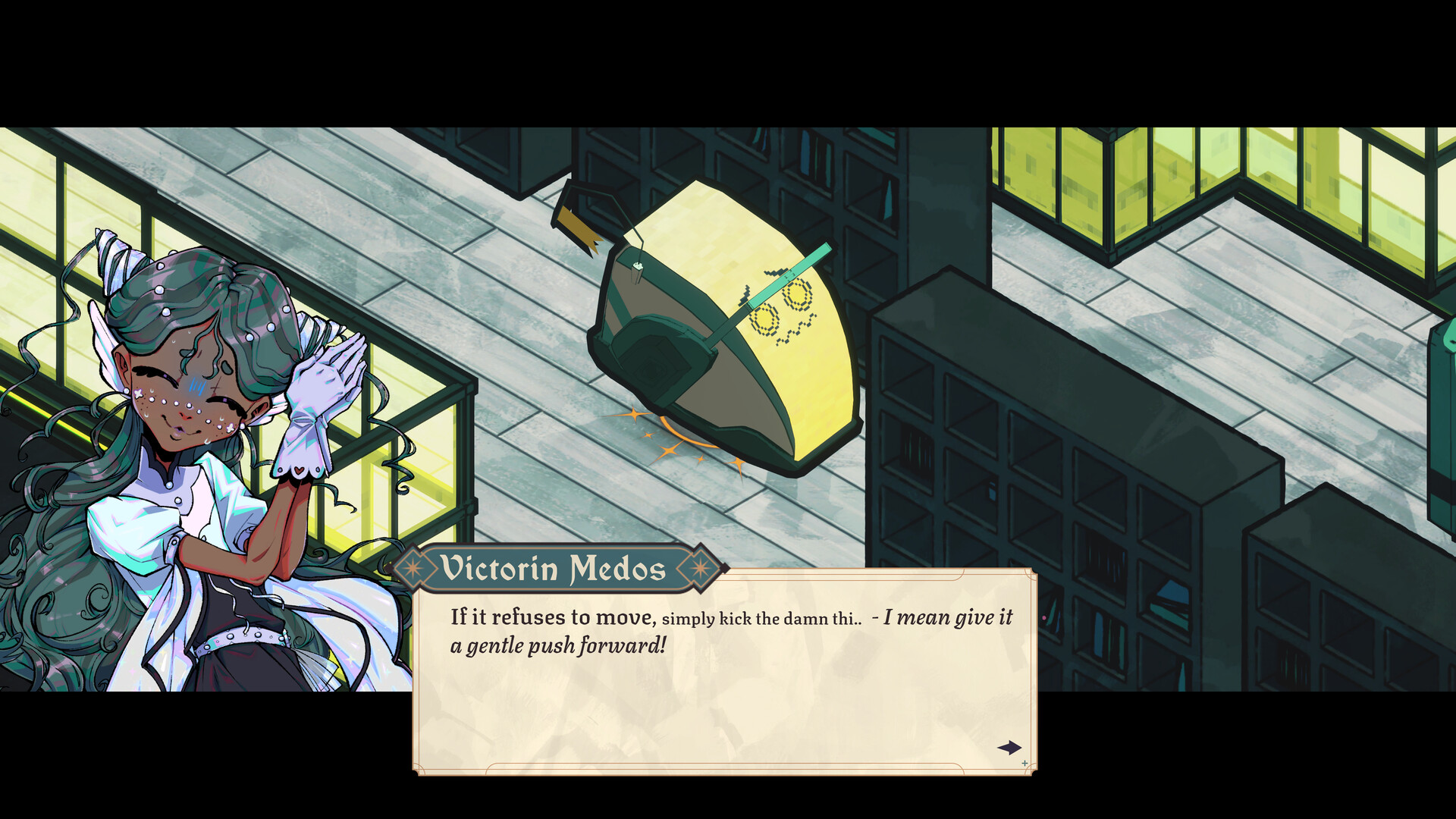
I dove into Dice Gambit expecting a neat little tactics game and came away oddly charmed and occasionally infuriated. Chromatic Ink made something that feels both fresh — the dice-Yahtzee twist works — and comfortingly familiar, like Massive Chalice if it had been sprinkled with neon. The game’s personality, from snappy writing to absurd character faces, kept me smiling even when a broken combo made me want to throw a controller. If you like party-builders and quirky systems, Dice Gambit is a love letter with a few pages ripped out.
Rolling Your Legacy into Battle
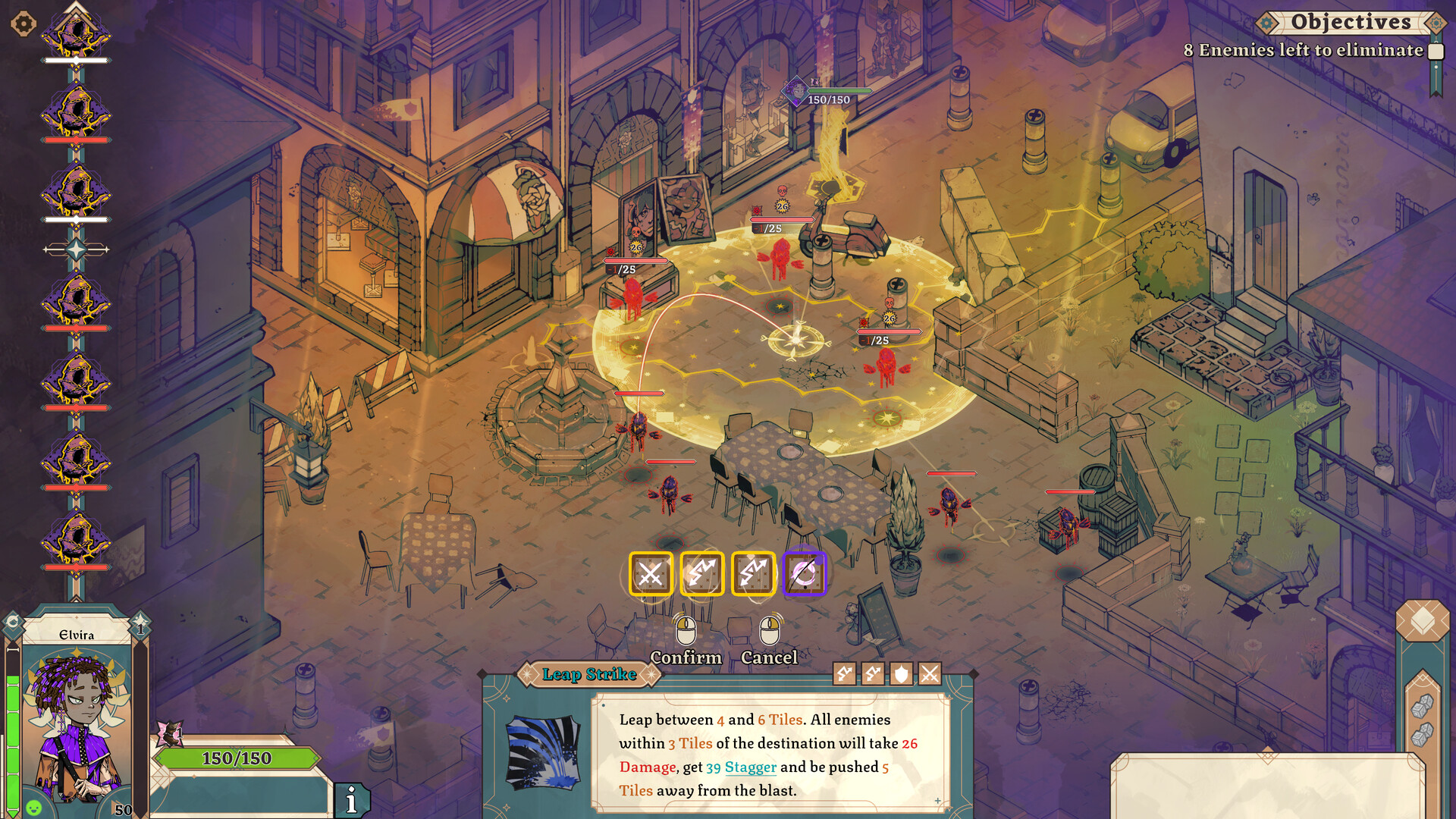
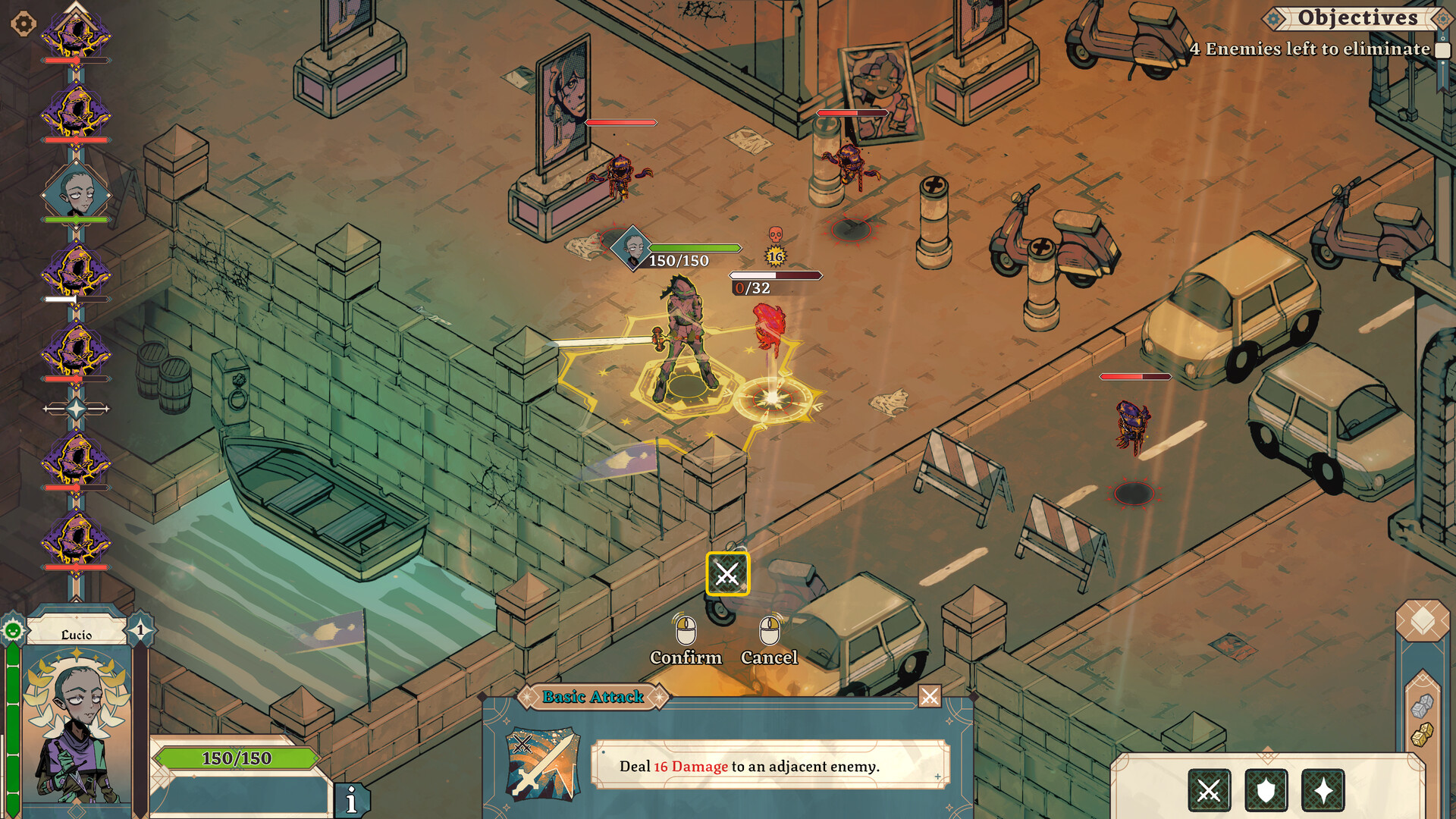
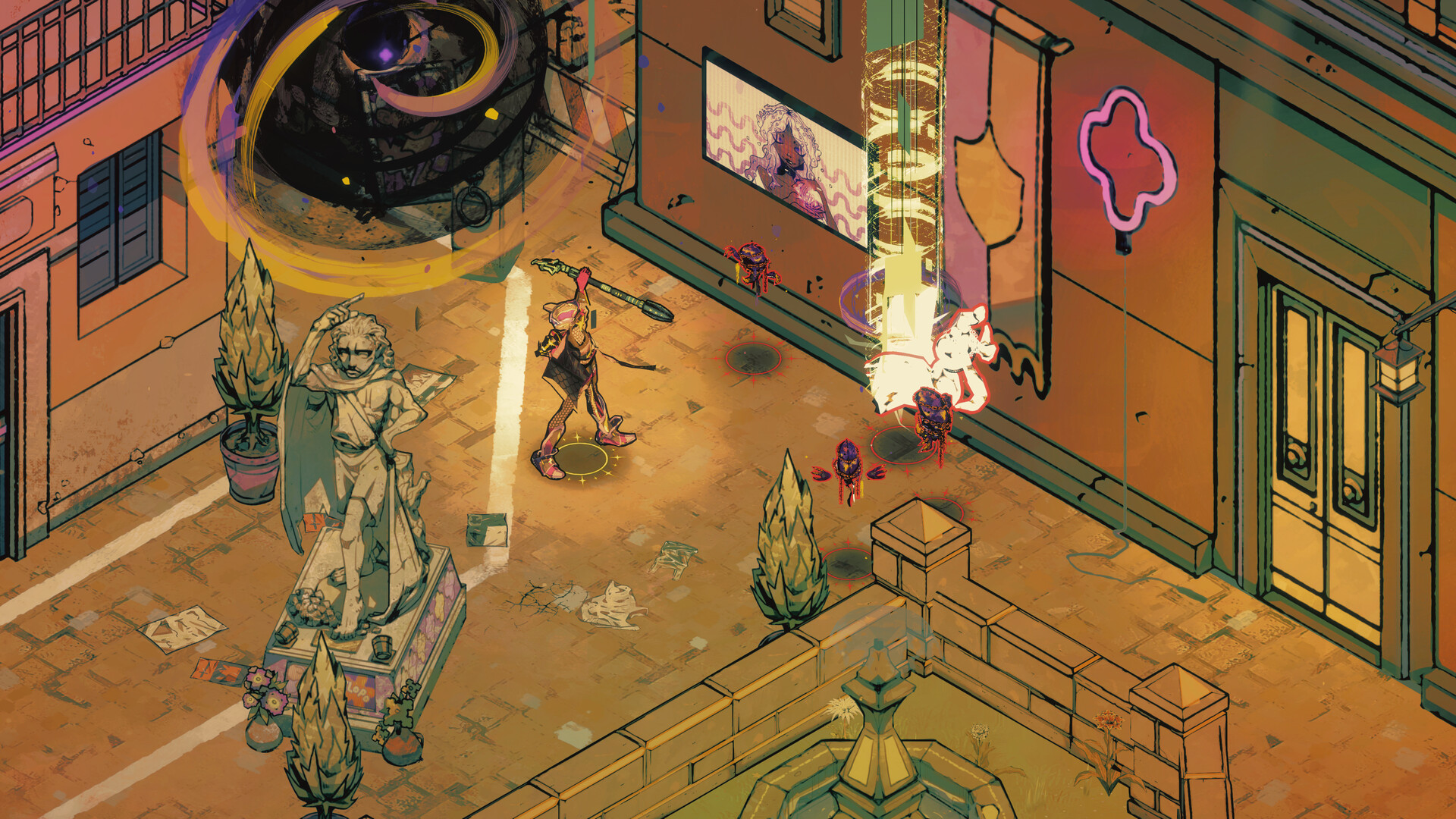
Combat in Dice Gambit centers on forming dice hands and spending those faces to activate abilities, reposition units, and chain effects. Rather than relying on hit percentages you’re constantly evaluating your dice pool, deciding whether to push for a big combo or conserve rerolls. Typical turns feel snappy: move, roll, combine dice to unleash class skills, and then watch passives cascade. Movement and positioning still matter — dashing into groups or baiting enemy turns can create satisfying one-turn swings — but the dice layer gives each action a gamble-versus-plan tension. Missions are generally short encounters strung into acts, so matches rarely overstay their welcome, though you will play a lot of them over a full run.
Marriages, Heirs and Deliciously Dangerous Synergies
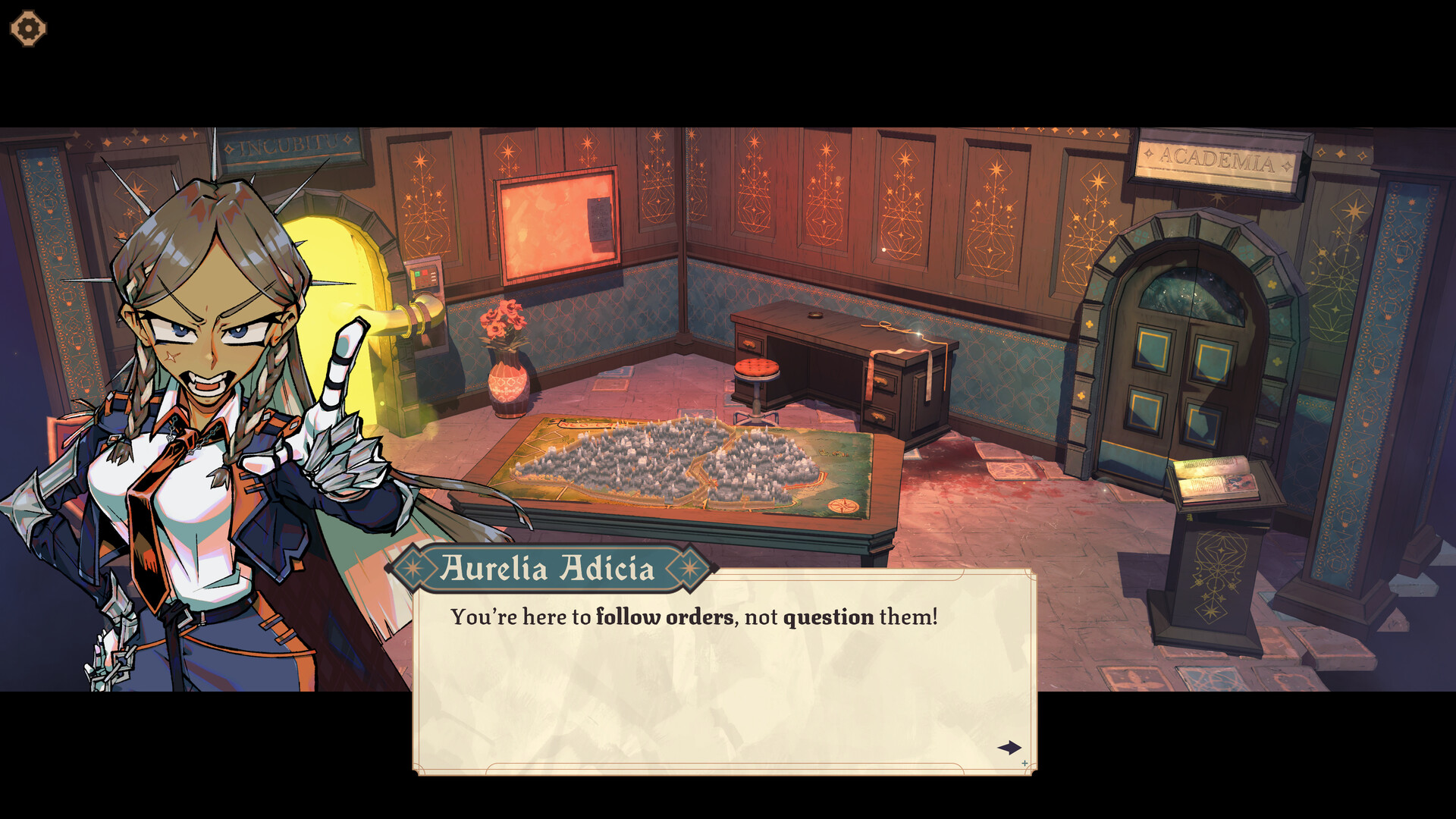
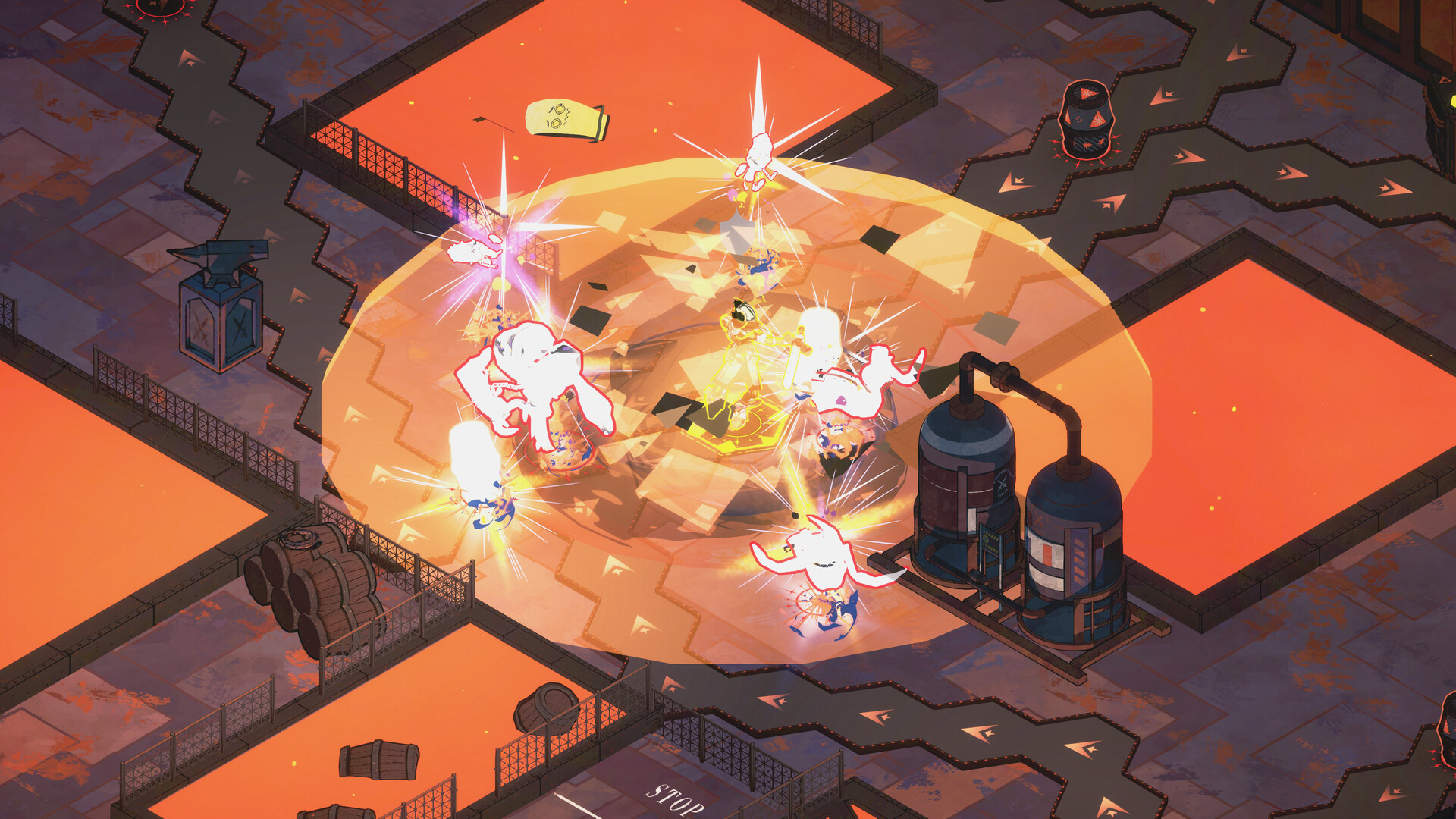
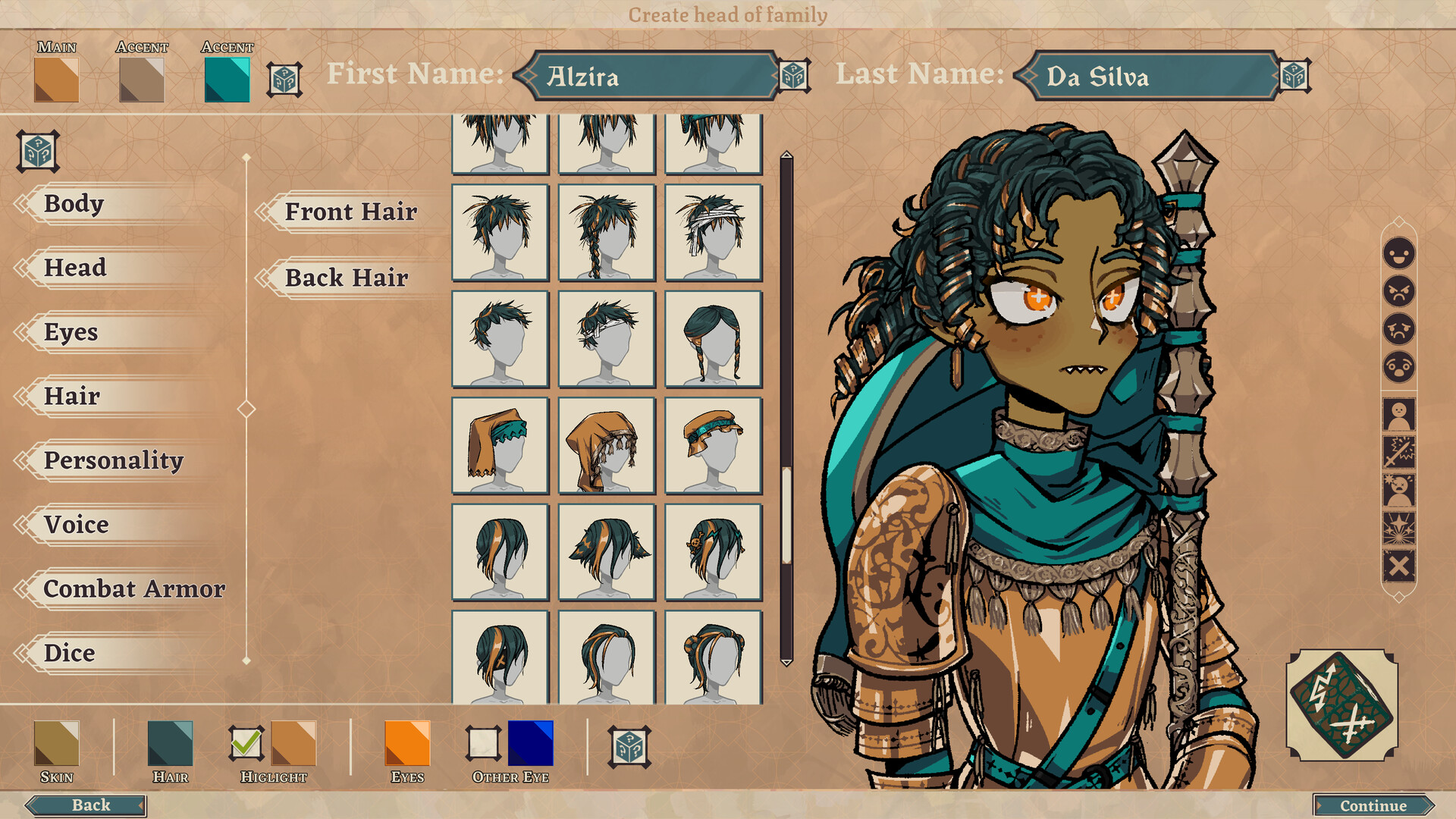
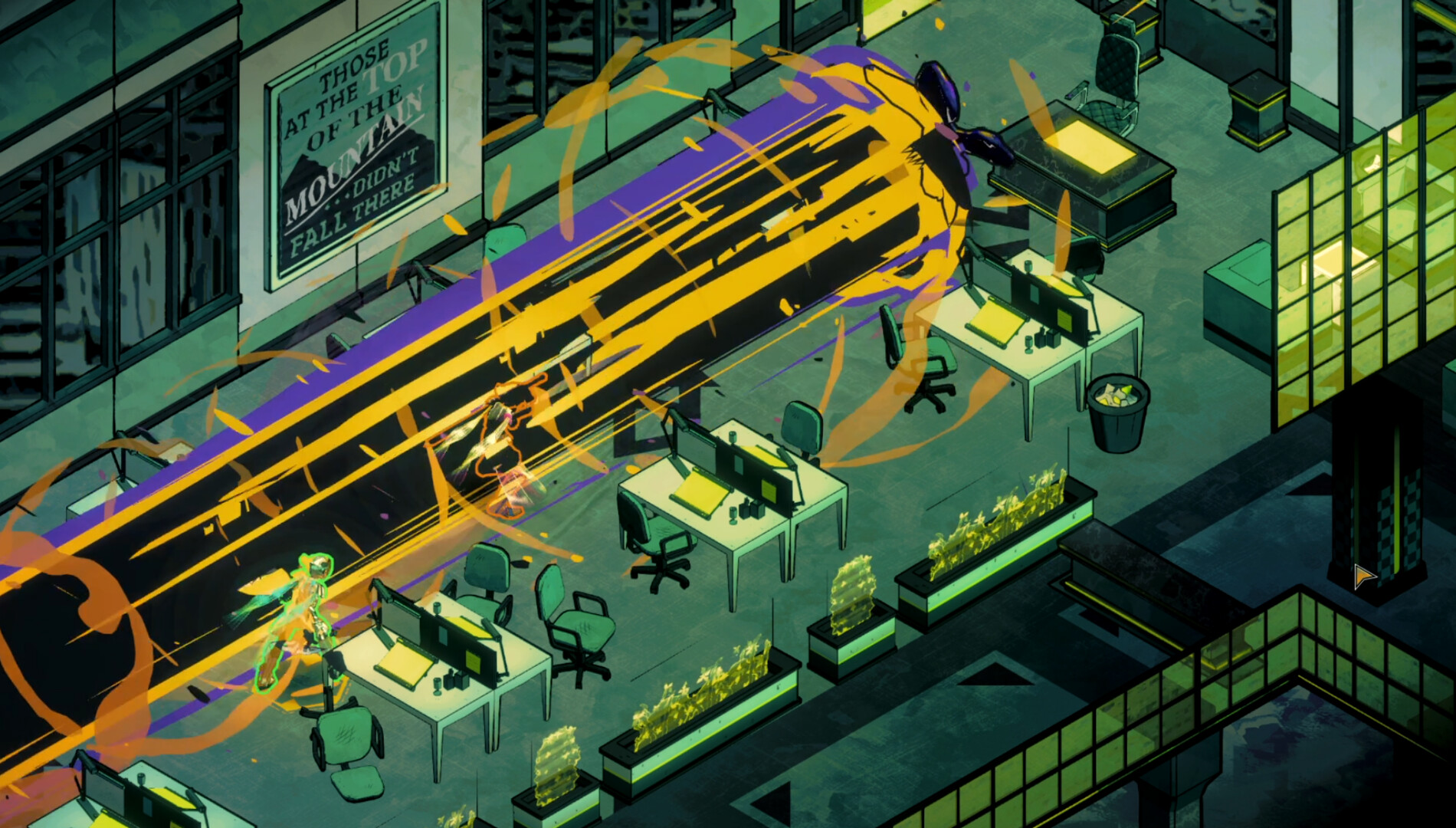
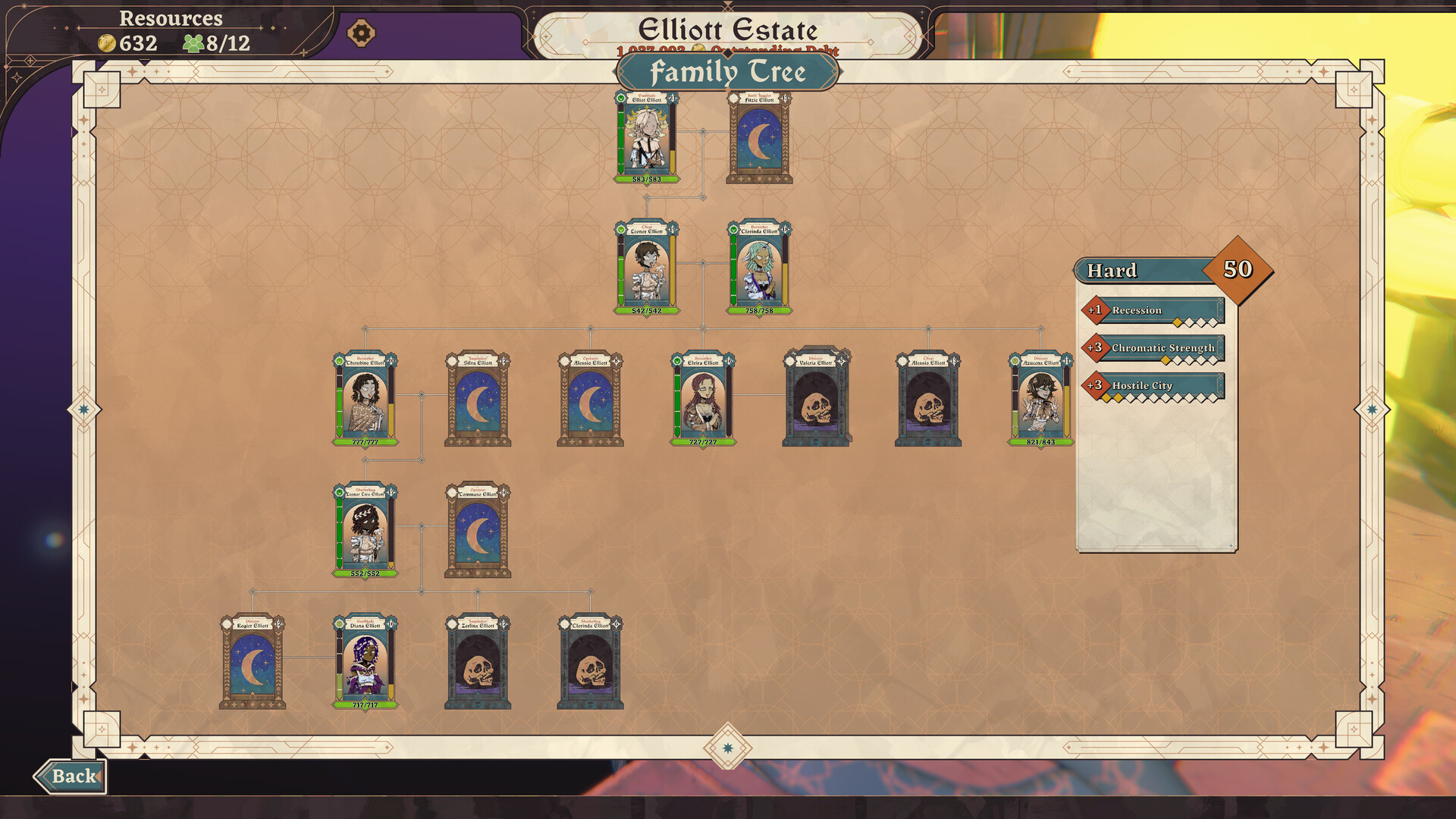
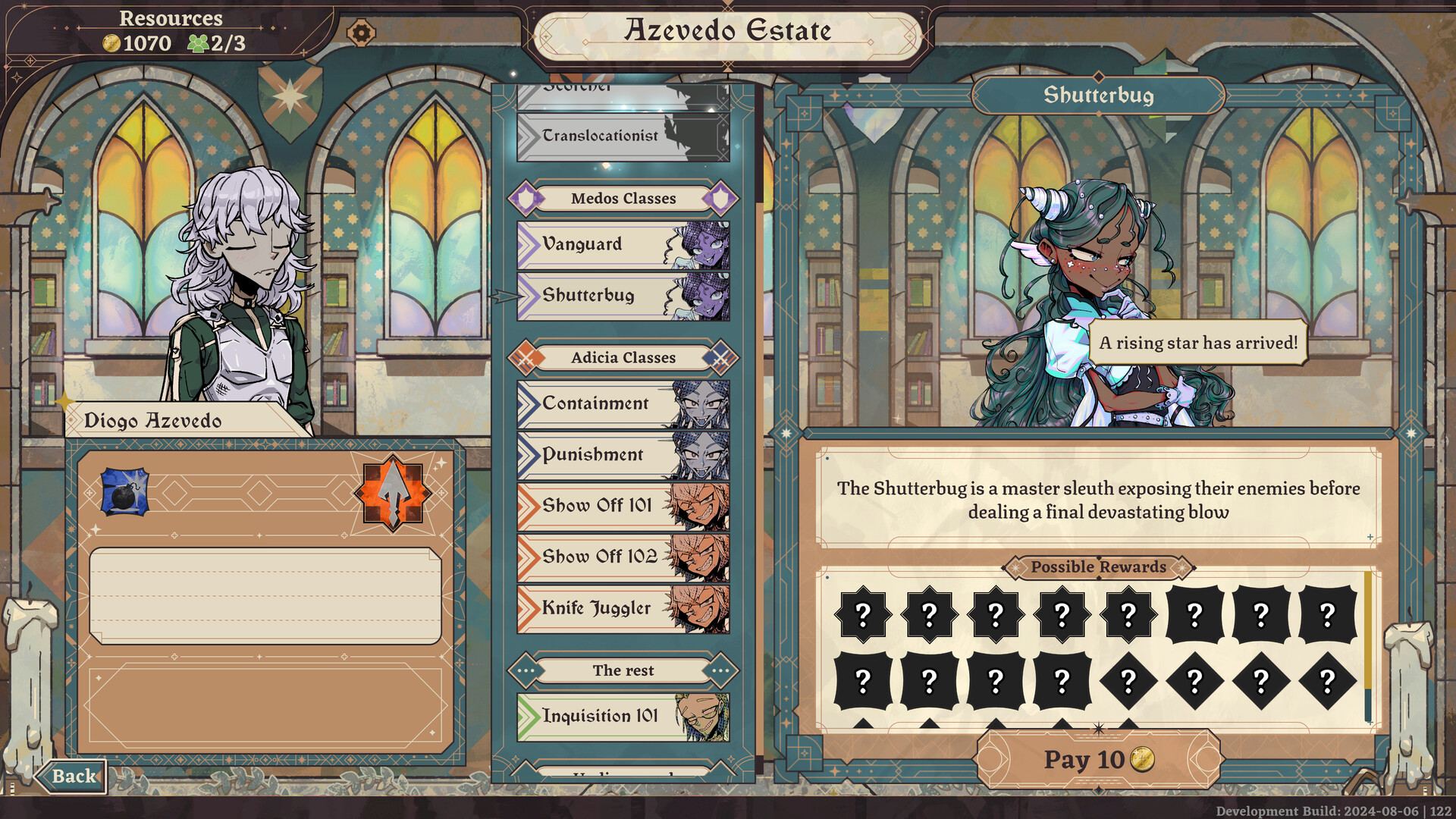
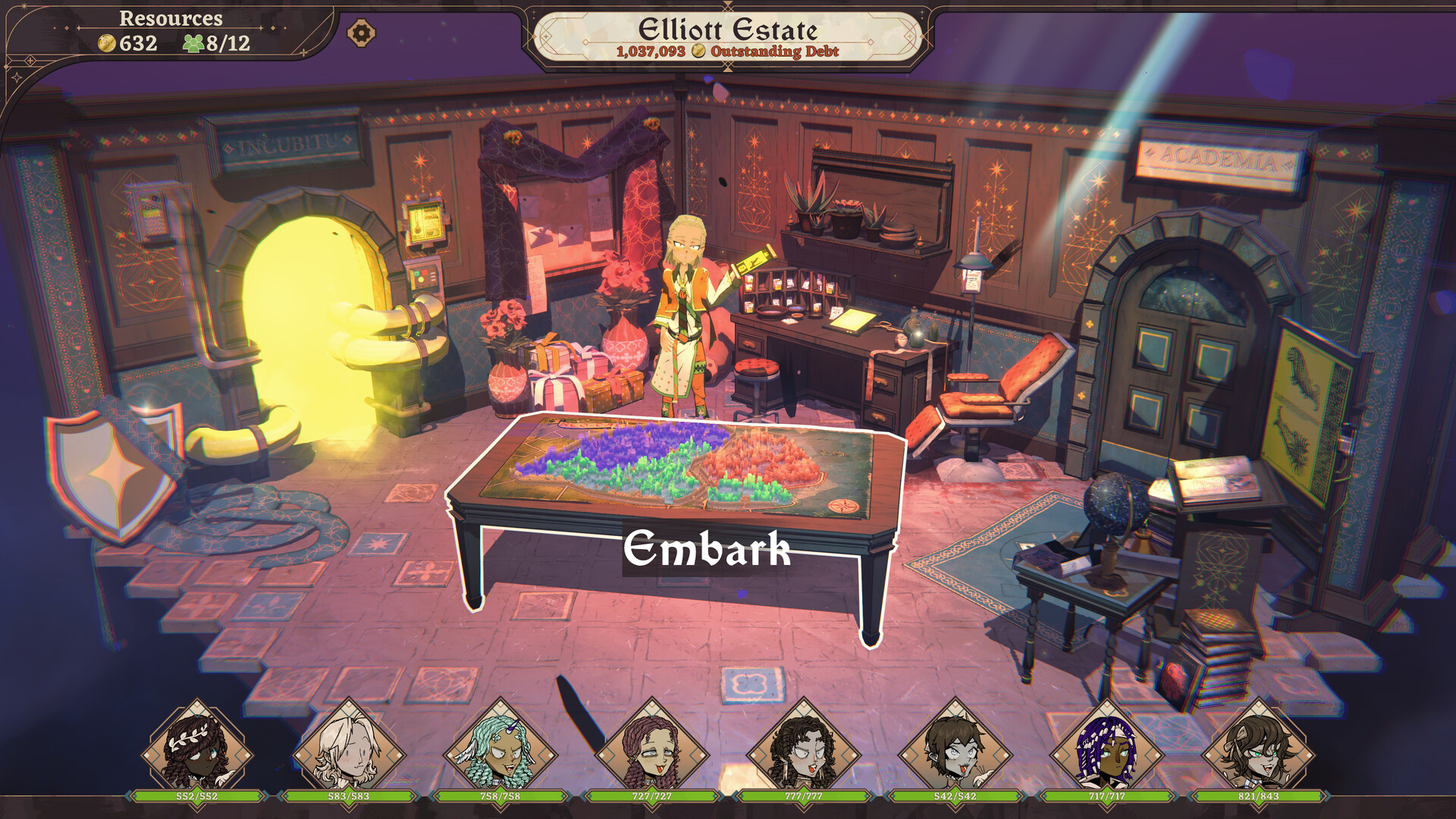
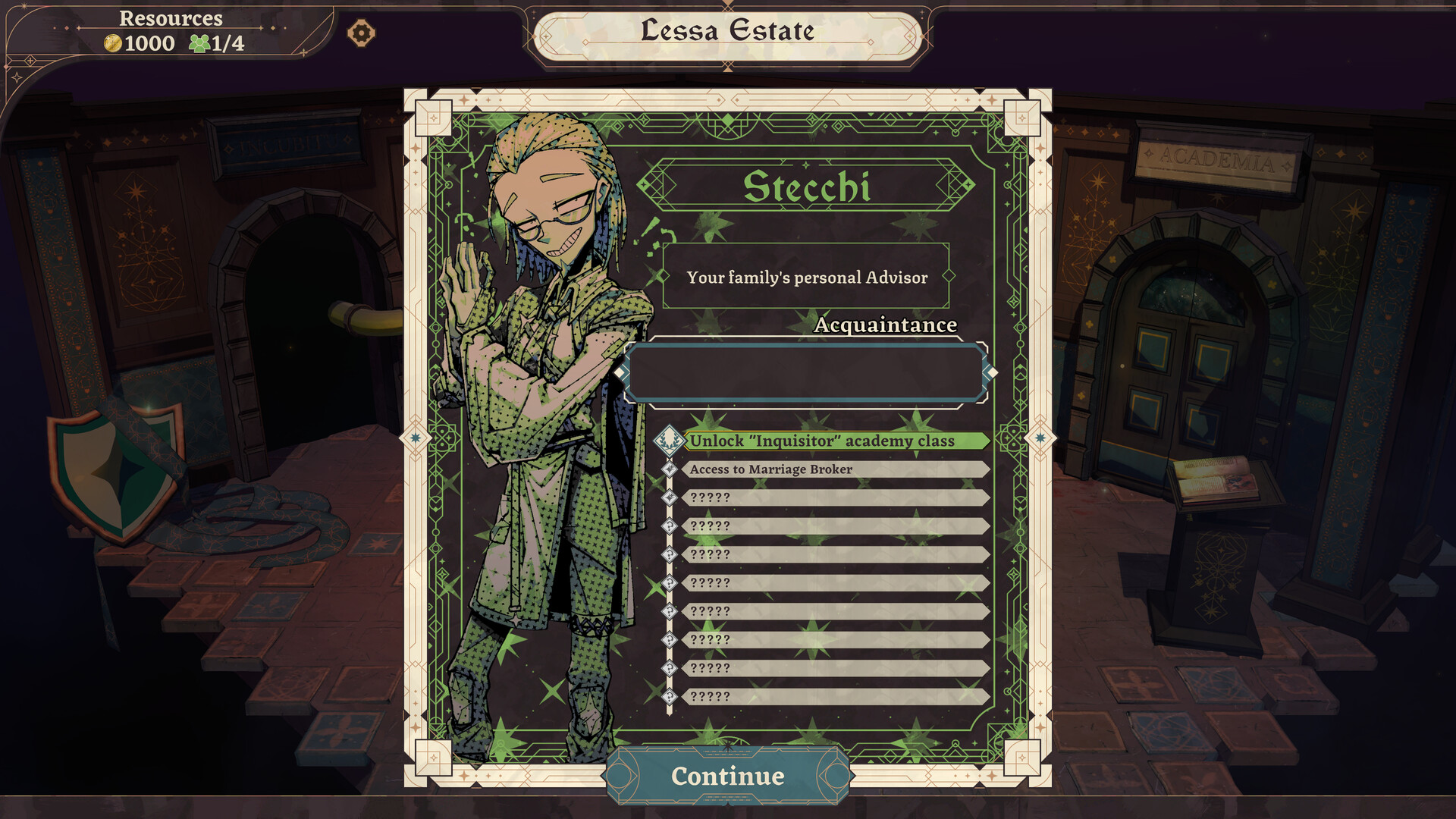
What makes Dice Gambit stand out is the lineage system: you create a noble family, marry for stats and skills, and incubate heirs who inherit looks and powers. It’s an addictive meta-loop: grooming a bloodline, experimenting with combos, and slotting a kid into the roster. That freedom is also a double-edged sword — many players discovered wildly effective passive-mechanic cascades where kills spawn dice which spawn more kills, letting certain builds clear entire maps in a single zooming turn. When it works, it feels glorious; when it snowballs out of control it can ruin pacing and tension. The Academy of classes (200+ powers) and social relationships with nobles to unlock content add depth and make each family feel personal.
Neon Streets, Bold Art and the Sound of Dice
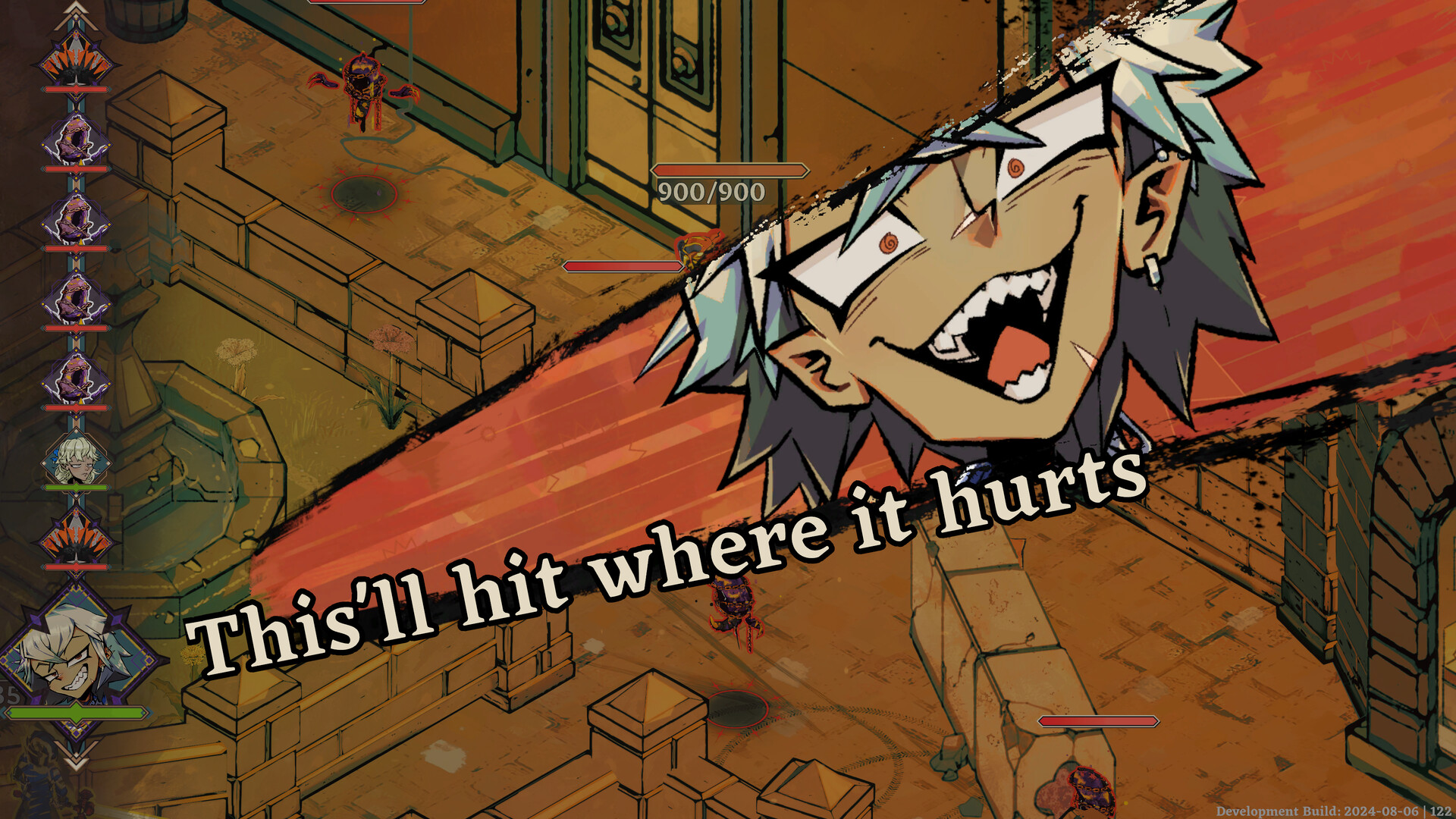
Presentation is a big selling point: sharp, colorful art, expressive character portraits, and a soundtrack that suits the game’s jaunty tone. The battlefield has personality, with effects that pop — sometimes too much, as visual clutter can hide clarity in hectic fights. Performance is overall fine on Windows but some players report freezes and optimization issues on lower-end rigs; the UI has a few rough edges (overlapping panels, occasional obscured reroll buttons). Accessibility-wise, the game offers difficulty modifiers and custom runs, which helps tailor the challenge, though the vanilla difficulty can feel too forgiving if you lean into broken builds. Overall, it’s stylish and lively but not immune to polish problems.
Dice Gambit is a boldly original tactics game with a delightful personality and deep build systems. It’s easy to recommend to players who love party-building, quirky writing, and creative mechanics — but be warned: balance issues and a few technical bugs can blunt the shine. On Windows, give it a shot, tinker with difficulty modifiers, and enjoy the chaos of lineage experimentation.
Pros
- Inventive dice mechanics that refresh tactical turns
- Rich family/lineage system with meaningful inheritance
- Great art, voice and soundtrack that build charm
- Lots of classes and build variety to experiment with
Cons
- Balance can be broken by cascade synergies
- Repetition and length feel short on the campaign
- Minor technical/optimization and UI rough edges
Player Opinion
Players consistently praise Dice Gambit’s character writing, art style, and the joy of building families and combos — the lineage system and class variety get frequent shout-outs. Common criticisms center on balance: multiple reviews note that certain passives and combos can snowball into one-turn wins, making parts of the campaign feel trivial. Several users report minor bugs, occasional freezes, and UI glitches; optimization varies by rig. Replayability opinions split — some love creating new bloodlines and tinkering in NG+, others find the loop short-lived without additional modes. If you enjoy party-building and don’t mind tuning difficulty or trying hardcore modifiers, this game will likely click. Fans of Massive Chalice, Tactical Breach Wizards or party-managers should give it a shot.