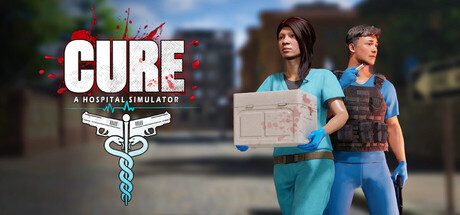






CURE - A Hospital Simulator Review: Night Shifts, Zombies & Twitch Chaos
I spent dozens of chaotic nights running Mercy's ER with friends: great co-op, clever Twitch integration, lots of potential — but also missing diagnostics, scaling quirks and a few rough edges.
CURE drops you into Mercy’s nighttime ER during a very unhelpful outbreak, and it’s one of those weirdly infectious ideas that hooks you fast. Think Overcooked’s frantic teamwork meets Two Point Hospital’s systems, sprinkled with zombies and stream-friendly toys. The game’s strength is its co-op loop: triage, diagnose, treat, mop, repeat — ideally with friends shouting into voice chat. What sets it apart is the Shoutout/Twitch integration and the hybrid first-person-sim gameplay that can make small groups click like a well-oiled medical team — when the systems behave.
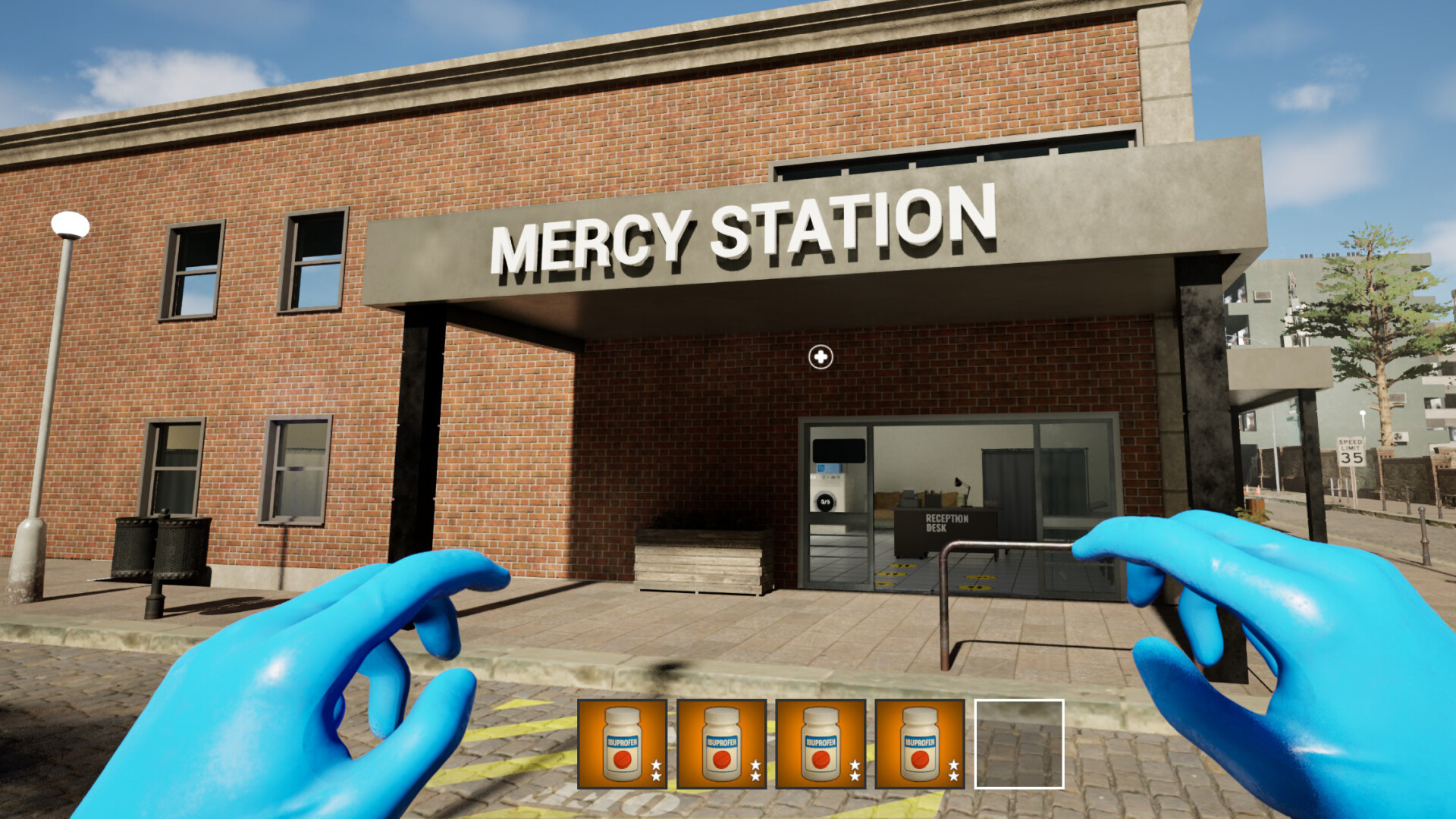
Night Shift at Mercy ER
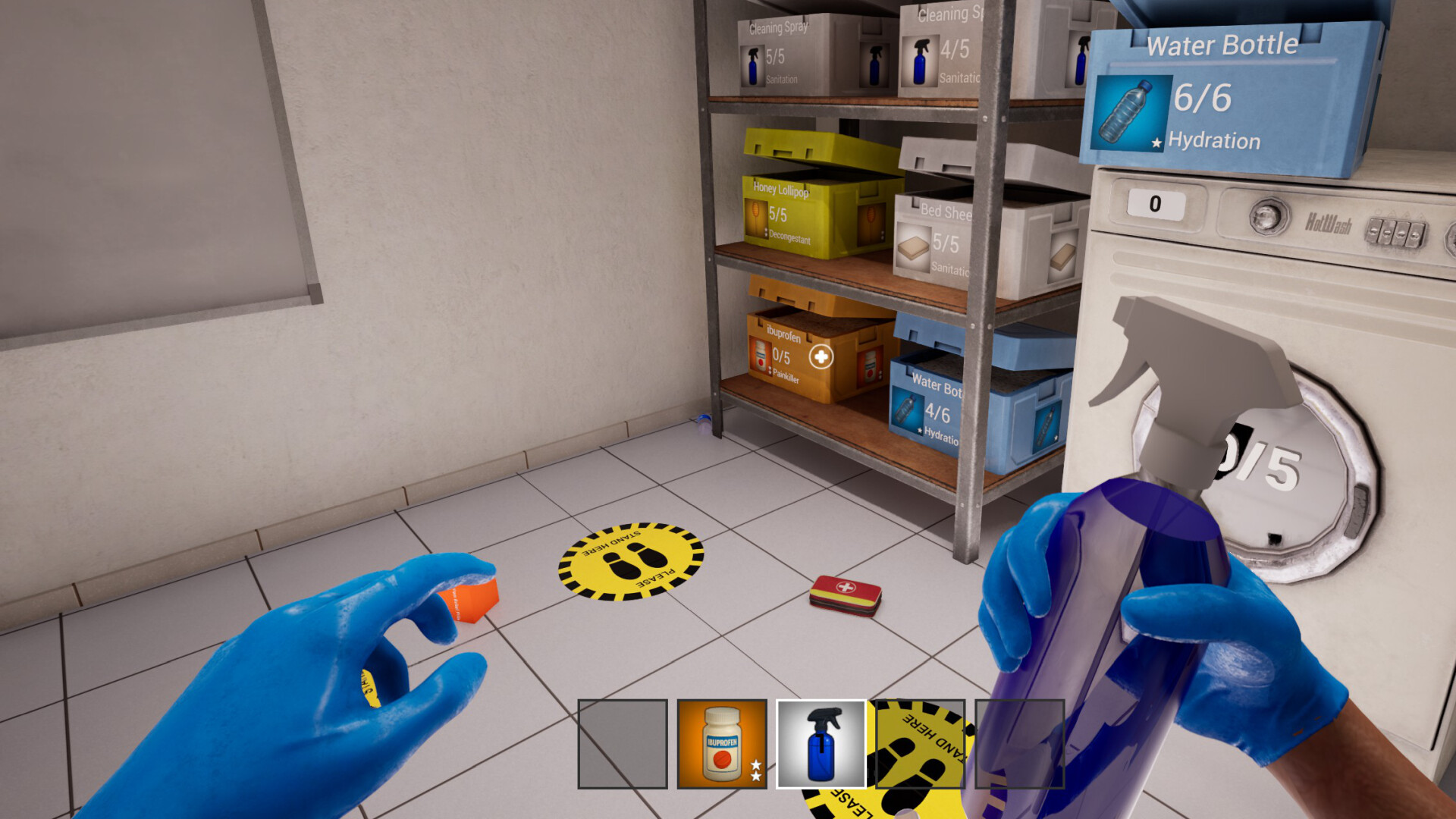
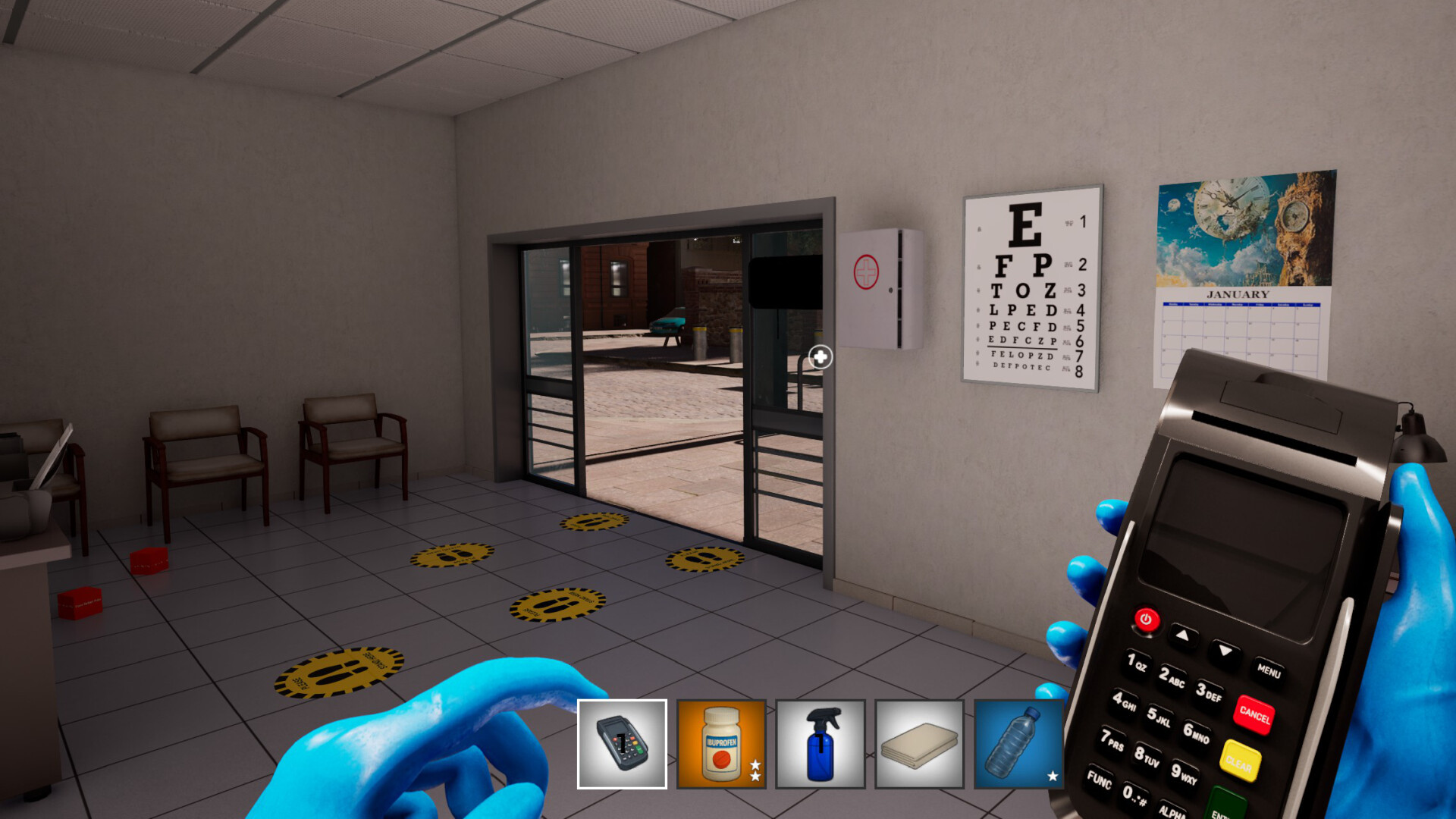
Playing a shift in CURE feels like being thrown into a live improvisation. You check patients in, triage who goes to a chair or a bed, run diagnostics where available, hand out medicines, change sheets, and occasionally bash a zombie with a baton. Time and space are your primary enemies: there’s always more patients than hands, and decisions must be split-second. Teamwork is vital — with friends you can carve roles (one admits, one runs meds, one guards the entrance) and reach a flow state where nights fly by. Solo play is doable, but the workload and inventory fiddliness make higher hospital levels feel punishing unless you scale down expectations. The progression loop — unlocks, new meds, and gear — is satisfying in concept and fuels the urge to rebuild and optimize your layout.
When Diagnosis Becomes a Puzzle (and Sometimes a Flaw)
Diagnosing patients is a fun mix of reading symptoms and trying the right tool, but currently that system has friction. Players and community feedback repeatedly point out missing diagnostic tools (blood/urine/CT) shown in unlock trees but not implemented, which breaks some intended decisions and can feel like being told to “figure it out” when you’re literally playing a doctor. When the tools exist, the diagnostic mini-game gives real satisfaction: you’ll reroute a patient to quarantine, order a scan, or gamble on a treatment. The tension of “do the right harm” — euthanize or eliminate a patient-turned-infectious threat — is a bold, darkly funny mechanic that forces hard choices under pressure.
Broadcast Ready and Rough Around the Edges
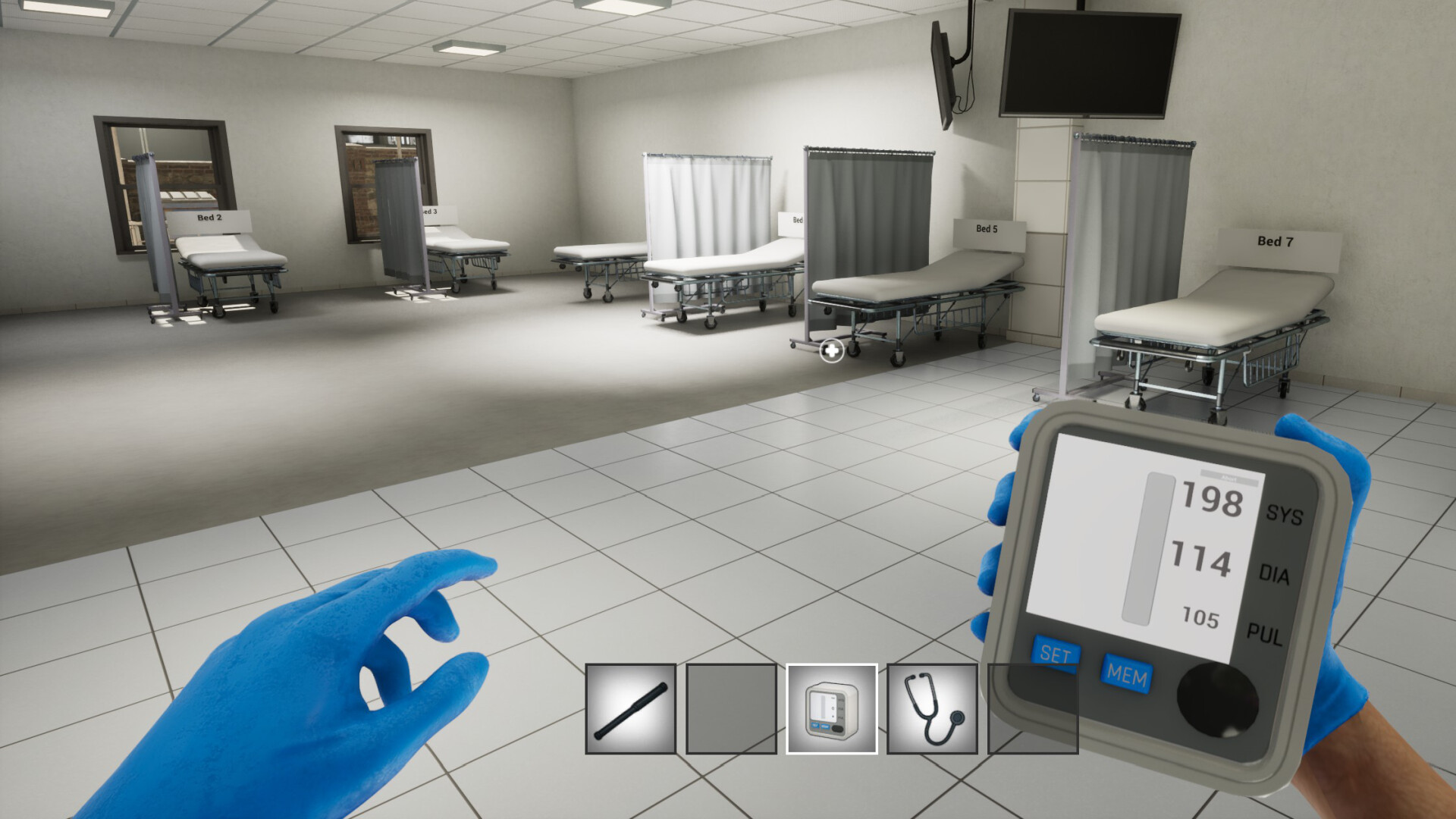
CURE’s Twitch and Discord integration is legitimately clever: viewers can be sent in as patients, influence events, and your stream activity shows up in the hospital — a perfect fit for creators. Visually the game is clean and low-spec friendly; it runs smoothly on modest hardware most of the time, and the UI is readable even in hectic moments. But there are technical and QOL potholes: inventory annoyances (non-stacking sheets, clumsy personal inventory scrolling), AI pathing quirks where NPC patients get stuck, occasional crashes and a few balance issues with patient arrival scaling versus hospital size. The devs are communicative and active, which is encouraging — many requested features (difficulty sliders, zombie toggle, QoL patches) have been discussed or added — but some core systems still need polish for long-term depth.
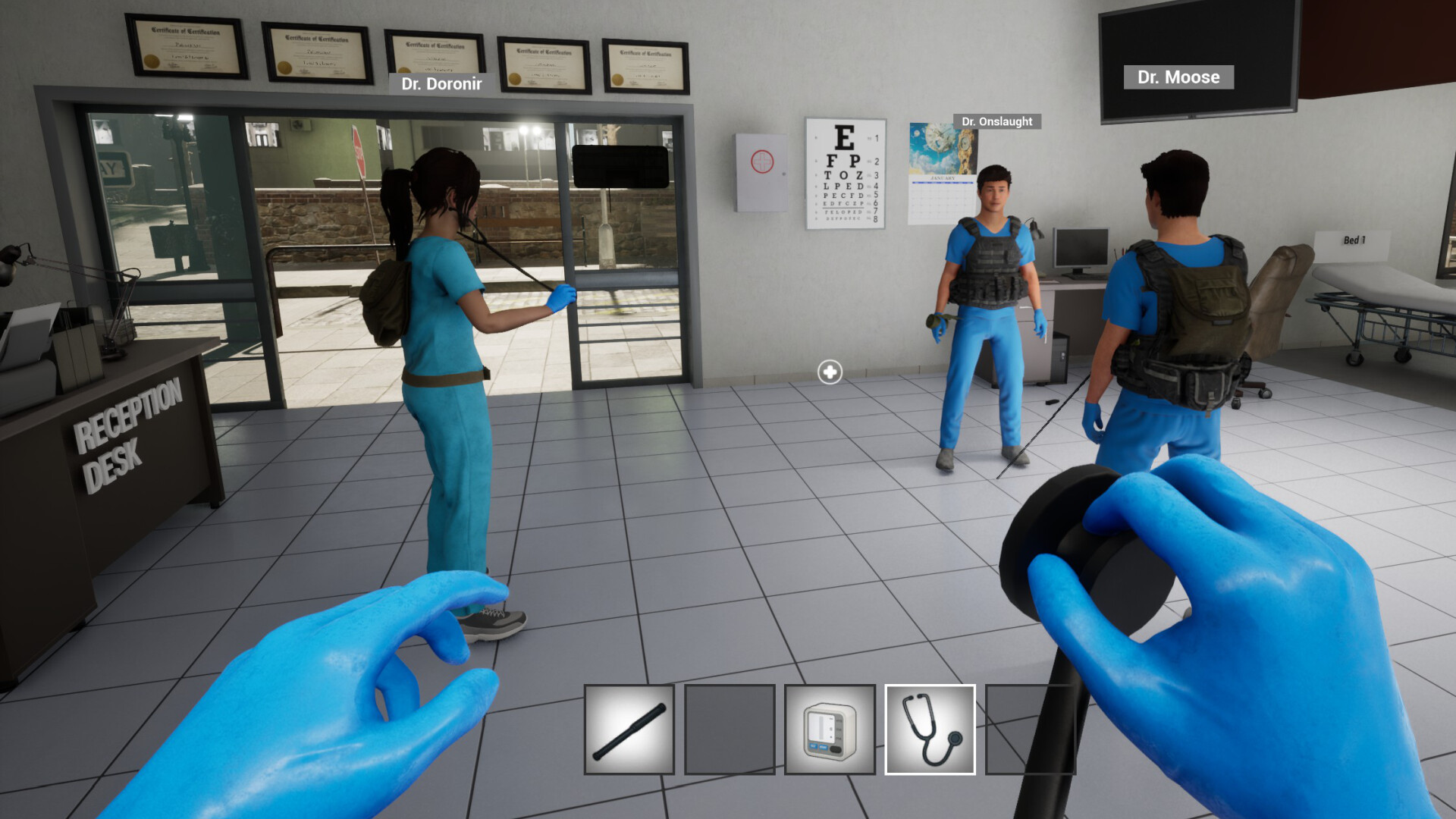
CURE is a lovable, messy hybrid: it nails chaotic co-op and stream-friendly features but still needs polish in diagnostics, scaling and QoL systems. If you have friends (or an active audience) and enjoy frantic simulation loops, buy in now — the price is fair and the devs are responsive. If you want a polished solo sim with deep diagnostics and NPC staff today, maybe wait for another update.
Pros
- Terrific co-op loop and flow with friends
- Excellent Twitch & Discord integration for streamers
- Low hardware demands and addictive progression
- Bold hybrid of first-person action and sim systems
Cons
- Missing diagnostic tools and awkward scaling
- Inventory and AI/QoL rough edges (crashes reported)
- Solo play can feel punishing without NPC staff
Player Opinion
Players consistently praise CURE’s cooperative chaos, the addicting loop of triage/treat/upgrade and the stream tools that let chat become part of the hospital. Many reviewers call it a steal for the price and love playing with friends — several report long sessions and good replayability. On the negative side, recurring themes in the reviews are missing diagnostic features (players found mention of tests that aren’t in the build), poor scaling of patient arrival vs. hospital upgrades, inventory frustrations, and occasional crashes. A lot of vocal players ask for NPC staff, better difficulty scaling, and more diagnostics like blood tests. If you enjoy multiplayer sims and streaming, reviewers say you’ll probably have a blast; solo players should be ready to manage tedium or wait for future QoL updates.