

Crisol: Theater of Idols Review – Hispania’s Bloody Survival-Horror
A hands-on look at Vermila Studios' first-person survival horror with blood-as-ammo mechanics, baroque Spanish style and a bargain price — impressive art and ideas, warts and all.
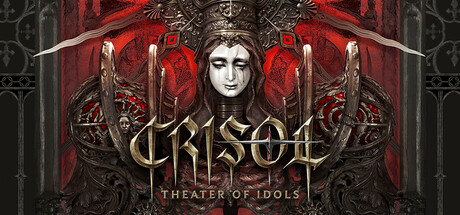
I jumped into Crisol: Theater of Idols expecting a cheap BioShock pastiche and left pleasantly surprised by something sparky and weirdly original. Playing as Gabriel, a fanatic soldier who literally bleeds bullets, feels like a daring twist on resource management in survival horror. Vermila Studios built a moody Hispania full of twisted folklore, carved statues that lurch to life and an island that wears its baroque religion like armor. It’s rough around the edges — stutters, save quirks and some odd writing — but the ambition, art direction and the blood-as-ammo mechanic kept me hooked for hours.
Bleeding Edge Combat
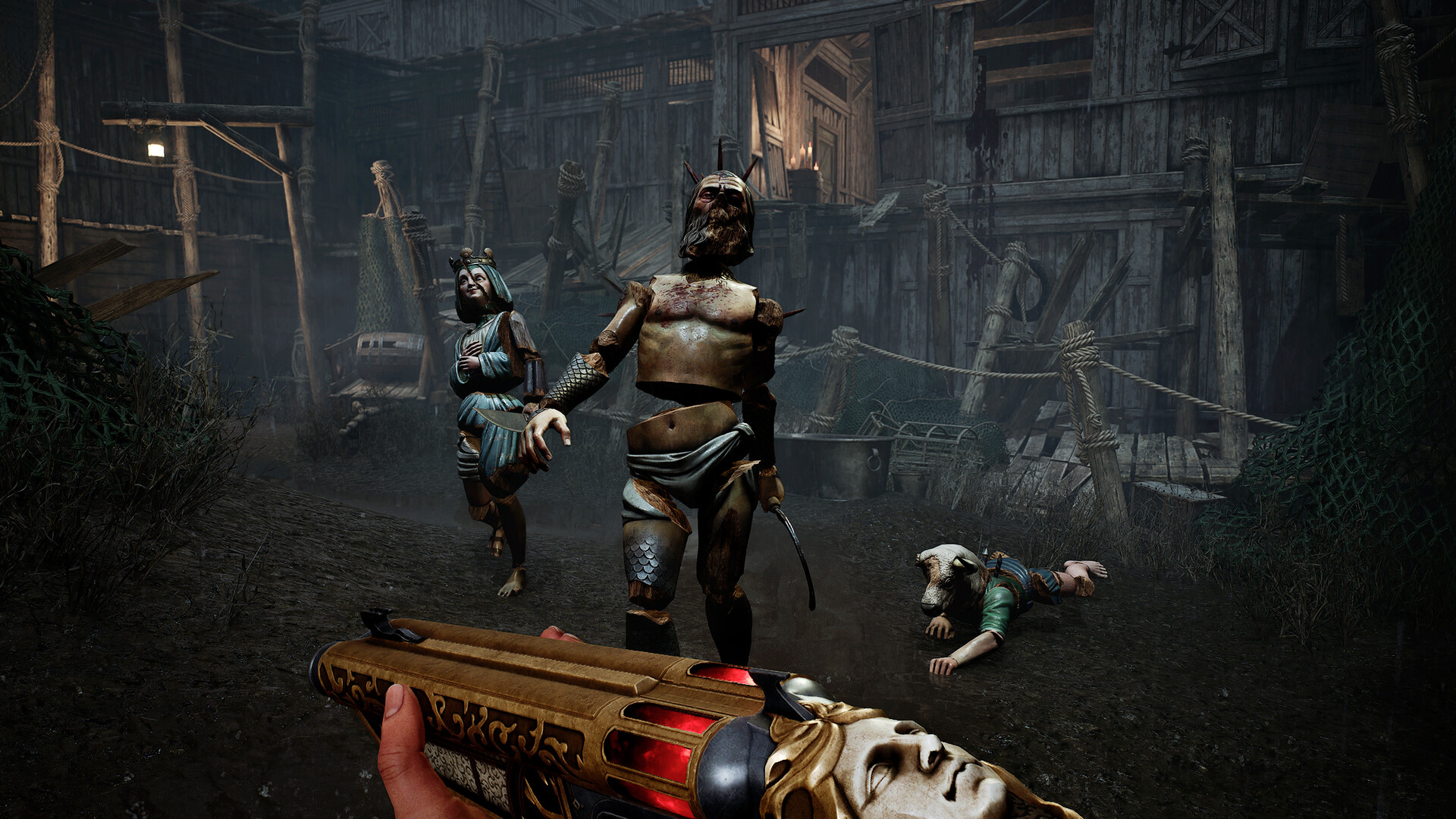
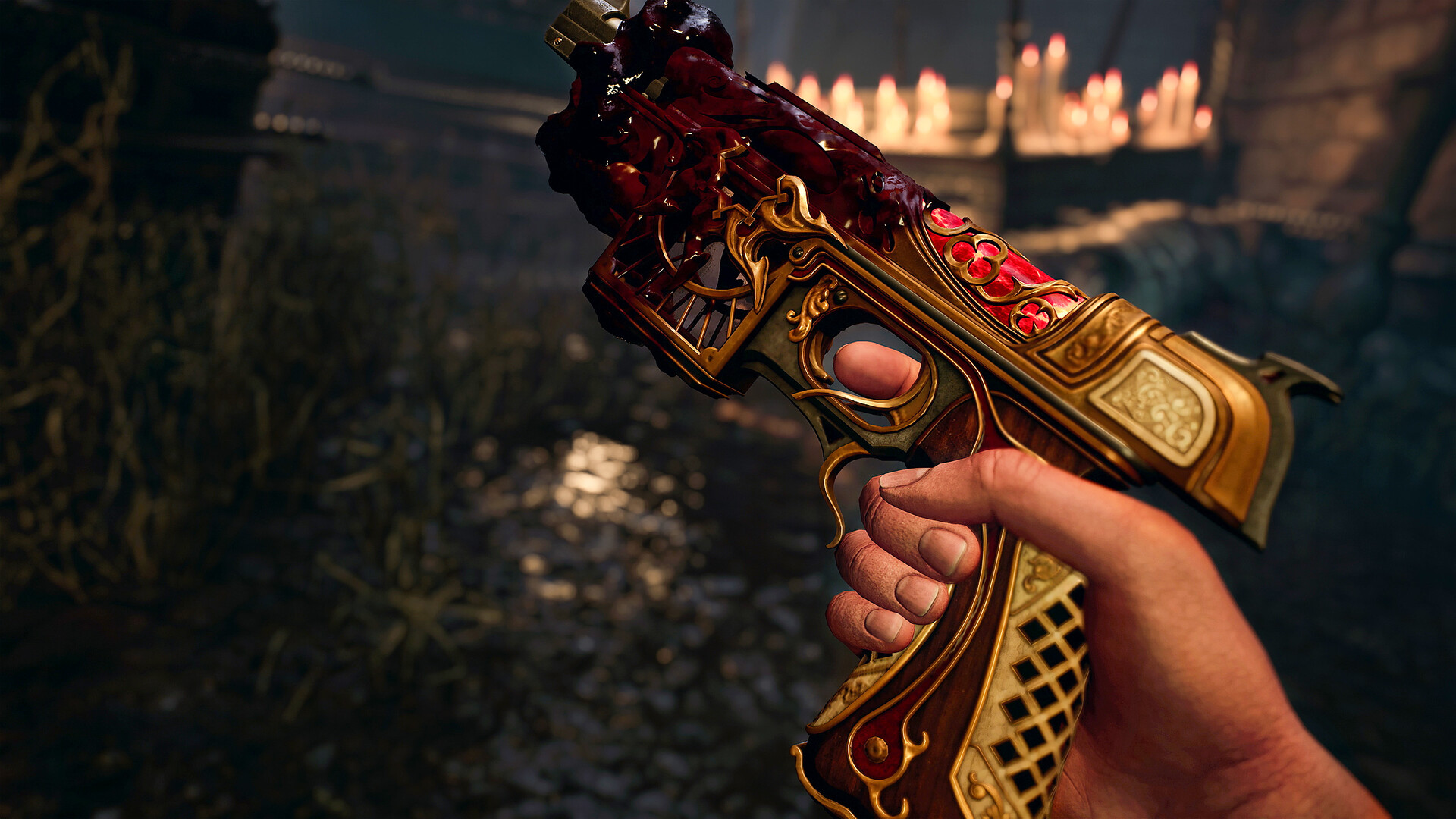
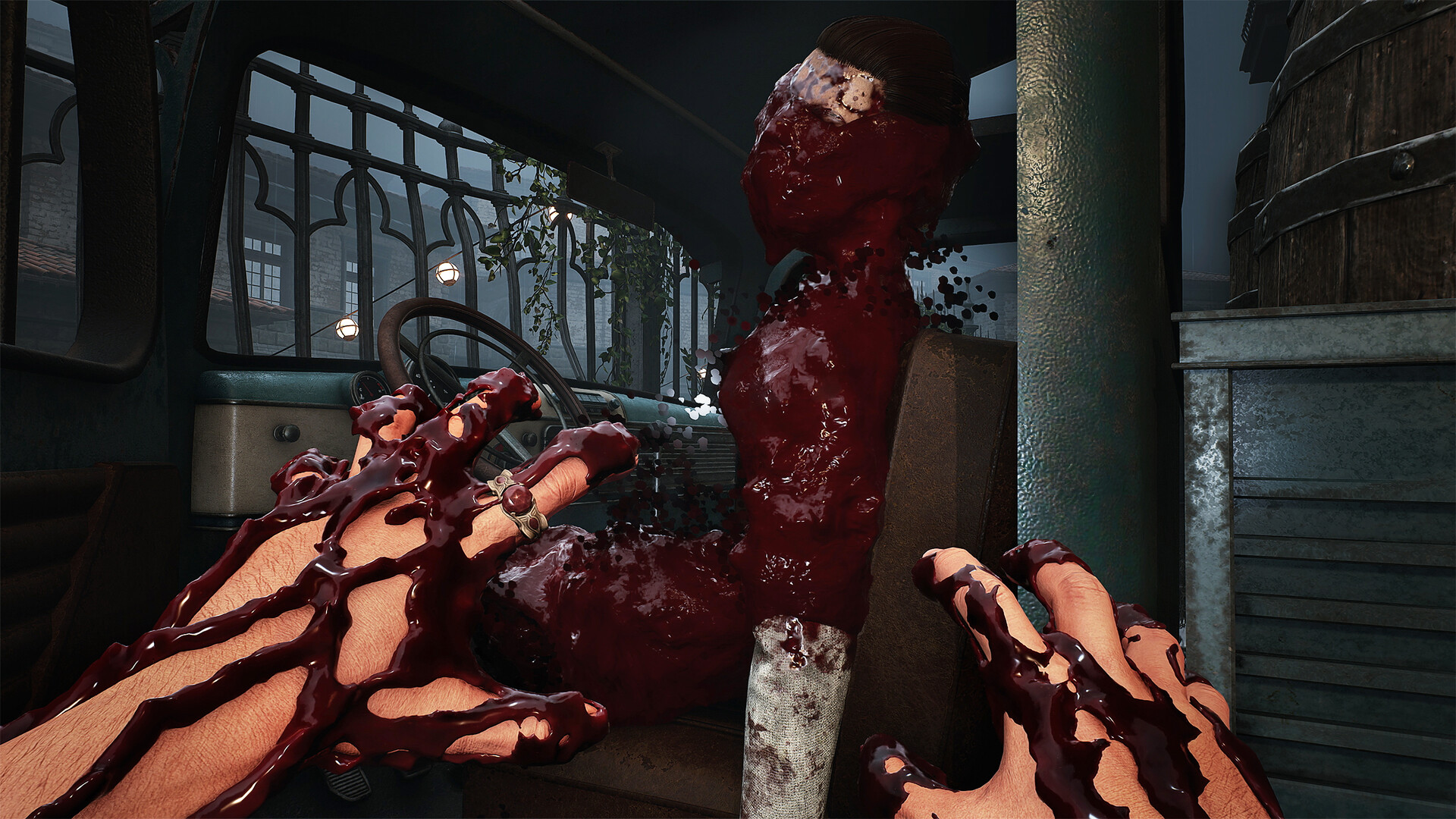
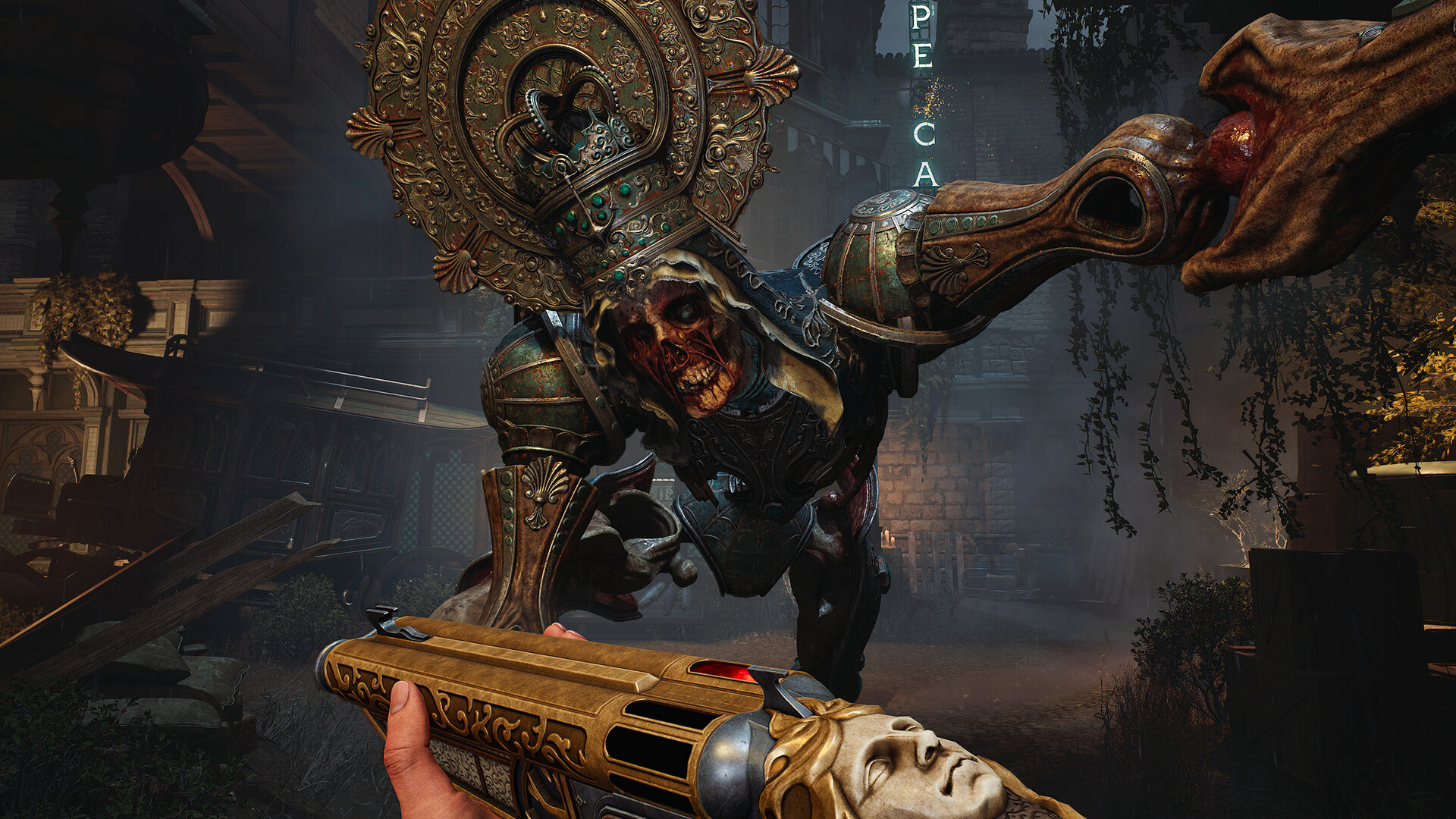
Combat in Crisol turns a cliché into a tense resource puzzle: your blood is both life and ammo, and every shot is a choice. I found myself counting heartbeats before pulling the trigger, deciding whether to spend precious HP on a risky headshot or bait an enemy into a trap. Guns have that chunky, slightly deliberate weight reminiscent of Resident Evil, but with a sharper emphasis on conservation and upgrade choices. Puzzles and encounters often force you to switch tactics — sometimes stealth and evasion are more valuable than emptying a magazine. There are weapon upgrade paths and coins tucked away in corners, which make exploration feel rewarding when you finally afford a meaningful boost. The knife and melee feel serviceable, though some players mention the parry timing can be fiddly; I had mixed results but appreciated the risk‑reward balance. Boss and statue fights lean into spectacle: they’re dramatic, occasionally bullet‑spongey, and demand learning attack patterns rather than pure twitch skill.
Gods, Cults and the Theater of Idols
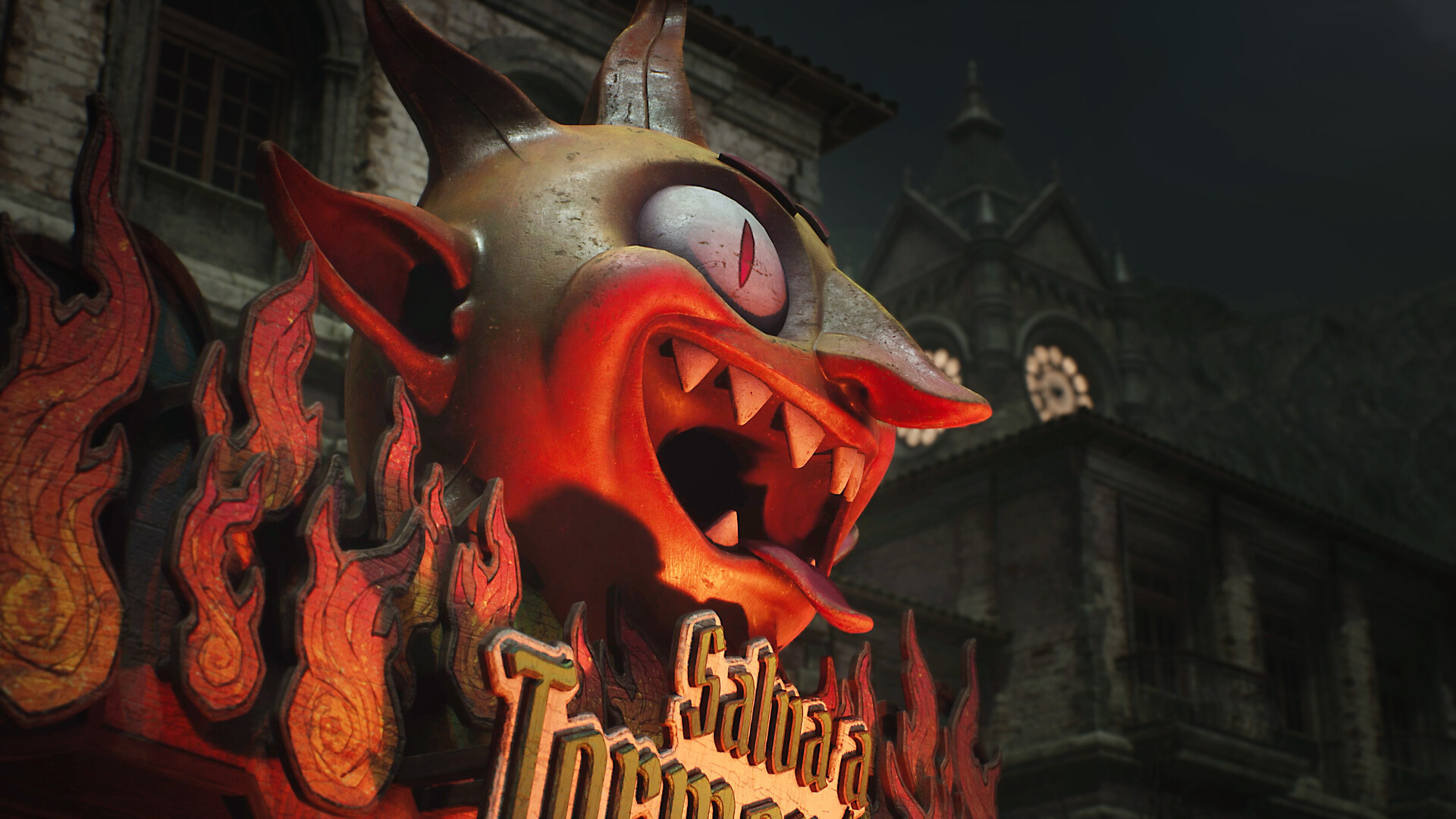
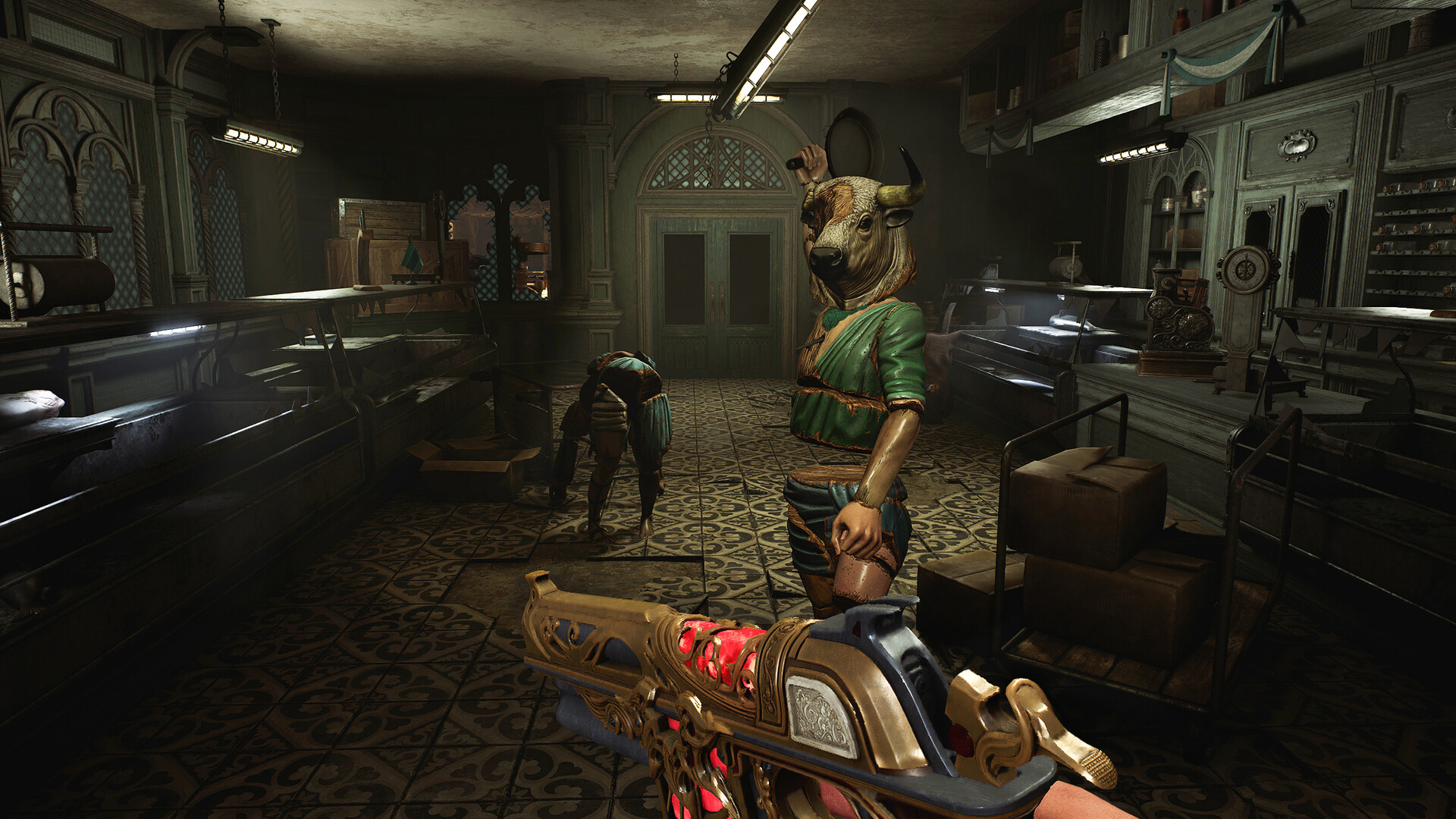
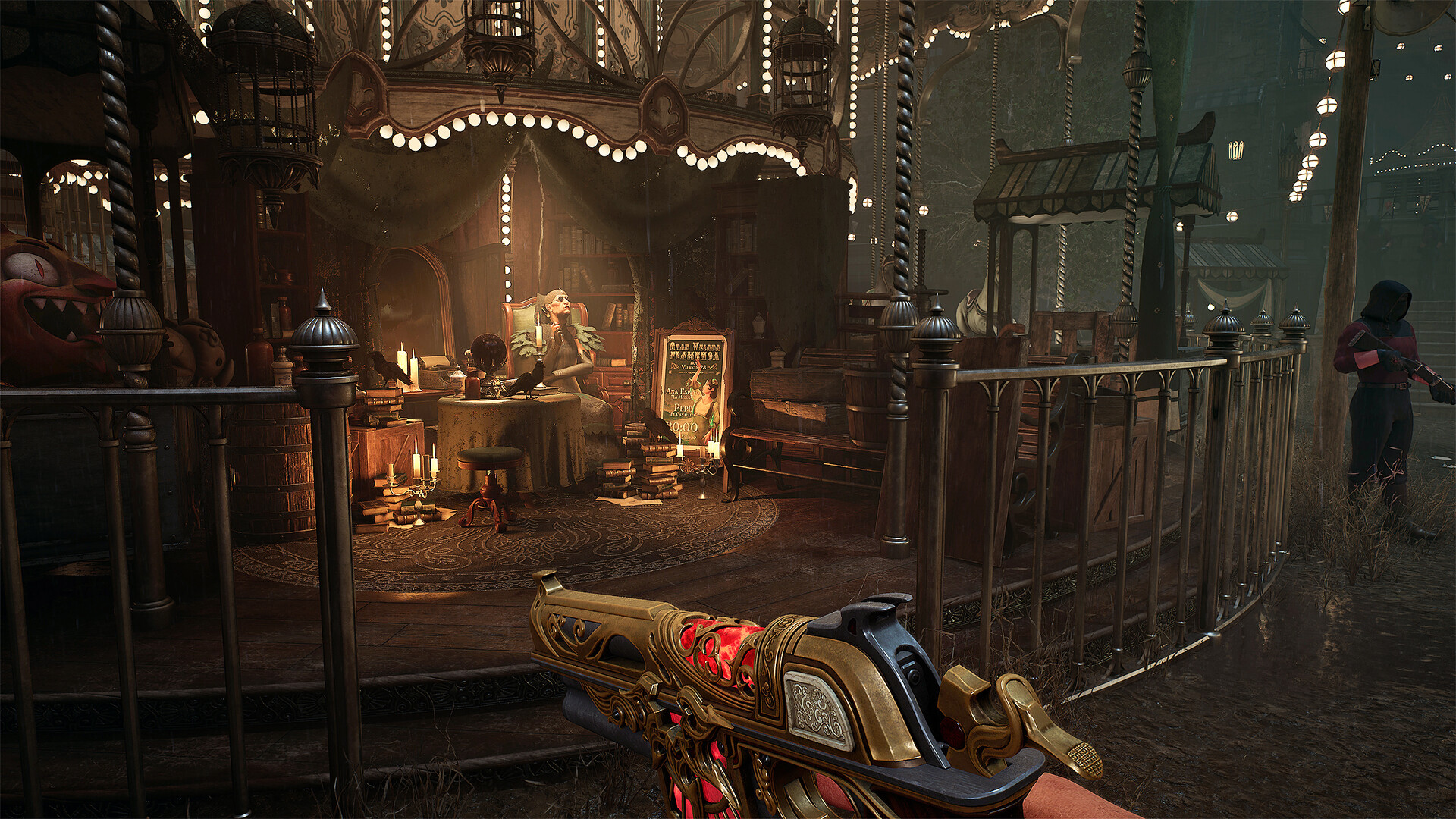
What really sells the game is the setting: Hispania is presented as a living myth, full of cults, blood rituals and theatrical set‑pieces that make every courtyard feel staged for a rite. The narrative doesn’t spoonfeed you; instead it layers visions, radio chatter and environmental storytelling that often left me eager to poke at every shrine and alley. NPCs — especially the radio companion Mediodía — inject personality and occasionally undermine the mood in ways that made me chuckle and grimace in equal measure. The game borrows vibes from BioShock and Resident Evil but mixes in Spanish folklore and religious iconography to carve its own identity, which is both charming and unsettling. Exploration is mostly linear but dense: I loved finding shortcuts and secrets that looped back to earlier areas, even if loot density could be higher. If you like methodical survival horror where scarcity drives choices, Crisol scratches that itch well.
A Sun‑Drenched Nightmare — Presentation & Tech
Visually, Crisol is a love letter to baroque architecture and grotesque sculpture; textures, lighting and the art direction consistently impressed me and many players I read. The soundtrack and sound design do the heavy lifting for atmosphere — some tracks are genuinely haunting and the voice work, especially the radio lines, sells the characters. Performance is a mixed bag: the game runs great for some players with XeSS or Intel upscaling, but others report stutters, forced upscaling quirks and even save/load issues that can break the flow. On my PC I experienced occasional frame drops and had to experiment with upscalers; the community tips about using the Intel upscaler instead of TSR helped a lot. Accessibility-wise, controls are simple and the game vaults and interacts contextually in place of manual parkour, which makes it approachable but sometimes reduces player agency. All told, the presentation is the game’s strongest suit, even when tech limitations peek through.
Crisol: Theater of Idols is an ambitious debut that mixes baroque horror, smart resource combat and gorgeous set pieces into a compelling package. It isn’t flawless — optimization, occasional bugs and uneven writing hold it back — but the mood, design and the blood‑as‑ammo idea make it worth a shot, especially at its price. I’d recommend it to fans of atmospheric survival horror who don’t expect AAA polish and want to support bold indie visions.
Pros
- Striking art direction and evocative soundtrack
- Innovative blood‑as‑ammo resource mechanic that forces meaningful choices
- Dense, atmospheric world with memorable set pieces and lore
- Excellent value for price — ambitious for an indie studio
Cons
- Performance and upscaling issues on some setups; save/load bugs reported
- Narrative and writing can be uneven; tone sometimes undercuts horror
- Enemy variety and loot density feel limited in places
Player Opinion
Players repeatedly praise Crisol’s visuals, sound and art direction — many call the world ‘immaculate’ and a highlight of the experience. A common thread in reviews is comparison to BioShock and Resident Evil, with most fans saying Crisol wears those influences without being a straight copy. On the other hand, optimization and occasional game‑breaking save/load issues show up in multiple reports, and some reviewers find the writing or tone jarring at times. Several players recommend switching to Intel upscaling/XeSS for smoother performance and note that the price makes the experience an easy recommendation. If you value atmosphere, exploration and tight resource gameplay, players say you’ll likely enjoy it; if you need rock‑solid tech and varied enemy design, reports are mixed.