


BRAVELY DEFAULT FLYING FAIRY HD Remaster Review – Classic JRPG, Polished for PC
A heartfelt PC return for a beloved 3DS JRPG: job systems, Brave/Default tactics and a gorgeous soundtrack — with a few rough edges in the second half and some port quirks.
I wasn’t sure how BRAVELY DEFAULT would age on modern PCs, but the HD Remaster surprised me: it keeps the core that made the 3DS original special — the Brave/Default mechanic, a deep job system, and an unforgettable soundtrack — while adding QoL features PC players expect. If you loved old-school Final Fantasy jobs or long, crunchy turn-based fights, this feels like a homecoming. It’s not flawless — expect some late-game pacing issues and the usual remaster compromises — but overall it’s a warm, welcome port that lets you replay a JRPG gem without digging out obsolete hardware.
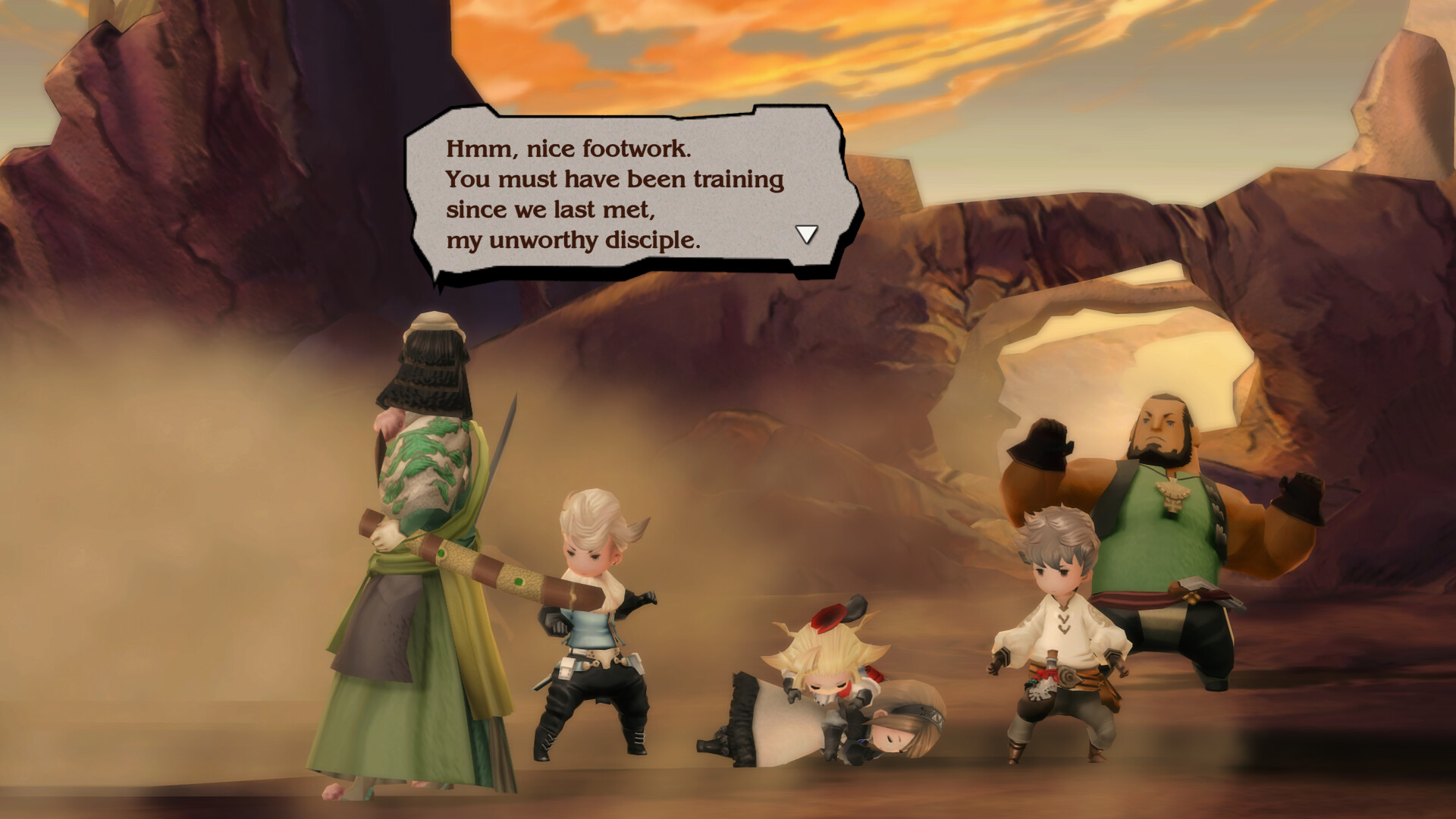
Marching Across Luxendarc
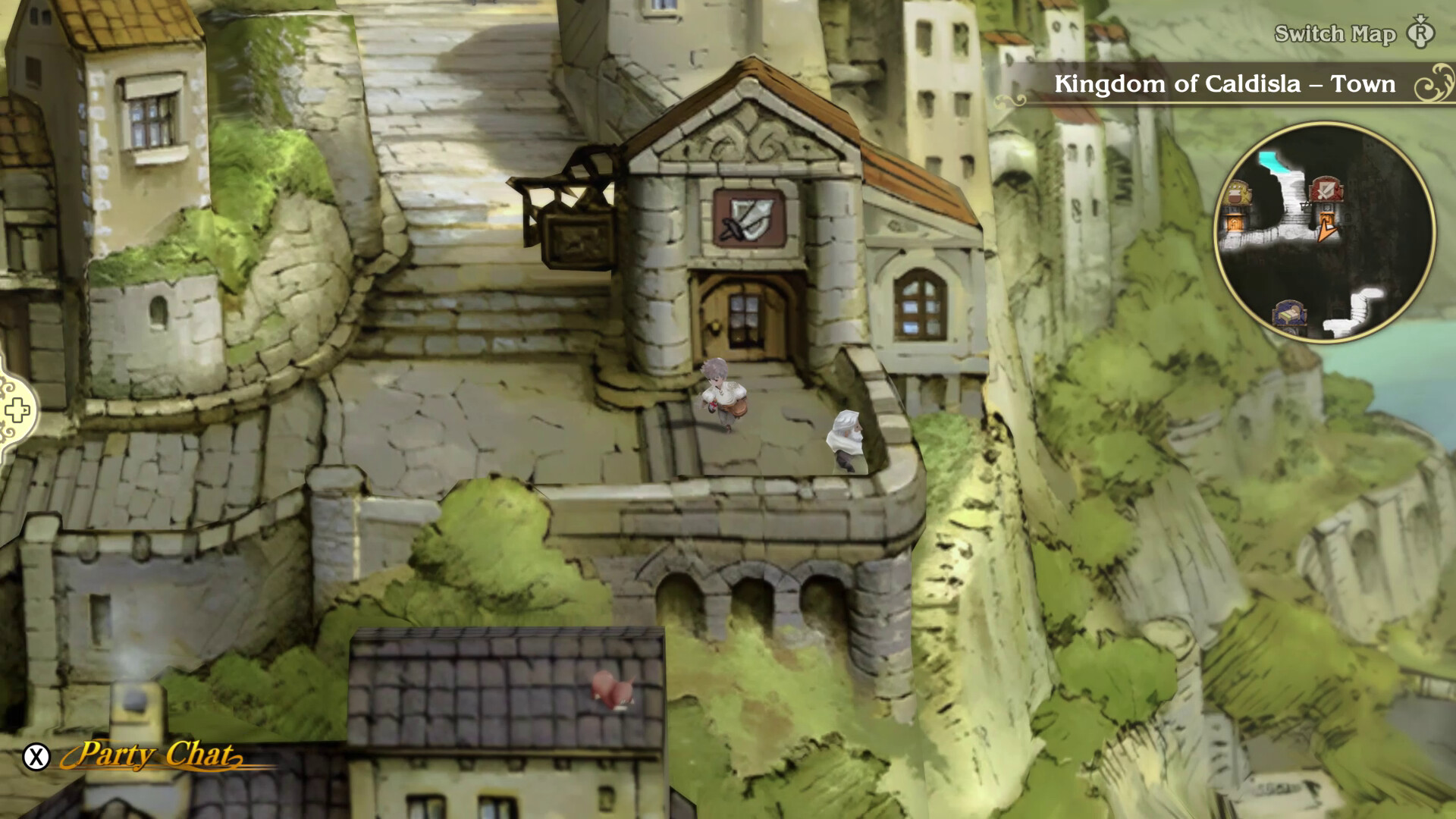
BRAVELY DEFAULT plays like a loving tribute to classic turn-based JRPGs with modern sensibilities. Most of my time was spent exploring towns, uncovering side content and tackling random encounters that often reward clever setups rather than brute force. Combat centers on choosing Brave or Default each turn — spend BP to chain extra actions, or defend to bank BP for later — which turns simple battles into a puzzle of risk and reward. Add more than 20 jobs with their own passives and abilities, and you have a toolbox that encourages experimentation: I built a Glass Cannon White Mage once and laughed maniacally when it worked. The game also gives you options to tune encounter rates, which is a blessing when you need to rush back to town or want to grind a specific boss strategy.
When Jobs Become Obsessions
What sets this remaster apart is how the job system still rewards tinkering. You can mix and match classes to create broken-but-satisfying combos, and the passive learning system means long-term planning pays off. Minigames and QoL tweaks — such as fast-forwarding cutscenes, an updated UI and modern network fixes — make replaying older sections less tedious. The battles remain delightfully deep: boss fights demand pattern recognition, status management and sometimes perfectly timed Brave bursts. I found myself pausing after wins just to admire how a seemingly silly ability combo trivialized a problem I’d been stuck on for hours.
A Look, a Sound and a Few Technical Quirks
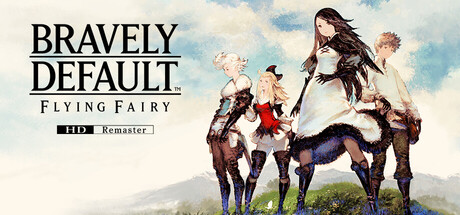
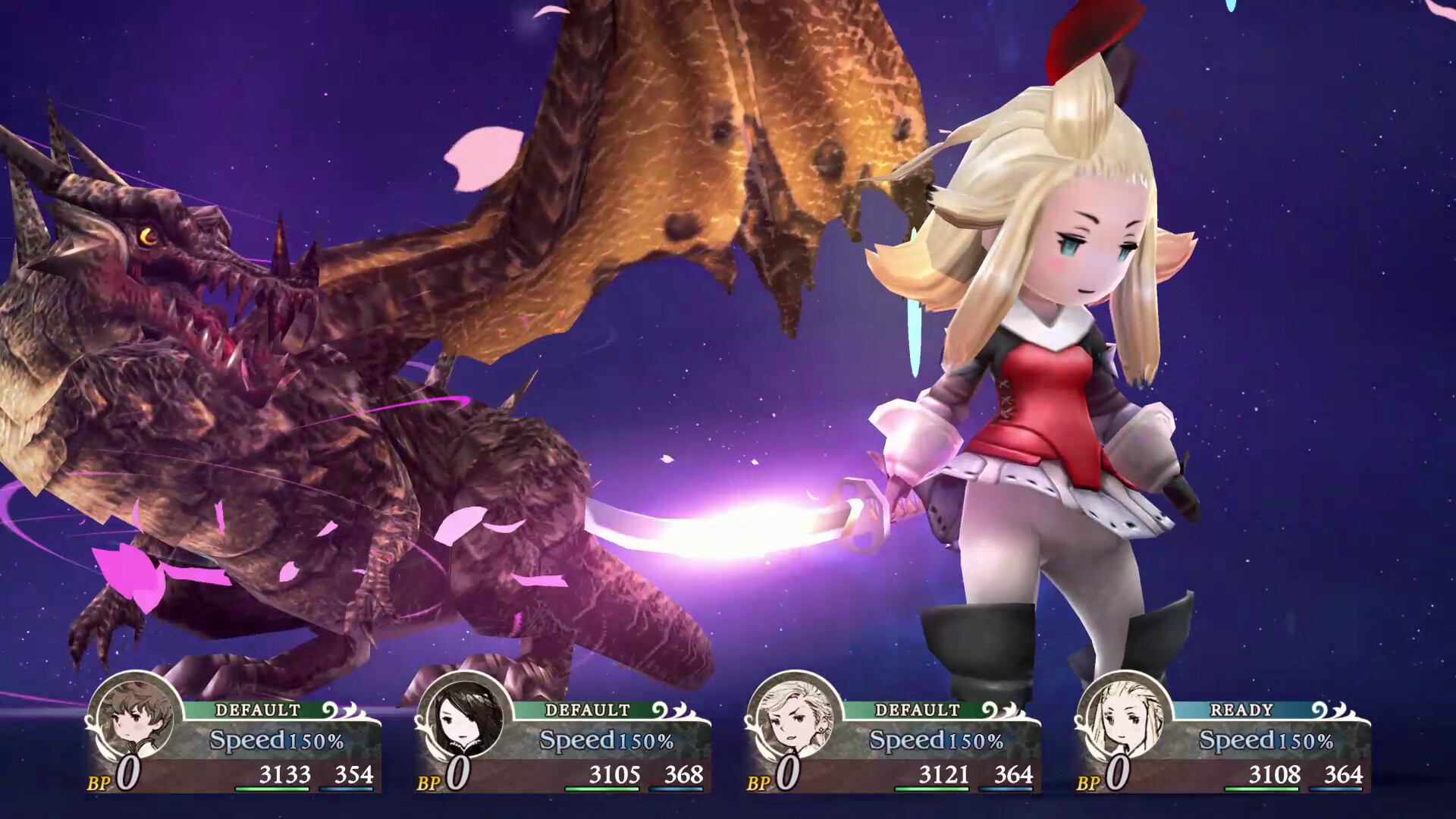
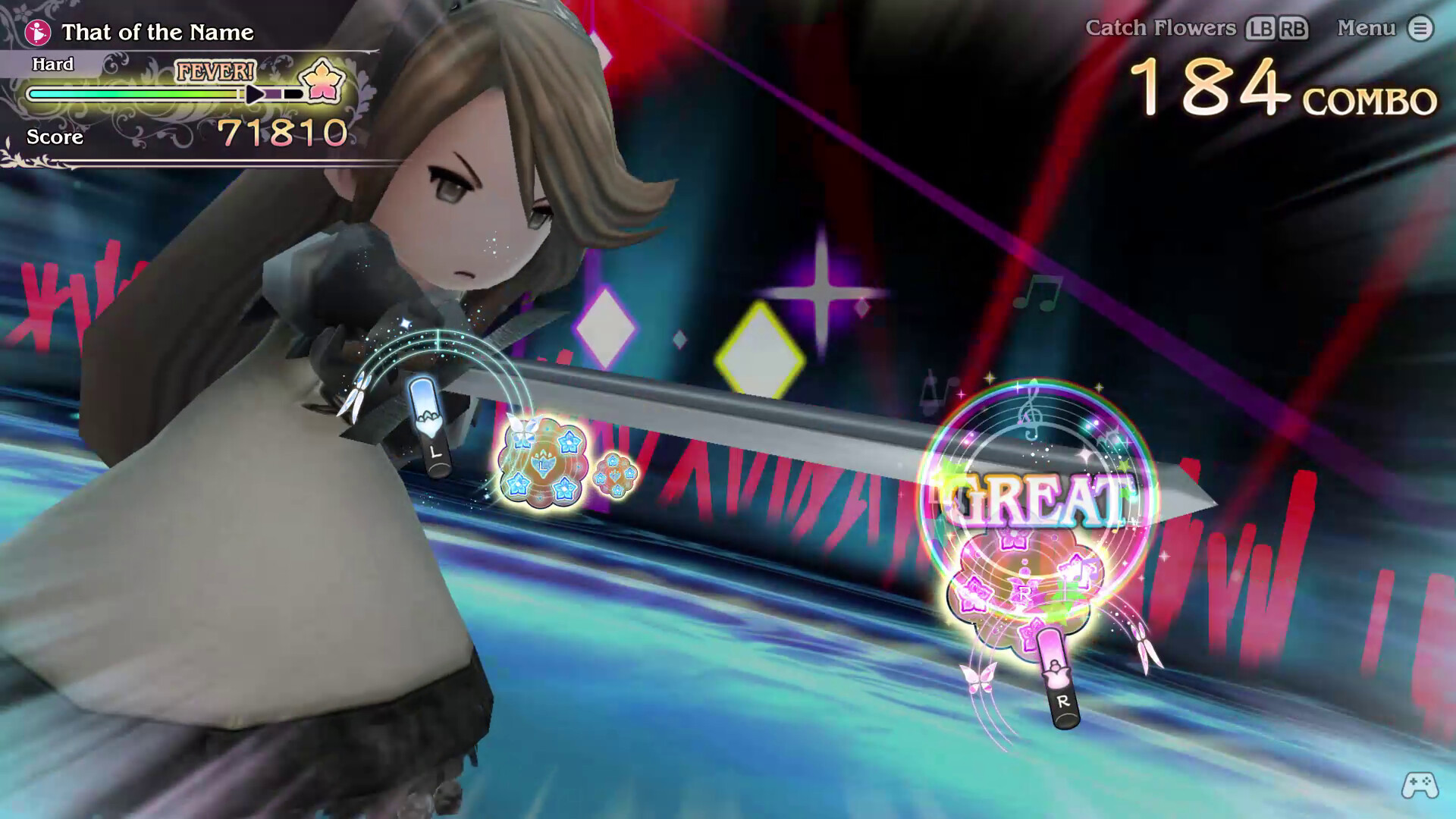
Visually the game is an HD upscaling of the 3DS originals: character art and environments retain Akihiko Yoshida’s distinct style, now cleaner on larger displays, but don’t expect photorealism — textures still carry their handheld-era charm. The soundtrack is a standout; I caught myself replaying tracks outside the game. Performance has been surprisingly good on my rig, but the community is right: uncapped FPS can push GPUs to ridiculous usage (I set a limit after seeing 999+ fps on launch). Some players mention Denuvo and censorship concerns; I couldn’t test every claim but it’s worth being aware of these debates. All told, the remaster modernizes quality-of-life while leaving the gameplay heart intact — with a few port nitpicks you may want to tweak in settings.
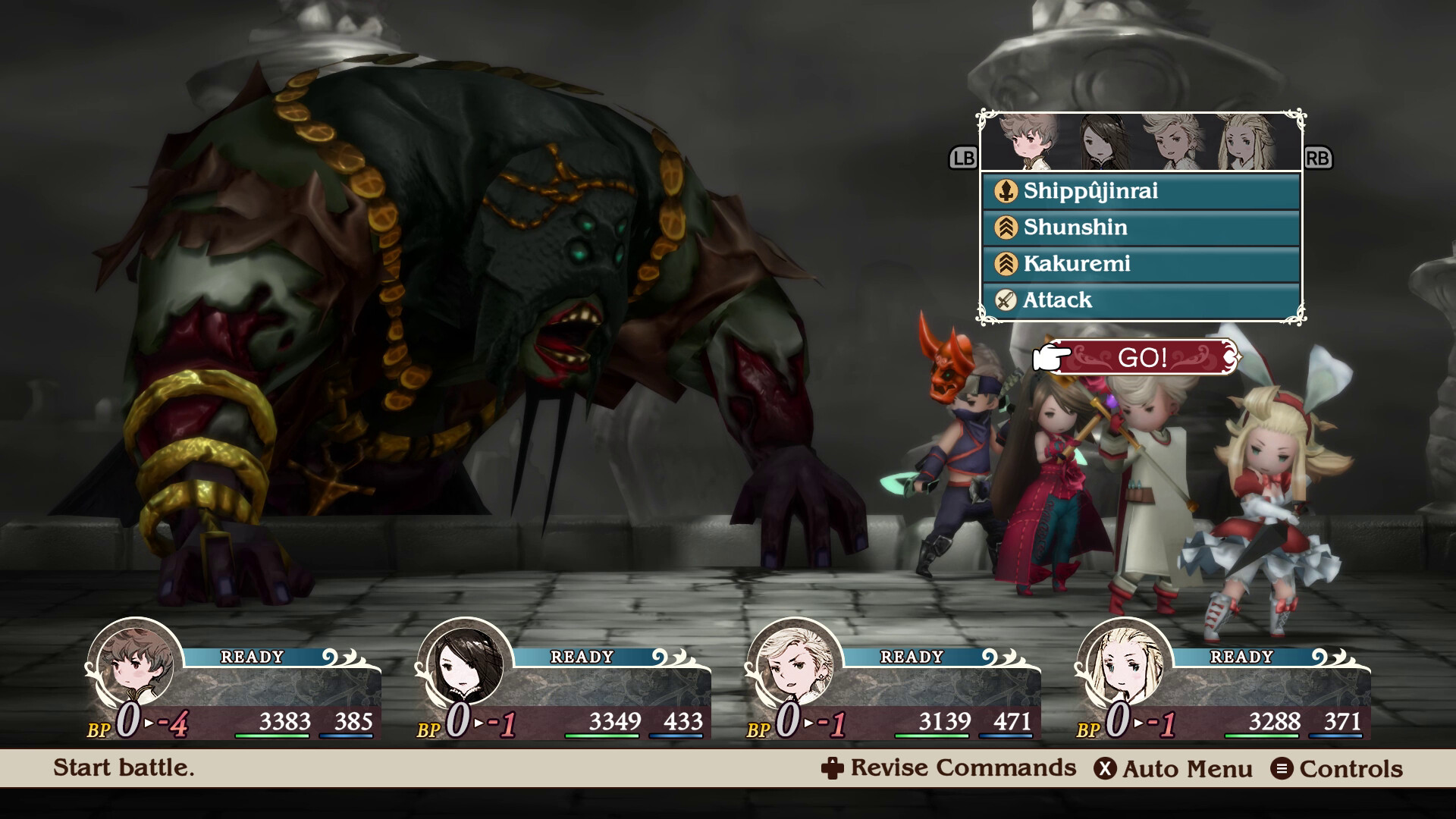
BRAVELY DEFAULT HD is a loving remaster that preserves the original’s best parts: a deep job system, strategic Brave/Default combat and a killer soundtrack. It’s ideal for JRPG fans, series newcomers and anyone who enjoys tinkering with builds — but prepare for a bumpy late act and tweak graphical/FP settings after launch. Recommended for players who want classic RPG depth with modern conveniences.
Pros
- Deep, rewarding job system that encourages experimentation
- Brave/Default mechanic creates tense, strategic battles
- Fantastic soundtrack and Akihiko Yoshida’s signature art
- Modern QoL improvements (fast-forward scenes, updated UI)
Cons
- Late-game pacing and story slump can frustrate some players
- HD upscaling keeps 3DS-era assets visible — not a full visual overhaul
- Uncapped FPS and DRM debates (Denuvo) may worry some users
Player Opinion
Players are overwhelmingly positive: many praise the faithful remastering, the job system and the soundtrack — some even called it a life-long favorite or the best JRPG they’ve played. Common practical notes from reviewers: the port runs very fast (some reported 800–1000+ fps) so cap your FPS to avoid maxing out your GPU. Critics and a few longtime fans point out the uneven second half of the story and warn that certain sequences can feel repetitive or controversial. There’s also chatter about removed or altered content compared to later entries, and questions around DRM and minor port bugs. If you love deep customization and strategic turn-based combat, the community consensus is simple: this is worth your time.