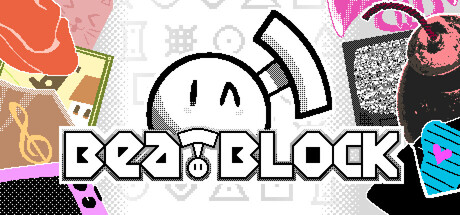



Beatblock Review – Cranky Paddle Rhythm with a Community Beat
A charming, sometimes brutal rhythm game where you smack blocks to the beat as Cranky. Great editor and community charts, but expect a steep difficulty curve and some early-access quirks.
I wasn’t expecting to fall for a paddle-based rhythm game, but Beatblock sneakily made me care about tiny blocks and big beats. It feels like a mash-up of classic rhythm timing and bullet-hell choreography, with Cranky—your awkward paddle-wielding avatar—center stage. The Atom Map guides you from a gentle intro to brutal challenge tracks, and the in-game editor promises near-endless replay value thanks to a creative community. If you like rhythm games that teach you by punishing you (in a mostly fair way), this one’s worth a look.
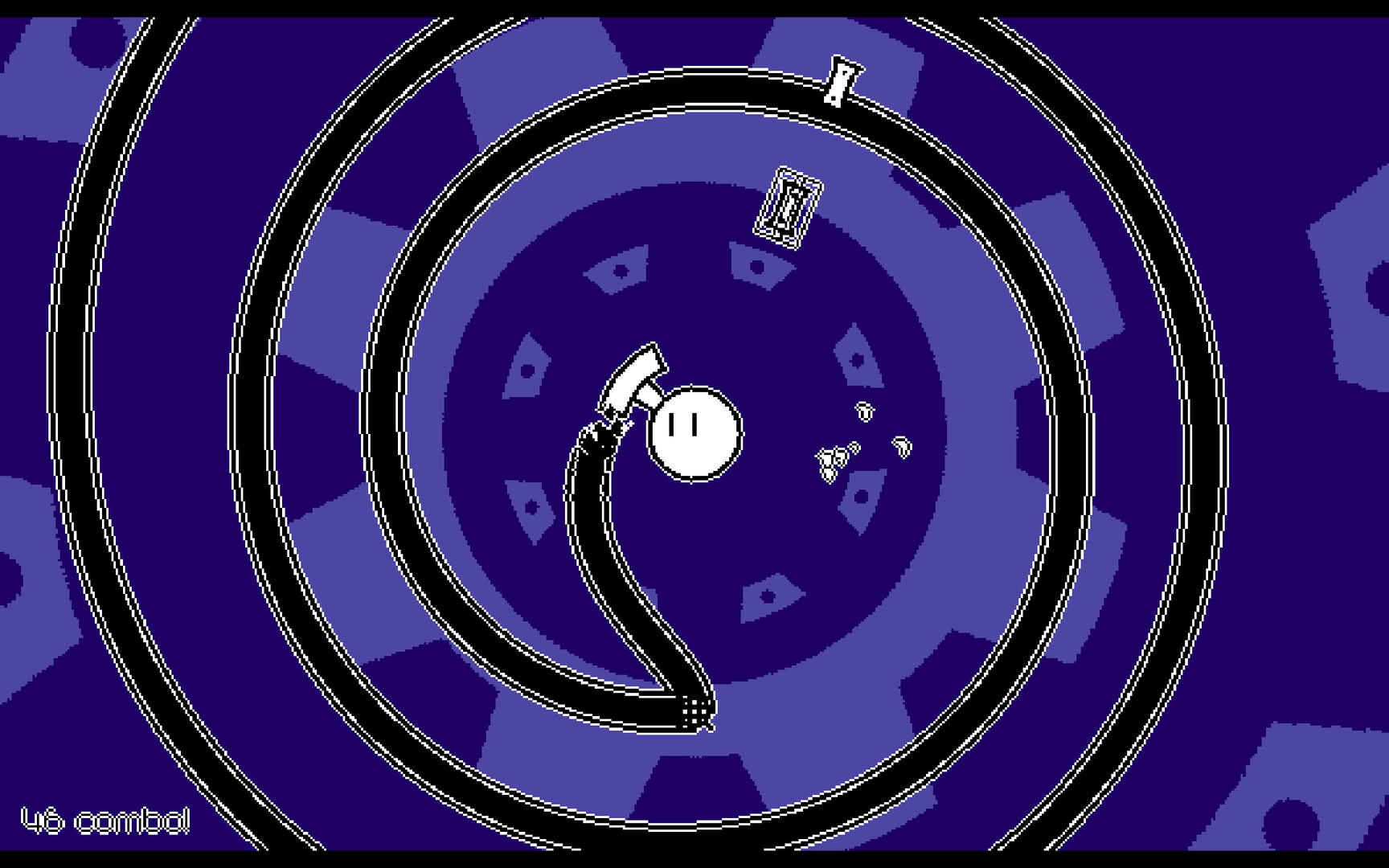
Twisting Through the Beat
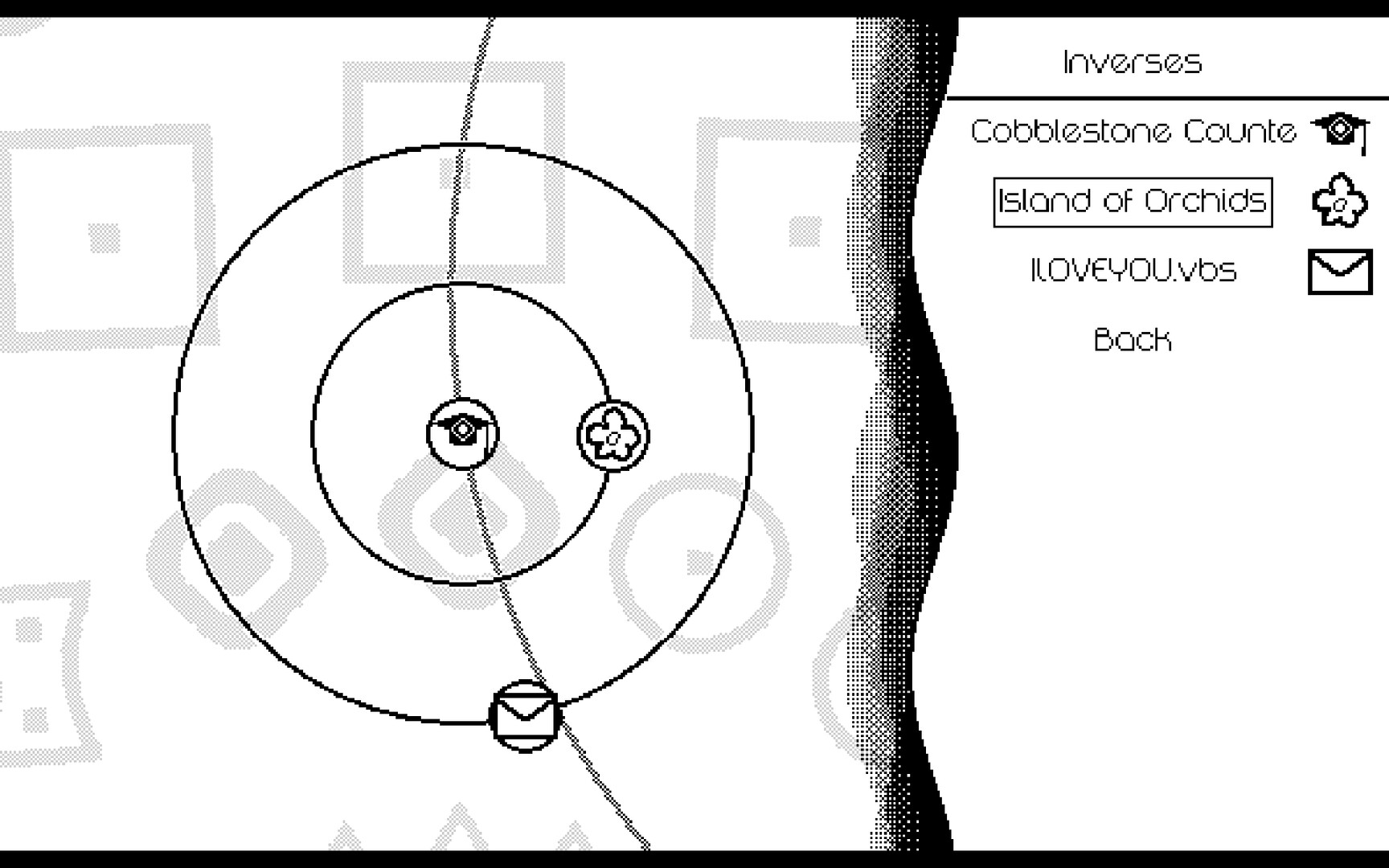
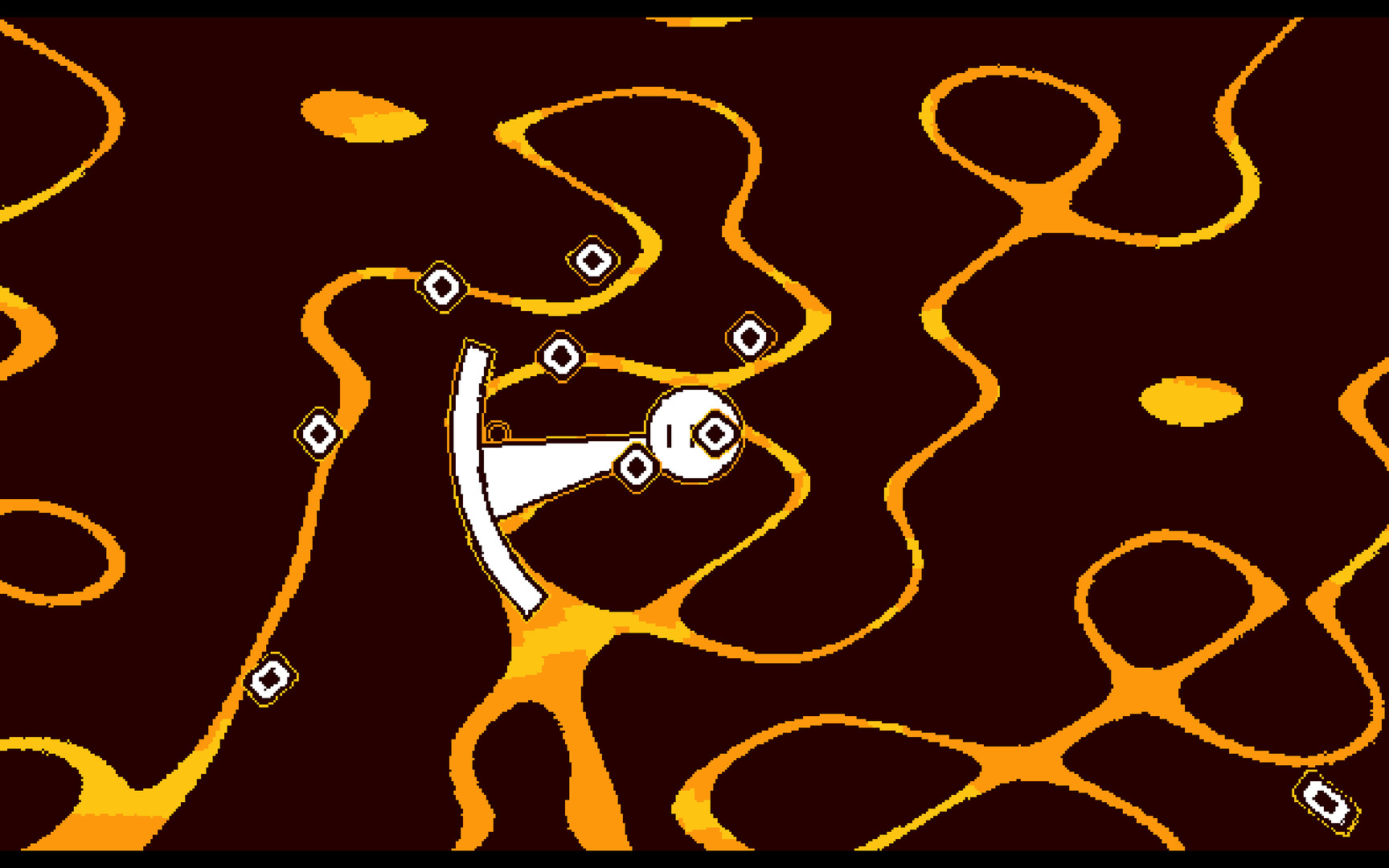
At its core, Beatblock is gloriously simple: you move Cranky’s paddle to hit blocks as they arrive on the beat. The controls are delightfully mouse-centric by default—flicks, drags and steady holds feel tactile, and there’s a real satisfaction in chaining a clean section. Each song has unique visual flair and pacing: some levels are chill grooves, others are manic sight-and-react tests that flirt with bullet-hell intensity. The Atom Map structures progression nicely, starting you off with the Intro and easing you into four different block types before throwing combinations at you in Challenges. There’s also a Marathon mode for endurance runs, which is surprisingly tense after the fifteenth track in a row.
When Charts Become a Playground
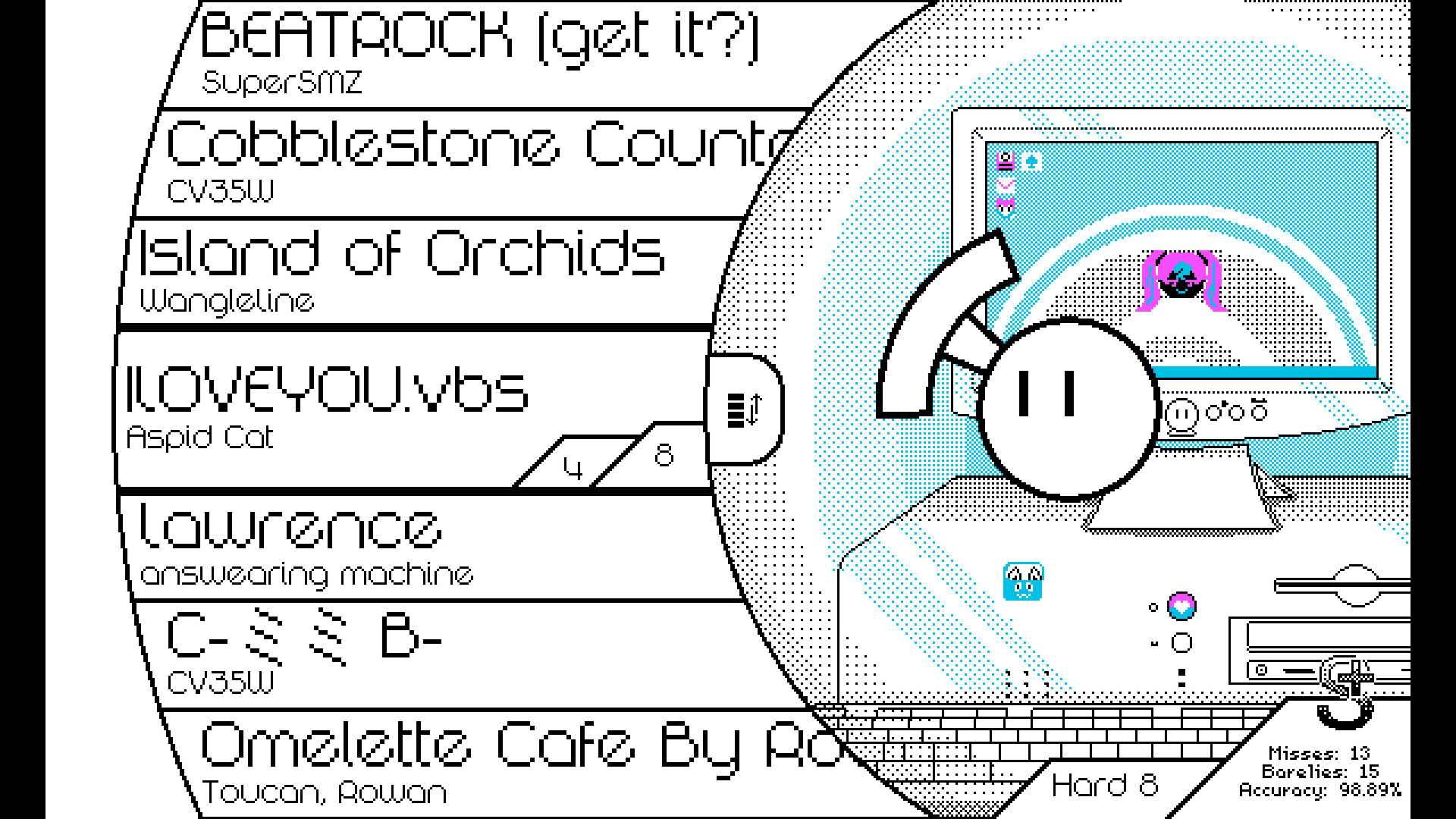
What makes Beatblock stand out is how it hands the keys to the community: the built-in level editor is the same tool the devs use, so custom charts are rarely half-baked. I spent more time than I’d admit testing community charts that range from clever and musical to utterly chaotic. The variety of block types (and the ways they can be layered) means creators can sculpt rhythm puzzles that reward pattern recognition, speed, or pure reflex. Unlockable costumes for Cranky add a wink of personality, and the promise of 40+ songs post-updates means the basegame is only the start. Workshop support makes this feel less like a finished product and more like a living platform for charting experiments.
A Soundtrack That Pushes and a Look That Pops
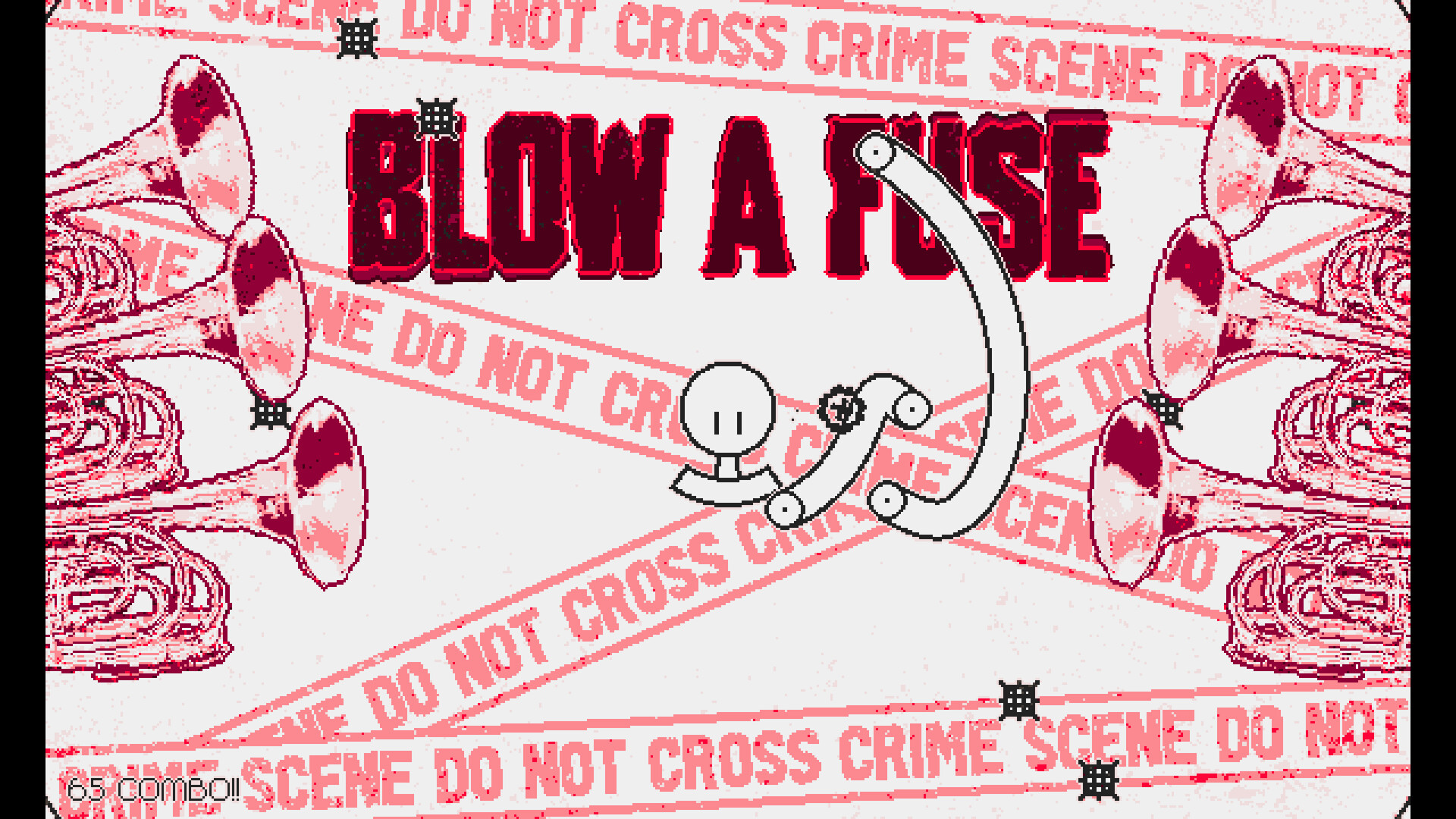
Visually, Beatblock leans into pixel and neon aesthetics with each song getting its bespoke backdrop—sometimes stylish, sometimes deliberately annoying (I mean that lovingly). The audio design is tight: hit sounds and musical cues emphasize timing, but beware—tinkering with audio files can break things, as some players found. Performance is excellent even on low-end machines, which I validated on an old laptop where the game still ran smoothly. Accessibility options are present (thankfully), but there are legitimate warnings from players about intense visual effects and epilepsy concerns in some custom levels. Controller support exists but can require fiddly setup for full D-pad/joystick mapping; for me, the mouse felt like the right natural fit.
Beatblock is a lovable, occasionally vicious rhythm game that rewards practice and community involvement. It’s ideal for players who enjoy precise timing, creative custom charts, and a bit of a challenge—less so for absolute beginners or those sensitive to heavy visuals. With a powerful editor and active workshop, this Early Access gem already offers hours of content, and I’m excited to see how it grows.
Pros
- Satisfying, tactile mouse-based rhythm controls
- Robust level editor and thriving community workshop
- Runs well on low-end hardware and has personality
- Clear progression via Atom Map and varied block types
Cons
- Steep difficulty spike for some tracks; not beginner-friendly
- Early-access rough edges: audio tinkering can break the game
- Some custom levels have intense visuals—epilepsy warning needed
Player Opinion
Players consistently praise Beatblock’s core mechanics and level design: many say the base songs are well-charted and satisfying to perfect, and the mouse controls are unexpectedly addictive. The community and workshop receive almost unanimous love—custom charts keep the game fresh long after the base content. Criticism focuses on difficulty (several reviews call it very hard) and early-access issues: a fussy audio offset/calibrator and occasional bugs, plus complaints about unclear modding steps for custom music. Accessibility and visual intensity are recurring concerns—some users explicitly warn epileptic players—while performance on low-end PCs is frequently lauded. If you enjoy games with a steep learning curve but rich community content, the player consensus is: grab it and join the Discord.