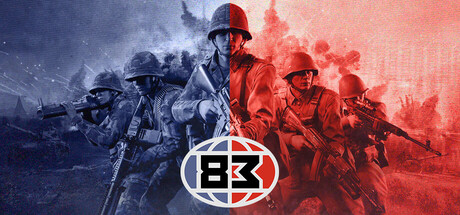




'83 Review – Cold War Chaos with Rising Storm Vibes
I jumped into '83 at launch: a passionate, rough-around-the-edges tactical shooter that channels Rising Storm DNA—great gunplay and vehicles, but early-access bugs, uneven audio and UE5 quirks hold it back.
I’ve waited years for a Cold War successor to Rising Storm and '83 finally landed. It aims for accessible realism: 40v40 matches, tanks, squads, and a commander meta that nudges teamwork. What you get is a game with real heart — and plenty of rough edges. If you loved RS2’s tense firefights, parts of '83 will feel familiar; other parts will make you sigh at UE5 hiccups, missing ambiance and clunky animations.
Assault on the Fulda Gap (and Everywhere Else)
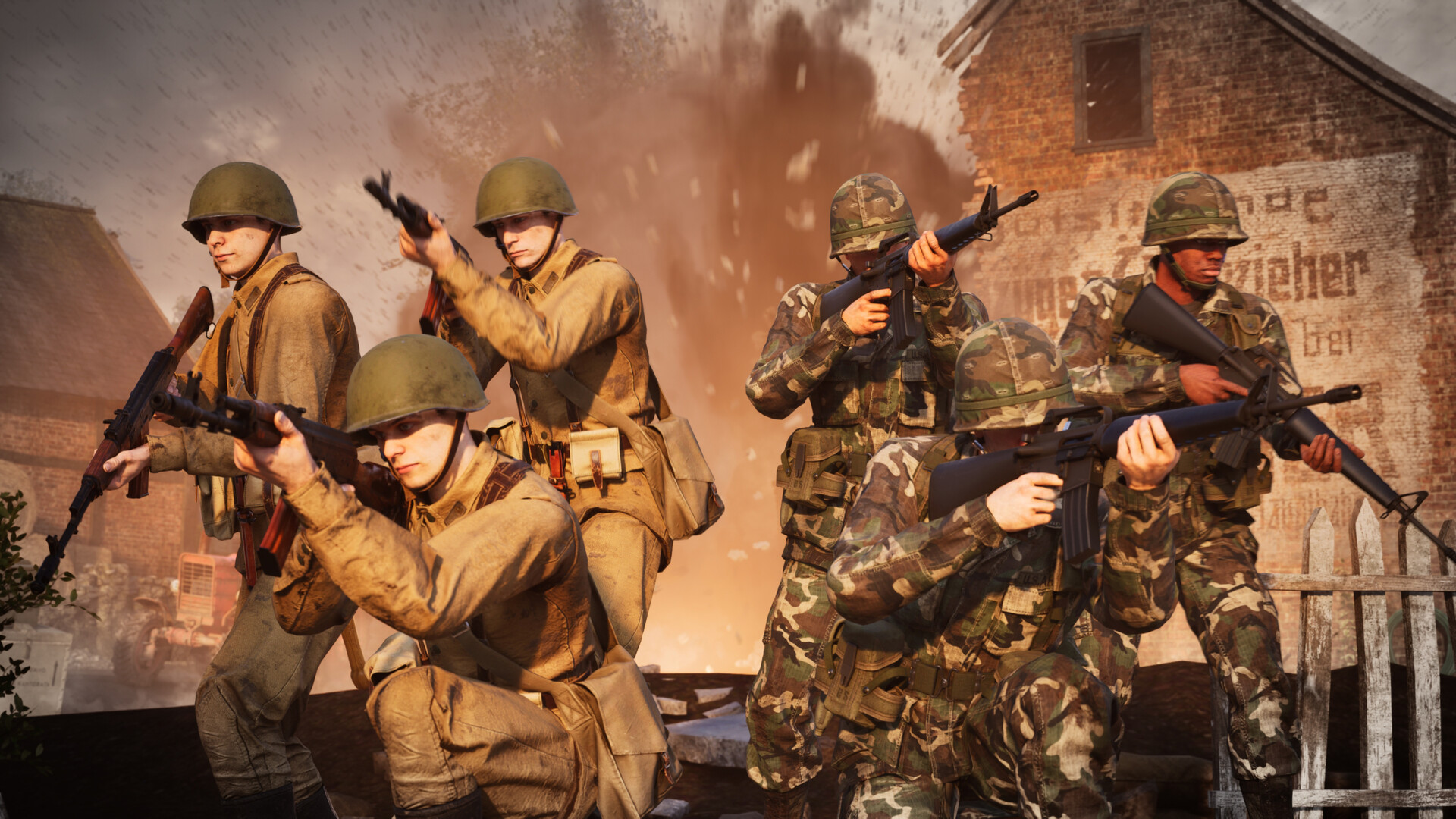
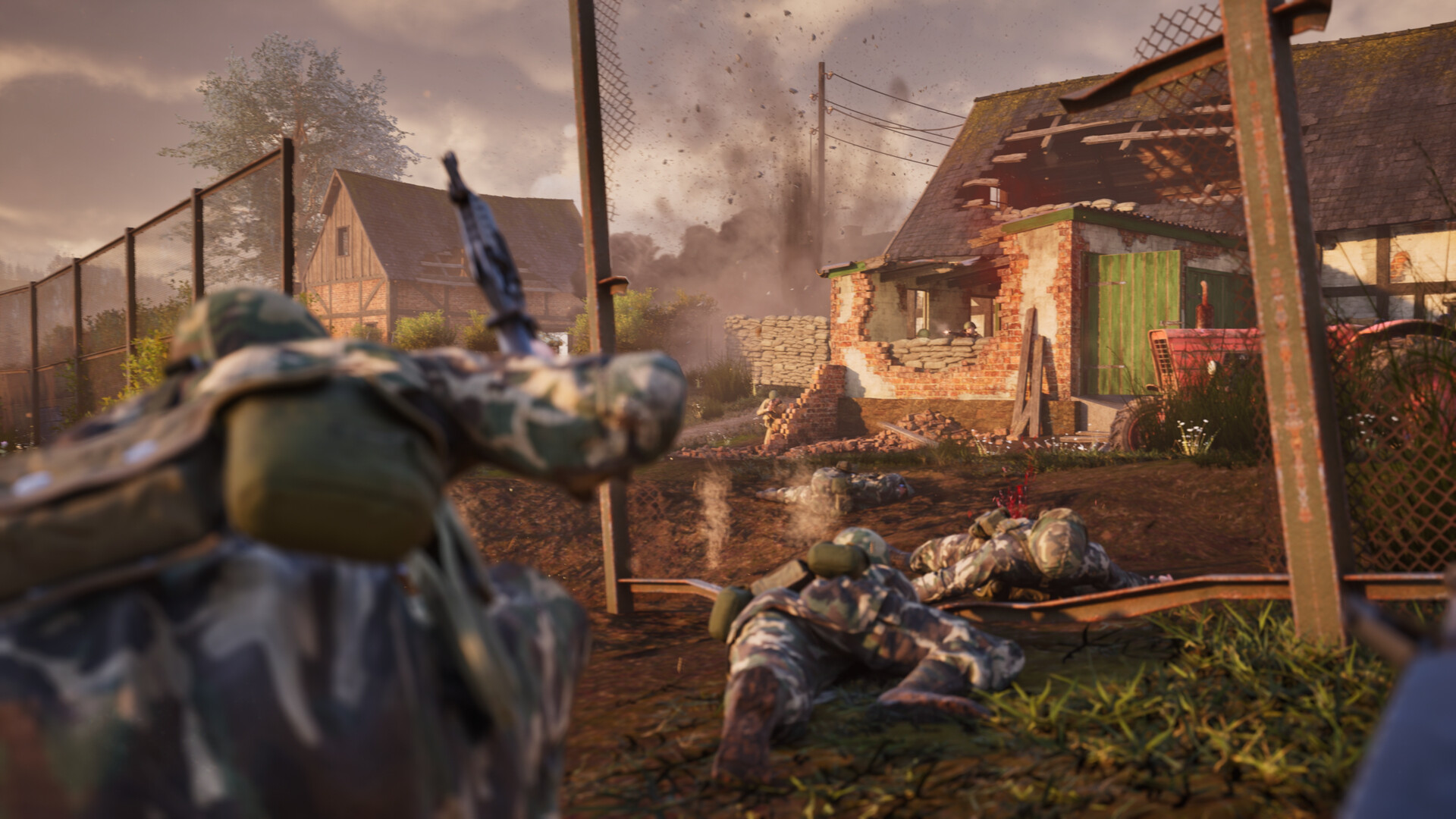
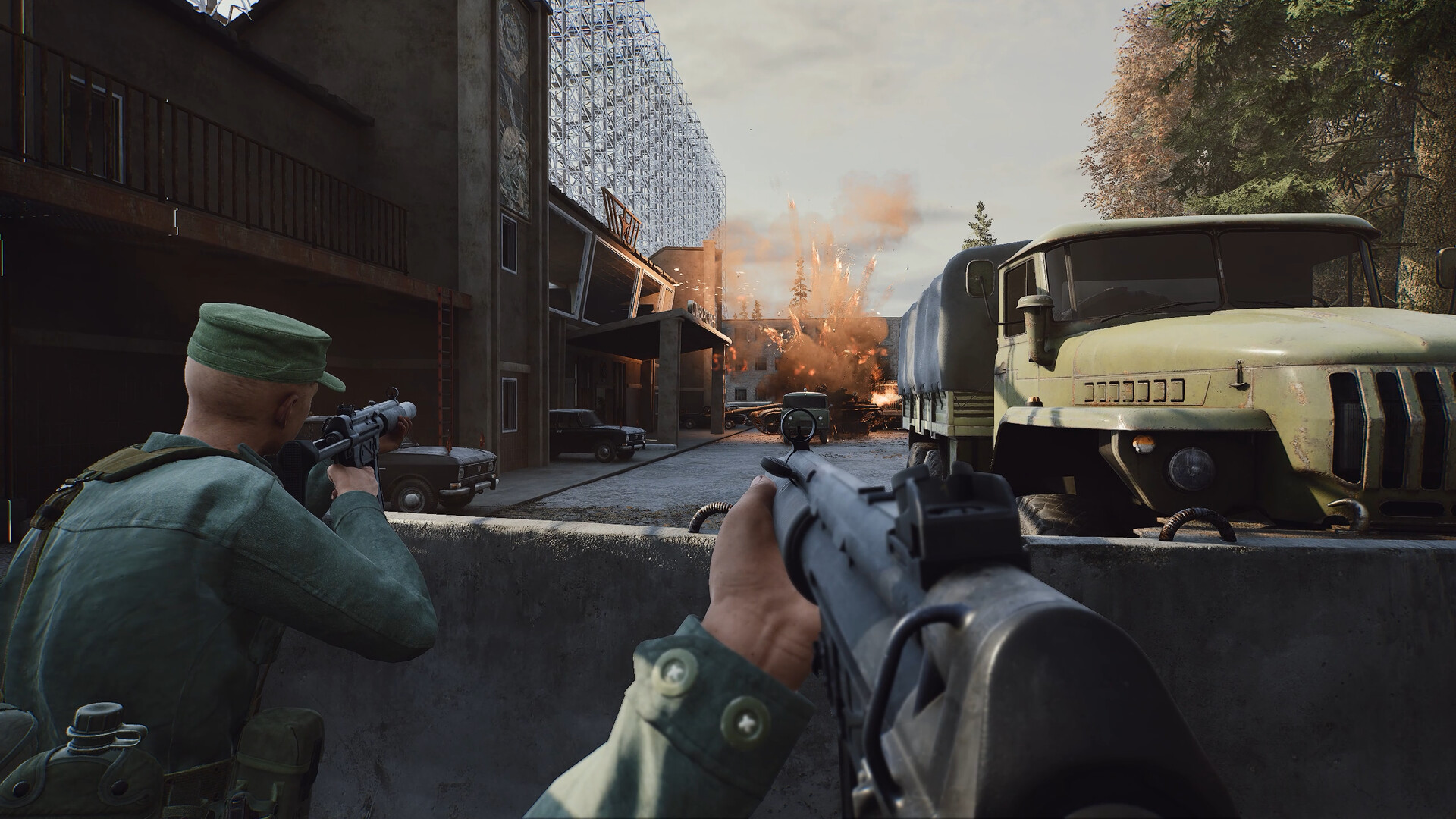
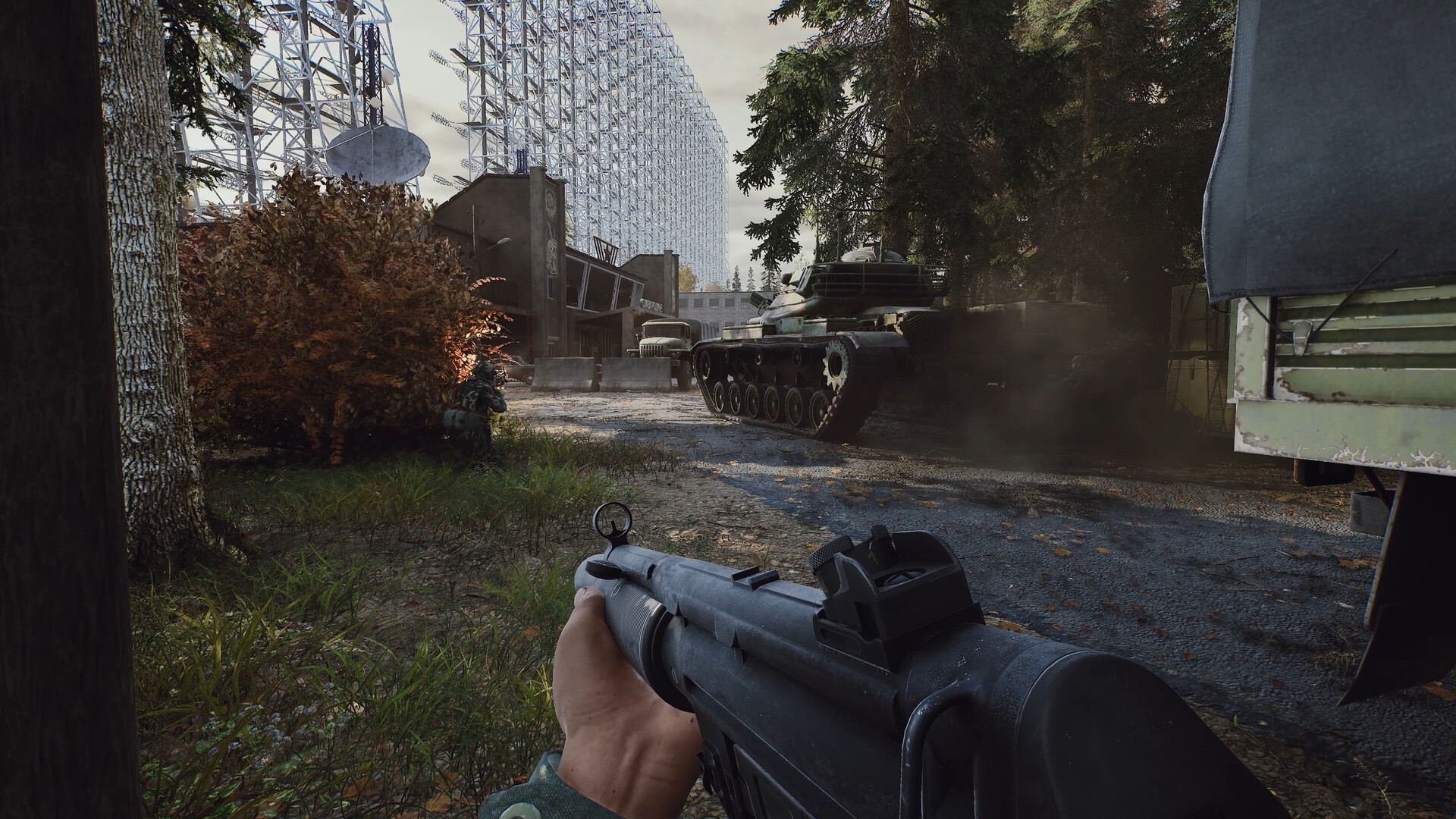
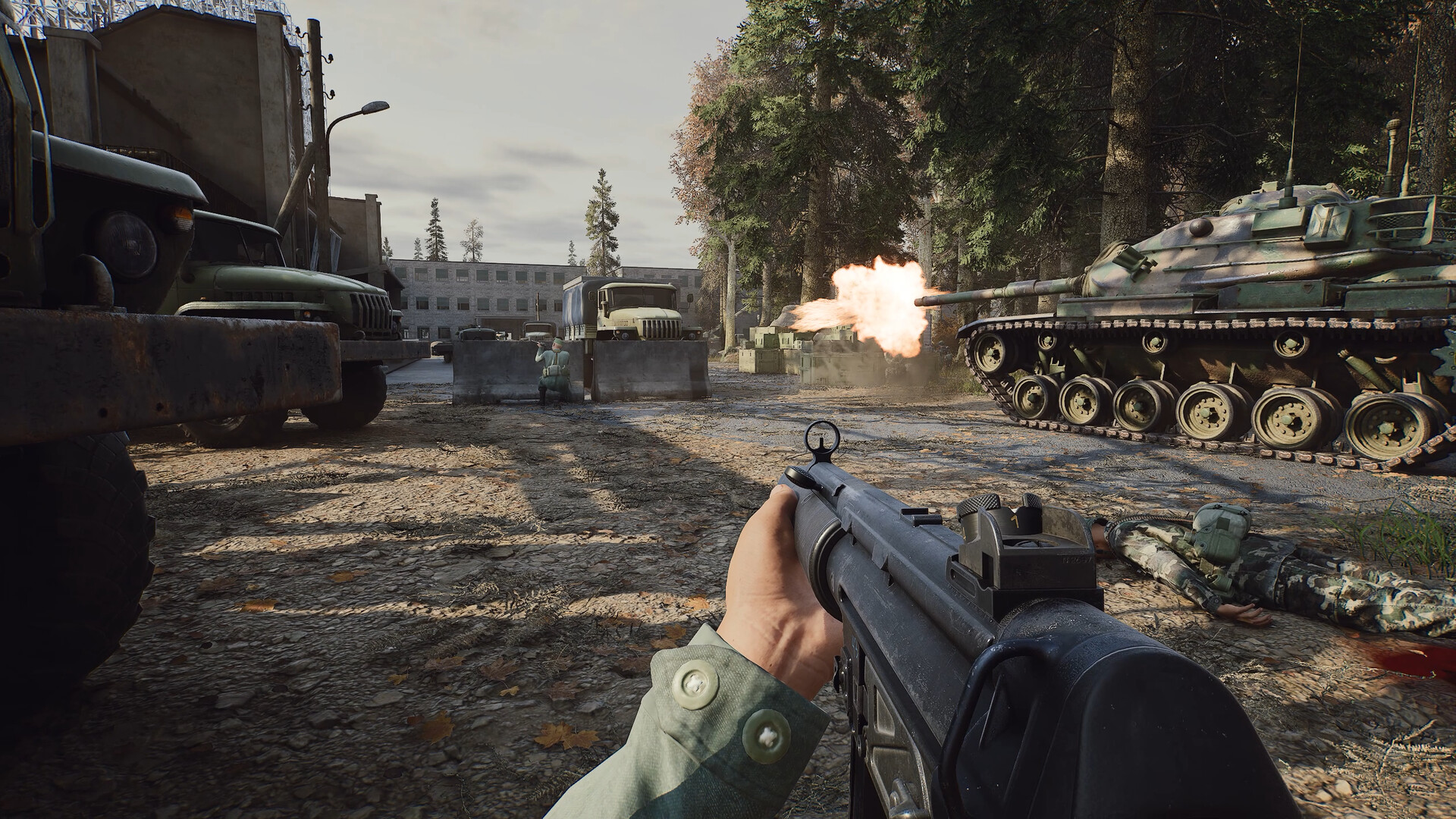
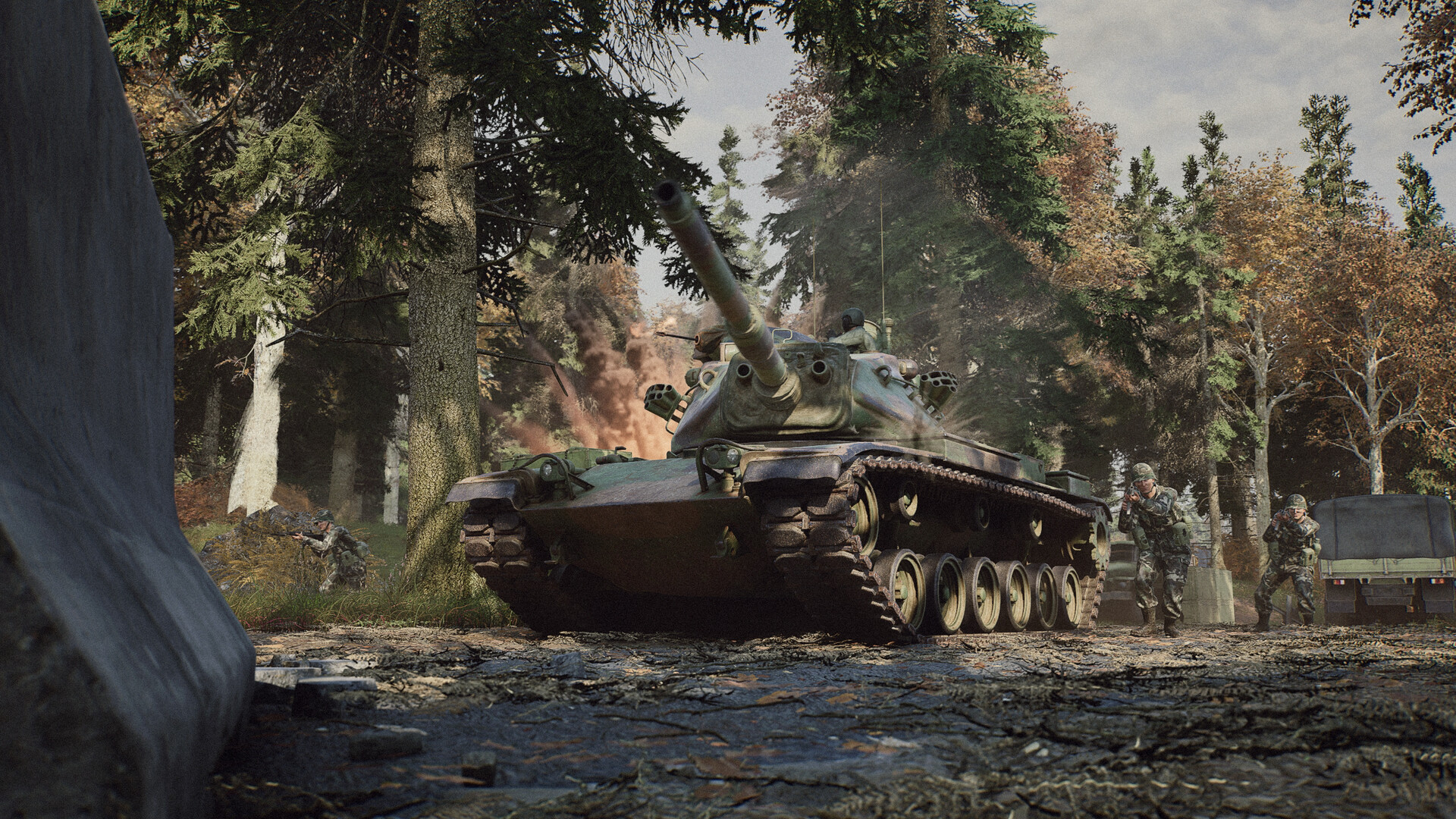
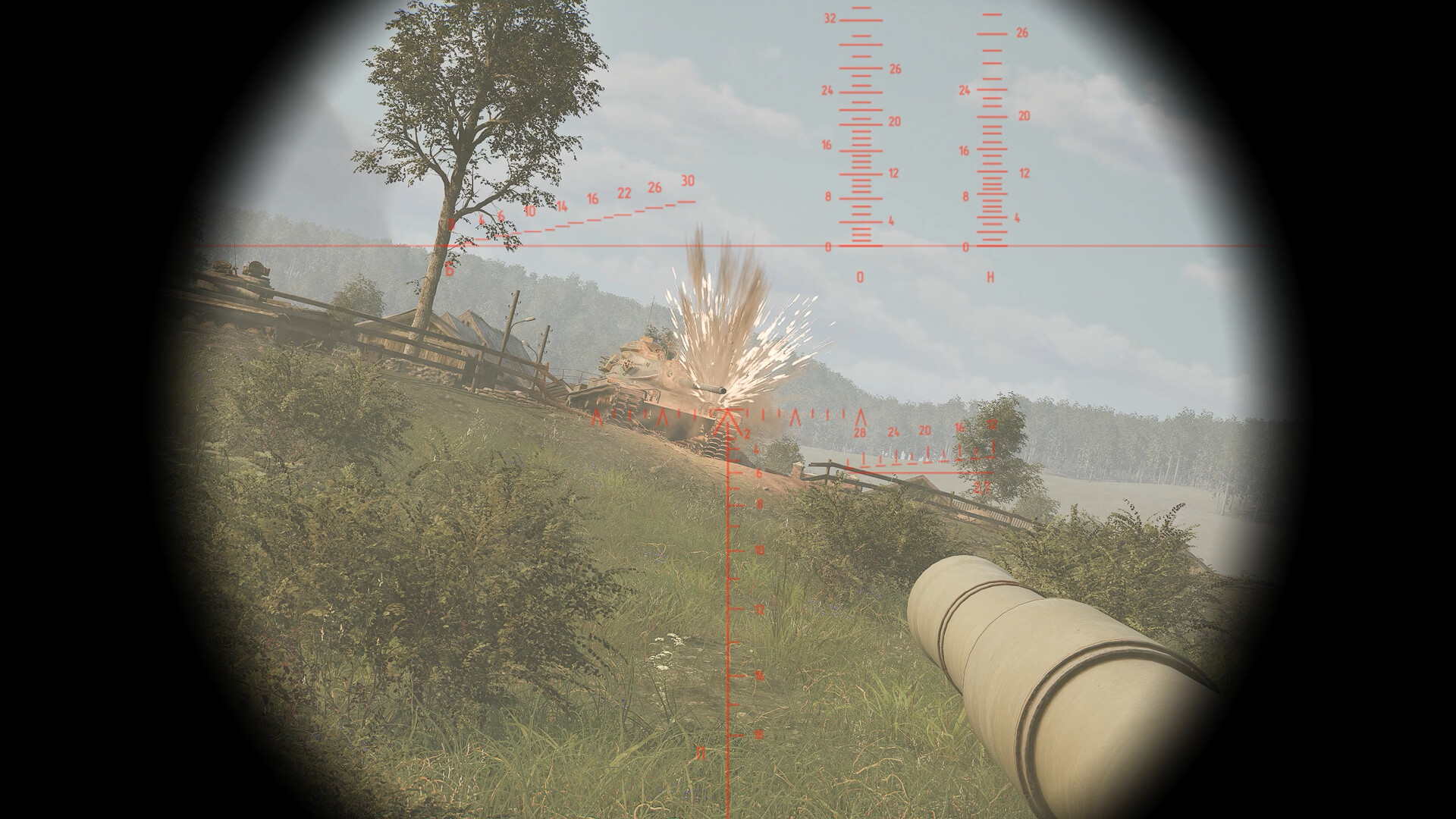
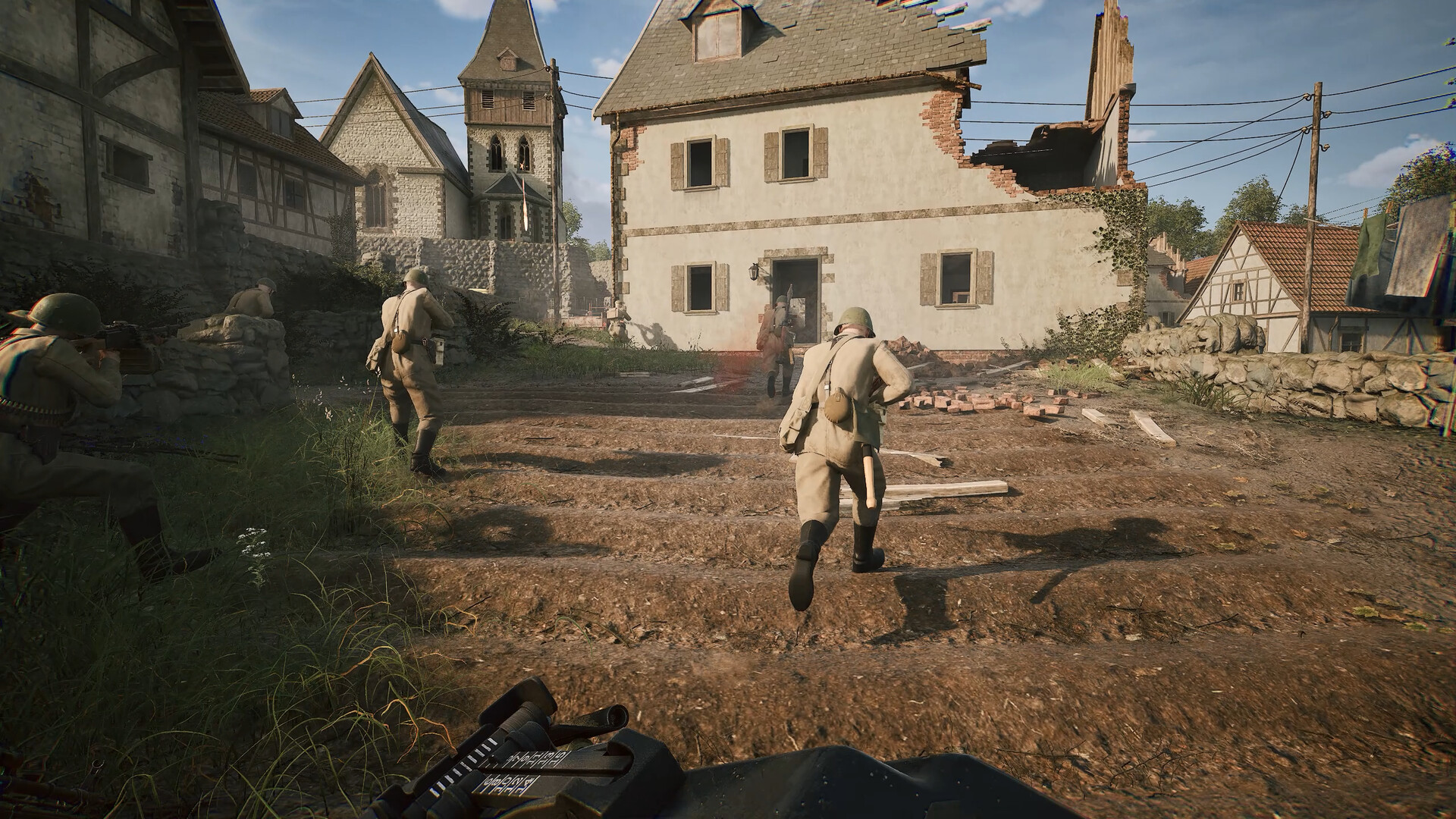
Matches in '83 throw you straight into objective-driven 40v40 combat that typically runs 30–40 minutes, which is a blessing if you don’t want to live in a mil-sim’s lobby forever. I spent most rounds as a rifleman and occasional squad leader; gameplay is a mix of measured advances, flanking and sudden meat-grinder clashes. The shooter leans toward "accessible realism": bullets are lethal, weapon handling feels weighty at times, and suppression/sway add teeth to engagements without forcing simulation-level complexity. Respawns are quick so the flow never stalls, but that same quick-restart sometimes saps consequence—dying can feel less dramatic than it should. Vehicles and tanks are huge fun on the right maps; I’ve had matches where a well-timed tank flank or an artillery fire-mission turned the tide.
When Commanders Play Chess (and Sometimes Mess It Up)
A neat twist is the RTS-like commander layer: fire missions, artillery and strategic choices matter. I loved the moments when a coordinated creeping barrage opened a path for my squad, or when a commander’s mistake left us pinned. It gives matches a larger arc beyond walk-and-gun, and the interaction between squad-level tactics and TL-level abilities creates memorable clutch plays. That said, current tools feel rough around the edges—artillery can be inconsistent according to players, and UI clutter sometimes makes calling in assets awkward. If the devs polish the commander UX, this could become a real strategic highlight.
Fragile Beauty: Graphics, Sound and the UE5 Hangover
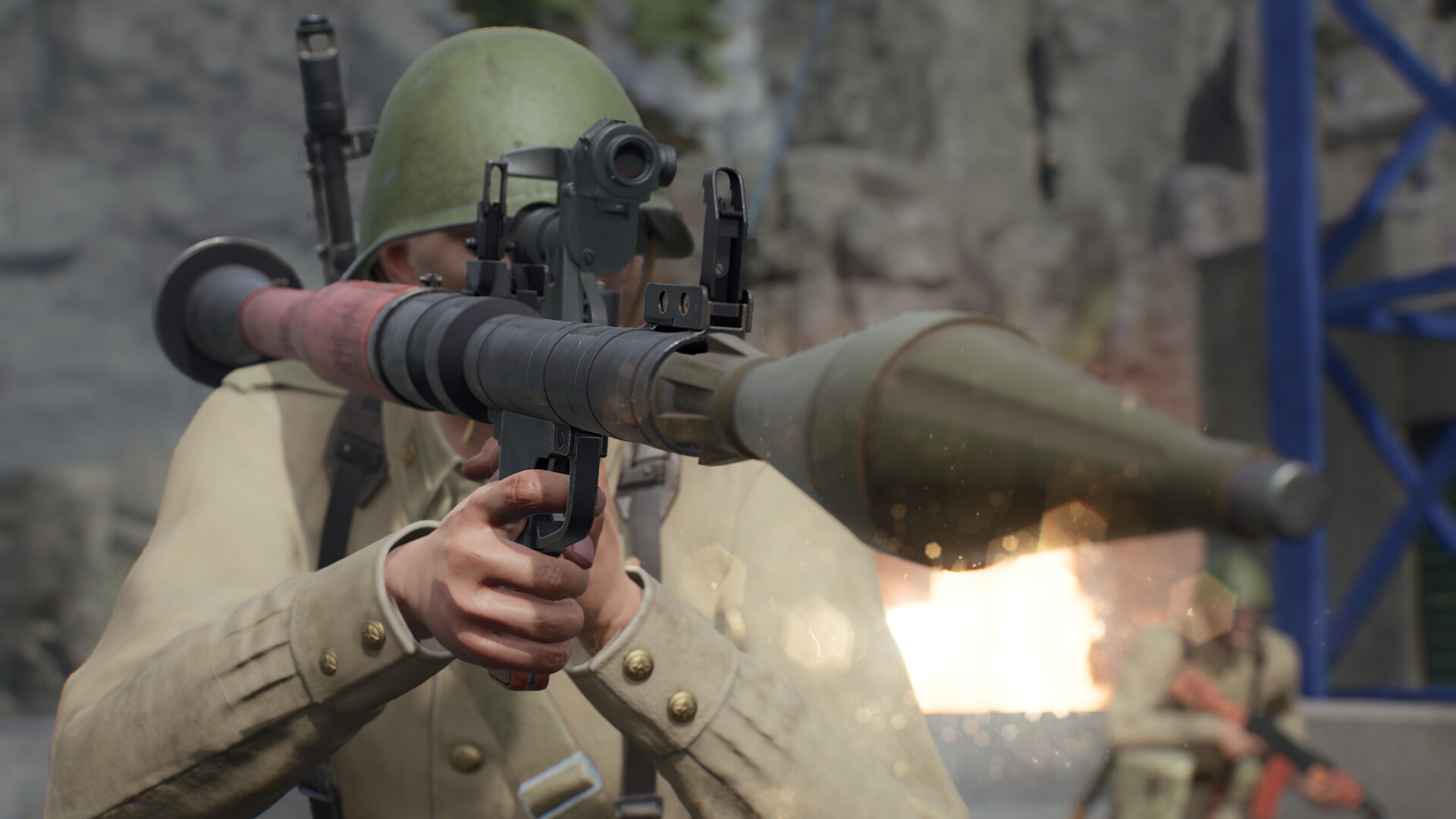
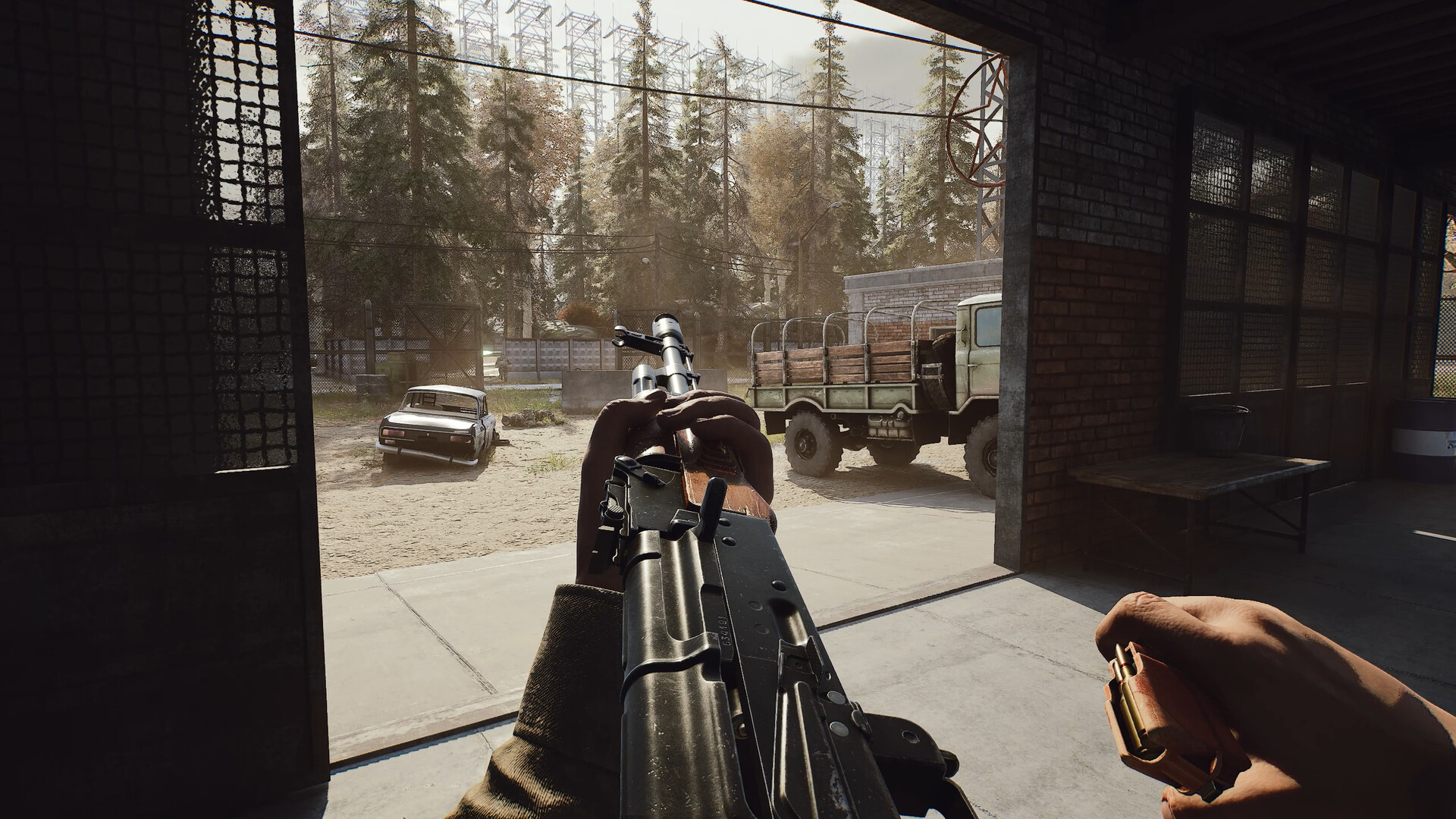
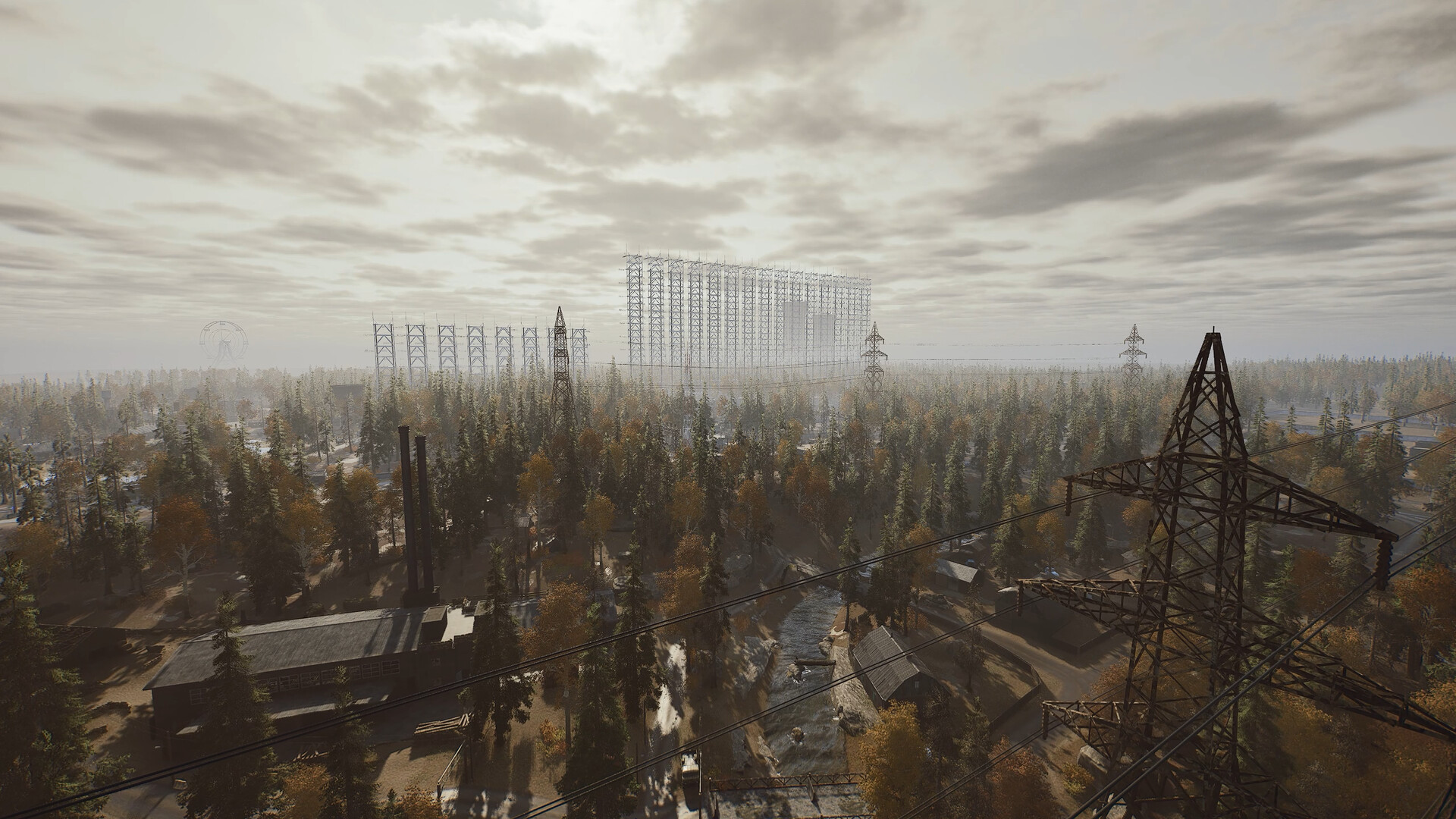
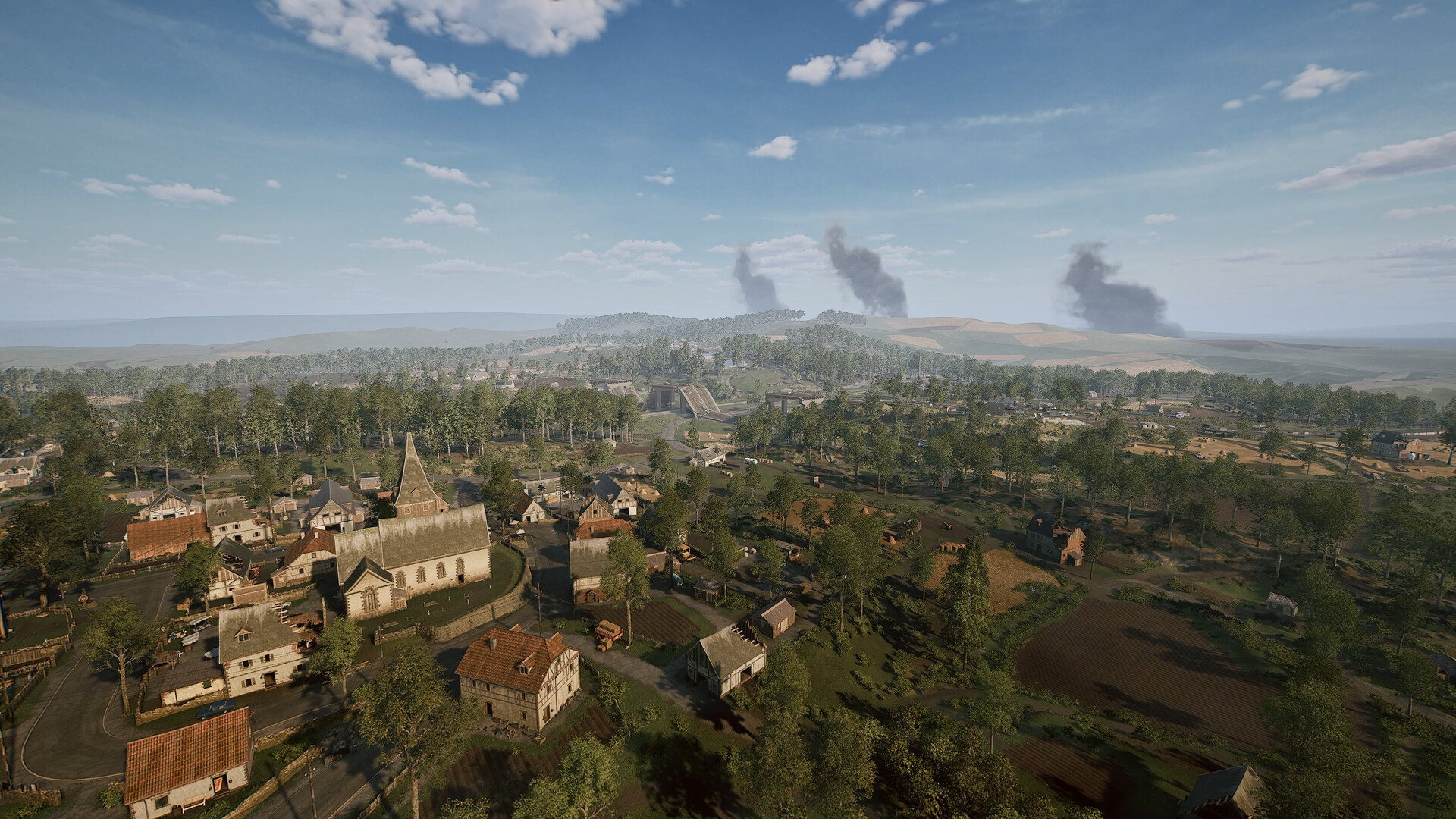
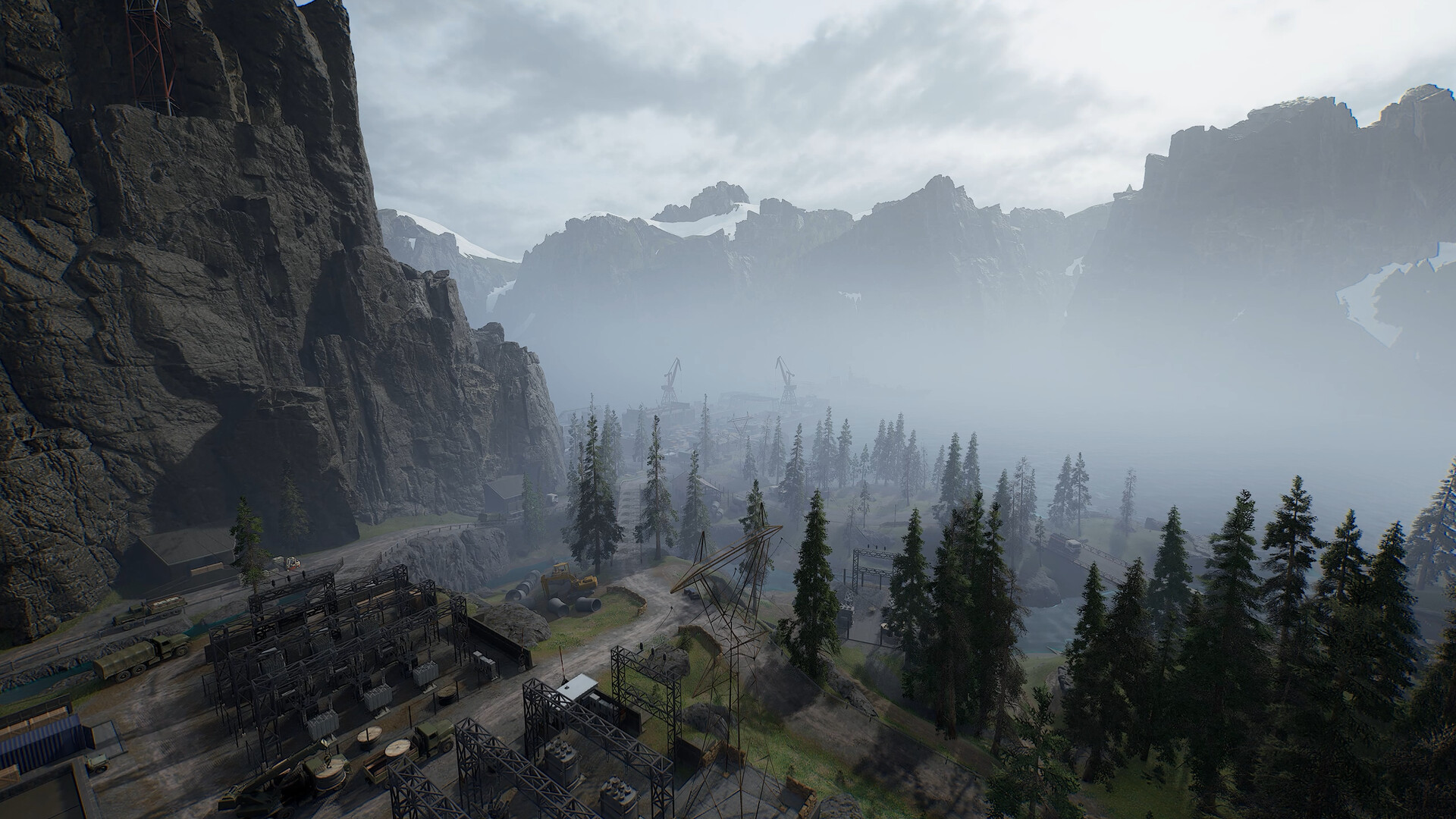
Visually '83 sits in an odd place: there are strong models and detailed tanks, but environments sometimes feel plasticky and sterile — far from the gritty grime RS2 nailed. UE5 brings nice lighting at times, yet also introduces blur/smudge effects and pop-in that break immersion for me. Sound is a mixed bag: gun impacts and tank noises land, but voicework and ambience lack the dark, oppressive atmosphere some veterans crave. Performance varies wildly by user reports; I personally saw smooth runs but also experienced rubberbanding and occasional hit-registration oddities on populated servers. Animations (vaulting, prone, reloads) are functional but jittery; fixing those would dramatically improve the game's feel.
Loadouts, Guns and the Little Things That Matter
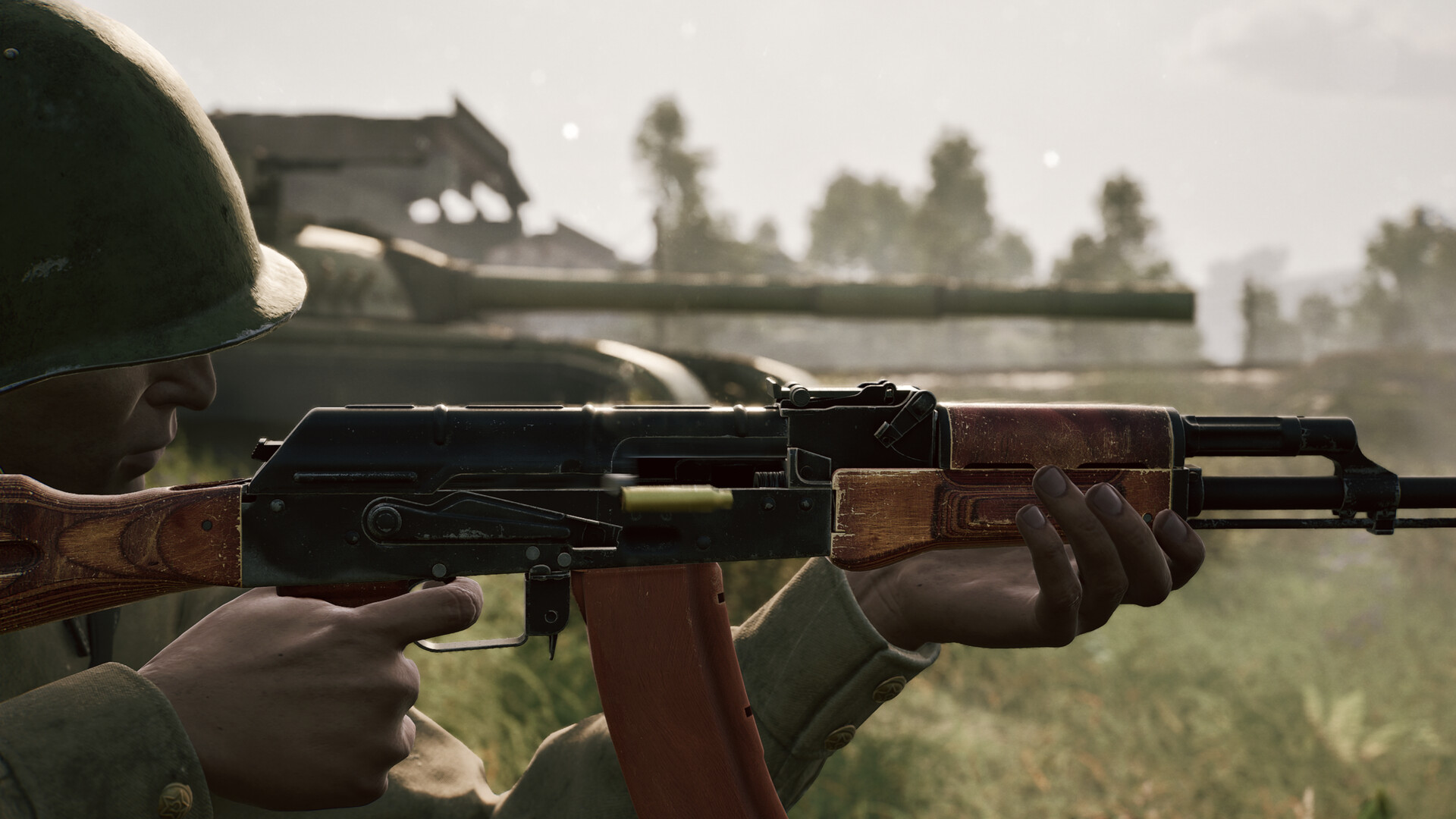
Loadout design respects classes and keeps gear-choice meaningful without creating crippling "gear fear." The arsenal is era-authentic and feels satisfying: the M16s, AKs, LMGs and the heavier rifles each have a role. Some weapons need tuning — a few rifles feel too light for their caliber — but the base ballistics system rewards aim and positioning. I also appreciate mechanical touches like barrel overheating and realistic MG deployment. Yet the current weapon variety and animation polish are limited compared to RS2 at its best; more unique attachments, fleshier sound design and heavier recoil modeling would make fights sing.
The Social Layer: Squads, VOIP and Community
Playing in a vocal squad makes '83 click: when people communicate and the commander plays well, matches are electric. Sadly, not all servers are populated by team players, and the enforced fast respawn can sometimes encourage lone-wolf behavior. Server stability and community-hosted servers vary; Nitrado usage raised eyebrows in the community. Still, there’s a passionate player base and many reviewers already praise the developers’ roadmap and engagement — a good sign for future growth.
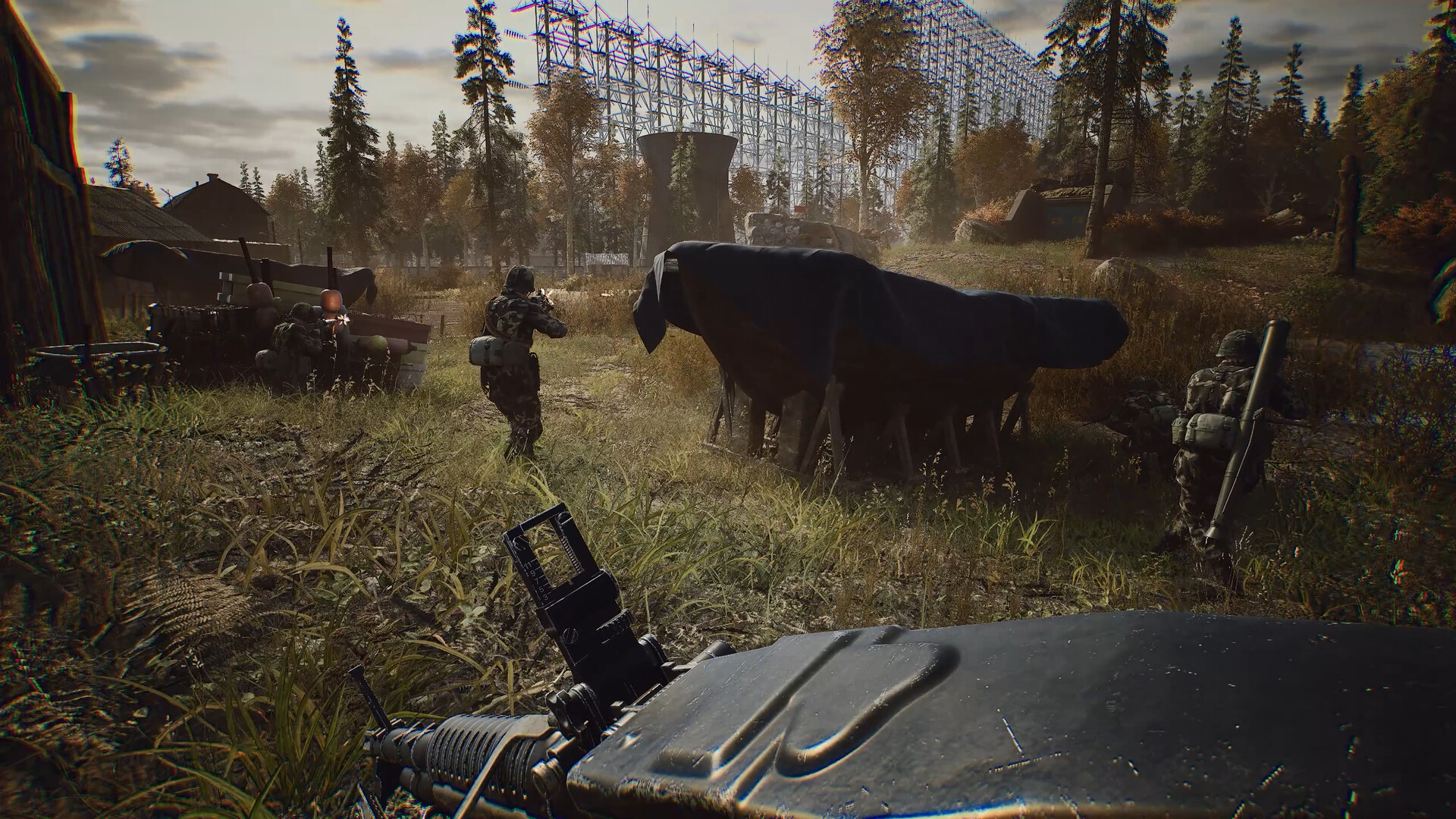
‘83 is a heartfelt, imperfect successor: it nails core combat and promises strategic depth but arrives with the messy baggage of early access. Buy if you want to support the devs or enjoy tactical 40v40 matches; wait if you need a polished, full-price experience right now.
Pros
- Punchy, familiar gunplay that recalls Rising Storm
- Large 40v40 matches with tanks and meaningful commander options
- Accessible realism: lethal feeling without overbearing simulation
- Passionate dev team and a clear roadmap
Cons
- Early Access roughness: bugs, janky animations and UI issues
- Audio and atmosphere often feel sterile compared to RS2
- UE5 quirks and inconsistent performance on some servers
Player Opinion
Players are split but vocal. Many praise the core gunplay, the vehicle inclusion and the overall direction—fans of RS2 recognize the DNA and appreciate the accessible realism and 30–40 minute match tempo. Criticisms focus on polish: missing gore and atmospheric cues, glitchy tanks, flat voicelines, UI/UX problems and early-server instability. A recurring theme is patience: veterans urge support because the game’s bones are promising, while frustrated players warn that current state feels more alpha than finished. If you like tactical, squad-based shooters and don't mind early-access bumps, there's plenty to enjoy already.